标签: North America

北美洲

  • The US 2025: a year of deep division

    The US 2025: a year of deep division

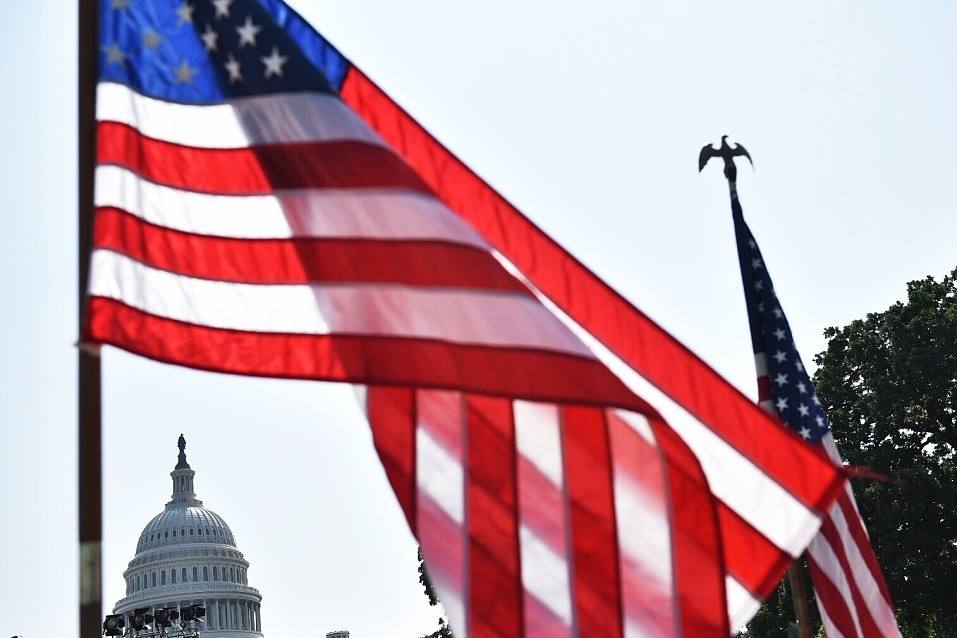
    The United States concludes 2025 entrenched in unprecedented political fragmentation, marking one of the most divisive periods in modern American history. The year witnessed severe governmental dysfunction culminating in the longest federal shutdown ever recorded, driven by irreconcilable differences between political factions.

    Central to the turmoil were the Trump administration’s stringent immigration measures, which ignited massive nationwide demonstrations across multiple metropolitan centers. These protests reflected broader societal tensions that transcended policy disagreements, revealing fundamental fractures within the American political landscape.

    A striking indicator of the deep-seated division emerges from recent polling data, showing approximately 80% of Americans now perceive the opposing political party as fundamentally detached from reality. This statistic underscores the erosion of shared factual understanding and the growth of parallel informational ecosystems that characterize contemporary political discourse.

    Political analysts note that these developments represent not merely temporary disagreements but structural weaknesses within the American democratic system. The prolonged government shutdown paralyzed essential services and exposed the vulnerability of governance mechanisms when ideological polarization prevents basic legislative functionality.

    The immigration policies that triggered widespread civil unrest have become symbolic of larger cultural and political battles, with competing visions of national identity preventing consensus on even the most basic governance matters. This polarization has effectively created two distinct Americas with increasingly incompatible worldviews and value systems.
  • UAE: Meet 13-year-old who became youngest Emirati to win global beekeeping award

    UAE: Meet 13-year-old who became youngest Emirati to win global beekeeping award

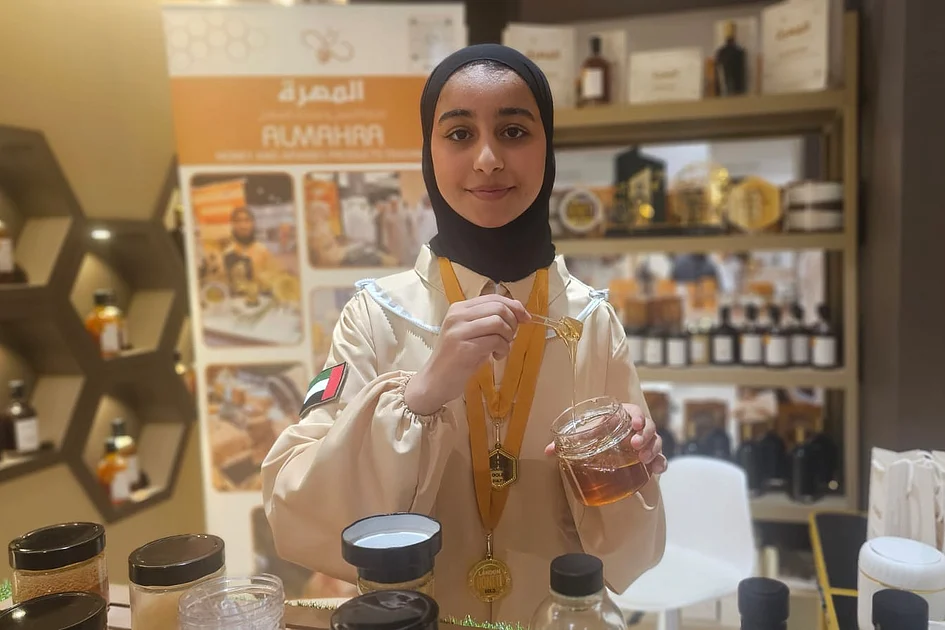
    In an inspiring tale of youthful entrepreneurship and environmental stewardship, 13-year-old Mahra Hamad Al Naqbi from Ras Al Khaimah has become the youngest Emirati to achieve international acclaim in beekeeping. Her journey began at age 10 when she installed her first two beehives in her family’s backyard, embarking on a path that would lead to multiple global awards and the establishment of her own honey brand, Asal Al Mahra.

    Mahra’s methodical approach to apiculture started with formal training courses where she mastered hive structures, bee behavior patterns, and honey production techniques. What began as a cautious family experiment—with parents initially concerned about bee stings—evolved into a fully-supported enterprise as her expertise grew. From those initial two hives, her operation expanded to 35 colonies by 2025, requiring innovative solutions for seasonal honey production across multiple emirates.

    The young apiarist demonstrates remarkable business acumen, strategically planning her operations years in advance. She transports her hives to specialized locations depending on the honey variety—utilizing sidr tree farms in Abu Dhabi for premium winter honey and managing logistical arrangements with local beekeepers. Each hive contains eight frames capable of producing 10-12 kilograms of honey under optimal conditions.

    Mahra’s achievements include prestigious awards from the Paris Honey Awards and London Honey Awards, where she made history as both the first Emirati and youngest-ever winner. She has also earned the Sheikh Mansoor bin Zayed Cultural Excellence Award’s top honor. Beyond commercial success, she serves as a ‘Bee Ambassador’ conducting educational sessions in schools and institutions to promote sustainable beekeeping practices and pollinator conservation.

    Despite international recognition, Mahra maintains her academic commitments while continuing to expand her expertise. Her future ambitions include conducting scientific research on bee behavior and honey production, demonstrating that her passion extends far beyond commercial success. Her story represents a new generation of Emirati youth blending traditional practices with modern environmental consciousness.

  • UAE: Sharjah Airport urges passengers to arrive 3 hours early ahead of New Year weekend

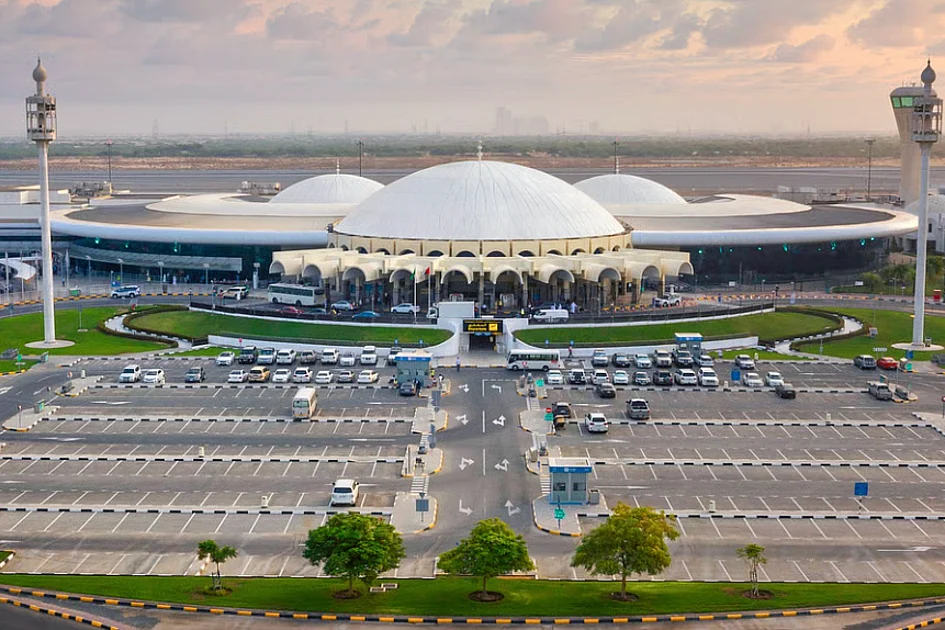
    UAE: Sharjah Airport urges passengers to arrive 3 hours early ahead of New Year weekend

    In anticipation of unprecedented passenger volumes during the extended New Year holiday period, Sharjah Airport has issued formal guidance urging all travelers to arrive at least three hours prior to scheduled departures. The advisory comes as UAE aviation facilities experience substantial congestion driven by winter holiday travel patterns combined with a four-day weekend commencing January 1st, 2026.

    The airport administration has confirmed comprehensive operational preparations to manage the anticipated surge, implementing strategic measures to optimize passenger processing efficiency. Travelers utilizing Air Arabia services are specifically encouraged to leverage urban check-in facilities, enabling advanced baggage processing and direct progression to immigration clearance upon airport arrival.

    Infrastructure enhancements include expanded self-service kiosk availability, streamlined baggage handling systems, and dedicated fast-track security channels. The recently inaugurated Al Diyafah Lounge at the departure terminal entrance offers premium hospitality services, while increased staffing allocations across all operational sectors aim to minimize processing durations.

    This travel advisory aligns with broader regional patterns, as Dubai International Airport concurrently prepares for approximately 10 million passenger transits through year-end. Federal employees will benefit from remote work provisions on January 2nd following the official New Year’s Day holiday, contributing to extended travel windows and sustained passenger volume elevation.

    Aviation authorities emphasize that these proactive measures reflect standardized peak-season protocols designed to maintain service quality while accommodating exceptional passenger throughput during holiday periods.

  • More Indians deported from Saudi than US, UAE in 2025 due to overstay, fake jobs

    More Indians deported from Saudi than US, UAE in 2025 due to overstay, fake jobs

    New data from India’s Ministry of External Affairs reveals a significant pattern of deportations affecting Indian citizens abroad, with Saudi Arabia emerging as the primary source of repatriations during 2025. According to parliamentary disclosures, Saudi authorities deported 10,884 Indian nationals—7,019 from Riyadh and 3,865 from Jeddah—surpassing combined figures from numerous other countries.

    The United States ranked second with 3,812 deportations, reflecting intensified immigration enforcement under the current administration. The United Arab Emirates reported 1,469 deportations, marking the highest figure recorded in the past five years. Cumulative data shows nearly 4,000 Indian nationals have been repatriated from the UAE since 2021, with numbers steadily increasing annually.

    Primary reasons for deportation include visa overstays, unauthorized employment, labor regulation violations, and fraudulent job schemes. The Indian government has identified 3,505 unregistered recruitment agents through its e-Migrate portal, maintaining ongoing vigilance against illegal labor practices.

    The UAE’s recent visa amnesty program, extended through December 2024, provided temporary relief for residency violators seeking to regularize their status or depart without penalties. This marked the fourth such initiative since 2007, demonstrating ongoing efforts to address migration challenges through administrative solutions.

    Globally, deportation procedures vary significantly between jurisdictions. Many countries do not disclose information regarding illegal residents until deportation orders require travel document verification. Indian missions typically become involved only when nationality confirmation or emergency certificates are necessary for repatriation.

    The Indian government maintains multiple assistance channels for citizens abroad, including emergency hotlines, digital platforms like MADAD and CPGRAMS, and direct engagement with host countries’ immigration and labor authorities. The recently established Indian Cybercrime Coordination Centre (I4C) additionally addresses cyber-enabled employment fraud targeting overseas workers.

  • From ‘6-7’ to Labubus: 4 viral trends that took 2025 by storm

    From ‘6-7’ to Labubus: 4 viral trends that took 2025 by storm

    The year 2025 witnessed an unprecedented fusion of digital culture and physical reality as four distinct viral phenomena transcended online platforms to reshape consumer behavior and social interactions worldwide. These trends, predominantly driven by Generations Z and Alpha, created cultural touchstones that blurred traditional boundaries between virtual and tangible experiences.

    Labubu Dolls: The Collectible Craze
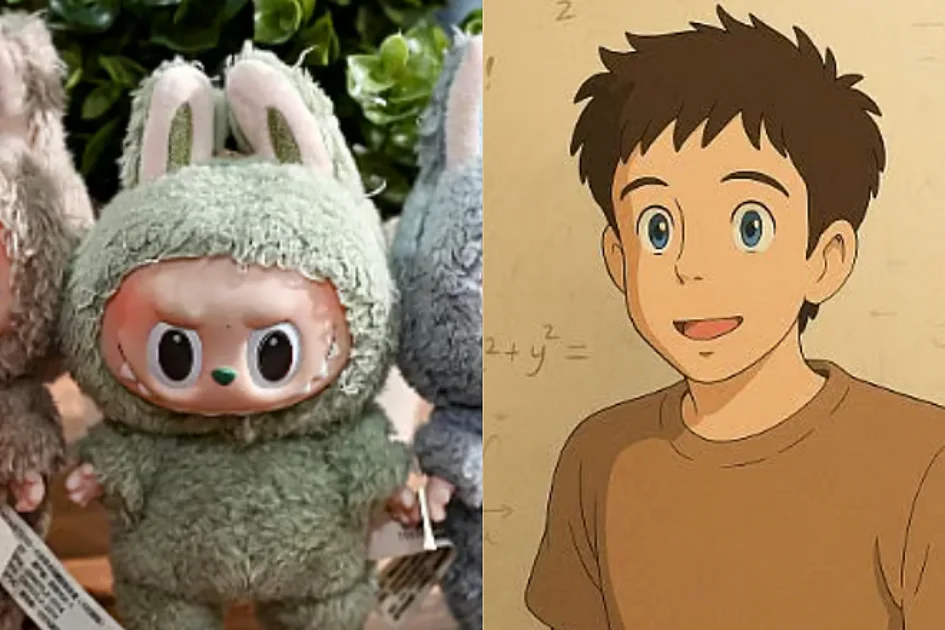
    Emerging around May 2025, Labubu dolls sparked a global consumer frenzy that saw enthusiasts queuing overnight and spending thousands of dirhams on these distinctive figurines. The phenomenon expanded beyond mere toys into a comprehensive lifestyle brand featuring themed cakes, keychains, and entertainment packages. Central to their appeal was the ‘blind box’ concept—a surprise mechanism where purchasers discovered their specific doll design only upon opening. While younger generations celebrated their unconventional aesthetics, the dolls’ pervasive presence made them unavoidable cultural artifacts regardless of personal preference.

    The 6-7 Phenomenon: Cryptographic Youth Culture
    Originating from Philadelphia rapper Skrilla’s track ‘Doot Doot (6 7),’ this phrase evolved into a generational shibboleth through a viral basketball game video featuring a youth performing accompanying hand gestures. Lacking concrete definition, 6-7 became a versatile expression weaponized by younger demographics to confound authority figures. Its cultural significance was formally recognized when Dictionary.com crowned it the 2025 Word of the Year, with Google implementing interactive search results mimicking the characteristic sideways motion.

    Ghibli AI: Artistic Transformation Meets Ethical Debate
    April 2025 witnessed the rise of Ghibli AI filters that transmuted ordinary images into dreamlike animations reminiscent of Studio Ghibli’s iconic style. While millions embraced this technology to create personalized avatars of family, friends, and pets, it ignited substantial ethical discussions. Critics highlighted concerns regarding artistic originality, referencing Studio Ghibli co-founder Hayao Miyazaki’s well-documented aversion to AI-generated art. Privacy experts additionally cautioned about data usage, even as social media platforms became saturated with these aesthetically transformed images.

    Jet2 Holiday: Marketing Jingle Turned Cultural Anthem
    The British airline’s promotional campaign achieved unprecedented viral status with approximately 80 billion global views, evolving into a multifaceted internet meme. Users creatively adapted the ‘Nothing beats a Jet2 holiday’ jingle into travel fail compilations and literal interpretations featuring animated violence against the slogan. The campaign’s omnipresence on TikTok, frequently remixed with musical beats, coincided with Jet2 transporting 14.09 million passengers in early 2025—a significant increase of 750,000 year-over-year, though direct correlation to the viral trend remains speculative.

    These phenomena demonstrate how digital trends increasingly manifest tangible economic impacts and social unification across demographic divides, fundamentally altering contemporary consumerism and cultural expression.

  • How new UAE law holds digital platforms responsible for online child safety

    How new UAE law holds digital platforms responsible for online child safety

    The United Arab Emirates has implemented a groundbreaking federal law establishing comprehensive legal obligations for digital platforms to ensure child safety in online environments. This legislative measure represents a significant shift from voluntary guidelines to mandatory requirements for all digital services operating within the country.

    Effective for children under 18 years of age, the legislation introduces a structured framework that compels platforms to implement robust safety mechanisms. Central to the new regulation is a classification system to be administered by the UAE Cabinet, which will categorize digital services based on their content nature, usage patterns, and potential impact on minors. This classification will dictate specific age-based restrictions and corresponding protective measures.

    According to legal expert Bassem Ehab of Habib Al Mulla and Partners, the law establishes enforceable standards including mandatory age verification protocols, strict limitations on data collection from minors, and complete prohibition of children’s access to gambling and commercial gaming platforms. The legislation additionally clarifies caregiver responsibilities regarding reasonable supervision of children’s online activities.

    Industry specialists have welcomed the regulatory development. Mark Beedles, co-founder of AI wellbeing platform Lumii.me, noted that the decree transforms child safety from being ‘optional to expected’ within digital ecosystems. Platforms must now provide safer default settings, age-appropriate experiences, and enhanced restrictions on how children’s personal information is processed.

    The law also empowers parents with clearer authority to intervene when online content becomes harmful without requiring constant monitoring. Kanessa Muluneh, CEO of Rise of Fearless, emphasized that the legislation maintains children’s ability to enjoy digital content while establishing stronger safety parameters around their online experiences.

    This regulatory advancement follows recent research by Lumii.me examining data handling practices across educational technology platforms in the UAE, highlighting the nation’s progressive approach to digital rights protection for minors. The law signifies the UAE’s broader commitment to creating secure digital environments while balancing technological innovation with child welfare considerations.

  • Trump Gold Card: Would you pay $1 million to live in the US?

    Trump Gold Card: Would you pay $1 million to live in the US?

    A new immigration initiative dubbed the ‘Trump Gold Card’ is generating significant attention among affluent global circles, offering a controversial pathway to United States residency through substantial financial contributions. The program, established via executive order rather than congressional legislation, mandates a non-refundable $1 million gift to the U.S. Department of Commerce per applicant, plus a $15,000 filing fee.

    Unlike traditional immigration routes, the Gold Card program operates under existing EB-1 (extraordinary ability) and EB-2 (national interest waiver) visa categories, bypassing lottery systems and employment-based sponsorship requirements. However, this very classification creates immediate complications, as both EB-1 and EB-2 categories already face severe visa backlogs for applicants from China and India—with wait times extending to several years or even decades.

    Immigration experts highlight critical distinctions between this new program and the established EB-5 Immigrant Investor Program. While the EB-5 requires an $800,000 investment in designated projects with potential returns and covers entire families under a single application, the Gold Card demands separate $1 million donations for each dependent family member with no financial return. Furthermore, the EB-5 program is grounded in federal statute, providing greater legal stability, whereas the Gold Card’s executive order foundation leaves it vulnerable to judicial challenges or revocation by future administrations.

    Dubai-based US attorney Shai Zamanian notes additional uncertainties: ‘Guidance remains unclear regarding whether applicants can file for adjustment of status within the US or must undergo consular processing abroad, potentially restricting their ability to work or travel during application review.’

    Proponents like Rayad Kamal Ayub of UAE’s Rayad Group argue the program represents a ‘paradigm shift’ in immigration policy, attracting ‘legitimate, high-value applicants’ through transparent economic contributions. However, the exceptionally high financial threshold—totaling $4 million plus $60,000 in fees for a family of four—raises substantive questions about equity and accessibility in global migration systems, effectively limiting this pathway to ultra-high-net-worth individuals despite its theoretical availability to those of extraordinary ability or national interest benefit.

  • Winter storm hits US Northeast region, snarls thousands of flights

    Winter storm hits US Northeast region, snarls thousands of flights

    A massive winter weather system has unleashed chaos across the Northeastern United States and Great Lakes regions, creating nightmarish travel conditions during one of the year’s busiest holiday periods. The powerful storm, which intensified from Friday evening through Saturday, delivered heavy snowfall and freezing conditions that grounded air travel and left communities struggling with power outages.

    Aviation tracking service FlightAware reported staggering disruptions as of Saturday afternoon, with 5,580 flights experiencing delays and approximately 860 cancellations nationwide. The New York metropolitan area emerged as particularly devastated, with its three major airports bearing the brunt of the operational meltdown. Federal Aviation Administration officials confirmed that flights bound for John F. Kennedy International Airport faced average delays exceeding two hours during the peak Saturday morning travel window.

    Emergency declarations were activated in both New York and New Jersey as state governors urged residents to exercise extreme caution and monitor rapidly changing conditions. The storm’s timing proved especially problematic, arriving just before what the Transportation Security Administration predicted would be the holiday season’s peak travel day with 2.86 million passengers expected to fly on Sunday.

    Beyond the aviation crisis, the storm’s impact extended to utility infrastructure across multiple states. Michigan reported severe power disruptions with over 30,000 homes and businesses left without electricity as ice accumulation damaged trees and power lines. Winter storm alerts remained active across a broad corridor from New York to Philadelphia, with meteorological agencies warning of continued hazardous conditions through the weekend.

  • How frogs went from right-wing meme to anti-ICE protest symbol

    How frogs went from right-wing meme to anti-ICE protest symbol

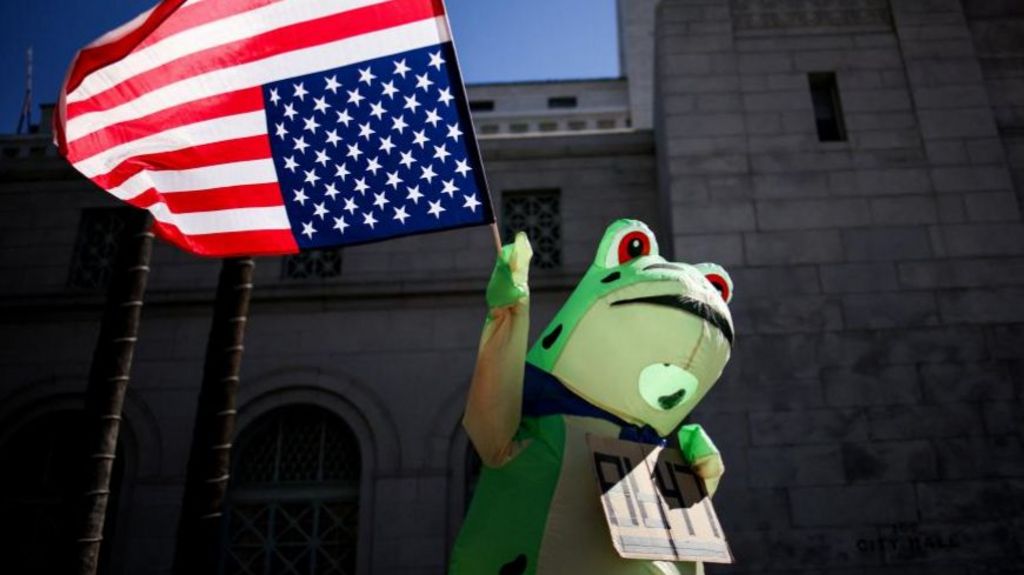
    In an extraordinary display of political theater, American protest movements have embraced absurdist costuming as strategic resistance. The phenomenon reached viral prominence in October when immigration agents in Portland sprayed crowd control chemicals into the protruding snout of an activist’s inflatable frog costume—an image that quickly symbolized the escalating tensions between demonstrators and federal authorities.

    This incident catalyzed the transformation of amphibian imagery from far-right symbol to left-wing protest icon. The frog costume, initially spotted in Portland’s quirky protest culture, has since proliferated across demonstrations from San Diego to Boston, and internationally in Tokyo and London. The unexpected adoption represents a remarkable reclamation of symbolic imagery in America’s political landscape.

    Professor LM Bogad of UC Davis, a Guggenheim Fellow specializing in performance art, identifies this as ‘tactical frivolity’—a calculated strategy using humor to challenge authority. ‘It makes it look worse if you respond with violence to someone in a ridiculous costume,’ Bogad explains, noting how absurd imagery creates ‘irresistible’ visual narratives that disarm opponents while attracting media attention.

    The frog’s political journey traces back to Pepe, a cartoon character created by artist Matt Furie that was co-opted by alt-right communities during the 2016 election. Once deployed as a symbol by white supremacists and notably retweeted by Donald Trump himself, Pepe’s association with extremism prompted Furie to attempt reclaiming his creation through legal battles and even killing off the character in comics.

    Portland’s protest culture, with its unofficial motto ‘Keep Portland Weird,’ provided fertile ground for symbolic transformation. The city’s tradition of eccentric demonstrations—featuring nude cyclists, public yoga, and 80s-style aerobics—created an environment where inflatable dinosaurs, unicorns, and axolotls join frogs as instruments of political theater.

    Operation Inflation, a Portland-based collective, has institutionalized this approach by distributing over 350 inflatable costumes to protesters nationwide. Co-founder Brooks Brown draws parallels to Civil Rights Era strategies: ‘Our job is to build a different stage, and to force them onto ours.’ The group explicitly aims to counter the administration’s narrative of protesters as violent mobs through deliberate absurdity.

    This methodology extends beyond American borders, resembling tactics used by Serbia’s Otpor movement against Milosevic and the coded use of Winnie the Pooh imagery by critics of Xi Jinping. As Bogad notes: ‘Authoritarians don’t like to be laughed at. Without even giving a speech, you are undermining the authoritarian script.’

    The legal system has taken note: a federal judge’s dissenting opinion specifically referenced protesters’ ‘well-known penchant for wearing chicken suits, inflatable frog costumes, or nothing at all’ when challenging the characterization of Portland as a ‘war zone.’

    What emerges is a sophisticated understanding of symbolic warfare in the digital age—where memes become battlegrounds, costumes become rhetorical devices, and the most effective resistance might just come wearing webbed feet and bulging eyes.

  • Annette Dionne, last surviving Dionne quintuplet, dies aged 91

    Annette Dionne, last surviving Dionne quintuplet, dies aged 91

    Annette Dionne, the final surviving member of the world’s first known surviving quintuplets, has passed away at age 91, marking the end of an extraordinary chapter in Canadian history. The Dionne Quints Home Museum confirmed her death, celebrating her lifelong advocacy for children’s rights that emerged from her controversial childhood experience.

    Born in 1934 during the Great Depression’s peak in Ontario, Annette and her four identical sisters—Yvonne, Cécile, Émilie, and Marie—achieved immediate global celebrity status as medical miracles. Their unprecedented survival captured international imagination, leading to Hollywood feature films, magazine cover appearances, and commercial endorsements ranging from toothpaste to syrup.

    The Ontario government’s controversial intervention saw the infants removed from their family and placed in a specially designed compound known as “Quintland,” which operated as a public exhibition site attracting thousands of tourists. For years, the children lived under constant observation with minimal parental contact, creating a childhood devoid of normal privacy and family bonds.

    Following their return to parental custody, three sisters—Annette, Cécile, and Yvonne—initiated legal proceedings against the Ontario government in their adulthood. The landmark 1998 settlement awarded them approximately C$3 million in recognition of the exploitation and unusual circumstances they endured during their formative years.

    Annette outlived all her siblings, including her four quintuplet sisters and nine other Dionne children. Her passing represents the closing of a significant historical period that sparked important conversations about child protection and ethical treatment of minors in extraordinary circumstances. The Dionne Quints Museum continues to preserve their legacy as both a medical marvel and a cautionary tale about childhood commercialization.