标签: North America

北美洲

  • Citizens shocked, traumatized amid port bombing

    Citizens shocked, traumatized amid port bombing

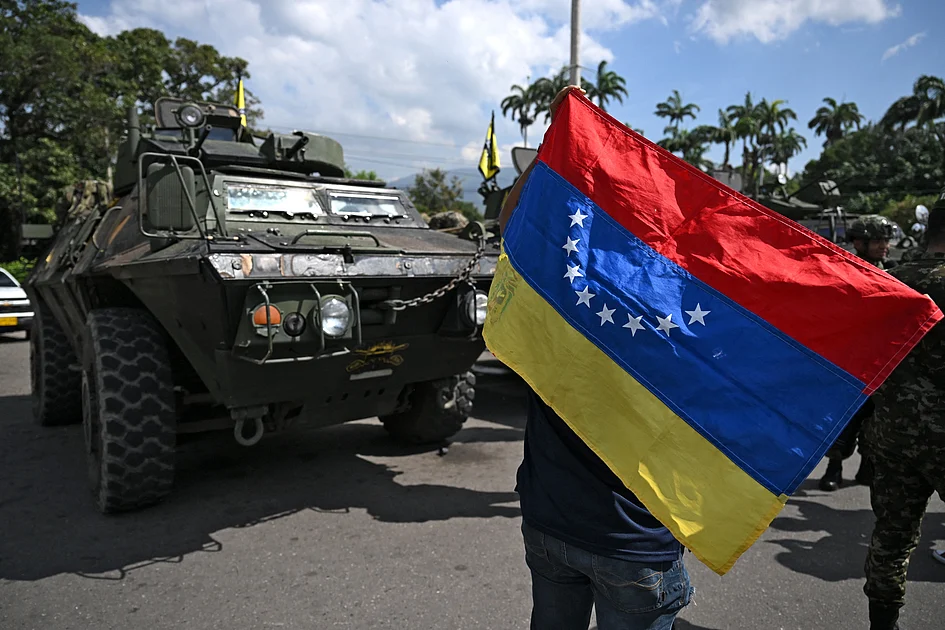
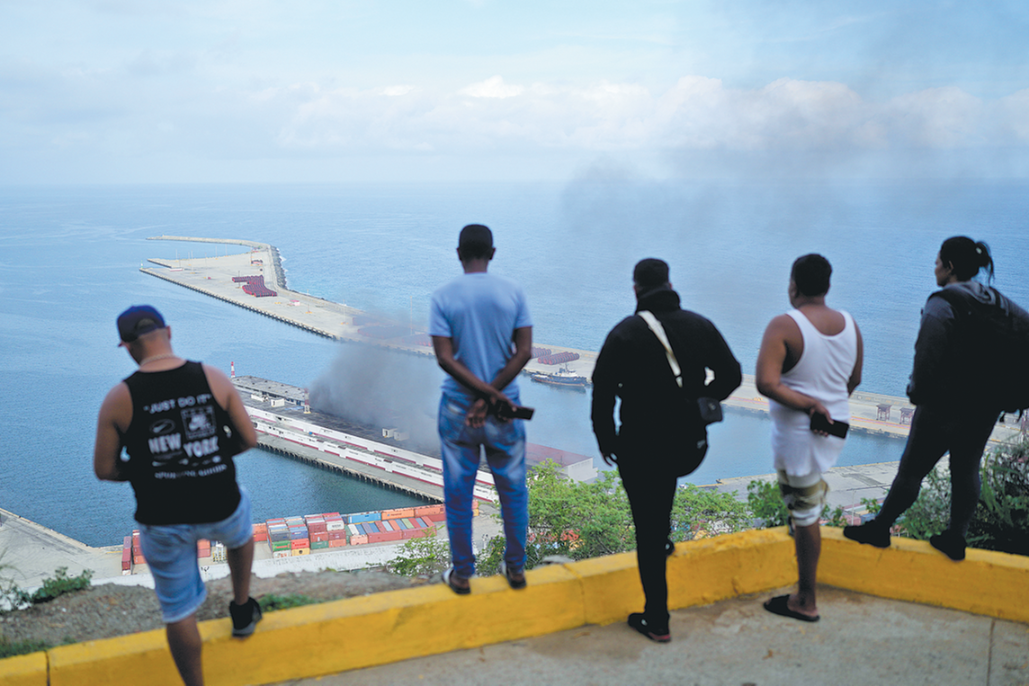
    The port city of La Guaira, Venezuela, remains shrouded in smoke and shock twelve hours after a United States military operation targeted the area. The pre-dawn strikes, part of a mission to capture and extract President Nicolas Maduro, left a landscape of devastation with deformed shipping containers, shattered public buildings, and roofless houses.

    Eyewitness accounts paint a picture of sudden terror and confusion. Alpidio Lovera, 47, described the immediate sequence of events: ‘First we saw the flash and then the explosion,’ he recounted, detailing how he fled with his pregnant wife to higher ground. The psychological impact was profound for many residents, with Linda Unamuno, 39, breaking into sobs as she recalled the nightmarish experience. ‘The blast smashed the entire roof of my house,’ she said. ‘I went out, that’s when I saw what was happening. I saw the fire from the airstrikes. It was traumatizing.’

    The operation, which US officials stated was designed to clear landing paths for helicopters, resulted in no reported casualties in La Guaira. Emergency crews worked throughout the day, with firefighters using excavators to clear debris of broken glass and gnarled metal while armed police patrolled on motorcycles to prevent looting.

    In the capital city of Caracas, the atmosphere was described as eerily quiet despite small gatherings of Maduro supporters demanding his freedom. The rapid removal of a president who had maintained power through years of international sanctions left many citizens incredulous at the day’s events. Maria Eugenia Escobar, 58, told Agence France-Presse: ‘I felt the explosions lift me out of bed. In that instant I thought: ‘My God, the day has come,’ and I cried.’

    The military action has sparked both international concern and domestic protest. Katia Briceno, a 54-year-old university professor, joined demonstrations against what she termed US ‘barbarism,’ questioning the legitimacy of a foreign government removing a country’s leader. The operation marks a dramatic escalation in the long-standing political conflict between the United States and Venezuela, with immediate physical and psychological consequences for its citizens.
  • Trump says US needs Greenland ‘for defense’ following strikes on Venezuela

    Trump says US needs Greenland ‘for defense’ following strikes on Venezuela

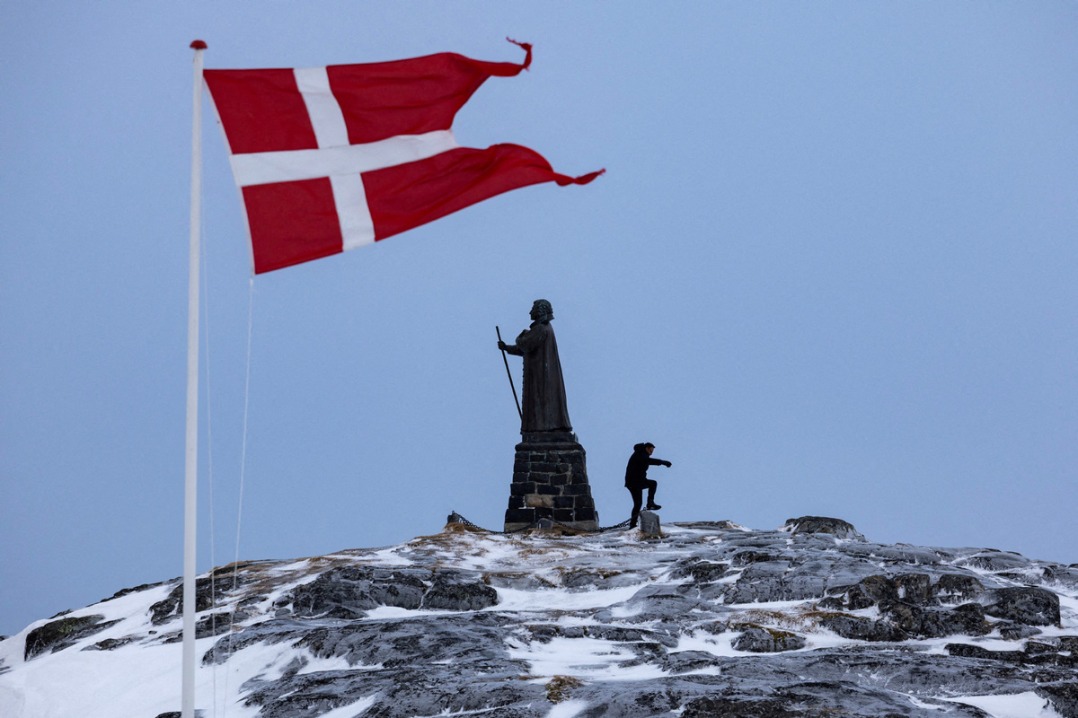
    President Donald Trump has reignited controversy by asserting the United States’ strategic need for Greenland’s territory for national defense purposes. The declaration came during a telephone interview with The Atlantic magazine on Sunday, shortly after U.S. forces conducted a military operation in Venezuela that resulted in the capture of President Nicolás Maduro.

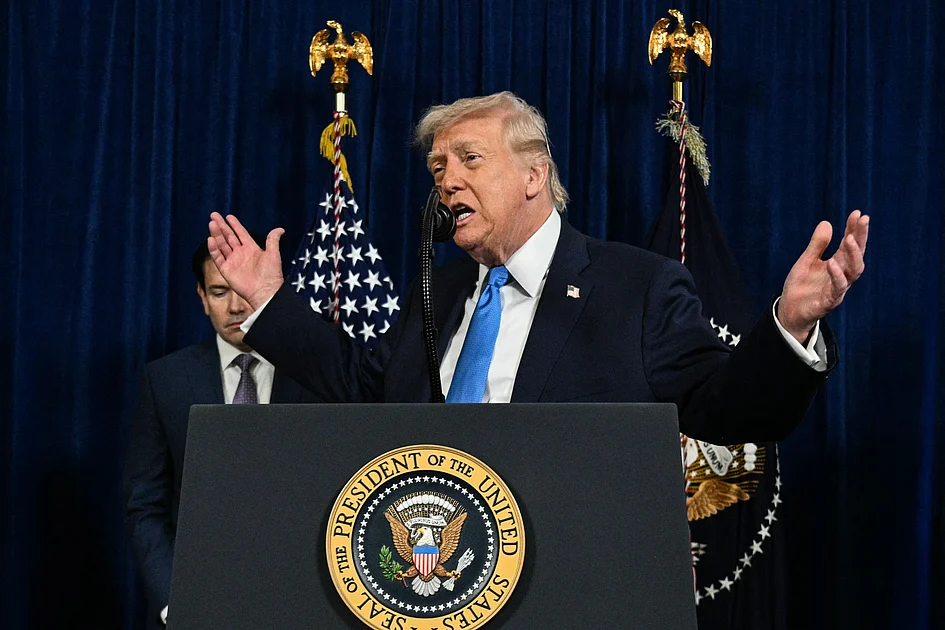
    “We do need Greenland, absolutely,” Trump stated, connecting the Arctic territory’s strategic importance to broader national security concerns. When questioned about potential implications of the Venezuela intervention on Greenland’s status, Trump responded: “It was up to others to decide what the large-scale US strike against Venezuela means to Greenland. They are going to have to view it themselves.”

    The remarks prompted an immediate and forceful response from Danish leadership. Prime Minister Mette Frederiksen issued a direct rebuke, declaring that “the United States has no right to annex” any part of the Danish Realm, which includes Denmark, Greenland, and the Faroe Islands.

    “I have to say it very directly to the United States,” Frederiksen stated, urging Washington to cease making threats against a close ally and the Greenlandic people. This diplomatic tension marks the latest chapter in a recurring pattern of territorial interest expressed by the Trump administration throughout the previous year.

    The White House has consistently justified its Greenland aspirations by citing national security imperatives, Arctic strategy considerations, and the territory’s potential wealth of critical minerals and natural resources. Meanwhile, the international community continues to express profound alarm over the Venezuela operation, with multiple nations condemning what they characterize as blatant use of force against a sovereign state.

  • Venezuela’s acting president convenes first cabinet meeting since Maduro’s capture

    Venezuela’s acting president convenes first cabinet meeting since Maduro’s capture

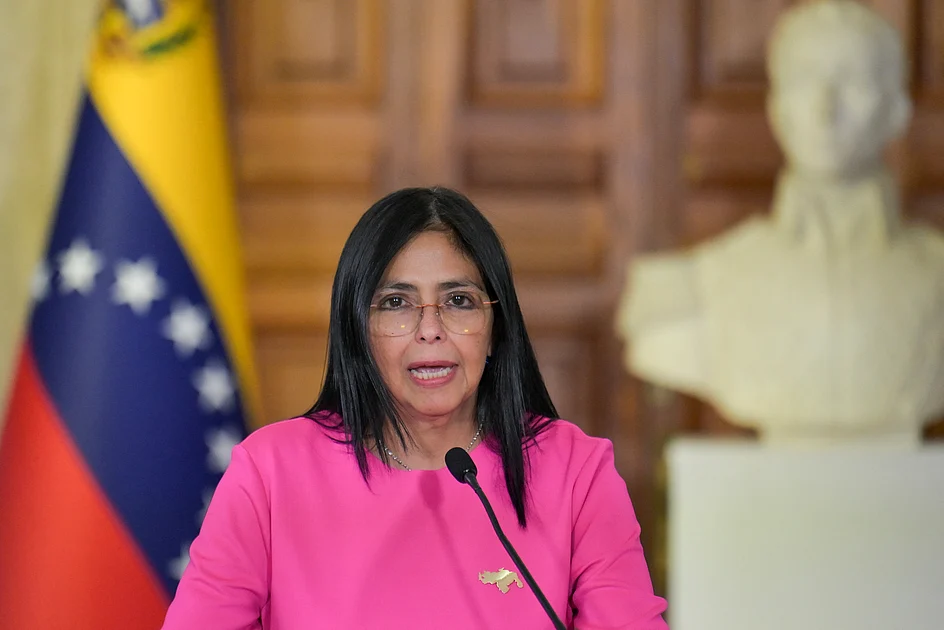
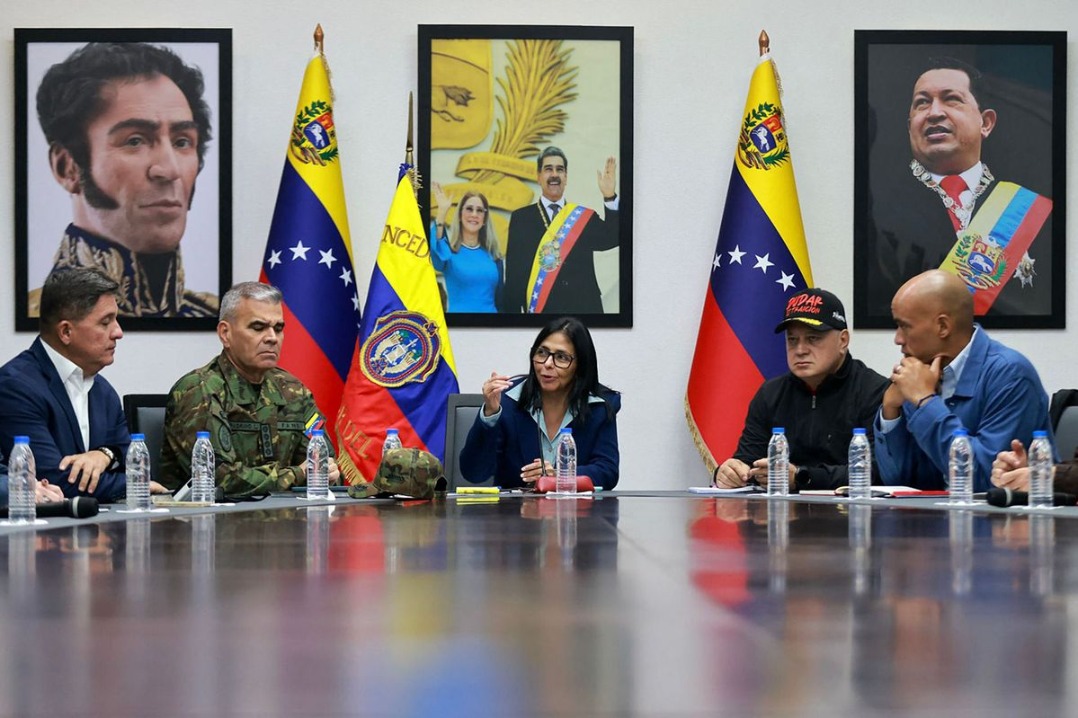
    Venezuela’s political landscape entered a critical phase as Acting President Delcy Rodriguez presided over an emergency cabinet assembly on Sunday, marking the first such gathering since the dramatic capture of President Nicolas Maduro by United States authorities. The high-stakes meeting, convened merely one day after the nation’s Supreme Tribunal formally mandated Rodriguez to assume interim presidential duties, represents a pivotal moment in Venezuela’s ongoing political crisis.

    Official state television broadcasts depicted Rodriguez flanked by key governmental figures including Defense Minister Vladimir Padrino Lopez and Interior Minister Diosdado Cabello during the council of ministers meeting at the Vice Presidency headquarters in Caracas. The visual symbolism of unity among Maduro’s closest allies served as a powerful message to both domestic and international observers.

    The administration characterized the emergency session as addressing “strategic lines framed in the ‘state of external commotion’”—a special decree previously enacted by the Venezuelan government to respond to extraordinary circumstances. This legal framework provides the interim government with expanded authority to navigate the complex geopolitical situation arising from Maduro’s detention.

    In a parallel development demonstrating the government’s coordinated response, Rodriguez announced the establishment of a specialized committee dedicated exclusively to securing Maduro’s release. This move signals Caracas’ intention to pursue diplomatic and legal channels to challenge what Venezuelan officials have characterized as an unlawful international intervention in their sovereign affairs.

    The convergence of military, judicial, and political leadership surrounding Rodriguez suggests a consolidation of power within Maduro’s political circle, aimed at projecting stability and continuity despite the unprecedented challenge to Venezuela’s leadership structure.

  • Watch: Moment over 80,000 teddy bears fly onto ice rink

    Watch: Moment over 80,000 teddy bears fly onto ice rink

    A heartwarming spectacle unfolded during an American Hockey League matchup as a staggering 81,796 plush toys descended upon the playing surface in what organizers described as a ‘benevolent avalanche of generosity.’ The extraordinary event, meticulously planned as part of the league’s annual charitable tradition, transformed the arena into a vibrant sea of stuffed animals in mere moments.

    The teddy bear toss phenomenon, a beloved fixture in minor league hockey, represents one of sports’ most unique charitable traditions. Spectators arrive at games specially prepared, armed with new plush toys that remain in their possession until the home team scores its first goal. This triggering event unleashes a deluge of donated toys from the stands onto the ice surface below.

    Arena staff and team volunteers worked diligently to collect the massive donation, which will be distributed to local children’s hospitals, shelters, and community organizations in time for the holiday season. The event not only set a new franchise record for donations but created an unforgettable visual spectacle that blended athletic competition with community philanthropy in extraordinary fashion.

    This tradition, which has spread across hockey leagues worldwide, demonstrates the sports community’s powerful capacity to mobilize charitable giving through creative audience participation. The 81,796-figure represents more than just a number—it translates to thousands of children receiving comfort and joy during challenging times through the simple gift of a plush companion.

  • Latvia PM confirms damage to Baltic Sea optical cable connecting Lithuania

    Latvia PM confirms damage to Baltic Sea optical cable connecting Lithuania

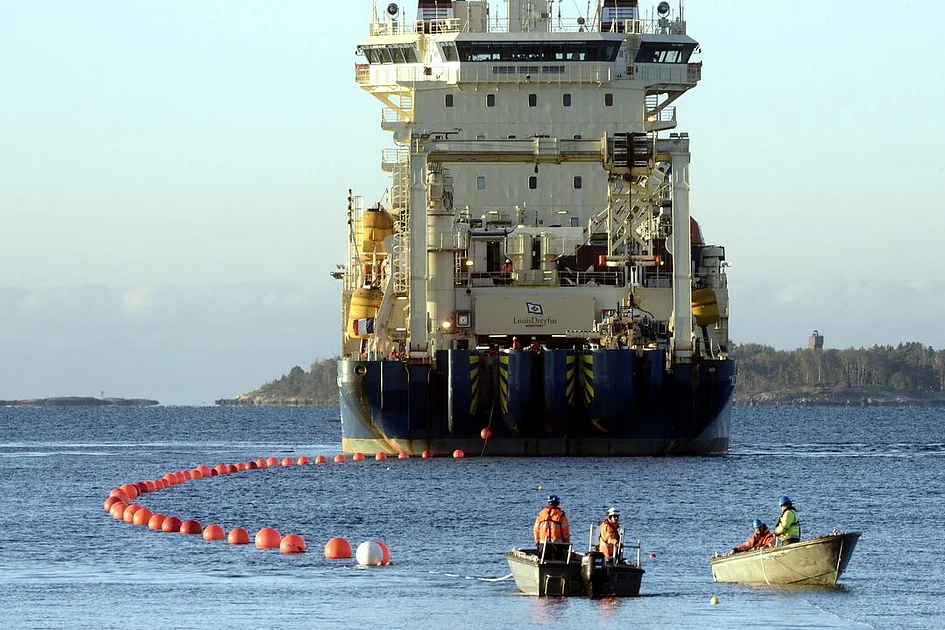
    Latvian Prime Minister Evika Silina has officially confirmed damage to a privately-owned optical submarine cable connecting Lithuania and Latvia in the Baltic Sea. The announcement, made on Sunday, January 4, 2026, has triggered immediate investigations into the circumstances surrounding this critical infrastructure failure.

    The incident occurs against a backdrop of heightened regional security concerns following multiple disruptions to energy and communication systems since Russia’s invasion of Ukraine in 2022. Lithuania’s National Crisis Management Centre has separately acknowledged the damage while emphasizing that the exact cause remains undetermined pending thorough investigation.

    This development follows closely on the heels of a significant maritime security operation five days prior, when Finnish authorities intercepted a cargo vessel traveling from Russia to Israel. The vessel was seized on suspicion of involvement in sabotaging an underwater telecommunications cable connecting Helsinki to Estonia through the Gulf of Finland.

    The Baltic Sea region has experienced a concerning pattern of infrastructure vulnerabilities, with previous incidents affecting power transmission cables, telecommunications links, and natural gas pipelines. In response to these escalating threats, NATO has substantially reinforced its maritime presence in the area, deploying additional frigates, surveillance aircraft, and naval drone capabilities to monitor and protect critical undersea infrastructure.

    The damaged optical cable represents part of the vital digital connectivity network that facilitates data transmission and communications between Baltic nations. While the immediate impact on telecommunications services remains under assessment, the incident underscores the growing vulnerability of subsea infrastructure to potential sabotage or accidental damage in increasingly tense geopolitical conditions.

  • ‘Happy, excited, confused’: UAE-based Venezuelans react to Maduro’s capture

    ‘Happy, excited, confused’: UAE-based Venezuelans react to Maduro’s capture

    Venezuelan nationals residing in the United Arab Emirates have exhibited profoundly mixed reactions to the reported capture of President Nicolás Maduro by US military forces. The development has exposed deep fractures within the diaspora community, reflecting the polarized political landscape of their homeland.

    Alonso Morales, a 50-year-old former military officer now based in the UAE, described witnessing the news with overwhelming emotion. “We have been waiting for this moment for 25 years,” Morales stated, his voice trembling with intensity. Having departed Venezuela due to systematic political persecution, Morales recounted how his family members faced imprisonment and constant surveillance under successive administrations. He detailed how his educational background and intellectual capacity marked him as a subversive threat within the military hierarchy, ultimately compelling his exile.

    Conversely, music educator Glenangel Carrera articulated feelings of euphoric disbelief upon learning of Maduro’s apprehension. “This represents the initial stride toward justice and dismantling the regime,” Carrera expressed, though simultaneously acknowledging her conflicting emotions. Having emigrated in 2017 due to deteriorating economic and social conditions, she emphasized the severe consequences activists faced under Maduro’s governance, including arbitrary detention and lethal retaliation.

    Not all responses have been celebratory. Significant segments of the Venezuelan community, particularly government loyalists, have condemned the operation as an unlawful foreign intervention. These individuals have voiced apprehensions that Maduro’s capture could precipitate heightened instability, potentially triggering violent reprisals or creating a dangerous power vacuum.

    Regional analysts have characterized this unprecedented action against a sitting head of state as a dramatic shift in US foreign policy doctrine. Experts caution that this intervention may establish concerning precedents in international law while potentially exacerbating regional tensions and internal Venezuelan conflicts, rather than facilitating peaceful resolution.

  • US not seeking to govern Venezuela, aims to work with new authorities, Marco Rubio says

    US not seeking to govern Venezuela, aims to work with new authorities, Marco Rubio says

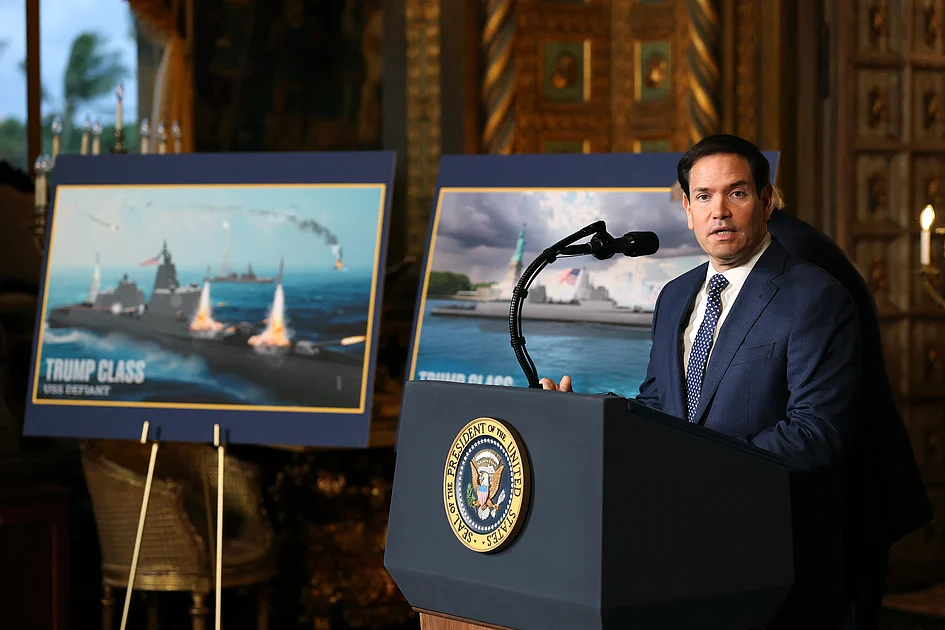
    In the aftermath of a dramatic military operation that resulted in the capture of Venezuelan President Nicolás Maduro, top U.S. officials have moved to clarify Washington’s position regarding the South American nation’s future governance. Secretary of State Marco Rubio appeared on multiple Sunday news programs to emphasize that the United States does not seek to directly govern Venezuela, but rather intends to collaborate with existing authorities under specific conditions.

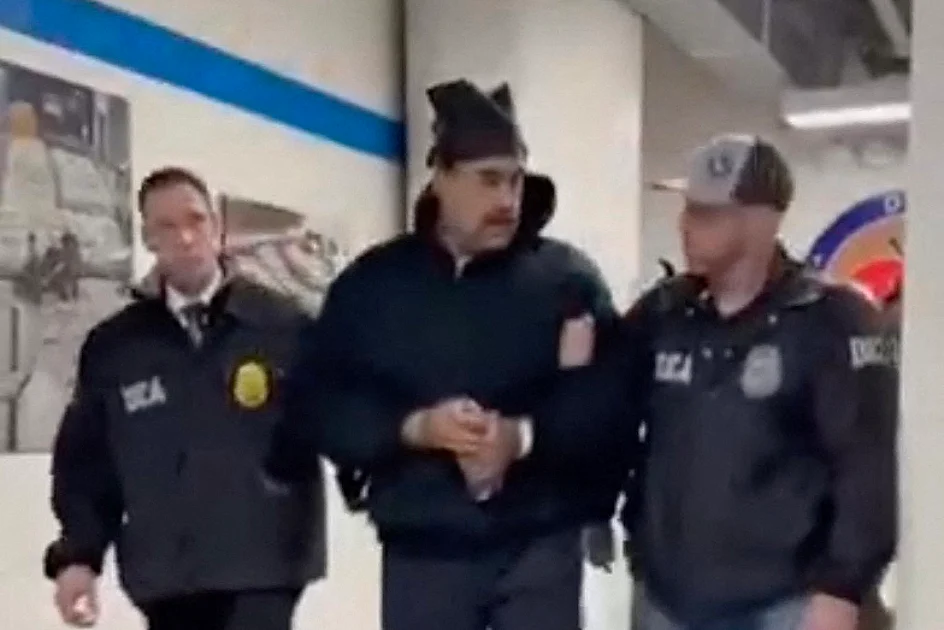
    The operation, which unfolded on Saturday, involved U.S. commandos conducting a helicopter assault on Caracas with support from attack aircraft and naval assets. The successful extraction of Maduro and his wife culminated in the deposed leader’s transport to New York, where he now awaits arraignment on narcotrafficking charges. Video evidence released by the White House shows Maduro in custody at a Manhattan DEA facility, handcuffed and offering a subdued ‘Good night, happy new year’ in English.

    Despite the vacuum created by Maduro’s capture, relative calm prevailed in Venezuela’s capital. Citizens formed queues at grocery stores, while the previously visible heavily armed police presence diminished significantly. The Venezuelan military has officially recognized Vice President Delcy Rodríguez as acting president and encouraged citizens to resume normal activities.

    Secretary Rubio’s comments served to contextualize President Trump’s earlier statement about the U.S. intending to ‘run the country’ until a transition could be effected. Rubio specified that Washington would assess the existing Venezuelan leadership based on actions rather than rhetoric, indicating readiness to work with Rodríguez and other cabinet members contingent upon their adherence to U.S. demands.

    The administration faces mounting questions regarding its long-term strategy, particularly concerning Venezuela’s massive oil reserves—the world’s largest. Rubio indicated that Western companies would likely show ‘dramatic interest’ in revitalizing Venezuela’s crippled oil industry, provided appropriate guarantees and conditions were established. Simultaneously, the U.S. maintains significant leverage through an oil export embargo enforced by Navy vessels in the Caribbean.

    Political opposition emerged from Democratic leaders, with Senate leader Chuck Schumer expressing that Americans were left ‘scratching their heads in wonderment and in fear,’ while House leader Hakeem Jeffries characterized the raid as an unauthorized act of war. The operation represents the culmination of an escalating pressure campaign that began with interdictions of suspected drug trafficking vessels near Venezuelan waters.

  • Trump warns Venezuela VP Delcy Rodriguez could face harsher fate than Maduro

    Trump warns Venezuela VP Delcy Rodriguez could face harsher fate than Maduro

    In a recent interview with The Atlantic magazine, former U.S. President Donald Trump issued a direct threat to Venezuelan Vice President Delcy Rodríguez, suggesting she could face more severe consequences than ousted leader Nicolás Maduro if she fails to align with U.S. interests. The statement, made on January 4, 2026, represents a significant escalation in the ongoing political confrontation between the United States and Venezuela’s leadership.

    The remarks follow reports of a U.S. military operation that reportedly resulted in the elimination of much of Maduro’s security team and claims that the Venezuelan president had been captured and transported out of the country. Trump’s specific targeting of Rodríguez, who serves as Venezuela’s first female vice president and a key figure in Maduro’s government, indicates a strategic shift in U.S. pressure tactics toward Venezuelan officials.

    This development occurs within the broader context of heightened tensions between the two nations, with the U.S. expressing intentions to manage Venezuela’s oil reserves during a transitional period following Maduro’s alleged capture. The explicit nature of Trump’s warning underscores the increasingly direct approach being employed by U.S. officials in dealing with the Venezuelan government, moving beyond diplomatic channels to overt threats against specific individuals in leadership positions.

  • US raid on Venezuela killed much of Maduro’s security team, says Defence Minister

    US raid on Venezuela killed much of Maduro’s security team, says Defence Minister

    Venezuela’s Defense Minister General Vladimir Padrino has confirmed that a significant portion of President Nicolas Maduro’s security detail was eliminated during a United States military operation that resulted in the leader’s capture on Saturday. The announcement came during a nationally televised address on Sunday morning, though precise casualty figures were not disclosed.

    In the wake of Maduro’s apprehension, Padrino formally endorsed Vice President Delcy Rodriguez as Venezuela’s interim leader. The defense minister further announced the full activation of the nation’s armed forces to protect territorial sovereignty and maintain constitutional order during this transitional period.

    The operation represents one of the most significant foreign interventions in Latin America in recent decades, with implications for regional stability and international relations. The Venezuelan military’s response suggests preparations for potential continued confrontations, while the political transition under Rodriguez marks a dramatic shift in the country’s leadership structure.

    International observers are closely monitoring developments as the situation continues to evolve, with particular attention to potential reactions from Venezuela’s allies and the broader implications for hemispheric security dynamics.

  • Venezuela military recognises Maduro’s VP Delcy Rodriguez as acting president

    Venezuela military recognises Maduro’s VP Delcy Rodriguez as acting president

    In a significant development following the extraction of former President Nicolas Maduro by US forces, Venezuela’s military command has formally recognized Vice President Delcy Rodriguez as the nation’s acting head of state. The announcement came on January 4, 2026, through an official statement from Defense Minister Vladimir Padrino López.

    The military’s endorsement aligns with a Supreme Court ruling that appointed Rodriguez to serve as interim president for a 90-day period. This constitutional transition mechanism was activated following the unexpected removal of Maduro, who was extracted by US special operations forces to face international charges.

    Minister Padrino’s statement emphasized the armed forces’ commitment to maintaining constitutional order and stability during this transitional phase. The military’s swift recognition of Rodriguez appears designed to project an image of institutional continuity despite the extraordinary circumstances surrounding Maduro’s removal.

    The development comes amid heightened tensions between Venezuela and the United States, with Caracas characterizing the extraction operation as a violation of international law. The military’s unified stance suggests a coordinated response from Maduro’s political allies to maintain control of the government apparatus despite the former president’s absence.

    International observers are closely monitoring whether Rodriguez’s interim administration will pursue policy changes or maintain Maduro’s political course during this ninety-day period. The military’s endorsement is seen as crucial for ensuring stability within Venezuela’s power structure during this unprecedented political transition.