标签: North America

北美洲

  • Premier League: Manchester United sack Amorim after turbulent tenure

    Premier League: Manchester United sack Amorim after turbulent tenure

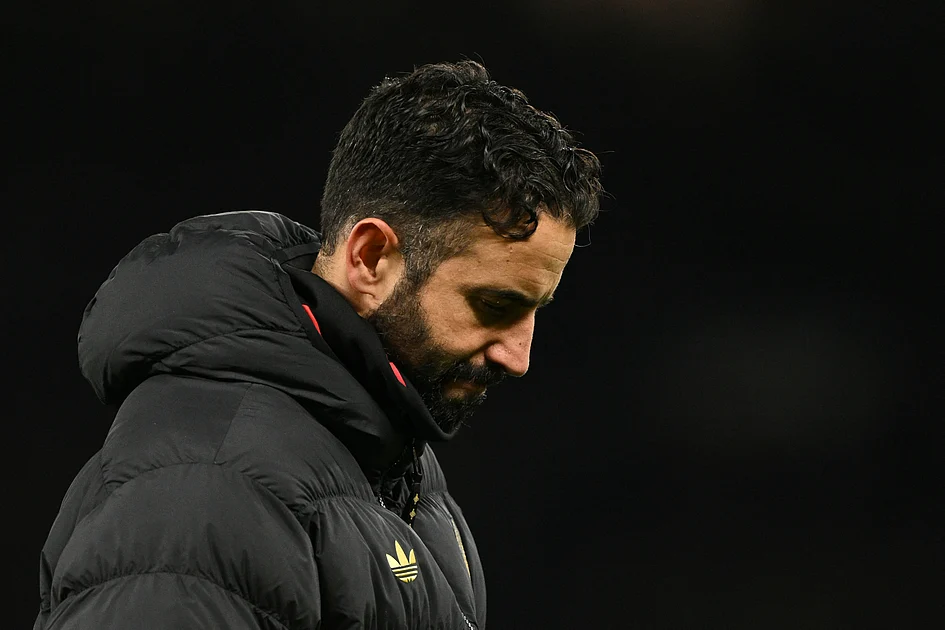
    In a decisive move signaling profound institutional discontent, Manchester United has severed ties with manager Ruben Amorim, concluding a tumultuous 14-month tenure marked by underwhelming performance and culminating in a fiery public defense of his position. The club’s leadership announced the termination on Monday, January 5, 2026, just one day following a tense 1-1 draw with Leeds United that precipitated a remarkable press conference outburst from the typically composed Portuguese coach.

    The official club statement framed the dismissal as a necessary step to salvage the season, noting, ‘With Manchester United sitting sixth in the Premier League, the club’s leadership has reluctantly made the decision that it is the right time to make a change. This will give the team the best opportunity of the highest possible Premier League finish.’ This decision leaves the storied club languishing 17 points behind league leaders Arsenal, having secured only three victories in their previous eleven matches.

    Amorim’s appointment in November 2024, succeeding Erik ten Hag, initially generated optimism but rapidly deteriorated into one of the most challenging periods in the club’s modern history. His inaugural season concluded with a disastrous 15th-place Premier League finish—the club’s worst since their 1974 relegation—coupled with a painful Europa League final defeat to Tottenham Hotspur.

    The catalyst for his dismissal emerged during Sunday’s post-match conference where Amorim delivered an impassioned monologue addressing mounting speculation about his future. Defiantly rejecting notions of resignation, he starkly differentiated his perceived role, declaring, ‘I came here to be the manager, not to be the coach. Every department—the scouting department, the sporting director—need to do their job.’ He directly confronted critics including prominent pundit and former player Gary Neville, who had consistently questioned Amorim’s tactical rigidity and adherence to a three/five-at-the-back formation.

    Statistical analysis reveals the magnitude of the struggle under Amorim’s leadership. Across 63 matches in all competitions, he managed merely 24 victories against 21 defeats, translating to a win percentage of 38.1%—a figure that plummeted to a historically poor 32% in Premier League competition, the worst record of any permanent manager in the club’s Premier League era.

    Despite earning respect from media members for his refreshing candor, Amorim’s management style drew criticism for his harsh public assessments of players, including describing his squad as ‘maybe the worst in the club’s history.’ While summer acquisitions of Benjamin Sesko, Bryan Mbeumo, and Matheus Cunha enhanced attacking options, the team remained visibly unbalanced with a vulnerable defense and inadequate midfield structure.

    The immediate future will see former midfielder Darren Fletcher, currently overseeing the under-18 squad, assume temporary managerial duties starting with Wednesday’s fixture against Burnley. Fletcher is expected to implement a traditional 4-4-2 system contrasting sharply with Amorim’s preferred approach.

    This termination continues a troubling pattern of managerial instability at Old Trafford since the legendary Sir Alex Ferguson’s retirement in 2013. The club has cycled through seven permanent managers—David Moyes, Louis van Gaal, Jose Mourinho, Ole Gunnar Solskjaer, Ralf Rangnick, Ten Hag, and now Amorim—without securing a single Premier League title in 13 years. Notably, Amorim’s departure follows closely on Chelsea’s dismissal of Enzo Maresca, highlighting the intense pressure and diminishing patience within Premier League leadership structures.
  • US capture of Venezuelan President Maduro opens door to democratic transition, EU says

    US capture of Venezuelan President Maduro opens door to democratic transition, EU says

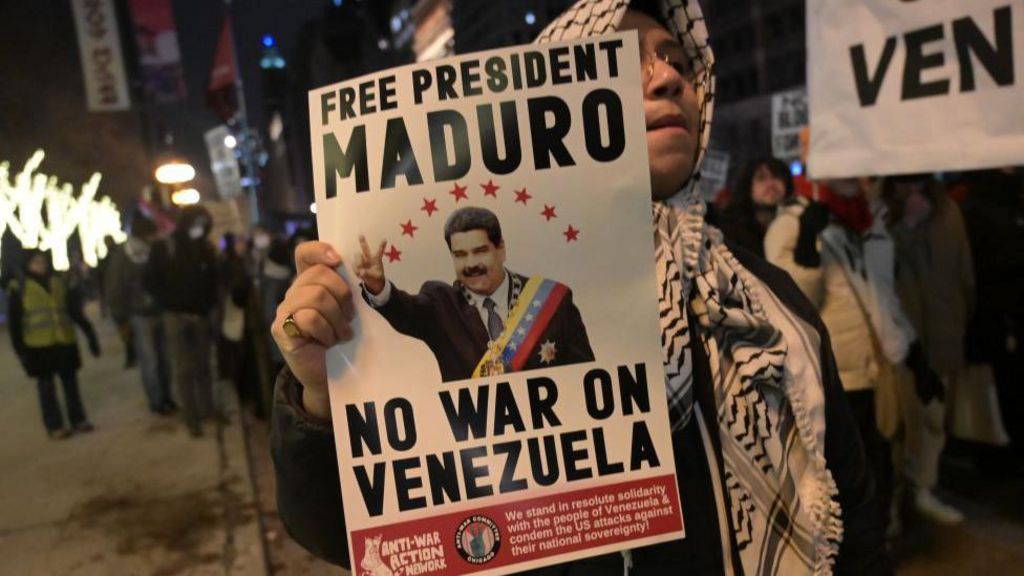
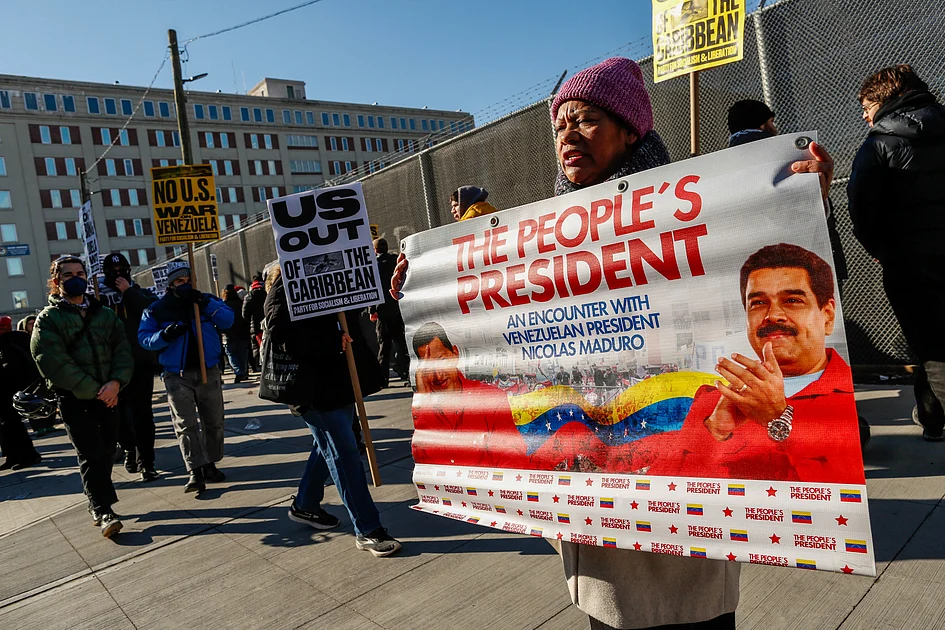
    The European Commission has declared that the apprehension of Venezuelan President Nicolas Maduro by United States forces presents a pivotal opening for restoring democratic governance in Venezuela. During a press briefing on Monday, a Commission spokesperson characterized the development as creating a significant opportunity for a transition ultimately directed by the Venezuelan populace themselves.

    The spokesperson refrained from offering a definitive legal assessment of the U.S. operation that led to Maduro’s capture this past Saturday, stating it was premature to evaluate all its implications. The EU’s position notably hinges on its longstanding refusal to recognize Maduro’s legitimacy, a point the official underscored by stating he ‘lacked the legitimacy of a democratically elected leader.’

    Crucially, the European Union declined to speculate on the motivations of U.S. President Donald Trump, explicitly avoiding commentary on whether his administration’s actions were genuinely driven by an interest in fostering Venezuelan democracy. The EU’s statement carefully frames the event as a consequential geopolitical moment while maintaining a cautious distance from endorsing the methods employed by its American ally.

  • US cuts universal childhood vaccine recommendations, including covid and hepatitis

    US cuts universal childhood vaccine recommendations, including covid and hepatitis

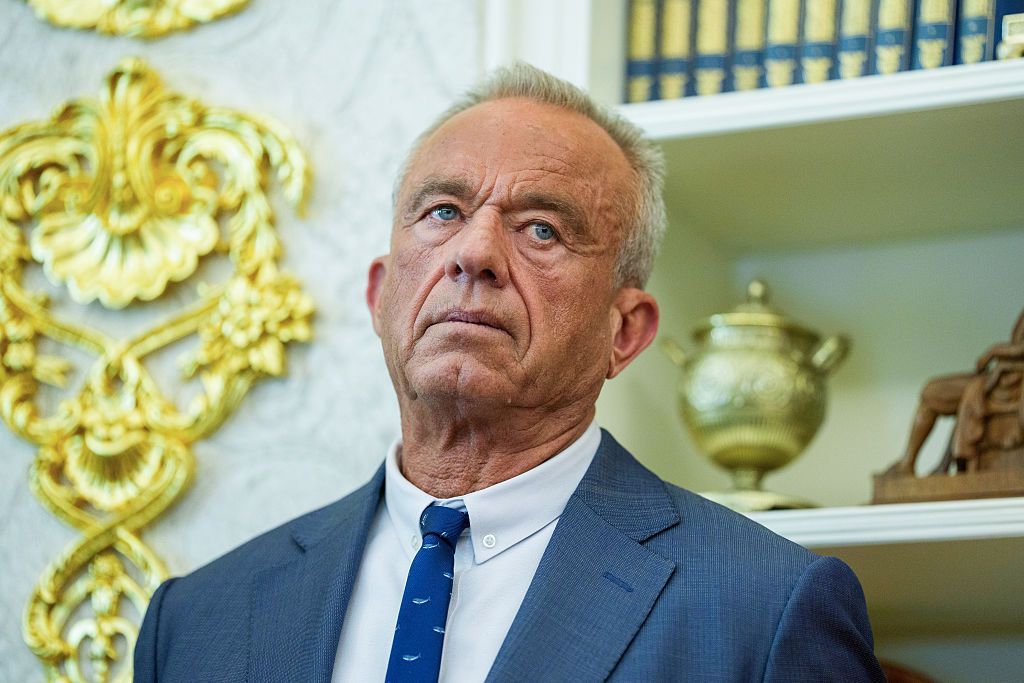
    In a landmark policy shift under Health Secretary Robert F. Kennedy Jr., the U.S. Centers for Disease Control and Prevention (CDC) has dramatically revised its childhood immunization guidelines, reducing the number of routinely recommended vaccines from 17 to 10. The new schedule, announced Monday, maintains core protections against diseases like polio and measles but moves several others—including hepatitis A, hepatitis B, and COVID-19 vaccines—into a category based on individual risk assessment and “shared clinical decision-making” between physicians and parents.

    The Department of Health and Human Services stated the overhaul followed an exhaustive comparative analysis, which identified the U.S. as a “global outlier” among 20 developed nations in both the number of diseases covered and the quantity of doses administered. Secretary Kennedy framed the change as a move to align American policy with international consensus, emphasizing that it “protects children, respects families, and rebuilds trust in public health” while strengthening transparency and informed consent.

    This sweeping change is the latest in a series of revisions. It follows a recent controversial adjustment by a CDC panel to the hepatitis B vaccine timeline, delaying the first dose from within 24 hours of birth to two months of age for infants born to hepatitis B-negative mothers—a move the American Academy of Pediatrics condemned as “a dangerous move that will harm children.”

    Despite the reduction in routinely recommended vaccines, insurance coverage is expected to continue for all vaccines that were on the schedule at the end of 2025 for the immediate future.

  • Watch: What it was like in the courtroom at Maduro’s hearing

    Watch: What it was like in the courtroom at Maduro’s hearing

    In a significant judicial proceeding, former Venezuelan President Nicolás Maduro appeared before a judge with BBC correspondent Madeline Halpert providing exclusive eyewitness accounts from within the courtroom. The hearing marked a pivotal moment in Venezuela’s ongoing political and legal landscape, drawing international attention to the judicial processes involving the controversial leader.

    Halpert’s firsthand observations detailed the courtroom atmosphere as tense yet procedurally formal, with Maduro demonstrating a composed demeanor while addressing the bench. The proceedings unfolded under tight security measures, reflecting the high-stakes nature of the case that has captivated both domestic and international audiences.

    The judicial review represents a critical juncture in Venezuela’s complex political trajectory, potentially setting precedents for how former heads of state are held accountable within legal frameworks. The hearing’s developments are being closely monitored by global human rights organizations, international legal experts, and diplomatic circles concerned with rule of law applications in politically charged environments.

    This courtroom appearance occurs against the backdrop of Venezuela’s multifaceted crisis, encompassing economic challenges, political polarization, and international sanctions. The judicial process is expected to undergo rigorous scrutiny from various stakeholders assessing its adherence to international legal standards and procedural fairness.

  • ‘I’m a prisoner of war’ – In the room for Maduro’s dramatic court hearing

    ‘I’m a prisoner of war’ – In the room for Maduro’s dramatic court hearing

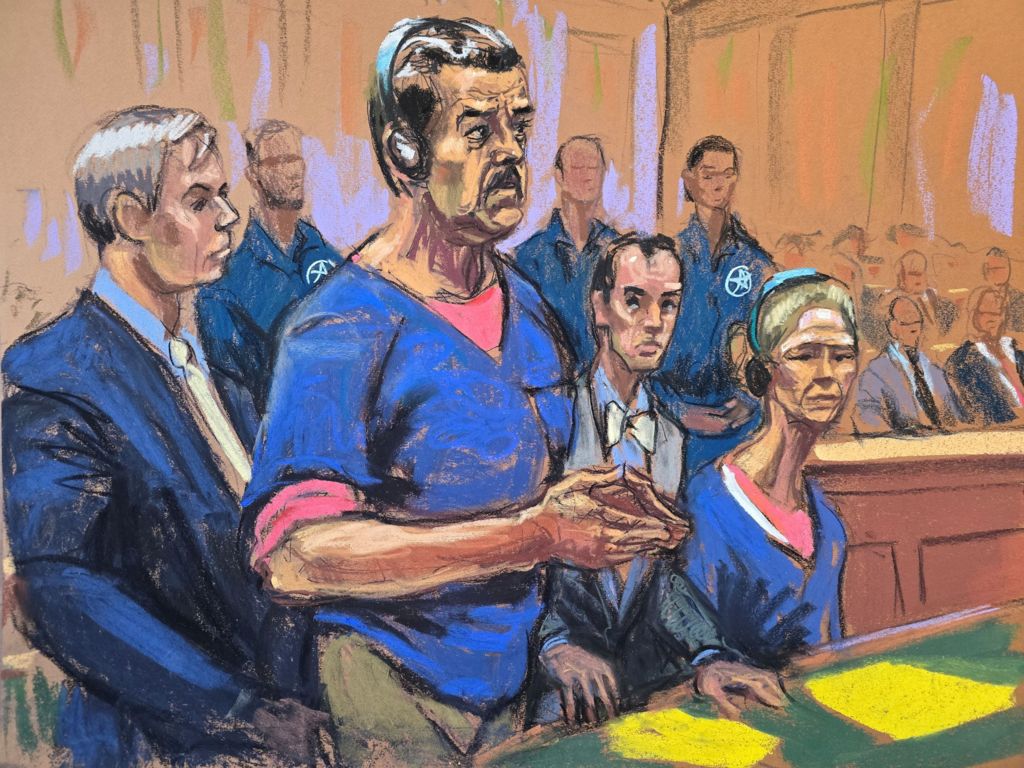
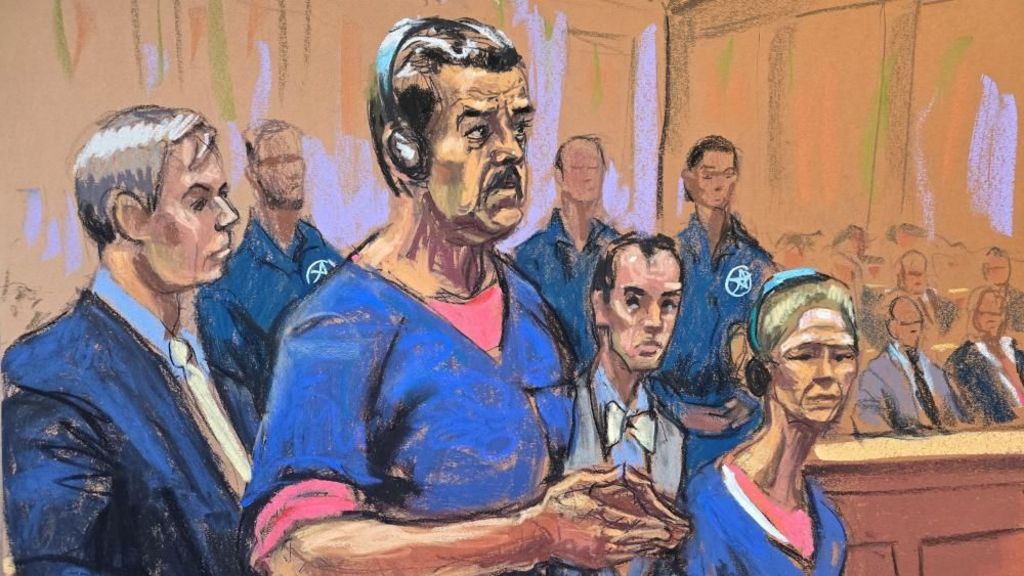
    In an extraordinary legal proceeding that captured global attention, Venezuelan President Nicolás Maduro made his first appearance in a Manhattan federal courtroom amid dramatic circumstances. The hearing commenced with the audible clanking of leg shackles as the controversial leader entered the same courtroom where Sean ‘Diddy’ Combs faced trial months earlier.

    Maduro immediately made explosive claims to the packed courtroom, declaring through a Spanish interpreter that he had been ‘kidnapped’ from his Caracas residence on January 3rd. The 63-year-old leader maintained remarkable composure despite the circumstances, identifying himself as ‘president of the Republic of Venezuela’ while insisting on his captive status.

    Presiding Judge Alvin Hellerstein, the 92-year-old jurist, promptly intervened to postpone discussions of Maduro’s allegations, emphasizing there would be appropriate time to address such matters. During the 40-minute arraignment, both Maduro and his wife, Cilia Flores, entered not guilty pleas to multiple charges including narco-terrorism conspiracy, cocaine importation conspiracy, and weapons violations.

    ‘I’m innocent. I’m a decent man,’ Maduro asserted in Spanish, with Flores echoing similar declarations of complete innocence. The couple appeared in standard prison attire—blue and orange jail shirts with khaki pants—utilizing headphones for real-time translation throughout the proceedings. Maduro demonstrated meticulous attention to detail, taking extensive notes on a yellow legal pad and securing judicial permission to retain them post-hearing.

    The emotional atmosphere intensified when a spectator suddenly shouted that Maduro would ‘pay for his crimes,’ prompting the Venezuelan leader to retort: ‘I’m a president and prisoner of war.’ The disruptive individual was subsequently escorted from the courtroom in tears.

    Flores presented a more subdued presence, displaying visible bandages near her eyes and forehead which her legal team attributed to injuries sustained during Saturday’s arrest operation. Her attorneys requested comprehensive medical evaluation for potentially fractured ribs amid concerns about her physical condition.

    The couple waived immediate bail considerations but retained the right to petition for release at future proceedings. Their case has been scheduled for continued hearing on March 17, as the United States justice system engages in an unprecedented prosecution of a sitting foreign head of state.

  • Pentagon moves to punish Democratic senator over ‘seditious video’

    Pentagon moves to punish Democratic senator over ‘seditious video’

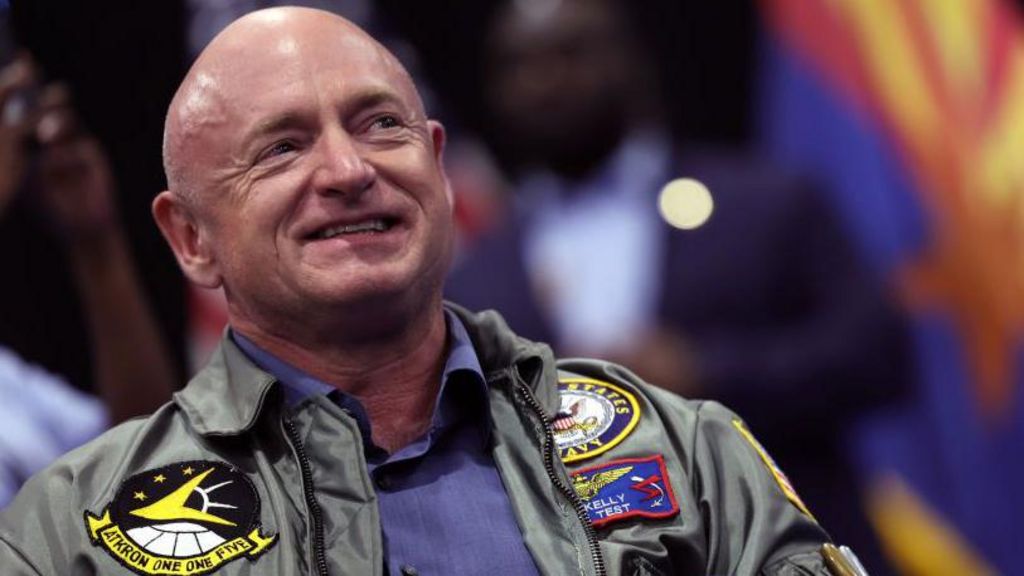
    The U.S. Department of Defense has launched unprecedented disciplinary action against Senator Mark Kelly (D-Arizona), a retired Navy captain and former astronaut, over a video the Pentagon characterizes as seditious material undermining military discipline. Defense Secretary Pete Hegseth announced via social media platform X that the department has initiated retirement-grade determination proceedings that could result in Kelly’s demotion and reduced military pension.

    The controversy stems from a November video featuring Kelly and five other Democratic lawmakers with military or intelligence backgrounds, in which they advised U.S. service members that they retain the right to refuse unlawful orders. The video emerged during heightened scrutiny of American military strikes against alleged drug-trafficking vessels operating near South American coastlines.

    In his official statement, Secretary Hegseth asserted that ‘Senator Mark Kelly and five other members of Congress released a reckless and seditious video that was clearly intended to undermine good order and military discipline.’ He emphasized that as a retired officer still receiving military benefits, Kelly remains subject to military justice protocols.

    The senator, who served as a Navy pilot for over two decades with multiple deployments, immediately denounced the Pentagon’s action as ‘outrageous’ and ‘un-American.’ In his response on X, Kelly declared: ‘If Pete Hegseth, the most unqualified Secretary of Defense in our country’s history, thinks he can intimidate me with a censure or threats to demote me or prosecute me, he still doesn’t get it. I will fight this with everything I’ve got.’

    Legal experts note that while retired military personnel technically remain subject to the Uniform Code of Military Justice, the application of these provisions against a sitting member of Congress for political speech presents unprecedented constitutional questions. Kelly has thirty days to submit an official response to the Pentagon’s notice as the proceedings move forward.

  • Trump’s seizure of Maduro raises thorny legal questions, in US and abroad

    Trump’s seizure of Maduro raises thorny legal questions, in US and abroad

    In an unprecedented escalation of international legal confrontation, Venezuelan President Nicolás Maduro appeared before a Manhattan federal court Monday following a clandestine extraction operation conducted by US authorities. The controversial transfer, which involved military aircraft and overnight detention at Brooklyn’s Metropolitan Detention Center, marks the first time a sitting head of state has been forcibly brought to the United States to face criminal prosecution.

    The judicial proceedings stem from a superseding indictment alleging Maduro’s orchestration of “narco-terrorism” operations involving thousands of metric tons of cocaine destined for American markets. Attorney General Pam Bondi characterized the operation as a lawful enforcement action against drug trafficking networks that “have fuelled violence, destabilised the region, and contributed directly to the drug crisis claiming American lives.”

    Legal scholars worldwide are questioning the operation’s conformity with international law. Queen’s University Belfast Professor Luke Moffett declared the military extraction “completely illegal under international law,” citing violations of the UN Charter’s prohibition against using force against sovereign states. The operation notably lacked UN Security Council authorization and did not meet imminent threat requirements for self-defense justification.

    Historical precedent exists in the 1989 capture of Panamanian leader Manuel Noriega, whose prosecution relied on a controversial legal memo authored by then-Justice Department official William Barr – who later served as Trump’s attorney general and initiated the 2020 indictment against Maduro. Current debates center on whether US courts can exercise jurisdiction regardless of extraction methods, with legal experts noting that forced abduction traditionally doesn’t invalidate prosecution.

    The Trump administration defended its actions through Secretary of State Marco Rubio, who framed the operation as “basically a law enforcement function” rather than military action. This distinction attempts to circumvent War Powers Resolution requirements for congressional consultation, though the administration acknowledged deliberately avoiding congressional notification to prevent “endangering the mission.”

    Maduro entered a plea of not guilty while his legal team prepared challenges to the extraction’s legality. The case represents a dramatic intersection of international relations, criminal law, and presidential war powers that may establish consequential precedents for cross-border enforcement actions against foreign leaders.

  • Fact check: ‘Maduro tracksuit’ goes viral after US captures President; has it sold out?

    Fact check: ‘Maduro tracksuit’ goes viral after US captures President; has it sold out?

    In a significant move to expedite its construction timelines, Canadian real estate developer BNW Developments has entered into a strategic alliance with the global engineering powerhouse China Railway No. 4 Engineering Group (CREC4). This partnership marks a pivotal shift in strategy for the North American firm, leveraging the immense resources and expertise of a state-owned enterprise from China.

    The collaboration is designed to streamline the development process for BNW’s extensive portfolio of residential and commercial projects. CREC4, renowned for its rapid construction capabilities and experience with large-scale infrastructure projects worldwide, will bring its sophisticated project management techniques and substantial workforce to the table. This alliance is expected to mitigate common industry challenges such as labor shortages and project delays, which have plagued the construction sector in recent years.

    Analysts view this partnership as a strategic masterstroke that transcends a typical contractor relationship. By integrating CREC4’s engineering prowess directly into its operational framework, BNW gains a competitive advantage in bringing properties to market faster without compromising on quality. The move also reflects a growing trend of cross-Pacific collaboration in the real estate development sector, where North American companies are increasingly partnering with Asian firms to enhance efficiency and capitalize on global expertise.

    The financial structure of the partnership involves a joint investment mechanism, ensuring both parties are deeply invested in the timely and successful completion of projects. This model is anticipated to set a new benchmark for international cooperation in the construction industry, potentially influencing how other development firms structure their operations in an increasingly globalized market.

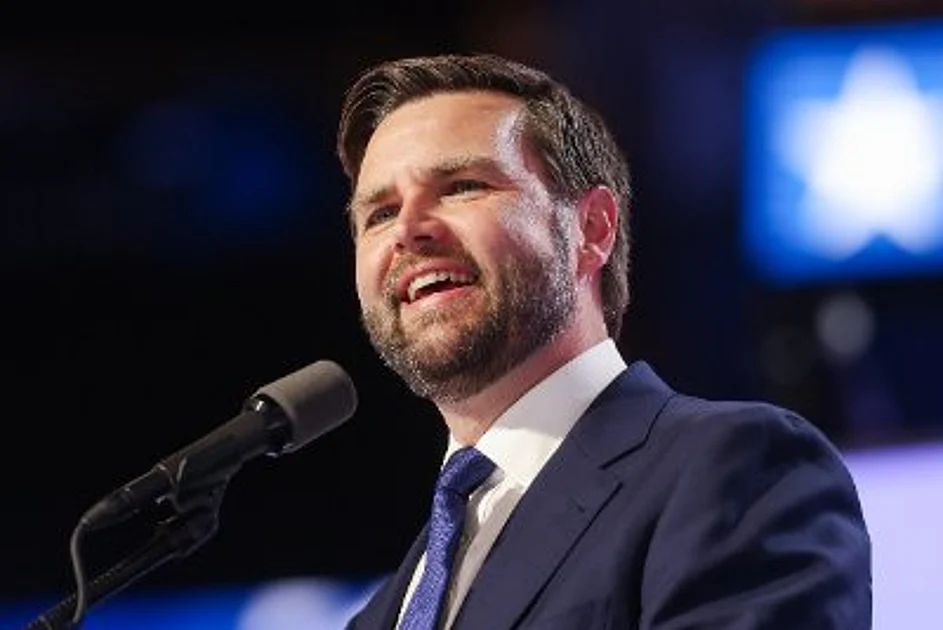
  • US’ JD Vance defends military action in Venezuela, says ‘stolen oil must be returned’

    US’ JD Vance defends military action in Venezuela, says ‘stolen oil must be returned’

    US Vice President JD Vance has issued a robust defense of American military operations in Venezuela, asserting that the Trump administration had exhausted diplomatic alternatives before resorting to force. In a comprehensive statement delivered via social media platform X on Saturday, Vance characterized captured Venezuelan leader Nicolás Maduro as “the newest person to discover that President Trump means exactly what he says.”

    The Vice President elaborated that multiple off-ramps had been offered to the Venezuelan government throughout the negotiation process. “The president’s conditions were unequivocal: the drug trafficking operations must cease immediately, and the stolen oil must be returned to the United States,” Vance declared, referencing Venezuela’s expropriation of American oil assets approximately two decades ago.

    Vance further reinforced the legal justification for military intervention, emphasizing that Maduro remains a fugitive from American justice. “Residing in a presidential palace in Caracas does not grant immunity from accountability for drug trafficking charges under US law,” he stated.

    Addressing counterarguments about Venezuela’s role in the international drug trade, the Vice President presented a four-point rationale: Venezuela continues to serve as a significant conduit for fentanyl despite primary production occurring elsewhere; cocaine trafficking represents a primary revenue stream for Latin American cartels; Mexican fentanyl production remains an ongoing focus of US border policy; and the recovery of expropriated oil assets constitutes a legitimate national security interest.

    “I recognize concerns regarding military engagement,” Vance conceded, “but should we permit a communist regime in our hemisphere to confiscate American property and finance narcoterrorism without consequence? Global powers cannot operate from such a position of weakness.”

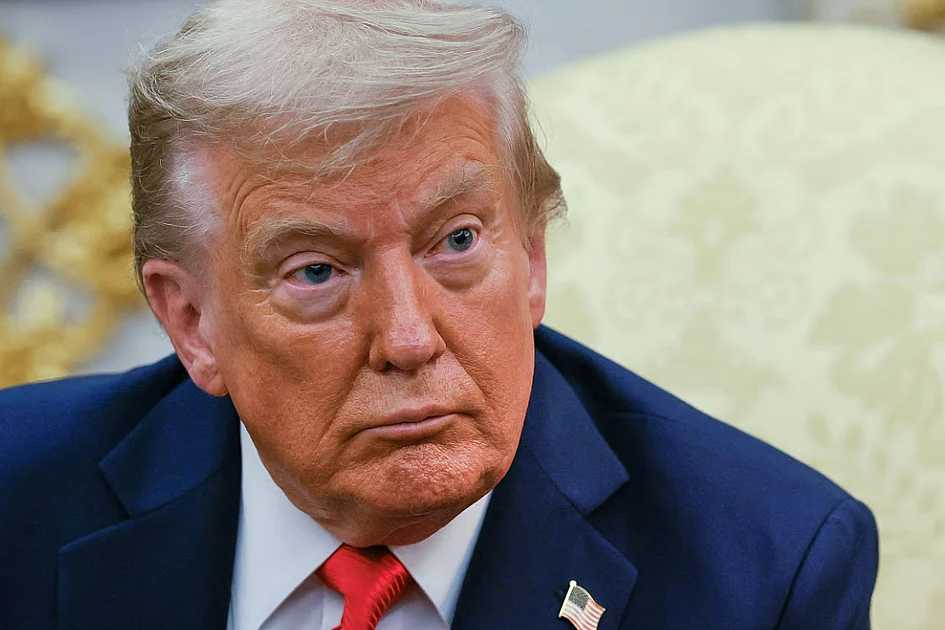
  • Trump shares list of countries with immigrant welfare rates; why was India excluded?

    Trump shares list of countries with immigrant welfare rates; why was India excluded?

    Former US President Donald Trump has ignited online discourse after publishing a controversial chart on his Truth Social platform detailing welfare dependency rates among immigrant households from approximately 120 countries. The January 4 post highlighted nations with both high and low utilization rates of public assistance programs, including housing support, food assistance, and health insurance.

    Notably absent from the comprehensive list was India, despite the inclusion of neighboring South Asian nations such as Bangladesh, Pakistan, Nepal, and other major countries like China. This omission prompted immediate questioning across social media platforms, with many Indian users seeking clarification regarding the exclusion criteria.

    While the chart provided no explicit explanation for India’s absence, demographic data suggests Indian immigrant households typically demonstrate exceptionally low welfare dependency rates, likely falling below the statistical threshold for inclusion. According to Pew Research Center analyses, Indian immigrants represent one of the highest-earning demographic groups in the United States.

    The 2023 statistics reveal striking economic indicators: Indian-headed households reported median annual personal earnings of $85,300, significantly surpassing the overall Asian demographic average of $52,400. Among full-time, year-round workers, this disparity widened further with Indian workers recording median earnings of $106,400 compared to $75,000 for the broader Asian demographic.

    Furthermore, poverty levels within the Indian immigrant community stand at just 6 percent—notably lower than the 10 percent average across Asian populations in the United States. These economic indicators provide context for the demographic’s limited engagement with public assistance programs.

    The publication aligns with Trump’s established immigration policy stance, characterized by restrictive measures including mass deportation initiatives and the deployment of federal troops to urban centers. In November 2025, the former president announced intentions to ‘permanently pause’ migration from what he termed ‘third-world’ countries, asserting such measures would allow ‘US systems to fully recover.’

    Additionally, Trump has declared that beginning in 2025, federal benefits and subsidies would be exclusively reserved for US citizens, further reinforcing his administration’s approach to immigration and welfare reform.