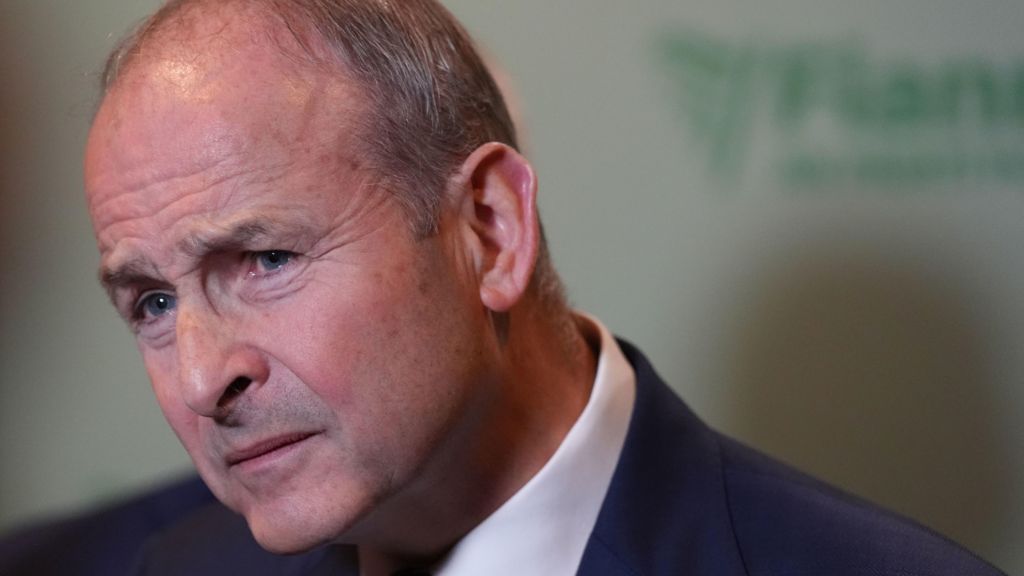
Irish Taoiseach Micheál Martin faces mounting internal pressure within his Fianna Fáil party regarding the handling of a presidential election review, while simultaneously denouncing media coverage as “extremely disappointing, selective and inaccurate.” The political turmoil stems from the withdrawal of the party’s presidential candidate, Jim Gavin, who abandoned his campaign in October after revelations emerged concerning an accidental overpayment to a former tenant. Although Gavin subsequently repaid the funds, his name remained on the ballot and secured 7.18% of first preference votes. The controversy prompted Fianna Fáil to commission an independent review led by senior counsel, yet the unpublished report has become a source of significant internal strife. Three prominent party TDs—Willie O’Dea, Pat Gallagher, and Seán Ó Fearghaíl—have publicly demanded the “immediate release” of the report, condemning media leaks as damaging to the party’s reputation and public trust. They emphasized that “accountability is now essential if we are to restore trust and credibility.” In response, Martin issued a formal statement clarifying that he has not yet received the report and defending his approach to allow the review committee “to do its work independently.” A special parliamentary party meeting is anticipated to discuss the findings, though no date has been confirmed, prolonging the internal dissent within Ireland’s governing party.
标签: Europe
欧洲
-
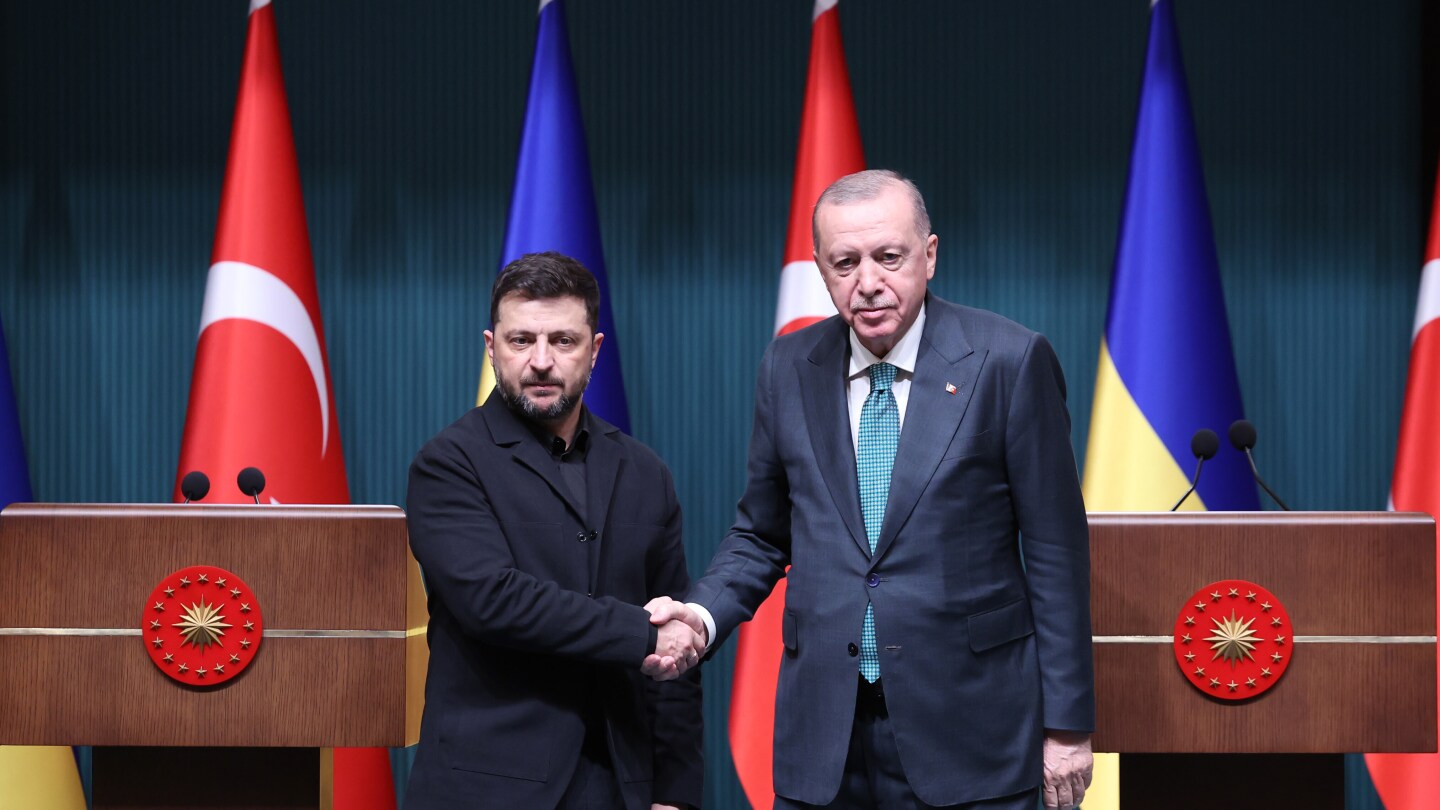
Turkish fighter planes shoot down ‘out of control’ drone near the country’s Black Sea coast
Turkish military forces have intercepted and destroyed an unmanned aerial vehicle (UAV) detected approaching the nation’s airspace from the Black Sea under uncontrolled flight conditions, according to an official statement released by the Ministry of Defense on Monday.
The incident occurs against a backdrop of escalating regional security concerns following recent Ukrainian naval drone strikes targeting Russian-affiliated oil tankers near the Turkish coastline. These maritime attacks, including operations against vessels on November 28 and December 2 near the port of Sinop, have raised alarms among Turkish leadership about the potential for the Ukraine conflict to expand into regional waters.
Upon detecting the unidentified aerial object, Turkish air defense systems initiated standard protocols, scrambling F-16 fighter aircraft to investigate. The Defense Ministry confirmed that the decision to engage was made after determining the drone posed a potential threat. “To prevent any possible security risks, the object was neutralized in a designated safe area away from populated zones,” the statement read, though specific coordinates and timing details were not disclosed.
President Recep Tayyip Erdogan had previously characterized similar maritime incidents as direct threats to navigational safety, environmental protection, and human life within Turkey’s exclusive economic zone. The interception highlights Turkey’s heightened alert status and its commitment to maintaining territorial integrity amid growing regional instability.
-
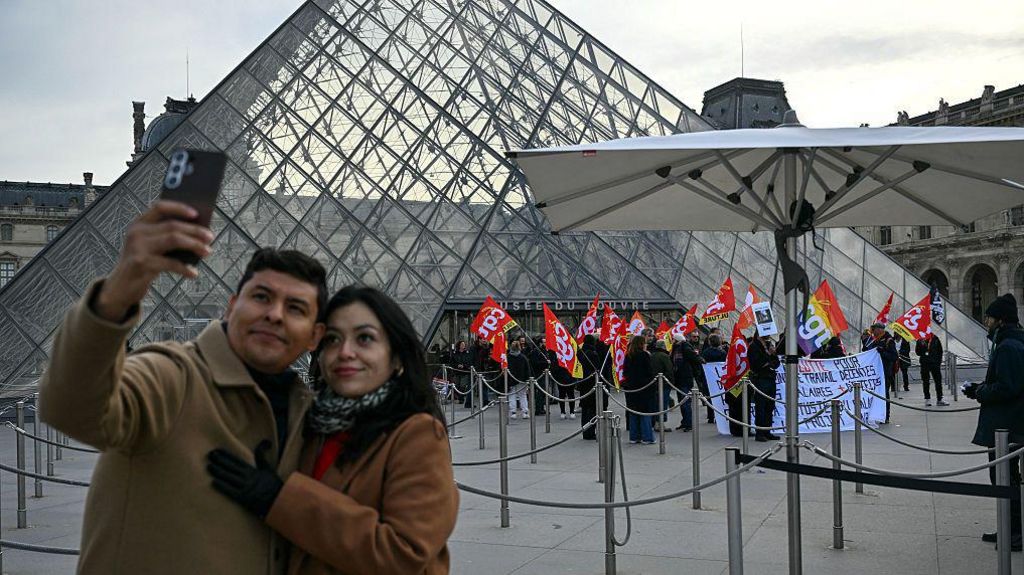
Staff strike forces Louvre to close doors to visitors
Paris’ iconic Louvre Museum faced an unprecedented closure on Monday as hundreds of employees initiated strike action to protest worsening working conditions and inadequate compensation. The work stoppage, unanimously supported by approximately 400 staff members through their trade unions, transformed the world’s most visited museum into a scene of quiet protest rather than cultural exchange.
Union representatives from CFDT, CGT, and Sud cited critical understaffing issues and insufficient resources as primary grievances. According to Christian Galani, CGT representative, the museum’s reception and security sector has suffered a devastating loss of 200 full-time equivalent positions over the past 15 years, despite visitor numbers increasing by 50% during the same period.
The strike announcement comes amid mounting operational challenges at the historic institution. Recent security vulnerabilities were exposed when burglars successfully stole French crown jewels valued at €88 million approximately two months ago. Additionally, a water leakage incident last week resulted in damage to hundreds of valuable books within the museum’s collections.
Thousands of international visitors expressed disappointment upon encountering closed doors. Minsoo Kim, a honeymooner from Seoul, shared his frustration: ‘The Louvre was the main reason for our Paris visit—we specifically wanted to see the Mona Lisa.’ London resident Natalia Brown acknowledged the workers’ plight while lamenting the unfortunate timing: ‘I understand why they’re doing it, but it’s just unfortunate for us.’
Museum management declined immediate comment regarding the strike action. The Louvre, which recorded 8.7 million visitors in 2024, typically closes on Tuesdays for maintenance. Employees are scheduled to reconvene Wednesday morning to determine subsequent action plans.
-
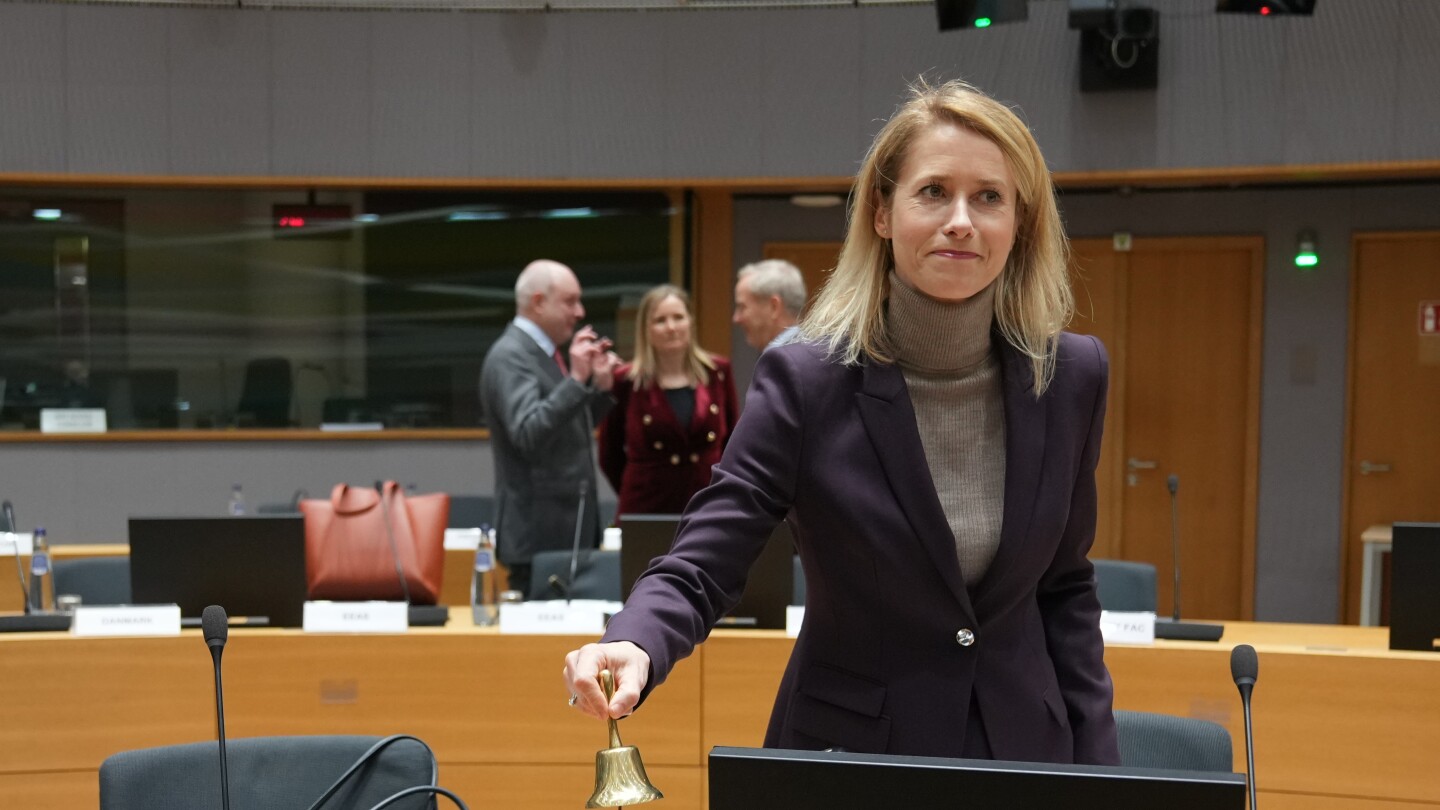
EU targets Russia’s shadow fleet with new sanctions, hitting businessmen and companies
In a significant escalation of economic pressure against Moscow, the European Union has imposed targeted sanctions on five prominent businessmen affiliated with Russian state-controlled oil giants Lukoil and Rosneft. The measures, ratified during a meeting of the bloc’s foreign ministers in Brussels, specifically address elaborate sanction-evasion schemes involving aging oil tankers operating as part of Russia’s shadow fleet.
These newly designated individuals are accused of controlling vessels that deliberately obscure the Russian origin of crude oil and petroleum products while engaging in irregular and high-risk maritime practices. Additionally, four shipping companies based in the United Arab Emirates, Vietnam, and Russia found themselves subject to EU restrictions for their roles in owning or managing these sanction-busting tankers.
This strategic move directly targets the lifeblood of Russia’s war economy. Oil revenues provide the Kremlin with essential financial resources to sustain military operations in Ukraine without triggering domestic inflation or currency instability. Member states, with France taking a particularly assertive stance, have committed to dismantling this shadow network estimated to exceed 400 vessels. Diplomatic efforts are underway to secure cooperation from flag states to facilitate vessel inspections and enforcement.
The sanctions package extends beyond energy networks to include members of Russia’s military intelligence agency (GRU) and the hacking collective Cadet Blizzard, citing their involvement in cyber attacks against Ukraine, EU entities, and NATO allies. Several foreign policy analysts and influencers propagating pro-Russian disinformation and conspiracy theories were also added to the sanctions list. These measures primarily involve asset freezes and travel bans within EU jurisdiction.
This development occurs alongside increased physical pressure on Russia’s shadow fleet, notably through Ukrainian naval drone strikes on sanctioned tankers in the Black Sea, signaling a multi-front effort to constrain Moscow’s energy revenue streams.
-
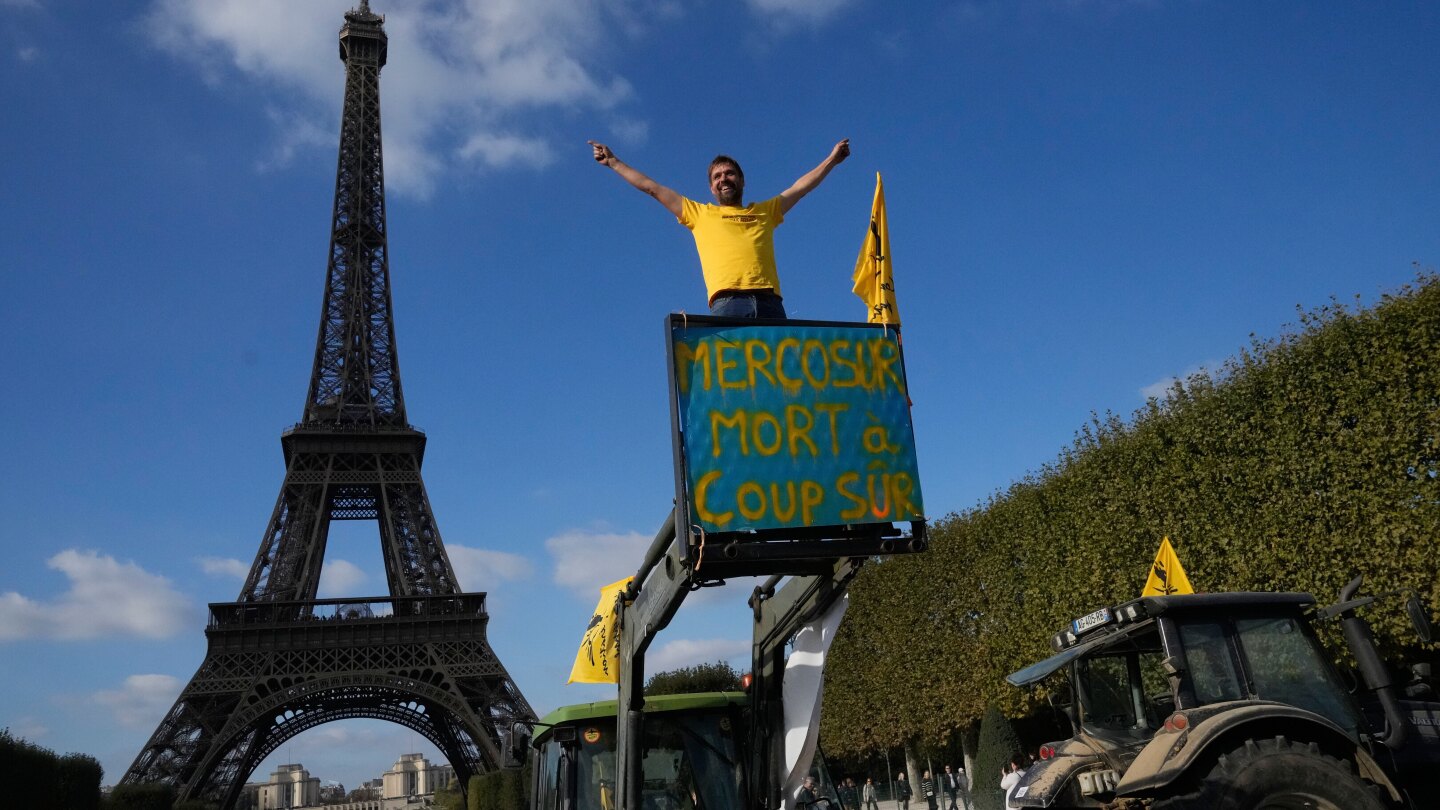
Farmers and politics threaten to put EU’s free-trade deal with South America on ice
BRUSSELS — A landmark trade agreement between the European Union and Mercosur nations, representing nearly two decades of negotiation, now confronts formidable opposition from France just days before its anticipated ratification. The comprehensive pact linking the 27-member EU with Brazil, Argentina, Uruguay, Paraguay, and Bolivia would establish one of the world’s largest free trade zones, encompassing 780 million consumers and accounting for a quarter of global GDP.
The agreement, which would progressively eliminate tariffs on most goods over a 15-year implementation period, has encountered vehement resistance from European agricultural sectors. French Prime Minister Sébastien Lecornu declared the current terms “unacceptable” and formally requested postponement of Thursday’s critical vote until 2026 or beyond. This eleventh-hour intervention threatens to derail plans for European Commission President Ursula von der Leyen and European Council President António Costa to formally sign the agreement in Brazil on December 20.
Agricultural concerns form the core of the opposition, with France, Poland, Austria, and the Netherlands expressing apprehension that Mercosur producers might undercut European farmers through less stringent labor, environmental, and pesticide regulations. Despite recent European Commission proposals to strengthen import inspections and implement safeguard mechanisms for agricultural products, French officials maintain these measures remain insufficient.
The political dimension has intensified as disgruntled farmers, whose tractor protests previously paralyzed European capitals, prepare renewed demonstrations in Brussels. Their mobilization, which gained traction with far-right parties during the 2024 EU elections, adds pressure on leaders already grappling with geopolitical considerations.
European Commission spokesperson Olof Gill emphasized the agreement’s strategic importance, stating it would create “a platform based on trust, based on rules” during times of rising global uncertainty. Proponents argue the pact would save businesses approximately €4.26 billion annually in duties while facilitating trade across diverse sectors including French wines, German pharmaceuticals, and Brazilian rare earth minerals.
The standoff highlights broader challenges in EU trade policy as the bloc seeks to counter aggressive trade tactics from both the United States and China. As Alicia Gracia-Herrero of the Bruegel Institute noted, the impasse raises questions about the EU’s geopolitical credibility regarding ongoing negotiations with other major economies including India and Indonesia.
-

Pope denounces ‘antisemitic violence’ of Sydney attack as he thanks Christmas donors
In a powerful address at the Vatican on Monday, Pope Leo XIV delivered a dual message condemning religious violence while reaffirming the Catholic Church’s staunch anti-abortion stance. The first American pontiff in history expressed outrage over the deadly terrorist attack that occurred during a Jewish holiday celebration in Sydney, Australia.
Speaking before donors of the Vatican’s Christmas decorations, Pope Leo characterized the Bondi Beach massacre that claimed 15 lives as an act of ‘antisemitic violence.’ He offered prayers for the victims and called for the ‘gift of peace and fraternity’ during the holiday season. ‘We must eliminate hatred from our hearts,’ the pontiff declared, adding ‘Enough of these forms of antisemitic violence!’
The Pope simultaneously emphasized the sanctity of life through an unusual artistic installation. The Nativity scene in the Vatican’s audience hall, donated by Costa Rica, featured 28,000 colored ribbons symbolizing embryos reportedly saved from abortion through Catholic organizations’ interventions. Leo described this display as a message that ‘life is protected from conception’ and thanked the artist for this representation of protected life.
Regarding the Christmas decorations donated by various Italian regions, the Pope noted that the evergreen fir trees serve as ‘a sign of life and recall the hope that isn’t lacking even in the winter cold.’ The address thus wove together themes of interfaith solidarity, anti-violence advocacy, and traditional Catholic teachings on the protection of life from conception.
-

Spain fines Airbnb $75 million for unlicensed tourist rentals
In a significant regulatory crackdown, Spain’s consumer rights ministry has imposed a substantial €64 million ($75 million) penalty on vacation rental platform Airbnb for advertising unlicensed tourist accommodations. The Monday announcement revealed multiple compliance failures: numerous listings either completely omitted mandatory license numbers required across Spanish regions, provided registration details that didn’t match official records, or contained inaccurate host information.
This enforcement action represents the latest escalation in Spain’s ongoing confrontation with short-term rental corporations including Airbnb and Booking.com. The government’s intensified scrutiny coincides with a severe nationwide housing affordability crisis, particularly acute in urban centers and tourist-favored destinations where residential and visitor accommodations compete for limited space.
Airbnb has announced its intention to contest the penalty through judicial channels. The company emphasized its collaborative efforts with Spanish authorities to implement a new national registration framework for short-term rentals, noting that over 70,000 listings have incorporated registration numbers since January.
The current leftist administration, alongside broad political consensus among Spanish citizens, attributes rising housing costs significantly to short-term rental operations. This perspective was underscored in May when consumer authorities mandated the removal of approximately 65,000 non-compliant listings from Airbnb’s platform.
Consumer Rights Minister Pablo Bustinduy articulated the government’s position: ‘Thousands of families endure precarious living situations due to this housing crisis, while certain business models generate wealth for few at the expense of displacing residents from their communities.’
-
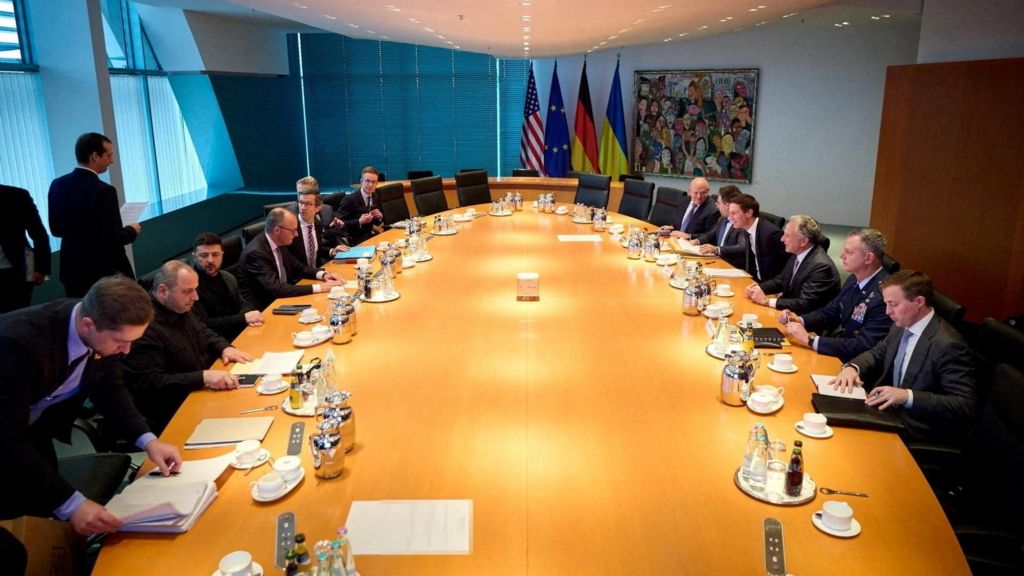
Ukraine ceasefire talks continue as US says ‘progress was made’
BERLIN – Critical peace negotiations between Ukrainian and American delegations extended into a second day in Germany’s capital on Monday, following intensive five-hour discussions on Sunday that included German Chancellor Friedrich Merz and notable U.S. figures.
The high-stakes diplomatic engagement marked the first face-to-face meeting between President Volodymyr Zelensky and U.S. envoy Steve Witkoff, who has previously engaged with Russian President Vladimir Putin in Moscow. The American delegation also included Jared Kushner, son-in-law of former President Donald Trump, while military representation came from NATO Supreme Allied Commander Europe General Alexus Grynkewich.
In a significant strategic shift, Zelensky indicated readiness to abandon Ukraine’s NATO membership aspirations in exchange for robust security guarantees modeled after NATO’s Article 5 mutual protection clause. ‘This is already a compromise on our part,’ Zelensky stated, acknowledging opposition from ‘some partners from the US and Europe’ regarding NATO accession.
The talks center on a 20-point peace proposal submitted by Ukraine to counter an initial American plan perceived as disproportionately favoring Russian interests. While details remain confidential, Zelensky characterized the points as a ‘foundation’ for reconstruction and security arrangements.
The Donbas region’s status emerged as another critical negotiation point, with Zelensky expressing openness to freezing conflict along current frontlines but insisting any withdrawal arrangement must be symmetrical. ‘For it to be fair, Russia would have to withdraw the same distance,’ he emphasized, describing the matter as ‘extremely sensitive and heated.’
The negotiations occur amid deteriorating humanitarian conditions in Ukraine, where over one million households suffered power outages following Russian attacks on energy infrastructure. Meanwhile, EU members prepare to vote on transferring €90 billion in frozen Russian assets to support Ukraine’s economy, though legal and diplomatic challenges persist with countries like Belgium and Italy expressing reservations.
EU foreign policy chief Kaja Kallas acknowledged the ‘increasingly difficult’ discussions but affirmed continued efforts toward resolution. The Kremlin stated it expects to receive the negotiated concept from U.S. officials, maintaining that Ukraine’s NATO membership remains an absolute ‘red line.’
-
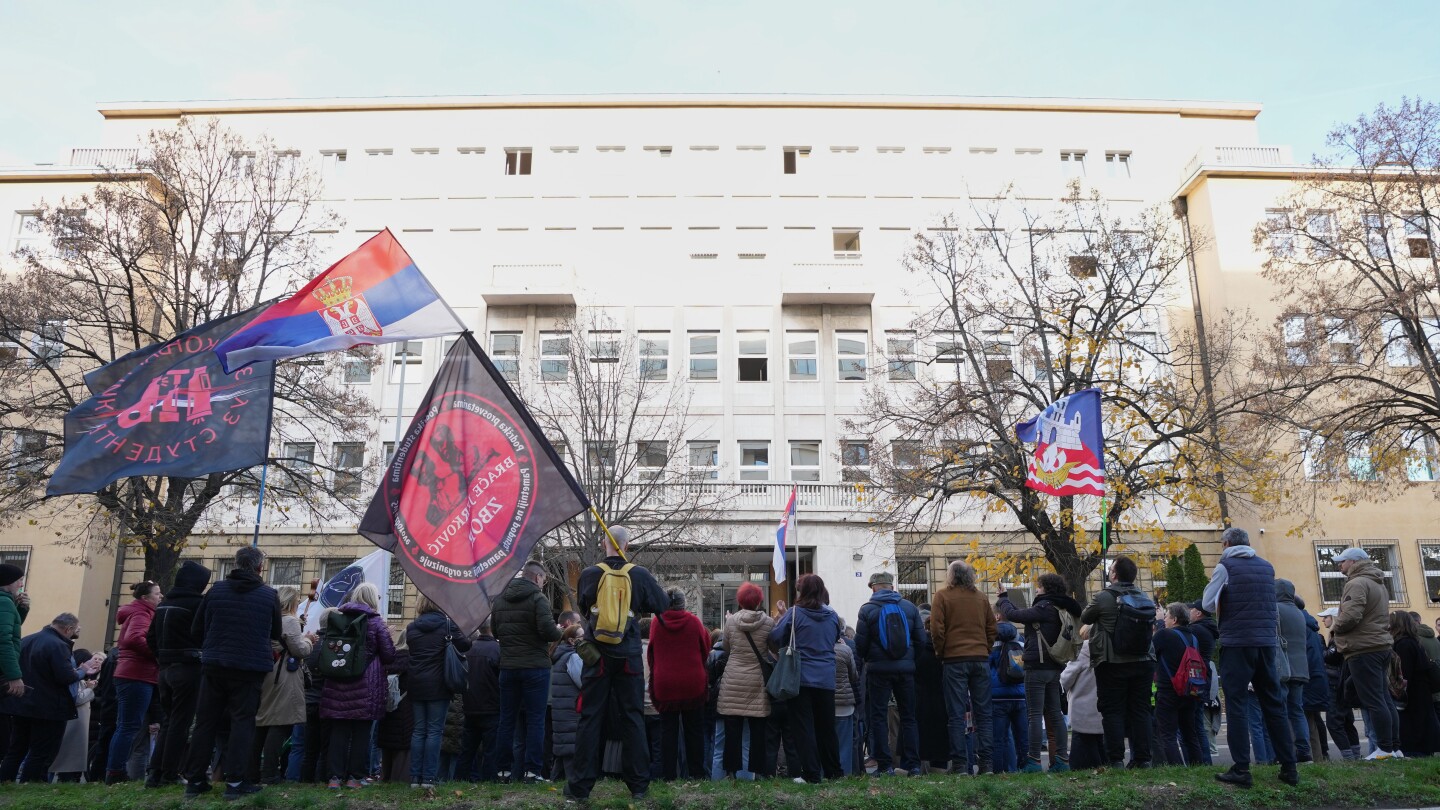
Serbia organized crime prosecutors charge minister, others in connection with Kushner-linked project
Serbia’s Organized Crime Prosecutor has formally indicted Culture Minister Nikola Selaković and three other officials for abuse of power and document falsification related to a controversial real estate development connected to Jared Kushner, former senior advisor to U.S. President Donald Trump.
The charges center on the alleged illegal removal of protected cultural status from a historic military complex in central Belgrade that was heavily damaged during NATO’s 1999 bombing campaign. The site, considered an architectural monument and symbol of Serbian resistance, had been designated as protected cultural heritage until the defendants allegedly forged documentation to enable its commercial redevelopment.
Last year, the Serbian government signed a 99-year lease agreement with Affinity Global Development, a U.S. firm associated with Kushner, who confirmed his company’s involvement in the $500 million luxury complex project. The development plans include a high-rise hotel, luxury apartments, office spaces, and retail establishments.
Despite ongoing investigations, Serbia’s parliament passed special legislation last month to authorize the construction. President Aleksandar Vučić, a close ally of Minister Selaković, has openly endorsed the project, stating it would benefit Serbia’s relations with the United States. In a remarkable statement, Vučić declared he would pardon any officials convicted in the case, claiming personal responsibility for wanting to “modernize Serbia” and attract major foreign investment.
The project has generated significant domestic and international opposition from preservationists and cultural experts who view the military complex as an important example of mid-20th century Yugoslav architecture. The development is particularly sensitive given the site’s symbolic association with NATO’s 78-day bombing campaign, which remains a deeply contentious chapter in Serbian-American relations.
The case unfolds amid ongoing trade tensions between the two countries, with the U.S. maintaining 35% tariffs on Serbian imports and imposing sanctions on Serbia’s Russian-controlled oil monopoly.
-
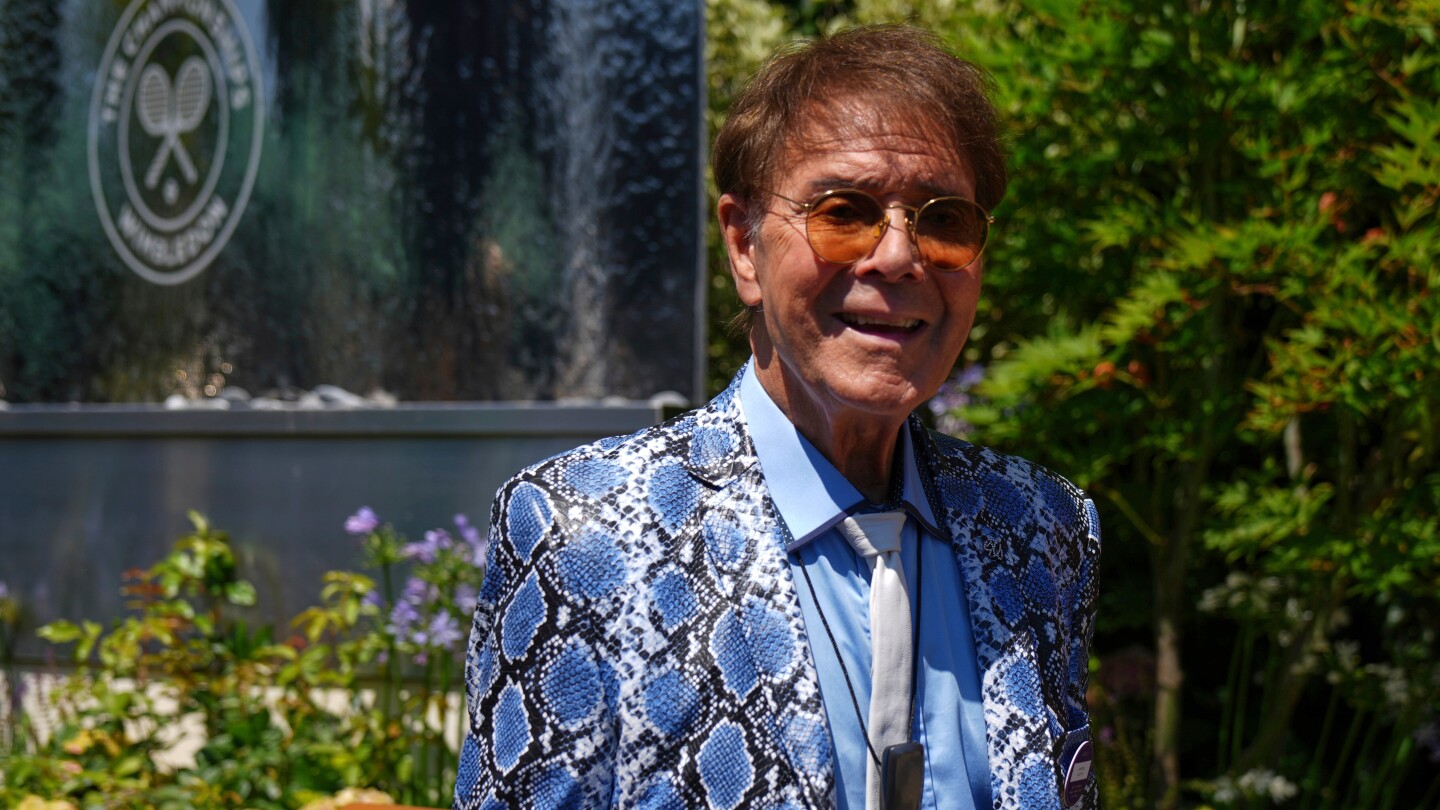
Singer Cliff Richard says he has been treated for prostate cancer
British music icon Cliff Richard has publicly announced his successful recovery from prostate cancer while launching a powerful advocacy campaign for systematic screening programs in the United Kingdom. The 85-year-old singer revealed his medical journey began one year ago when a mandatory insurance examination prior to his Australasian tour unexpectedly detected the disease.
Richard emphasized his fortunate circumstances during an appearance on ‘Good Morning Britain,’ noting the cancer was detected at an early, non-metastasized stage. While expressing cautious optimism about his recovery, the veteran performer acknowledged the persistent uncertainty that accompanies cancer treatment.
The celebrated musician, whose career spans seven decades with hits including ‘Summer Holiday’ and ‘We Don’t Talk Anymore,’ criticized the current healthcare approach as ‘absolutely ridiculous.’ Unlike routine screenings for breast, bowel and cervical cancers available through Britain’s National Health Service, prostate cancer detection lacks a comprehensive national program.
Richard’s advocacy aligns with growing calls from prominent figures including Olympic cyclist Sir Chris Hoy and former Prime Minister David Cameron. This movement has gained further momentum with King Charles III’s recent video message emphasizing that ‘early diagnosis quite simply saves lives.’ The monarch, who revealed his own cancer diagnosis in February 2024, highlighted how early detection enabled doctors to reduce his treatment regimen.
The UK National Screening Committee has recommended targeted screening for men with genetic predispositions, but health advocates argue this approach remains insufficient for broader population protection.