标签: Europe

欧洲

  • Thousands of dinosaur footprints found on Italian mountain

    Thousands of dinosaur footprints found on Italian mountain

    A breathtaking paleontological discovery has emerged from Italy’s Stelvio National Park, where researchers have uncovered thousands of dinosaur footprints preserved for 210 million years. The extraordinary find, initially spotted by a photographer on a vertical mountain wall, reveals parallel rows of tracks up to 40 centimeters in diameter with remarkably preserved details of toes and claws.

    Scientific analysis indicates these impressions belong to prosauropods – long-necked herbivores that inhabited the region during the Triassic period when the area functioned as a tidal flat. This prehistoric landscape eventually became incorporated into the Alpine chain through geological processes. The trackway stretches hundreds of meters and presents one of the most complete records of dinosaur movement patterns from this era.

    Milan-based paleontologist Cristiano Dal Sasso expressed astonishment at the discovery, stating, ‘I never would have imagined encountering such a spectacular find in my own region. This location was teeming with dinosaurs; it represents an immense scientific treasure.’ The footprints demonstrate coordinated herd movement with evidence of complex social behaviors, including circular formations that potentially indicate defensive positioning.

    Notably, the discovery includes both bipedal locomotion patterns and occasional handprints, suggesting moments when the creatures paused to rest their forelimbs on the ground. The presence of smaller footprints indicates these herds included juvenile specimens, providing crucial insights into dinosaur family structures and development.

    The remote location, inaccessible by conventional paths, will require drone technology and remote sensing for comprehensive documentation. The Italian Ministry of Culture has emphasized the significance of this discovery occurring near the upcoming Winter Olympics venue, describing it as ‘history paying homage to the greatest global sporting event through a symbolic passing of the baton between nature and sport.’

    Photographer Elio Della Ferrera, who first documented the footprints, highlighted the philosophical implications: ‘This discovery should spark reflection about how little we truly understand the places we inhabit – our home, our planet.’ The findings promise to reshape scientific understanding of dinosaur migration patterns, social behavior, and Triassic ecosystem dynamics in what is now the Alpine region.
  • EU likely to delay free-trade deal with South America as French farmers block roads

    EU likely to delay free-trade deal with South America as French farmers block roads

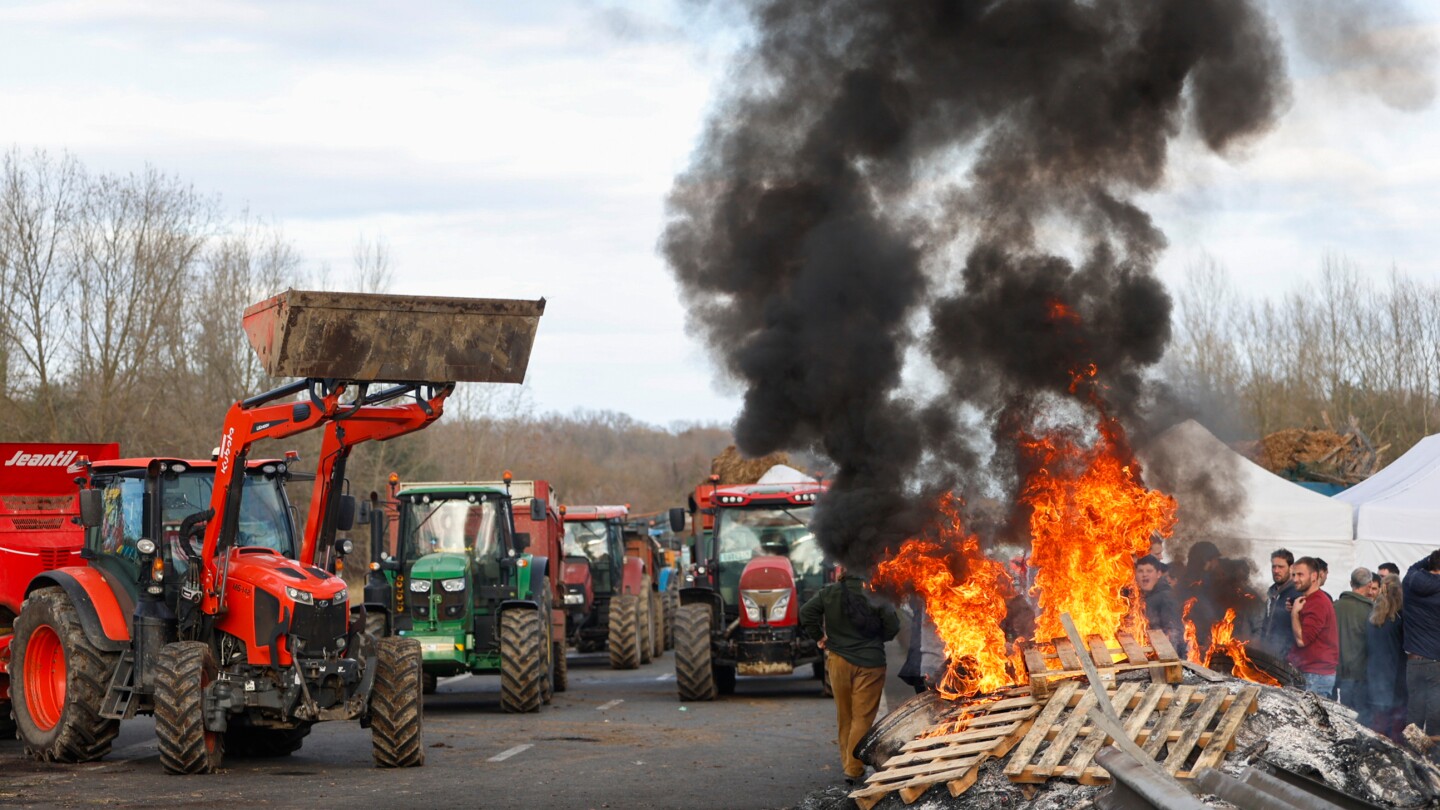
    A quarter-century in the making, the landmark trade agreement between the European Union and South America’s Mercosur bloc faces significant delays as French agricultural protests intensify. Farmers across France have mobilized heavy machinery to blockade highways and construct makeshift barricades, employing tactics that have historically pressured the government into concessions.

    The core contention revolves around the proposed elimination of tariffs on nearly all goods traded between the blocs over a 15-year period. French producers argue this would expose them to unfair competition from Mercosur nations—Brazil, Argentina, Uruguay, Paraguay, and Bolivia—that operate under different regulatory standards concerning pesticides and environmental practices.

    Compounding trade anxieties, scattered outbreaks of lumpy skin disease in French cattle herds have ignited additional fury. Government-mandated culling of infected animals has further inflamed rural discontent, creating a volatile combination of economic and sanitary grievances.

    Despite the European Parliament’s recent approval of the deal with additional safeguards (431-161 vote, with 70 abstentions), France insists on three unmet demands: robust mechanisms to monitor and halt economic disruption, heightened regulatory alignment in Mercosur countries, and strengthened import inspections at EU ports.

    French European Affairs Minister Benjamin Haddad criticized the EU’s approach as “naive” and called for more assertive trade policies mirroring those of the United States and China. “We need to be open, but we also need to protect ourselves and protect our interests,” Haddad stated.

    While Ireland and Poland share France’s agricultural concerns, German MEP Svenja Hahn argued the pact would strengthen Europe’s geopolitical position, reducing dependence on China and Russia. The agreement, covering 780 million people and a quarter of global GDP, requires backing from two-thirds of EU member states for ratification. Despite scheduled signing ceremonies in Brazil, the growing protest movement suggests further delays are inevitable as farmers vow to escalate demonstrations, including planned marches in Brussels.

  • Driver who rammed through crowd at Liverpool soccer parade sentenced to over 21 years

    Driver who rammed through crowd at Liverpool soccer parade sentenced to over 21 years

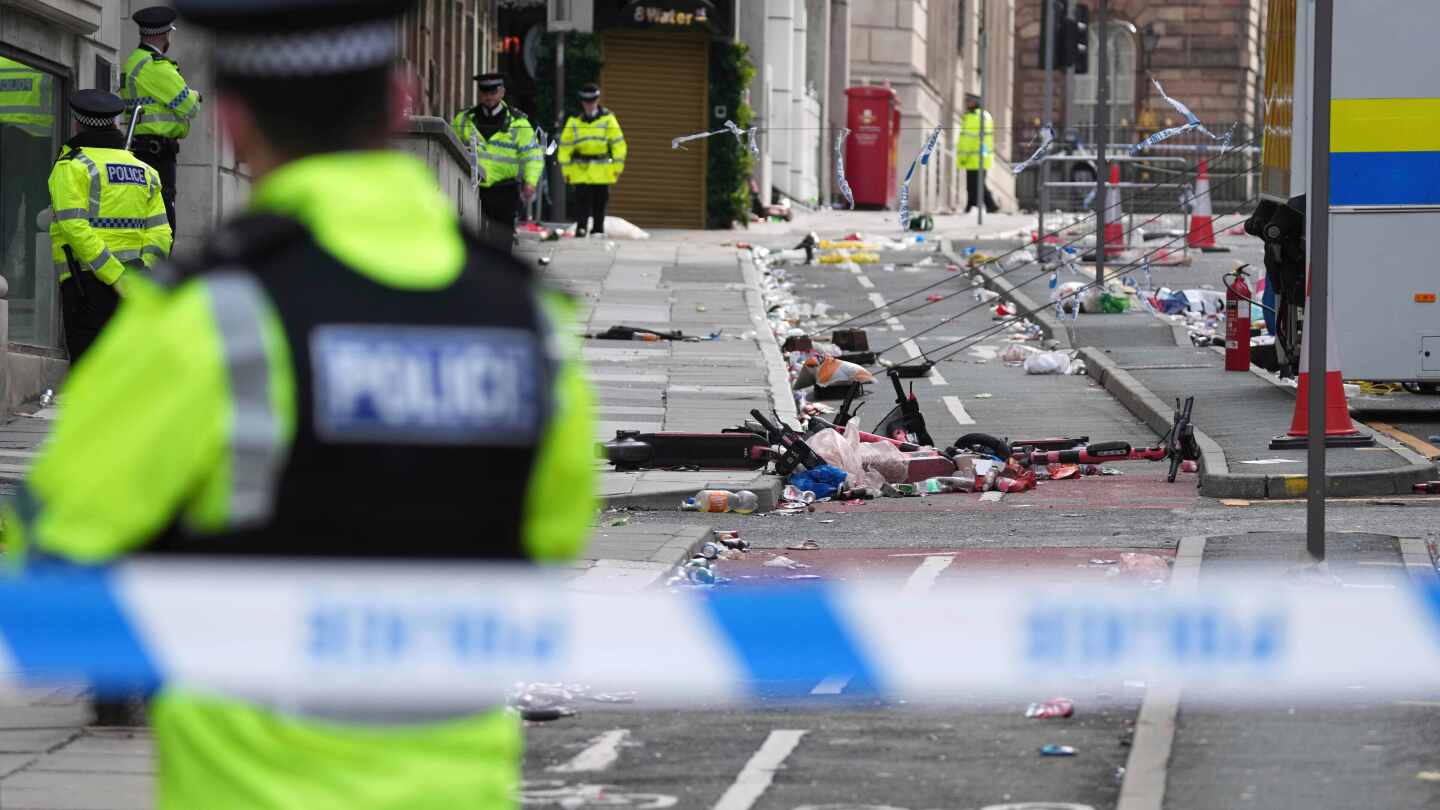
    LIVERPOOL – A 54-year-old man has been sentenced to more than 21 years in prison for a vehicular assault that left over 130 people injured during Liverpool’s Premier League championship celebrations. Paul Doyle received his sentence at Liverpool Crown Court on Tuesday for the May 26 incident that turned a festive parade into a scene of terror.

    Judge Andrew Menary delivered a scathing rebuke to Doyle, describing how the defendant “struck people head-on, knocked others onto the bonnet, drove over limbs, crushed prams and forced those nearby to scatter in terror” during the two-minute rampage. The attack only concluded when a courageous bystander intervened, entering the moving vehicle and forcing it into park while it rested atop injured victims.

    Prosecutor Paul Greaney revealed that Doyle’s actions stemmed from roadway frustration rather than terrorism. Dashboard camera footage presented in court showed Doyle screaming obscenities at pedestrians, blaring his horn, and shouting “move, move, move” while plowing through the crowd. The footage depicted terrified fans scrambling for safety, many being knocked aside or tossed into the air by the accelerating minivan.

    During the two-day sentencing hearing, emotional victim impact statements were read aloud, revealing the lasting trauma inflicted by Doyle’s actions. Sergeant Dan Hamilton of Merseyside Police described “sickening, dull thuds that are difficult to describe and impossible to forget,” while recounting his belief that he would die during the attack. Other victims reported losing employment, undergoing extensive rehabilitation to regain mobility, and developing severe anxiety triggered by Liverpool-associated sights and sounds.

    Defense attorney Simon Csoka acknowledged his client’s remorse and stated Doyle never intended to harm anyone, claiming the driver had panicked after the crowd began pounding on his vehicle. However, Judge Menary dismissed this explanation as “demonstrably untrue,” noting that any crowd reaction occurred in response to Doyle’s initial aggression.

    The court learned that Doyle had previous criminal convictions from his twenties, including an incident where he bit off a sailor’s ear during a drunken fight. Despite subsequently rebuilding his life with a university education, successful IT career, and family, Doyle’s actions on May 26 have resulted in one of the most significant vehicular assault sentences in recent British legal history.

  • Ukraine struggling to keep lights on under Russian attack, says energy boss

    Ukraine struggling to keep lights on under Russian attack, says energy boss

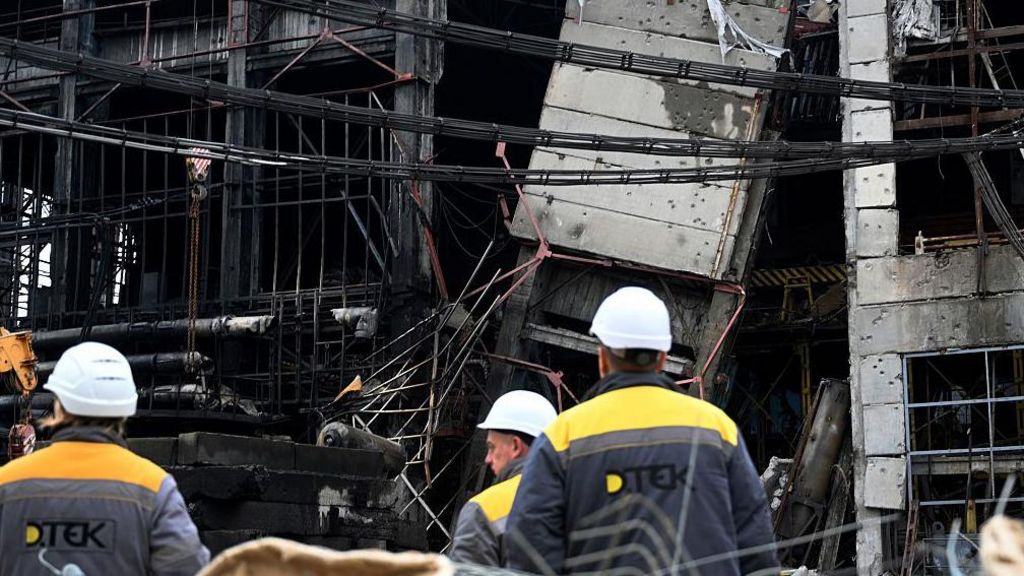
    Ukraine’s energy infrastructure faces a state of perpetual crisis as systematic Russian attacks cripple the national power grid, leaving millions in darkness during freezing winter conditions. DTEK, the country’s largest energy provider serving 5.6 million Ukrainians, struggles to maintain basic electricity delivery amid relentless assaults that target critical energy facilities with drones, cruise missiles, and ballistic weapons.

    The situation has become so severe that nationwide electricity rationing has been implemented, with most households receiving only a few hours of power daily. The southern city of Odesa experienced a three-day complete blackout this week following coordinated Russian strikes, exacerbating the humanitarian crisis as temperatures continue to drop.

    President Volodymyr Zelensky addressed the Dutch parliament, emphasizing that Russia has weaponized winter cold as a dangerous tactical advantage. ‘Every night Ukrainian parents hold their children in basements and shelters hoping our air defense will hold,’ he stated, highlighting the dire circumstances facing civilians.

    The energy crisis has spawned remarkable community resilience. In Odesa, resident Yana, who maintains limited power, has opened her home to neighbors needing to charge phones and access washing facilities. Across Ukraine, the constant hum of generators has become more prevalent than air raid sirens, with citizens relying on power banks as essential survival tools.

    Kyiv resident Tetiana describes the new daily routine: ‘The first thing I do in the morning is check my phone to find out the daily schedule for when my power will be switched on.’ Like many Ukrainians, she has invested in multiple power banks that must be constantly charged during brief electricity windows.

    Approximately 50% of Ukraine’s energy comes from three nuclear facilities in central and western regions, but the transmission network has sustained catastrophic damage. DTEK, operating about ten primarily coal-fired power stations, reports that some facilities are attacked every three to four days. CEO Maxim Timchenko acknowledges, ‘I don’t remember a single day when I had no reports about some damage to our grid.’

    The company faces monumental challenges in sourcing replacement parts, now requiring European-wide searches for equipment previously available domestically. Repair costs have skyrocketed to $166 million this year alone for damaged thermal plants and coal facilities. Despite these obstacles, Timchenko remains resolute: ‘We will not give up. We have a responsibility to millions of mothers to have power and heat.’

    The human cost continues to mount, with eight DTEK engineers killed while attempting to maintain power in the fiercely contested Donbas region, where employees ‘risk their lives daily’ to provide essential services.

  • PSG ordered to pay Mbappe €60m

    PSG ordered to pay Mbappe €60m

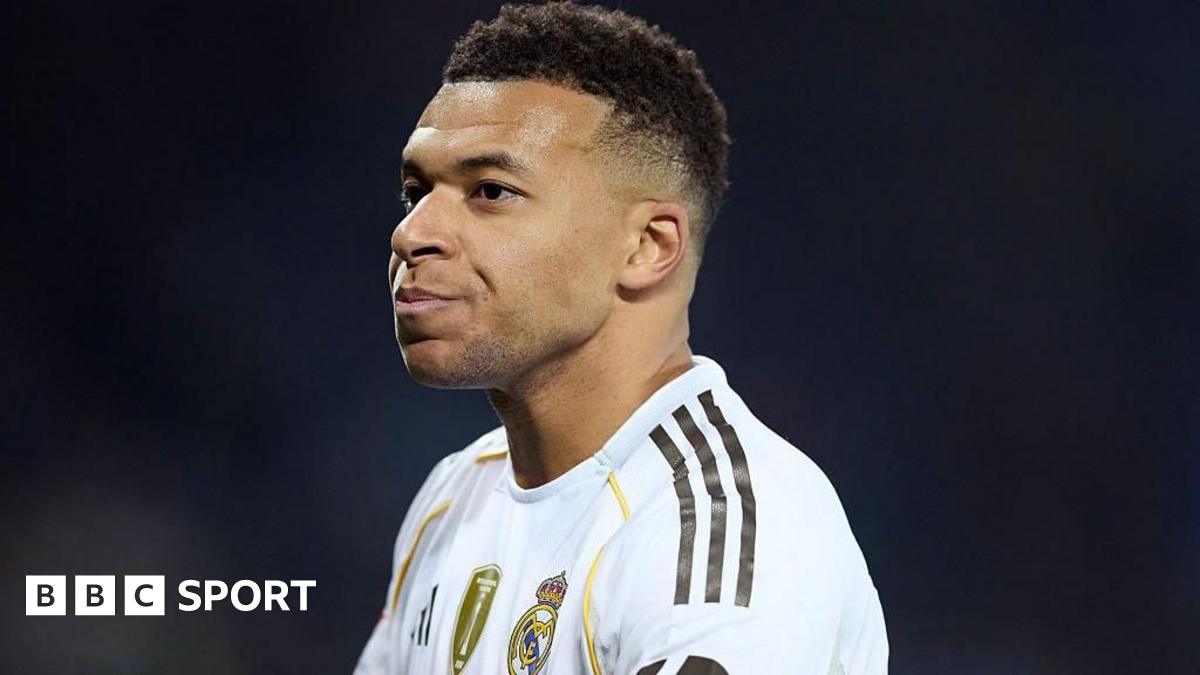
    In a landmark legal ruling with significant implications for European football, Paris Saint-Germain has been mandated by a French labor court to compensate former star striker Kylian Mbappé with €60 million (£52.5 million) in unpaid salary and contractual bonuses. The decision concludes a highly publicized financial dispute between the French champions and their former captain, though it represents merely a fraction of the original €263 million (£231.5 million) claim pursued by the player.

    The legal confrontation, which reached the Paris labor tribunal in November, saw both parties leveling substantial financial claims against each other. Mbappé’s legal team argued that the club had failed to fulfill its contractual obligations, specifically citing three months of unpaid wages between April and June 2024, along with unpaid ethics and signing bonuses. The 26-year-old Real Madrid forward additionally sought damages for alleged ill-treatment during contract negotiations.

    Conversely, PSG mounted a counterclaim seeking €240 million (£211 million) in compensation, primarily referencing Mbappé’s failed €300 million transfer to Saudi Arabian club Al-Hilal in 2023. The collapse of this potentially record-breaking transfer preceded Mbappé’s subsequent move to Spanish giants Real Madrid on a free transfer the following summer, a development that evidently fueled the club’s financial grievances.

    While the court acknowledged PSG’s failure to meet certain salary payments, it dismissed the majority of both the player’s damage claims and the club’s counterclaim. Mbappé’s legal representative, Frédérique Cassereau, expressed satisfaction with the verdict, stating, ‘We are satisfied with this ruling. This is what you could expect when salaries went unpaid.’

    The ruling underscores the complex financial and contractual dynamics governing top-tier football transfers and highlights the increasing willingness of players to pursue legal avenues against powerful clubs. This case sets a notable precedent for labor disputes within professional sports organizations across Europe.

  • Brigitte Macron defends ‘clumsy’ sexist slur against feminist protesters

    Brigitte Macron defends ‘clumsy’ sexist slur against feminist protesters

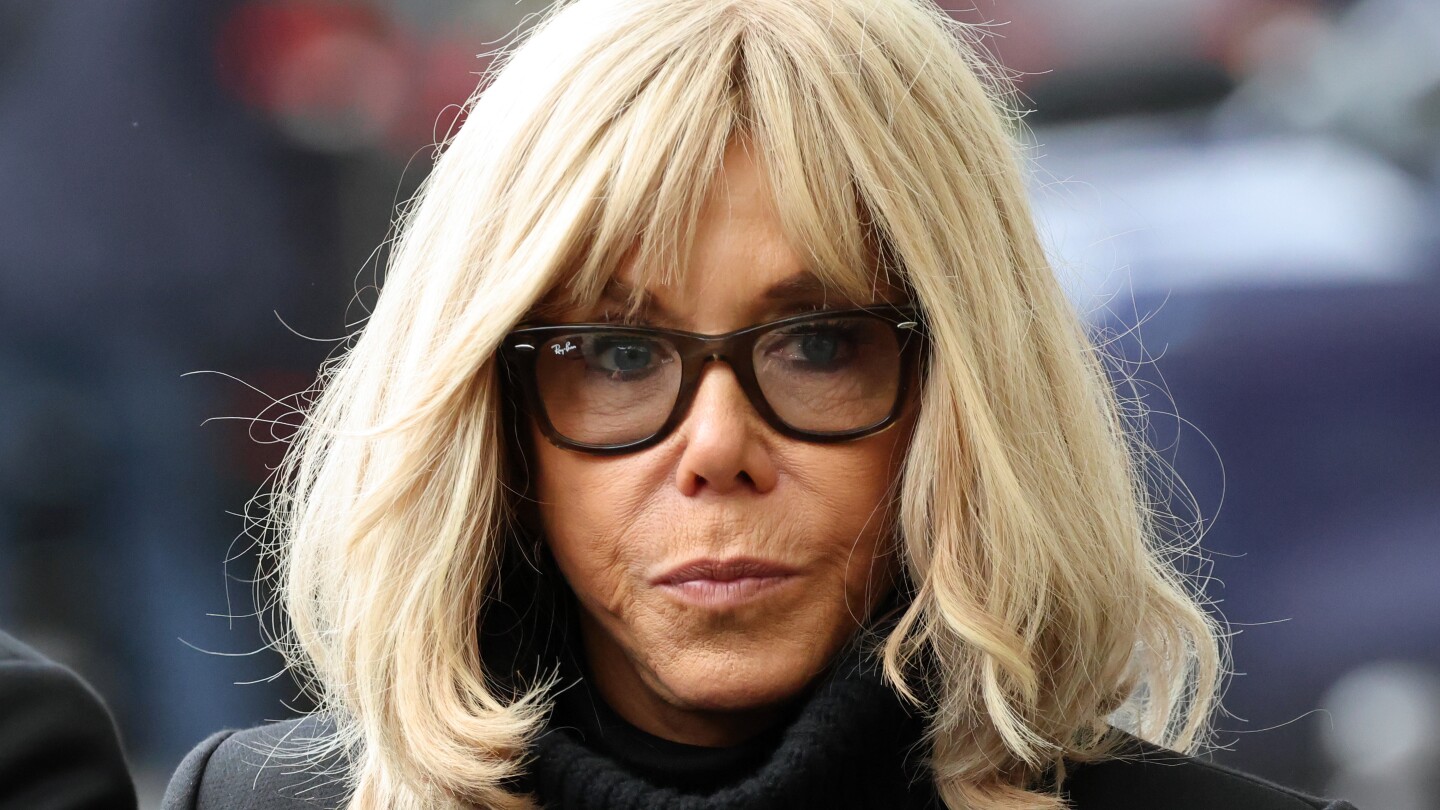
    PARIS — In a remarkable public address, France’s First Lady Brigitte Macron has broken her silence regarding the controversial use of derogatory language against feminist protesters, characterizing her remarks as “clumsy” but insisting they were made during a private moment without awareness of being recorded.

    During an extensive interview with digital media outlet Brut published Monday evening, Macron acknowledged her choice of words was “very direct” while maintaining context for the exchange. The incident occurred backstage at Paris’ historic Folies Bergère theatre earlier this month, where she was conversing with French actor and comedian Ary Abittan prior to his performance.

    Addressing Abittan’s apparent distress following previous night’s protest disruption by feminist activists who shouted “Abittan, rapist!” during his show, Macron attempted to reassure the performer. When Abittan expressed fear about the ongoing situation, the First Lady employed a sexist slur to describe the demonstrators, adding “We’ll toss them out.”

    The revelation sparked immediate condemnation from multiple sectors, including organizations combating sexual and sexist violence, alongside political opponents of President Emmanuel Macron’s administration.

    In her defense, Brigitte Macron emphasized the private nature of the conversation, stating: “I am not always the wife of the president of the Republic. I also have a private life and this was a private moment. I am sorry if I hurt women victims. It’s them and just them that I am thinking of.”

    While expressing understanding for those offended, Macron simultaneously criticized protest tactics that disrupt artistic performances, questioning: “How does he carry on afterward? What is the meaning of this censorship being placed on artists?”

    The context involves Abittan’s previous legal challenges, as magistrates terminated a 2021 rape investigation due to insufficient evidence in 2024, a decision upheld on appeal this January. Feminist collective “Nous Toutes” (All of Us) organized the protests to highlight what they characterize as “the culture of impunity” surrounding sexual violence in France.

    When pressed about regret, Macron responded: “I cannot regret speaking. I don’t want to regret. It is true that I am the wife of the president of the Republic, but I am also myself above anything.”

  • Envoys try to narrow gaps on a loan plan for Ukraine ahead of Thursday’s crunch EU summit

    Envoys try to narrow gaps on a loan plan for Ukraine ahead of Thursday’s crunch EU summit

    BRUSSELS — European Union diplomats are engaged in intensive negotiations to finalize an unprecedented plan that would utilize frozen Russian assets as collateral for a massive loan package to support Ukraine’s economic and military requirements through 2026. This development comes as EU leaders prepare for a critical summit later this week aimed at securing Ukraine’s financial stability amid Russia’s ongoing invasion.

    With Ukraine’s needs estimated by the International Monetary Fund at approximately €135 billion ($157 billion), the proposed mechanism represents a groundbreaking financial approach to wartime support. Swedish EU Affairs Minister Jessica Rosencrantz emphasized the urgency, stating, “We do not have the luxury of time. The cost and risk of doing nothing is greater than acting decisively.”

    The complex proposal faces significant challenges, including concerns from the European Central Bank about potential impacts on euro confidence and fears of Russian retaliation. Belgium, where the majority of Russian assets are held through the Euroclear financial clearinghouse, remains the primary opponent due to these security and economic concerns.

    Two distinct approaches have emerged: Plan A involves creating a “reparations loan” using Russian assets until Moscow agrees to pay war damages, while Plan B would require the EU to borrow on financial markets—a challenging proposition given many member states’ existing debt burdens. The frozen assets, totaling approximately €210 billion ($247 billion), were indefinitely secured last Friday to prevent obstruction by Moscow-friendly governments like Hungary and Slovakia.

    European Commission President Ursula von der Leyen has proposed the EU cover two-thirds of Ukraine’s needs through a €90 billion ($105 billion) loan, with international partners providing the remainder. The mechanism would transfer accumulated cash balances from sanctioned Russian assets to an EU debt instrument, with repayment contingencies tied to future sanctions lifting and Russian reparations agreements.

    Despite legal challenges from the Russian Central Bank and Belgium’s continued reservations, supporters argue the plan represents a vital financial security guarantee for Ukraine. German and Swedish commitments to share potential risks have strengthened the proposal’s viability as leaders work toward a qualified majority decision that would bypass potential vetoes from dissenting member states.

  • Zelenskyy says peace proposals to end the war in Ukraine could be presented to Russia within days

    Zelenskyy says peace proposals to end the war in Ukraine could be presented to Russia within days

    KYIV, Ukraine — A potential breakthrough in the protracted conflict between Ukraine and Russia appears imminent as diplomatic efforts intensify. Ukrainian President Volodymyr Zelenskyy revealed that peace proposals developed in coordination with U.S. officials could be finalized within days, marking a significant development in the nearly four-year war.

    Following extensive negotiations in Berlin on Monday, Zelenskyy characterized the U.S.-authored draft peace plan as “highly workable” while addressing journalists. The American diplomatic team is expected to present these proposals to the Kremlin before potential high-level meetings in the United States scheduled for the coming weekend.

    Despite notable progress, substantial hurdles remain unresolved, particularly regarding the status of Ukrainian territories currently under Russian occupation. U.S. officials indicated that approximately 90% of the peace framework has garnered consensus from both Ukrainian and European partners, with President Donald Trump noting, “We’re closer now than we have been, ever” to a settlement.

    The negotiation process faces its most formidable challenge in addressing territorial disputes. Zelenskyy firmly reiterated Ukraine’s position against recognizing Moscow’s control over any portion of the Donbas region, despite Russian forces not having achieved full control over either Luhansk or Donetsk. The U.S. has proposed establishing a “free economic zone” in the Donbas as a potential compromise, which Zelenskyy emphasized must not imply Russian dominion over the area.

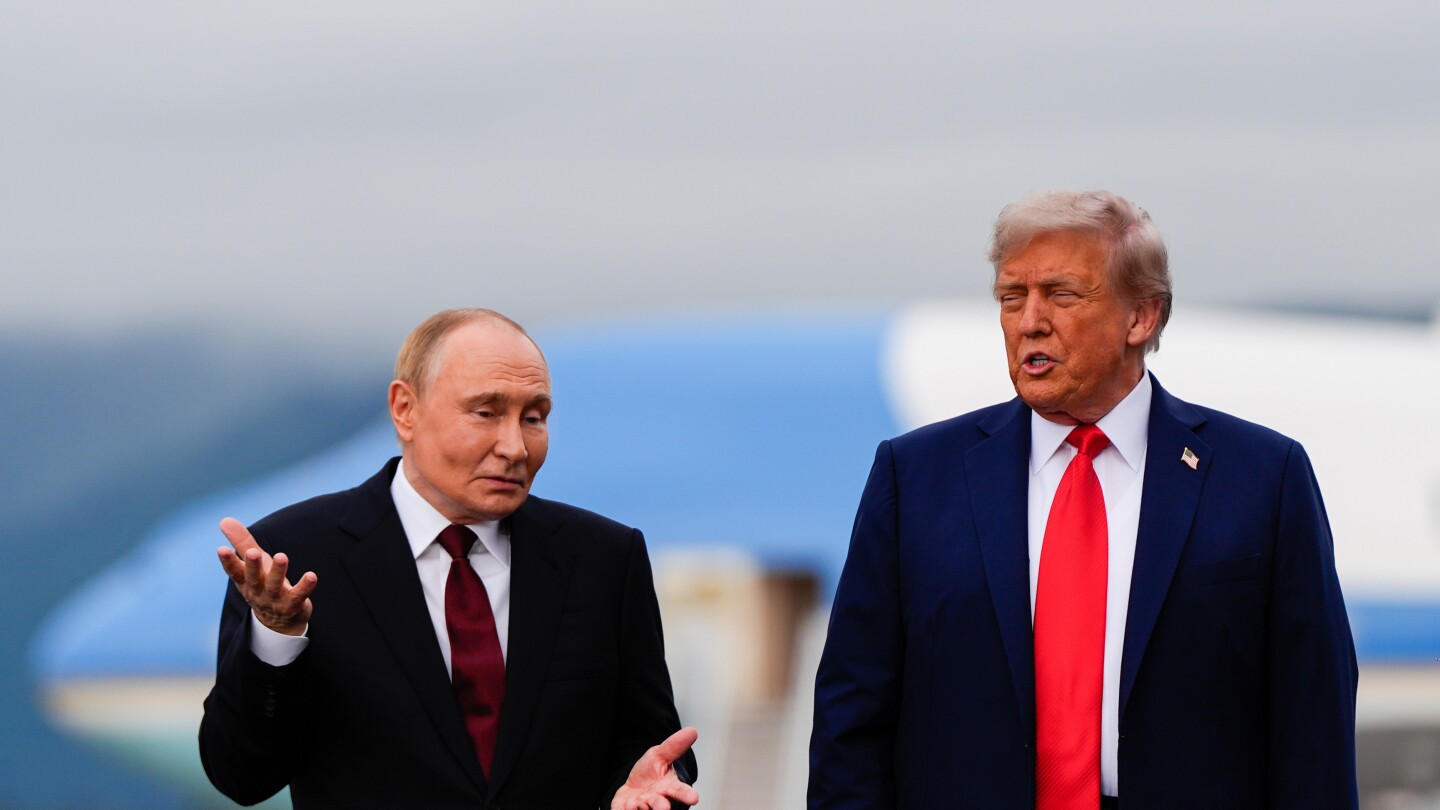
    Russian President Vladimir Putin maintains demands for international recognition of seized territories, including four key regions and the Crimean Peninsula, which Russia annexed in 2014 in violation of international law.

    Zelenskyy warned that should diplomatic efforts collapse, Ukraine would expect increased Western pressure on Moscow through enhanced sanctions and additional military support, including advanced air defense systems and long-range weaponry. The ongoing preparations include up to five documents related to the peace framework, with several focusing on security guarantees for Ukraine.

    The Ukrainian leader expressed optimism about the Berlin discussions, noting “a demonstration of unity” that reflected “the unity of the U.S., Europe, and Ukraine” in pursuing a peaceful resolution to the conflict.

  • Zelenskyy and some 30 countries to approve compensation body for Ukraine damages

    Zelenskyy and some 30 countries to approve compensation body for Ukraine damages

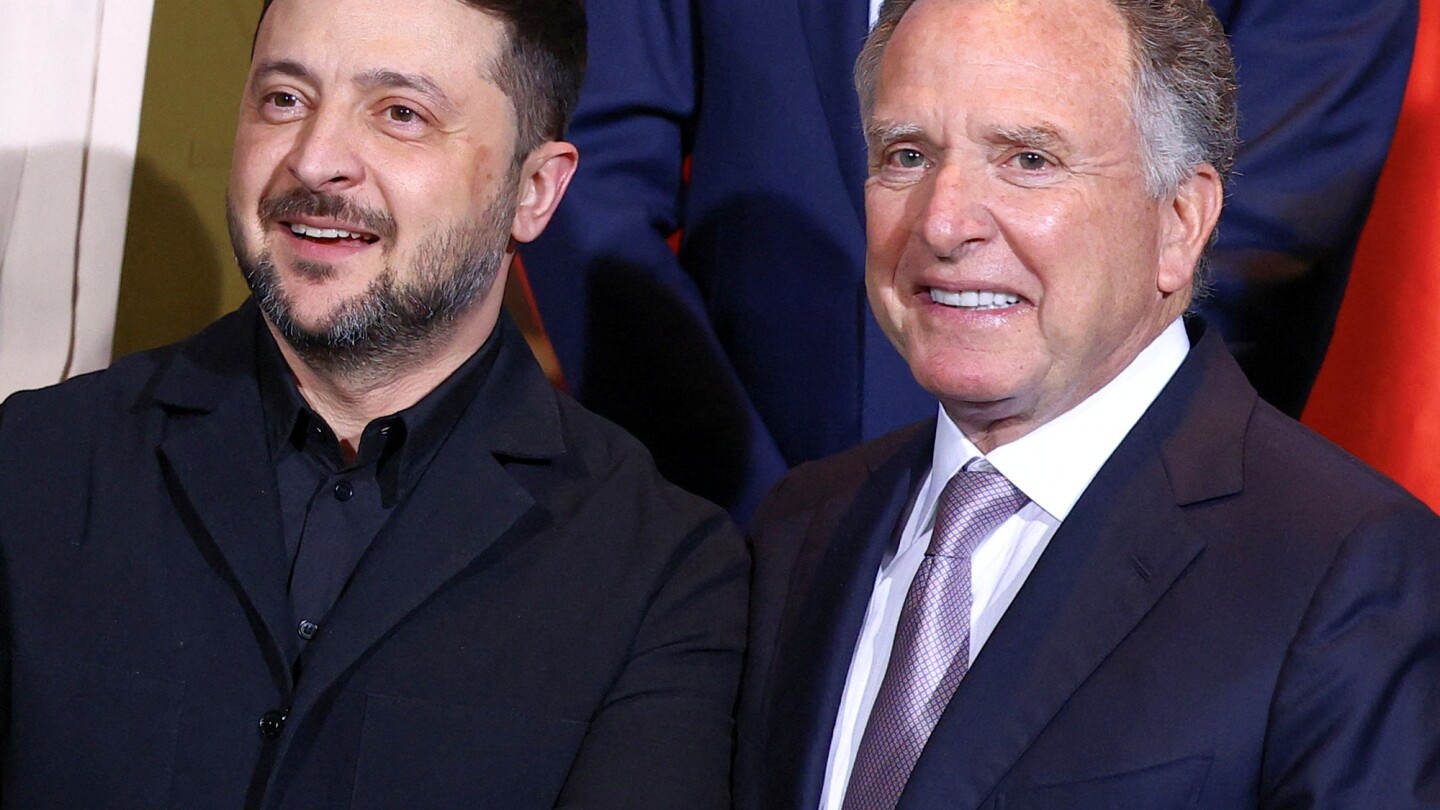
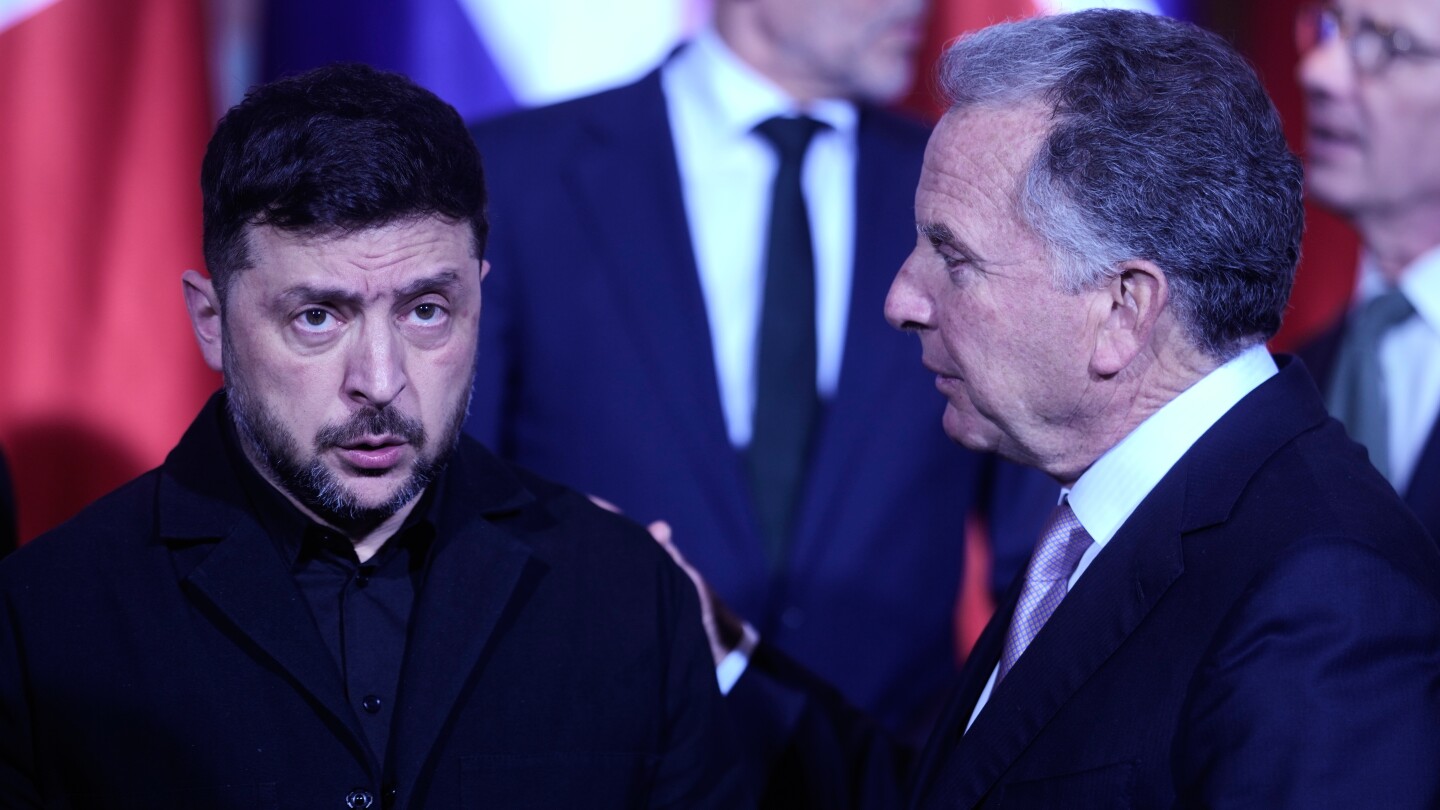
    THE HAGUE, Netherlands — In a significant multilateral development, Ukrainian President Volodymyr Zelenskyy alongside representatives from approximately thirty nations is poised to formally establish an international compensation body to address damages resulting from Russia’s invasion of Ukraine. The ceremonial signing in The Hague occurs amidst complex diplomatic maneuvers, including recent peace discussions involving U.S. special envoy Steve Witkoff, Jared Kushner, and German Chancellor Friedrich Merz.

    President Zelenskyy demonstrated strategic flexibility by expressing willingness to suspend Ukraine’s NATO membership aspirations in exchange for concrete Western security guarantees, though he firmly rejected territorial concessions to Russia. “These security arrangements represent a viable mechanism to deter future Russian aggression,” Zelenskyy stated during a press interaction. “This position itself constitutes a substantial compromise from our perspective.”

    The newly formed International Claims Commission, operating under the auspices of the Council of Europe’s human rights framework, will process Ukrainian claims for compensation regarding damages, losses, or injuries sustained since Russia’s full-scale invasion commenced in February 2022. This mechanism builds upon the existing Register of Damage for Ukraine established during the 2023 Council of Europe summit in Iceland, which has already cataloged approximately 80,000 claims.

    Despite the political consensus, critical funding questions remain unresolved. While the Council of Europe maintains that Russia should ultimately bear financial responsibility, no clear enforcement mechanism exists to compel Moscow’s compliance. One prominent proposal involves utilizing frozen Russian assets worth tens of billions of dollars currently held in European jurisdictions.

    The commission requires ratification from twenty-five nations to become operational, though over thirty countries—including European nations, Mexico, Japan, and Canada—are expected to participate initially, representing unprecedented support for a Council of Europe treaty initiative. The European Union has additionally indicated its intention to join the compensation framework.

    Parallel to these reparations efforts, many participating nations have endorsed the establishment of a specialized international court under Council of Europe jurisdiction to prosecute senior Russian officials alleged to have committed crimes during the invasion. President Zelenskyy’s diplomatic agenda in the Netherlands further includes addressing the Dutch parliament and meeting with King Willem-Alexander.

  • After a year of Trump, EU leaders begrudgingly learn to live with the reality of an unreliable ally

    After a year of Trump, EU leaders begrudgingly learn to live with the reality of an unreliable ally

    BRUSSELS — European leaders convened for a critical year-end summit facing a transformed geopolitical landscape, as the United States under President Donald Trump has systematically eroded transatlantic alliances throughout 2025. The two-day gathering in Brussels represents a watershed moment for European unity, with leaders attempting to formulate a cohesive response to what they perceive as American hostility toward EU interests.

    The immediate challenge involves securing Ukraine’s financial stability through a proposed reparations loan package, designed to sustain Kyiv’s military and economic needs for the coming two years. This decision comes alongside last week’s indefinite freeze on Russian assets within European jurisdictions, creating a complex financial framework to counter Russian aggression.

    Danish Foreign Minister Lars Løkke Rasmussen, representing the EU’s rotating presidency, emphasized the high stakes: “This summit represents a crucial test of European resolve. Our decisions must simultaneously stabilize Ukraine’s economy and demonstrate to global observers—including Washington—that Europe stands as an autonomous geopolitical force.”

    European officials have grown increasingly alarmed by the Trump administration’s overtures to far-right political movements across the continent, its sympathetic posture toward Vladimir Putin, and its public criticism of EU migration and security policies. A recently circulated U.S. National Security Strategy document explicitly questioned Europe’s reliability as an American partner and warned of “civilizational erasure” due to migration policies.

    The administration’s 28-point peace proposal for Ukraine—reportedly drafted with Russian input—has further strained relations by incorporating Kremlin-friendly terms that European leaders find unacceptable. Russian Foreign Minister Sergey Lavrov praised Trump as “the only Western leader” showing “understanding of the reasons that made war in Ukraine inevitable.”

    Economic tensions have simultaneously escalated, with Trump imposing sweeping tariffs under national security grounds before negotiating a 15% tariff framework with the EU. European leaders have reluctantly accepted these terms as the cost of maintaining limited U.S. support for Ukraine while pursuing new trade partnerships throughout Asia.

    In response to security concerns, NATO members have committed to raising defense spending to 5% of GDP by 2035—a dramatic increase from the previous 2% target—while the EU aims to achieve operational autonomy against external threats by 2030. Intelligence assessments suggest Russia could attempt attacks elsewhere in Europe within three to five years if successful in Ukraine.

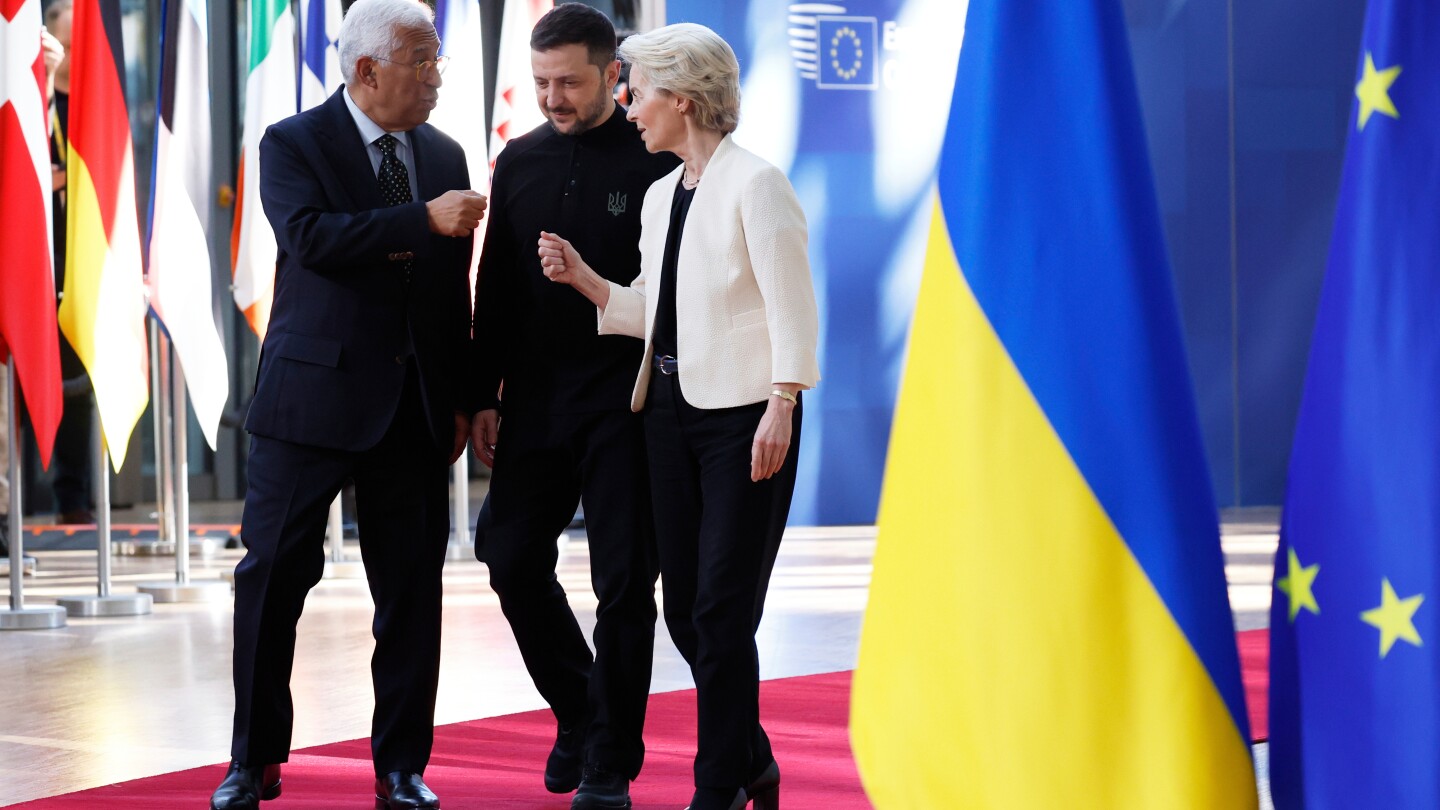
    As EU Council President António Costa prepared to chair the summit, he warned leaders might remain sequestered for days until reaching consensus on Ukraine funding, underscoring the critical nature of European unity in America’s shifting foreign policy landscape.