标签: Europe

欧洲

  • A homeless man’s death caught the pope’s attention. Now his likeness is on display at the Vatican

    A homeless man’s death caught the pope’s attention. Now his likeness is on display at the Vatican

    In an extraordinary convergence of art, faith, and human tragedy, the portrait of a homeless German man has found its spiritual home at the Vatican, completing a profound narrative that began with a chance encounter on Roman streets.

    German artist Michael Triegel first met Burkhard Scheffler in 2018 outside a Roman church, immediately recognizing the homeless man’s striking features as ideal for depicting Saint Peter. Unbeknownst to Triegel, this artistic decision would later intertwine with Scheffler’s tragic death from exposure in St. Peter’s Square in November 2022—an event that captured Pope Francis’s personal attention.

    The artistic journey continued in Germany where Triegel, a Catholic convert, had won a prestigious commission from Naumburg’s Protestant cathedral to create a new central altar panel complementing surviving Renaissance works by Lucas Cranach the Elder. His painting incorporated Scheffler as Saint Peter among other contemporary figures—a rabbi as Saint Paul, the artist’s daughter as Mary, and anti-Nazi theologian Dietrich Bonhoeffer.

    Following UNESCO-related disputes about the altar’s placement in Germany, the artwork was loaned to the Vatican’s Teutonic College chapel. There, in a remarkable moment of recognition, Vatican art experts identified the painted Saint Peter as the deceased Scheffler, whose grave lies mere steps away in the Teutonic cemetery—a burial place arranged by Pope Francis himself.

    The altar now resides temporarily near Scheffler’s resting place, creating what Monsignor Peter Klasvogt calls ‘a wonderful outcome’ that honors the man’s memory through art and prayer. For Triegel, the coincidental reunion validates his artistic mission: creating religious figures that feel authentically connected to contemporary humanity rather than idealized archetypes.


  • Erasmus scheme to return for UK students, BBC understands

    Erasmus scheme to return for UK students, BBC understands

    The United Kingdom is poised to reenter the European Union’s Erasmus+ exchange program following half a decade of absence, according to BBC reports. This strategic reversal comes after the UK terminated its participation in 2020 as part of its Brexit separation agreement with the EU.

    The Erasmus initiative, named after Dutch Renaissance scholar Desiderius Erasmus, facilitates educational and cultural exchanges by providing EU funding for students, trainees, and volunteers to spend up to one year in European partner nations. The UK had previously replaced this program with its domestically developed Turing scheme in 2021, which supports similar international placements across global destinations.

    Government officials have remained silent regarding ongoing negotiations, but an official announcement is anticipated from ministers this Wednesday. Prime Minister Sir Keir Starmer had previously indicated in May that a youth mobility arrangement could constitute part of a renegotiated relationship with the European Union. If confirmed, British students would regain access to Erasmus+ beginning January 2027.

    Alex Stanley of the National Union of Students welcomed the development, characterizing it as “fantastic that another generation of students will be able to be part of the Erasmus programme” and noting it would represent a “huge win for the student movement.” Student organizations have consistently advocated for reinstatement since the program’s termination.

    The original decision to abandon Erasmus was made by former Prime Minister Boris Johnson, who described it as a “tough decision” necessitated by the program’s “extremely expensive” nature. Historical data reveals that during its final year of participation in 2020, the UK received €144 million (£126 million) in EU funding supporting 55,700 participants in Erasmus projects. That year, Britain sent 9,900 students and trainees abroad while hosting 16,100 incoming participants.

    The Turing scheme, named after renowned British mathematician Alan Turing, has operated with £105 million in funding for the 2024/25 academic year, facilitating 43,200 placements across higher education, further education, and schools. Government ministers had promoted Turing as offering broader accessibility for disadvantaged backgrounds and enhanced travel cost support compared to its European counterpart. The future status of the Turing scheme remains uncertain following the potential reintroduction of Erasmus.

    Liberal Democrat universities spokesman Ian Sollom applauded the anticipated return to Erasmus, describing it as a “moment of real opportunity and a clear step towards repairing the disastrous Conservative Brexit deal.”

  • Jim Gavin ‘asked about rental dispute three times before selection’

    Jim Gavin ‘asked about rental dispute three times before selection’

    An internal investigation into Fianna Fáil’s presidential campaign has revealed significant oversights in candidate vetting procedures, culminating in Jim Gavin’s abrupt withdrawal from the race. The review, conducted by senior counsel and obtained by BBC News NI, discloses that party officials received three separate warnings about financial discrepancies involving Gavin and a former tenant prior to his nomination.

    The fact-finding mission established that both media inquiries and internal communications raised concerns about a tenant-related financial matter on September 5 and 8. Irish Independent journalists initially queried the party about the issue, while backbench TD John Lahart simultaneously alerted Deputy Leader Jack Chambers via text message regarding ‘a potential issue with a tenant who was a journalist and the return of a deposit.’

    When confronted with these allegations, Gavin consistently maintained no recollection of any tenant disputes. Despite these red flags, he secured the presidential nomination on September 9 with 41 votes against Billy Kelleher’s 29 in a closely contested selection process.

    The situation escalated on October 4 when the Irish Independent published detailed allegations that Gavin had retained mistakenly overpaid rent from 2009. Although the party initially issued statements claiming Gavin had no records of such disputes, the former tenant subsequently provided documentary evidence to Fianna Fáil headquarters.

    Confronted with substantiated evidence, Gavin acknowledged receiving questionable payments and convened emergency meetings with party leadership on October 5. Following urgent consultations with Taoiseach Micheál Martin and Minister Chambers, Gavin concluded his campaign would create ’10 very difficult days’ for the party and withdrew that evening.

    The controversial campaign consumed approximately €350,000-€400,000 in party resources. The review further notes that many perceived Gavin as the Taoiseach’s preferred candidate, exacerbating internal tensions. Gavin did not participate in the investigation’s preparation, and the report explicitly states its conclusions don’t represent his perspective on events.

    As Fianna Fáil parliamentarians convene for a special meeting at Leinster House, Martin faces intensified scrutiny from backbenchers regarding leadership decisions and candidate validation processes. Despite his withdrawal, Gavin remained on the ballot and received 7.18% of first-preference votes in the October 24 presidential election.

  • Thousands protest Slovak leader Fico over whistleblower office closure and penal code changes

    Thousands protest Slovak leader Fico over whistleblower office closure and penal code changes

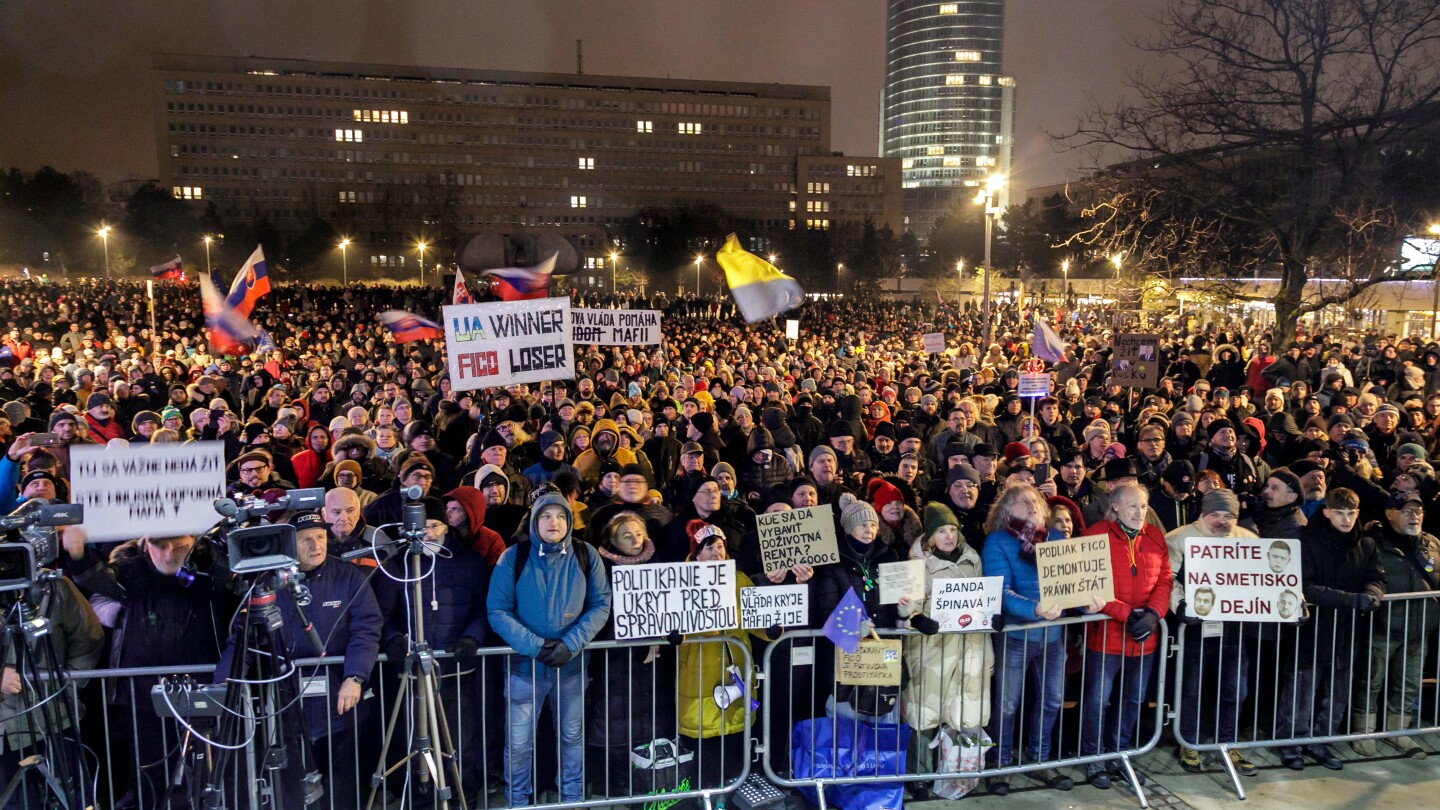
    BRATISLAVA, Slovakia — Massive demonstrations swept across Slovakia on Tuesday as thousands of citizens mobilized against Prime Minister Robert Fico’s controversial governmental measures targeting the nation’s anti-corruption infrastructure. Protesters gathered in ten municipalities including the capital, where crowds at Freedom Square voiced their demands with resounding chants of “Resign, resign” directed at the populist leader.

    The protests erupted following parliamentary approval of legislation that would dismantle the independent Whistleblower Protection Office—a move that has drawn sharp criticism both domestically and internationally. Simultaneously, lawmakers aligned with Fico’s coalition government endorsed penal code revisions that would prohibit evidence obtained through suspect cooperation with law enforcement, effectively eliminating mechanisms for reduced sentences in exchange for criminal intelligence.

    Opposition leader Michal Šimečka of the Progressive Slovakia party addressed the rally, declaring: “Slovakia stands alone as the only nation where governmental authorities enact legislation specifically designed to facilitate criminal and mafia activities.” Protesters displayed banners with the stark message: “Fico’s government helps mafia.”

    The reforms have raised particular concerns regarding their potential benefit to Tibor Gašpar, Deputy Speaker of Parliament and Fico ally, who faces impending trial for alleged establishment of a criminal organization. Demonstrators have appealed to President Peter Pellegrini, typically a government supporter, to exercise his veto power against the legislation.

    Notably, the protest marked the first participation of László Gubík, leader of the Hungarian Alliance representing Slovakia’s 450,000-strong Hungarian minority. Critics increasingly draw parallels between Fico’s policies and the democratic backsliding observed in Viktor Orbán’s Hungary, signaling growing international concern over Slovakia’s political trajectory.

  • EU moves to ease 2035 ban on internal combustion cars as auto industry faces headwinds

    EU moves to ease 2035 ban on internal combustion cars as auto industry faces headwinds

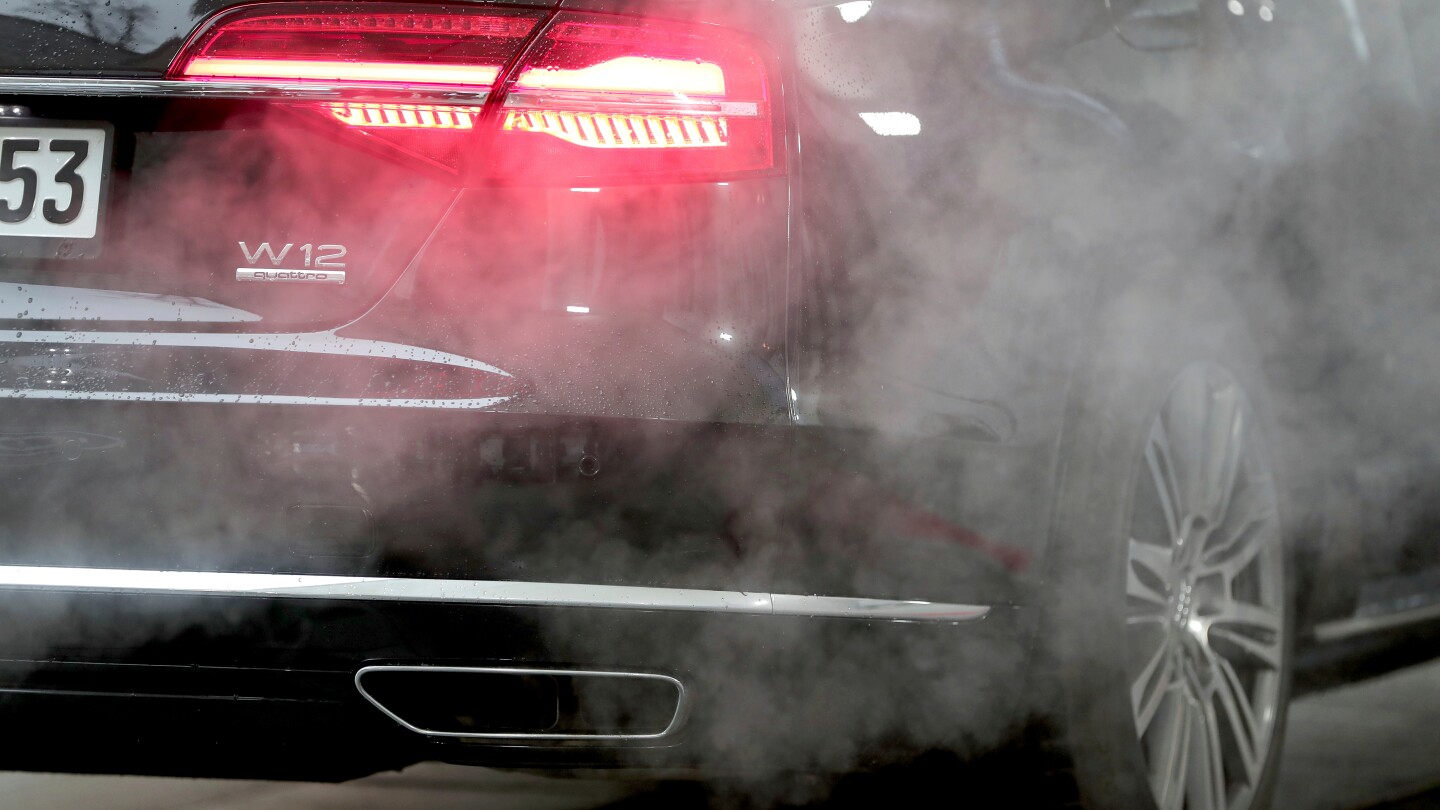
    FRANKFURT, Germany — In a significant policy shift, European Union officials have amended their stringent automotive emissions regulations, modifying the previously mandated total phase-out of internal combustion engines by 2035. The European Commission now proposes a 90% reduction in carbon emissions from new vehicles compared to 2021 levels, creating flexibility for automakers while maintaining climate objectives.

    This revised framework permits continued limited production of combustion engine vehicles provided manufacturers utilize carbon offset mechanisms. These include sourcing European steel manufactured through low-emission processes and incorporating climate-neutral synthetic fuels (e-fuels) produced from renewable electricity and captured CO2, alongside sustainable biofuels.

    The regulatory adjustment follows intensive lobbying from major automotive manufacturing nations including Germany and Italy, where industry representatives highlighted infrastructure challenges and economic concerns. Automakers argued that charging infrastructure development hasn’t matched the pace needed for full consumer transition to electric vehicles, compounded by subsidy reductions and premium pricing for European EVs.

    Despite the modification, EU officials maintain the amended regulations will not compromise the bloc’s 2050 climate neutrality targets. The proposal includes complementary measures to bolster European battery production and promote smaller electric vehicles.

    The policy change occurs against a competitive backdrop where Chinese manufacturers have captured 34% of their domestic EV market through state support and aggressive pricing, outpacing both European and American adoption rates. Meanwhile, the United States has similarly moved toward less stringent vehicle emissions standards under recent regulatory changes.

    Environmental group Transport & Environment criticized the decision as sending ‘a confusing signal’ that might divert investment from electrification precisely when European manufacturers need to compete with Chinese EV producers. The proposal now awaits ratification by EU member states and the European Parliament.

  • A photographer finds thousands of dinosaur footprints near Italian Winter Olympic venue

    A photographer finds thousands of dinosaur footprints near Italian Winter Olympic venue

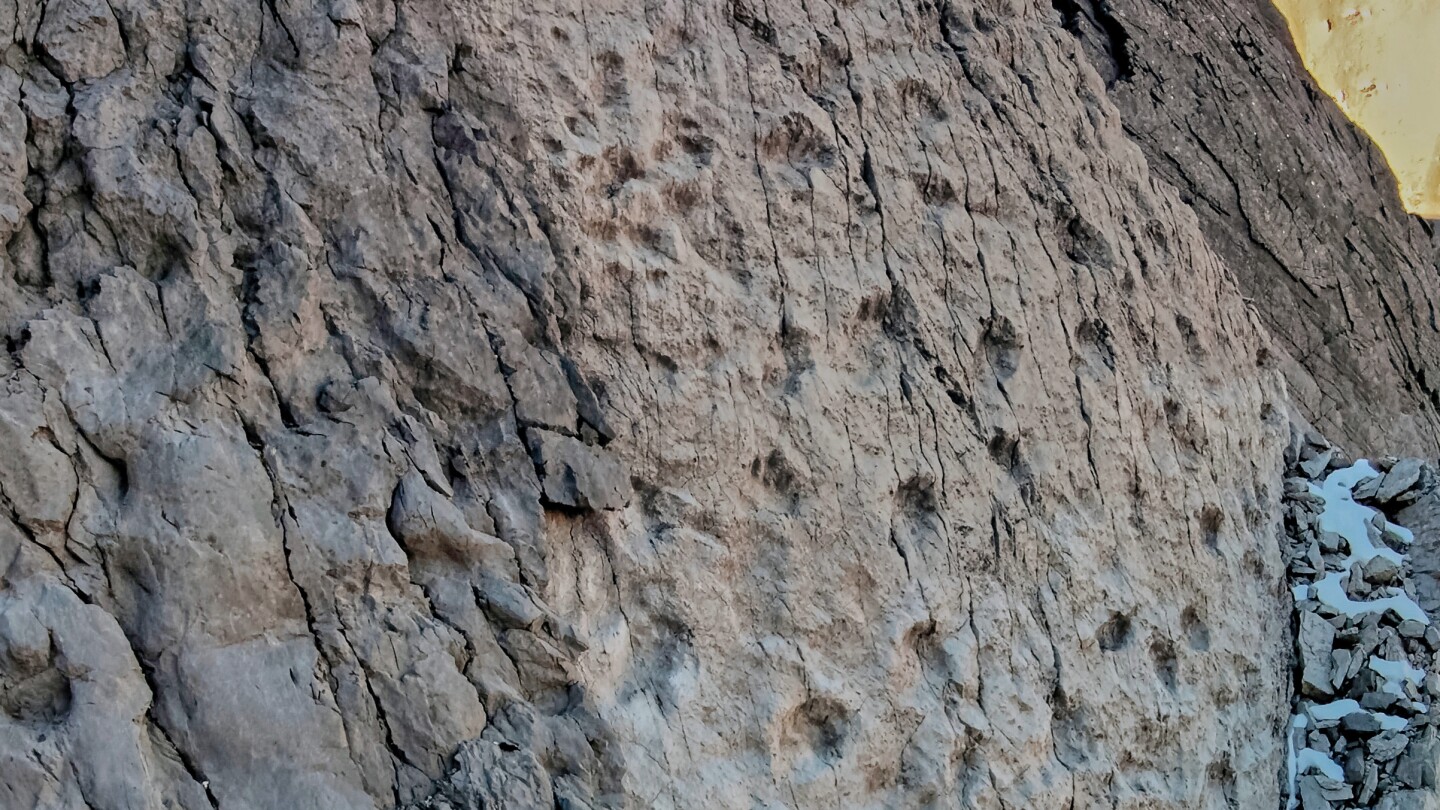
    Italian officials revealed on Tuesday that a wildlife photographer has unearthed one of the most extensive known collections of dinosaur footprints, dating back approximately 210 million years to the Triassic Period. The remarkable discovery occurred in Stelvio National Park, adjacent to Bormio—the designated Alpine skiing venue for the 2026 Milan Cortina Winter Olympics.

    Experts expressed astonishment at both the quantity and location of the findings. The trackway spans roughly five kilometers (three miles) along the Swiss border region, containing an estimated 20,000 individual footprints in an area previously unknown for dinosaur evidence. This prehistoric coastal zone has now revealed unprecedented paleontological treasures.

    Cristiano Dal Sasso, paleontologist at Milan’s Natural History Museum, described the discovery as surpassing fantasy. Wildlife photographer Elio Della Ferrera initially contacted Dal Sasso after identifying the formations during a September expedition aimed at capturing deer and vultures.

    The impressions were created by long-necked bipedal herbivores measuring up to 10 meters (33 feet) in length and weighing approximately four tons—characteristics comparable to Plateosaurus specimens. Numerous tracks display 40-centimeter widths with clearly visible claw marks.

    Analysis of the patterns indicates social herd behavior, with dinosaurs moving collectively at deliberate paces without evidence of panic or rushing. Circular formations suggest periodic stopping points, potentially serving protective functions against predators.

    The remote discovery site poses significant accessibility challenges, situated 2,400-2,800 meters above sea level on a north-facing rock wall mostly shaded from sunlight. Della Ferrera noted the prints remained inconspicuous without powerful photographic equipment, requiring him to scale a vertical rock face for closer examination.

    Lombardy Regional Governor Attilio Fontana celebrated the find as an unexpected Olympic gift, though winter accessibility remains impractical. No immediate plans for public viewing have been established due to the extreme elevation and rugged terrain surrounding the prehistoric trackway.

  • Jane Austen fans celebrate the author’s 250th birthday in Britain and beyond

    Jane Austen fans celebrate the author’s 250th birthday in Britain and beyond

    LONDON — Enthusiasts worldwide commemorated the 250th birth anniversary of literary luminary Jane Austen on Tuesday through a series of celebratory events spanning physical and virtual realms. The milestone honoring the revered author of “Pride and Prejudice” and “Sense and Sensibility” culminated in a day of festivities centered in her historic English residences.

    In the southern village of Chawton, Jane Austen’s final home and current museum housing personal artifacts hosted an immersive program featuring guided tours, scholarly talks, and live performances. The carefully preserved cottage served as the creative sanctuary where Austen authored all six of her completed novels during the latter years of her life.

    Simultaneously, the rural parish of Steventon—Austen’s birthplace—conducted a commemorative church service incorporating musical tributes and selected readings from her works. The global community of self-proclaimed “Janeites” extended celebrations beyond the UK, with Regency-era balls and thematic festivals organized across the United States and other international locations.

    The anniversary festivities incorporated both traditional and contemporary elements, concluding with a virtual gathering that attracted over 500 registrants worldwide. Event organizers explicitly encouraged period-appropriate Regency attire for the digital celebration, maintaining the historical authenticity that characterizes Austen fandom. Bath, the city where Austen resided for five formative years, recently hosted the Yuletide Birthday Ball as the grand finale to a yearlong series of costumed events honoring the author’s legacy.

  • EU waters down plans to end petrol and diesel car sales by 2035

    EU waters down plans to end petrol and diesel car sales by 2035

    The European Union has significantly modified its ambitious climate policy by scaling back a proposed total ban on internal combustion engine vehicles. Originally mandating 100% zero-emission vehicle sales by 2035, the European Commission has now proposed a 90% target following intensive lobbying from automotive manufacturers, particularly German automakers.

    According to the European Automobile Manufacturers’ Association (ACEA), market demand for electric vehicles remains insufficient to justify a complete phase-out of conventional vehicles. The association warned that maintaining the original mandate would expose manufacturers to potentially devastating financial penalties amounting to billions of euros.

    Under the revised framework, the remaining 10% of vehicle sales may consist of traditional petrol or diesel cars alongside hybrid models. However, manufacturers must compensate for the emissions generated by these non-zero-emission vehicles through innovative environmental mechanisms. These include utilizing biofuels and synthetic e-fuels produced from captured carbon dioxide emissions.

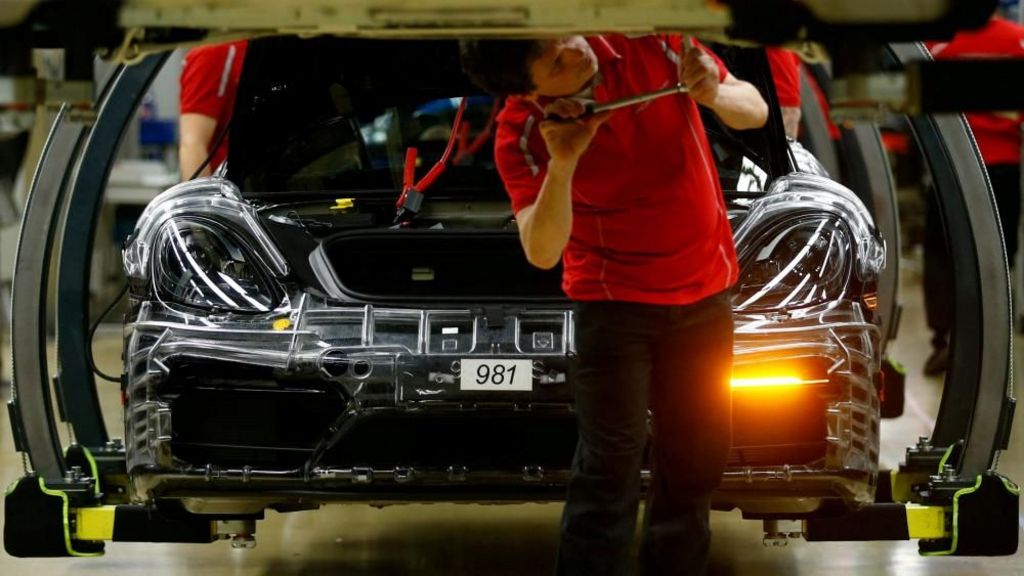
    Additionally, automakers will be required to incorporate low-carbon steel manufactured within the European Union into their vehicle production processes, representing a further effort to reduce the automotive industry’s overall carbon footprint.

    Environmental advocacy groups have expressed strong opposition to the policy revision. Transport & Environment (T&E), a prominent green transport organization, has cautioned that this regulatory softening could critically undermine Europe’s transition to electric mobility. The group specifically warned the United Kingdom against following the EU’s example by weakening its own Zero Emission Vehicle Mandate.

    Anna Krajinska, T&E UK’s director, emphasized that “The UK must stand firm. Our ZEV mandate is already driving jobs, investment and innovation into the UK. As major exporters we cannot compete unless we innovate, and global markets are going electric fast.” Critics argue that this policy shift leaves European automakers vulnerable in the increasingly competitive global electric vehicle market, particularly against manufacturers from China and the United States.

  • Lithuania arrests 21 in alleged cigarette smuggling ring using weather balloons from Belarus

    Lithuania arrests 21 in alleged cigarette smuggling ring using weather balloons from Belarus

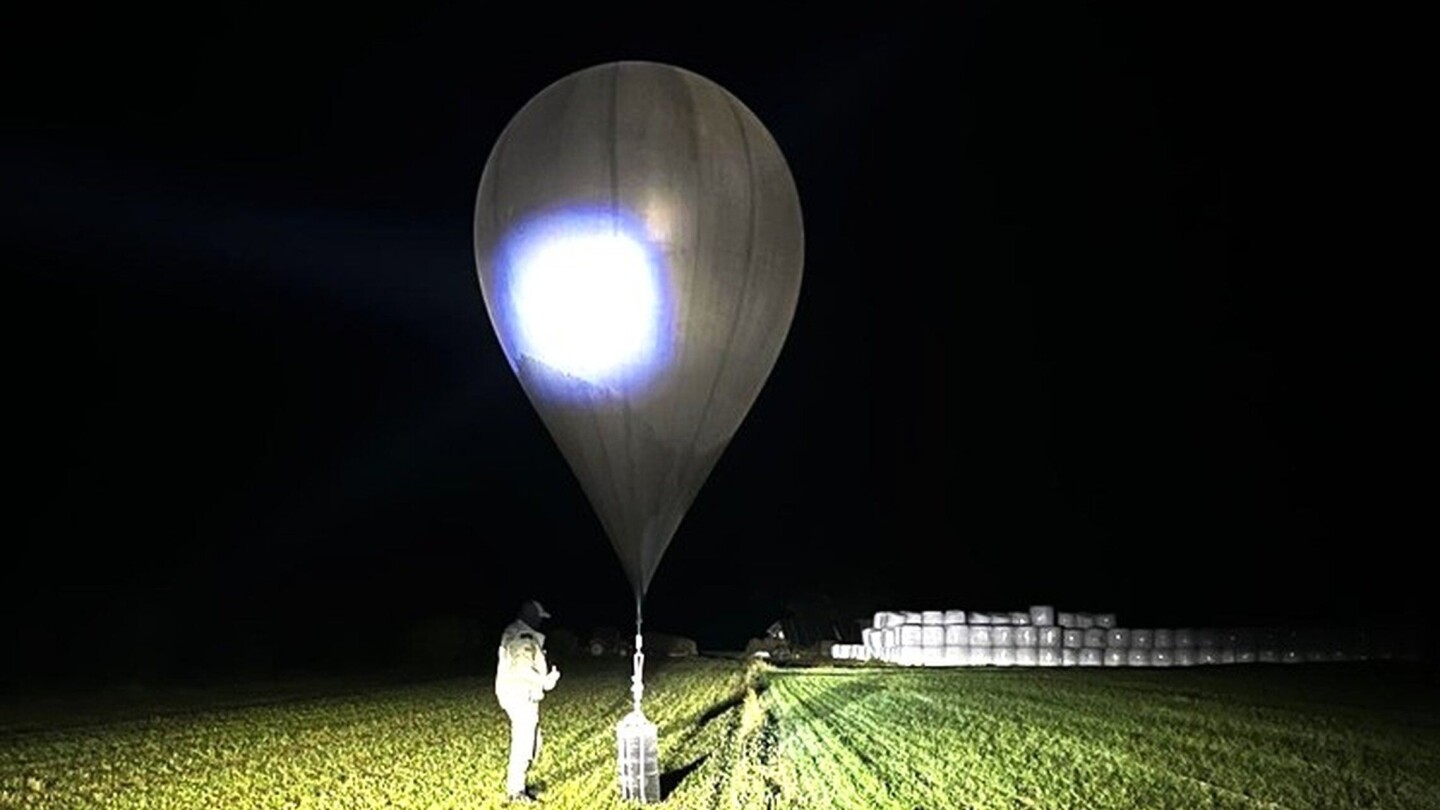
    Lithuanian law enforcement has executed a decisive strike against an elaborate cross-border smuggling operation, arresting 21 individuals connected to a criminal network utilizing weather balloons to transport contraband cigarettes from Belarus. The sophisticated operation, unveiled on Tuesday, represents a significant escalation in regional security challenges.

    In a coordinated operation involving over 140 officers from the Lithuanian Criminal Police Bureau, Vilnius police, and specialized anti-terrorism units, authorities conducted more than 80 searches across the country. The raids yielded substantial evidence including cigarettes bearing Belarusian excise stamps, sophisticated communication equipment, GPS tracking devices, signal jammers, firearms, and multiple luxury vehicles.

    The prosecutor’s office characterized the network as operating with ‘strict conspiracy and clearly distributed roles,’ noting that smuggling activities were conducted systematically under the tight control of organizational leaders. Investigators believe the organizers maintained direct connections with accomplices operating within Belarus territory.

    According to official statements, the operation exploited meteorological conditions by launching specially equipped balloons from Belarus that subsequently violated Lithuanian airspace. Using advanced GPS technology and specialized software, network members monitored balloon trajectories and transmitted precise landing coordinates to ground operatives who would retrieve the contraband for distribution.

    The balloon incursions have created substantial security disruptions, prompting Lithuania to declare a national emergency earlier this month. The repeated violations forced temporary shutdowns of Vilnius International Airport, stranding thousands of travelers, and necessitated the closure of border crossings between the two nations.

    All detained suspects face multiple charges including participation in a criminal organization, illegal handling and smuggling of excise goods, and aiding another state in activities against Lithuanian interests. The case highlights growing security concerns in Eastern Europe as NATO members remain vigilant about airspace violations amid ongoing regional tensions.

  • Rome opens long-awaited Colosseum subway station, with displays of unearthed artifacts

    Rome opens long-awaited Colosseum subway station, with displays of unearthed artifacts

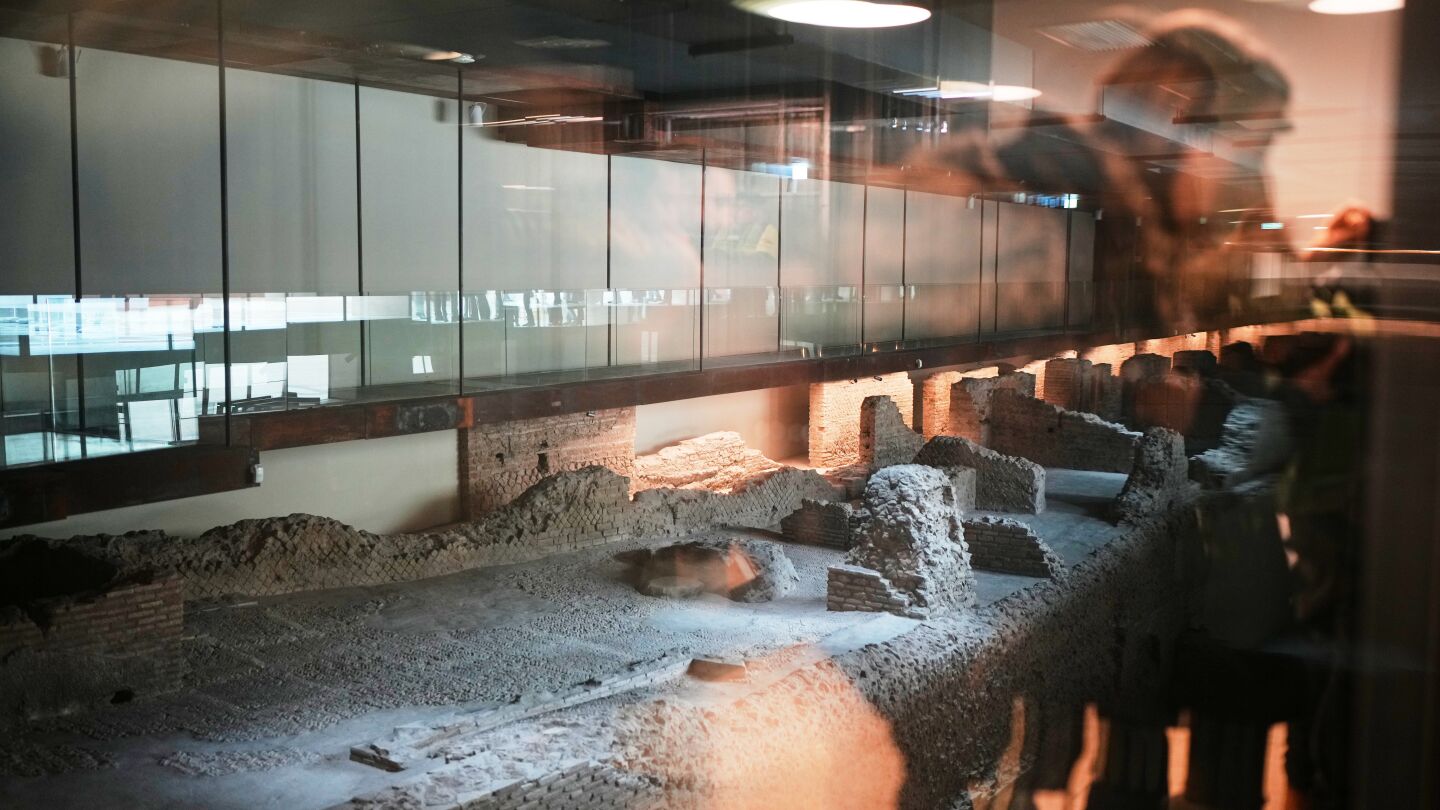
    ROME — In an unprecedented fusion of archaeological preservation and urban infrastructure, Rome inaugurated two groundbreaking subway stations on Tuesday that double as underground museums. The centerpiece Colosseo station, situated deep beneath the iconic Colosseum, showcases an extensive collection of ancient artifacts discovered during its construction, transforming daily commuting into a historical journey.

    Visitors descending into the Colosseo station are greeted by meticulously curated displays featuring second-century BC ceramics, stone wells, suspended buckets, and the preserved ruins of a first-century thermal bath complex. Interactive screens document the painstaking excavation process, providing context for the project’s extended timeline while engaging archaeology enthusiasts.

    The Metro C line represents one of Europe’s most complex urban infrastructure projects, plagued by two decades of bureaucratic delays, funding challenges, and the immense logistical complications of building through archaeologically sensitive ground. Construction manager Marco Cervone emphasized the dual challenge of managing substantial groundwater while preserving both underground discoveries and surface structures.

    Simultaneously opened Porta Metronia station reveals another remarkable find: an 80-meter military barracks dating to the early second century, identified by its strategically offset doorways designed to prevent soldier collisions. Archaeologist Simona Moretta confirmed the structure likely housed either imperial guards or urban security forces. The station also contains a residential dwelling with exceptionally preserved frescoes and mosaics, with plans for an expanded museum facility.

    The monumental construction effort has yielded over 500,000 artifacts to date, requiring innovative engineering solutions including ground freezing techniques and sacrificial concrete diaphragms. With three-quarters of the planned 31 stations now operational, the complete 29-kilometer line is projected to cost approximately €7 billion and carry up to 800,000 daily passengers upon its 2035 completion.

    The next phase will see the line extending beneath Trajan’s Column, the Basilica of Maxentius, and Renaissance palaces before reaching Piazza Venezia at record depths of 48 meters. Once finished, the transit system will finally provide relief from Rome’s notorious traffic congestion while offering unprecedented access to the city’s layered historical narrative.