标签: Europe

欧洲

  • UK authorities bring new charges of rape and sexual assault against Russell Brand

    UK authorities bring new charges of rape and sexual assault against Russell Brand

    British prosecutors have intensified their legal pursuit against controversial comedian Russell Brand, filing additional criminal charges including one count of rape and one count of sexual assault. These new allegations, announced Tuesday by the U.K.’s Crown Prosecution Service, involve two additional women beyond the four previously identified victims, with the alleged incidents dating back to 2009.

    The latest charges expand upon the existing case against Brand, who already faced five serious sexual offense charges including two counts of rape, two counts of sexual assault, and one count of indecent assault. These initial charges resulted from an extensive 18-month investigation into allegations spanning from 1999 to 2005, with incidents reported in both London and the coastal town of Bournemouth.

    Brand, the 50-year-old former mainstream comedian turned online influencer, had previously entered a not guilty plea regarding the initial charges during a London court appearance earlier this year. The actor known for his role in “Get Him To The Greek” has experienced a dramatic career transformation, transitioning from risqué stand-up performances and Hollywood films to building a substantial digital following through content blending wellness advice, conspiracy theories, and religious commentary.

    The judicial proceedings continue to advance with Brand scheduled to appear in court on January 20 regarding the new charges. A comprehensive trial has been formally scheduled for June of next year, with projections indicating the proceedings will extend four to five weeks.

    Following the announcement of the initial charges in April, Brand maintained his innocence through a social media statement, acknowledging his past struggles with addiction while vehemently denying any nonconsensual sexual activity. “I was a fool before I lived in the light of the Lord,” Brand stated. “I was a drug addict, a sex addict and an imbecile. But what I never was a rapist.”

    Both U.K. law and standard journalistic practice protect the identities of sexual violence victims, with British legislation providing lifetime anonymity for accusers in such cases.

  • Why Mbappe had £1.3m ethics bonus in PSG contract

    Why Mbappe had £1.3m ethics bonus in PSG contract

    French football superstar Kylian Mbappé has secured a landmark legal victory against former club Paris Saint-Germain, with the Court of Arbitration ordering the Parisian club to pay €60 million in unpaid wages and bonuses. The most intriguing aspect of the ruling concerns €1.5 million designated as “ethics bonus” payments—a contractual element commonplace in French sports but largely unknown internationally.

    The ethics bonus system emerged as a creative solution to French labor laws that prohibit salary deductions for disciplinary reasons. Unlike English clubs that can fine players up to two weeks’ wages for misconduct, French teams structure contracts with base salaries supplemented by behavioral incentives. These bonuses effectively constitute the remainder of the player’s total compensation, subject to compliance with club conduct standards.

    Football finance expert Kieran Maguire explained: “Clubs are very keen to protect their image. They don’t want anybody going nuclear and criticizing the club, which means they implement good behavior clauses. We’ve seen similar structures with Tiger Woods and Lance Armstrong regarding sponsor morals clauses.”

    Previous high-profile cases illustrate how these bonuses function in practice. In 2018, midfielder Marco Verratti had portions withheld after a drink-driving incident, while Hatem Ben Arfa lost his bonus for skipping PSG’s mid-season training camp in Qatar. Most recently, Lionel Messi faced sanctions for an unauthorized trip to Saudi Arabia.

    The concept gained notoriety when details of Neymar’s PSG contract revealed he received €541,680 monthly for demonstrating “courtesy, friendliness and availability to supporters,” alongside requirements to greet fans before and after matches and maintain professional conduct with sponsors and officials.

    Modern football contracts have evolved into complex financial instruments encompassing loyalty payments, image rights, performance bonuses, and Champions League participation incentives—often totaling 25-40% beyond base salaries. As Maguire noted: “The contract which used to be written on the back of a napkin is now an investment by a series of stakeholders.”

  • Pakistani consortium acquires 75% stake in PIA in major privatization move

    Pakistani consortium acquires 75% stake in PIA in major privatization move

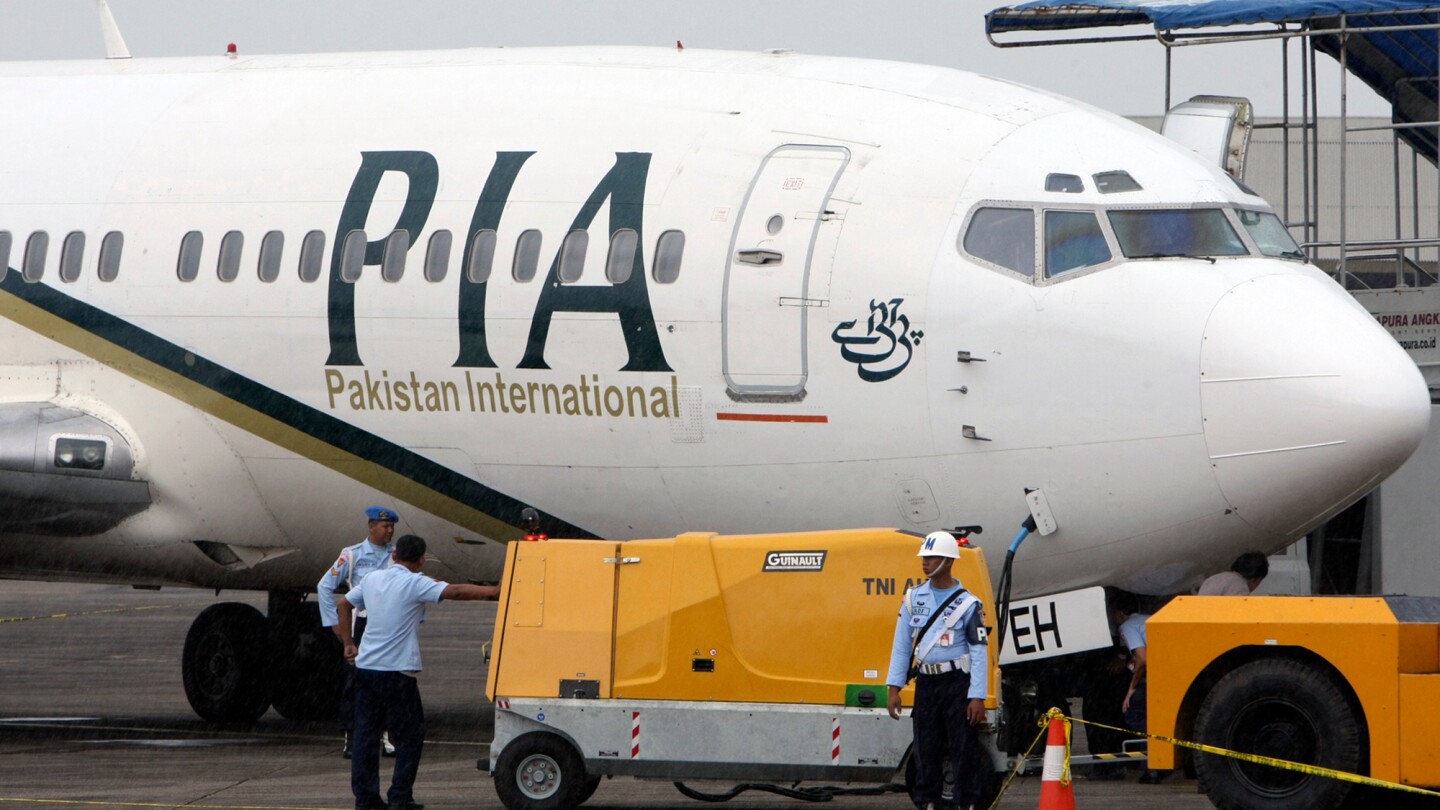
    In a landmark transaction marking Pakistan’s most significant privatization initiative in decades, a consortium headed by Arif Habib Group has successfully acquired a 75% controlling interest in Pakistan International Airlines (PIA). The winning bid of 135 billion rupees ($482 million) was announced during a nationally televised auction ceremony on Tuesday, representing a crucial milestone in the government’s protracted effort to divest the chronically unprofitable national carrier.

    The acquisition fulfills a key condition set by the International Monetary Fund (IMF), which has consistently advocated for PIA’s privatization as a central component of Pakistan’s economic reform agenda connected to international bailout packages. Finance Minister Muhammad Aurangzeb characterized the bidding process as thoroughly transparent and competitive, expressing confidence that the new ownership would spearhead the airline’s operational revitalization.

    This development occurs against a backdrop of tentative recovery for PIA, which recently resumed direct European flights just two months ago following the European Union Aviation Safety Agency’s decision to revoke a four-year suspension imposed over safety violations. The prohibition originated after the tragic 2020 Karachi crash that claimed 97 lives.

    Once celebrated as a regional aviation leader, PIA’s operational efficiency has dramatically deteriorated through decades of political interference and severe overstaffing. The carrier currently maintains approximately 300 employees per aircraft across its 32-plane fleet—substantially exceeding the industry standard of fewer than 200 workers per aircraft—reflecting profound structural challenges that the new ownership must address.

  • Louvre tightens security after $102M jewel heist, installs bars on infamous window

    Louvre tightens security after $102M jewel heist, installs bars on infamous window

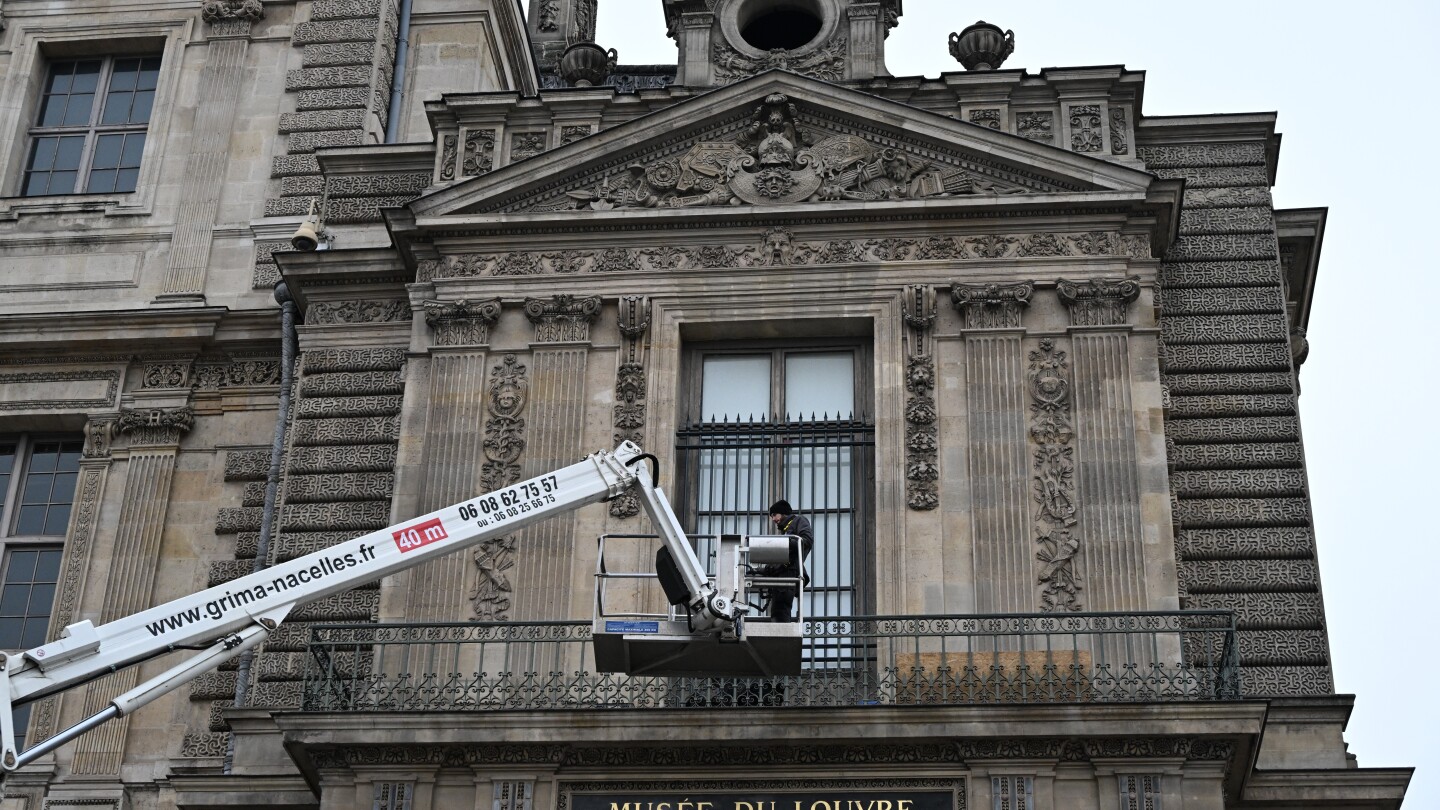
    The Louvre Museum in Paris has commenced critical security upgrades in response to the devastating October heist that exposed systemic vulnerabilities in its protection systems. On Tuesday, maintenance crews from Grima-Nacelles company ascended via freight lift to install reinforced metal bars on the very window that thieves exploited during their meticulously executed robbery eight months ago.

    The operation bore eerie similarities to the October 19th incident when perpetrators disguised as maintenance workers used identical equipment to access the Apollo Gallery. Within a mere eight-minute window, the thieves successfully absconded with historically significant crown jewels valued at approximately $102 million, including priceless tiaras, emerald earrings, and sapphire necklaces.

    While French authorities have apprehended and charged all four suspects connected to the audacious theft, the stolen treasures remain missing. The Louvre administration maintained silence regarding Tuesday’s security enhancement operation, though Samuel Lasnel of Grima-Nacelles confirmed his team’s previous collaborations with the museum on both interior and exterior projects.

    The world’s most visited museum now faces the complex challenge of balancing public accessibility with heightened security protocols. These physical improvements represent just one aspect of a comprehensive security overhaul initiated in the aftermath of one of history’s most valuable museum heists, aiming to prevent future breaches while preserving the institution’s cultural mission.

  • Ukraine’s own ‘Dancing with the Stars’ is back on for a special episode with wartime heroes

    Ukraine’s own ‘Dancing with the Stars’ is back on for a special episode with wartime heroes

    In a powerful display of national fortitude, Ukraine’s beloved television franchise ‘Dancing with the Stars’ has returned for a special episode featuring military veterans and heroes who have sustained life-altering injuries during Russia’s ongoing invasion. The production, known locally as ‘Tantsi z zirkamy’, has transformed from celebrity entertainment into a profound testament to human resilience, with performers incorporating prosthetic limbs into their choreography.

    The episode marks a significant evolution for the show that once catapulted actor Volodymyr Zelenskyy to victory in 2006. Now in its wartime iteration, the program showcases public figures who have gained prominence since February 2022, dancing under extraordinary circumstances that include frequent power outages and potential air raid alerts.

    Creative producer Volodymyr Zavadiuk described the production as both a celebration of resilience and a statement about Ukraine’s future. The filming process encountered numerous logistical challenges, including malfunctioning generators and security concerns that prevented live broadcasting. Despite these obstacles, participants delivered emotionally charged performances that addressed themes of self-acceptance and reclaiming identity after traumatic injury.

    Among the standout performers was Ruslana Danilkina, a war veteran who lost her leg in combat in 2022 and now works at the Superhumans Center, a specialized rehabilitation clinic that will receive all proceeds from the broadcast. Her performance focused on the journey toward self-love and accepting affection after physical trauma.

    The episode also featured emotional moments such as veteran Ivan Voinov and his wife Solomiia sharing their second dance since his injury—their first having occurred at their wedding three months prior. Their story, along with others, underscored the program’s deeper message about maintaining human connection and hope amid adversity.

    Ukrainian rock musician Yevhen Halych, another participant, articulated the collective sentiment driving the production: a genuine desire to live fully regardless of circumstances. The special episode will air with audience voting mechanisms intact, maintaining the show’s competitive spirit while serving a humanitarian purpose.

  • Three dead after Russia launches ‘massive’ attack across Ukraine

    Three dead after Russia launches ‘massive’ attack across Ukraine

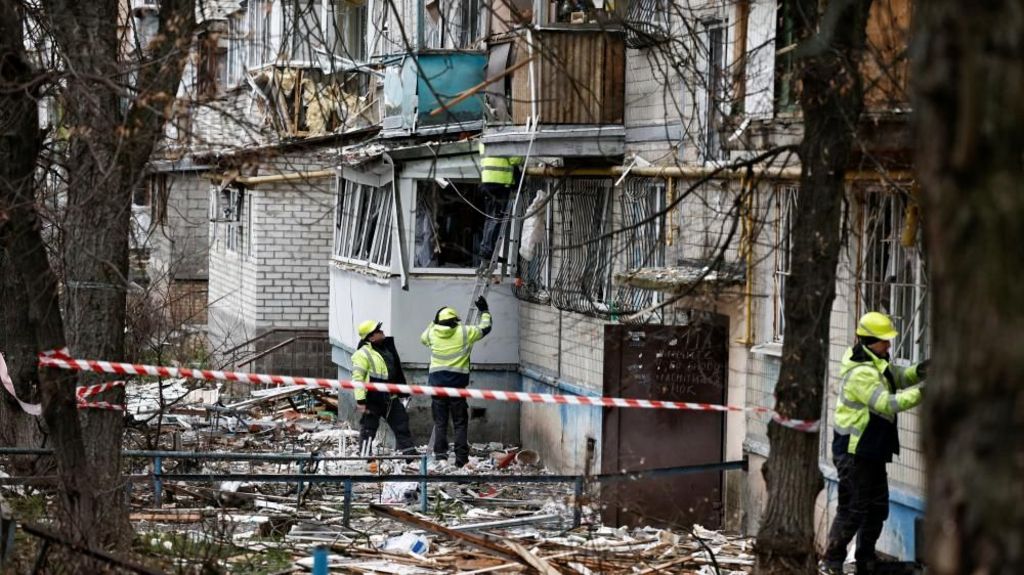
    In a devastating pre-Christmas offensive, Russian forces unleashed what Ukrainian President Volodymyr Zelensky characterized as a ‘massive’ coordinated attack across multiple Ukrainian cities overnight Monday. The assault represents one of the most significant aerial bombardments in recent months, coming precisely as Zelensky had previously warned might occur during the holiday period.

    The human toll was immediate and tragic. Ukrainian authorities confirmed at least three civilian fatalities, including a four-year-old girl in the central Zhytomyr region who succumbed to her injuries despite emergency medical intervention. Local official Vitaly Bunechko reported five additional injuries from the same strike. Separate attacks claimed the lives of a 76-year-old woman in the Kyiv region and a 72-year-old in western Khmelnytskyy, with several others wounded across these locations.

    Military analysts noted the unprecedented scale of the drone offensive, with Ukraine reporting over 600 drones and 30 missiles deployed in the coordinated strikes. The Russian defense ministry, through state news agency Tass, acknowledged targeting energy facilities and transport infrastructure. The consequences were immediately felt across Ukraine’s power grid, with energy operator warnings of emergency shutdowns ‘in all regions’ as temperatures were forecast to drop to -7°C.

    Acting Energy Minister Artem Nekrasov revealed this marked the ninth major assault on Ukraine’s energy infrastructure this year, with the Rivne, Ternopil and Khmelnytsky regions experiencing near-total power loss. Ukrainian MP Oleksandr Merezhko warned some areas might remain without electricity ‘for days,’ creating a humanitarian crisis amid freezing conditions.

    The attack shattered a period of relative calm in Kyiv, where residents had grown unaccustomed to the ominous sound of low-flying Shahed drones. Many in the capital speculated the timing was connected to Monday’s car bomb assassination in Moscow that killed Lt Gen Fanil Sarvarov, a top Russian general, though Kyiv maintained silence on the incident.

    President Zelensky framed the Christmas-season assault as revealing ‘an extremely clear signal about Russia’s priorities’ despite ongoing peace negotiations. He noted that the United States had proposed a Christmas truce that Russia rejected, adding that ‘Putin still cannot accept that he must stop killing’ and suggesting insufficient international pressure on Moscow.

    The geographical scope of attacks appeared strategically significant, with particular focus on the southern port city of Odesa following Vladimir Putin’s recent threats to sever Ukraine’s Black Sea access. This retaliation was reportedly prompted by Ukrainian drone attacks on Russian ‘shadow fleet’ tankers evading Western sanctions.

    Simultaneously, Ukraine demonstrated its capacity to strike back, reportedly hitting a petrochemical plant in Stavropol, southern Russia. Online footage showed substantial flames erupting from the facility, though regional governor Vladimir Vladimirov reported no casualties or residential damage.

    The offensive occurred against the backdrop of ongoing diplomatic efforts, with US-led talks in Miami reportedly producing ‘several draft documents’ addressing conflict resolution, security guarantees, and post-war recovery. Both Zelensky and Putin were expected to receive briefings on these developments Tuesday.

  • Greta Thunberg arrested in London while supporting hunger-striking pro-Palestinian activists

    Greta Thunberg arrested in London while supporting hunger-striking pro-Palestinian activists

    Swedish environmental activist Greta Thunberg, 22, was taken into custody by London authorities on Tuesday during a demonstration supporting Palestinian causes. The arrest occurred as Thunberg participated in a solidarity action with hunger-striking activists detained on protest-related charges.

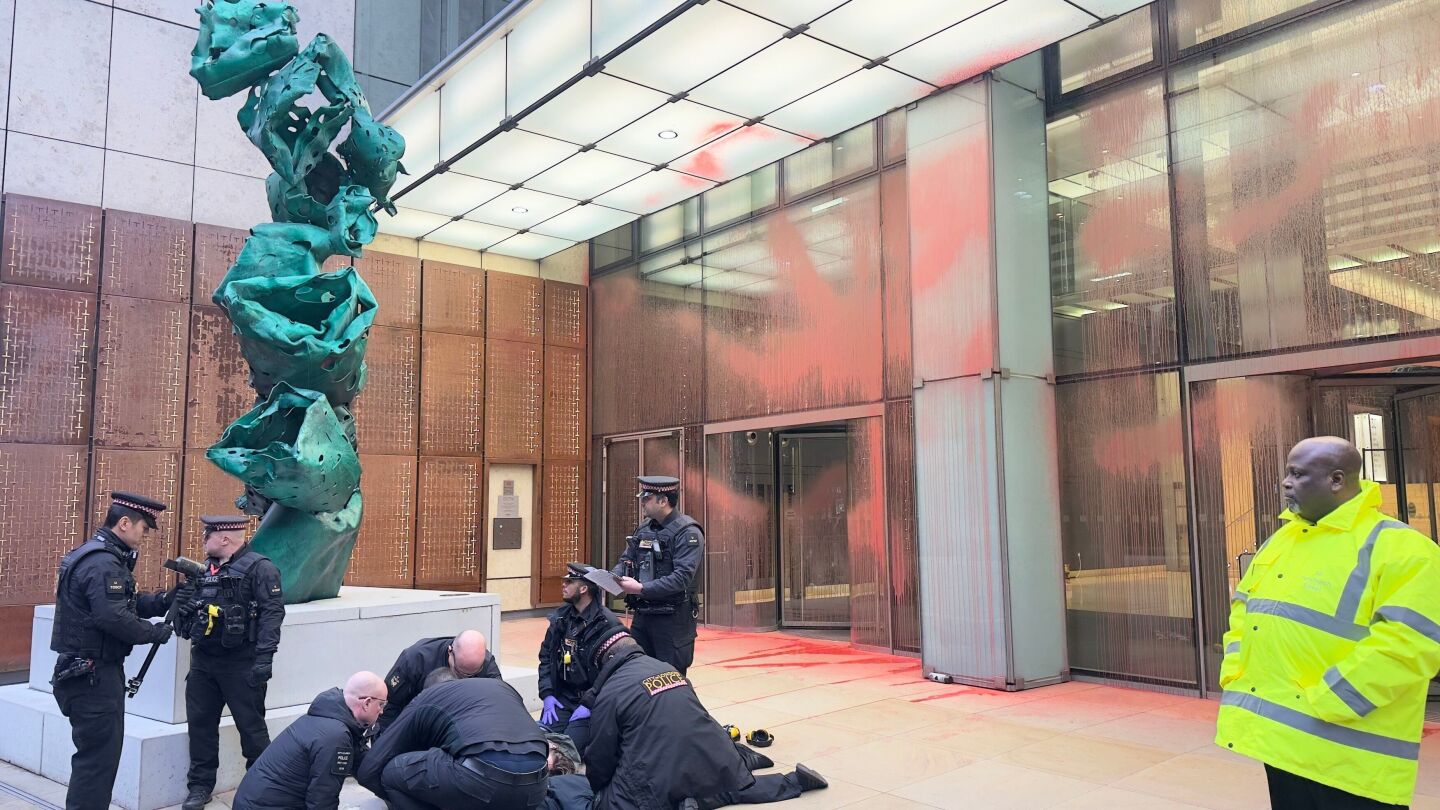
    Video evidence disseminated by the protest collective Prisoners for Palestine captured Thunberg holding signage endorsing both the fasting detainees and Palestine Action—an organization proscribed by UK authorities as terrorist earlier this year. The demonstration formed part of broader activism that included two individuals spraying red paint outside a City of London insurance firm. Protest organizers stated this company was targeted due to its commercial connections with Elbit Systems, an Israeli defense contractor.

    Metropolitan Police confirmed three arrests: one male and one female detained on suspicion of criminal damage, plus an additional woman (identified as Thunberg) apprehended for allegedly supporting a banned organization. Standard British policing protocol prevents naming suspects before formal charges are filed.

    Eight members of Palestine Action have initiated hunger strikes to contest their remand without bail while awaiting trial for various protest offenses. According to Prisoners for Palestine, two pioneering hunger strikers have now refused nourishment for 52 days and face potentially fatal health deterioration. UK governmental authorities maintain that judicial decisions regarding detention and bail fall exclusively within court jurisdiction, declining to intervene in ongoing legal proceedings.

  • Man arrested after €3.7m cocaine seizure

    Man arrested after €3.7m cocaine seizure

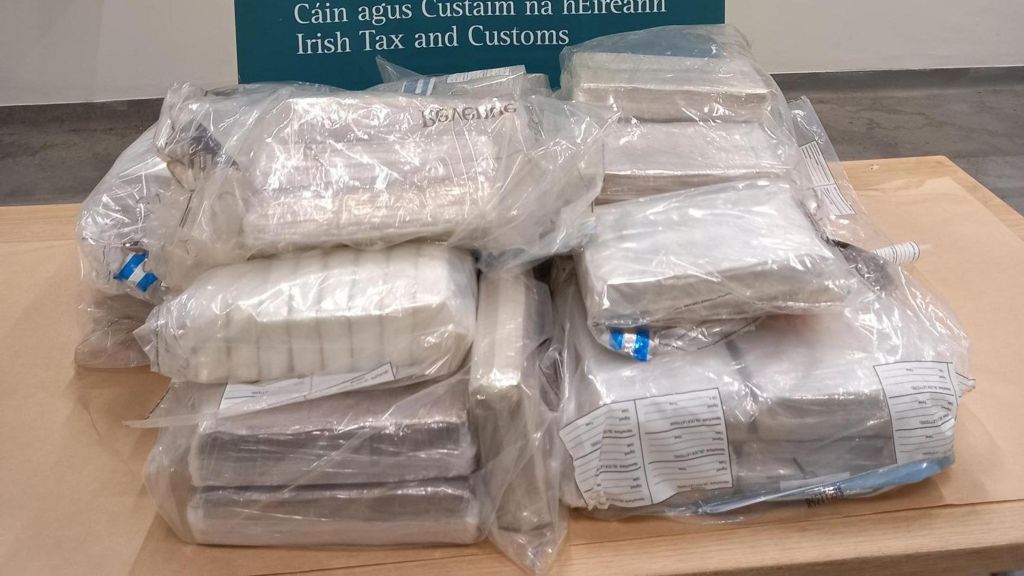
    Irish law enforcement has made a significant narcotics interception at Rosslare Europort in County Wexford, uncovering cocaine with an estimated street value of €3.7 million (£3.2 million). The substantial seizure occurred on Monday following a meticulously executed operation by An Garda Síochána, Ireland’s national police service.

    The discovery unfolded during a routine customs inspection of a freight unit that had recently disembarked from a ferry originating in France. Officers employed a multi-layered approach to screening, utilizing both advanced mobile X-ray scanning technology and a trained detector dog to examine the vehicle. This comprehensive search revealed a sophisticated concealment method, with the illicit substances expertly hidden within the truck’s exhaust system.

    The contraband, weighing over 53 kilograms (117 pounds), represents one of the major drug interdictions in the region this year. Following the discovery, authorities moved swiftly to apprehend a suspect described as a male in his forties. The individual remains in custody as investigations continue, with law enforcement exploring potential international connections to the smuggling attempt.

    This operation highlights the ongoing challenges faced by European authorities in combating transnational drug trafficking networks that exploit commercial shipping routes. The successful seizure demonstrates the effectiveness of coordinated efforts combining traditional policing methods with advanced technological resources at critical port entry points.

  • France races to avoid US-style government shutdown after budget talks collapse

    France races to avoid US-style government shutdown after budget talks collapse

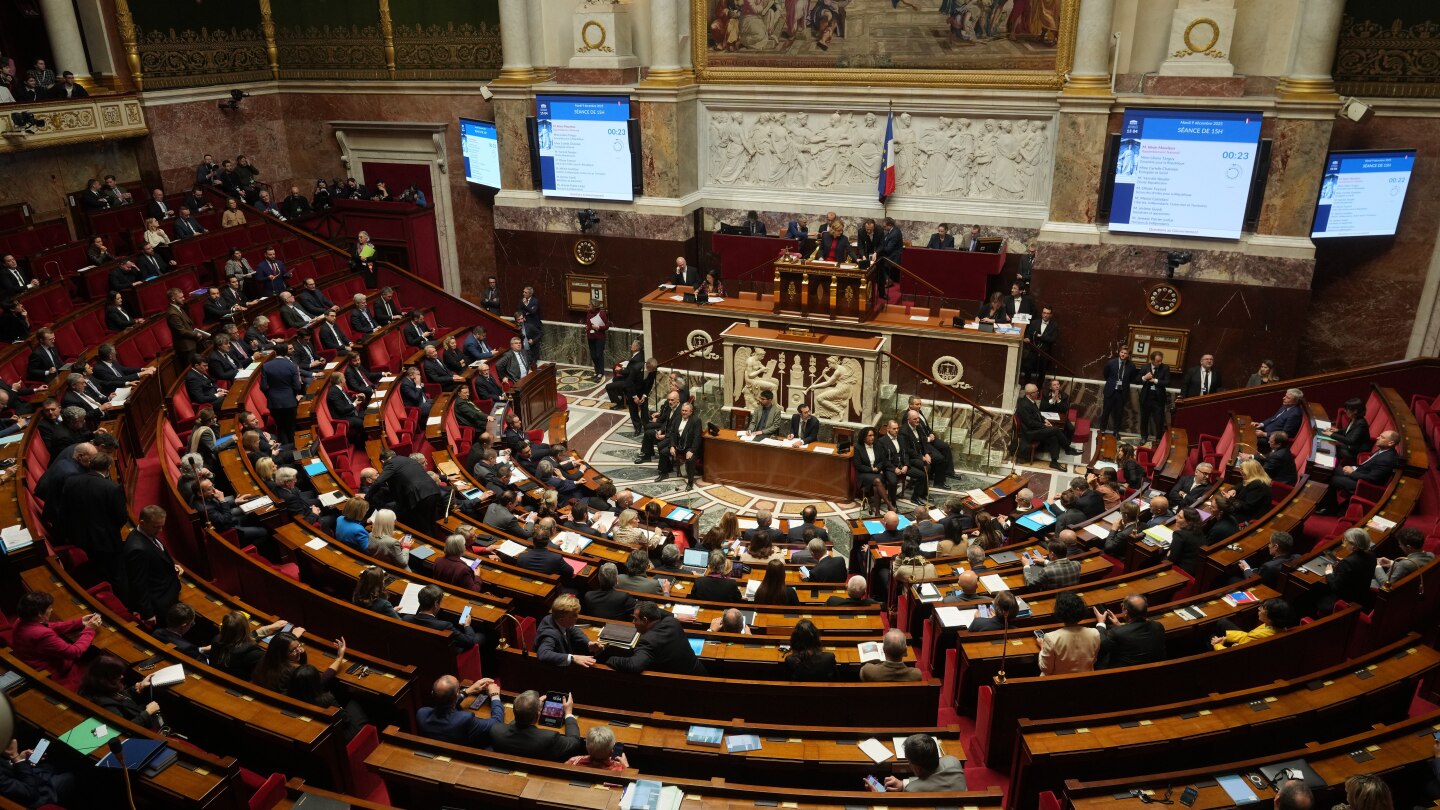
    The French parliament is engaged in urgent deliberations over emergency legislation designed to prevent a complete government shutdown, following the collapse of negotiations concerning the 2026 national budget. With merely days remaining before the new fiscal year commences, President Emmanuel Macron’s administration has proposed a stopgap measure to maintain essential public services and governmental operations.

    This provisional legislation, presented during a late Monday Cabinet meeting, seeks to guarantee the uninterrupted functioning of critical state services. Specifically, it would authorize continued tax collection and distribution of funds to local authorities based on 2025 budget allocations, thereby preventing administrative paralysis.

    The National Assembly, France’s dominant lower parliamentary chamber, has introduced several amendments to the draft law. Despite profound ideological divisions among the three primary political factions—Marine Le Pen’s far-right National Rally, left-wing opposition parties, and Macron’s centrist minority government—the bill is anticipated to secure passage in both legislative houses on Tuesday.

    Finance Minister Roland Lescure emphasized the urgency of the situation during a television interview, stating, “We require a definitive budget promptly to facilitate progress. The extended duration of temporary measures directly correlates with increased operational costs.”

    This emergency measure merely postpones the underlying budgetary confrontation. The Macron administration faces the formidable challenge of constructing a viable 2026 budget while addressing France’s substantial public deficit, which the government aims to reduce to 5% of GDP. This fiscal tightening occurs against a backdrop of political instability triggered by Macron’s contentious decision to call snap elections last year, which eroded investor confidence in the French economy.

    France’s characteristically high public expenditure—driven by comprehensive social welfare programs, healthcare systems, and education—combined with an insufficient tax revenue base, continues to present structural fiscal challenges. Prime Minister Sebastien Lecornu, who resigned and was subsequently reappointed this autumn, is scheduled to deliver a public address regarding the budgetary situation later Tuesday.

  • Croatian man sentenced to 50 years for killing 7-year-old student in school attack

    Croatian man sentenced to 50 years for killing 7-year-old student in school attack

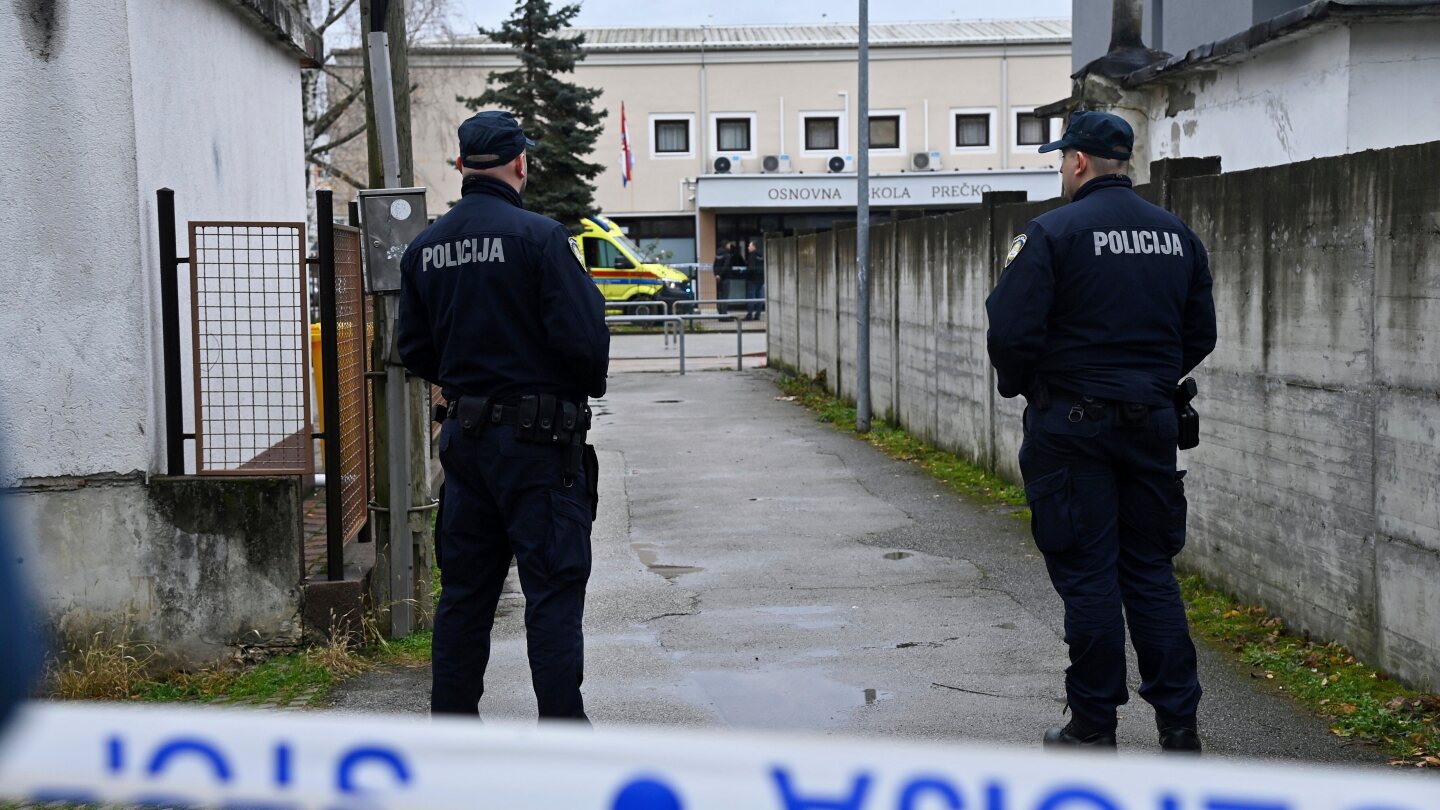
    A Croatian court has delivered a severe 50-year prison sentence to a 20-year-old man convicted of a fatal knife attack at an elementary school in Zagreb that resulted in the death of a 7-year-old student and injuries to three other children and a teacher.

    The County Court in Zagreb handed down the verdict on Tuesday against the assailant, identified only by his initials L.M., for the December 20, 2024 assault at Precko Elementary School. The attacker, who was 19 at the time of the incident, entered his former educational institution armed with a knife and targeted multiple victims before attempting to take his own life.

    According to investigative reports, the perpetrator had previously resided near the school premises. The institution serves children aged 7 to 15, typical of Croatia’s elementary education system.

    The judicial panel’s ruling remains subject to appeal procedures. Legal representative Kresimir Skarica, acting for the deceased victim’s family, characterized the verdict as anticipated while acknowledging the profound tragedy of the case. “There are no winners or losers in this case,” Skarica stated in comments reported by the Index news portal.

    This incident represents an exceptionally rare occurrence of school violence in Croatia, sending shockwaves throughout the European Union nation. The tragedy echoes similar regional trauma, notably the May 2023 school shooting in neighboring Serbia’s capital Belgrade where a teenage perpetrator killed nine students and a school security guard.