标签: Europe

欧洲

  • Latest peace plan offers possible Ukrainian withdrawal from east, Zelensky says

    Latest peace plan offers possible Ukrainian withdrawal from east, Zelensky says

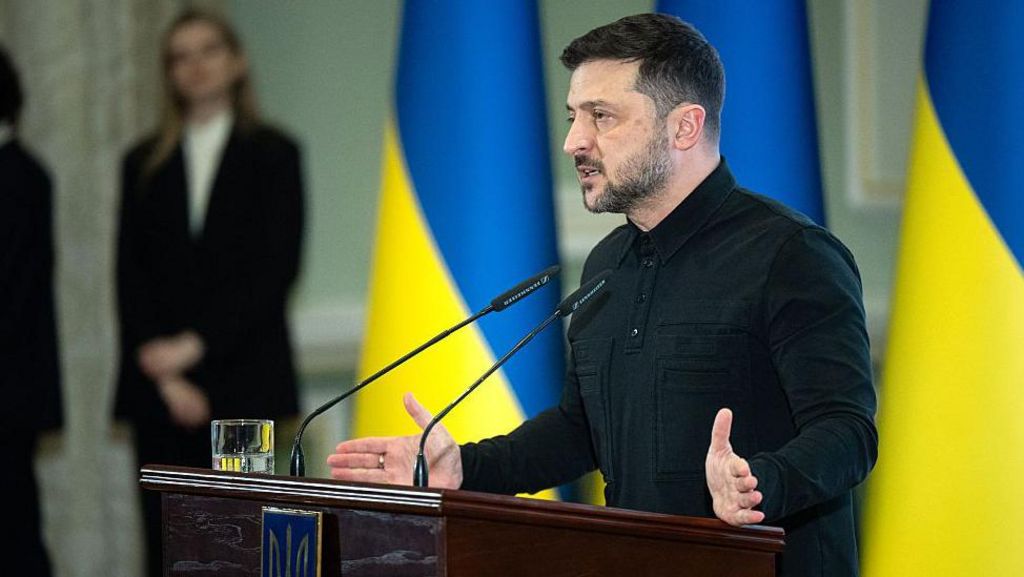
    Ukrainian President Volodymyr Zelensky has publicly detailed a revised 20-point peace proposal developed in coordination with American negotiators during weekend talks in Florida. This updated framework presents potential concessions regarding eastern Ukrainian territories while establishing robust international security assurances mirroring NATO membership protections.

    The diplomatic blueprint, characterized by Zelensky as “the principal architecture for conflict resolution,” incorporates coordinated military response guarantees from the United States, NATO members, and European nations should Russia launch future aggression against Ukraine. The proposal addresses Moscow’s territorial demands through potential establishment of special economic zones in contested eastern regions, though specific withdrawal parameters remain subject to high-level negotiations.

    Regarding the critically sensitive Donbas region, the plan contemplates creating demilitarized zones or free economic districts rather than outright Ukrainian military withdrawal. Zelensky emphasized that Russia must completely vacate four additional occupied regions—Dnipropetrovsk, Mykolaiv, Sumy, and Kharkiv—and establish a secured perimeter around the Russian-occupied Zaporizhzhia nuclear facility.

    This revised document supersedes an earlier 28-point draft negotiated by US envoy Steve Witkoff that faced criticism for disproportionately accommodating Kremlin interests. The current proposal significantly strengthens Ukraine’s defensive capabilities through security guarantees and plans to maintain an 800,000-strong military force. American intermediaries are expected to present the completed framework to Russian officials for formal response in coming days.
  • US and Ukraine reach consensus on key issues aimed at ending the war but territorial disputes remain

    US and Ukraine reach consensus on key issues aimed at ending the war but territorial disputes remain

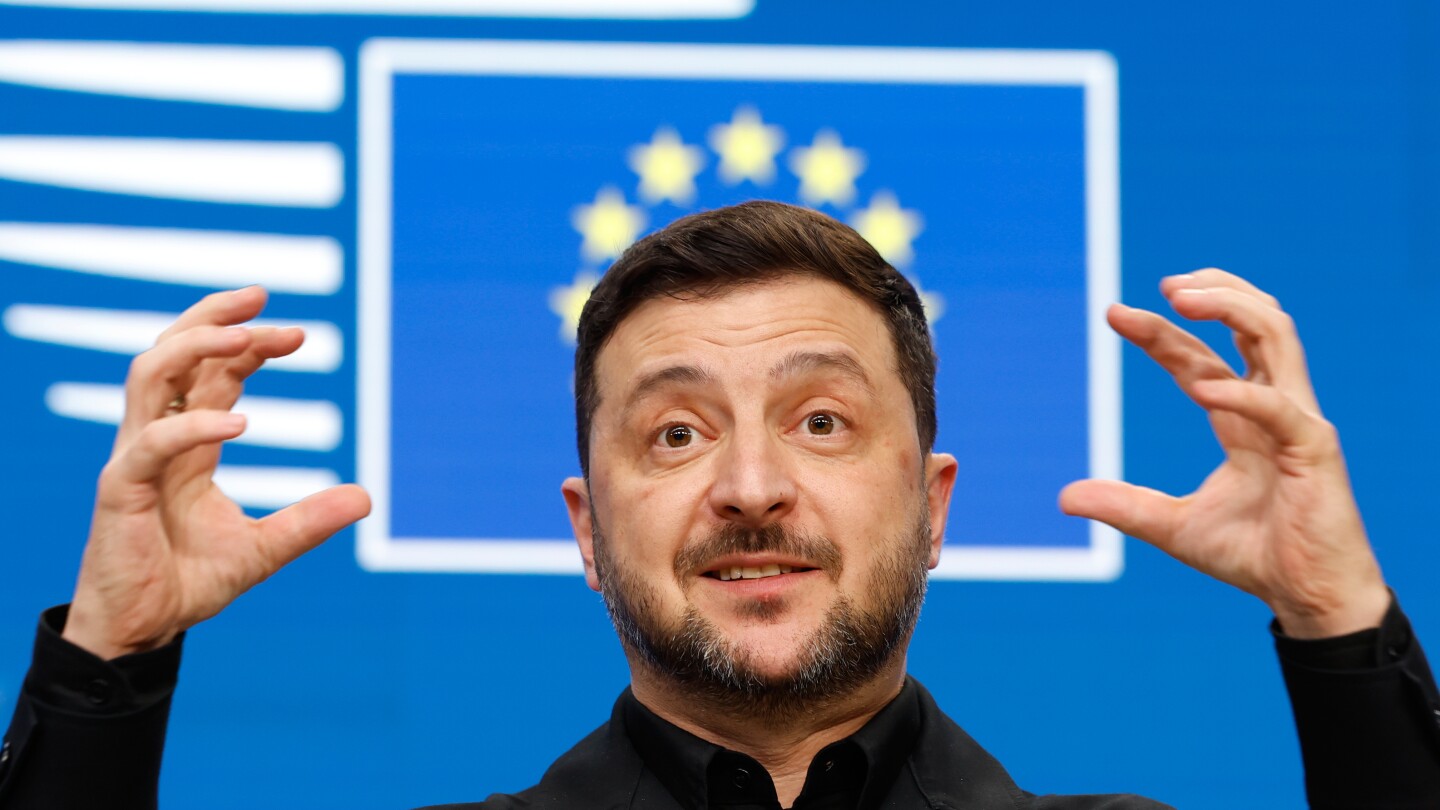
    KYIV, Ukraine — Ukrainian President Volodymyr Zelenskyy has announced that the United States and Ukraine have achieved substantial alignment on a comprehensive 20-point peace framework designed to conclude the nearly four-year conflict, though critical disagreements persist regarding territorial control in eastern Ukraine and management of the Zaporizhzhia Nuclear Power Plant.

    The proposed plan, developed during intensive negotiations in Florida, has been presented to Russian officials with an anticipated response from Moscow expected Wednesday. While Zelenskyy characterized most positions as significantly reconciled, he identified two particularly contentious elements: the status of the Donbas region (Point 14) and the operational control of the Zaporizhzhia facility (Point 12).

    The most challenging negotiation point concerns the disputed territories of Donetsk and Luhansk, collectively known as Donbas. Russia maintains maximalist demands for Ukraine to relinquish remaining unoccupied portions of these regions, while Ukraine firmly rejects territorial concessions. As a potential compromise, the United States has proposed establishing free economic zones in these areas. Ukraine insists any such arrangement must be ratified by national referendum, requiring a 60-day ceasefire to facilitate the democratic process.

    President Zelenskyy emphasized that Ukraine demands complete demilitarization of the region with international forces stationed to ensure stability. “The Americans are attempting to find a solution that doesn’t constitute our withdrawal—which we oppose—through formats like demilitarized zones or free economic zones that might accommodate both perspectives,” he explained.

    Regarding the Zaporizhzhia Nuclear Power Plant, Europe’s largest nuclear facility currently under Russian occupation, the U.S. proposes a tripartite consortium with equal stakes for Ukraine, Russia, and the United States, with American leadership in management. Ukraine has counter-proposed a bilateral venture with the U.S., wherein Americans would independently determine how to allocate their 50% share, potentially to Russia. Zelenskyy questioned the practicality of joint commercial operations with Russia given current circumstances.

    The draft agreement includes robust security guarantees for Ukraine mirroring NATO’s Article 5, obligating partners to respond to renewed Russian aggression. A separate bilateral document with the U.S. will outline detailed security conditions and establish monitoring mechanisms using satellite technology and early warning systems.

    Additional elements include maintaining Ukraine’s military at 800,000 personnel during peacetime, establishing a specific timeline for EU accession, accelerating free trade agreements with the U.S., and creating an $800 billion reconstruction fund through combined equity, grants, loans, and private sector contributions. The proposal also requires Ukraine to conduct post-agreement elections and mandates the immediate release of all prisoners detained since 2014.

  • Border villagers abducted and taken to Russia, says Ukraine

    Border villagers abducted and taken to Russia, says Ukraine

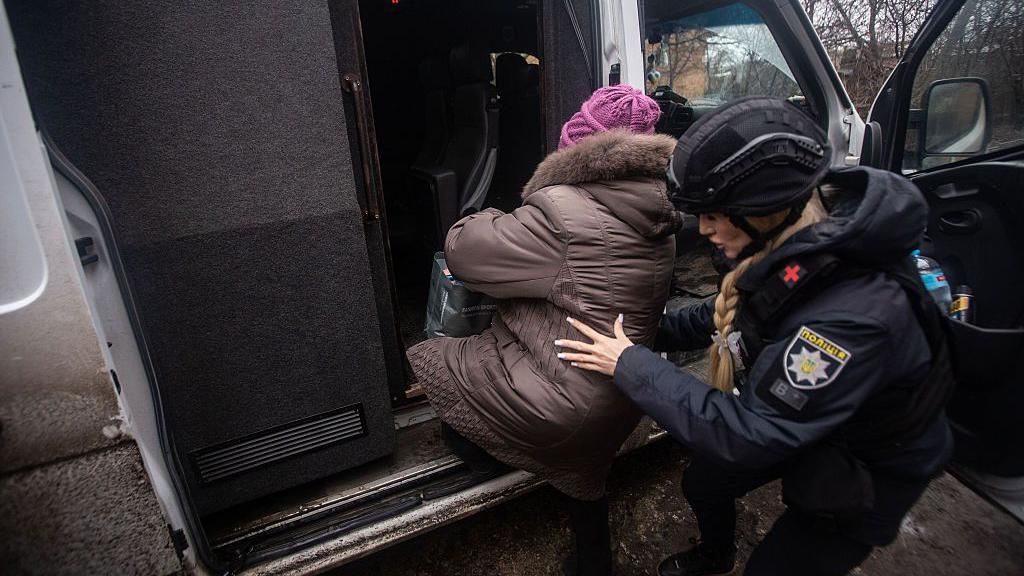
    In a significant escalation of tactics along Ukraine’s northeastern border, Russian forces have conducted an unprecedented cross-border raid resulting in the capture of 52 civilians and 13 Ukrainian soldiers from the village of Hrabovske in Sumy region. The nighttime assault occurred on Saturday when approximately 100 Russian troops stormed the border settlement, according to Ukrainian military spokesperson Viktor Trehubov.

    The operation marked a disturbing departure from previous Russian military behavior, as invading forces transported civilians across the international border before establishing firm control over the territory. Eyewitness accounts describe how Russian soldiers rounded up villagers in a local church before forcibly relocating them to Russia. Ukrainian officials report the detainees were likely transported to Belgorod, a major regional center located approximately 80 kilometers inside Russian territory.

    Volodymyr Bitsak, a member of Sumy’s regional council, revealed the personal impact: ‘My friends’ mother has been taken there. There is no way of contacting her even though they tried. As far as I know, they’ve been taken to the city of Belgorod and are being held at an unknown location.’

    While fighting initially continued in southern Hrabovske, battlefield monitoring group Deep State confirmed Russian forces ultimately captured the entire village. The Russian defense ministry acknowledged striking Ukrainian forces in Hrabovske and several other Sumy region villages but remained silent regarding the civilian detainees.

    The incident highlights the ongoing challenges of civilian evacuations in border areas. According to deputy regional administrator Viktor Babych, 56% of residents in Sumy’s border regions refuse to leave, with approximately 32,000 civilians including 604 children remaining in potential danger zones. Most of those captured in Hrabovske were elderly residents who had declined official evacuation orders.

    Ukrainian President Volodymyr Zelensky expressed shock that children were among those detained, stating: ‘I’m simply surprised that parents treated their children like that. I think they simply did not expect to be taken to Russia by Russian military.’

    Human rights ombudsman Dmytro Lubinets condemned the operation as a ‘serious violation of international humanitarian law,’ noting that civilians were ‘held incommunicado and in improper conditions’ before being forcibly removed from Ukraine. The event represents a concerning evolution in Russian military tactics along the vulnerable northeastern border region.

  • Explosion in Russian capital kills 3

    Explosion in Russian capital kills 3

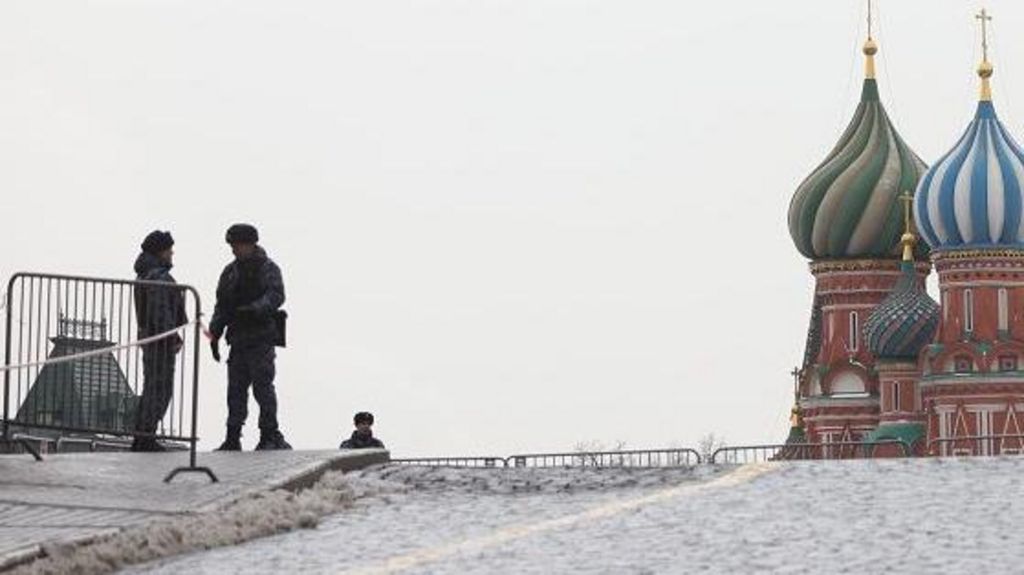
    A deadly explosion in Moscow has resulted in three fatalities, including two traffic police officers, according to official statements from Russian investigative authorities on Wednesday. The incident occurred when the officers approached an individual deemed suspicious, triggering an explosive device that proved fatal for both law enforcement personnel and a civilian bystander.

    Investigative Committee spokesperson Svetlana Petrenko confirmed that specialized teams including investigators and forensic experts have been deployed to conduct comprehensive examinations at the blast site. The explosion represents the latest in a series of violent incidents to shake the Russian capital this week.

    The location of Wednesday’s explosion bears significant geographical proximity to where Lieutenant General Fanil Sarvarov, a high-ranking military official, was assassinated by a car bomb just two days prior. General Sarvarov, who served as head of the Operational Training Directorate within the Russian Armed Forces’ General Staff, died when an explosive device detonated beneath his vehicle in southern Moscow.

    Russian investigators have indicated possible Ukrainian involvement in the general’s assassination, marking what would be the third killing of a senior military officer within approximately a year if confirmed. The close temporal and spatial proximity of these incidents has raised concerns about security vulnerabilities within the capital city, though official statements have not established a definitive connection between Wednesday’s explosion and the earlier assassination.

  • Search teams probe wreckage after Libyan army chief and 7 others are killed in Turkey plane crash

    Search teams probe wreckage after Libyan army chief and 7 others are killed in Turkey plane crash

    ANKARA, Turkey — Recovery teams successfully retrieved both cockpit voice and flight data recorders on Wednesday from the wreckage of a Falcon 50 business jet that crashed near Ankara, claiming the lives of Libya’s highest-ranking military commander and seven others. The aircraft, carrying a high-level Libyan defense delegation, experienced catastrophic failure during an emergency landing attempt following reported electrical system malfunctions.

    Interior Minister Ali Yerlikaya confirmed the recovery operation at the crash site near Kesikkavak village, approximately 70 kilometers south of the Turkish capital. The minister noted the extensive debris field spanning three square kilometers has significantly complicated recovery efforts, with Turkish forensic teams working meticulously to identify remains amid challenging weather conditions that included heavy rain and fog.

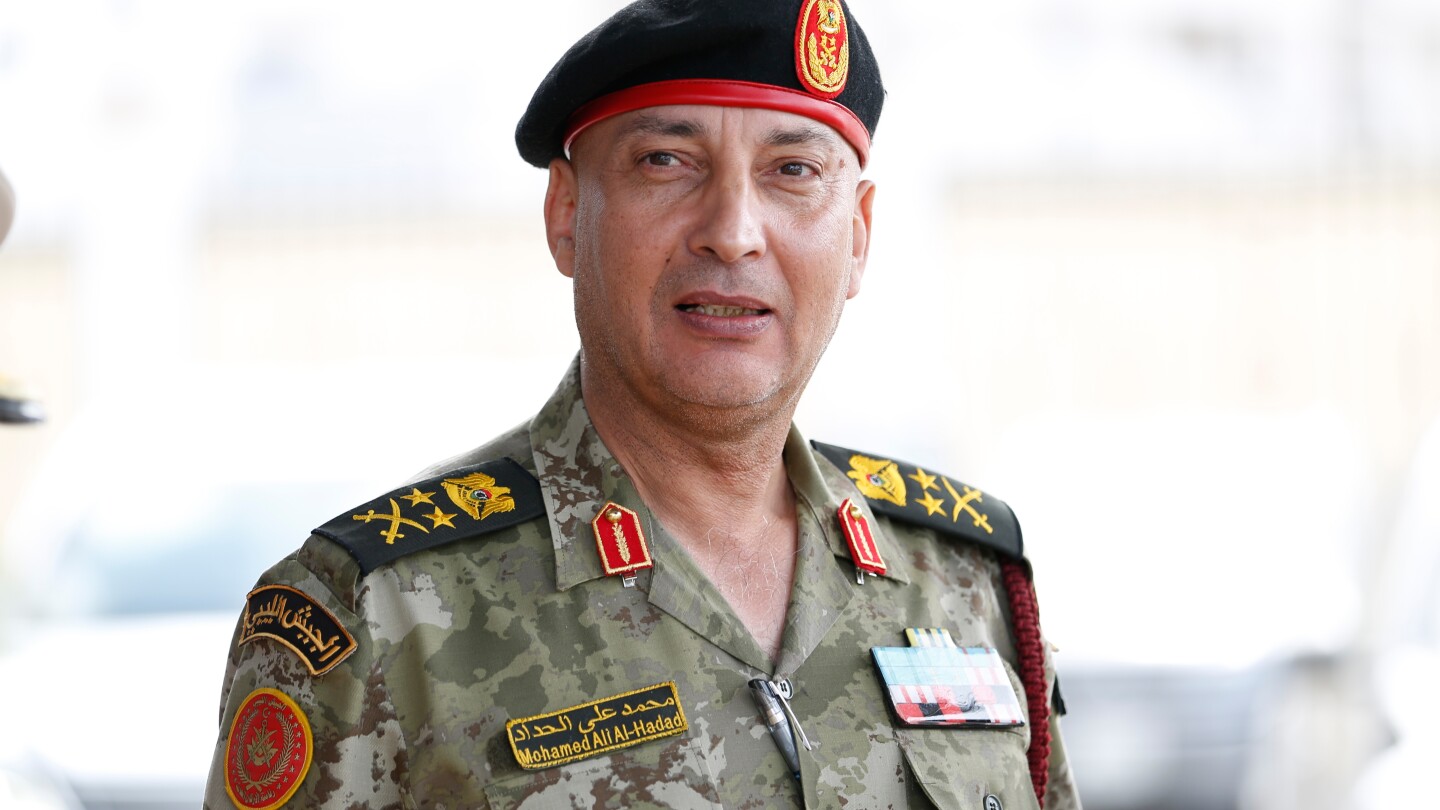
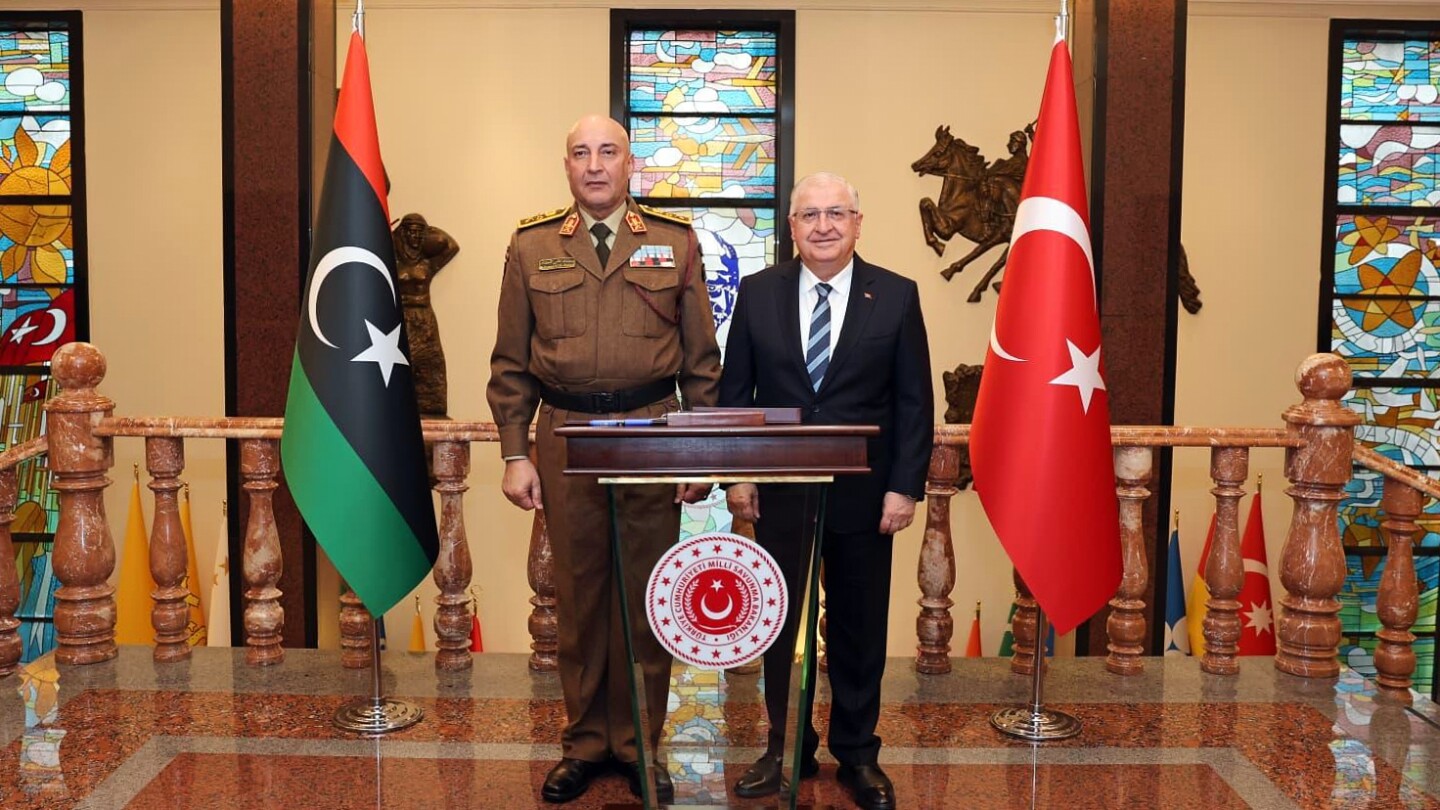
    The Libyan delegation, led by General Muhammad Ali Ahmad al-Haddad, western Libya’s top military commander, had been conducting crucial defense talks with Turkish officials including Defense Minister Yasar Guler. Their discussions focused on enhancing military cooperation between the nations, occurring just one day after Turkey’s parliament approved a two-year extension for Turkish troops stationed in Libya.

    According to flight tracking data, the jet departed Ankara’s Esenboga Airport at 8:30 p.m. local time Tuesday before reporting electrical failure approximately 40 minutes into the flight. Air traffic controllers authorized an emergency return, but the aircraft vanished from radar during its descent. Libyan authorities have preliminarily attributed the tragedy to technical malfunction.

    The casualties include four additional senior officers: General Al-Fitouri Ghraibil (head of ground forces), Brigadier General Mahmoud Al-Qatawi (military manufacturing authority leader), Mohammed Al-Asawi Diab (advisor to the chief of staff), and Mohammed Omar Ahmed Mahjoub (military photographer). Three crew members’ identities remain undisclosed.

    Libyan Prime Minister Abdul-Hamid Dbeibah declared three days of national mourning, describing the incident as a ‘tragic accident’ and ‘great loss’ for the nation. The crash represents a significant blow to UN-brokered efforts to unify Libya’s divided military establishment, wherein General al-Haddad had played a pivotal role.

    Turkish investigation efforts involve four prosecutors and 408 personnel from multiple agencies, including the disaster management agency AFAD, which established a mobile coordination center at the remote crash site. A 22-member Libyan delegation including family members arrived Wednesday to assist with identification procedures.

  • Two police officers killed in explosion in Moscow

    Two police officers killed in explosion in Moscow

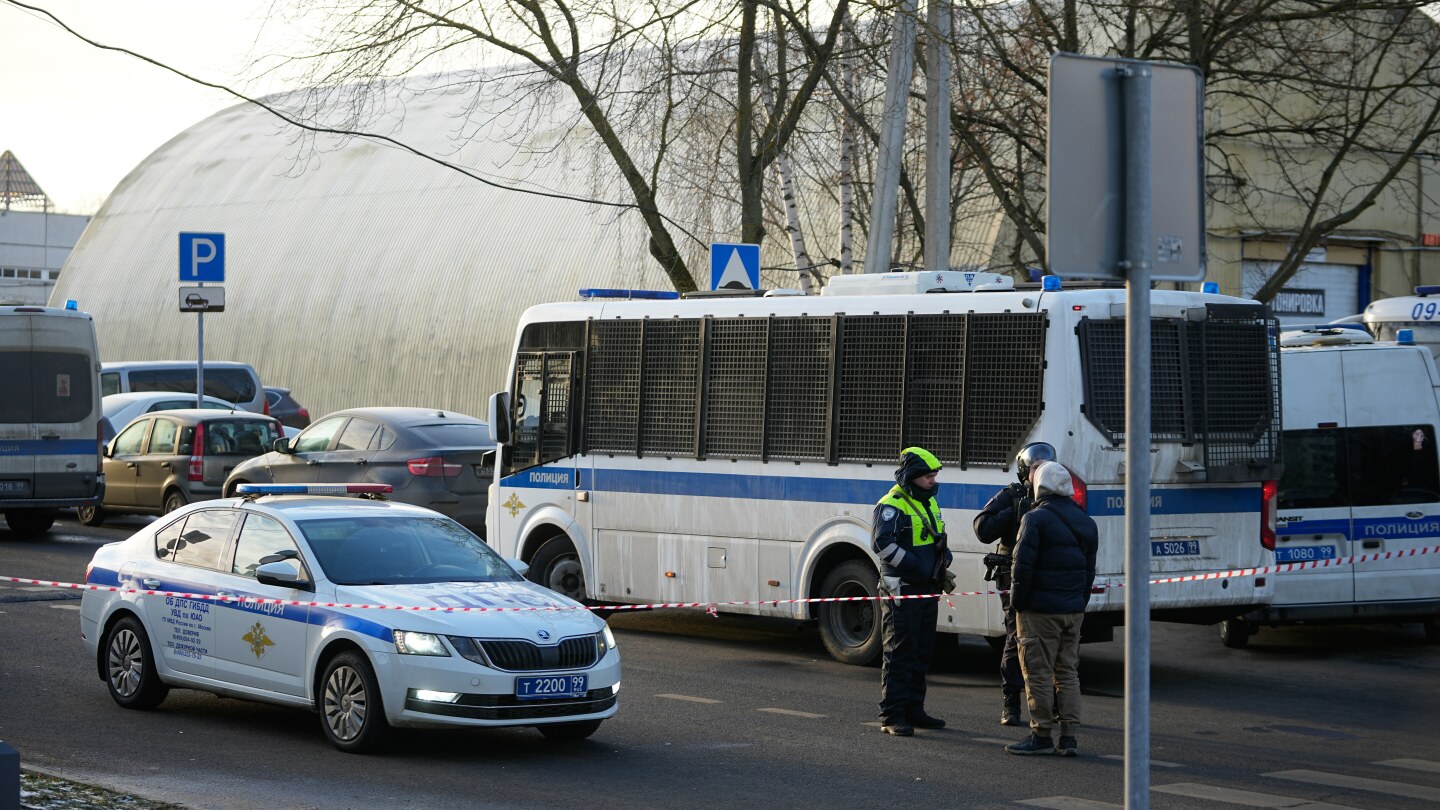
    A deadly explosion has rocked central Moscow, resulting in the fatalities of three individuals, including two traffic police officers. The incident occurred on Yeletskaya Street when officers identified a suspicious individual near a police vehicle. According to an official statement from Russia’s Investigative Committee, the suspect detonated an explosive device during attempted apprehension procedures, instantly killing both officers and a nearby civilian bystander.

    This violent event marks the second security breach in Russia’s capital within a 48-hour period, following Monday’s car bombing that claimed the life of Lieutenant General Fanil Sarvarov, a high-ranking military official. In that prior incident, an explosive device had been strategically planted beneath the vehicle prior to detonation.

    Svetlana Petrenko, spokesperson for the Investigative Committee, confirmed via Telegram that authorities have initiated a criminal investigation into what is being treated as a targeted attempt on the lives of law enforcement personnel. The consecutive attacks suggest a potential escalation of militant activities within Moscow’s city limits, raising serious concerns about public safety and security preparedness.

    Security forces have cordoned off the explosion site as forensic experts continue evidence collection and analysis. While no group has yet claimed responsibility for either attack, the methodology indicates possible coordination between perpetrators. The Russian government has vowed to pursue those responsible with the full extent of counterterrorism measures.

  • Colorado woman suspected of killing 2 of her children is extradited from the UK

    Colorado woman suspected of killing 2 of her children is extradited from the UK

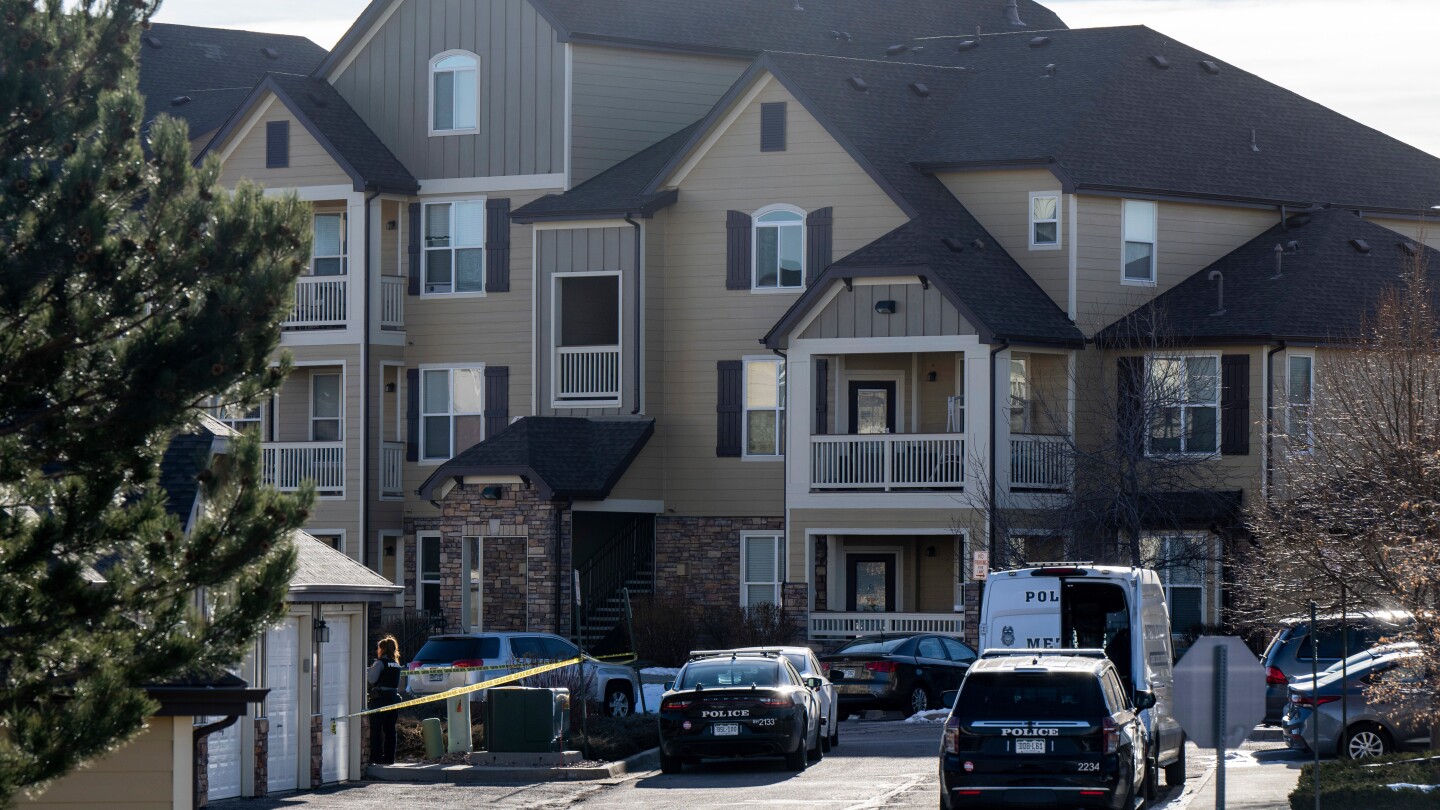
    A Colorado woman accused of murdering two of her children during a contentious custody dispute has been extradited from the United Kingdom to face multiple criminal charges in the United States. Kimberlee Singler, 37, was returned to Colorado following a prolonged legal battle against her extradition from Britain.

    The case dates back to December 2023 when police discovered the bodies of Singler’s 9-year-old daughter and 7-year-old son in their Colorado Springs residence. Her 11-year-old daughter survived the incident with injuries. Initially considered a victim herself due to superficial knife wounds, Singler claimed an unidentified intruder had attacked the family.

    According to UK court documents, the surviving child eventually altered her account, telling investigators that her mother stated ‘God made her do it.’ This testimony prompted authorities to seek Singler’s arrest on December 26, 2023, but she had already fled to London’s affluent Chelsea neighborhood, where she was apprehended four days later.

    Singler mounted a vigorous defense against extradition through her London attorney, Edward Fitzgerald, who previously represented WikiLeaks founder Julian Assange. Fitzgerald argued that Colorado’s mandatory life without parole sentence for first-degree murder convictions violated European human rights standards. Both Singler’s initial challenge in January 2025 and subsequent appeal in November were rejected by UK courts.

    The investigation revealed substantial evidence contradicting Singler’s intruder narrative. Police found no footprints in fresh snow around the patio where she claimed entry occurred. GPS records placed her ex-husband approximately 80 miles away during the incident, undermining her allegations against him.

    Court records indicate the tragedy unfolded amid an intense custody battle. Just one day before the children’s bodies were discovered, a Colorado judge had ordered Singler to comply with previous arrangements granting the father holiday custody. She was instructed to either transfer the children voluntarily or bring them to a December 20, 2023 court hearing for custody exchange.

    Instead, on the scheduled hearing date, Singler filed a motion requesting postponement, citing the attack and her children’s deaths while asking for time to grieve and ‘gain my bearings after this incident.’

    Singler now faces two counts of first-degree murder, one count of attempted murder, three counts of child abuse, and one count of assault. No U.S. attorney has yet been formally listed as representing her in court documents according to the clerk’s office.

  • US bars five Europeans it says pressured tech firms to censor American viewpoints online

    US bars five Europeans it says pressured tech firms to censor American viewpoints online

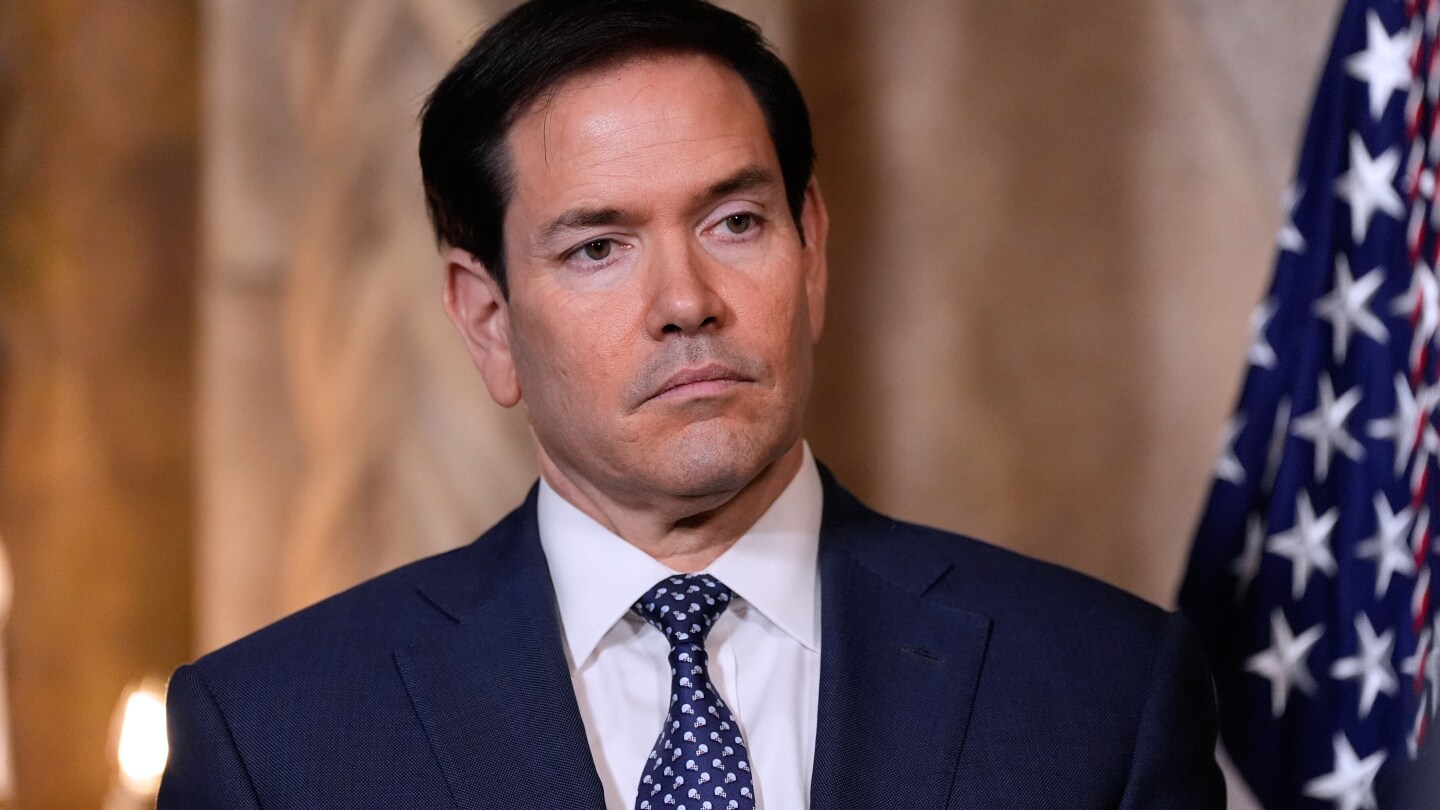
    The U.S. State Department has implemented visa restrictions against five European citizens accused of orchestrating systematic efforts to pressure American technology companies into censoring protected speech. Secretary of State Marco Rubio announced the measures Tuesday under a recently established policy designed to combat foreign interference in U.S. digital discourse.

    While Rubio initially withheld specific names, describing the targets only as ‘radical’ activists and ‘weaponized’ NGOs, Under Secretary for Public Diplomacy Sarah Rogers subsequently identified them through social media channels. The list includes prominent figures: Imran Ahmed, CEO of the Centre for Countering Digital Hate; HateAid leaders Josephine Ballon and Anna-Lena von Hodenberg; former European Union Digital Commissioner Thierry Breton; and Clare Melford of the Global Disinformation Index.

    According to official statements, these individuals allegedly advanced foreign government-backed censorship initiatives targeting American citizens and corporations, creating ‘potentially serious adverse foreign policy consequences’ for the United States. The action represents the Trump administration’s unconventional approach to combating perceived extraterritorial censorship, utilizing immigration law rather than traditional platform regulations or economic sanctions.

    The restrictions operate under the Immigration and Nationality Act, generally prohibiting entry into the United States and potentially initiating removal proceedings for those already present. Administration officials indicated possible expansion of the list should similar foreign activities persist.

    Notably, most European citizens benefit from the Visa Waiver Program, which typically eliminates visa requirements for short-term visits. However, all must complete electronic authorization through the Department of Homeland Security’s system prior to travel. A U.S. official speaking anonymously suggested targeted individuals may have been flagged within this screening process.

    This development occurs alongside other recently announced visa restriction policies affecting visitors from certain African and Middle Eastern nations, as well as the Palestinian Authority, including potential financial bond requirements for visa applicants from specified countries.

  • Pope disappointed over approval of assisted suicide legislation in his home state of Illinois

    Pope disappointed over approval of assisted suicide legislation in his home state of Illinois

    Pope Leo XIV has publicly voiced his profound disappointment regarding Illinois’ recently enacted legislation permitting medically assisted suicide. Speaking to journalists outside his Castel Gandolfo residence near Rome on Tuesday, the pontiff revealed he had engaged in explicit discussions with Governor JB Pritzker, urging him to veto the controversial measure.

    The religious leader, who spent his formative years in Chicago, emphasized the Catholic Church’s fundamental teaching regarding the sanctity of life from conception to natural death. Despite personal appeals from both the Pope and Chicago Cardinal Blase Cupich, Governor Pritzker proceeded with signing the legislation on December 12.

    Known as ‘Deb’s Law’ in honor of advocate Deb Robertson—a terminal illness patient who championed the legislation—the measure provides Illinois residents with terminal conditions the autonomy to determine their end-of-life decisions. Governor Pritzker, representing the Democratic Party, acknowledged being emotionally moved by testimonies from patients experiencing unbearable suffering.

    Illinois now joins eleven other states and the District of Columbia in legalizing medically assisted suicide, with Delaware’s legislation scheduled to take effect in January 2026. Seven additional states are currently considering similar measures.

    The state’s six Catholic dioceses collectively condemned the governor’s decision, warning that Illinois has embarked on a ‘dangerous and heartbreaking path.’ Pope Leo XIV concluded his remarks with a Christmas-season appeal for broader societal reflection on human life’s inherent value, referencing the Christian doctrine of divine incarnation as the ultimate affirmation of life’s sacredness.

  • Libya’s military chief and 4 others are killed in a plane crash after takeoff from Turkey

    Libya’s military chief and 4 others are killed in a plane crash after takeoff from Turkey

    A catastrophic aviation incident has claimed the lives of Libya’s senior military leadership, including Armed Forces Chief General Muhammad Ali Ahmad al-Haddad, when their private jet crashed shortly after departing from Turkey’s capital. The Falcon 50 aircraft, carrying five high-ranking Libyan officers and military staff, went down near the village of Kesikkavak approximately 70 kilometers south of Ankara on Tuesday evening.

    The delegation had been engaged in crucial defense negotiations with Turkish officials, including Defense Minister Yasar Guler, aimed at strengthening military cooperation between the two nations. Libyan Prime Minister Abdul-Hamid Dbeibah confirmed the tragedy via official statement, characterizing the event as a ‘great loss’ for the nation during this critical period of UN-brokered military unification efforts.

    Among the deceased were key figures in Libya’s military infrastructure: General Al-Fitouri Ghraibil (Head of Ground Forces), Brigadier General Mahmoud Al-Qatawi (Military Manufacturing Authority), Mohammed Al-Asawi Diab (Chief of Staff Advisor), and Mohammed Omar Ahmed Mahjoub (Military Photographer). The exact number of crew members remains unconfirmed.

    Turkish Interior Minister Ali Yerlikaya reported that the aircraft issued an emergency landing signal approximately 40 minutes after its 8:30 PM departure from Esenboga Airport, citing potential electrical failure before all communication ceased. Security footage captured a sudden explosive illumination in the night sky near the crash site.

    In response to the disaster, Ankara temporarily closed its airport and diverted incoming flights while assigning four prosecutors to investigate the incident. Both nations have committed to collaborative investigation efforts, with Libya dispatching a technical team to assist Turkish authorities in determining the precise cause of the malfunction that led to this devastating loss.