标签: Europe

欧洲

  • Zelensky hails ‘new ideas’ on peace after talks with US envoys

    Zelensky hails ‘new ideas’ on peace after talks with US envoys

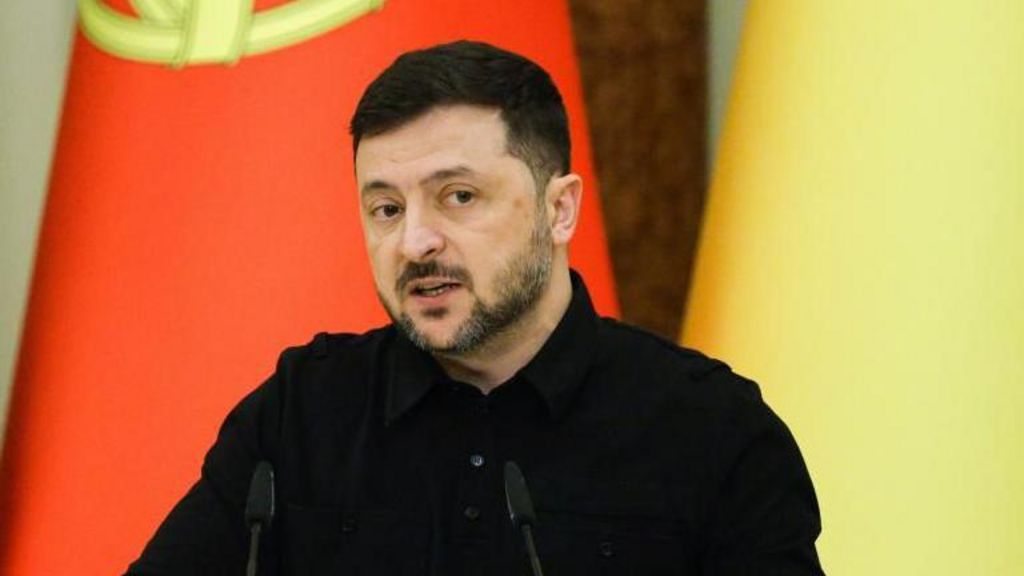
    Ukrainian President Volodymyr Zelensky has expressed optimism following substantive diplomatic discussions with U.S. representatives regarding potential pathways to resolve the ongoing conflict with Russia. The nearly hour-long conversation on Thursday with American envoys Steve Witkoff and Jared Kushner yielded what Zelensky described as “novel concepts concerning negotiation frameworks, prospective meetings, and temporal considerations for advancing genuine peace prospects.

    This diplomatic engagement occurred shortly after the revelation of an updated 20-point peace blueprint, collaboratively developed by American and Ukrainian negotiators during recent talks in Florida. While acknowledging persistent challenges in addressing delicate matters, Zelensky emphasized productive alignment with the American delegation regarding implementation strategies.

    The revised peace proposal represents an evolution from earlier drafts formulated between Witkoff and Russian officials, which had faced criticism for perceived excessive concessions to Moscow. According to Zelensky’s Wednesday elaboration, the current iteration contemplates potential Ukrainian military withdrawal from eastern territories, establishing demilitarized zones in vacated areas. Crucially, the plan incorporates security assurances from the United States, NATO, and European nations mandating coordinated military response should Russia launch future aggression against Ukraine.

    Regarding the contentious Donbas region, Zelensky suggested a “free economic zone” as a potential resolution mechanism, while maintaining that any areas vacated by Ukrainian forces would remain under Ukrainian law enforcement jurisdiction.

    Concurrently, Kremlin spokesperson Dmitry Peskov confirmed Moscow’s analytical examination of proposals conveyed by Russian envoy Kirill Dmitriev following his American consultations. Peskov indicated that subsequent diplomatic engagement with American counterparts would be determined by President Vladimir Putin’s assessment of these materials.

    Amid these diplomatic developments, military operations persist unabated. Ukrainian forces reportedly struck the strategically significant Novoshakhtinsk oil refinery in Russia’s Rostov region using cruise missiles on Thursday. This facility plays crucial logistical role in fueling Russian military operations in occupied eastern Ukrainian territories. Meanwhile, Russia’s defense ministry announced its seizure of Sviato-Pokrovske settlement in the Donetsk region, underscoring the continuing territorial contestation.
  • Jimmy Kimmel jokes about fascism in an ‘alternative Christmas message’ for Britain

    Jimmy Kimmel jokes about fascism in an ‘alternative Christmas message’ for Britain

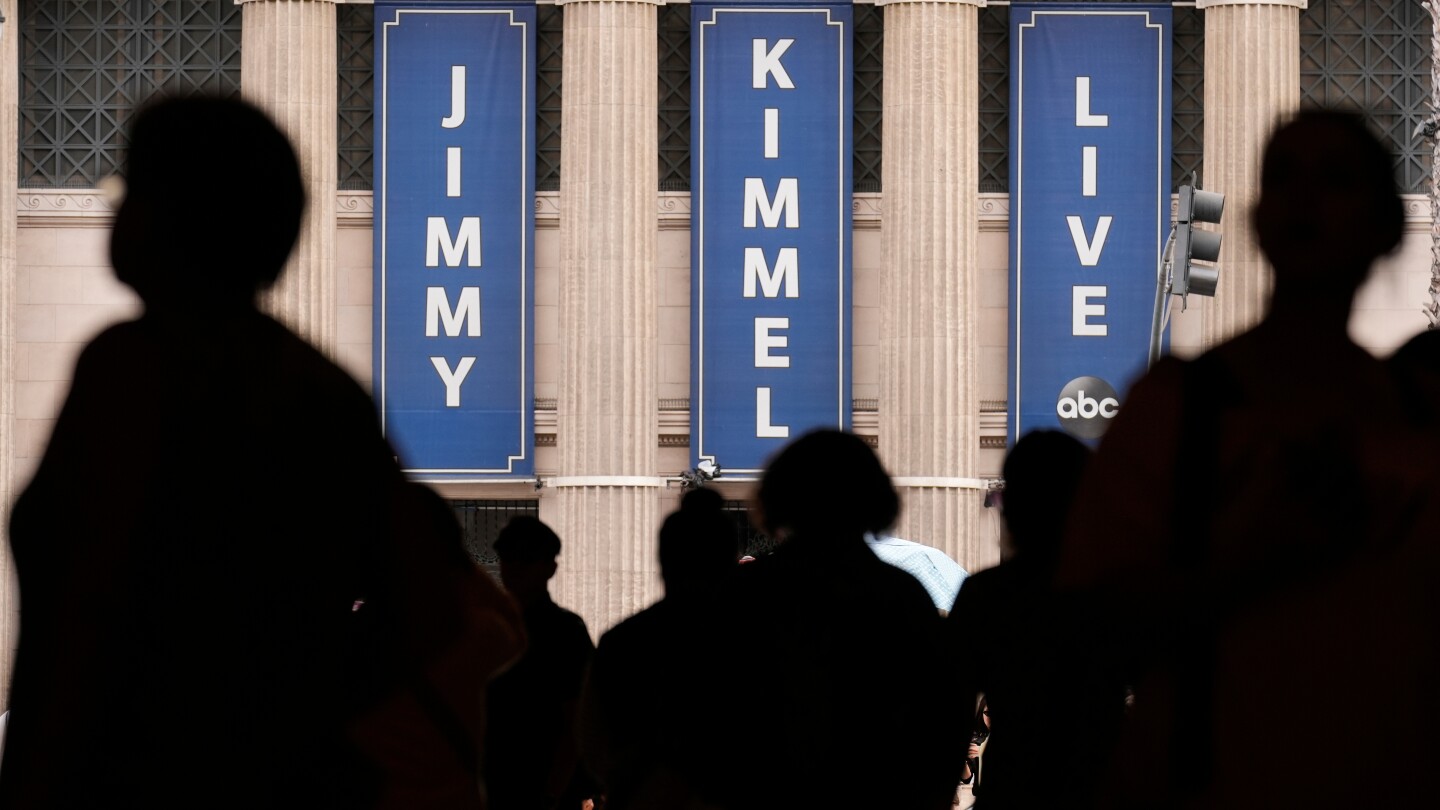
    In a provocative alternative to the traditional royal Christmas address, American television host Jimmy Kimmel utilized Britain’s Channel 4 platform to issue a stark warning about the erosion of democratic institutions in the United States under President Donald Trump’s administration.

    The 55-year-old comedian, whose ‘Jimmy Kimmel Live!’ show faced temporary suspension by ABC in September, drew parallels between current political developments and historical fascism during his broadcast on Christmas Day. ‘From a fascism perspective, this has been a really great year,’ Kimmel remarked with characteristic irony. ‘Tyranny is booming over here.’

    Channel 4’s Alternative Christmas Message, established in 1993 as a counterpoint to the monarch’s annual speech, has historically featured unconventional voices including whistleblower Edward Snowden and former Iranian President Mahmoud Ahmadinejad. This year’s edition continued that tradition of thought-provoking commentary on contemporary issues.

    Kimmel referenced his recent confrontation with the Trump administration, noting that his September suspension—celebrated by the president as ‘great news for America’—prompted an extraordinary defense of free speech from across the political spectrum. ‘A Christmas miracle happened in September when millions of people, some who hated my show, spoke up for free speech,’ he told British viewers.

    The comedian expressed particular concern about the systematic dismantling of democratic foundations, citing attacks on ‘the free press, science, medicine, judicial independence, and the actual White House itself.’ He acknowledged America’s current political turmoil as a ‘right mess’ that affects international allies, offering an apology to British viewers while urging continued transatlantic solidarity.

    Despite historical differences dating to the American Revolution, Kimmel emphasized the enduring special relationship between the nations and pleaded with the UK not to abandon the US during its political ‘wobble.’

  • Russian court sentences pro-war activist and Putin critic to 6 years in prison

    Russian court sentences pro-war activist and Putin critic to 6 years in prison

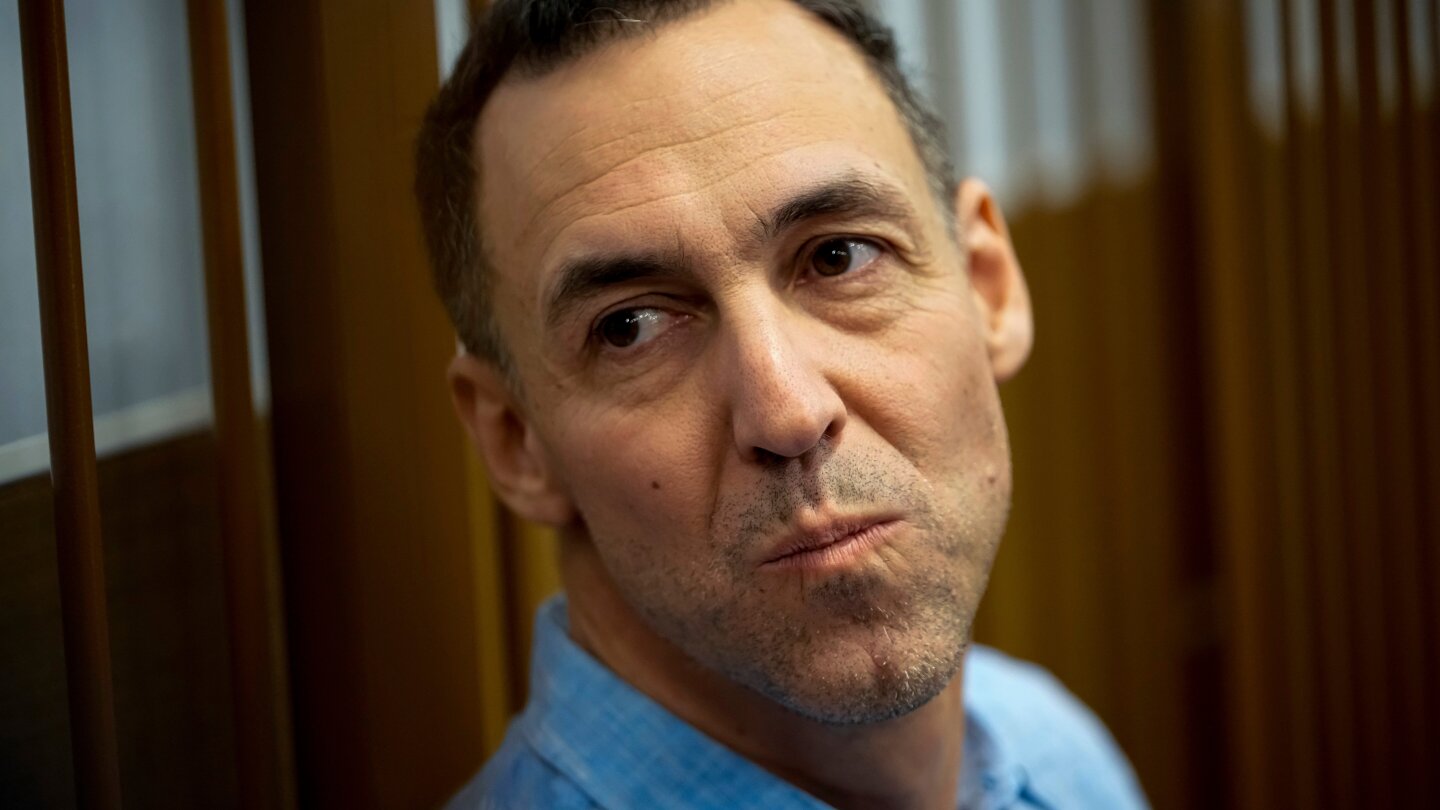
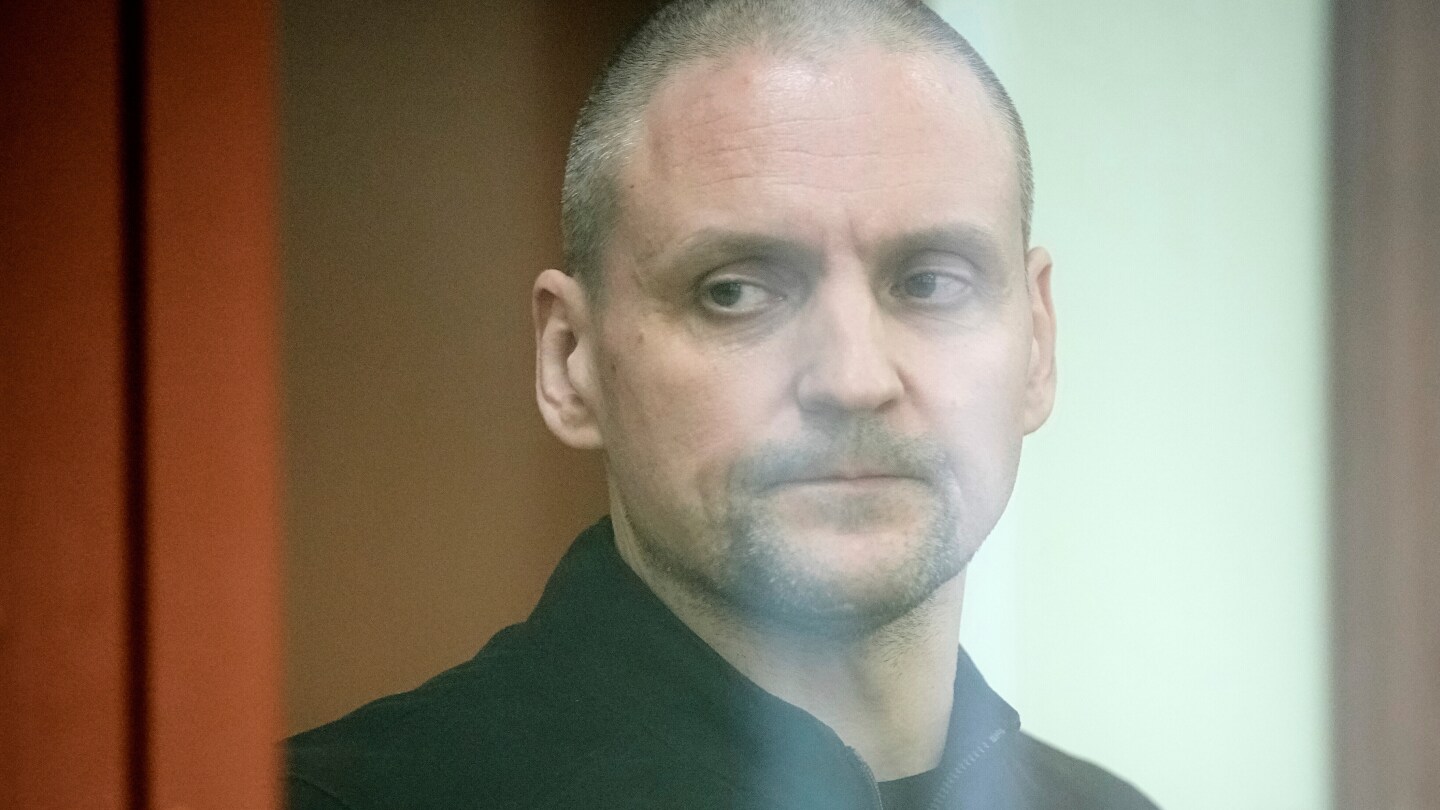
    A Moscow court has sentenced prominent Russian opposition figure Sergei Udaltsov to six years imprisonment in a maximum-security penal colony after convicting him of terrorism justification offenses. The verdict delivered on Thursday marks the latest development in Russia’s intensified crackdown on dissent since the commencement of its military operations in Ukraine.

    Udaltsov, who leads the Left Front movement aligned with Communist Party factions opposing President Vladimir Putin, was arrested last year following an online article expressing support for activists previously convicted on terrorism organization charges. The independent news outlet Mediazona reported that Udaltsov vehemently denied the allegations during proceedings, labeling them as politically motivated fabrications. Following the verdict announcement, the activist declared his intention to initiate a hunger strike while denouncing the judgment as “shameful.

    This prosecution continues Udaltsov’s lengthy history of governmental opposition. He emerged as a significant figure during the 2011-2012 mass protests against alleged electoral fraud in parliamentary elections. His political activism previously resulted in a 4.5-year imprisonment in 2014 for organizing demonstrations against Putin’s administration, with subsequent release in 2017.

    The current sentencing occurs within Russia’s broader suppression of civil liberties that has targeted independent media, religious organizations, LGBTQ+ advocates, and civil society groups. Numerous individuals have faced imprisonment while thousands have elected to flee the country amid escalating political repression.

  • Watch: Pope Leo’s plea for peace in Christmas message

    Watch: Pope Leo’s plea for peace in Christmas message

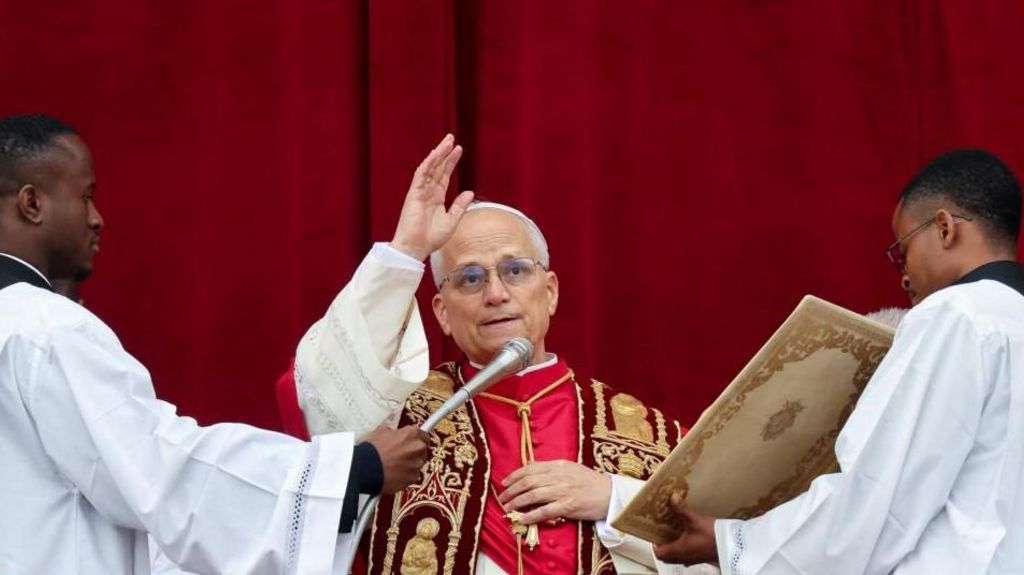
    In a momentous Christmas address delivered from the Vatican, Pope Leo issued a powerful and impassioned plea for global peace, directly confronting the multitude of armed conflicts currently plaguing humanity. The pontiff’s traditional annual message, typically focused on hope and renewal, took on a markedly urgent tone this year as he decried what he characterized as a ‘forgotten Christmas’ for countless victims of warfare.

    The Pope’s homily specifically highlighted the devastating impacts on civilian populations, particularly children, who he stated are bearing the brunt of violence in regions spanning from the Middle East to Africa and Eastern Europe. Framing his message within the context of the Christmas story itself—a narrative of a family seeking refuge—Pope Leo drew stark parallels to contemporary displacement crises, emphasizing the moral imperative to protect the most vulnerable.

    Moving beyond general appeals, the address contained a explicit call for immediate ceasefires and the resumption of diplomatic negotiations in active conflict zones. The spiritual leader emphasized that true peace extends beyond mere absence of violence, encompassing instead the active pursuit of justice, humanitarian access, and respect for international law. He urged world leaders to prioritize human dignity over political ambitions and weaponry, labeling the pursuit of peace as humanity’s ‘most noble and necessary endeavor.’

    The message concluded with a call to action for both individuals and nations, encouraging concrete gestures of solidarity and a renewed commitment to building what he termed a ‘fraternal world where disagreements are resolved through dialogue, not destruction.’

  • The Kremlin says Moscow made an offer to France regarding a French citizen imprisoned in Russia

    The Kremlin says Moscow made an offer to France regarding a French citizen imprisoned in Russia

    Diplomatic channels between Moscow and Paris have activated regarding the controversial case of Laurent Vinatier, a French political scholar imprisoned in Russia who now confronts additional espionage allegations. Kremlin spokesperson Dmitry Peskov confirmed ongoing communications with French authorities, stating Russia had extended “an offer to the French” regarding Vinatier’s situation, with the response now awaiting France’s decision. Peskov declined to elaborate further due to the sensitive nature of the discussions.

    The French Foreign Ministry maintained a position of no comment on Thursday, reflecting the delicate diplomatic standoff. The developments follow President Vladimir Putin’s recent encounter with journalist Jérôme Garro during his annual news conference, where questions were raised about potential presidential pardons or prisoner exchanges for Vinatier. Putin initially claimed unfamiliarity with the case but committed to examination.

    Vinatier’s legal troubles began with his June 2024 arrest in Moscow for allegedly failing to register as a “foreign agent” while gathering intelligence on Russia’s military operations—activities prosecutors claimed threatened national security. Despite defense requests for leniency, October 2024 saw Vinatier receive a three-year prison term, a sentence France’s Foreign Ministry decried as “extremely severe” while demanding his immediate release.

    The case emerges against heightened Franco-Russian tensions following French President Emmanuel Macron’s statements concerning potential troop deployments to Ukraine. This context has intensified scrutiny of Russia’s increasingly frequent detentions on espionage-related charges since the February 2022 invasion of Ukraine.

    France has additionally called for the abolition of Russia’s foreign agent legislation, which subjects designated individuals to enhanced government scrutiny and restrictions. The French Foreign Ministry contends these laws systematically violate fundamental freedoms including association, opinion, and expression.

    Vinatier, an advisor for the Switzerland-based Centre for Humanitarian Dialogue, has received organizational support throughout his ordeal. His defense highlighted family responsibilities, including two children and elderly parents requiring care.

    The August 2025 revelation of new espionage charges—carrying potential 10-20 year sentences—follows Russia’s pattern of arresting foreigners before eventual prisoner exchanges. The August 2024 multinational swap that freed journalists Evan Gershkovich, Alsu Kurmasheva, American Paul Whelan, and Russian dissidents marked the largest Cold War-era style exchange, suggesting potential resolution pathways for Vinatier’s case.

  • Pope Leo urges ‘courage’ to end Ukraine war in first Christmas address

    Pope Leo urges ‘courage’ to end Ukraine war in first Christmas address

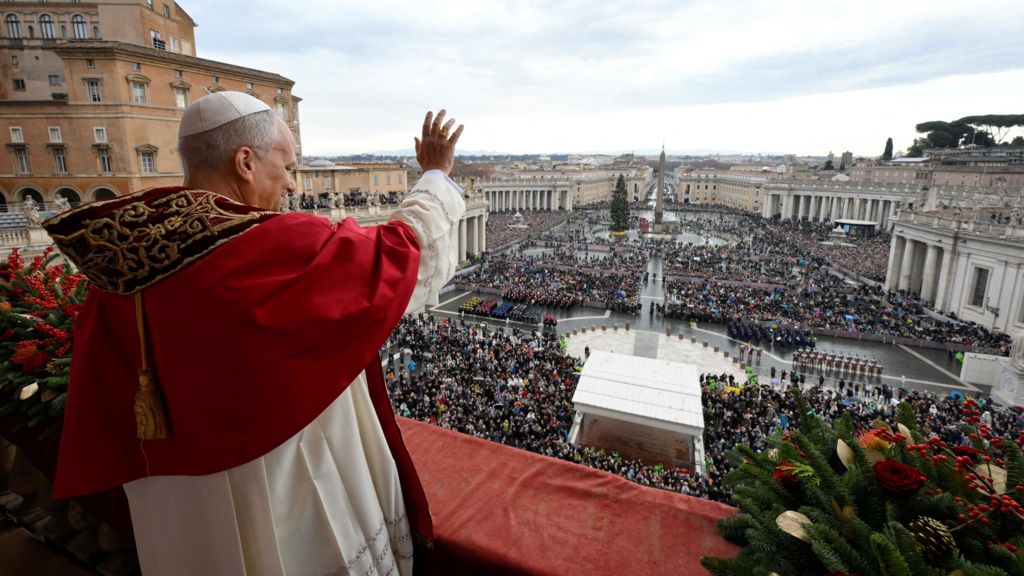
    In his inaugural Christmas Day address since ascending to the papacy in May, Pope Leo XIV delivered a powerful plea for international peace and reconciliation from St. Peter’s Square. The pontiff specifically called upon Ukraine and Russia to demonstrate courage by initiating sincere, direct negotiations to terminate their prolonged conflict.

    During the traditional Urbi et Orbi blessing, Pope Leo emphasized that cessation of hostilities requires “the support and commitment of the international community” alongside diplomatic courage from both warring nations. His appeal emerges amid ongoing US-mediated negotiations seeking an acceptable resolution to the conflict, though direct talks between Kyiv and Moscow remain elusive in current diplomatic efforts.

    The Pope’s concerns extended beyond Eastern Europe, addressing recent deadly border clashes between Thailand and Cambodia despite July’s ceasefire agreement. He urged these Southeast Asian nations to restore their “ancient friendship” through concerted efforts toward reconciliation.

    Earlier during Christmas Mass in St. Peter’s Basilica, the pontiff reflected on global humanitarian crises, particularly highlighting the plight of homeless populations worldwide. He drew parallels between the nativity story’s fragile tent and the inadequate shelters in Gaza, where approximately 2.1 million Palestinians endure winter storms amidst rubble and destruction from the ongoing conflict with Israel.

    The humanitarian situation in Gaza remains dire, with aid agencies urgently requesting increased supplies of tents and essential materials. Israeli authorities controlling border crossings have denied allegations of deliberate aid restrictions, claiming delivery of nearly 310,000 tents and tarpaulins since October’s ceasefire commenced.

  • Pope Leo XIV remembers Gaza’s suffering in first Christmas homily and calls for peace

    Pope Leo XIV remembers Gaza’s suffering in first Christmas homily and calls for peace

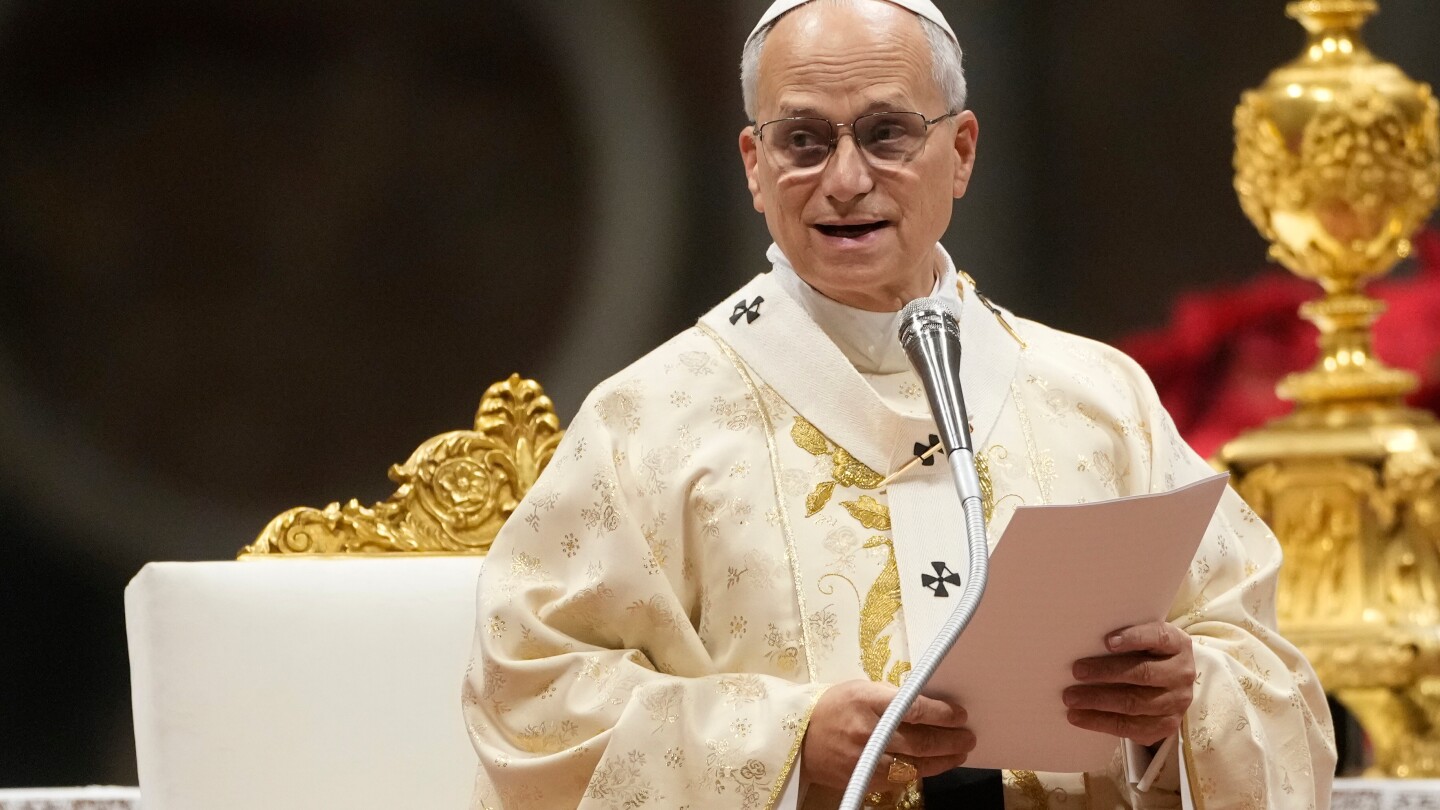
    In his inaugural Christmas Day homily, Pope Leo XIV delivered a powerful message from St. Peter’s Basilica, drawing poignant parallels between the biblical narrative of Christ’s birth and contemporary global suffering. Addressing thousands of congregants beneath the basilica’s ornate balustrade, adorned with seasonal poinsettias and floral garlands, the pontiff specifically highlighted the plight of Gaza’s civilians enduring harsh winter conditions.

    The Pope’s address transformed the traditional Christmas message into a profound commentary on modern conflicts. ‘We cannot ignore the tents in Gaza, exposed for weeks to rain, wind and cold,’ Leo declared, extending his concern to refugees worldwide and urban homeless populations. His homily meticulously connected the Christian story of God assuming fragile human form in a Bethlehem manger with the vulnerability of displaced persons across continents.

    Leo XIV offered sharp criticism of military conflicts, referencing ‘defenseless populations tried by so many wars’ and young soldiers confronting the ‘senselessness of what is asked of them.’ He characterized military recruitment rhetoric as ‘falsehoods that fill the pompous speeches of those who send them to their deaths.’

    The pontiff presented dialogue as the singular solution to global strife, asserting that peace only emerges ‘when our monologues are interrupted and, enriched by listening, we fall to our knees before the humanity of the other.’ The Mass attracted thousands of faithful who gathered despite steady rainfall, many documenting the historic occasion with smartphones.

    This Christmas celebration concludes the Holy Year observances, scheduled to officially terminate on January 6th, the Epiphany holiday commemorating the biblical visit of the three wise men to the infant Jesus.

  • Turkey begins black box analysis of jet crash that killed Libyan military chief and 7 others

    Turkey begins black box analysis of jet crash that killed Libyan military chief and 7 others

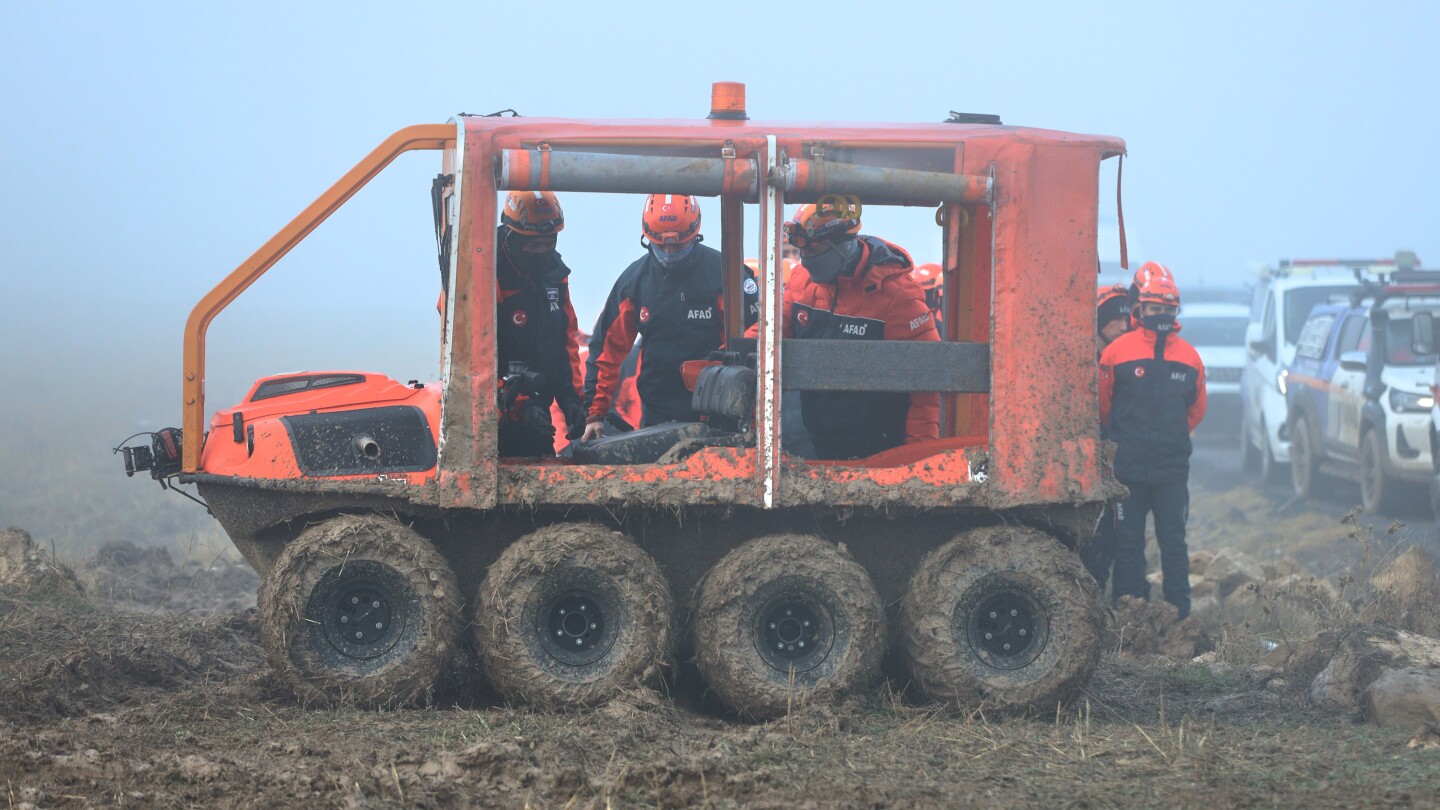
    Turkish authorities have commenced technical examination of the flight recorders recovered from the catastrophic private jet accident that claimed eight lives, including Libya’s senior western military commander. The Turkish Defense Ministry confirmed Thursday that investigative procedures are advancing through collaborative efforts with Libyan officials.

    The ill-fated aircraft, carrying General Muhammad Ali Ahmad al-Haddad alongside four additional military representatives and three flight crew members, went down shortly after departure from Ankara on Tuesday. Initial assessments from Libyan authorities indicate potential technical failures as the probable cause of the tragedy.

    The high-ranking delegation was returning to Tripoli following strategic defense discussions in the Turkish capital focused on enhancing military coordination between the two nations. Turkish Interior Minister Ali Yerlikaya reported that debris from the crash site spanned approximately three square kilometers, significantly impeding recovery operations.

    A 22-member team from Libya, comprising five relatives of the victims, arrived early Wednesday to participate in the investigation process. The multinational cooperation underscores the significance of the incident within international military and diplomatic circles.

  • Turkey arrests 115 IS suspects ‘planning New Year’s attacks’

    Turkey arrests 115 IS suspects ‘planning New Year’s attacks’

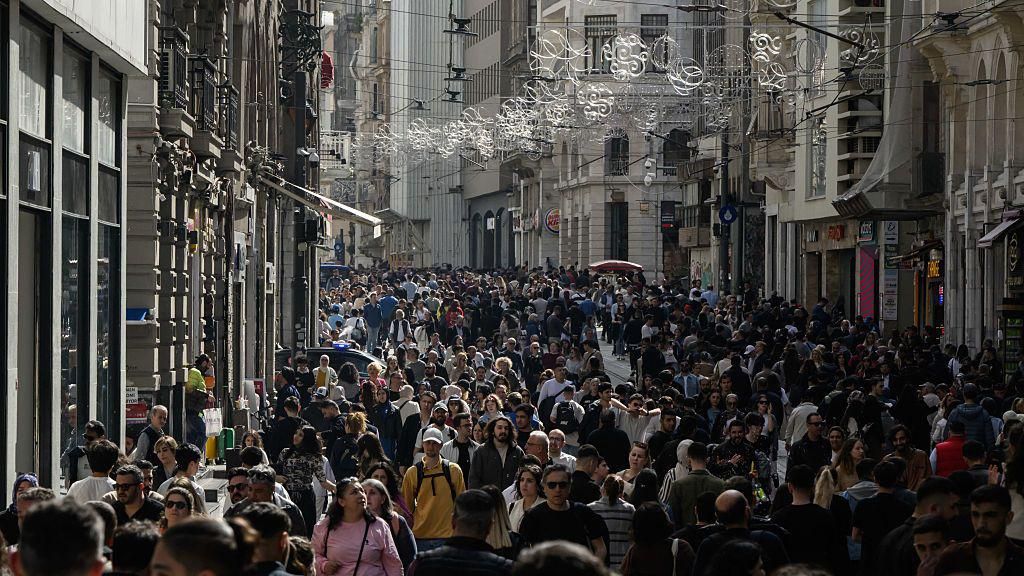
    Turkish security forces have successfully dismantled an extensive Islamic State network that was actively planning coordinated attacks during Christmas and New Year’s celebrations. In a sweeping counterterrorism operation across Istanbul, authorities apprehended 115 suspected ISIS operatives while pursuing an additional 22 individuals still at large.

    The massive intelligence-driven operation targeted 124 separate locations throughout Turkey’s largest city, resulting in the seizure of significant weapon caches including firearms, ammunition, and critical organizational documents. According to Istanbul’s Chief Prosecutor, the detained suspects maintained active communication channels with ISIS leadership operating outside Turkish borders.

    Investigators revealed the terrorist cell specifically planned to target non-Muslim communities and religious gatherings during the holiday period. This security operation represents one of the most comprehensive counterterrorism efforts in recent years against ISIS infrastructure within Turkey.

    The crackdown occurs amidst heightened regional tensions following the recent killing of three American personnel—two soldiers and a civilian interpreter—in an ISIS-ambush earlier this month. In response, the United States conducted a series of airstrikes against ISIS positions across Syria last Friday.

    Turkey’s geographic position remains particularly vulnerable to terrorist infiltration due to its 900-kilometer (560-mile) border with Syria, where ISIS maintains active cells in certain regions. President Ahmed al-Sharaa of Syria, maintaining close ties with the Turkish government, has committed to collaborative efforts with Western nations to eliminate remaining ISIS elements in the region.

    Turkish security agencies continue regular operations against suspected ISIS affiliates, reflecting the ongoing threat posed by the organization despite its territorial defeats in previous years.

  • King Charles III picks Westminster Abbey as the site of his Christmas Day broadcast

    King Charles III picks Westminster Abbey as the site of his Christmas Day broadcast

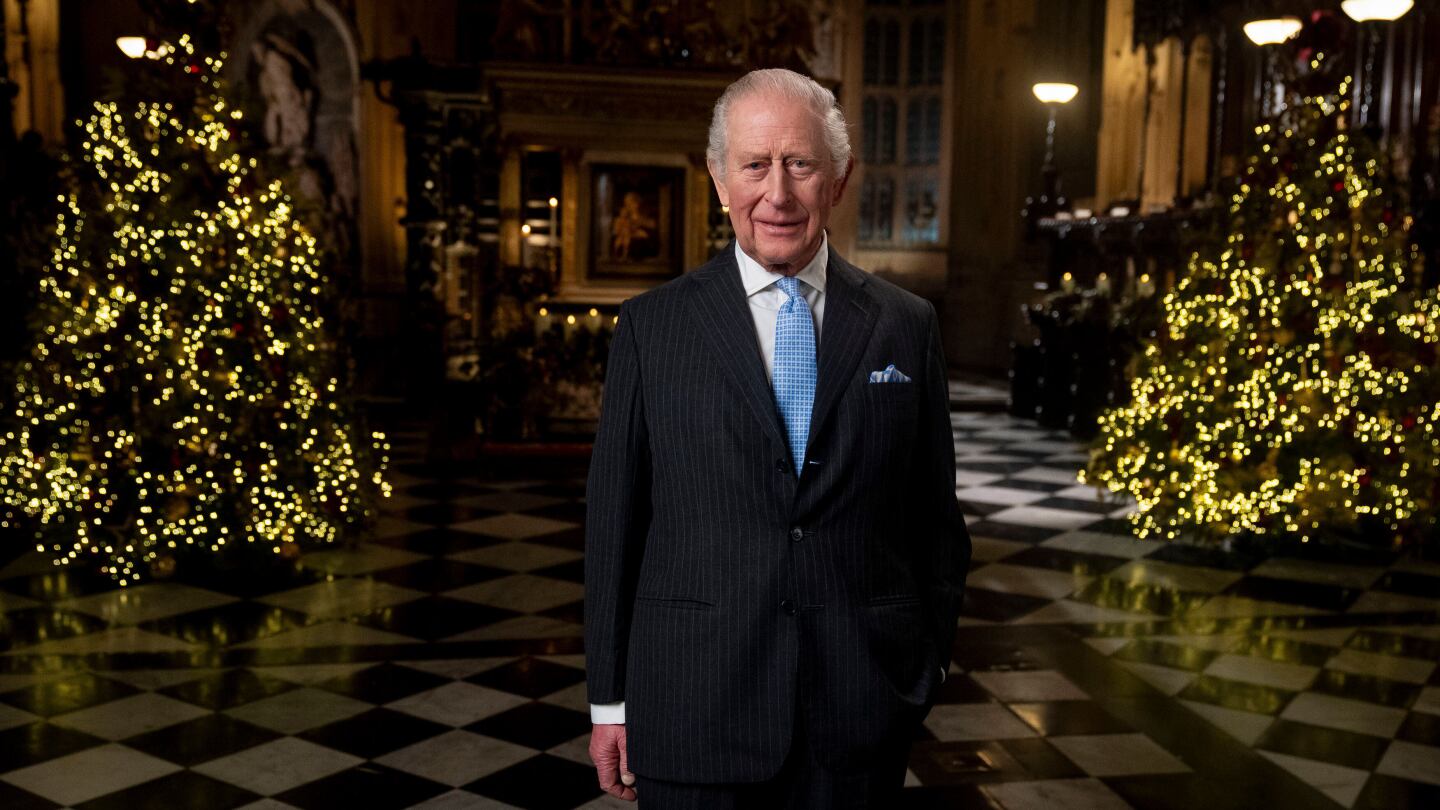
    In a significant departure from tradition, King Charles III has selected Westminster Abbey as the backdrop for his annual Christmas Day address to the United Kingdom and the Commonwealth nations. The historic venue, renowned for hosting coronations and royal weddings for over a millennium, aligns with the monarch’s intended theme of spiritual pilgrimage in his holiday message.

    The Abbey holds profound religious significance as the resting place of Edward the Confessor, the monk-like monarch canonized as a saint in 1161, whose tomb has been a focal point for pilgrimages throughout British history. This year’s address gains particular resonance as it follows closely on the heels of the King’s recent health update regarding his cancer treatment.

    Scheduled for broadcast at 3:00 PM GMT on Christmas Day, the prerecorded message traditionally reaches millions of viewers across the 56 Commonwealth nations during their holiday celebrations. Unlike most of his official duties, the Christmas speech represents one of the rare occasions where the monarch expresses personal views without government consultation, typically blending religious context with contemporary issues and personal reflections.

    The upcoming address marks Charles’ fourth Christmas message since ascending to the throne following Queen Elizabeth II’s passing in September 2022. Last year’s recording occurred at Fitzrovia Chapel, formerly part of the demolished Middlesex Hospital, where the King notably acknowledged healthcare workers and specifically thanked medical staff involved in his cancer treatment.

    Buckingham Palace recently announced that the monarch’s cancer treatment has progressed to a “precautionary phase,” allowing for reduced therapeutic interventions in the new year while maintaining ongoing monitoring of his condition. This health update, delivered through a deeply personal television appearance two weeks prior, adds considerable context to this year’s holiday message.