Europe finds itself confronting a severe energy security crisis reminiscent of the 2022 Russian invasion of Ukraine, as escalating Middle East tensions trigger market volatility and expose the continent’s persistent dependency on external suppliers. Despite solemn pledges to achieve energy independence following Russia’s aggression, European leaders now face renewed panic over soaring prices and political divisions that threaten to undermine both economic stability and strategic autonomy.
The current crisis emerged when Iran effectively blocked the Strait of Hormuz in late February following US-Israeli attacks on Tehran, creating immediate supply constraints that drove oil prices up 8% and European gas prices surging 20% on March 2nd. While Europe imports minimal physical energy from the Middle East, the blockade demonstrates how global market interdependencies continue to leave the continent vulnerable to geopolitical disruptions far beyond its borders.
This vulnerability stems partly from Europe’s dramatic energy reorientation since 2022. The EU rapidly reduced Russian energy imports from pre-war levels of 55% of German gas supplies to just 2% of oil imports today, primarily reaching Moscow-friendly Hungary and Slovakia. This transformation came at enormous cost, however, as European nations replaced Russian pipeline gas with liquefied natural gas (LNG) imports—primarily from the United States, which now supplies 57% of EU LNG imports and 96% of Germany’s LNG needs.
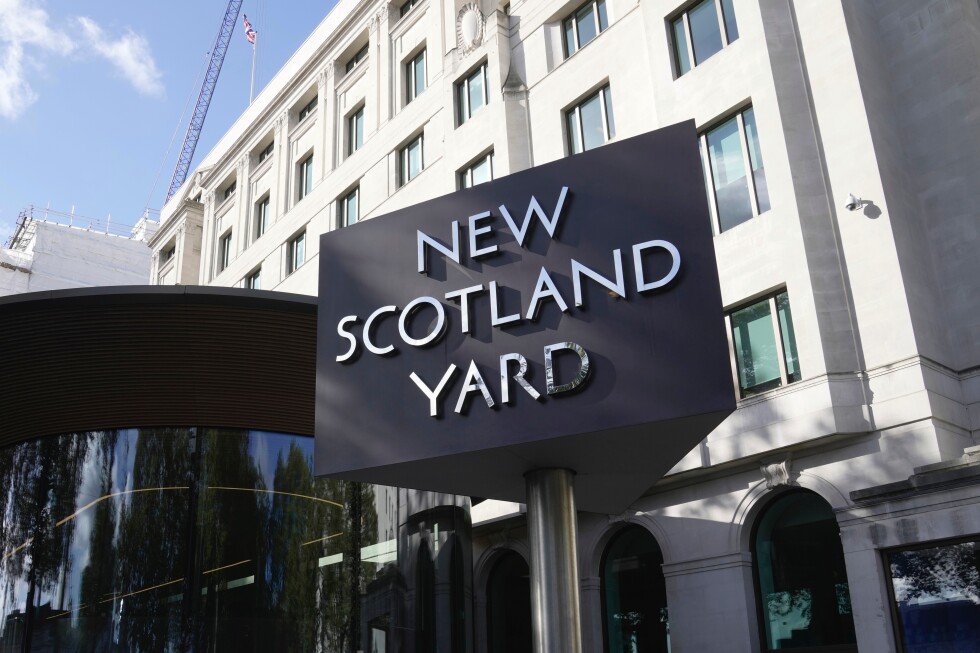
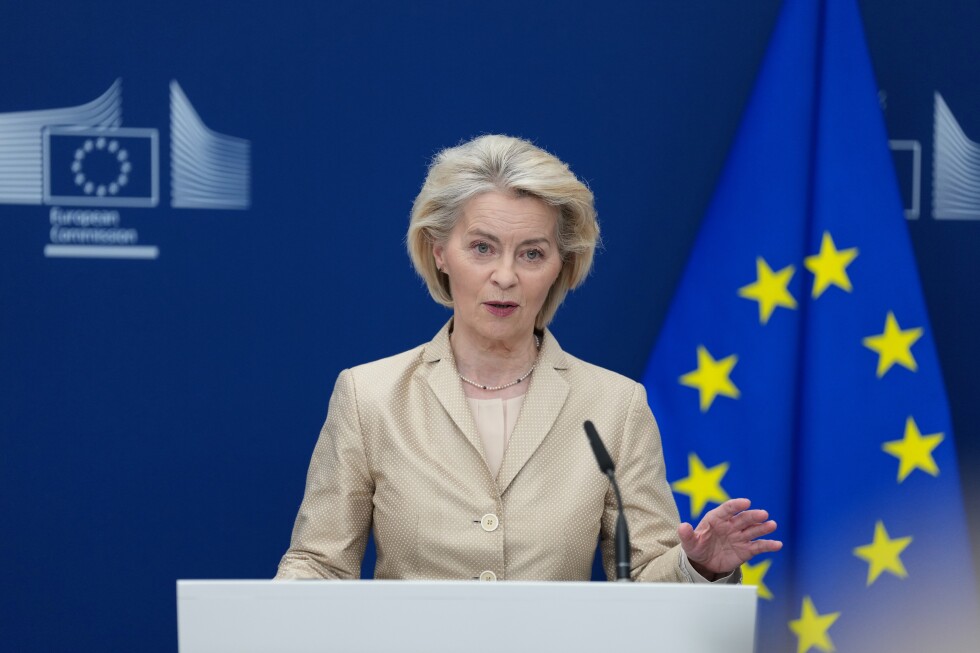
This dependency has created new strategic vulnerabilities. The Trump administration has leveraged Europe’s energy desperation to extract favorable trade terms, including a $750 billion commitment to US energy exports over three years. During tense negotiations last July, Trump threatened 30% tariffs on EU exports before “reducing” them to 15% following European Commission President Ursula von der Leyen’s visit to his Scottish golf resort. The arrangement has positioned Europe in a clear position of weakness relative to American interests.
Energy security expert Dan Marks of the Royal United Services Institute notes that Europe’s choice “between Russian energy and global market volatility is a very bad choice,” emphasizing that simply switching suppliers hasn’t solved fundamental security problems. The continent remains exposed to multiple risk layers—from potential US domestic decisions to withhold energy supplies to physical infrastructure vulnerabilities like LNG terminal destruction during extreme weather events.
Even reliable democratic suppliers present challenges. Norway, now providing one-third of EU gas consumption, operates near maximum output capacity. Oslo has criticized EU policies that limit Arctic energy development while Russia expands its LNG production in the same region, creating competitive disadvantages that complicate energy security planning.
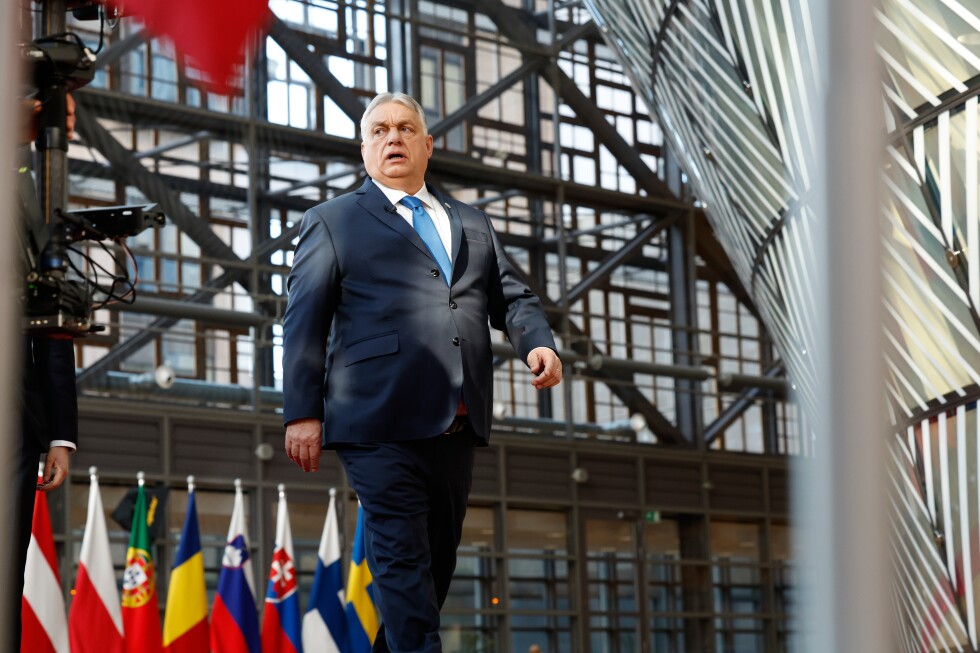
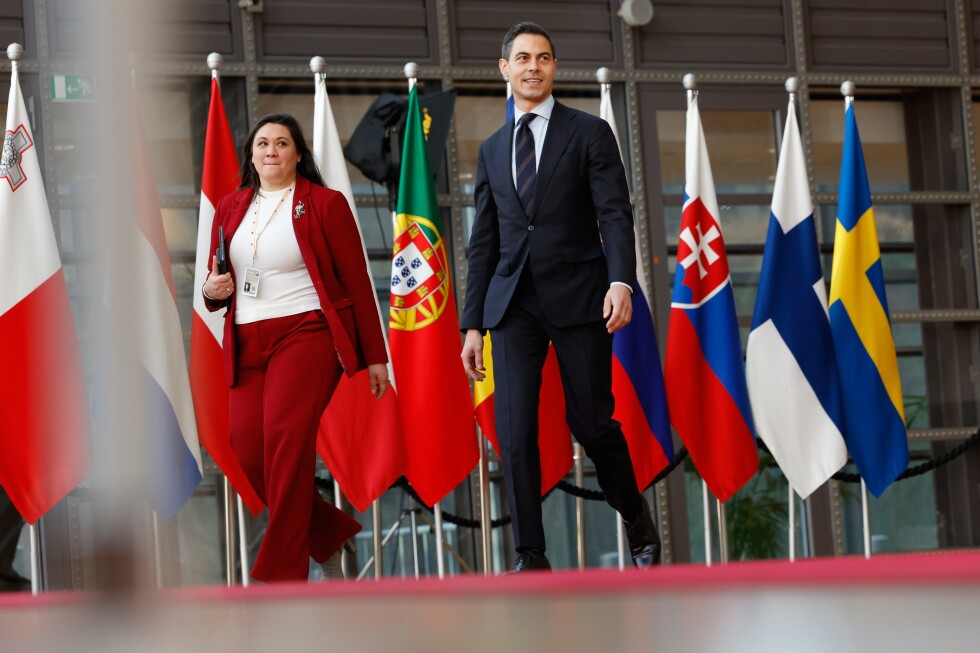
The crisis has intensified political divisions within Europe. At Thursday’s emergency EU summit, leaders grappled with proposals ranging from tax revisions and consumer price caps to potentially suspending the Emissions Trading System (ETS)—the cornerstone of EU climate policy. Italian Prime Minister Giorgia Meloni called for ETS suspension for electricity production, while Belgian Prime Minister Bart De Wever shocked colleagues by suggesting normalizing relations with Russia to regain access to cheap energy.
These divisions reflect broader strategic dilemmas. As Brussels-based energy specialist Georg Zachmann observes, “We are in a complex world of trade-offs” between energy security, climate goals, and economic competitiveness. While the EU has set ambitious legally binding targets to reduce net greenhouse gas emissions by 90% by 2040, the current crisis reveals the enormous practical challenges in achieving these goals while maintaining energy affordability and security.
The situation has also hampered potential energy cooperation with post-Brexit Britain, despite obvious mutual benefits. The UK possesses Europe’s largest offshore wind capacity and extensive North Sea development plans, while Britain would benefit from assurance that France wouldn’t cut energy supplies during crises. Yet political tensions continue to prevent pragmatic collaboration.
As European leaders convene in Brussels, they face not merely a price crisis but a fundamental test of whether the continent can develop coherent, united energy strategies that balance security, sustainability, and sovereignty. With populist movements gaining traction amid voter anger over energy costs, and with global conflicts demonstrating the persistent fragility of energy systems, the stakes have never been higher for European integration and strategic autonomy.