标签: Europe

欧洲

  • Ukrainians endure freezing temperatures at home as emergency crews rush to restore power

    Ukrainians endure freezing temperatures at home as emergency crews rush to restore power

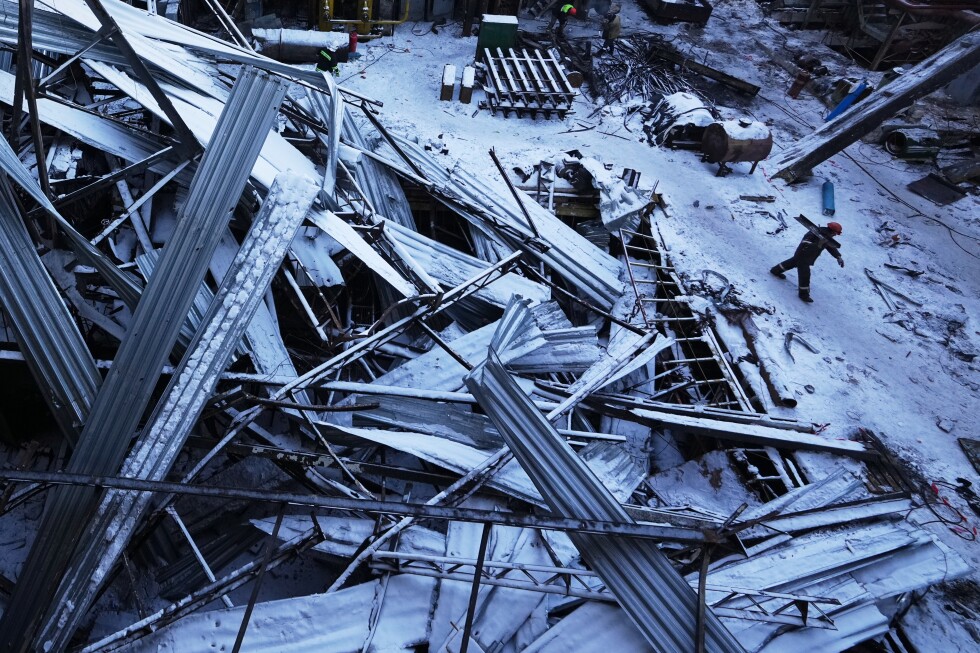
    In the freezing outskirts of Kyiv, teams of emergency repair personnel are engaged in a relentless battle against time and temperatures plunging to -15°C (13°F). These dedicated workers, representing private electricity provider DTEK, labor from dawn until midnight through snow-covered landscapes to rebuild electrical systems devastated by systematic Russian attacks on Ukraine’s energy infrastructure.

    The situation in Boryspil, a town of approximately 60,000 residents, exemplifies the critical challenges facing energy restoration efforts. According to Yurii Bryzh, head of DTEK’s Boryspil regional department, even limited success in restoring four hours of daily electricity creates subsequent complications. When power returns, residents immediately activate all available electrical appliances to complete essential tasks—cooking, washing, and recharging devices—resulting in system overloads and renewed blackouts.

    Kyiv Mayor Vitali Klitschko has characterized these outages as the most extensive since Russia’s full-scale invasion began nearly four years ago, with some households enduring days without electricity. The capital’s apartments have become freezing enclaves, with residents bundling in heavy layers against the penetrating cold. Streets remain darkened at night, with towering apartment blocks showing no signs of life behind their windows.

    The human impact is profound. Scientists Mykhailo, 39, and Hanna, 43, described how their daughter’s bedroom temperatures match the frigid outdoor conditions. The family sleeps together under multiple blankets for warmth, taking their child to work during daytime hours since their workplace maintains generator power while her kindergarten lacks heating.

    Elderly residents demonstrate remarkable resilience. Seventy-six-year-old Zinaida Hlyha utilizes heated water bottles for warmth, consciously avoiding complaints by comparing her situation to soldiers enduring trench warfare. Eighty-nine-year-old physicist Raisa Derhachova occasionally plays piano in what she describes as ‘terrifying cold,’ having survived World War II only to confront another devastating conflict.

    Energy analyst Dennis Sakva of Dragon Capital investment company explains the technical challenges: Russian strikes specifically target power plants and major substations, with replacement equipment like transformers requiring months for procurement. Sakva categorizes Ukraine’s current heroes into two groups: military personnel defending the nation and energy workers battling to maintain civilian infrastructure.

    The extensive damage to Ukraine’s energy grid represents a strategic warfare approach by Russia, exploiting winter conditions to maximize civilian hardship while testing the nation’s resilience and repair capabilities.

  • Corrie legend joins cast of Irish soap

    Corrie legend joins cast of Irish soap

    In a significant crossover between British and Irish television, acclaimed actress Beverley Callard is set to join the cast of RTÉ’s long-running soap opera Fair City. The announcement confirms her debut scheduled for February 19, 2026, where she will portray a new character named Lily, described by network executives as “quirky, unpredictable and sharp as a tack.”

    Callard brings considerable soap opera pedigree to the Irish production, having established herself as a household name through her iconic portrayal of Liz McDonald on ITV’s Coronation Street. Her association with the Manchester-based series spanned over three decades, beginning in 1989 when she joined alongside on-screen husband Jim (played by Charlie Lawson) and their fictional sons Steve and Andy. Her departure from Coronation Street in 2020 marked the end of an era for the character who had become a staple of British television.

    Beyond her Coronation Street legacy, Callard’s career includes notable appearances in other British television institutions. She has featured in Emmerdale and the comedy series Two Pints of Lager and a Packet of Crisps. In 2020, she participated in ITV’s reality series I’m a Celebrity… Get Me Out of Here!, finishing in 10th place during the pandemic-affected season filmed in Wales instead of the show’s traditional Australian location.

    The actress has been equally vocal about her personal challenges, particularly regarding mental health. In a 2016 interview with BBC as part of their In The Mind mental health season, Callard discussed her experiences with depression, which she described as the “curse of the strong.” She revealed undergoing electroconvulsive therapy to address her symptoms and recounted collapsing on the Coronation Street set in 2009 after enduring 18 months of declining health.

    Fair City, the show welcoming Callard to its ensemble, represents Ireland’s premier soap opera. Since its 1989 premiere on RTÉ, the series has chronicled the daily lives and dramas of residents in the fictional north Dublin suburb of Carrigstown. Network promotional materials suggest Callard’s character will “carry just enough edge to keep Carrigstown on its toes,” promising viewers “won’t want to miss what she brings to the community.”

  • Swiss regions ban pyrotechnics after ski bar fire

    Swiss regions ban pyrotechnics after ski bar fire

    Multiple Swiss cantons have enacted immediate bans on pyrotechnic devices in indoor public spaces following the catastrophic New Year’s Eve fire at Le Constellation bar in Crans-Montana that claimed 40 lives and injured 116 people. The Valais canton announced the prohibition alongside emergency compensation of 10,000 francs ($12,500) for each victim’s family, establishing a dedicated fund to collect public donations. This decision follows similar measures in Vaud and Geneva, marking a significant shift in national safety regulations.

    Investigators have determined the blaze originated when champagne bottle sparklers ignited sound-insulating foam padding on the ceiling. Authorities have confirmed the establishment had not undergone mandatory safety inspections for five years prior to the incident, raising serious questions about regulatory oversight.

    The French proprietors of Le Constellation, Jacques and Jessica Moretti, now face severe legal consequences including charges of manslaughter by negligence, bodily harm by negligence, and arson by negligence. Jacques Moretti remains in custody for an initial 90-day period while his wife has surrendered her passport under strict reporting conditions.

    Most victims were young adults, with eight confirmed under age 16. Eighty severely burned patients continue treatment across Swiss and European hospitals. Legal representatives for affected families have established an online testimony platform to assist the official investigation, emphasizing this complements rather than replaces judicial proceedings.

    The tragedy has particularly highlighted the case of 24-year-old waitress Cyane Panine from France, seen in viral video footage moments before the fire erupted. Her family has publicly stated she merely followed employer instructions and bears no responsibility for the catastrophic outcome.

  • As Trump’s envoy, Louisiana Gov. Jeff Landry says he wants to meet Greenlanders and not diplomats

    As Trump’s envoy, Louisiana Gov. Jeff Landry says he wants to meet Greenlanders and not diplomats

    BATON ROUGE — As President Trump asserts his administration’s determination to pursue strategic interests in Greenland regardless of local sentiment, his newly appointed special envoy, Louisiana Governor Jeff Landry, is charting an unconventional diplomatic course. The Republican governor, selected for this sensitive role in December, has bypassed traditional diplomatic channels in favor of a distinctive approach that blends confrontational politics with what he terms “culinary diplomacy.

    Governor Landry, who has yet to visit the Arctic territory, has drawn attention by suggesting cultural parallels between Greenlanders and Louisianans, noting shared interests in hunting, fishing, and enjoying life. His appointment comes amid renewed White House interest in acquiring the strategically vital island, a semi-autonomous territory of NATO ally Denmark, despite firm rejections from Greenland’s political leadership.

    The Louisiana governor’s debut on the international stage has been anything but subtle. His social media assertion that the U.S. protected Greenland during World War II “when Denmark couldn’t” prompted immediate pushback from the Danish ambassador to the United States. This exchange highlights the diplomatic sensitivities surrounding Trump’s revived interest in the territory, which Danish officials warn could fundamentally undermine the NATO alliance.

    Political observers note Landry’s appointment aligns with Trump’s political style. “His brand fits the political moment and fits neatly with this president’s goal,” remarked Mary-Patricia Wray, a Louisiana political consultant familiar with Landry’s approach. The assignment represents a significant test for the first-term governor, who has built his career as a brash conservative without substantial foreign policy experience beyond economic development missions.

    The White House has defended the selection, with spokeswoman Anna Kelly stating Landry’s gubernatorial experience makes him “a strong asset” who understands Greenland’s essential role in national security and regional deterrence. However, former Danish consular officer Peter Bisgaard offered a starkly different assessment: “You don’t negotiate the future of a country on social media. That’s asinine.”

    Landry has outlined his vision of providing Greenland’s 56,000 residents opportunities to “improve quality of life” in exchange for expanded U.S. military presence and access to rare-earth mineral deposits. His planned attendance at a Greenland dogsled event in March—prompted by an invitation from “a Greenlander”—has already generated controversy, with organizers of the national championship calling his potential appearance “wholly inappropriate.”

    The governor’s combative political style, demonstrated during eight years as Louisiana’s attorney general defending abortion bans and LGBTQ rights rollbacks, now extends to international diplomacy. His office has declined interview requests and described his envoy work as “voluntary and not state business” in response to public records requests.

    As Landry prepares to bring his thick Cajun accent and confrontational approach to Arctic diplomacy, the world watches whether his unusual methods will advance U.S. interests or further complicate relations with a key NATO ally at a particularly delicate geopolitical moment.

  • Ukraine’s new defense minister reveals scale of desertions as millions avoid the draft

    Ukraine’s new defense minister reveals scale of desertions as millions avoid the draft

    KYIV, Ukraine – In a stark parliamentary address on Wednesday, Ukraine’s newly appointed Defense Minister Mykhailo Fedorov revealed profound systemic challenges plaguing the nation’s military apparatus as it confronts Russia’s sustained invasion. The 34-year-old tech reformer outlined a crisis encompassing massive troop desertions, widespread draft evasion, and critical funding shortages.

    Fedorov reported an alarming 200,000 desertions from military ranks alongside approximately 2 million instances of draft-dodging, creating severe manpower complications. He attributed these issues to deeply entrenched bureaucratic inefficiencies, outdated Soviet-era management methodologies, and significant logistical disruptions in supplying equipment across the 1,000-kilometer frontline.

    “Our strategic imperative demands we cannot wage modern warfare with emerging technologies while constrained by archaic organizational structures,” Fedorov asserted during his presentation to lawmakers.

    The minister disclosed a staggering budget shortfall of 300 billion hryvnia (approximately $6.9 billion), necessitating urgent international financial intervention. This funding crisis emerges as the European Union announces a substantial new loan program specifically designed to bolster Ukraine’s military capabilities and economic resilience over the coming two years, according to European Commission President Ursula von der Leyen.

    Despite these challenges, Fedorov highlighted remarkable advancements in Ukraine’s defense sector since Russia’s full-scale invasion commenced in February 2022. The nation’s defense manufacturing ecosystem has undergone explosive growth, expanding from merely seven private drone companies and two electronic warfare firms to nearly 500 drone manufacturers and approximately 200 electronic warfare specialists today. Entirely new industries have emerged, including about 20 private missile producers and over 100 companies developing ground-based robotic systems.

    President Volodymyr Zelenskyy appointed Fedorov, previously celebrated for his digital transformation initiatives and drone technology advancements, as part of a comprehensive government restructuring aimed at enhancing security, defense innovation, and diplomatic efforts during this critical phase of conflict.

  • Inside Kyiv’s ‘invincibility train’ for residents left without power

    Inside Kyiv’s ‘invincibility train’ for residents left without power

    As winter’s bitter cold intensifies across Ukraine, a remarkable humanitarian initiative is rolling through the capital city of Kyiv. Specially equipped ‘invincibility trains’ have been deployed to provide critical services and comfort to residents left without power due to Russia’s systematic targeting of energy infrastructure.

    These mobile sanctuaries represent both a practical response to humanitarian needs and a powerful symbol of Ukrainian resilience. Each train carriage has been transformed into a multi-functional support center, offering heated spaces, charging stations for electronic devices, warm meals, and psychological support services. The program operates as part of Ukraine’s broader ‘invincibility’ concept – a national network of shelters and assistance points established to help civilians withstand infrastructure attacks.

    The timing proves particularly crucial as meteorological conditions deteriorate alongside escalating military assaults on power facilities. Ukrainian Railways, operating these special services, has coordinated with municipal authorities to ensure routes serve the most affected districts. Beyond immediate physical comforts, the initiative provides a psychological boost to citizens demonstrating extraordinary fortitude amid adversity.

    Transportation officials note that these railway services complement stationary invincibility points established in schools, administrative buildings, and other public spaces. The mobility factor allows assistance to reach different neighborhoods as damage patterns shift with changing attack strategies. Volunteers and railway staff work extended hours to maintain services despite frequent power interruptions and logistical challenges posed by the conflict situation.

    This innovative approach to civilian support underscores how Ukraine’s infrastructure systems have adapted to wartime conditions, leveraging existing transportation networks to deliver essential services where they’re most needed. The program continues to evolve as winter progresses, with authorities monitoring effectiveness and expanding services where possible.

  • UK government urges police official to quit over ban of Maccabi Tel Aviv soccer fans

    UK government urges police official to quit over ban of Maccabi Tel Aviv soccer fans

    LONDON — Britain’s Home Secretary Shabana Mahmood has publicly called for the resignation of West Midlands Police Chief Constable Craig Guildford following a scathing independent report on the controversial banning of Maccabi Tel Aviv supporters from a November 2023 match against Aston Villa in Birmingham.

    The damning assessment by Chief Inspector of Constabulary Andy Cooke revealed what Mahmood described as “devastating” failures in the police force’s handling of the high-profile international soccer event. The report found that West Midlands Police significantly overstated security threats posed by Israeli fans while simultaneously underestimating risks to their safety during travel to the match.

    Speaking before Parliament on Wednesday, Mahmood declared: “The ultimate responsibility for the force’s failure to discharge its duties on a matter of such national importance rests with the chief constable. It is for that reason that I must declare today that the chief constable of West Midlands Police no longer has my confidence.”

    The controversial ban, implemented during a period of heightened tensions following both a deadly attack on a Manchester synagogue and the Israel-Hamas conflict in Gaza, drew widespread criticism including from Prime Minister Keir Starmer. Police had initially justified the decision citing “current intelligence and previous incidents,” referencing violence during Maccabi’s previous match against Ajax in Amsterdam.

    However, the inspector’s report uncovered critical procedural failures, noting that authorities conducted “little engagement with the Jewish community and none with the Jewish community in Birmingham” before implementing the ban. The investigation characterized the police approach as exhibiting “confirmation bias,” indicating that rather than following evidence, “the force sought only the evidence to support their desired position to ban the fans.” The report explicitly cleared the force of antisemitism allegations.

    Mahmood revealed that due to a 2011 policy change by the previous Conservative government, she lacks direct authority to dismiss Guildford for this “failure of leadership” but is actively seeking to reinstate that power to future home secretaries. Currently, only locally elected police and crime commissioners hold dismissal authority.

    Chief Constable Guildford has not yet issued any public statement regarding the report or the home secretary’s demand for his resignation.

  • France bans 10 British ‘far-right activists’ over anti-migrant activity

    France bans 10 British ‘far-right activists’ over anti-migrant activity

    France has officially banned ten British far-right activists from entering its territory following their involvement in operations targeting migrant vessels along the northern coastline. The French Interior Ministry announced the measure on Wednesday, identifying the individuals as members of the group ‘Raise the Colours’.

    According to official statements, these activists engaged in systematic searches and destruction of small boats intended for Channel crossings, alongside conducting propaganda activities. The ministry became aware of these operations in December 2025, determining they posed significant risks to public order and security.

    The banned individuals participated in efforts specifically designed to appeal to British citizens, encouraging them to join a movement aimed at stopping migratory patterns across the Channel. French Interior Minister Laurent Nuñez emphasized on social media platform X that France’s commitment to rule of law remains absolute, stating that violent actions or hate incitement have no place within French territory.

    Raise the Colours issued a response maintaining that their activities have always been peaceful and lawful, denying support for violence or illegal actions. The group claimed they had not received formal notification of the ban but understood it targeted specific individuals rather than the organization collectively. They describe themselves as a grassroots movement promoting unity and patriotism, primarily known for UK flag-raising campaigns and documenting illegal Channel crossing activities.

    Recent Home Office statistics reveal that 41,472 migrants crossed the Channel in 2025, marking a 13% increase from 2024 and the highest number since 2022 when nearly 46,000 made the journey. Small boat crossings have become the predominant method of illegal entry into the UK since 2020, prompting increased bilateral cooperation. In November 2025, after months of diplomatic pressure from British authorities, France agreed to begin intercepting small boats in the Channel.

  • As global warming melts glaciers, a novel sanctuary in Antarctica is opening to preserve ice samples

    As global warming melts glaciers, a novel sanctuary in Antarctica is opening to preserve ice samples

    ROME (AP) — In a landmark initiative to combat the irreversible loss of glacial archives, scientists have established the world’s first international repository for mountain ice cores within Antarctica’s frozen depths. This pioneering preservation effort aims to safeguard invaluable atmospheric history for future generations as climate change accelerates glacial melt worldwide.

    Ice cores function as natural time capsules, encapsulating millennia of Earth’s atmospheric composition within their frozen layers. With glaciers vanishing at unprecedented rates, researchers have initiated an urgent global mission to extract and preserve these climatic records before they permanently disappear.

    The inaugural shipment, containing 1.7 tons of meticulously preserved ice cores from Mont Blanc in France and Grand Combin in Switzerland, recently completed a 50-day refrigerated voyage aboard an icebreaker from Trieste, Italy. These foundational samples now reside in a specialized snow cave at Antarctica’s Concordia research station, maintained at a constant -52°C (-61°F) to ensure perpetual preservation.

    The Ice Memory Foundation—a consortium of European research institutions including France’s National Centre for Scientific Research, Italy’s National Research Council, and Switzerland’s Paul Scherrer Institute—officially inaugurated the frozen archive on Wednesday. Since its 2015 launch, the project has identified ten critical glacier sites worldwide for core extraction and future transportation to the Antarctic sanctuary.

    Professor Carlo Barbante, vice chair of the Ice Memory Foundation and professor at Ca’ Foscari University in Venice, emphasized the project’s significance: “By preserving physical samples of atmospheric gases, aerosols, pollutants and dust trapped in ice strata, we ensure future researchers can study past climate conditions using technologies not yet developed.”

    Scientific data reveals the alarming scale of glacial loss: since 2000, glaciers have diminished between 2% and 39% regionally, with approximately 5% of global glacial ice already vanished. This degradation threatens to erase irreplaceable atmospheric records crucial for understanding climate dynamics.

    Celeste Saulo, Secretary-General of the U.N. World Meteorological Organisation, characterized the preserved cores as “critical reference points rather than mere relics” that will enable scientists across generations to comprehend the pace, scale, and mechanisms of environmental transformation.

    The foundation’s decade-long vision includes establishing an international convention to guarantee permanent protection and accessibility of these frozen archives for future scientific inquiry, creating an enduring legacy of Earth’s climatic history amidst rapid environmental change.

  • EU targets Ukraine’s military needs with massive new loan program plus billions in budget support

    EU targets Ukraine’s military needs with massive new loan program plus billions in budget support

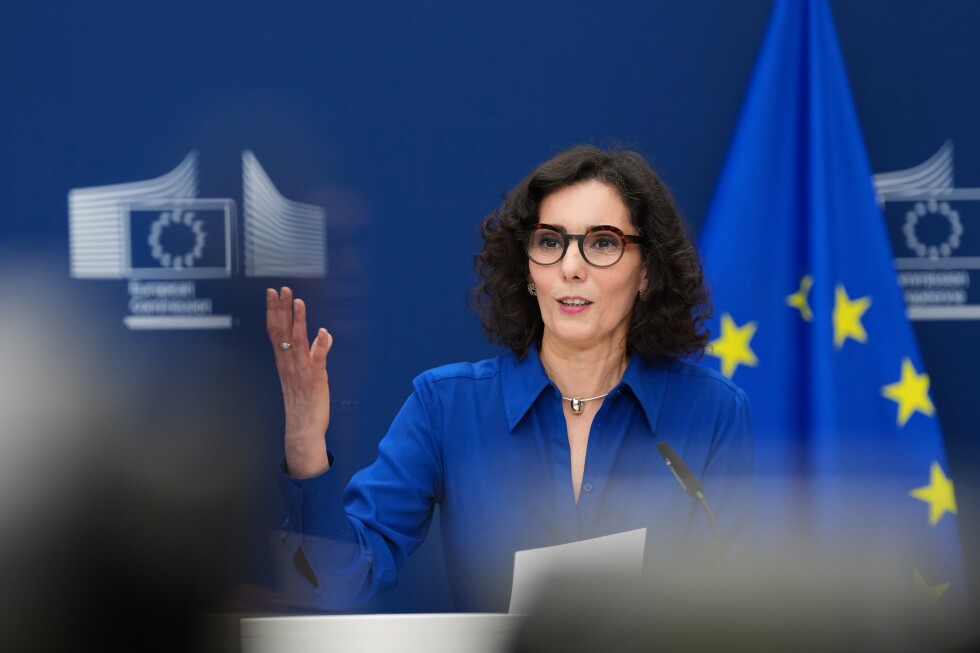
    BRUSSELS — European Commission President Ursula von der Leyen announced Wednesday a comprehensive €90 billion ($105 billion) assistance program for Ukraine, with two-thirds allocated to military requirements and the remainder designated for economic stabilization. The substantial financial package represents the European Union’s strategic commitment to strengthening Ukraine’s defense capabilities while addressing its severe economic challenges.

    The landmark loan arrangement, approved by EU leaders last month, features unprecedented repayment terms: Kyiv will only commence repayment after Russia concludes its military aggression and provides compensation for war-related damages. This condition acknowledges Ukraine’s current financial precarity, with the International Monetary Fund estimating the nation requires €137 billion ($160 billion) through 2027 to maintain basic government functions.

    Von der Leyen emphasized the strategic rationale behind the allocation, stating, “We all want peace for Ukraine, and for that Ukraine must be in a position of strength.” The military component, totaling €60 billion ($70 billion), will primarily procure defense equipment from Ukrainian, EU, and European Economic Area manufacturers, though provisions allow for external acquisitions when necessary for operational effectiveness.

    The remaining €30 billion ($35 billion) will provide direct budget support to prevent governmental collapse, with initial disbursements targeted for April 2024 pending approval by EU member states and the European Parliament. The Commission simultaneously confirmed that portions of military funding could be channeled through NATO procurement mechanisms involving United States defense contractors.

    Critical to the agreement are stringent governance conditions requiring Ukraine to implement comprehensive anti-corruption measures and rule-of-law reforms. “These conditions are non-negotiable for any financial support,” von der Leyen asserted, referencing Ukraine’s historical challenges with institutional corruption. This stipulation follows recent high-profile investigations within President Zelenskyy’s administration, including the resignation of chief negotiator Andrii Yermak amid corruption probes.

    The EU anticipates additional financial contributions from international partners including Britain, Canada, Japan, and Norway to bridge Ukraine’s funding gap, with the IMF preparing complementary loan programs for consideration next month.