标签: Europe

欧洲

  • Austrian climber found guilty after girlfriend froze to death on mountain

    Austrian climber found guilty after girlfriend froze to death on mountain

    An Austrian court has delivered a groundbreaking verdict in a high-altitude manslaughter case that has captivated mountaineering communities worldwide. Thomas P., identified under Austrian privacy protocols, received a five-month suspended sentence and a €9,600 fine for gross negligent manslaughter following the tragic death of his partner Kerstin G. during a January 2025 winter ascent of Austria’s highest peak, the Grossglockner.

    The judicial proceedings revealed disturbing details about the fateful expedition conducted under extreme conditions. Court evidence indicated temperatures plummeted to -8°C with wind chill reaching -20°C, accompanied by violent gusts exceeding 70 km/h. Presiding Judge Norbert Hofer, himself an experienced alpinist working with Tyrolean rescue teams, emphasized the dramatic skill disparity between the couple, noting Thomas P. was ‘light-years ahead’ in technical ability.

    Critical testimony emerged from multiple sources during the trial. Mountain rescuers described discovering Kerstin’s body suspended inverted from a rock face, still wearing her backpack but without gloves, with her boots unfastened and eyes wide open. Prosecutors established that Thomas P., as the expedition’s de facto guide, failed to initiate retreat despite clear signs of distress or summon timely assistance when police helicopters circled overhead at approximately 22:30.

    Compounding the prosecution’s case, former partner Andrea B. provided devastating testimony regarding Thomas P.’s prior behavior on the same mountain in 2023. She recounted being abandoned during critical stages of their climb while experiencing dizziness and equipment failure, leaving her ‘crying and screaming’ in isolation.

    The defense maintained that Kerstin was an willing participant who understood the risks, with attorney Kurt Jelinik characterizing the situation as unexpectedly severe. Thomas P. expressed profound remorse while maintaining his innocence, insisting they had mutually planned the ascent and that Kerstin had ultimately urged him to continue alone for help.

    This precedent-setting case has ignited intense international debate regarding criminal liability in extreme sports, particularly concerning the ethical responsibilities of experienced climbers toward less-capable partners. The verdict remains subject to appeal amidst ongoing discussions about risk assessment and accountability in mountaineering culture.

  • The Russian village that lost its men to war

    The Russian village that lost its men to war

    In the isolated Kamchatka village of Sedanka, where winter temperatures plummet to -10°C (14°F), life has always been challenging. Most homes lack running water, indoor toilets, and central heating. Accessible only by river boat during summer months and snowmobile or helicopter in winter, this remote community survives primarily through fishing and subsistence farming.

    Now, Sedanka faces an unprecedented crisis: nearly all men aged 18 to 55 have joined Russia’s war in Ukraine. From a population of just 258 people, 39 men signed military contracts. Twelve have been confirmed killed, with seven others missing.

    “It’s heartbreaking – so many of our people have been killed,” says Natalia (name changed for security), whose brother-in-law and cousins are currently at the front. “In almost every family, someone is fighting.”

    The BBC, in collaboration with Russian outlet Medizona and volunteer researchers, has verified 40,201 Russian soldier deaths in 2025 alone. Projections indicate this number could reach 80,000 by year’s end, making 2025 the deadliest period for Russian forces since the full-scale invasion began in February 2022. Total confirmed Russian military deaths now stand at 186,102, though military experts estimate the actual toll could range between 286,000 and 413,500.

    Analysis reveals striking demographic disparities: 67% of casualties come from rural areas and small towns (populations under 100,000), despite these regions containing only 48% of Russia’s population. Indigenous communities like the Koryaks and Itelmens of Sedanka suffer disproportionately high losses, despite wartime rules theoretically exempting them from mobilization.

    Anti-war activist Maria Vyushkova explains how state media promotes stereotypes of indigenous peoples as “born warriors” to encourage recruitment. “The Kremlin uses this pride to recruit for war,” she states.

    The economic divide is stark: Moscow’s per capita death rate stands at 0.05%, while poorer regions like Buryatia and Tuva experience rates 27-33 times higher. Demographer Alexey Raksha attributes this gap to differences in economic development, pay, and education opportunities.

    Despite promises of support, Sedanka has received little assistance. Only four soldiers’ homes received roof repairs after media attention, while one-fifth of Soviet-era houses remain officially classified as unsafe. The village’s sole school risks structural collapse.

    As another demographer notes: “For many, the driver is not only poverty but a lack of prospects – the feeling that there is nothing to lose.”

  • More than 90 deaths this season: Are we seeing more avalanches?

    More than 90 deaths this season: Are we seeing more avalanches?

    A series of devastating avalanches across Alpine regions and North America has created one of the most dangerous winter sports seasons in recent memory, with fatalities mounting across ski resorts in Switzerland, Italy, and California.

    The current crisis stems from contrasting yet equally dangerous snow conditions on both continents. While California emerges from prolonged drought conditions that created unstable snowpack layers, the Alps have experienced back-to-back major storms delivering heavy snowfall combined with powerful winds. This meteorological combination has resulted in exceptionally high avalanche warning levels across unusually extensive areas of the European mountain range.

    The human toll has been significant, with three British nationals among dozens killed in Alpine incidents this season. In California’s Nevada County, rescue operations continue for missing skiers amid blizzard conditions following a deadly incident that claimed eight lives.

    Climate scientists note that while climate change appears to be creating more pronounced precipitation patterns—with intense snowfall followed by extended dry periods—the relationship to avalanche risk remains complex. According to Simon Mason, senior scientist at SEI US, ‘Many factors control avalanche risk and precipitation is only one controlling influence.’

    The situation has been exacerbated by changing recreational behaviors. Blaise Agresti, a high-mountain guide in Chamonix, noted the increasing popularity of off-piste skiing, with approximately 25% of skiers now venturing beyond marked trails. While resorts employ advanced safety measures including pre-emptive avalanche blasting and drone-assisted monitoring, they cannot eliminate risk entirely.

    Resorts across the Alps have implemented extraordinary measures, with some French establishments even imposing lockdown protocols requiring residents and tourists to remain indoors. Despite improved forecasting and safety technologies, experts emphasize that personal preparedness—including avalanche transceivers, probes, shovels, and professional guidance—remains critical for backcountry enthusiasts.

    Though weather conditions are expected to improve, authorities warn that sunny slopes may present new dangers as snow melts and stabilizes unevenly. The current season’s fatality count of 95 across Europe, while concerning, remains below historical peaks recorded in 2020-21 (131 deaths) and 2017-18 (147 deaths).

  • Veteran dissident who refused exile released

    Veteran dissident who refused exile released

    Belarusian authorities have freed veteran opposition figure Mikola Statkevich from imprisonment, marking a significant development in the country’s political landscape. The 69-year-old dissident, who spent over five years incarcerated on charges of organizing “mass riots” during the 2020-21 protests, is now recovering at home from a stroke that has severely impacted his speech capabilities.

    Statkevich’s release represents an unusual case among Belarus’s political prisoners. Unlike 51 other detainees freed in a U.S.-brokered prisoner exchange last year, Statkevich defiantly refused to leave his homeland despite the opportunity to go into exile. His wife, Marina Adamovich, confirmed his current status, expressing hope for his recovery while noting the significant challenges with his speech following the stroke.

    The politician’s imprisonment stemmed from his opposition activities against the regime of Alexander Lukashenko, who has maintained an iron grip on power since 1994. Statkevich had previously challenged Lukashenko in the 2010 presidential election, which international observers widely criticized as neither free nor fair.

    Exiled opposition leader Svetlana Tikhanovskaya welcomed the news, expressing relief that Statkevich could finally reunite with his wife after years of separation. However, she emphasized that more than 1,000 political prisoners remain detained in Belarus, urging continued international pressure for their release.

    The prisoner exchange that facilitated Statkevich’s freedom involved diplomatic negotiations between Washington and Minsk, resulting in the United States pledging to ease certain sanctions on Belarusian airline Belavia. This development occurs against the backdrop of Belarus’s strategic alliance with Russia, which launched its full-scale invasion of Ukraine in February 2022, further complicating regional geopolitical dynamics.

  • Man jailed for causing unlawful termination of pregnancy

    Man jailed for causing unlawful termination of pregnancy

    A Donegal man has been sentenced to nine years imprisonment for forcibly administering abortion medication to a woman and unlawfully terminating her pregnancy in a case described by the presiding judge as “an extreme act of physical and emotional violence.”

    Adeleke Adelani, currently serving a separate seven-year sentence, received his conviction Thursday at Letterkenny Circuit Court after pleading guilty to causing the unlawful termination of a pregnancy through coercive means. Judge John Aylmer imposed an eleven-year sentence with the final two years suspended, alongside a concurrent five-year term for assault causing harm, with twelve months suspended.

    The court proceedings revealed disturbing details of the February 14, 2020 incident. Adelani had lured the victim to his County Donegal residence under false pretenses of mutual commitment to their pregnancy. Instead, he compelled her to ingest five 200mg misoprostol tablets—medication typically administered under medical supervision—and subsequently confined her to a bedroom.

    Evidence presented included recorded conversations from Adelani’s mobile device, unlocked after four years of resistance, containing explicit threats against the victim. The court heard how Adelani threatened to “beat the nine-week-old foetus out of her” if she refused compliance.

    In a powerful victim impact statement read aloud in court, the woman expressed conditional forgiveness: “I have forgiven the defendant. The forgiveness does not mean what he did was acceptable. It means I refuse to let what he did continue to control my heart and my life.” She described the profound loss of her child, personal security, and envisioned future.

    Judge Aylmer emphasized the premeditated nature of the crime, noting Adelani’s extensive online research beforehand. Despite initial non-cooperation with authorities, Adelani later submitted a letter accepting full responsibility and offering apology for the inflicted trauma.

    Detective Inspector Paul McGee commended the victim’s “unwavering strength and resolve” throughout the judicial process. The case represents a significant adjudication under Ireland’s legal framework concerning reproductive coercion and unlawful termination.

  • Filippov wins silver in skimo’s Olympic debut, 1st individual neutral athlete to earn medal in Italy

    Filippov wins silver in skimo’s Olympic debut, 1st individual neutral athlete to earn medal in Italy

    BORMIO, Italy — Amidst the geopolitical tensions that have reshaped international sports, Russian ski mountaineer Nikita Filippov carved his path to Olympic history on Thursday. Competing as an Individual Neutral Athlete (AIN) at the Milan Cortina Winter Games, the 23-year-old secured a silver medal in the Olympic debut of ski mountaineering, colloquially known as ‘skimo’.

    Filippov’s journey to the podium was marked by both immense external pressure and profound personal significance. Despite the absence of national symbols—a condition for Russian athletes following the International Olympic Committee’s sanctions—Filippov felt the weight of expectation from social media and his own ambitions. ‘They said, Nikita Filippov is our main hope,’ he recounted of the online messages he encountered.

    The finals delivered a nail-biting finish, with Filippov crossing the line just 1.52 seconds behind Spanish gold medalist Oriol Cardona Coll. He successfully fended off French contender Thibault Anselmet, who took bronze. Anselmet later praised Filippov as ‘a great athlete.’

    The victory held bittersweet dimensions for the Kamchatka native. While he expressed pride in realizing his ‘child dream,’ Filippov acknowledged the emotional complexity of competing without national representation. ‘It’s hard because I see other athletes with the flags of their nations,’ he stated. ‘But it’s OK. Everybody knows from what country I am.’

    The newly introduced sport of ski mountaineering features an action-packed race format combining uphill climbing and downhill skiing. Filippov navigated the bracket-style individual sprints with remarkable consistency, placing second in his initial heat, semifinal, and ultimately the championship round.

    His personal cheering section amplified the moment, with friends displaying oversized posters of his face in the stands. ‘It was very special,’ Filippov smiled. Reflecting on his journey from being underestimated to Olympic medalist, he added: ‘Last season, nobody believed in me, except my family, my friends, my coach, my father. And now I’m here—I got silver.’

  • Countries that attended Trump’s first Board of Peace meeting in Washington

    Countries that attended Trump’s first Board of Peace meeting in Washington

    WASHINGTON — A landmark diplomatic gathering convened in the U.S. capital on Thursday as the newly established Board of Peace held its inaugural assembly. The high-profile meeting brought together diplomatic representatives from nearly fifty nations, with twenty-seven countries formally joining the coalition framework while additional participants attended in an observer capacity, including the European Union as a collective entity.

    President Donald Trump inaugurated the proceedings with a significant financial announcement, revealing that nine founding member states had collectively committed approximately $7 billion in humanitarian assistance targeted at the Gaza Strip. This substantial funding initiative aims to address critical infrastructure damage and provide essential services in the conflict-affected territory.

    The participating nations represent a geographically diverse coalition spanning multiple continents. Formal membership includes Albania, Argentina, Armenia, Azerbaijan, Bahrain, Bulgaria, Cambodia, Egypt, El Salvador, Hungary, Indonesia, Israel, Jordan, Kazakhstan, Kosovo, Kuwait, Mongolia, Morocco, Pakistan, Paraguay, Qatar, Saudi Arabia, Turkey, the United Arab Emirates, Uzbekistan, and Vietnam.

    The observer delegation comprised an equally impressive roster of nations including Austria, Croatia, Cyprus, Czech Republic, Finland, Germany, Greece, India, Italy, Japan, Mexico, Netherlands, Norway, Oman, Poland, South Korea, Romania, Slovakia, Switzerland, Thailand, and the United Kingdom. This broad international participation demonstrates widespread global engagement with the newly formed diplomatic initiative.

    The Board of Peace’s establishment marks a significant development in international diplomatic coordination, particularly regarding conflict resolution and humanitarian response mechanisms. The substantial financial commitment announced during this inaugural session indicates concrete action beyond symbolic diplomacy, potentially setting a precedent for future multilateral cooperation frameworks.

  • What to know about the arrest of Andrew Mountbatten-Windsor

    What to know about the arrest of Andrew Mountbatten-Windsor

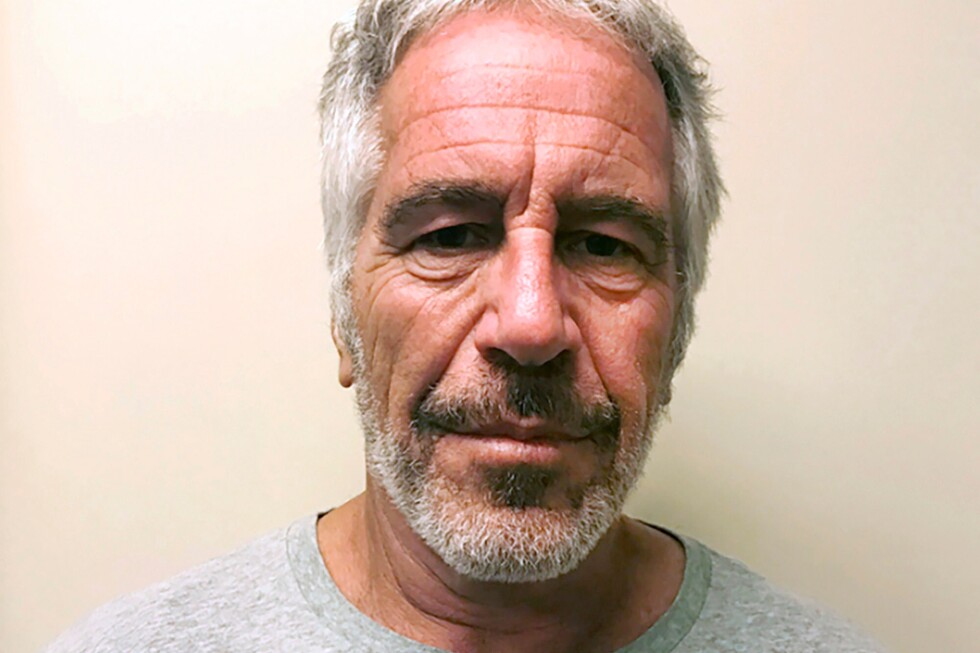
    In an unprecedented development for the British monarchy, Andrew Mountbatten-Windsor, formerly known as Prince Andrew, was taken into custody by Thames Valley Police on Thursday morning. The arrest occurred at King Charles III’s Sandringham estate, where the disgraced royal currently resides, on suspicion of misconduct in public office related to his association with the late convicted sex offender Jeffrey Epstein.

    The investigation centers on allegations that Mountbatten-Windsor, during his tenure as Britain’s special envoy for international trade, shared confidential government information with Epstein. Evidence emerging from millions of pages of documents recently released by the U.S. Justice Department appears to show the Duke of York forwarding sensitive trade reports to Epstein in 2010, including details about official visits to Hong Kong, Vietnam, and Singapore, as well as confidential briefs on investment opportunities in Afghanistan’s Helmand Province.

    This constitutional crisis represents one of the most severe challenges to the House of Windsor in over a century, comparable in magnitude only to King Edward VIII’s abdication in 1936 and the death of Princess Diana in 1997. The offense of misconduct in public office carries a maximum sentence of life imprisonment, though legal experts note the difficulty in securing convictions for this particular charge.

    King Charles III has formally distanced the monarchy from his brother, stating in an official communiqué that ‘the law must take its course’ while emphasizing his family’s continued commitment to public service. The monarch declined further commentary on the ongoing investigation.

    Police authorities are conducting simultaneous searches at properties in Berkshire and Norfolk, including Windsor Castle where Mountbatten-Windsor resided until recently. Under UK law, suspects can be held for up to 24 hours without charge, extendable to 96 hours, during which time formal questioning occurs and legal representation is provided.

    The Crown Prosecution Service must now apply the two-stage ‘Code for Crown Prosecutors’ test—evaluating both the realistic prospect of conviction and whether prosecution serves the public interest—before determining whether to bring formal charges.

  • Gaffe-ridden Olympic commentary prompts Italy’s Rai sport chief to resign

    Gaffe-ridden Olympic commentary prompts Italy’s Rai sport chief to resign

    The glittering opening ceremony of the Milan-Cortina Winter Olympics turned into a professional catastrophe for Paolo Petrecca, head of Rai Sport, whose commentary blunders prompted his resignation following widespread condemnation. Broadcasting to a record 9.2 million viewers on Italy’s state television network, Petrecca’s error-strewn performance triggered a journalists’ strike and became a national talking point.

    Petrecca had been a last-minute replacement for the scheduled commentator who was removed after prematurely revealing a ceremonial surprise element. His tenure quickly unraveled with a series of high-profile mistakes that spread rapidly across social media platforms.

    The commentary mishaps began immediately when Petrecca incorrectly welcomed viewers to Rome’s Stadio Olimpico instead of Milan’s iconic San Siro stadium, the actual venue. He then mistakenly identified Italian actress Matilda De Angelis as international superstar Mariah Carey—a gaffe that went viral and prompted De Angelis to humorously suggest sharing rights to Carey’s famous Christmas song.

    The errors continued as Petrecca misidentified the daughter of President Sergio Mattarella, confusing her with International Olympic Committee President Kirsty Coventry. He further demonstrated poor preparation by failing to recognize Italian men’s volleyball captain Simone Giannelli during the torch ceremony, instead naming a member of the women’s team.

    The commentary descended into uncomfortable stereotyping as Petrecca remarked that Brazilians had “music in their blood,” referenced African “voodoo rites,” and described Spaniards as “always very hot” using the incorrect Spanish term “calienti” instead of “caliente.”

    Rai’s journalists’ union Usigrai condemned the broadcast as a “serious blow” to the public broadcaster’s reputation. The original commentator, Auro Bulbarelli, has been reinstated for the closing ceremony. Petrecca will be succeeded by Marco Lollobrigida, one of Rai’s most respected sports presenters.

    The incident has intensified criticism of government influence on Rai, with opponents dubbing the network “TeleMeloni” due to Petrecca’s perceived closeness to Prime Minister Giorgia Meloni’s Brothers of Italy party. Petrecca had previously presented Meloni’s book “I Am Giorgia” before her election victory, raising concerns about political appointments compromising broadcasting standards.

  • The former Prince Andrew went from helicopter pilot to trade envoy to royal pariah

    The former Prince Andrew went from helicopter pilot to trade envoy to royal pariah

    LONDON — In an unprecedented development for the British monarchy, Prince Andrew Mountbatten-Windsor was taken into police custody on Thursday, his 66th birthday, marking the first detention of a senior royal in modern history. The arrest stems from an ongoing investigation into allegations of misconduct during his tenure as Britain’s special trade representative from 2001-2011.

    The investigation gained momentum following the recent release of court documents connected to Jeffrey Epstein, the convicted sex offender who died in prison. These documents suggest Andrew may have shared official government documents with Epstein during his diplomatic service. While no formal charges have been filed, the inquiry represents the latest chapter in the prince’s long-standing association with the disgraced financier.

    Andrew’s royal trajectory initially followed traditional patterns. Born in 1960 as Queen Elizabeth II’s second son, he pursued a distinguished 22-year military career in the Royal Navy, including combat service as a helicopter pilot during the Falklands War. His appointment as international trade envoy appeared to signal a meaningful royal role.

    However, his relationship with Epstein, first exposed in 2011, triggered a steady decline in his royal standing. The situation deteriorated dramatically following his 2019 BBC Newsnight interview, where his explanations about the Epstein connection were widely criticized as insensitive and implausible. This led to his withdrawal from public duties that November.

    The crisis intensified in 2021 when Virginia Giuffre, one of Epstein’s victims, filed a lawsuit alleging sexual abuse while she was a minor. Although Andrew settled the case without admitting guilt and acknowledged Giuffre’s suffering as a trafficking victim, the damage was irreversible. Following Giuffre’s tragic death in April 2025 and emerging evidence of extended contact with Epstein, King Charles III stripped Andrew of his princely title, military affiliations, and royal privileges.

    Despite his arrest and diminished status, Andrew remains eighth in the line of succession to the British throne, presenting an ongoing constitutional and public relations challenge for the monarchy.