标签: Europe

欧洲

  • Spanish train drivers to begin nationwide strike after fatal crashes

    Spanish train drivers to begin nationwide strike after fatal crashes

    Spain’s railway system confronts unprecedented disruption as train drivers launch a nationwide three-day strike starting Monday, demanding immediate safety improvements following two catastrophic accidents that claimed 47 lives and injured dozens in January.

    The labor action, organized by Semaf train drivers’ union, represents a watershed moment for Spain’s previously celebrated rail infrastructure. Union officials cite ‘constant deterioration of the rail network’ and insufficient safety guarantees as primary motivations for the work stoppage. Their demands include expanded staffing, increased investment, and comprehensive maintenance upgrades.

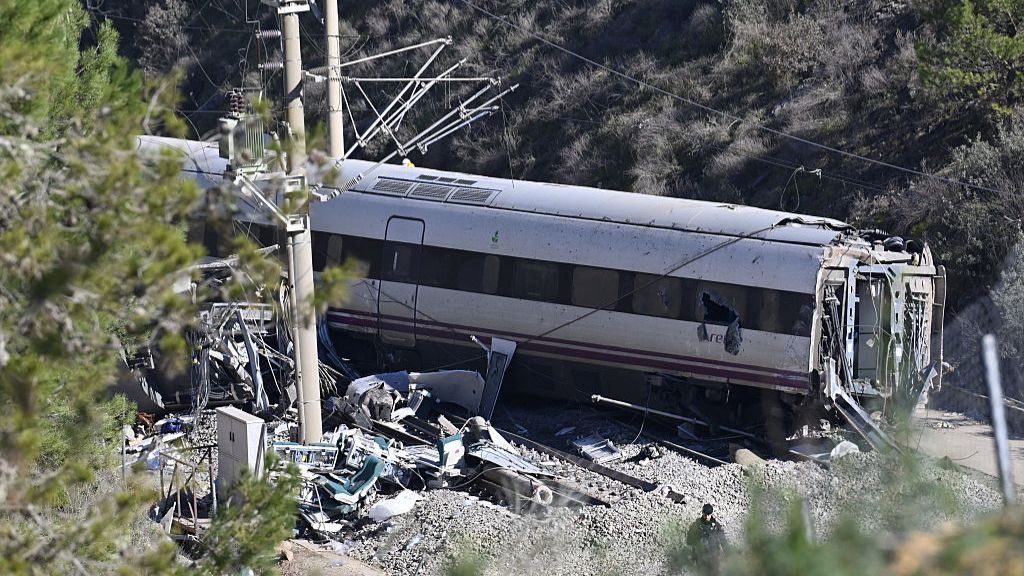
    This safety crisis emerged from twin tragedies that occurred within 48 hours. On January 18, a high-speed train derailment and subsequent collision in Adamuz resulted in 46 fatalities—Spain’s deadliest rail disaster in over a decade. Preliminary investigations by the rail accident commission (CIAF) identified track fractures preceding the derailment, with similar groove patterns found on multiple trains.

    Just two days later, a collapsed wall struck a passing train in Catalonia, killing a trainee driver and injuring 37 passengers. Rail authorities confirmed the infrastructure failure directly impacted the driver’s cabin before damaging the lead carriage where most casualties occurred.

    Post-accident safety inspections have revealed multiple faults and maintenance deficiencies across various routes, amplifying concerns about systemic infrastructure problems. The discoveries have triggered severe travel disruptions and intensified scrutiny of Spain’s rail investment priorities.

    Transport Minister Óscar Puente has defended the government’s record, citing €700 million invested in modernizing the Madrid-Andalusia line—which includes the accident site—while denying allegations of inadequate maintenance or obsolete infrastructure.

    Prime Minister Pedro Sánchez is scheduled to face parliamentary questioning regarding the rail system failures later this week, as the nation grapples with balancing transportation safety against infrastructure investment accountability.
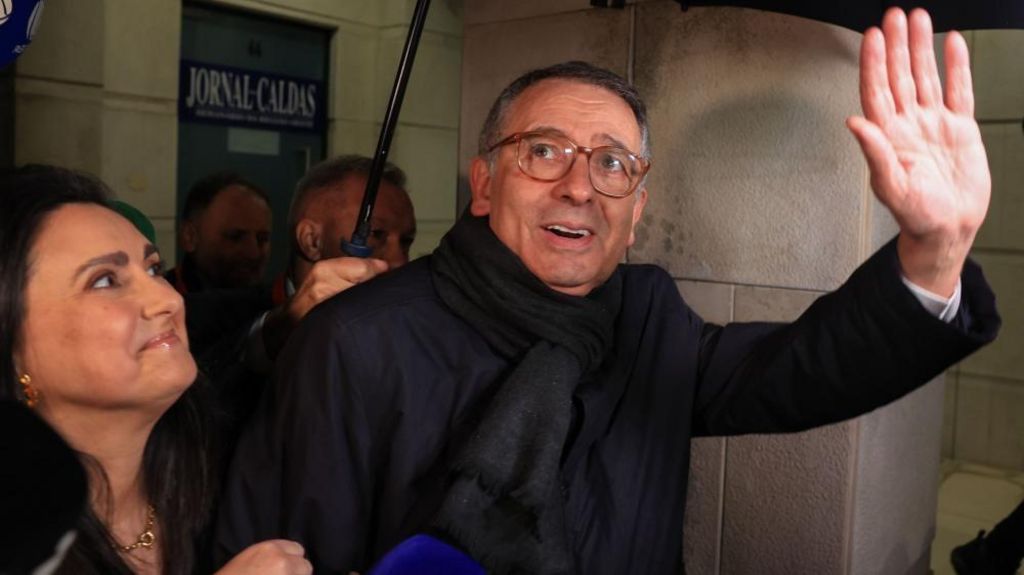

  • Centre-left candidate poised to comfortably win Portuguese presidency

    Centre-left candidate poised to comfortably win Portuguese presidency

    Portugal has delivered a decisive rejection of far-right politics with centre-left candidate António José Seguro securing a commanding victory in the presidential runoff election. With 95% of ballots counted, official results show Seguro capturing 66% of the vote, soundly defeating his far-right opponent André Ventura who garnered just 34%.

    The election occurred against the backdrop of severe weather emergencies as Storm Leonardo triggered mass evacuations across the Iberian Peninsula, forcing voting postponements in the most severely flooded regions.

    Seguro’s victory represents a remarkable show of cross-party unity against the rising far-right movement. The 63-year-old former Socialist Party leader received unprecedented support from across the political spectrum, including endorsements from conservative figures and thousands of self-declared ‘non-socialists’ who signed an open letter backing his candidacy. This broad coalition united behind Seguro specifically to prevent Ventura’s far-right platform from gaining power.

    Despite his defeat, Ventura’s second-place finish demonstrates the continued influence of his Chega (Enough) party, which has experienced rapid growth since its formation in 2019 and now represents the second-largest bloc in Portugal’s parliament.

    The presidential role in Portugal, while largely ceremonial, carries significant constitutional powers including the authority to dissolve parliament, call snap elections, and veto legislation. Seguro will succeed conservative President Marcelo Rebelo de Sousa, marking a shift in the nation’s political landscape.

    Prime Minister Luís Montenegro, leader of Portugal’s centre-right government, had previously denounced Ventura as ‘xenophobic, racist and demagogic’ but notably declined to endorse either candidate in the runoff election.

  • Aerial footage shows flooded cities as storms hit Spain

    Aerial footage shows flooded cities as storms hit Spain

    Eastern and southeastern regions of Spain are confronting a severe humanitarian and environmental crisis following the devastating impact of two powerful storm systems, Marta and Leonardo. Successive bouts of torrential rainfall have transformed urban landscapes into expansive waterways, with aerial reconnaissance revealing the staggering scale of inundation across multiple provinces.

    The meteorological turmoil initiated with Storm Marta, which saturated the ground and overwhelmed drainage infrastructure. Before communities could initiate recovery, Storm Leonardo delivered a second, more intense deluge, resulting in cumulative precipitation totals far exceeding seasonal averages. This one-two punch from the Atlantic systems caused rivers to burst their banks and flash floods to surge through city streets with immense force.

    Emergency services have undertaken large-scale operations, executing thousands of rescues to evacuate residents trapped in homes and vehicles. Preliminary estimates from regional governments indicate several thousand individuals have been displaced, seeking temporary shelter in designated relief centers. The material damage is extensive, encompassing submerged vehicles, ruined businesses, and critically damaged public infrastructure, including roads and bridges compromised by floodwaters.

    Beyond immediate human impact, the event signals broader climatic concerns. Spanish meteorological authorities are analyzing whether the intensity and sequential nature of these storms represent a new pattern linked to changing climate dynamics in the Mediterranean region. The disaster has triggered a coordinated response from national and regional agencies, focusing on both immediate relief efforts and assessing the long-term requirements for rebuilding and reinforcing flood defenses in vulnerable areas.

  • Italy enjoys a record-breaking day at the Winter Olympics by claiming medals in five events

    Italy enjoys a record-breaking day at the Winter Olympics by claiming medals in five events

    MILAN — Italy has catapulted itself into an unprecedented position at the Winter Olympics following an extraordinary medal-winning performance on home territory. The host nation achieved a remarkable milestone by securing five medals within a single day—the highest daily tally in Italy’s Winter Games history.

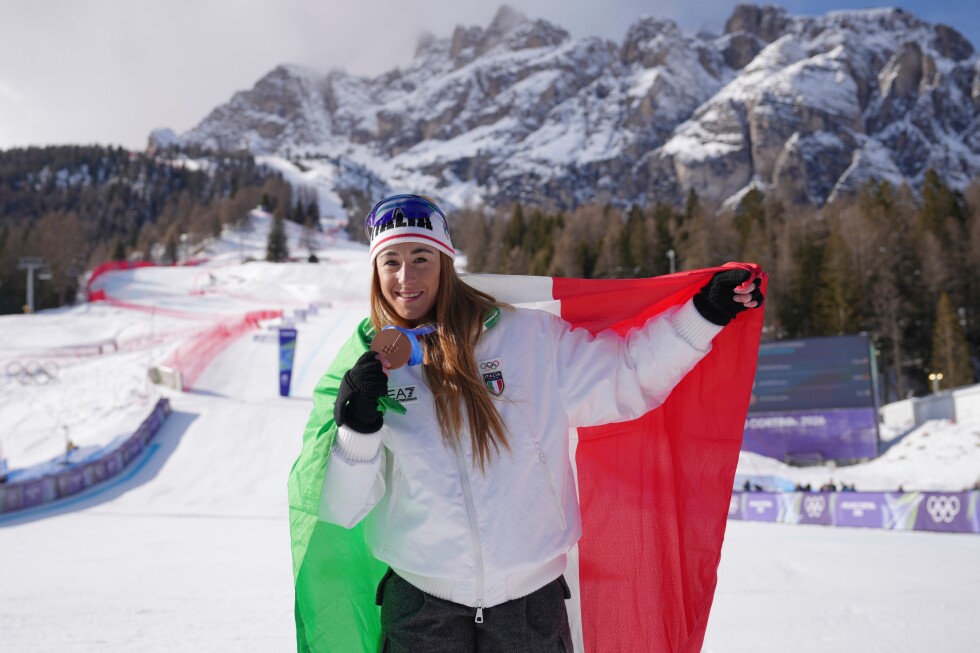
    The medal surge commenced with alpine skier Sofia Goggia capturing bronze in the women’s downhill event. Shortly thereafter, snowboarder Lucia Dalmasso mirrored this achievement with another third-place finish in the parallel giant slalom. The Italian team further elevated the nation’s standing by earning silver in the mixed relay biathlon, while speedskater Riccardo Lorello contributed bronze in the men’s 5,000 meters competition.

    Even before Dominik Fischnaller’s subsequent bronze medal in men’s singles luge, the official Milan Cortina Games Twitter account had already declared this Italy’s most successful day in Winter Olympics history. “Competing on home soil creates an unparalleled experience,” Lorello remarked. “The tremendous support from our fans played a crucial role. I’m delighted to have contributed to this historic achievement and take immense pride in all my Italian teammates’ accomplishments across various sports.”

    With eight medals accumulated within just two days of competition—including gold, silver, and bronze medals secured on Saturday—Italy approaches nearly half of its all-time best Winter Games tally of 20 medals achieved at Lillehammer in 1994. This performance significantly surpasses Italy’s 11-medal count from the 2006 Turin Games and positions the nation strongly toward exceeding its 17-medal result from Beijing four years earlier.

    The current achievement aligns with Italian Olympic Committee president Luciano Buonfiglio’s stated objective of securing a minimum of 19 medals, announced during October’s 100-day countdown ceremony for the Milan Cortina Games.

  • Canada out in Olympic mixed doubles curling as Italy, the US and Sweden advance to semifinals

    Canada out in Olympic mixed doubles curling as Italy, the US and Sweden advance to semifinals

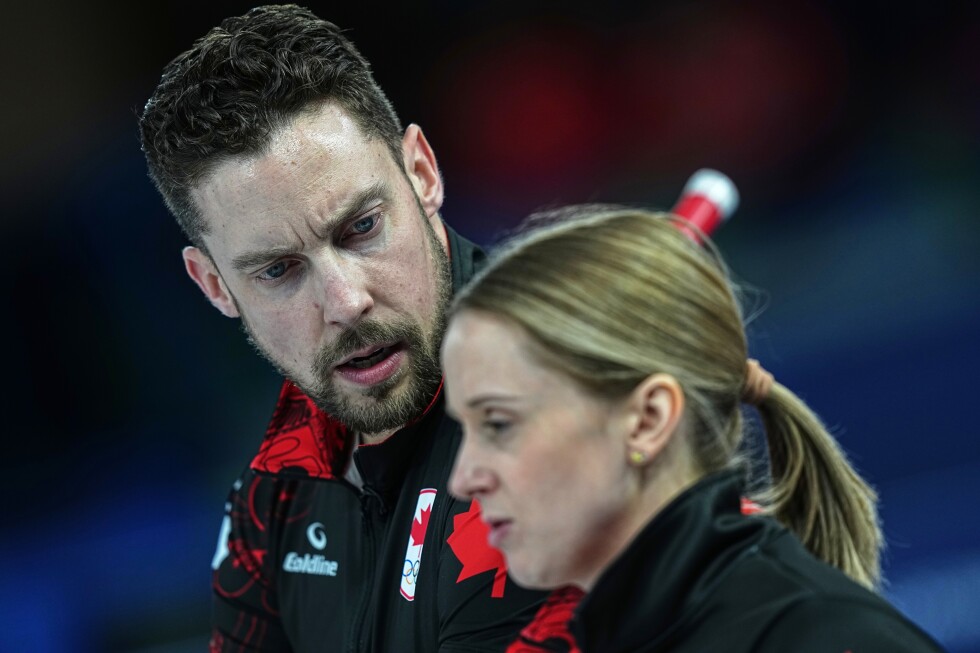
    CORTINA D’AMPEZZO, Italy — In a stunning reversal of fortune for a nation synonymous with curling excellence, Canada’s mixed doubles team suffered a devastating elimination from Olympic contention following a 9-5 defeat to South Korea on Sunday. The loss marked Canada’s fifth consecutive defeat in the tournament, dashing semifinal hopes for the highly-touted duo of Jocelyn Peterman and Brett Gallant.

    The married couple, who entered the competition as overwhelming favorites, found themselves unable to overcome a series of critical setbacks throughout the round-robin stage. Despite promising victories against Czechia, Norway, and Italy earlier in the competition, the Canadian pair subsequently fell to the United States, followed by consecutive defeats against top-ranked Britain and underdog Estonia.

    Gallant cited challenging ice conditions as a significant factor in their performance, noting the team struggled to adapt to unexpectedly faster surfaces compared to previous days. The emotional toll was visibly apparent as Peterman wiped away tears following their elimination match against Sweden, while Gallant displayed visible exasperation as the couple moved quickly through media areas with minimal engagement.

    “The disappointment is profound,” Gallant stated. “While representing Canada at the Olympics remains an honor, we arrived with much higher aspirations.”

    The unexpected early exit represents a continuing trend of diminished Canadian dominance in Olympic curling, placing additional pressure on upcoming men’s and women’s teams set to begin competition February 11-12. Meanwhile, Italy, the United States, Sweden, and previously qualified Britain will advance to Monday’s semifinal matches.

    Peterman confirmed she would remain in Italy with their young son and family members to support Gallant during the upcoming men’s competition, noting the comfort of family support during this challenging period. When asked what would provide solace following their elimination, Gallant simply responded: “A hug from our son.”

  • France murder trial complicated by twin brothers with same DNA

    France murder trial complicated by twin brothers with same DNA

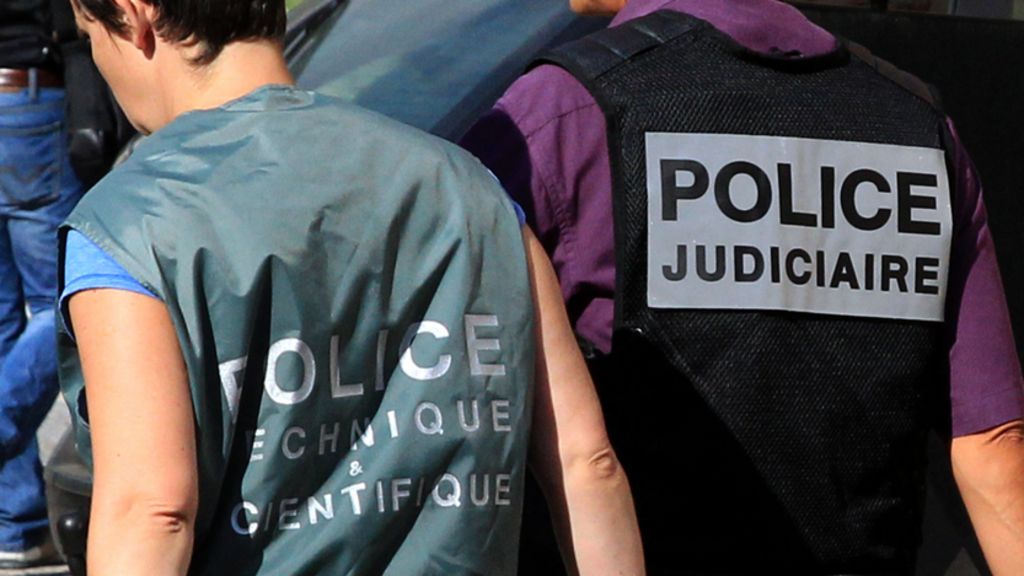
    A remarkable murder trial near Paris has encountered an unprecedented forensic challenge as identical twin defendants share indistinguishable DNA profiles, creating a legal impasse in determining which brother fired the lethal weapon. The 33-year-old brothers stand among five defendants facing charges for a 2020 double homicide and subsequent attempted killings that shocked the French capital.

    According to extensive reporting by Le Parisien, forensic experts confirmed that DNA recovered from an assault rifle used in one of the shooting incidents definitively belongs to one twin—but science cannot determine which brother handled the weapon. The genetic identicality of monozygotic twins, who develop from a single fertilized egg, has created an evidentiary deadlock unprecedented in French judicial history.

    Court proceedings in Bobigny have revealed extraordinary measures taken by the brothers to exploit their physical similarity. Investigators testified that the twins systematically exchanged clothing, mobile phones, and identification documents, potentially manipulating their resemblance to obscure individual culpability. ‘Only their mother can tell them apart,’ one investigator stated during tense courtroom exchanges that resulted in both twins being expelled from proceedings on Tuesday for refusing to stand.

    With genetic analysis rendered useless, prosecutors have built their case using extensive circumstantial evidence including telecommunications records, surveillance footage, wiretap intercepts, and meticulous timeline reconstruction. Both brothers remain suspected of conspiring to plot the initial double murder, but the critical question of which twin physically committed the shooting remains scientifically unanswerable.

    The judicial dilemma highlights the limitations of forensic science when confronted with identical DNA profiles. As the trial continues toward its anticipated conclusion in late February, the court must navigate this genetic paradox to deliver justice while acknowledging the fundamental impossibility of determining which twin fired the fatal shots based on biological evidence alone.

  • Olympic court rejects Italian curler’s claim of nepotism for losing place to official’s daughter

    Olympic court rejects Italian curler’s claim of nepotism for losing place to official’s daughter

    The Court of Arbitration for Sport (CAS) has dismissed an appeal from Italian curler Angela Romei, who alleged nepotism influenced her exclusion from the national team for the upcoming Milan-Cortina Winter Olympics. The ruling was issued Sunday following an expedited hearing.

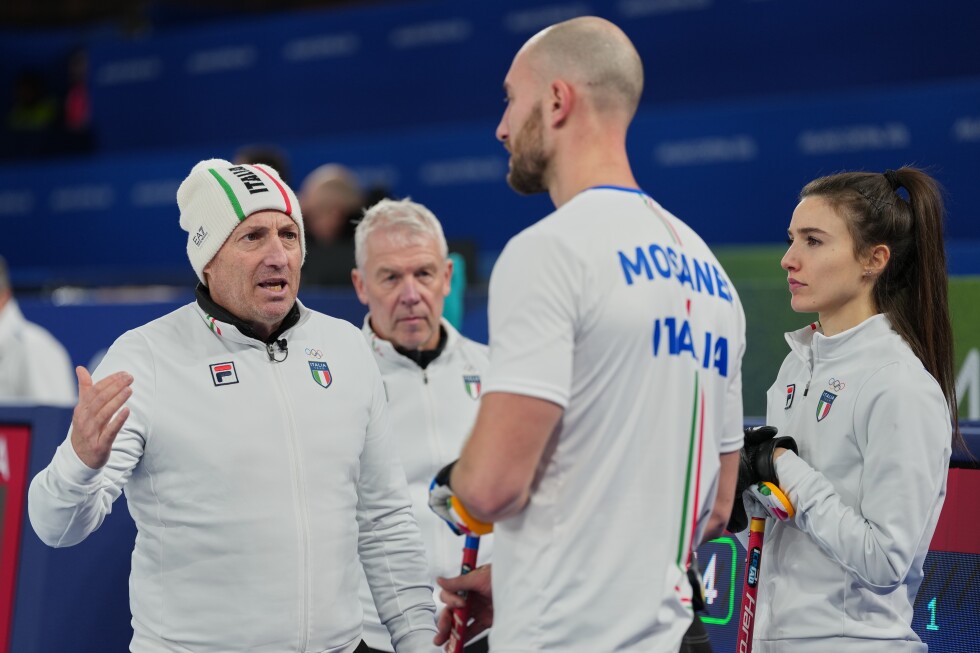
    Romei contended that the Italian Curling Federation’s selection process was compromised by a conflict of interest when it named 19-year-old Rebecca Mariani to the team. Mariani is the daughter of Marco Mariani, the federation’s technical director and a former Olympian who competed when Italy last hosted the Winter Games in Turin in 2006.

    In her appeal, Romei, a European Championship silver and bronze medalist, presented herself as the more experienced and qualified athlete. The CAS judge acknowledged the concerns raised but ultimately found insufficient evidence to conclude that Mariani’s selection was unreasonable or that the head coach would intentionally choose an inferior athlete to benefit a federation official’s family.

    The court’s statement noted the judge was ‘not unsympathetic’ to Romei’s position but emphasized that the selection decision fell within the federation’s discretion. Rebecca Mariani is slated to serve as the reserve for the Italian women’s team, which will be skipped by Stefania Constantini, the reigning Olympic gold medalist in mixed doubles from the 2022 Beijing Games. The women’s curling competition is scheduled to begin Thursday in Cortina d’Ampezzo.

  • Meloni condemns anti-Olympics actions in Milan, calling demonstrators ‘enemies of Italy’

    Meloni condemns anti-Olympics actions in Milan, calling demonstrators ‘enemies of Italy’

    Italian Premier Giorgia Meloni has issued a forceful condemnation against perpetrators of coordinated railway sabotage and violent protests targeting the Winter Olympics in Milan, branding them as “enemies of Italy and Italians.” The statement came early Sunday following significant disruptions to Italy’s rail infrastructure during the Games’ opening day.

    The transport ministry has initiated a terrorism investigation into synchronized attacks on northern Italian railway lines that caused hours-long delays affecting thousands of passengers. According to ANSA news agency, the sabotage began around 6 a.m. Saturday at Bologna’s central rail hub—critical for north-south traffic—before striking coastal lines in the Pesaro area. Infrastructure was reportedly burned or cut in both incidents, though no group has claimed responsibility.

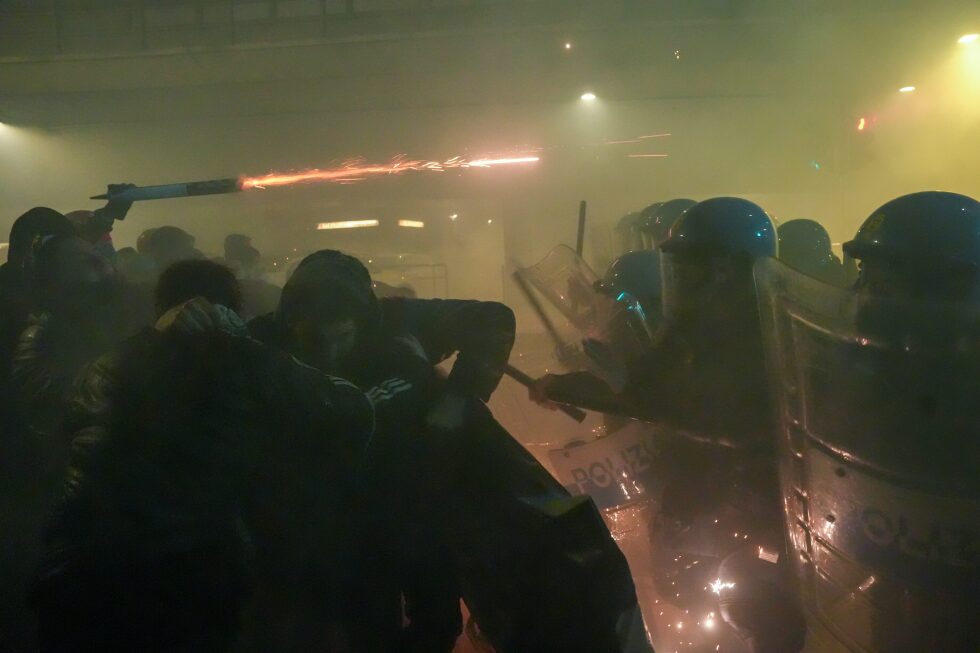
    Simultaneously, Milan witnessed violent clashes as police deployed tear gas and water cannons against dozens of protesters attempting to access a highway near Olympic venues. The confrontation concluded a larger peaceful demonstration involving approximately 10,000 participants opposing the Games’ environmental impact and the presence of U.S. Homeland Security agents.

    The protests featured symbolic displays including cardboard cutouts representing trees felled for Olympic construction and performances against U.S. Immigration and Customs Enforcement (ICE). A smaller masked faction set off smoke bombs and firecrackers near the Athletes’ Village before being contained by authorities.

    Meloni’s government recently implemented a security decree permitting 12-hour detentions for suspected protest agitators—a measure criticized by opposition lawmakers as restricting freedom of expression. The Premier emphasized solidarity with law enforcement and Olympic volunteers while vowing to seek millions in compensation from perpetrators.

    International Olympic Committee spokesperson Mark Adams distinguished between legitimate protest and violence, stating: “Peaceful protest is legitimate, but we draw a line at violence. That has no place at the Olympic Games.”

    The demonstrations coincided with U.S. Vice President JD Vance’s visit as head of the American delegation, though officials clarified that ICE personnel in Italy are from investigative units operating within diplomatic confines rather than immigration enforcement roles.

  • Three suspects in Russian general shooting named, including alleged gunman

    Three suspects in Russian general shooting named, including alleged gunman

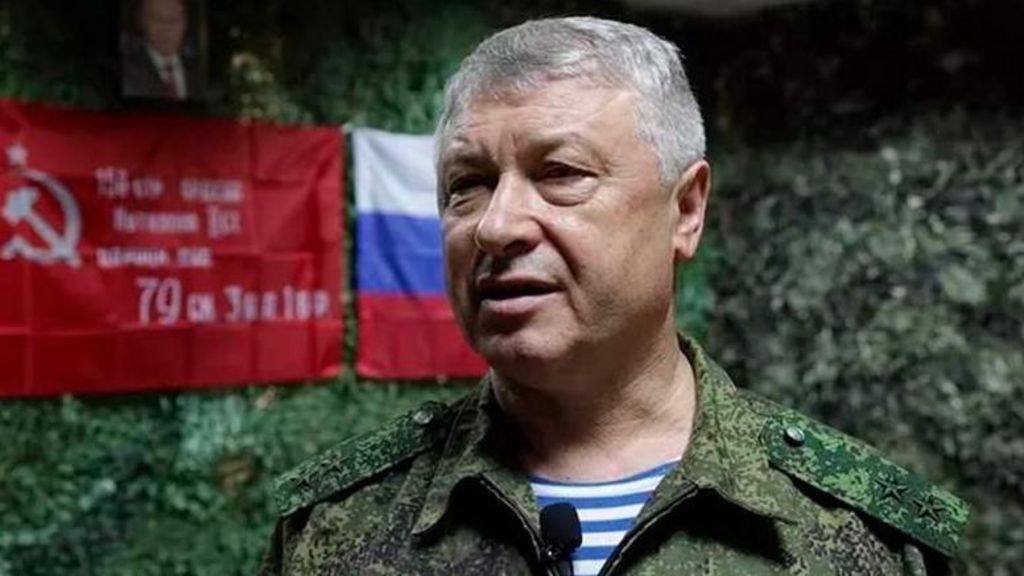
    Russian authorities have formally identified three individuals allegedly involved in the shooting of Lieutenant General Vladimir Alexeyev, the deputy head of Russia’s GRU military intelligence. The Investigative Committee (SK) has named Russian citizen Lyubomir Korba as the primary suspect who allegedly carried out the attack under directives from Ukrainian intelligence services.

    The incident occurred Friday in a residential complex in Moscow’s northwestern outskirts, where the 64-year-old general was shot three times before the assailant fled. After undergoing emergency surgery, Alexeyev has reportedly regained consciousness according to Russian media sources.

    Investigative Committee spokeswoman Svetlana Petrenko detailed that Korba traveled to the United Arab Emirates hours after the shooting but was subsequently arrested and extradited back to Russia. State television channel Ru-24 broadcast footage showing security personnel escorting Korba from an aircraft at an undisclosed location.

    Forensic examination revealed the weapon used was a Makarov pistol equipped with a silencer and three rounds of ammunition. Petrenko further indicated that at least two accomplices were involved—Viktor Vasin, who has been arrested in Moscow, and Zinaida Serebritskaya, believed to have fled to Ukraine.

    The attack represents the latest targeting of high-ranking Russian military officials since the commencement of full-scale hostilities in Ukraine in February 2022. Ukrainian Foreign Minister Andriy Sybiha has categorically denied Kyiv’s involvement, characterizing the incident as an internal Russian matter. Conversely, Russian Foreign Minister Sergei Lavrov has accused Ukraine of attempting to disrupt ongoing peace negotiations.

    The context is particularly sensitive given that Alexeyev’s superior, GRU head Admiral Igor Kostyukov, has been leading Russian delegations in trilateral talks with Ukraine and the United States in Abu Dhabi. This incident follows previous attacks on Russian military leadership, including the January 2024 killing of General Igor Kirillov and the December 2025 assassination of Lieutenant General Fanil Sarvarov, both of which Ukraine’s SBU intelligence service allegedly claimed responsibility for.

  • Russian airstrike on Ukrainian city kills 1 as US pushes June deadline for peace deal

    Russian airstrike on Ukrainian city kills 1 as US pushes June deadline for peace deal

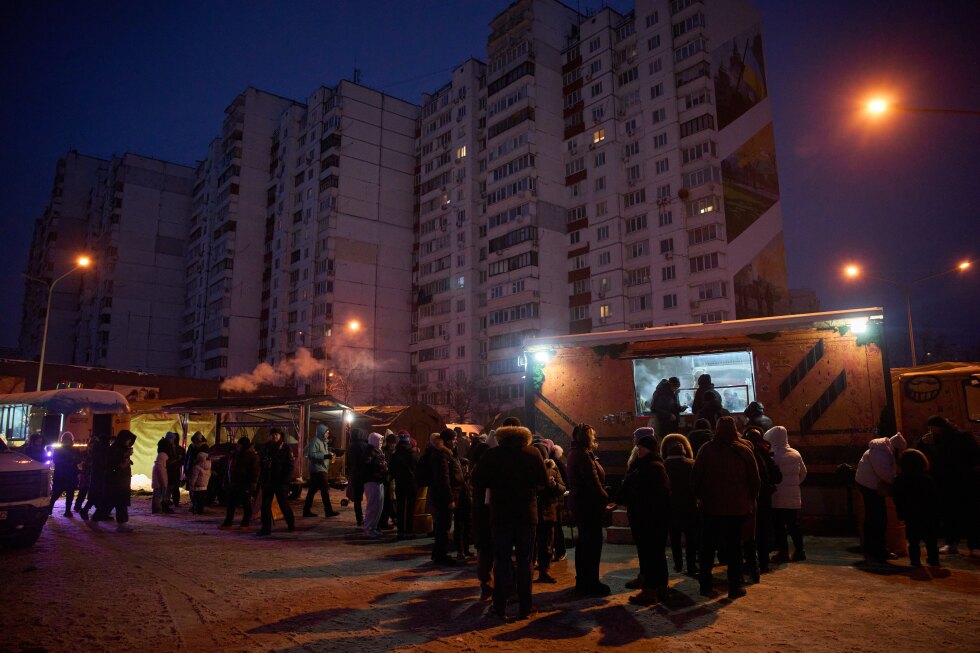
    KYIV, Ukraine — In a significant escalation of hostilities, Russian forces launched airstrikes on civilian infrastructure in eastern Ukraine this Sunday, resulting in one fatality and multiple injuries. The assault targeted a residential sector in Kramatorsk, Donetsk region, igniting a substantial fire within a nine-story apartment complex that required emergency response teams to contain.

    Concurrently, energy facilities in Ukraine’s Poltava region came under attack overnight, as confirmed by Serhii Koretskyi, head of Ukraine’s state-owned energy conglomerate Naftogaz. This continued targeting of critical power infrastructure represents Moscow’s strategic effort to demoralize Ukrainian resistance through what Kyiv officials term ‘weaponizing winter’ tactics—a pattern sustained throughout the nearly four-year conflict.

    The military offensive coincides with revealing statements from Ukrainian President Volodymyr Zelenskyy regarding diplomatic developments. Speaking to journalists on Friday, Zelenskyy disclosed that American officials have established a June deadline for Ukraine and Russia to negotiate a peace agreement. According to the Ukrainian leader, failure to achieve a settlement by summer would likely trigger increased pressure from the Trump administration on both conflicting parties.

    Zelenskyy elaborated: ‘The Americans are proposing the parties end the war by the beginning of this summer and will probably put pressure on the parties precisely according to this schedule. They indicate intentions to accomplish everything by June and will undertake all necessary measures to terminate hostilities, demanding a clear timeline of events.’

    The proposed deadline follows inconclusive trilateral negotiations mediated by the United States in Abu Dhabi, where opposing positions remained irreconcilable. Moscow continues to insist on Ukraine’s withdrawal from the Donbas region—a condition categorically rejected by Kyiv. Further diplomatic engagement is anticipated, with the United States suggesting subsequent talks be held on American soil, potentially in Miami, next week. Zelenskyy confirmed Ukraine’s participation in these forthcoming discussions.