标签: Europe

欧洲

  • EU drafts a list of concessions it says Russia must make to secure real peace in Ukraine

    EU drafts a list of concessions it says Russia must make to secure real peace in Ukraine

    BRUSSELS — The European Union is formulating a comprehensive set of demands it believes Russia must fulfill to achieve sustainable peace in Ukraine, according to statements made Tuesday by the bloc’s top diplomat. This initiative emerges as U.S.-mediated negotiations show minimal progress after four years of conflict.

    The development follows a particularly brutal Russian attack utilizing cluster munitions on a Ukrainian market, which resulted in seven fatalities. This assault occurred concurrently with last week’s diplomatic meetings between Moscow and Kyiv in Abu Dhabi, which yielded no breakthrough despite resulting in a new prisoner exchange agreement.

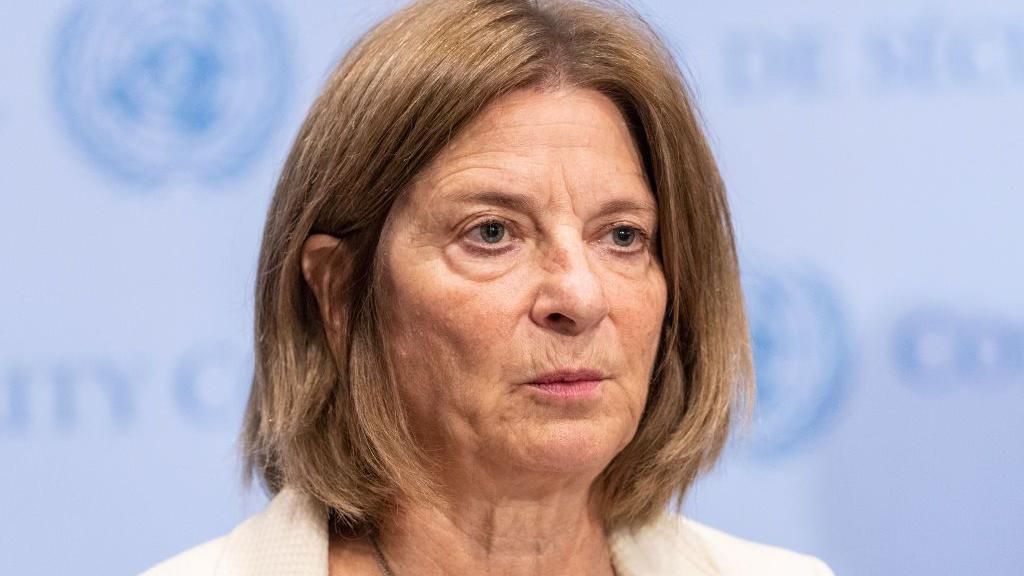
    EU Foreign Policy Chief Kaja Kallas revealed that the 27-nation bloc has grown increasingly skeptical about Russia’s genuine commitment to negotiations. The EU also questions whether European and Ukrainian interests are adequately represented in Trump administration-led peace efforts. President Donald Trump, who previously claimed he could end the war within a day or 100 days, has now imposed a June deadline for Ukraine and Russia to reach an agreement.

    “We have just witnessed intensified Russian bombing campaigns throughout these diplomatic engagements,” Kallas stated, highlighting targeted attacks on Ukraine’s critical electricity infrastructure during the conflict’s coldest winter period.

    While expressing gratitude for American diplomatic efforts thus far, Kallas emphasized that “sustainable peace requires European consensus among all parties involved, including Russians and Americans.”

    The proposed EU conditions reportedly include demands for Russia to repatriate thousands of children allegedly abducted from Ukraine and implement limitations on the size of Russia’s armed forces post-conflict. Kallas argued that constraints should focus on Russian military capabilities rather than Ukraine’s defenses, noting that excessive Russian military expenditure creates inherent security risks.

    A draft document outlining these conditions is expected to circulate among EU member states in coming days, with potential discussion during the February 23 foreign ministers’ meeting.

    Kallas acknowledged Ukraine’s current dependency on U.S. support but cautioned against pressuring the weaker party into concessions that might produce temporary peace declarations rather than sustainable security guarantees. The EU aims not to establish parallel negotiation channels but to “change the narrative” and create circumstances where Russia genuinely desires conflict resolution.

    Citing intelligence assessments, Kallas noted President Vladimir Putin’s recruitment challenges and pointed to EU sanctions significantly impacting Russia’s economy amid soaring inflation. Additional measures under consideration include prohibiting repair services for vessels transporting Russian oil, with plans to discuss broader G7 adoption during the upcoming Munich Security Conference.
  • UK leader Starmer averts a leadership challenge for now but remains damaged by Epstein fallout

    UK leader Starmer averts a leadership challenge for now but remains damaged by Epstein fallout

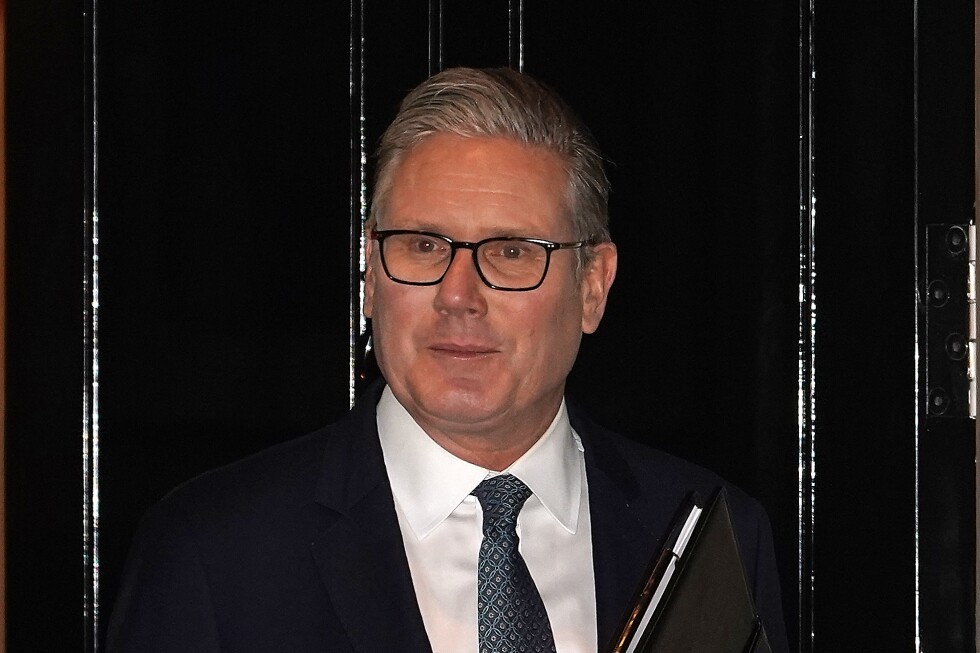
    British Prime Minister Keir Starmer has narrowly weathered a severe political storm following revelations connected to the Jeffrey Epstein files that threatened to terminate his premiership. The crisis emerged from Starmer’s controversial appointment of Peter Mandelson, a veteran Labour politician with documented ties to the convicted sex offender, as UK ambassador to Washington.

    Mandelson’s association with Epstein intensified when recently unsealed court documents revealed he maintained contact with the financier after Epstein’s 2008 conviction for sex offenses involving a minor. Although Starmer promptly dismissed Mandelson upon discovering the extent of these connections, the damage had been catalyzed. Compounding matters, Mandelson now faces a police investigation regarding potential misconduct in public office over allegations he shared sensitive government information with Epstein.

    The scandal triggered immediate repercussions within Starmer’s administration, culminating in the resignation of his powerful chief of staff, Morgan McSweeney, and communications director Tim Allan. The situation escalated when Scottish Labour leader Anas Sarwar publicly demanded Starmer’s resignation, creating a critical juncture for the governing party.

    However, Starmer mounted a vigorous defense during a pivotal meeting with Labour lawmakers on Monday evening. His display of resolve reportedly shifted the initially skeptical atmosphere to one of tentative support. Key potential challengers, including former Deputy Prime Minister Angela Rayner and Health Secretary Wes Streeting, subsequently issued coordinated messages backing Starmer’s leadership.

    Energy Secretary Ed Miliband characterized the moment as one where party members ‘looked over the precipice and didn’t like what they saw,’ ultimately choosing unity behind their leader—for now. Despite this temporary reprieve, underlying challenges persist, including dismal opinion polls, economic struggles, and policy reversals on welfare cuts and digital ID cards.

    Political analysts suggest Starmer has merely purchased time rather than secured a permanent solution. Professor Tim Bale of Queen Mary University London noted that potential challengers are ‘keeping their powder dry’ pending expected poor electoral performances in upcoming special and local elections. The Prime Minister’s long-term survival remains uncertain as his party balances internal discontent against the risks of midterm leadership change.

  • Fontana extends medal record as Italy wins Olympic short track mixed team relay

    Fontana extends medal record as Italy wins Olympic short track mixed team relay

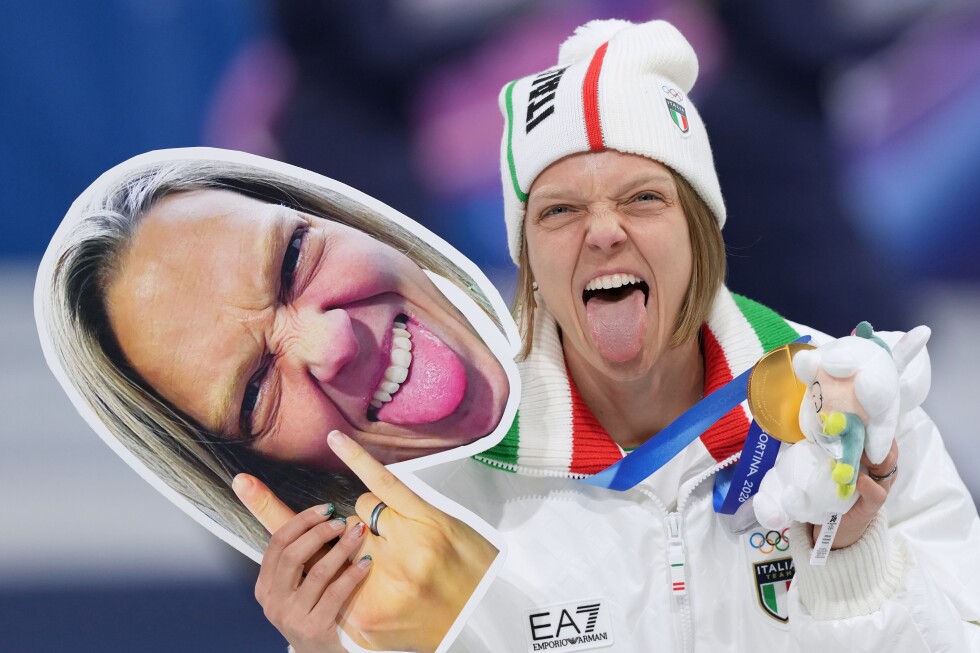
    MILAN — Italian short track legend Arianna Fontana has further cemented her status as the sport’s most decorated Olympian by securing her third gold medal at the Milan Cortina Winter Games. The 33-year-old champion led Italy to a commanding victory in the mixed team relay final, delivering a spectacular performance before an ecstatic home crowd.

    Fontana’s latest triumph marks her 12th Olympic medal across six consecutive Winter Games, extending her unprecedented record in short track speedskating. The Italian team demonstrated exceptional coordination and strategy throughout the relay, ultimately finishing ahead of Canada and Belgium who claimed silver and bronze respectively.

    The victory celebration captured the emotional magnitude of the moment, with teammate Pietro Sighel creating an iconic image by spinning backward across the finish line before cupping his hand to his ear to absorb the crowd’s roaring approval. Fontana herself celebrated by holding up her gold medal alongside a cardboard cutout of her own face, playfully mimicking the expression.

    ‘This is our home. We’re here to protect it,’ Fontana stated, referencing the team’s motto for the competition. ‘We tried to show the home crowd that we’re here on a mission, and that’s exactly what we delivered.’

    Fontana’s remarkable Olympic journey began at just 15 years old when she won relay bronze during Italy’s last hosting of the Games in 2006. Reflecting on her longevity in the sport, she remarked that her teenage self ‘wouldn’t believe that I’m still here’ but would ultimately ‘be proud’ of her continued achievements.

    Meanwhile, the competition witnessed challenging conditions as several skaters reported concerns about soft ice at the Milano Ice Skating Arena. Dutch competitor Jens van ‘t Wout described the surface as ‘really tricky,’ noting unusual falls and athletes ‘slipping around’ throughout the events.

    The United States team experienced particular difficulties, with Corinne Stoddard suffering falls in both the mixed relay and women’s 500 meters events. Despite these setbacks, Stoddard remains optimistic about her recovery from a swollen ankle injury.

    Fontana now looks ahead to further medal opportunities in the women’s 500 meters, an event she has won in both the 2018 and 2022 Winter Olympics, having successfully qualified through earlier heats.

  • Macron urges Europe to start acting like world power

    Macron urges Europe to start acting like world power

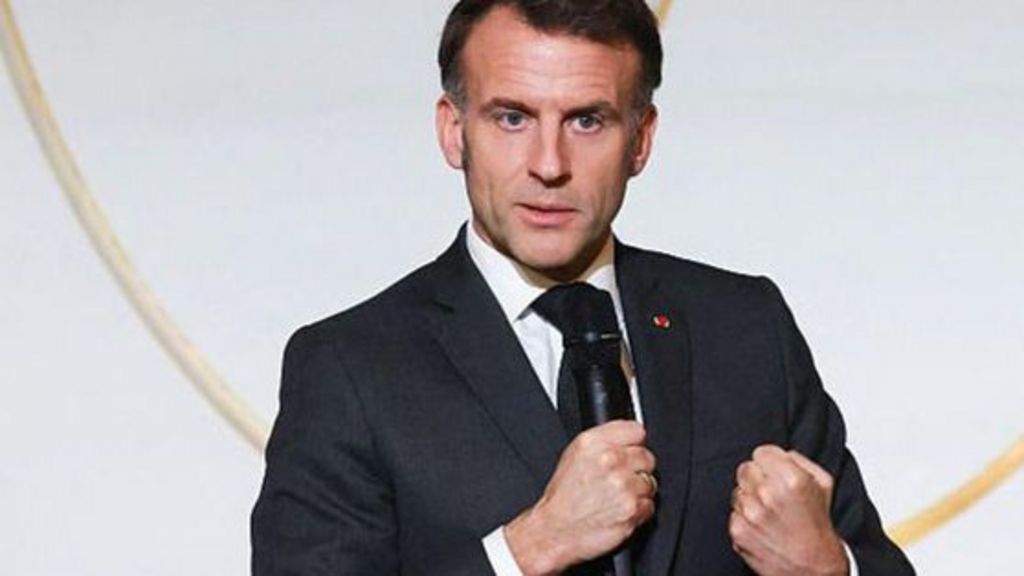
    French President Emmanuel Macron has issued a compelling call for Europe to transform into a formidable global power, emphasizing that the continent stands at a critical historical juncture. In a comprehensive interview with leading European publications ahead of an imminent EU summit in Brussels, Macron articulated that Europe confronts what he termed a definitive ‘wake-up call’ in an increasingly volatile international landscape.

    Macron delineated three fundamental domains where Europe must demonstrate enhanced sovereignty: economic and financial systems, defense and security infrastructure, and the preservation of democratic institutions. He championed the creation of mutualized EU debt instruments, proposing ‘eurobonds for the future’ as essential mechanisms to mobilize the estimated €1.2 trillion required annually for strategic investments in defense, clean energy transformation, and artificial intelligence capabilities.

    This proposition revisits previous initiatives that encountered resistance from Germany and other northern European nations, who have historically expressed reservations about collective debt arrangements that might disproportionately benefit less fiscally disciplined member states. Macron acknowledged France’s distinctive economic model, contrasting it with the ‘responsibility-based’ frameworks of northern economies and the transformative structural reforms implemented by southern European nations during the 2010s.

    The French leader presented a strategic analysis of global financial dynamics, noting growing international apprehension about over-reliance on the U.S. dollar and identifying substantial market demand for European debt alternatives. He positioned Europe’s democratic legal frameworks as a competitive advantage in attracting global investment, drawing a sharp contrast with China’s authoritarian governance and what he characterized as America’s gradual departure from rule-of-law principles.

    Macron framed Europe’s current challenges within a broader context of systemic global disorder, citing accelerated climate change, uncertain American security guarantees following decades of reliance, the cessation of affordable Russian energy supplies, and increasingly fierce competition from China. He emphasized that despite these pressures, Europe possesses unprecedented potential through its collective population of 450 million citizens.

    Addressing recent diplomatic tensions surrounding U.S. President Donald Trump’s apparent threats toward Greenland, Macron cautioned against European complacency, warning that temporary de-escalation should not be misinterpreted as resolution. He urged sustained vigilance against what he described as cyclical patterns of international ‘threats and intimidation’ followed by tactical withdrawals.

  • Russia thinks it can outsmart the US during Ukraine peace talks, a European intelligence chief says

    Russia thinks it can outsmart the US during Ukraine peace talks, a European intelligence chief says

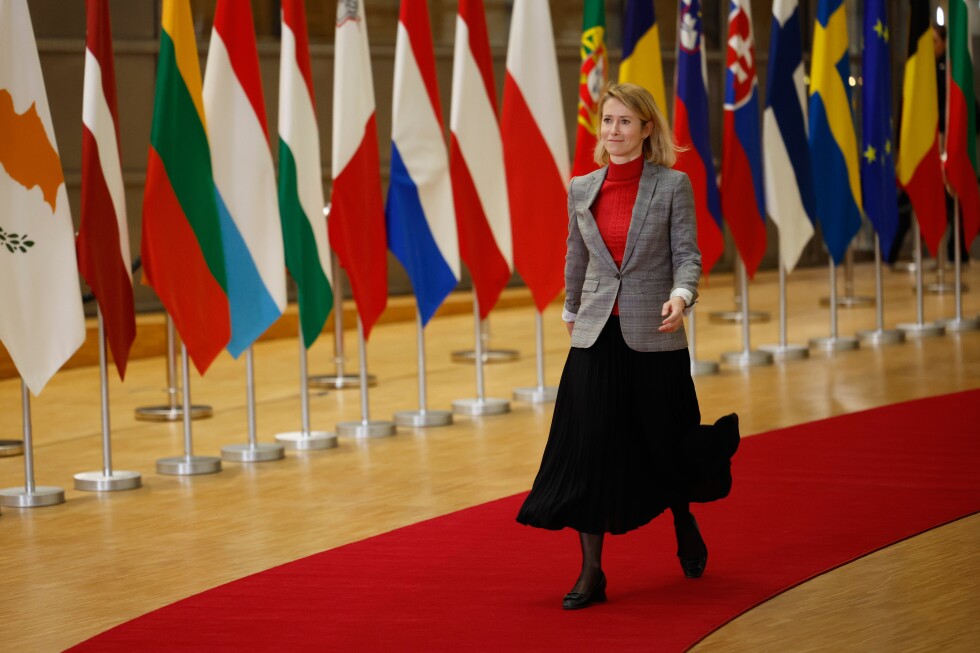
    LONDON — Estonia’s foreign intelligence chief has revealed that Russian officials show no genuine intention to terminate the nearly four-year conflict in Ukraine, instead engaging in tactical maneuvers to outmaneuver American diplomats during peace negotiations. Kaupo Rosin, director of Estonia’s Foreign Intelligence Service, disclosed these findings during a digital press briefing preceding the release of Estonia’s annual security assessment.

    According to intelligence gathered from internal Russian communications, Moscow is deliberately protracting discussions with Washington while avoiding substantive cooperation. Despite public declarations supporting diplomatic resolutions, Russian authorities demonstrate minimal flexibility and maintain uncompromising positions regarding their core demands.

    While the Estonian security report indicates Russia is unlikely to initiate hostilities against NATO territories within the current or following calendar year, it emphasizes Moscow’s continued dangerous military expansion efforts. Russian President Vladimir Putin reportedly maintains unwavering confidence in achieving military victory in Ukraine, contrary to assessments from Western intelligence agencies.

    The White House responded by highlighting significant advancements in negotiation efforts, particularly referencing a trilateral agreement facilitated in Abu Dhabi that secured the release of over 300 detainees. However, anonymous administration officials acknowledged the challenging nature of sustained diplomatic progress.

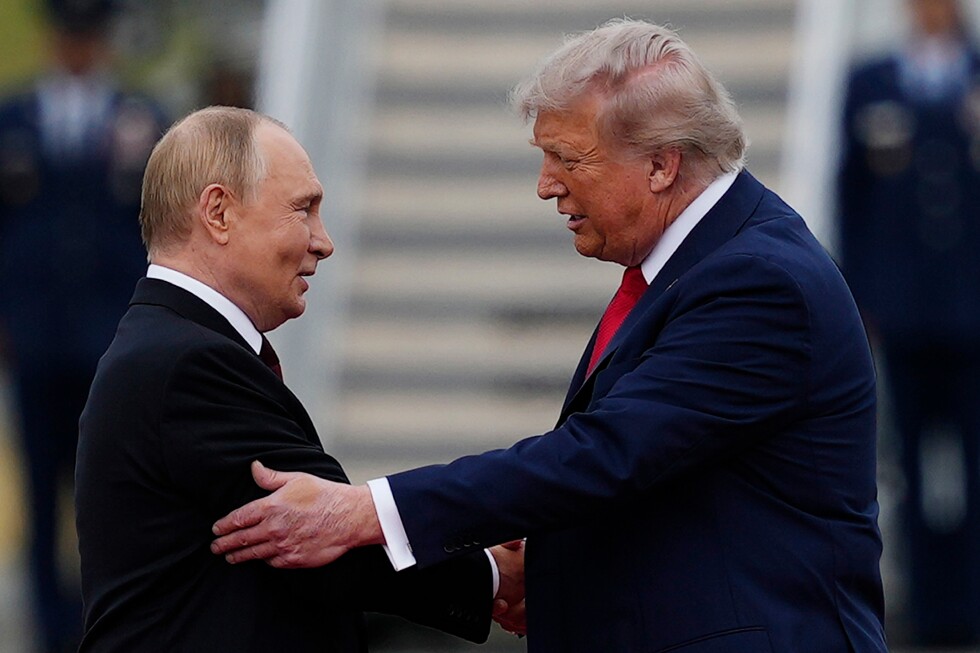
    Notably, the United States has established a June deadline for conflict resolution, though previous timelines have expired without tangible outcomes. Fiona Hill, former Russia advisor to the Trump administration, suggests both American and Russian leaders remain invested in their respective narratives—Putin as victorious conqueror and Trump as master negotiator.

    Intelligence analysts express puzzlement regarding Washington’s apparent belief in Putin’s peaceful intentions, noting the Russian leader’s fundamental objective of controlling Ukrainian territory outweighs economic considerations. Rosin suggests only catastrophic developments affecting Putin’s power stability or battlefield conditions could alter Moscow’s strategic calculus.

    Concerns emerge regarding potential misinformation within both governments, with subordinates possibly providing overly optimistic reports to satisfy leadership preferences. This intelligence disparity may contribute to flawed assessments of actual ground conditions and strategic possibilities in the ongoing conflict.

  • An emotional countdown to the maiden launch of the Ariane 64, Europe’s most powerful rocket

    An emotional countdown to the maiden launch of the Ariane 64, Europe’s most powerful rocket

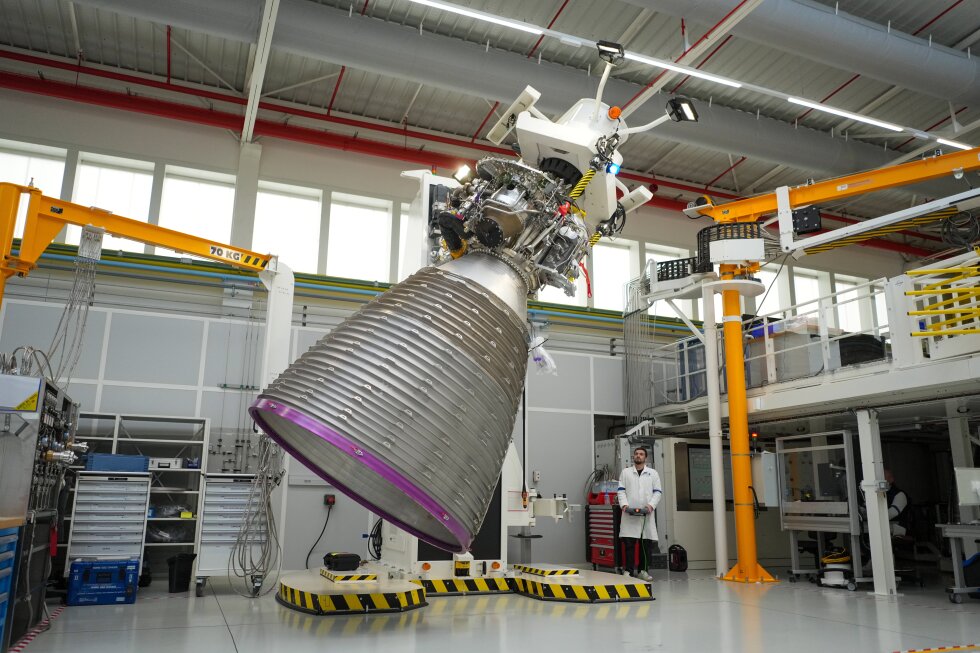
    In a highly secure manufacturing facility west of Paris, aerospace engineers are completing final preparations for a pivotal moment in European space exploration. The Ariane 64 rocket, Europe’s most powerful space launch vehicle to date, is scheduled for its inaugural flight from the European spaceport in French Guiana on Thursday.

    The enhanced configuration, named for its four booster rockets, represents a significant advancement from previous Ariane 6 models. According to ArianeGroup Chief Technical Officer Hervé Gilibert, this four-booster design delivers approximately double the power of earlier versions, enabling the deployment of substantially heavier payloads into orbit.

    This landmark mission will deploy 32 satellites for Amazon’s Leo broadband constellation, marking a strategic move in the competitive global satellite internet market currently dominated by SpaceX’s Starlink network. The complete mission duration will span approximately one hour and fifty minutes—nearly a full Earth orbit—before satellite deployment occurs in pairs.

    The Vulcain 2.1 engine, manufactured at ArianeGroup’s Vernon facility, serves as the primary propulsion system. Emmanuel Viallon, director of the Vernon site, explained the precise launch sequence: “For a few seconds, we verify that it is functioning properly. Once we are fully confident it will operate correctly for the eight minutes that follow, we ignite the solid boosters and the rocket lifts off.”

    European collaboration forms the foundation of the Ariane program, with 13 member nations of the European Space Agency cooperating through more than 600 subcontractors across the continent. Final assembly occurs at two primary integration sites in Bremen, Germany (upper stage) and Les Mureaux, France (main stage), before components undertake trans-Atlantic shipment to French Guiana.

    Standing approximately 62 meters tall—equivalent to a 20-story building—the Ariane 64 represents both technological achievement and strategic necessity. As noted by European Space Policy Institute director Hermann Ludwig Moeller, the program maintains Europe’s independent access to space while operating within a different industrial framework than competitors like SpaceX.

    The program has already secured approximately 30 launches in its order book, with roughly two-thirds representing commercial missions. Looking forward, ArianeGroup is developing reusable component technology that could eventually enable full stage recovery, potentially transforming the economic model of European space access.

    For project manager Arnaud Demay, each launch represents an emotional culmination of years of effort: “We do it so rarely, and it’s so majestic when it takes off: that little touch of magic inevitably overwhelms me with emotion every time.”

  • Who’s Mariah Carey? Italian journalists to strike after commentator’s blunders at opening ceremony

    Who’s Mariah Carey? Italian journalists to strike after commentator’s blunders at opening ceremony

    MILAN — Italy’s state broadcaster Rai faces an unprecedented internal crisis as its sports division journalists have declared protest measures following a series of embarrassing commentary errors during the Milan Cortina Winter Games opening ceremony.

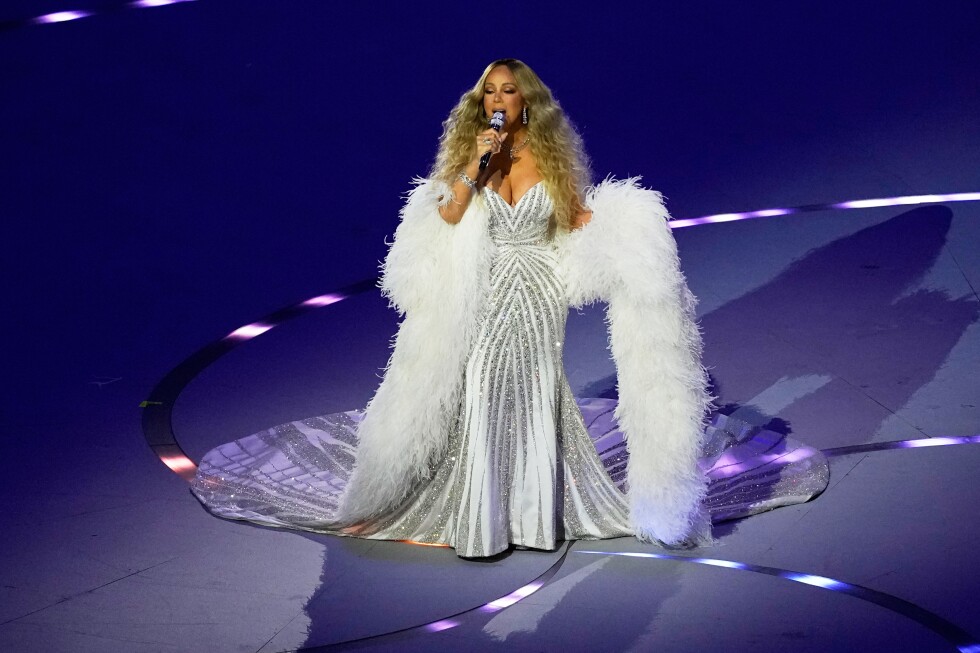
    The controversy centers on RaiSport director Paolo Petrecca, whose commentary during Friday’s spectacle triggered widespread embarrassment within the organization. Petrecca’s missteps began with incorrectly identifying the venue as Rome’s Stadio Olimpico rather than Milan’s iconic San Siro stadium. The situation deteriorated when he mistakenly identified Italian actress Matilda De Angelis as global superstar Mariah Carey—despite the 25-year age difference between the two performers.

    Perhaps the most diplomatically sensitive error occurred when Petrecca misidentified International Olympic Committee President Kirsty Coventry as the daughter of Italian President Sergio Mattarella as they entered the stadium together.

    The commentary team’s failures extended to sporting recognition as well. Petrecca apparently failed to identify members of Italy’s world champion volleyball teams during the torch relay segment, referring to five Olympic champions merely as “other torchbearers.”

    In response, RaiSport’s editorial committee announced on Monday that all reporters and commentators would withhold their bylines until the conclusion of the Winter Olympics. Additionally, they have planned three days of strikes following the Games’ completion. Their statement expressed collective embarrassment and described the situation as “the worst-ever figure of RaiSport in one of the most eagerly awaited events ever.”

    Following an emergency meeting with Rai CEO Giampaolo Rossi on Monday afternoon, the broadcaster confirmed that Petrecca has been removed from the commentary team for the February 22 closing ceremony. Notably, Petrecca hadn’t originally been scheduled to commentate on the opening ceremony but replaced Auro Bulbarelli, who withdrew after prematurely revealing President Mattarella’s surprise arrival via vintage tram driven by former motorcycle champion Valentino Rossi.

    The incident has sparked reactions across Italian media and social platforms, with De Angelis humorously captioning her ceremony photos: “Please, call me Mariah.” Italian volleyball captain Simone Giannelli responded with laughing emojis to the commentary mishap involving his team.

  • Malinin made history with his Olympic backflip, but some say that glory was owed to Bonaly

    Malinin made history with his Olympic backflip, but some say that glory was owed to Bonaly

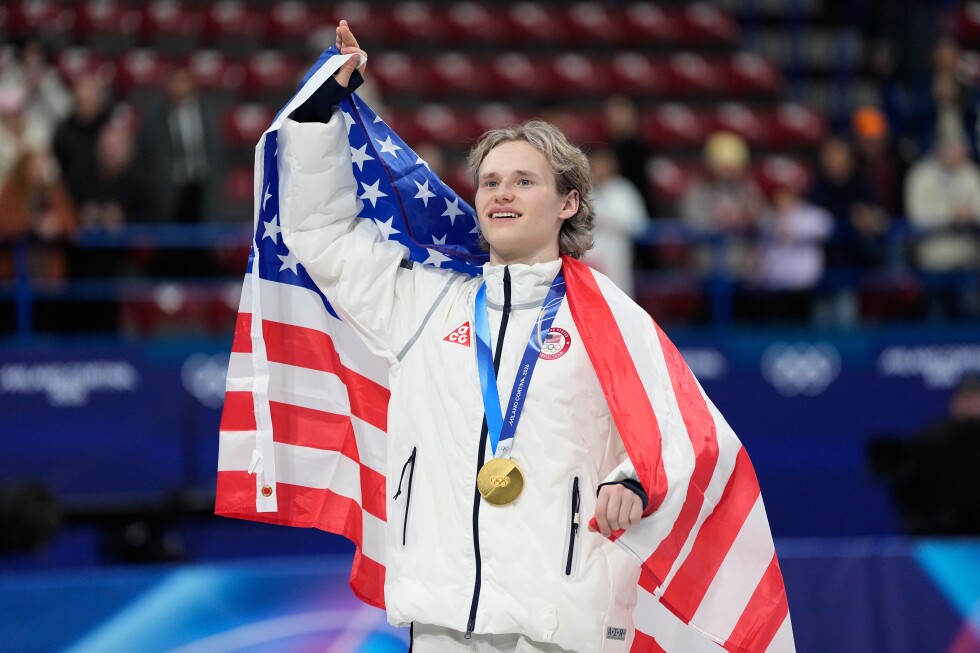
    At the Milan Cortina Winter Olympics, American figure skater Ilia Malinin made history by becoming the first athlete to legally execute a one-blade backflip in Olympic competition—a move immediately recognized as a pivotal moment in figure skating. The 21-year-old Virginian, celebrated as the ‘Quad God,’ incorporated this daring element into his gold medal-clinching free skate performance for the U.S. team, earning widespread acclaim for his technical mastery.

    However, this athletic breakthrough has ignited complex conversations about recognition, race, and historical credit in the sport. The move Malinin performed is formally known as ‘the Bonaly flip’—named after French skater Surya Bonaly, who first landed the single-blade backflip at the 1998 Nagano Games in deliberate defiance of then-existing bans. While Malinin receives contemporary praise, many observers note that Bonaly—a Black athlete who competed during a less accepting era—faced criticism and point deductions for the identical element.

    In an exclusive interview with The Associated Press, Bonaly reflected on the contrasting receptions: ‘I broke ice for other skaters. Now everything is different. People welcome anyone as long as they are good.’ The pioneering skater, now 50, suggested she was ‘born too early’ for her innovations to be properly appreciated during her competitive career.

    The historical context reveals deeper layers to this technical achievement. The first Olympic backflip was performed by American Terry Kubicka in 1976 (landed on two blades), prompting an immediate ban by the International Skating Union (ISU) over safety concerns. Bonaly’s rebellious 1998 performance—executed knowing it would cost her points—became an iconic conclusion to her professional journey and cemented her legacy as a barrier-breaking Black athlete in a sport with limited diversity.

    The rule change that enabled Malinin’s legal backflip occurred just two years ago when the ISU reversed its long-standing prohibition to increase the sport’s appeal to younger audiences. This regulatory shift allowed Malinin to incorporate the element into competitive routines, culminating in his Olympic triumph.

    Social media commentary, particularly from Black observers like TikTok creator Ari Lu, highlights perceived racial double standards: ‘Something a Black person used to be derided for is now celebrated when done by a white person.’ Lu and others argue the skating community owes Bonaly formal recognition and apology for past treatment they view as racially biased.

    The ongoing diversity challenges in figure skating provide context to these discussions. While the current U.S. team includes Asian-American representation and LGBTQ+ advocate Amber Glenn, no Black skaters qualified for this year’s Olympic roster—notable given that Starr Andrews, a popular Black skater, placed seventh at nationals. This absence echoes historical barriers faced by pioneers like Mabel Fairbanks (blocked by racist policies in the 1930s) and Debi Thomas (first African American Winter Olympic medalist).

    Recent ISU and IOC social media posts have celebrated Bonaly’s legacy, calling her backflip ‘a topic of discussion, awe, and admiration for over two decades.’ However, critics like Lu consider these gestures insufficient without formal acknowledgment of past inequities. Meanwhile, current skaters like Glenn express admiration but caution regarding the element’s difficulty: ‘The thought of practicing it… just scares me.’

    The Malinin-Bonaly narrative ultimately transcends a single move, reflecting broader conversations about innovation, recognition, and evolving standards of acceptance in elite sports.

  • Norway police investigate diplomat over Epstein links

    Norway police investigate diplomat over Epstein links

    Norwegian authorities have launched a formal investigation into high-profile diplomat Mona Juul and her husband Terje Rød-Larsen regarding their connections to the deceased financier and convicted sex offender Jeffrey Epstein. The probe, initiated by Norway’s economic crime unit Økokrim, centers on potential aggravated corruption and whether Juul received improper benefits connected to her official position.

    Juul resigned abruptly as Norway’s ambassador to Jordan and Iraq on Sunday, following her suspension after Norwegian media revelations. Reports indicate Epstein’s will, signed days before his death, designated $5 million (£3.6 million) to each of Juul’s children. Additionally, recently unsealed court documents show Rød-Larsen, Juul’s husband, attended a dinner with Epstein in Paris in June 2019—mere weeks before Epstein’s arrest on sex trafficking charges in the United States.

    The investigation has already involved law enforcement searching a property in Oslo. While Juul’s legal representative states she ‘does not recognise the accusations,’ and Rød-Larsen’s lawyer expresses confidence that the inquiry will establish no criminal liability, Norway’s foreign ministry has condemned the contact as demonstrating a ‘serious lapse in judgement.’

    This case represents another chapter in the sprawling Epstein scandal, particularly within Norway’s elite circles. Juul and Rød-Larsen, both celebrated for their roles in negotiating the historic 1993-1995 Oslo Accords between Israel and the Palestinians, now join other prominent Norwegians implicated through the released Epstein files. These include Crown Princess Mette-Marit—who publicly apologized for her friendship with Epstein—former Prime Minister Thorbjørn Jagland (currently under separate investigation), and Borge Brende, CEO of the World Economic Forum, who is facing an independent review concerning his interactions with the financier.

    The documents released by the U.S. Department of Justice last month comprise millions of emails, images, and FBI reports, continuing to trigger international repercussions and investigations into the associates of Jeffrey Epstein, who died in prison in 2019 while awaiting trial.

  • US reaches first Olympic curling mixed doubles final, will face Swedish siblings for gold

    US reaches first Olympic curling mixed doubles final, will face Swedish siblings for gold

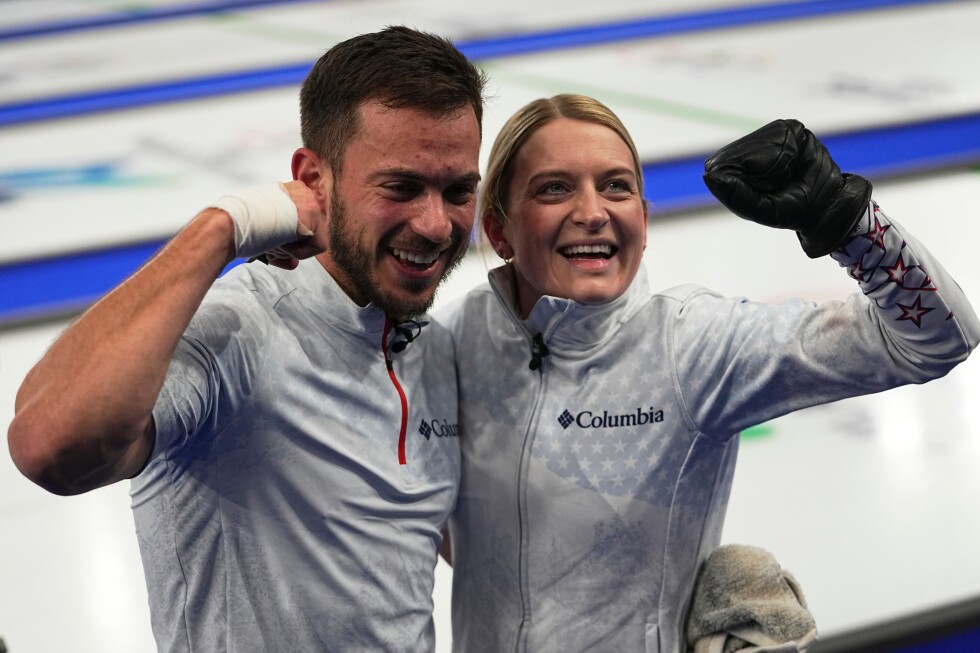
    CORTINA D’AMPEZZO, Italy — In a dramatic semifinal clash at the Milan Cortina Winter Olympics, American curlers Korey Dropkin and Cory Thiesse secured both a historic medal and a championship berth with a thrilling 9-8 victory over host nation Italy on Monday.

    The emotionally charged match saw Dropkin’s exuberant celebrations contrast with Thiesse’s composed demeanor, creating a compelling dynamic that captivated spectators. Dropkin’s vocal enthusiasm echoed through the arena as he engaged with chanting American supporters, while Thiesse maintained her focused intensity throughout the critical moments.

    This victory guarantees the United States its first Olympic medal in mixed doubles curling and simultaneously eliminates Italy’s gold medal aspirations. The Italian pair of Stefania Constantini and Amos Mosaner, who had enjoyed overwhelming home crowd support throughout the competition, saw their championship hopes dashed in the narrow defeat.

    Thiesse, hailing from Duluth, Minnesota—a renowned curling hub—now becomes the first American woman to secure an Olympic medal in this discipline. The first-time Olympians shared an emotional embrace following their decisive final stone that sealed the victory.

    In Tuesday’s championship final, the American duo will face Sweden’s sibling team of Isabella and Rasmus Wrana, who delivered a stunning 9-3 upset over favored British contenders Jennifer Dodds and Bruce Mouat. The Swedish pair completed their victory in just seven ends, demonstrating exceptional precision and strategy.

    The brother-sister Swedish combination, who initially competed as childhood rivals, now stand poised to claim Olympic gold together. Meanwhile, Italy will face Great Britain in the bronze medal match preceding the championship final.

    Mixed doubles curling, featuring one male and one female athlete per team, continues to showcase unpredictable outcomes and intense competition at the Olympic level, as demonstrated by these semifinal matches.