标签: Europe

欧洲

  • France’s former culture minister resigns over Epstein-linked tax fraud probe

    France’s former culture minister resigns over Epstein-linked tax fraud probe

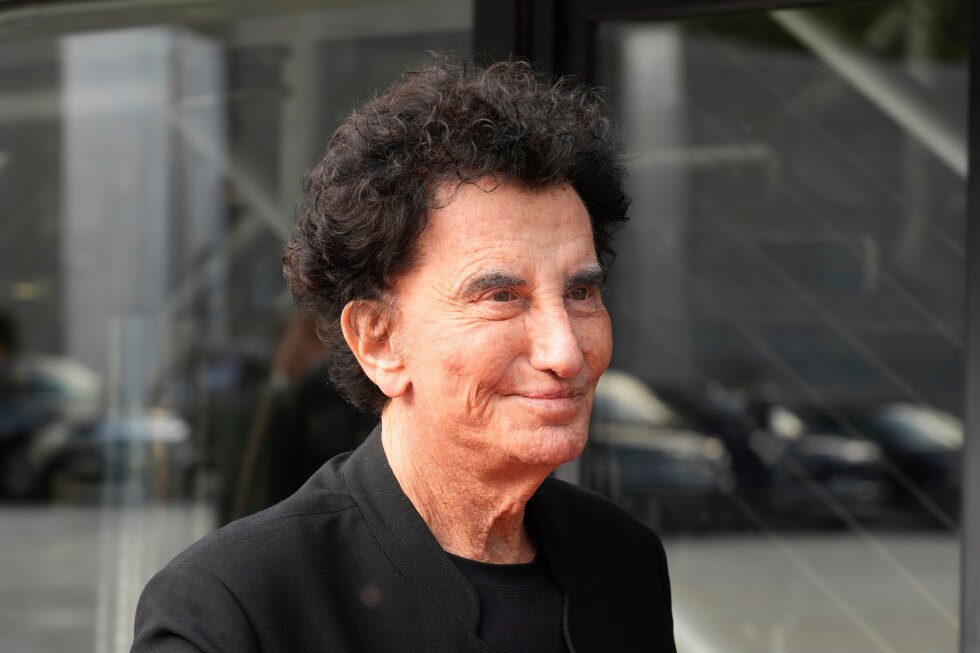
    PARIS — Jack Lang, France’s prominent former Culture Minister, has stepped down from his leadership role at the prestigious Arab World Institute following revelations of financial connections to the convicted sex offender Jeffrey Epstein. The resignation comes amid an ongoing tax fraud investigation involving Lang and his daughter, Caroline.

    The French Foreign Ministry, which oversees the cultural institution, confirmed Lang’s departure on Saturday evening. Lang was scheduled to meet with ministry officials on Sunday but preemptively submitted his resignation. The financial prosecutors’ office has initiated an investigation into alleged “aggravated tax fraud laundering” involving both Lang and his daughter.

    The scandal emerged following a Mediapart investigative report detailing financial and business relationships between the Lang family and Epstein through an offshore company based in the U.S. Virgin Islands. The connections span from 2012 to 2019, with Lang’s name appearing over 600 times in the recently released Epstein documents from the U.S. Department of Justice.

    Foreign Minister Jean-Noël Barrot has acknowledged the resignation and initiated the search for Lang’s successor. Lang, who served as Culture Minister under Socialist President François Mitterrand during the 1980s and 1990s, had led the Arab World Institute since 2013. His resignation marks the most significant French political fallout from the Epstein document release to date.

  • Suspect in shooting of senior Russian general has been detained, Russia says

    Suspect in shooting of senior Russian general has been detained, Russia says

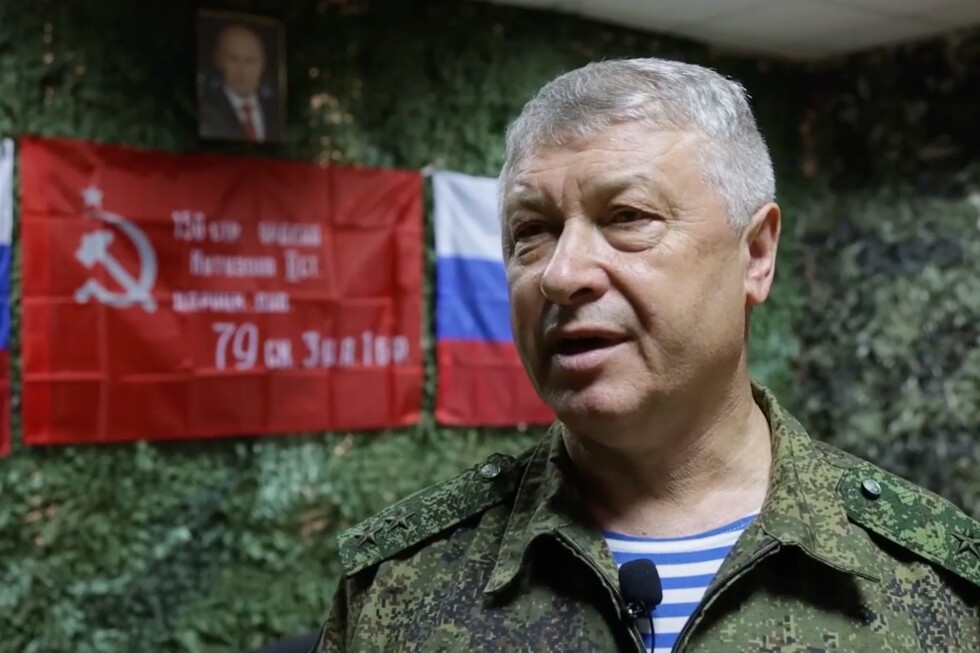
    Russian authorities have announced the detention of a suspect allegedly responsible for the shooting of Lieutenant General Vladimir Alekseyev, first deputy chief of Russia’s military intelligence agency (GRU). The Federal Security Service (FSB) identified the apprehended individual as Lyubomir Korba, a Russian citizen captured in Dubai and subsequently extradited to Moscow.

    The incident occurred Friday when an assailant shot General Alekseyev multiple times at an apartment complex in northwestern Moscow. The 64-year-old intelligence veteran, decorated as a Hero of Russia for his role in Syria operations, was hospitalized following the attack.

    FSB investigations have revealed two additional accomplices—one already detained in Moscow and another reportedly fled to Ukraine. Russian Foreign Minister Sergey Lavrov characterized the assault as a apparent ‘terrorist act’ orchestrated by Ukraine to undermine ongoing peace negotiations.

    This shooting follows a pattern of targeted attacks against Russian military leadership. Since the 2022 invasion of Ukraine, multiple high-ranking officers have been assassinated, including Lieutenant General Fanil Sarvarov (killed by car bomb in December), Lieutenant General Yaroslav Moskalik (car bomb assassination in April), and Lieutenant General Igor Kirillov (killed by explosive device in December 2024). Ukrainian intelligence has claimed responsibility for several of these operations.

    The timing is particularly significant as the attack occurred immediately following peace talks in Abu Dhabi involving Russian, Ukrainian, and U.S. negotiators. General Alekseyev’s superior, GRU chief Admiral Igor Kostyukov, led the Russian delegation in these discussions.

    Kyiv has not responded to Russia’s latest allegations regarding General Alekseyev’s shooting. President Zelenskyy previously acknowledged Ukraine’s ‘liquidation’ of top Russian military figures without specifying individual operations.

  • Italian police arrest protesters after clash in Olympic host city Milan

    Italian police arrest protesters after clash in Olympic host city Milan

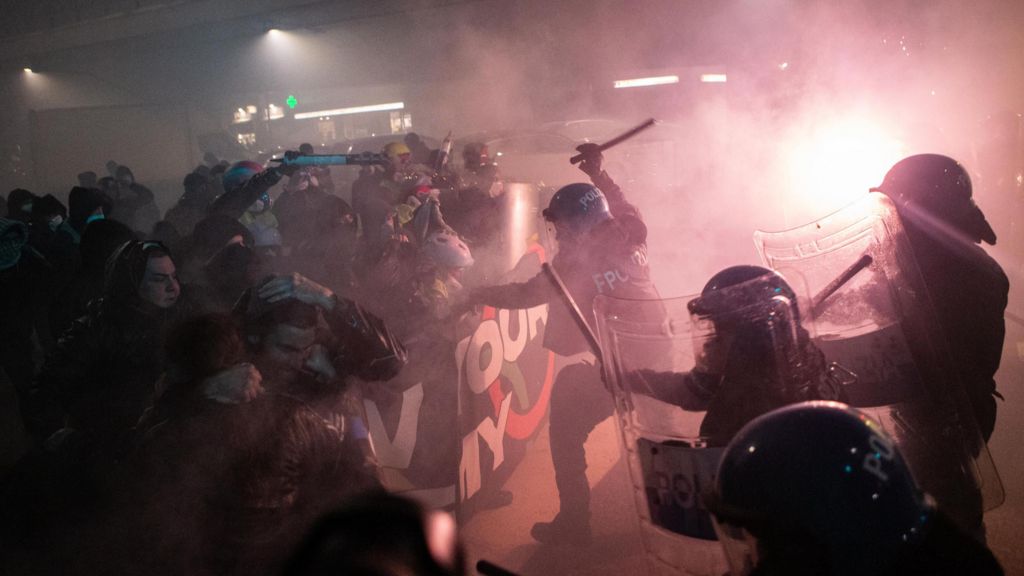
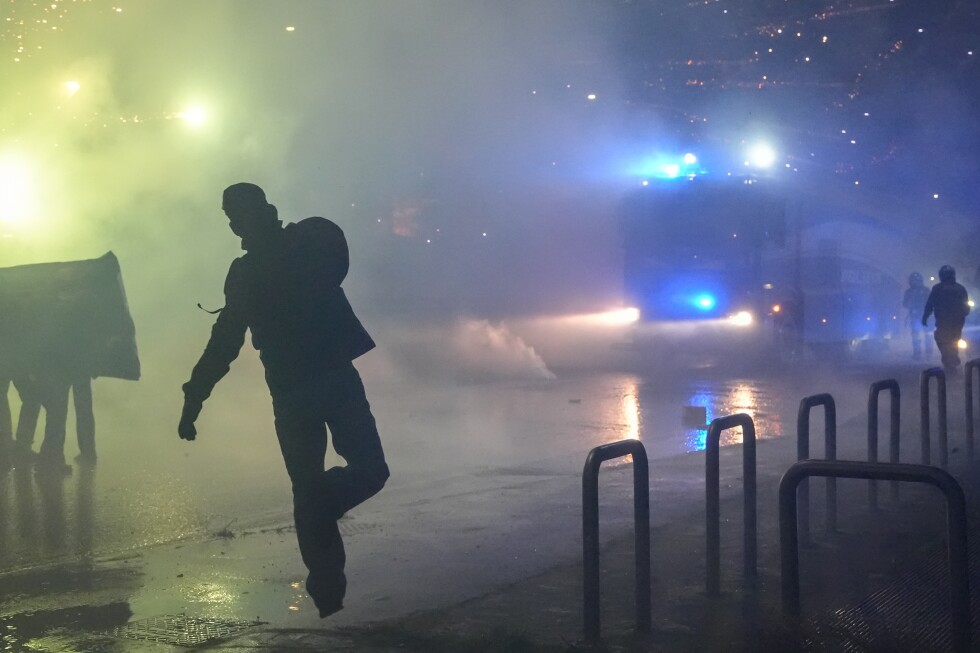
    Milan, one of the host cities for the Winter Olympic Games, witnessed violent confrontations between police and protesters on the competition’s opening day, resulting in six arrests. Thousands descended upon the northern Italian city on Saturday to demonstrate against various issues, primarily the soaring cost of living. The protest escalated as some individuals launched flares and hurled stones at law enforcement, who retaliated with water cannons.

    This unrest follows the Italian government’s swift implementation of stricter protest regulations. These measures were fast-tracked in response to a demonstration in Turin the previous weekend, which government figures indicate left over 100 police officers injured. In that incident, an officer was reportedly assaulted with a hammer—an act Prime Minister Giorgia Meloni condemned as attempted murder.

    Deputy Prime Minister Matteo Salvini denounced the Milan participants as ‘criminals,’ stating, ‘Just days after the shameful violence in Turin, more clashes, more attacks on law enforcement.’ He expressed pride in a new security package designed to enable ‘more effective interventions against thugs and criminals.’ This new legislation, enacted Thursday, permits police to detain individuals suspected of inciting unrest for up to 12 hours prior to scheduled demonstrations. While authorities hail it as necessary, critics have labeled the measure repressive.

    Simultaneously, officials are investigating acts of suspected sabotage on northern Italy’s critical railway network, which caused extensive delays. Services between Bologna and Venice were disrupted by a fire targeting rail infrastructure. Police discovered severed cables and a rudimentary explosive device near tracks. Bologna’s central station, a major national transport hub, was particularly affected. RFI, the national rail operator, confirmed services have since normalized. The Transport Ministry described these coordinated acts as ‘suspected sabotage,’ drawing parallels to vandalism encountered during the onset of the 2024 Paris Olympics.

    Despite the violence, the majority of protesters in Milan marched peacefully. Participants voiced objections to the Olympics themselves, with one protestor, Francesca Missana, telling AFP the Games were ‘no longer sustainable from an environmental or a social point of view.’ Organizer Alberto di Monte criticized the financial model, arguing that billions were spent on infrastructure like roads instead of mountain conservation, contradicting promises of a ‘sustainable and cost-neutral’ event.

    The Winter Olympics continue until February 22nd across multiple venues, including Milan, Cortina d’Ampezzo, and several Alpine resorts.

  • Greenland crisis boosted Danish apps designed to identify and help boycott US goods

    Greenland crisis boosted Danish apps designed to identify and help boycott US goods

    COPENHAGEN, Denmark — Innovative mobile applications employing artificial intelligence to identify and boycott American products have experienced remarkable growth following recent diplomatic strains between Denmark and the United States over Greenland’s sovereignty.

    The pioneering ‘Made O’Meter’ application, developed by Copenhagen-based digital marketing specialist Ian Rosenfeldt, recorded approximately 30,000 downloads during the three-day peak of the diplomatic crisis in late January. Since its March launch, the application has surpassed 100,000 total downloads, demonstrating significant public engagement.

    Rosenfeldt, 53, conceived the application after participating in a Facebook group where Danish citizens expressed frustration about practically implementing boycott measures against American goods. ‘Consumers struggled to determine product origins through conventional barcode scanning,’ Rosenfeldt explained. ‘Without accurate origin information, making conscious purchasing decisions proved virtually impossible.’

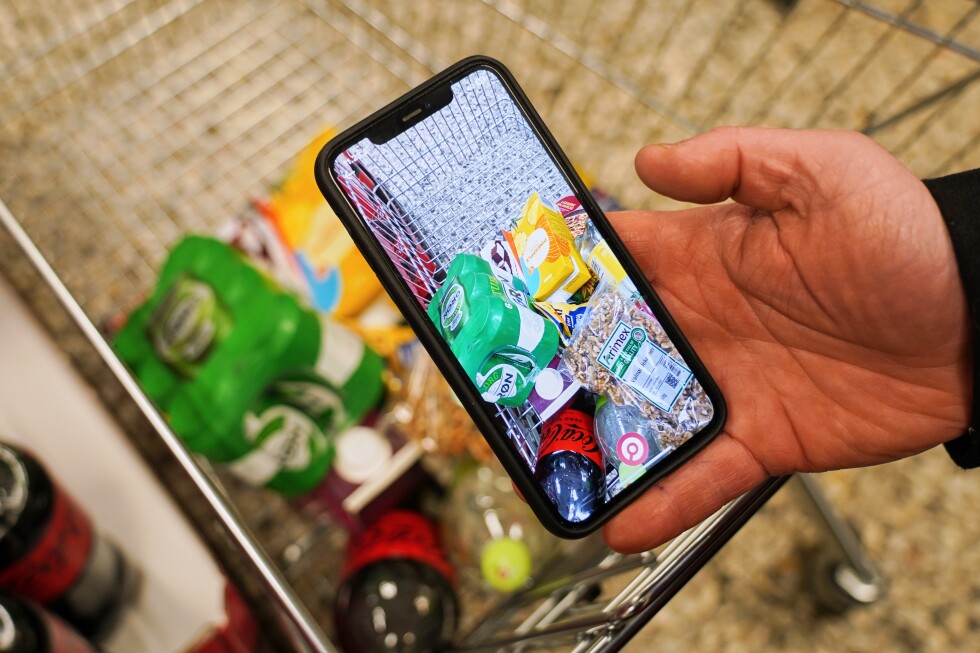
    The application’s advanced AI technology enables simultaneous analysis of multiple products, providing users with European-made alternatives while offering customization options including ‘No USA-owned brands’ and ‘Only EU-based brands.’ The developer claims the application achieves over 95% accuracy in product identification.

    During a Copenhagen supermarket demonstration, Rosenfeldt detailed the technology’s capabilities: ‘By utilizing artificial intelligence, consumers can capture product images that trigger comprehensive data analysis across multiple levels, delivering actionable information for informed decision-making.’

    Application usage peaked on January 23rd with nearly 40,000 daily product scans, dramatically exceeding the summer average of approximately 500 scans daily. While current usage has moderated to about 5,000 daily scans, the application maintains substantial usership across Denmark, Germany, Spain, Italy, and Venezuela.

    The diplomatic controversy emerged when President Trump proposed acquiring mineral-rich Greenland, a semi-autonomous Danish territory, subsequently threatening tariffs against Denmark and seven other European nations before abruptly withdrawing these threats following discussions with NATO leadership. Technical negotiations regarding Arctic security arrangements continue between the United States, Denmark, and Greenland, with all parties maintaining that sovereignty remains non-negotiable.

    A complementary application, ‘NonUSA,’ similarly surpassed 100,000 downloads by early February, with creators reporting 25,000 downloads on January 21st alone. Developer Jonas Pipper, 21, noted users reported ‘feeling empowered’ and experiencing ‘pressure relief’ through application usage.

    University of Copenhagen economics associate professor Christina Gravert provided context, noting American products constitute merely 1-3% of Danish supermarket inventory, primarily nuts, wines, and confectionery items. Gravert emphasized that meaningful impact would require addressing widespread American technology adoption, including Apple and Microsoft products that ironically facilitate the boycott applications themselves.

    Gravert’s behavioral economics analysis suggests boycott campaigns typically demonstrate limited duration, with substantive change requiring organized efforts rather than individual consumer actions. ‘Supermarket brands might reconsider product offerings if consumers demonstrate consistent preferences,’ she observed.

    Copenhagen consumers expressed mixed perspectives, with retired naval officer Morten Nielsen, 68, acknowledging symbolic participation while recognizing limited practical impact. Conversely, retiree Charlotte Fuglsang, 63, opposed the boycott movement, stating, ‘I love America and American travel—this protest approach seems inappropriate.’

    Despite acknowledged economic limitations, developers hope these technological solutions will encourage greater European production reliance and communicate consumer preferences to retail establishments.
  • Portugal chooses between a moderate and a populist in runoff presidential election

    Portugal chooses between a moderate and a populist in runoff presidential election

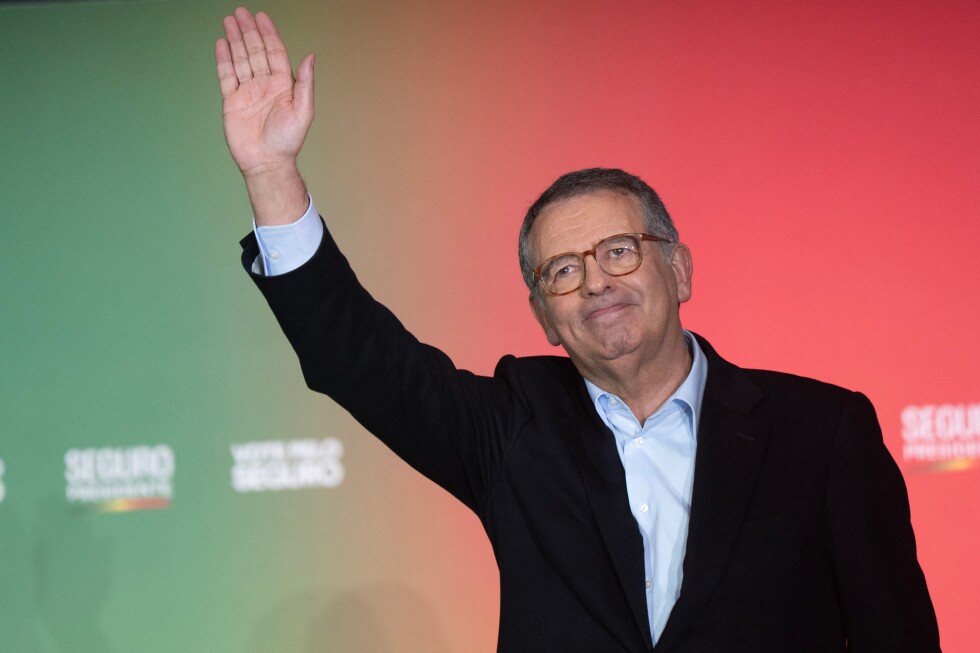
    LISBON, Portugal — Portugal’s presidential runoff election on Sunday presents a stark ideological choice between center-left stability and hard-right populism, with Socialist candidate António José Seguro positioned to defeat André Ventura’s surging Chega (Enough) party according to recent polling data.

    Opinion surveys indicate Seguro is likely to secure approximately twice the vote share of his far-right opponent in this decisive second round. The runoff became necessary after January’s initial voting failed to produce any candidate achieving the required 50% majority threshold.

    Ventura’s advancement to the final round marks a significant milestone for his anti-establishment movement, which has rapidly gained political influence amid Europe’s broader rightward shift. His campaign has centered on anti-immigrant rhetoric and confrontational politics, featuring provocative billboards stating “This isn’t Bangladesh” and criticizing welfare benefits for immigrants.

    By contrast, Seguro has campaigned as a moderate consensus-builder who would cooperate with Portugal’s center-right minority government while rejecting Ventura’s divisive rhetoric. The Socialist candidate brings decades of political experience to a race that tests the resilience of Portugal’s traditional political norms.

    Though largely ceremonial, the Portuguese presidency carries substantial influence through veto power over legislation and the authority to dissolve parliament—a capability known in local political jargon as the “atomic bomb” option. The election occurs amid significant political turbulence, with Portugal having held three general elections in three years due to ongoing governmental instability.

    The winner will succeed center-right President Marcelo Rebelo de Sousa, who concludes his maximum two-term limit in March. This transition comes at a critical juncture for Portuguese democracy as it confronts the challenge of populist movements gaining traction within established European political systems.

  • Ukraine businesses struggle to cope as Russian attacks bring power cuts and uncertainty

    Ukraine businesses struggle to cope as Russian attacks bring power cuts and uncertainty

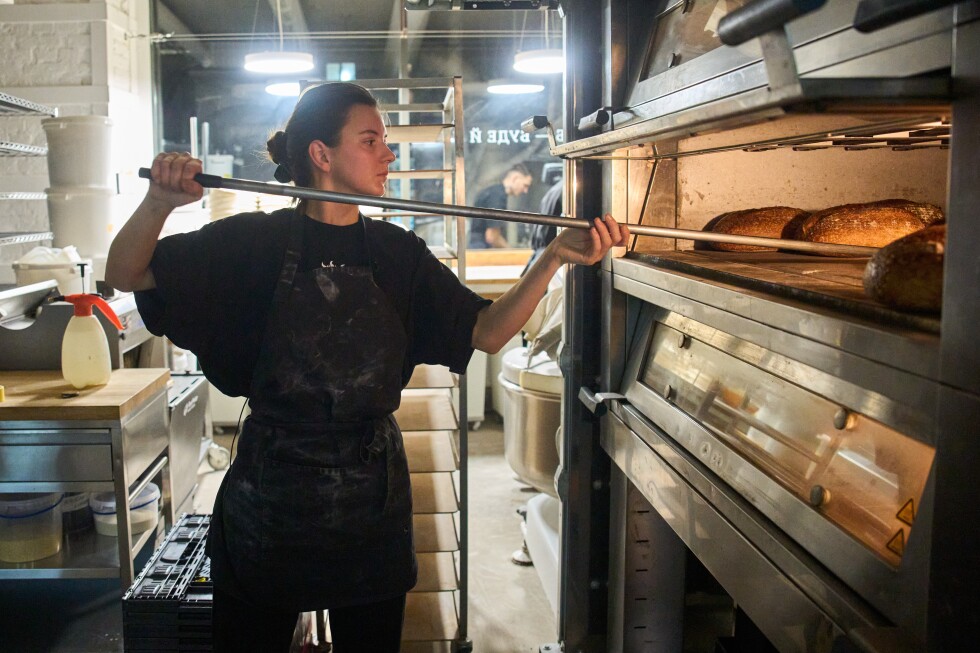
    KYIV, Ukraine — In the historic Podil district of Kyiv, the pre-dawn darkness is intermittently pierced by the warm glow of Spelta bakery-bistro, where head baker Oleksandr Kutsenko, 31, skillfully shapes dough amidst frequent power interruptions. Each time the lights fade and ovens power down, Kutsenko activates a large rectangular generator—a ritual repeated endlessly to sustain operations against Russia’s targeted assaults on Ukraine’s energy infrastructure.

    Olha Hrynchuk, 28, co-founder of Spelta, reflects that operating without generators has become inconceivable for Ukrainian businesses. Her bakery, established ten months after Russia’s full-scale invasion in 2022, has never experienced ‘normal’ working conditions. The generator alone consumes roughly 700 hryvnias ($16) worth of fuel hourly, running 10–12 hours daily amid unpredictable blackouts.

    The challenges extend far beyond power scarcity. Businesses nationwide grapple with acute labor shortages due to mobilization and wartime migration, declining consumer purchasing power, complex logistics, and heightened security risks. For many, survival has become a day-to-day calculation.

    Olha Nasonova, head of the Restaurants of Ukraine analytical center, confirms the industry is navigating its most difficult period in two decades. Small cafés and family-run establishments are particularly vulnerable. The ‘Best Way to Cup’ coffee project, for instance, faced a permanent closure threat after attacks shattered windows and doors last August. Co-founder Yana Bilym, 33, invested heavily in repairs, only to confront further infrastructure collapse—water supply cuts and failed sewage systems—forcing a temporary shutdown.

    Some businesses have transformed into community lifelines. Designated ‘Points of Invincibility,’ they offer warmth, electricity for charging devices, and hot tea during curfews. Tetiana Abramova, 61, founder of clothing manufacturer Rito Group, acquired a 35-kilowatt generator and wood-fired boiler to maintain heat, light, and production continuity. Yet operating on generators is 15–20% costlier than grid electricity, elevating production costs by about 15%. Customer numbers have dropped nearly 40%, compelling a shift toward online sales to attract new clients.

    According to a Kyiv School of Economics forecast, energy system attacks pose the most severe short-term risk to Ukraine’s GDP. Output losses could range between 1–3% depending on business adaptation and outage duration. Abramova, having spent nearly 100,000 hryvnias ($2,300) over two months on generator maintenance, summarizes the prevailing sentiment: ‘The main goal is not to be the most efficient, but to survive.’

  • Scotland coach Townsend defiant despite latest Six Nations setback

    Scotland coach Townsend defiant despite latest Six Nations setback

    Scotland’s Six Nations campaign suffered a devastating blow in Rome as Italy secured a dramatic 18-15 victory, leaving head coach Gregor Townsend defiantly rejecting calls for his resignation amid growing scrutiny of his leadership.

    The match at Stadio Olimpico saw Scotland concede an early 12-0 advantage to the Italian side, struggling throughout to adapt to the rain-soaked conditions. Critical set-piece failures and tactical misjudgments plagued the Scottish performance, though a late-game surge saw them push Italy deep into their own territory. In a tense final sequence, Scotland mounted 30 phases within sight of the tryline but ultimately fell short of scoring.

    This defeat compounds pressure on Townsend that began accumulating during autumn internationals where Scotland dropped winnable home matches against New Zealand and Argentina. Recent media speculation suggesting Townsend had agreed to join Newcastle following the 2027 Rugby World Cup added further distraction, though the coach emphatically denied these reports affected team preparation or performance.

    Now in his ninth Six Nations campaign with a best finish of third place on two occasions, Townsend faces his most significant challenge ahead of Scotland’s annual Calcutta Cup clash with England at Murrayfield. When questioned about his future, Townsend stated: ‘Of course I believe in them, I believe in what we’re doing. Today it didn’t happen and we’re going to make sure it happens next week.’

    Captain Sione Tuipulotu identified the disastrous opening twenty minutes as particularly damaging, acknowledging the team’s failure to adjust to deteriorating conditions and conceding points too easily during this critical period.

    Despite mounting criticism, Townsend expressed pride in his team’s determined final effort and reaffirmed his commitment to preparing for the upcoming England match, emphasizing his focus on delivering a victory for Scottish supporters.

  • A Super Bowl starting at 12:30 a.m.? Welcome to an Olympic-sized problem for fans in Italy

    A Super Bowl starting at 12:30 a.m.? Welcome to an Olympic-sized problem for fans in Italy

    CORTINA D’AMPEZZO, Italy — The 2026 Winter Olympics in Milan-Cortina has created an unprecedented scheduling conflict for American athletes as the Super Bowl’s kickoff coincides with critical competition preparation hours. With the championship game beginning at 12:30 a.m. local time on Monday, Olympians face the difficult choice between supporting their home teams and maintaining optimal athletic readiness.

    Zack DiGregorio, a Massachusetts-native luge athlete and devoted New England Patriots fan, exemplifies this dilemma. Despite his mother’s two-decade career with the Patriots organization, DiGregorio acknowledges the conflict: “If I happen to wake up in the middle of the night to go to the bathroom, I may be tuning in.”

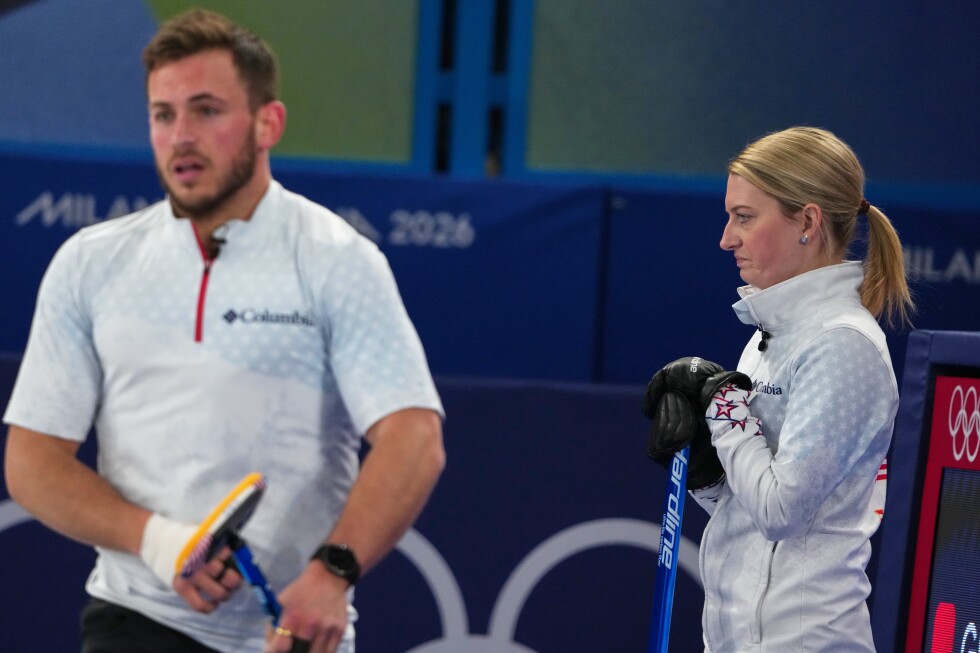
    The timing conflict affects numerous competitors, with 15 Massachusetts natives and eight Washington state athletes on the U.S. Olympic team potentially torn between sporting loyalties. While some athletes plan to watch regardless of the hour, others prioritize their Olympic ambitions. Curler Korey Dropkin, another Massachusetts native, stated: “I’m not going to be able to watch because that’s going to be real late here. But as my form of support, I’m going to wear my Pats jersey to bed.”

    This marks only the second occurrence of the Winter Olympics and Super Bowl overlapping on the same day, following the 2022 precedent. International Olympic Committee President Kirsty Coventry has highlighted the broader implications: “You’ve got big events all working and overlapping. When are we all going to sit down as one big sporting family and have these conversations around how we prioritize?”

    Resourceful supporters are finding creative solutions. Mark Henderson, father of freestyle skier Grace Henderson, negotiated with a Livigno bar to remain open beyond its 2 a.m. closing time to accommodate approximately 20 family members. Krista DiGregorio, Zack’s mother, seeks similar arrangements in Cortina d’Ampezzo, joking about “begging or perhaps sliding a few euros in their direction.”

    Despite the football distraction, the Olympic spirit remains paramount. The DiGregorio family has decorated their rental with Patriots memorabilia but considers Zack’s participation in the opening ceremony already a championship-level achievement. As Krista DiGregorio reflected: “To be there and see how happy he is, how happy his teammates are, the people he’s grown up with and gotten close to, it’s been wonderful.”

  • Italian police fire tear gas as protesters clash near Winter Olympics hockey venue

    Italian police fire tear gas as protesters clash near Winter Olympics hockey venue

    MILAN — Italian law enforcement deployed tear gas and water cannons to disperse demonstrators during a large-scale protest near Winter Olympics venues on Saturday. The confrontation erupted when a splinter group from a predominantly peaceful march of approximately 10,000 participants began launching firecrackers and attempting to breach security barriers near Olympic infrastructure.

    The initial demonstration, organized by environmental activists and community groups, proceeded peacefully with families and students expressing concerns about the Games’ ecological footprint and the controversial presence of U.S. Homeland Security personnel. Protesters carried symbolic cardboard trees representing deforestation for Olympic construction and performed cultural demonstrations accompanied by drumming and protest music.

    Tensions escalated when masked activists detonated smoke bombs on a bridge approximately 800 meters from the Athletes’ Village. Security forces established reinforced perimeters around critical Olympic transit routes, successfully preventing protesters from accessing competition venues. Authorities confirmed the disturbances did not disrupt athlete transportation or competition schedules.

    The protest coincided with the visit of U.S. Vice President JD Vance, who led the American delegation at Friday’s opening ceremony. Demonstrators specifically objected to the deployment of U.S. Immigration and Customs Enforcement (ICE) personnel, though official statements clarified that only investigative agents from Homeland Security Investigations—not enforcement officers—were present in diplomatic capacities.

    Environmental concerns centered on the Cortina bobsled track construction, with protester Guido Maffioli alleging regulatory bypasses for Olympic projects. Signs referencing ‘Infernal Olympics’ and criticizing fossil fuel sponsors reflected broader criticisms of the Games’ sustainability credentials and potential financial burden on Italian taxpayers.

  • Langenhan, Mueller, Fischnaller lead way after 1st 2 runs of Olympic men’s luge race

    Langenhan, Mueller, Fischnaller lead way after 1st 2 runs of Olympic men’s luge race

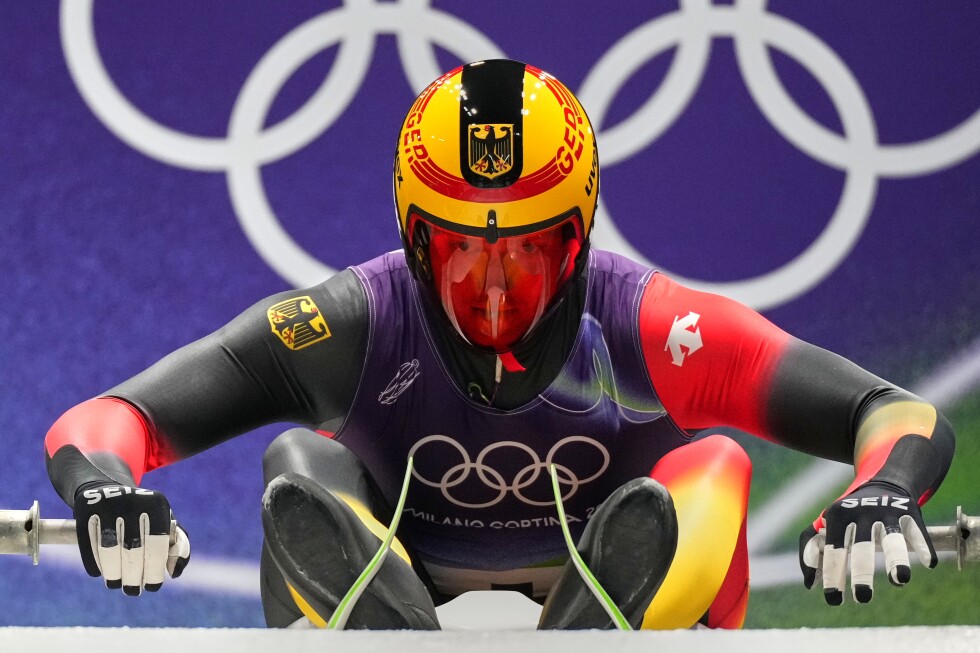
    CORTINA D’AMPEZZO, Italy — The men’s singles luge competition at the Winter Olympics has crystallized into an intense three-athlete battle for podium positions following Saturday’s opening heats. Germany’s Max Langenhan emerged as the frontrunner with a combined time of 1 minute, 45.826 seconds across his initial two runs, establishing a commanding position heading into Sunday’s decisive final runs.

    Austria’s Jonas Mueller sits closely behind in second place with a time of 1:45.988, while Italian favorite Dominik Fischnaller occupies third position at 1:46.124. The competition demonstrates remarkable concentration at the top, with no other competitor within half a second of Langenhan’s leading time.

    Notably absent from the immediate medal conversation are several pre-race favorites. Germany’s Felix Loch, a two-time Olympic champion and current World Cup leader, finds himself in a surprising eighth position. Similarly, Austria’s Wolfgang Kindl, the reigning Olympic silver medalist, sits seventh overall. Both athletes face significant challenges to climb into medal contention during Sunday’s final heats.

    Historical patterns suggest the current top three competitors hold substantial advantages. In all 16 previous Olympic men’s luge competitions, the eventual gold medalist has never been ranked lower than third after the initial two heats. Furthermore, in 10 of those competitions, the podium order remained unchanged from the halfway point to the final medal ceremony.

    For the American team, Jonny Gustafson occupies 11th position while Matthew Greiner sits 17th heading into Sunday’s concluding runs.