标签: Europe

欧洲

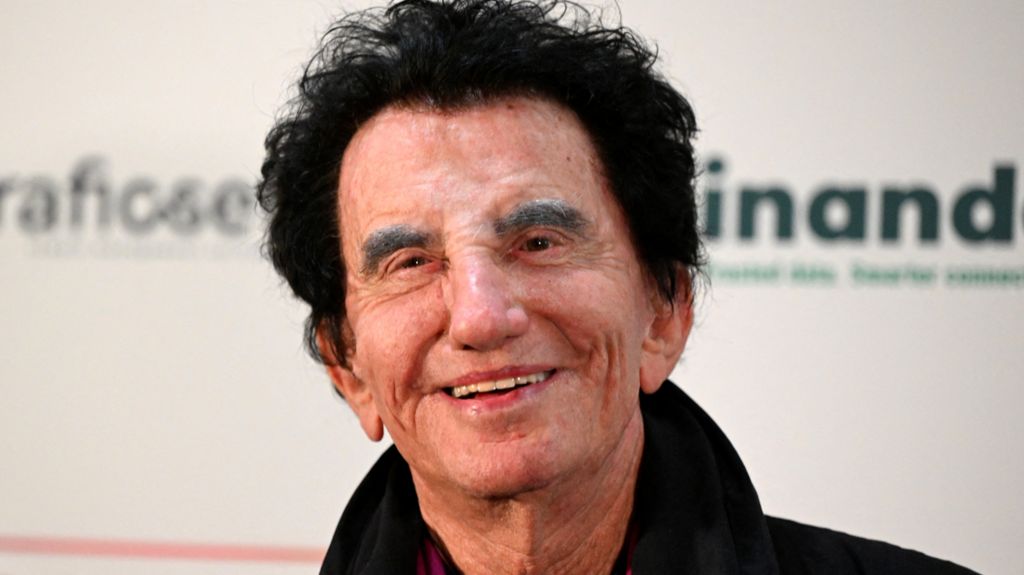
  • France investigates ex-minister Jack Lang over Epstein links

    France investigates ex-minister Jack Lang over Epstein links

    French financial prosecutors have initiated a preliminary investigation into Jack Lang, the nation’s former Culture Minister, concerning his associations with the convicted sex offender Jeffrey Epstein. The probe centers on allegations of “laundering of tax fraud proceeds.”

    Lang, an 86-year-old prominent socialist figure who held ministerial positions in the 1980s and 2000s, has vehemently denied any wrongdoing, labeling the accusations as “baseless.” The investigation follows the U.S. Department of Justice’s disclosure of extensive court documents related to Epstein, which reference Lang and his family approximately 700 times.

    In response to the mounting pressure, Lang has offered to resign from his position as president of the Arab World Institute, a Paris-based organization dedicated to fostering Franco-Arab cultural relations. In a correspondence to Foreign Minister Jean-Noël Barrot, Lang stated his intention to formally submit his resignation at the upcoming board meeting. Barrot has acknowledged the offer and commenced the search for a successor.

    The investigation also encompasses Lang’s daughter, Caroline, aged 64, who recently stepped down as head of a French film producers’ union. While the released files document financial and social interactions between the Lang family and Epstein, they do not suggest involvement in his sexual crimes.

    Lang maintains that his encounters with Epstein occurred roughly 15 years ago, facilitated by an introduction from filmmaker Woody Allen. He described Epstein as “passionate about art, culture and cinema,” claiming ignorance of his criminal activities at the time. Documents revealed by French media indicate Lang solicited various favors from Epstein, including the use of his private plane and car.

    Caroline Lang acknowledged meeting Epstein in 2012 regarding a proposed art investment venture, admitting to being “incredibly naive” about his intentions. The U.S. financier died in prison in 2019 while awaiting trial on sex trafficking charges.

  • Man critical after being hit by car

    Man critical after being hit by car

    A severe traffic incident has left a male pedestrian fighting for his life after being struck by a vehicle in County Louth during the early hours of Saturday morning. The collision transpired at approximately 3:00 AM local time along the N2 roadway near the area of Funshog, Collon.

    Emergency response teams, including An Garda Síochána (Irish police), were promptly dispatched to the location. The victim, a man reported to be in his 40s, received immediate medical attention at the scene before being transported to Our Lady of Lourdes Hospital in Drogheda. Due to the gravity of his injuries, he was later transferred to Beaumont Hospital in Dublin, where he remains in critical condition.

    The motorist involved, identified as a woman in her 20s, emerged from the incident physically unharmed. In the aftermath of the collision, Gardaí have initiated an investigation and are urging potential witnesses to come forward. They are particularly interested in speaking with anyone who was traveling in the vicinity around the time of the accident or who may have captured relevant dashcam footage.

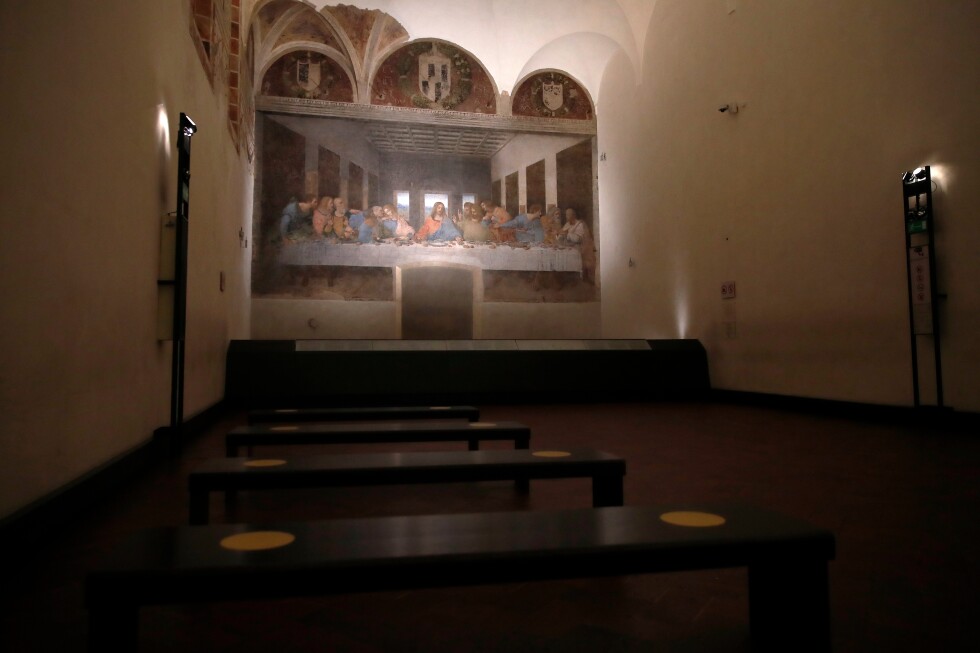
  • Tourists stopped from seeing The Last Supper, while Olympic VIPs including Vance visit

    Tourists stopped from seeing The Last Supper, while Olympic VIPs including Vance visit

    Milan’s cultural landscape witnessed significant disruption during the Winter Olympics as ordinary tourists found themselves barred from viewing Leonardo da Vinci’s iconic ‘The Last Supper’ while VIP delegations received exclusive access. The masterpiece, housed within the Santa Maria delle Grazie convent, became the center of an accessibility controversy that left international visitors frustrated and local residents inconvenienced.

    The closure, implemented from February 5th through the morning of February 8th, caught numerous tourists by surprise. Antonio Rodríguez, a Spanish visitor, expressed disappointment: ‘We didn’t know we would face this situation. With only a weekend in Milan, we’ve lost our only opportunity to experience this cultural treasure.’

    Unbeknownst to the public, high-profile political figures including U.S. Vice President JD Vance and his family received special access to the artwork on Saturday. Multiple foreign delegations from China, Poland, Hungary, and Bulgaria also enjoyed privileged visits according to Angelo Crespi, director of Grande Brera, who described these arrangements as part of ‘responsible international relations.’

    The preferential treatment extended beyond museum access, with significant transportation disruptions affecting Milanese citizens. Fedeli Gioia, a local resident, reported: ‘The trams were changed without any notice. This whole area is blocked because someone is going to see Il Cenacolo? Where does that leave us citizens?’

    The 15-minute viewing sessions for ‘The Last Supper’ typically operate under strict conservation protocols, limiting groups to 40 visitors at a time. Leonardo’s innovative dry technique—diverging from traditional fresco methods—has made the artwork particularly vulnerable to environmental damage, necessitating rigorous climate control measures.

    The painting’s controversial history includes damage during Napoleon’s occupation when the refectory served as a stable, and severe bombing damage during World War II. More recently, its reinterpretation in the 2024 Paris Olympics opening ceremony drew criticism from Catholic authorities for perceived mockery of Christian symbolism.

    As Japanese tourists photographed the church from behind police cordons and Filipino Catholic residents expressed disappointment over missed spiritual opportunities, the incident raised broader questions about cultural accessibility during major international events.

  • Cortina’s curling darling Stefania Constantini is the focus of Italian fans in bid to advance

    Cortina’s curling darling Stefania Constantini is the focus of Italian fans in bid to advance

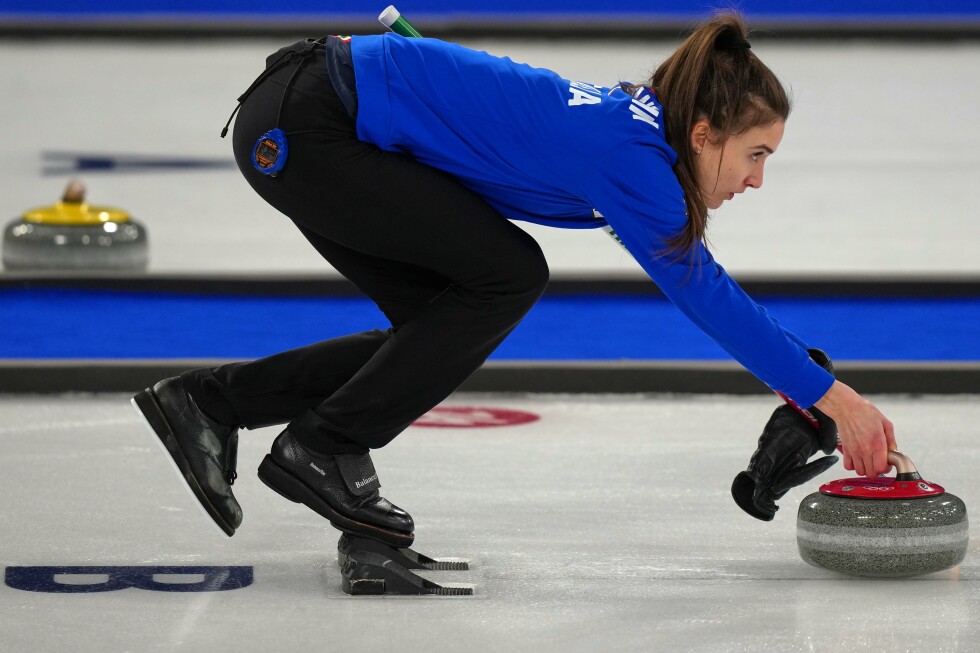
    CORTINA D’AMPEZZO (AP) — Amidst four simultaneous curling matches at the Cortina stadium, all local attention remains intensely focused on defending gold medalist Stefania Constantini. The 26-year-old native, distinguished by her high ponytail, has become the center of an electrifying atmosphere as she battles for advancement in the competition.

    The arena resonates with overwhelming Italian support as fans chant “Italia, Italia, Italia!” with such fervor that they drown out contingents from top curling nations like the United States and Great Britain. Spectators rhythmically pound the wooden barristers, creating reverberations that echo throughout the venue. A subtle gesture from Constantini triggers explosive cheers from the passionate crowd.

    Constantini’s journey began in this picturesque Tyrolean town, where she trained on courts nestled between the dramatic peaks of the Dolomites. Her historic gold medal performance with partner Amos Mosaner at Beijing 2022 positioned these Games as her opportunity to establish Italian dominance in the sport. However, recent setbacks against Sweden on Saturday and Canada the previous day have placed the duo outside the top four standings, requiring flawless performance in upcoming matches to secure playoff qualification.

    “Today we struggled somewhat to adapt from yesterday’s games to today’s conditions,” Constantini acknowledged post-match. Mosaner concurred, stating, “We must reset, avoid previous errors, and deliver our optimal performance tonight to position ourselves favorably for tomorrow.”

    Before her Olympic triumph, Constantini maintained employment as a sales associate at The North Face store on Corso Italia, a position she held until just one month before the Beijing Games. Their success has sparked unprecedented interest in curling throughout Italy, particularly in Cortina, which stands as the nation’s historical cradle for the sport. Notably, Mayor Gianluca Lorenzi, a former national team member and son of Italian curling’s founding father, underscores the town’s deep connection to the game.

    Despite mounting pressure, both athletes maintain that the high-stakes environment enhances rather than hinders their performance. “The crowd support is special and genuinely uplifting during competition,” Constantini remarked.

    The team faces crucial matches against Norway later Saturday, with subsequent games against Czechia and Great Britain scheduled for Sunday. Italian supporter Carla Pelosin, who traveled from Noale with the national flag painted on her face, expressed confidence: “They appeared slightly nervous today, but we maintain full belief in their capabilities for the coming matches. My message would be simply to give their utmost effort—the Italian people trust and believe in them completely.”

  • Italy says railways hit by ‘serious sabotage’ as Winter Olympics begin

    Italy says railways hit by ‘serious sabotage’ as Winter Olympics begin

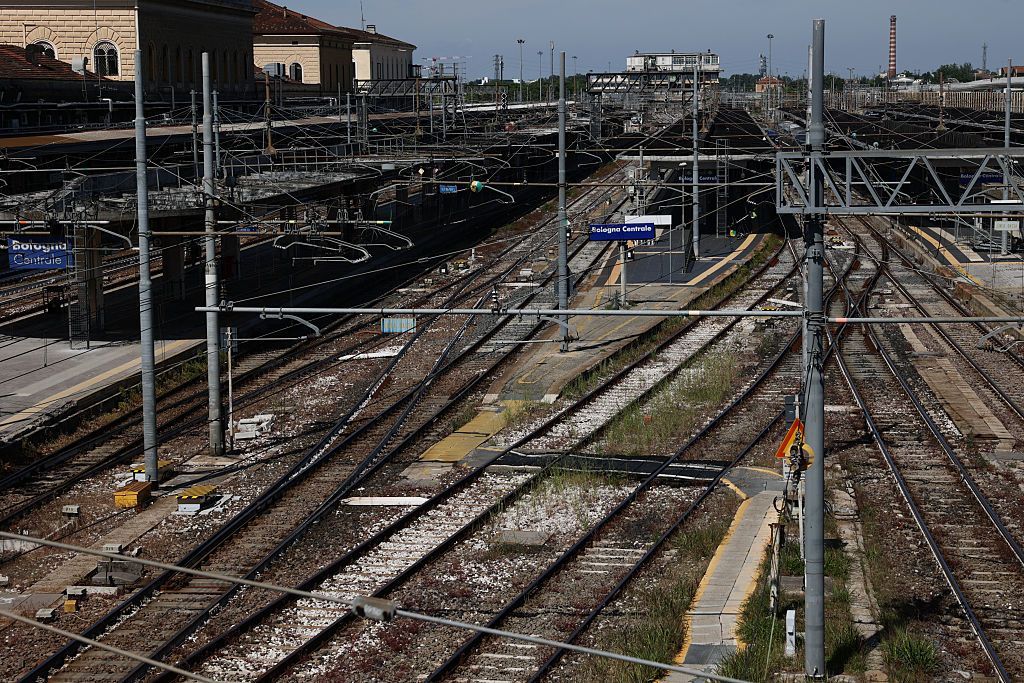
    A series of coordinated sabotage attacks targeted Italy’s critical railway infrastructure during the opening ceremonies of the Winter Olympic Games, causing massive travel disruptions across northern Italy. Authorities confirmed three separate incidents that they believe were deliberately timed to coincide with the international sporting event.

    The most significant incident occurred along the crucial Bologna-Venice corridor where arson damaged rail infrastructure, creating delays exceeding two-and-a-half hours for thousands of travelers. Subsequent police investigations uncovered severed electrical cables and a rudimentary explosive device planted near the tracks, suggesting a sophisticated sabotage operation.

    Near the Adriatic coastal city of Pesaro, assailants set fire to a critical track switch mechanism, while additional cable cutting was discovered in the Bologna region. As a major transportation hub connecting northern and southern Italy as well as east-west lines, Bologna’s disruption created ripple effects throughout the national rail network.

    Italian Transport Minister Matteo Salvini condemned the acts as ‘serious sabotage’ with striking similarities to attacks that targeted France’s high-speed rail network during the 2024 Paris Olympics. ‘There are similarities in action and timing to the French incident,’ Salvini told AFP, while maintaining that ‘these actions of unprecedented seriousness do not in any way tarnish Italy’s image in the world.’

    The state-owned high-speed railway serving Bologna was temporarily closed for security assessments but resumed normal operations by Saturday afternoon. Police authorities continue investigating with no individuals or groups having yet claimed responsibility for the coordinated attacks.

    The timing proved particularly disruptive as the Olympic Games opening ceremony took place Friday evening across multiple venues including Milan and Cortina, both accessible via rail connections from Venice. The widespread nature of events across Italy’s Alpine and Dolomite regions makes functional rail transportation essential for the Games’ operation.

  • Speedskater Francesca Lollobrigida wins host Italy’s first gold medal of the Milan Cortina Olympics

    Speedskater Francesca Lollobrigida wins host Italy’s first gold medal of the Milan Cortina Olympics

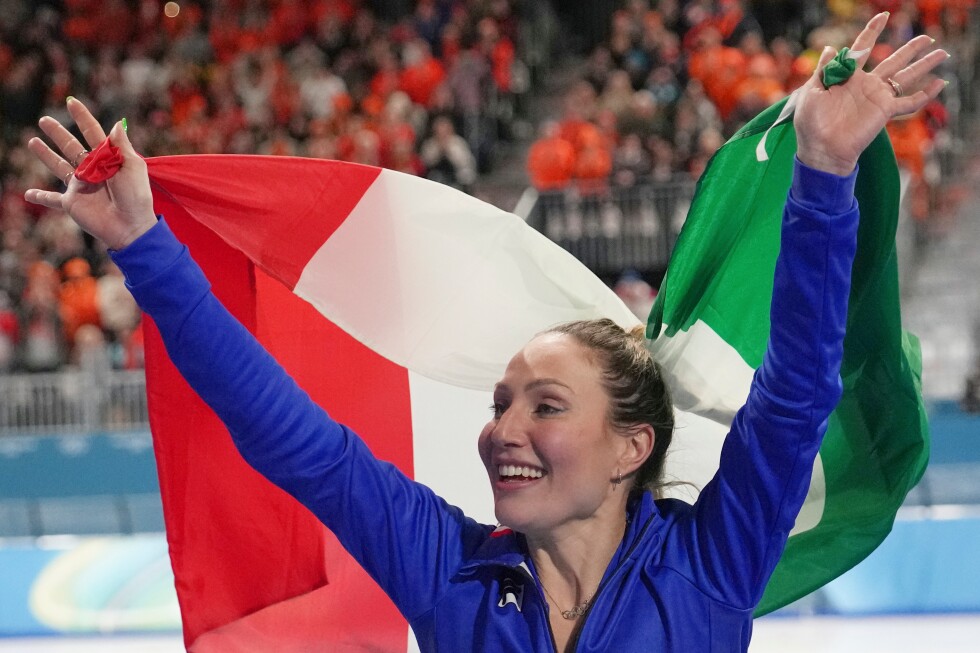
    In a spectacular display of athletic prowess and national pride, Italian speedskater Francesca Lollobrigida secured host nation Italy’s inaugural gold medal at the Milan Cortina Games with a record-breaking performance in the women’s 3,000 meters event on Saturday. The veteran athlete achieved this milestone on her 35th birthday, delivering an unforgettable moment for the roaring home crowd that rose to their feet in celebration.

    Lollobrigida completed the race in an Olympic record time of 3 minutes, 54.28 seconds, finishing more than two seconds ahead of Norwegian contender Ragne Wiklund who claimed silver. Canadian skater Valerie Maltais rounded out the podium with a bronze medal performance.

    The victory holds particular significance as it represents not only Lollobrigida’s first Olympic gold but also marks the first time an Italian woman has triumphed in speedskating at the Winter Games. The accomplished athlete, who balances motherhood with elite competition as parent to a two-year-old son, previously earned two medals at the Beijing Games four years ago—silver in the 3,000 meters and bronze in the mass start event.

    Hailing from Frascati, a picturesque hill town near Rome renowned for its white wine production, Lollobrigida carries a legacy of Italian excellence—her great aunt was the legendary 1950s and 60s film star Gina Lollobrigida.

    The emotional weight of the moment was palpable throughout the competition. During pre-race introductions, Lollobrigida received thunderous applause from patriotic spectators, responding with an enthusiastic smile and dual-arm wave before placing her hands over her heart in gratitude. Though initially trailing behind Maltais at the first checkpoint, the Italian champion steadily gained momentum, seemingly propelled by the vocal support from her compatriots, and delivered a powerful final lap with her arms swinging rhythmically behind her.

    Lollobrigida’s record-shattering time surpassed the previous Olympic benchmark set by Irene Schouten at the 2022 Beijing Games by an impressive 2.5 seconds. As subsequent skaters took to the ice, the emotional champion frequently covered her eyes with her hands, unable to watch the remaining competition that would determine her final standing.

  • Italy’s heroic defense stops Scotland’s last-gasp charge for Six Nations win

    Italy’s heroic defense stops Scotland’s last-gasp charge for Six Nations win

    In a dramatic Six Nations showdown at Rome’s rain-drenched Stadio Olimpico, Italy secured a monumental 18-15 victory against Scotland on Saturday, showcasing exceptional defensive resilience in the closing moments. The match culminated in a heart-stopping finale as Scotland mounted a 30-phase offensive assault that ultimately collapsed under Italy’s determined last-line defense.

    The Italian squad demonstrated remarkable tactical maturity from the opening whistle, establishing an early 12-0 advantage before torrential downpours transformed the pitch into a challenging aquatic battlefield. Despite Scotland’s attempts to capitalize on the adverse conditions, Italy maintained composure under pressure.

    Captain Michele Lamaro epitomized the team’s spirit, declaring post-match: ‘Absolutely incredible. The final defensive sequence demonstrates our profound commitment to each other, this jersey, and our nation. This performance truly represents our identity.’

    Italy’s strategic brilliance manifested through two first-half tries that exposed Scotland’s reconfigured back-three defense. Wing Louis Lynagh and center Tommaso Menoncello executed perfectly coordinated attacks, with fly-half Paolo Garbisi contributing crucial kicks despite some missed opportunities.

    Scotland’s challenges multiplied through persistent lineout malfunctions, losing five throws throughout the contest. Discipline further undermined their efforts, with hooker Ewan Ashman’s high tackle and George Turner’s yellow card compounding their difficulties.

    The visitors displayed late resurgence with Jack Dempsey’s first-half try and George Horne’s second-half score, narrowing the deficit to three points with twelve minutes remaining. However, Italy’s impregnable defense in the final moments secured their seventeenth Six Nations victory and ninth against Scotland.

    This triumph positions Italy to potentially avoid the tournament’s wooden spoon for an unprecedented third consecutive year, while Scotland faces urgent reassessment before hosting England next weekend.

  • General shot in Moscow conscious after surgery, Russian media say

    General shot in Moscow conscious after surgery, Russian media say

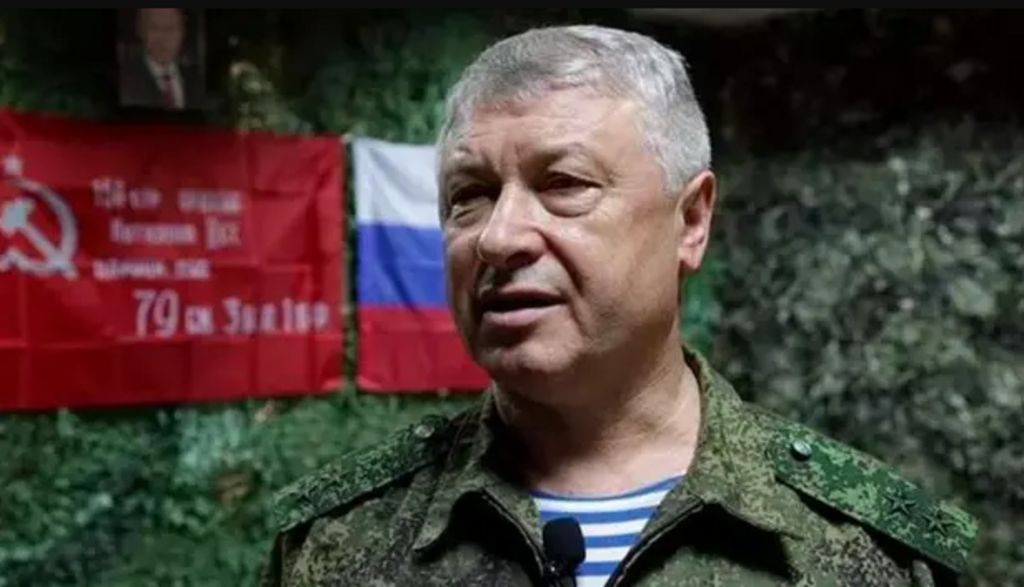
    A senior Russian military intelligence official, Lieutenant General Vladimir Alexeyev, has regained consciousness following a targeted shooting in his Moscow apartment building on Friday. The deputy head of Russia’s GRU intelligence service sustained three bullet wounds during the ambush on his residential building’s landing in the capital’s north-western outskirts.

    Medical authorities confirmed on Saturday that Alexeyev successfully underwent surgery and has emerged from a medically induced coma. While his condition remains serious, doctors now cautiously indicate that the immediate threat to his life has subsided.

    Russian law enforcement has reportedly apprehended two suspects connected to the attack. A court hearing is scheduled for Sunday to determine their pretrial detention arrangements as investigators pursue an attempted murder case.

    The incident has triggered immediate diplomatic repercussions, with Russian Foreign Minister Sergei Lavrov directly accusing Ukraine of orchestrating the attack to disrupt ongoing peace negotiations. This allegation was promptly rejected by Ukrainian Foreign Minister Andriy Sybiha, who denied any Kyiv involvement to Reuters.

    At 64 years old, Alexeyev represents one of Russia’s most decorated military officers, having received the Hero of Russia honor for his role in Syria and serving as a key operative in Ukraine operations. His career includes controversial assignments, notably negotiations during the Wagner Group mutiny and facing Western sanctions following the Salisbury nerve agent incident.

    The shooting occurs against a backdrop of intensified diplomatic activity, with Ukrainian President Volodymyr Zelensky revealing on Saturday that the United States has proposed hosting unprecedented Moscow-Kyiv negotiations on American soil, potentially in Miami. Zelensky further indicated Washington’s apparent ambition to conclude the conflict by June, though neither capital has officially confirmed these developments.

    This attack continues a pattern of targeting high-ranking Russian military officials since the February 2022 invasion, following previous assassinations of generals Igor Kirillov and Fanil Sarvarov in similar Moscow operations.

  • Mariah Carey’s Olympic act prompts questions about possible lip-syncing and a curious teleprompter

    Mariah Carey’s Olympic act prompts questions about possible lip-syncing and a curious teleprompter

    MILAN — The 2026 Winter Olympics opening ceremony in Milan became an instant talking point worldwide following Mariah Carey’s controversial performance of the Italian classic “Nel Blu Dipinto di Blu” (commonly known as “Volare”). While the pop icon’s appearance was touted as a major achievement by organizers, it simultaneously ignited heated discussions across digital platforms regarding cultural authenticity and performance integrity.

    The American singer, despite her non-Italian heritage, delivered what ceremony director Maria Laura Iascone described as a “magic moment” during the 3.5-hour spectacle at San Siro stadium. Carey herself expressed excitement about performing in Italian via Instagram, calling it a “dream come true.” However, social media quickly became divided between admirers praising her vocal prowess and critics questioning why an Italian artist wasn’t selected for the honor.

    Scrutiny intensified when spectators noticed an extensive teleprompter providing phonetic guidance for the Italian lyrics (displaying “Voh-lah-reh” for “Volare” and “Nell blue Dee-peen-toe D blue” for the full title). Additionally, online commentators raised suspicions about potential lip-syncing, noting the singer’s occasionally stiff delivery in the foreign language.

    When pressed during Saturday’s press conference, organizers declined to directly address the lip-syncing allegations. Iascone acknowledged the teleprompter’s presence as necessary support for artists performing in non-native languages, emphasizing that pre-recorded backups are standard practice for globally televised events. She confirmed Carey performed without compensation and maintained that organizers were “satisfied with the result.

    The performance controversy contrasted with appearances by authentic Italian voices including tenor Andrea Bocelli, singer-songwriter Laura Pausini, and mezzosoprano Cecilia Bartoli. Carey’s personal connection to the song—she told Vogue it had long been a favorite—added complexity to the discussion about cultural representation versus artistic choice in international ceremonies.

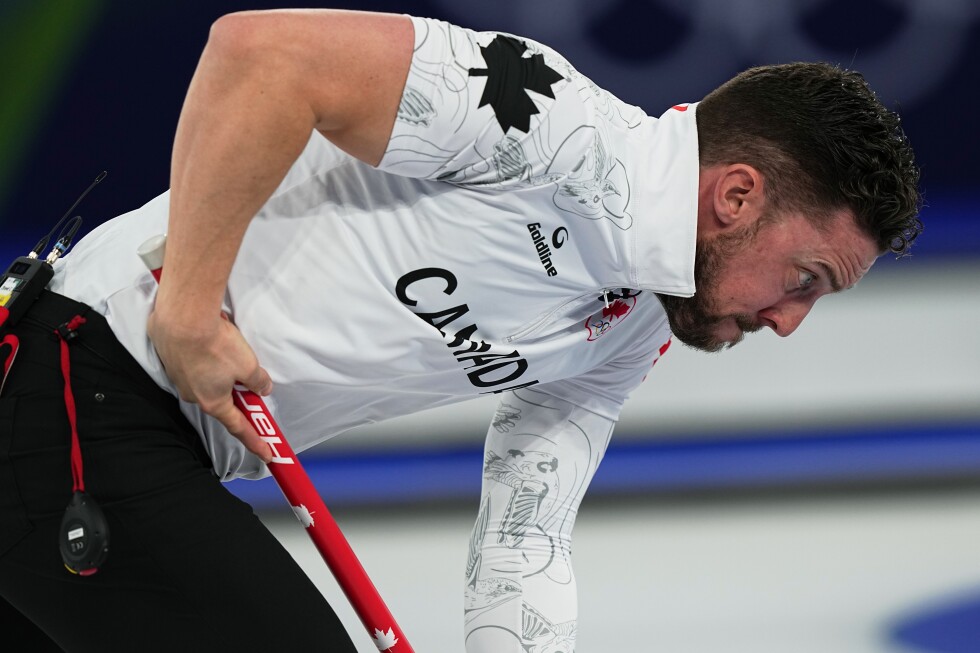
  • Canada, the world’s historic curling powerhouse, is feeling the pressure at Cortina

    Canada, the world’s historic curling powerhouse, is feeling the pressure at Cortina

    CORTINA D’AMPEZZO, Italy — The Olympic curling arena witnessed a dramatic power shift on Saturday as Great Britain’s Bruce Mouat and Jennifer Dodds delivered a decisive blow to Canadian veterans Brett Gallant and Jocelyn Peterman. The match, characterized by Britain’s aggressive stone placement that systematically dismantled Canada’s strategic formations, represents more than just a round-robin defeat—it symbolizes the complete transformation of international curling competitiveness.

    This marked Canada’s second consecutive loss in the mixed doubles tournament, following an earlier defeat by the United States team. The back-to-back setbacks highlight the erosion of Canada’s historical dominance in a sport it once commanded. Olympic observers now recognize that the competitive landscape has undergone fundamental changes through recent Olympic cycles, with multiple nations developing world-class training programs.

    Devin Heroux, Canadian Broadcasting Corporation’s seasoned curling analyst, noted: “This outcome perfectly illustrates curling’s current global state. Canada long operated under the assumption that it produced the world’s finest curlers. The reality now is that not only has the international community caught up—they’ve arguably surpassed us.”

    Despite these losses, both teams remain likely to advance to the next round alongside the United States and Italy, with Britain now positioned strongly for qualification among the ten teams competing at the 2026 Milan Cortina Games.

    The British duo’s victory stems from years of dedicated training at Scotland’s National Curling Academy, established in 2017. Their partnership exemplifies the structured development programs that have produced formidable challengers to Canadian supremacy. Since the 2018 Pyeongchang Games—where Canada failed to medal in either four-person team event—the nation’s curling dominance has waned, managing only a single bronze across all disciplines in Beijing.

    Post-match discussions revealed another critical factor: rapidly changing ice conditions at Cortina’s curling center. Athletes noted significant alterations from previous days, with ice playing “up to two seconds faster”—a substantial variation that forced tactical adjustments. Gallant employed an automotive analogy: “It’s like taking a Honda Civic down the highway then jumping into a Ferrari.” He emphasized that while challenging, the conditions didn’t excuse the loss: “The team that adjusts better gains the advantage. They adapted quicker than we did.”

    His assessment was echoed by the victorious British pair. “We coped with it very well,” stated Dodds, while Mouat added: “We’re communicating effectively and now understand how the ice will behave for the remainder of the competition.”

    Heroux concluded that adaptation to Cortina’s volatile ice conditions would ultimately determine which team claims gold, marking a new era where flexibility and rapid adjustment have become as crucial as traditional curling skills.