标签: Europe

欧洲

  • EU leaders meet to counter pressure from Russia, China and Trump

    EU leaders meet to counter pressure from Russia, China and Trump

    BILZEN-HOESELT, Belgium — European Union leaders convened Thursday at the historic Alden Biesen castle amid mounting external challenges that have forced a fundamental reassessment of the bloc’s strategic positioning. The 27-nation coalition finds itself navigating antagonistic relations with former U.S. President Donald Trump, economic coercion from China, and multifaceted hybrid threats from Russia, creating unprecedented pressure for institutional adaptation.

    The emergency gathering revealed deepening ideological divisions between two competing visions for Europe’s future. German Chancellor Friedrich Merz and Italian Prime Minister Giorgia Meloni lead a conservative faction advocating for widespread deregulation, rebuilt transatlantic relations with Washington, and expanded trade agreements such as the recently negotiated Mercosur pact with South American nations.

    This approach faces strong opposition from French President Emmanuel Macron, who champions ‘European preference’ protections for key industries including cleantech, chemicals, steel, automotive manufacturing, and defense procurement. Macron argues that without such safeguards against unfair competition from China and the United States, European industries risk being ‘swept aside’ in the global marketplace.

    The defense procurement debate has emerged as a particular flashpoint, with Macron insisting EU arms manufacturers receive priority in military spending while Merz and Meloni advocate for purchasing from both foreign and European suppliers.

    Financial architecture reforms also feature prominently in discussions, with Macron renewing his call for ‘Eurobonds for the future’ to challenge dollar hegemony. Meanwhile, the Merz-Meloni alliance emphasizes cutting bureaucratic red tape, strengthening the single market, and pursuing ambitious trade policies based on standardized rules.

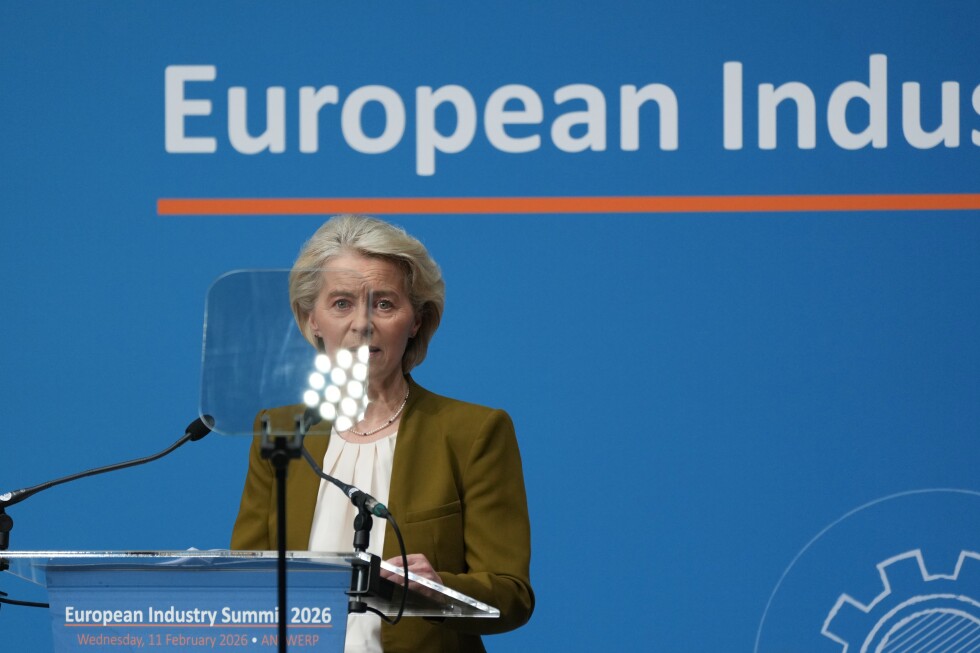
    European Commission President Ursula von der Leyen, aligned with Merz’s European People’s Party, has emphasized that economic security forms the foundation of global influence. ‘Our power on the global stage depends greatly on our strength on the economic front,’ she stated during addresses in Strasbourg and Antwerp.

    According to recent Eurobarometer polling, citizens across the bloc increasingly demand more unified and ambitious leadership amid military threats, economic pressures, and climate instability. This summit aims to formulate concrete proposals for a more comprehensive meeting scheduled for late March.
  • Europe warily awaits Rubio at Munich Security Conference as Trump roils transatlantic ties

    Europe warily awaits Rubio at Munich Security Conference as Trump roils transatlantic ties

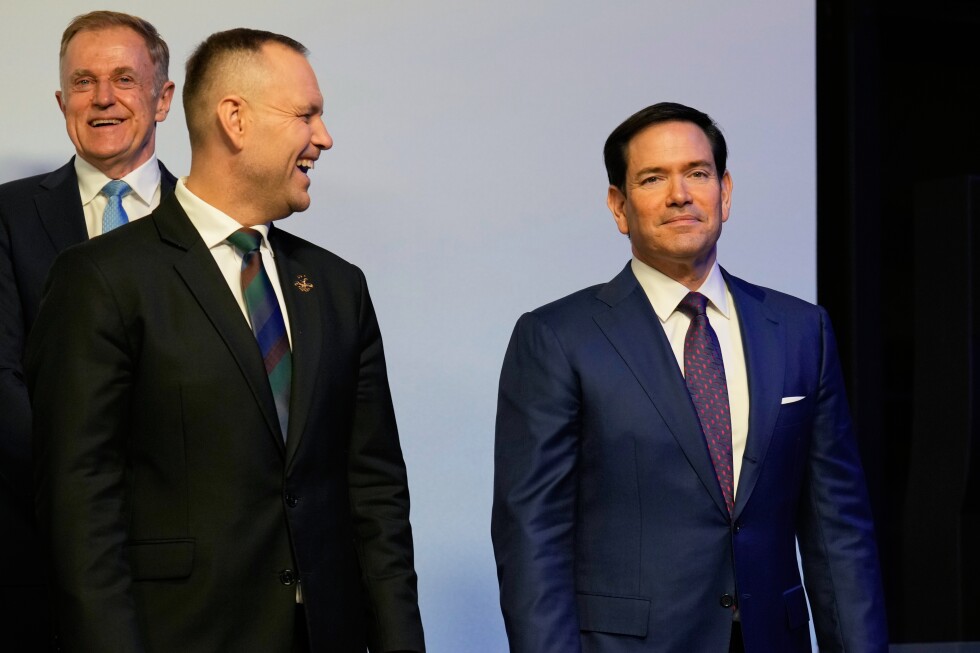
    WASHINGTON — Secretary of State Marco Rubio heads a substantial U.S. delegation to the Munich Security Conference this week, where European leaders seek reassurance following President Donald Trump’s disruptive foreign policy approach that has strained transatlantic alliances and challenged the post-WWII international framework.

    This year’s conference carries particular significance after Vice President JD Vance’s confrontational address at the same venue last year, where he accused European allies of endangering Western civilization through left-leaning domestic policies and inadequate defense spending. While officials indicate Rubio will adopt a less combative tone, his message is expected to align philosophically with the administration’s America First agenda.

    The State Department has released minimal details about Rubio’s itinerary, which includes stops in Slovakia and Hungary following the conference. Anonymous officials familiar with his plans state the secretary will emphasize areas of mutual cooperation regarding shared global concerns, particularly addressing challenges in the Middle East, Ukraine, and China’s growing influence amid current geopolitical uncertainties.

    European apprehension has intensified following Trump’s recent remarks about acquiring Greenland from Denmark and his repeated criticism of various allied leaders. These developments have prompted serious doubts among European partners about America’s reliability as an ally, leaving Rubio with the substantial task of rebuilding confidence.

    Claudia Major, senior vice president at the German Marshall Fund in Berlin, characterized Vance’s previous speech as “a shock moment” that signaled a fundamental shift in U.S. policy toward Europe. “There is a big doubt whether the basis of trust is still there,” Major noted, warning that prolonged estrangement would make relationship repair increasingly difficult.

    Munich Security Conference chairman Wolfgang Ischinger echoed these concerns, acknowledging “a significant crisis of confidence and credibility” in transatlantic relations while expressing hope that Rubio and accompanying U.S. lawmakers might offer a more optimistic outlook.

    European responses to Trump’s administration vary significantly. German Chancellor Friedrich Merz, whom Rubio will meet separately, advocates for Europe to embrace “power politics” by assuming greater security responsibility, pursuing technological independence, and stimulating economic growth. Merz emphasized that European nations should act as “partners and allies, not subordinates” to the United States.

    Conversely, French President Emmanuel Macron and Canadian Prime Minister Mark Carney have adopted more confrontational positions. Macron described the Trump administration as “openly anti-European” and accused it of seeking the European Union’s “dismemberment.” Both France and Canada recently opened consulates in Nuuk, Greenland’s capital, demonstrating support for Danish sovereignty following Trump’s acquisition comments.

    Carney has emerged as a leading voice for countering U.S. influence, advocating expanded trade relationships with China and other nations to ensure commercial stability. This approach has drawn further criticism from the Trump administration.

    Analysts draw parallels between Trump’s Greenland interests and broader geopolitical patterns. Fiona Hill, former White House National Security Council official, observed that “Greenland is to Trump as Ukraine is to Putin,” highlighting how power politics continues to influence international relations.

    European unease extends to Trump’s proposed “Board of Peace,” a 27-member group initially focused on Gaza but envisioned as a mechanism for resolving multiple conflicts. Several key European nations, including Germany, France, Britain, Italy, Norway, and Sweden, have either declined participation or not yet committed to the initiative ahead of its first meeting scheduled for February 19th in Washington.

  • Russia moves to block WhatsApp in messaging app crackdown

    Russia moves to block WhatsApp in messaging app crackdown

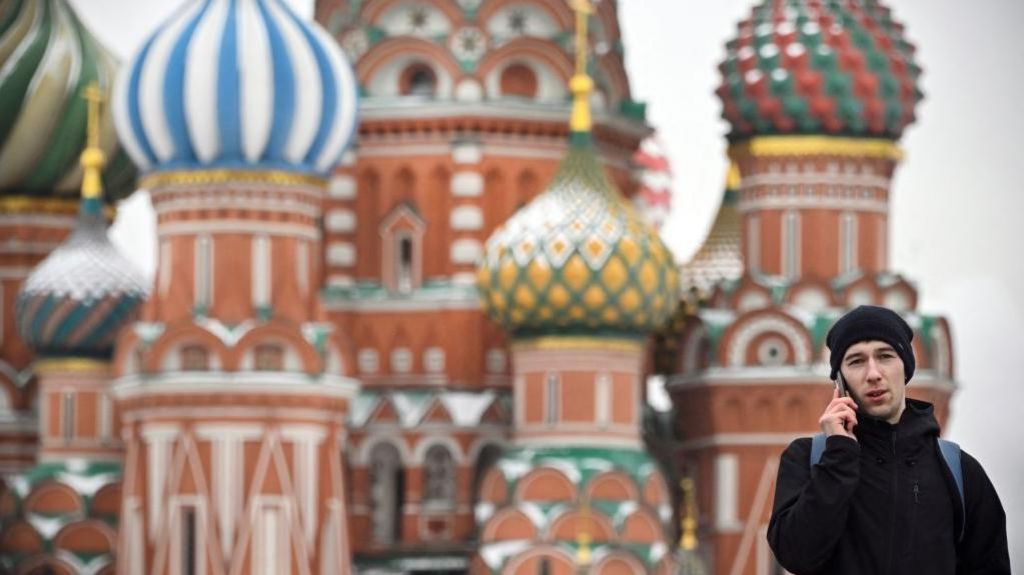
    In a significant escalation of Russia’s digital sovereignty campaign, authorities are moving to comprehensively restrict WhatsApp operations within the country. The Meta-owned messaging platform confirmed these developments, characterizing the action as a deliberate strategy to compel over 100 million Russian users toward a government-developed alternative application.

    The confrontation follows similar restrictions imposed on Telegram, another major messaging service with comparable usership in Russia. Officials justified these measures by citing security concerns and non-compliance with data localization regulations mandating that Russian citizens’ information be stored within national borders.

    WhatsApp issued an official statement condemning the proposed blockade: ‘Attempting to isolate over 100 million users from private and secure communication represents a regressive approach that ultimately compromises safety for Russian citizens. Our commitment remains steadfast in maintaining reliable connectivity for all users.’

    Russian regulatory body Roskomnadzor has repeatedly warned WhatsApp regarding compliance with national legislation. Earlier reports from state-owned Tass Media indicated expectations of a permanent WhatsApp blockade by 2026. Andrei Svintsov, a Russian official, defended these measures as ‘absolutely justified’ given Meta’s designation as an extremist organization in 2022, which previously resulted in blocks against Instagram and Facebook.

    The government’s preferred alternative is Max, a state-developed communications platform that combines messaging functionality with government services. Unlike WhatsApp’s end-to-end encryption model, Max operates without similar privacy protections, drawing comparisons to China’s WeChat super-app ecosystem.

    Since 2025, Russian regulations have mandated Max pre-installation on all new devices sold domestically. The platform has become compulsory for public sector employees, educators, and students nationwide.

    Telegram CEO Pavel Durov, himself Russian-born, criticized these developments as state-enforced migration toward surveillance-capable platforms. He referenced Iran’s similar unsuccessful attempt to mandate state-run messaging alternatives, noting that citizens typically find technological workarounds for such restrictions. Durov emphasized that ‘restricting citizens’ freedom is never the appropriate solution.’

    The situation represents the latest chapter in Russia’s ongoing effort to establish digital autonomy through import substitution policies and heightened internet sovereignty measures.

  • The Dutch love four-day working weeks, but are they sustainable?

    The Dutch love four-day working weeks, but are they sustainable?

    The Netherlands has emerged as an unlikely laboratory for workplace innovation, having quietly institutionalized the four-day work week across its economy. This radical departure from traditional work structures presents both a remarkable social experiment and an economic paradox that challenges conventional wisdom about productivity and prosperity.

    At Amsterdam-based Positivity Branding, co-founders Gavin Arm and Bert de Wit implemented the 32-hour work week seven years ago without reducing salaries or extending daily hours. Their philosophy centers on working smarter rather than longer. “The work-life balance was at the heart of it,” explains de Wit, rejecting notions that reduced hours equate to diminished output.

    The Dutch approach has yielded impressive macroeconomic results. With an average work week of just 32.1 hours—the lowest in the European Union—the Netherlands maintains among the highest GDP per capita in both Europe and OECD nations. This achievement fundamentally challenges the assumption that economic competitiveness requires extended working hours.

    Marieke Pepers, Chief People Officer at software firm Nmbrs, reports concrete benefits: “Staff sickness is down, and retention is up since switching to four days.” She attributes improved creativity to liberated mental space, noting, “I get the best ideas when I walk my dog.”

    However, OECD economists identify sustainability concerns. While acknowledging Dutch productivity levels, economist Daniela Glocker notes stagnation over 15 years: “If the Dutch want to maintain their quality of life, they must increase productivity or expand labor supply.”

    The Dutch model faces demographic headwinds common to developed nations—aging populations and workforce constraints. With nearly half of employees working part-time (the OECD’s highest rate), the country must address institutional barriers to full participation. Particularly striking are gender disparities: over half of Dutch women work part-time, triple the OECD average, constrained by childcare access, tax structures, and cultural norms.

    FNU union representative Yvette Becker argues the four-day week could help close gender gaps: “You gain productivity with less absenteeism.” Meanwhile, Statistics Office analyst Peter Hein van Mulligen points to “institutionalized conservatism” regarding maternal employment expectations.

    As global workplaces evolve, the Dutch experience offers valuable insights into redefining success—balancing economic output against quality of life, and challenging whether traditional metrics truly measure prosperity.

  • Six dead in suspected murder-suicides in Bulgarian mountains, officials say

    Six dead in suspected murder-suicides in Bulgarian mountains, officials say

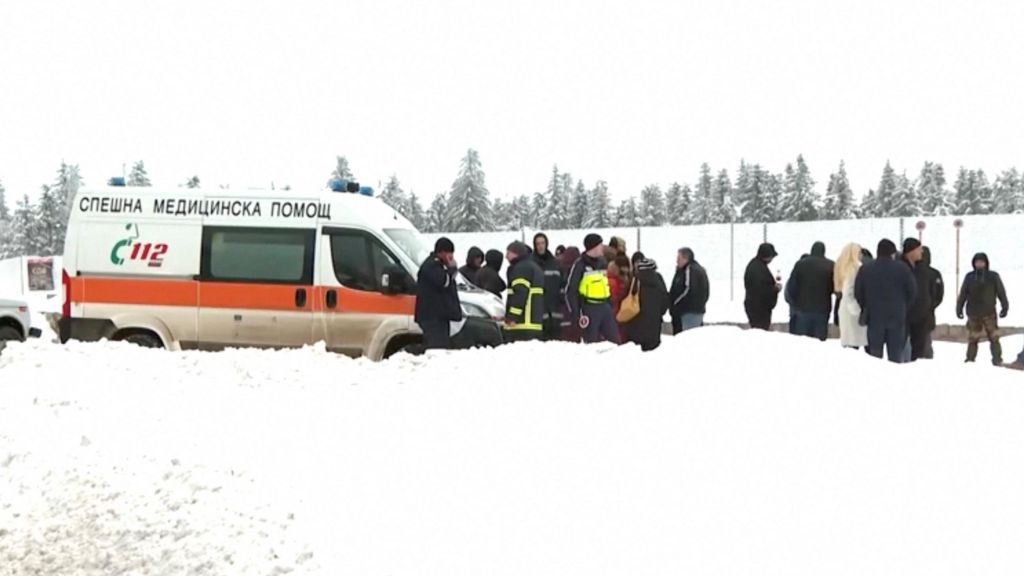
    Bulgarian authorities are investigating one of the nation’s most perplexing criminal cases after six individuals were discovered dead in the Stara Planina mountain range under circumstances that prosecutors describe as more shocking than fictional crime dramas.

    The grim sequence began on February 2nd when emergency services located three male victims—aged 45, 49, and 51—near the charred remains of a mountain hut near the Petrohan pass, approximately one hour from Sofia. Forensic examination revealed all three had sustained close-range gunshot wounds without evidence of defensive injuries or struggle. Law enforcement recovered two handguns and a rifle at the scene.

    Six days later on February 8th, investigators made a second discovery: a parked camper van containing three additional victims—two adult males and a 15-year-old boy—in a remote area near Mount Okolchista. All exhibited gunshot wounds consistent with shots fired inside the vehicle.

    Critical evidence emerged from recovered CCTV footage showing both groups bidding farewell at the mountain hut before the three individuals who remained were recorded setting the structure ablaze. According to National Police Chief Zahari Vaskov, the two incidents are definitively connected.

    Acting Prosecutor General Borislav Sarafov stunned media representatives by comparing the case’s disturbing elements to the fictional murder investigation portrayed in ‘Twin Peaks,’ noting the actual events contained even more shocking details.

    While preliminary autopsy results suggest a combination of murders and suicides, the investigation has sparked intense national speculation and criticism regarding its handling. Most victims were reportedly members of a nature protection NGO, adding another layer of mystery to the tragedy.

    The national police chief has characterized the incident as an ‘unprecedented crime’ without parallel in Bulgaria’s criminal history, leaving investigators and the public alike searching for explanations behind this mountain range tragedy.

  • Canada starts men’s Olympic curling competition with extra-end win

    Canada starts men’s Olympic curling competition with extra-end win

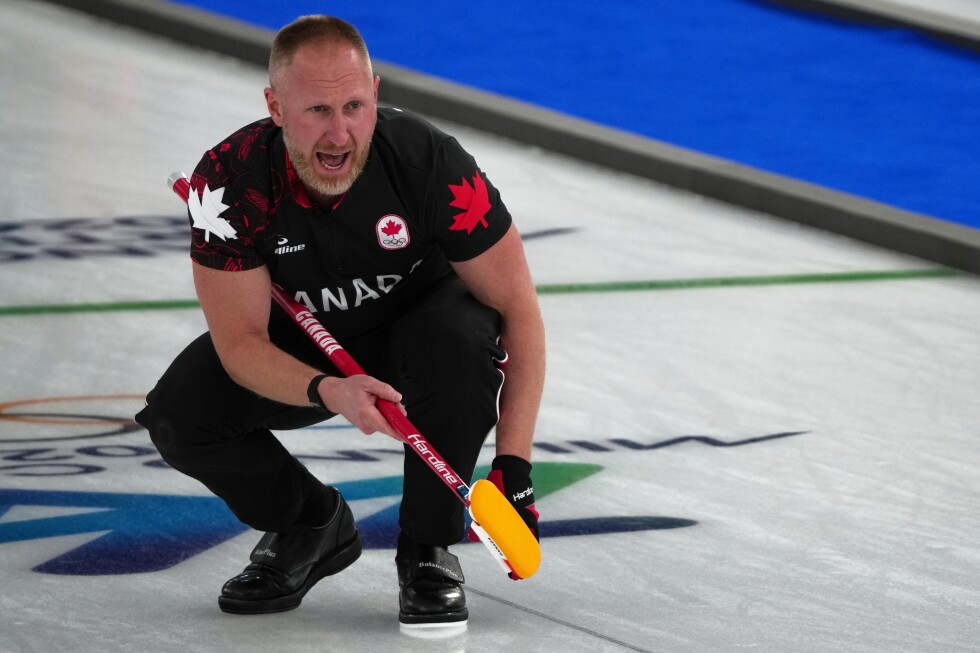
    CORTINA D’AMPEZZO, Italy — The Canadian men’s curling team launched their Olympic redemption quest with a nail-biting 7-6 victory over Germany that required an extra end during Wednesday’s opening round-robin session. Skip Brad Jacobs, returning to Olympic ice for the first time since his gold medal performance in Sochi 2014, delivered a clutch final stone that secured the hard-fought win.

    The dramatic conclusion saw Jacobs execute perfect precision under immense pressure, deftly removing a German stone from the house while positioning his own rock perfectly in the button for the decisive point. “It’s been a long time for me—I’m cherishing every moment of this,” an emotional Jacobs remarked post-game. “This is spectacular.”

    Germany had forced the extra end with a remarkable two-point play on the final shot of the tenth end, tying the score at 6-6 and extending the contest in the evening’s final match at Cortina Curling Olympic Stadium.

    The session featured multiple tight contests, with Italy delivering an upset victory over defending champion Sweden by identical 7-6 margin amid roaring home crowd support. Britain dominated China 9-4 with an end to spare, while the United States narrowly defeated Czechia 8-7.

    This opening victory carries particular significance for Canada, traditionally considered curling’s dominant force. The nation faces heightened pressure following the mixed doubles team’s failure to reach semifinals in Cortina. The international curling landscape has undergone significant transformation over the past decade, with Canada’s last Olympic medal in men’s curling remaining Jacobs’ gold from twelve years ago. Since then, Sweden and the United States have captured gold medals while Canada managed only one bronze.

    Teammate Marc Kennedy addressed the evolving competitive landscape: “People need to understand how difficult international curling is these days. These teams are good, these players have been around a long time. Many come to Canada to refine their game, and they now match or exceed most Canadian teams. That expectation of automatic medal contention has disappeared—it’s a tough battle out there.”

    The women’s curling competition commences Thursday, following Sweden’s mixed doubles victory over the United States in Tuesday’s final.

  • ‘I just want him home’, says wife of Irish man detained by ICE

    ‘I just want him home’, says wife of Irish man detained by ICE

    An Irish citizen’s extended detention by U.S. Immigration and Customs Enforcement (ICE) has drawn significant attention to immigration enforcement practices and consular protection efforts. Seamus Culleton, who entered the United States in 2009 through the visa waiver program, was apprehended by immigration authorities in September 2025 while finalizing his green card application process.

    Culleton’s spouse, Tiffany Smith, emotionally recounted the profound distress caused by her husband’s detention during a recent press conference. “The experience has been completely overwhelming,” Smith stated, emphasizing her desire to have her husband “home where he belongs.” She reported concerning deterioration in Culleton’s health during her visit two weeks prior, describing significant weight loss and apparent jaundice.

    The detained individual, originally from County Kilkenny’s Glenmore area, has established substantial ties to the United States over his 18-year residence. Culleton operates a plastering business in the Boston region and is married to an American citizen. His legal representative, Ogor Winnie Okoye, has formally requested immediate release to enable completion of the green card application process.

    From the El Paso detention facility, Culleton provided disturbing accounts of living conditions, characterizing them as squalid and inadequate. He described confinement with 71 other detainees in cramped quarters, insufficient nutrition, and severely limited access to outdoor recreation. “The uncertainty is terrifying—you never know what each day might bring,” Culleton conveyed during an interview with RTÉ’s Liveline.

    The case has escalated to diplomatic levels, with Taoiseach Micheál Martin acknowledging multiple instances of Irish citizens in ICE custody. The Irish government has adopted a cautious approach, with Martin emphasizing the necessity of effective assistance that doesn’t inadvertently worsen the situation. Foreign Affairs Minister Helen McEntee confirmed consular assistance through the Austin Consulate General and diplomatic engagement with Homeland Security officials in Washington.

    ICE officials presented a contrasting narrative through Department of Homeland Security Assistant Secretary Tricia McLaughlin, who characterized Culleton as an “illegal alien” who received full due process and was issued a removal order. McLaughlin asserted that Culleton elected to remain in custody despite being offered voluntary departure to Ireland. The administration’s stance maintains that detention represents a choice for individuals with pending applications, and highlighted a program offering financial incentives for self-deportation.

    The case highlights ongoing tensions between immigration enforcement priorities and humanitarian considerations, with significant implications for bilateral relations and consular protection protocols.

  • Italy approves new migration bill including powers to impose ‘naval blockades’ on migrant ships

    Italy approves new migration bill including powers to impose ‘naval blockades’ on migrant ships

    The Italian government under Prime Minister Giorgia Meloni has enacted sweeping immigration reforms authorizing naval blockades against migrant vessels attempting to reach Italian territorial waters. The comprehensive legislation, approved during Wednesday’s cabinet session, introduces stringent border control measures and enhanced collaboration with European agencies.

    The new provisions empower Italian authorities to implement maritime interdiction operations for periods up to 30 days when migrant ships present substantial threats to national security or public order, particularly regarding potential terrorist infiltration. This blockade authority may be extended to six months under extreme circumstances. The measures also apply during mass migration events that could compromise border security management.

    Violators face severe penalties including fines reaching €50,000 ($59,400) and vessel confiscation for repeat offenses—a provision particularly targeting humanitarian rescue operations. Intercepted migrants may be transported to third nations with which Italy maintains specific agreements, reviving the controversial offshore processing model previously established in Albania.

    This legislative development follows Tuesday’s European Parliament endorsement of new migration and asylum protocols, which Italian Foreign Minister Antonio Tajani hailed as validation of Rome’s immigration stance. The Albanian processing centers, a cornerstone of Meloni’s migration strategy, have remained largely inactive due to legal challenges while generating ongoing debates regarding their legality and humanitarian implications.

  • Publisher: Dutch novelist and journalist Cees Nooteboom dies at 92

    Publisher: Dutch novelist and journalist Cees Nooteboom dies at 92

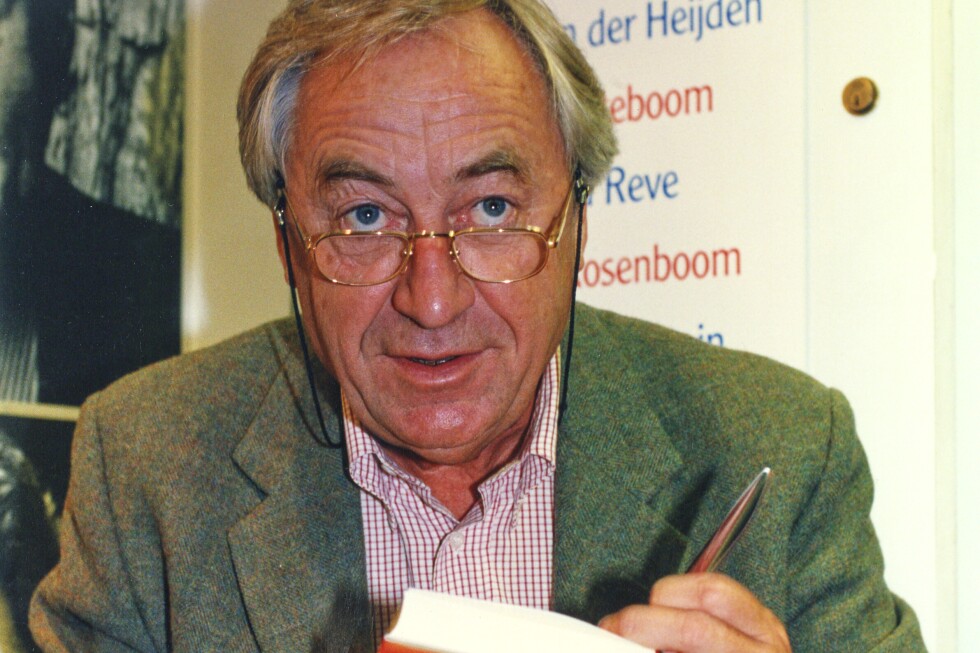
    THE HAGUE, Netherlands — Cees Nooteboom, the celebrated Dutch author whose profound literary works exploring European identity made him a perennial Nobel Prize contender, passed away peacefully Wednesday at age 92. His publisher, De Bezige Bij, confirmed the eminent writer died on his beloved island of Menorca.

    Nooteboom’s remarkable seven-decade career spanned multiple genres, establishing him as one of the Netherlands’ most distinguished literary voices. His passing marks the end of an era for European letters.

    The publisher’s statement, composed on behalf of Nooteboom’s wife Simone Sassen, noted the international literary community would deeply miss “the friendship, erudition, passion, and idiosyncrasy of this internationally acclaimed writer.” No cause of death was provided.

    Nooteboom’s literary journey began with his 1955 debut novel “Philip and the Others,” now considered a Dutch classic that drew inspiration from his hitchhiking adventures across France and Scandinavia. This work established his signature style—meticulously constructed narratives showcasing linguistic mastery and profound cultural insight.

    Beyond fiction, Nooteboom distinguished himself as an observant journalist chronicling Europe’s transformative moments. He reported firsthand on pivotal historical events including the 1956 Soviet invasion of Budapest, the 1968 Paris student uprising, and the 1989 fall of the Berlin Wall.

    After focusing on journalism and travel writing during the 1960s-70s, Nooteboom reemerged as a major novelist with his 1980 work “Rituals,” which achieved both critical acclaim and popular success, eventually being adapted into a feature film. His extensive body of work has been translated into more than 25 languages, with particularly strong recognition in Germany.

    Though never awarded the Nobel Prize, Nooteboom received virtually every major Dutch literary honor plus Germany’s prestigious Konrad Adenauer Stiftung literature prize in 2010. The Dutch National Library noted his “well-considered constructions” and “mastery of language” as consistently praised by reviewers.

    Funeral arrangements remain unannounced as the literary world mourns the loss of one of Europe’s most insightful cultural voices.

  • Voetter and Oberhofer give Italy a home-ice win in Olympic women’s doubles luge

    Voetter and Oberhofer give Italy a home-ice win in Olympic women’s doubles luge

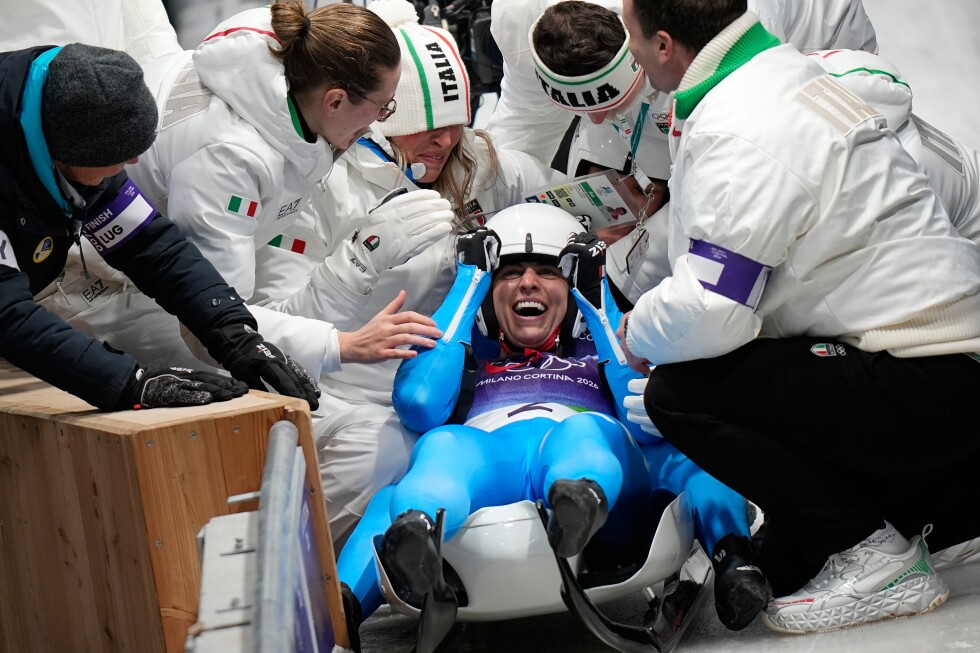
    In a stunning upset on their home track, Italian lugers Andrea Voetter and Marion Oberhofer captured the first-ever Olympic gold medal in women’s doubles luge at the Cortina d’Ampezzo Winter Games. The pair, who had not won a single World Cup event this season and were largely overlooked as contenders, delivered a flawless performance under pressure to finish in 1 minute, 46.204 seconds.

    The victory came against formidable competition, with German silver medalists Dajana Eitberger (2018 women’s singles silver medalist) and Magdalena Matschina finishing just two-tenths of a second behind (1:46.404). The Austrian duo of Selina Egle and Lara Kipp secured bronze with a time of 1:46.543.

    Notably absent from the historic race were several top teams due to restrictive qualification rules. Only 11 sleds were permitted to compete with a maximum of one per nation, excluding world-leading German pair Jessica Degenhardt and Cheyenne Rosenthal, along with the top American team of Maya Chan and Sophia Gordon. This exclusion sparked controversy within the sport, as four sleds that failed to qualify for the Olympics had outperformed the Italian champions in World Cup standings throughout the season.

    The American representatives Chevonne Forgan and Sophia Kirkby finished fifth (1:47.565) but earned a permanent place in Olympic history as the first women’s doubles sled to compete in the Games.