标签: Europe

欧洲

  • Italy last hosted the Olympics in 2006. These women were there, and now are volunteers in Milan

    Italy last hosted the Olympics in 2006. These women were there, and now are volunteers in Milan

    MILAN — Behind the gleaming spectacle of the Milan-Cortina Winter Olympics operates a dedicated force of approximately 18,000 volunteers, whose blue uniforms have become synonymous with the Games’ operational backbone. Among these essential personnel are seasoned veterans whose commitment spans two decades, returning to serve Italy’s third Winter Olympics with undiminished passion.

    Three Italian women exemplify this enduring spirit through their remarkable journeys. Cristina Romagnoli, who previously volunteered at the 2006 Turin Games while supporting Team Ireland, now contributes at the short track speedskating venue. At 45, she actively involves her daughters in the Olympic atmosphere, hoping to pass the torch of volunteerism to the next generation.

    Angela Frisina’s story reveals the transformative power of Olympic service. Beginning at age 50 during the Turin Games, volunteering shattered her routine existence of “work, son, home” and launched her into two decades of continuous community service. Now 70, she serves as an usher at women’s ice hockey events, connecting with international visitors she credits with broadening her worldview.

    The most unconventional journey belongs to Olivia Azzalin, whose Turin Games experience yielded both professional fulfillment and personal transformation. While working with the organizing committee, she met her future husband, and their family expanded shortly after the Games. Now 53, she volunteers at the Olympic Village cafeteria, assisting athletes with recycling procedures after watching their competitions on television.

    These women represent the enduring legacy of Olympic volunteerism—a force that sustains the Games’ operations while creating profound personal connections. Their stories illustrate how temporary service can evolve into lifelong dedication, creating human networks that persist long after the closing ceremonies conclude.
  • EU legal adviser says billions in funding for Hungary were wrongly released

    EU legal adviser says billions in funding for Hungary were wrongly released

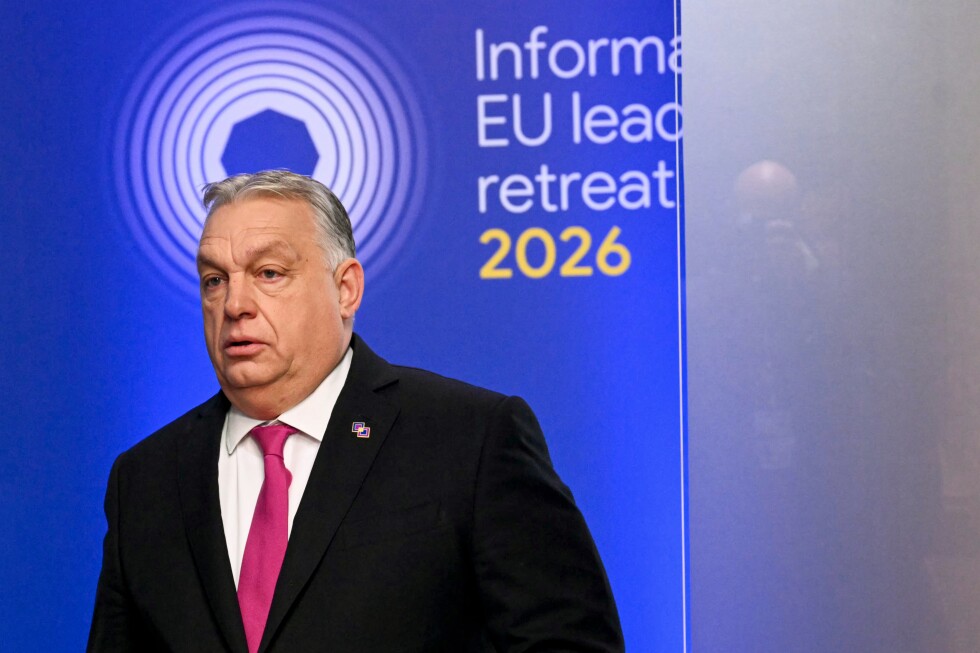
    In a significant development within the European Union’s legal framework, the Advocate General for the EU’s highest court has recommended overturning the European Commission’s controversial 2023 decision to release billions in suspended funds to Hungary. Tamara Ćapeta, representing the European Court of Justice, presented a non-binding opinion on Thursday arguing that the Commission prematurely disbursed approximately €10.2 billion ($12.1 billion) despite Hungary’s failure to implement required judicial reforms addressing rule-of-law deficiencies and corruption concerns.

    The funds had been initially suspended in 2022 following extensive concerns about democratic backsliding under Prime Minister Viktor Orbán’s right-wing populist government. The Commission had identified systemic issues including inadequate corruption prevention measures, compromised judicial independence, and problematic public procurement processes that potentially allowed EU funds to be channeled to politically connected businesses.

    While Advocate General opinions are not legally binding, they typically influence the court’s final rulings. The case was brought forward by the European Parliament in 2024, challenging the Commission’s assessment that Hungary had implemented sufficient reforms to justify fund release.

    The ongoing dispute occurs against the backdrop of Hungary’s significant reliance on EU funds as a major net recipient, with additional billions remaining frozen amid continued concerns about democratic standards. Orbán, who has governed since 2010, consistently rejects criticisms as foreign interference in national sovereignty, while his government faces mounting domestic political challenges from center-right opposition leader Péter Magyar, who promises democratic restoration and improved EU relations.

  • U.S. allies at NATO focus on Europe as the Trump administration steps back

    U.S. allies at NATO focus on Europe as the Trump administration steps back

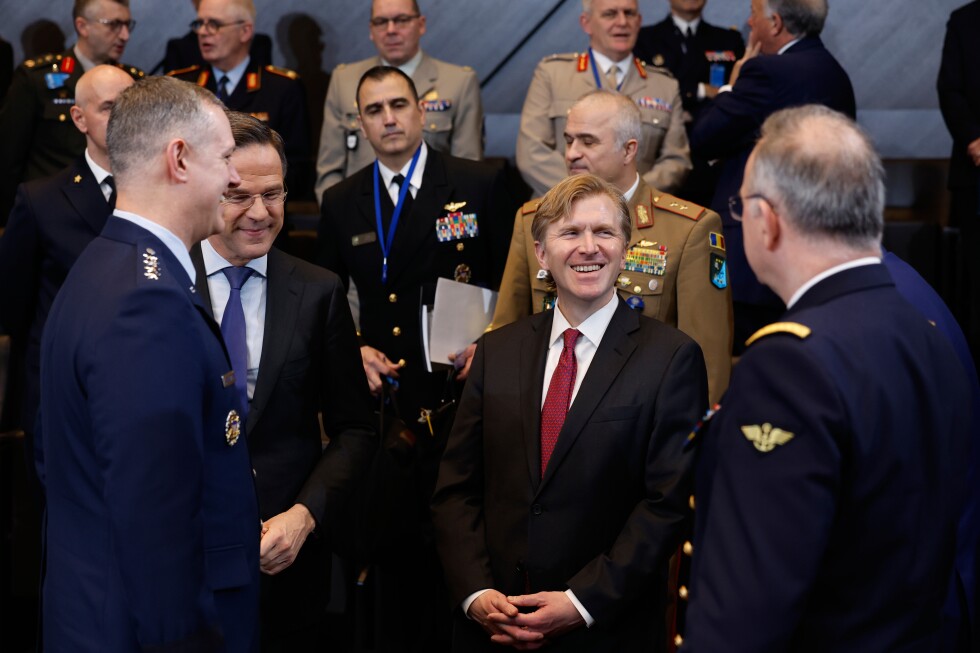
    BRUSSELS — NATO’s European members demonstrated a unified front on Thursday, downplaying concerns about waning U.S. engagement after American Defense Secretary Pete Hegseth skipped the alliance’s defense ministerial meeting. This marked the second consecutive high-level absence following Secretary of State Marco Rubio’s December no-show at foreign ministers’ talks.

    The pattern of substituted representation—with Under Secretary of Defense Elbridge Colby attending in Hegseth’s place—has raised questions about Washington’s commitment to the transatlantic alliance. Yet European officials maintained diplomatic composure. Icelandic Foreign Minister Þorgerður Katrín Gunnarsdóttir remarked, ‘Sadly for him, he is missing a good party,’ while German Defense Minister Boris Pistorius noted, ‘Each of us has a full agenda… it’s his decision and his duties he has to fulfill.’

    This recalibration of responsibilities reflects a fundamental shift in NATO’s dynamics. Where the alliance once sought to ‘keep the Americans in, the Russians out and the Germans down,’ according to its first secretary-general, today’s reality shows Germany emerging as a major defense contributor. Following Russia’s invasion of Ukraine four years ago, Berlin committed €100 billion to military modernization.

    NATO Secretary-General Mark Rutte acknowledged the changing landscape: ‘They have to take care of the whole world. This is the United States. They have always consistently pleaded for Europe doing more, Canada doing more.’ This transition sees European nations increasing conventional defense spending while the U.S. maintains nuclear deterrence guarantees.

    The meeting produced concrete initiatives, including the launch of ‘Arctic Sentry’—a collective response to U.S. security concerns in the High North and a diplomatic effort to deter former President Trump’s ambitions regarding Greenland. The program will coordinate existing national exercises under NATO oversight, with participation from Denmark, France, Germany, and likely Finland and Sweden.

    Meanwhile, European allies are filling gaps in Ukrainian support as U.S. military aid diminishes. The UK announced an additional £500 million in air defense packages, while Sweden pledged funds for American weapons purchases and the Netherlands committed flight simulators for F-16 training. The Ukraine Defense Contact Group, once led by the Pentagon, is now chaired by the UK and Germany.

    Dutch Defense Minister Ruben Brekelmans emphasized the importance of ‘the no-surprise policy’ between NATO and the U.S., reflecting lingering concerns about unpredictable American actions. The Greenland annexation threat particularly rattled allies, with Belgian Defense Minister Theo Francken calling it ‘a crisis that was not needed’ and hoping the new Arctic security arrangement would prevent future ‘food fights over the Atlantic.’

  • UK economy subdued at end of 2025 as budget uncertainty weighed on businesses and consumers

    UK economy subdued at end of 2025 as budget uncertainty weighed on businesses and consumers

    LONDON — Britain’s economy experienced near-stagnation during the final quarter of 2026, according to official data released Thursday, with economic analysts attributing the slowdown to widespread uncertainty surrounding governmental budget policies that suppressed both business investment and consumer spending.

    The Office for National Statistics reported that the world’s sixth-largest economy expanded by a mere 0.1% between October and December, mirroring the sluggish growth rate recorded in the previous quarter. While the annual growth rate improved to 1.3% from 2025’s 1.1%—marking the strongest yearly performance since 2022—the quarterly figures fell substantially below expectations.

    Economic experts identified the prolonged anticipation of Chancellor Rachel Reeves’ November budget announcement as a primary factor behind the economic hesitation. Throughout most of the quarter, businesses and consumers adopted a cautious wait-and-see approach amid speculation that the Treasury would abandon key pledges regarding income tax stability. When finally revealed, the implemented tax increases proved significantly less severe than initially feared.

    Suren Thiru, Economics Director at the Institute of Chartered Accountants in England and Wales, characterized the disappointing quarter as the culmination of another frustrating economic year. “Growth diminished alarmingly rapidly following 2025’s robust beginning, with escalating taxation, intensified uncertainty, and weak productivity progressively constraining economic activity,” Thiru observed.

    Despite some recent indicators suggesting potential growth acceleration in early 2026, the Bank of England has adopted a more cautious outlook. Last week, the central bank downgraded its growth projections for both 2026 and 2027, reducing forecasts from 1.2% to 0.9% and from 1.6% to 1.5% respectively.

    The Labour government, which has witnessed declining public support since its 2024 election victory partly due to economic concerns, now pins hopes on anticipated interest rate reductions. With inflation expected to decrease significantly throughout the year, officials anticipate the Bank might implement a quarter-point cut in March, potentially lowering the main rate to 3.50% from the current 3.75%.

    Simon Pittaway, senior economist at the Resolution Foundation think tank, emphasized the government’s critical challenge: “The imperative for 2026 involves intensifying focus on growth initiatives to establish a sustained economic recovery that will ultimately translate into improved household incomes.”

  • Russia fires another barrage at Ukrainian cities as next round of US-brokered talks is unclear

    Russia fires another barrage at Ukrainian cities as next round of US-brokered talks is unclear

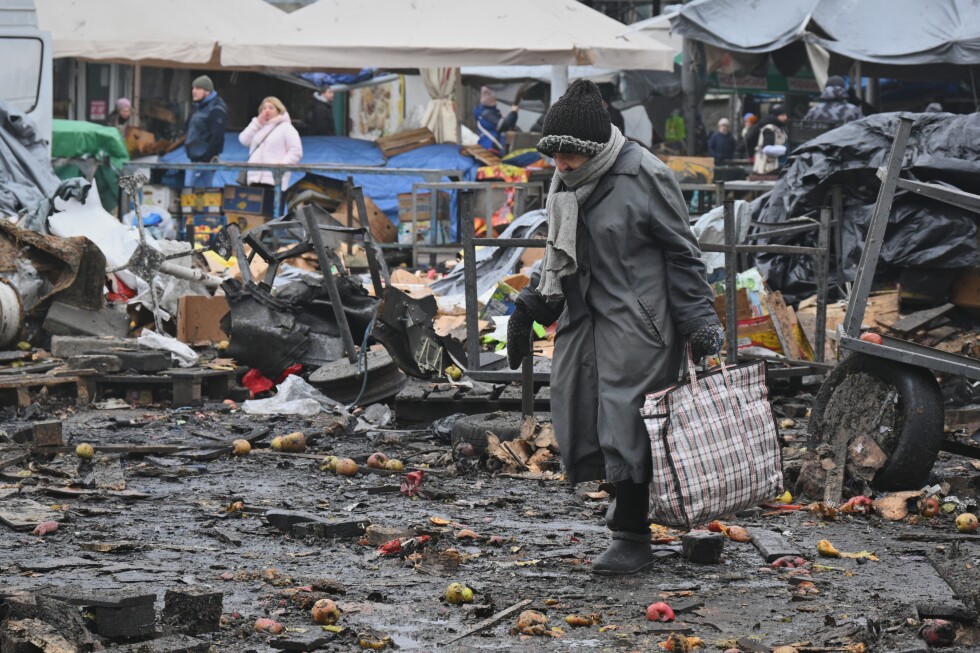
    Ukrainian cities endured another devastating night of Russian missile and drone attacks as diplomatic efforts to end the conflict faced renewed uncertainty. According to Ukrainian officials, Russian forces launched a massive assault overnight Wednesday to Thursday, targeting civilian infrastructure across multiple population centers.

    The aerial offensive involved 219 long-range strike drones, 24 ballistic missiles, and a guided aircraft missile, with Kyiv, Kharkiv, Dnipro, and Odesa serving as primary targets. The attacks resulted in significant damage to residential buildings and critical infrastructure, leaving thousands without heating during freezing temperatures.

    In Dnipro, four civilians including a 4-year-old girl and a newborn boy sustained injuries from the strikes. Kyiv reported damage to several residential buildings with two injuries, while Odesa saw a residential high-rise partially destroyed and commercial establishments set ablaze, leaving one person wounded.

    The escalation in military aggression coincides with diplomatic maneuvering behind the scenes. Ukrainian President Volodymyr Zelenskyy revealed that Washington has proposed additional negotiations between Russian and Ukrainian delegations scheduled for next week in either Miami or Abu Dhabi. While Ukraine has “immediately confirmed” its participation, Zelenskyy indicated that Moscow appears to be “hesitating” about committing to the talks.

    Kremlin spokesman Dmitry Peskov offered a vague acknowledgment that another round of discussions was expected “soon” but provided no concrete details. The potential negotiations form part of a yearlong peace initiative by the Trump administration, which has reportedly set a June deadline for both parties to reach an agreement.

    Substantial obstacles remain to any comprehensive settlement. The two nations remain deeply divided over critical issues including the status of Ukrainian territories currently occupied by Russian forces, particularly in the eastern Donbas region. Moscow continues to demand additional territorial concessions from Kyiv, while Ukraine seeks Western-backed security guarantees, EU membership prospects, and a postwar reconstruction package before considering any proposed 20-point settlement.

    Meanwhile, Russia has persisted in targeting Ukrainian civilian areas and energy infrastructure, ignoring U.S. proposals for an “energy ceasefire” that would also restrict Ukrainian drone strikes on Russian oil facilities.

  • WhatsApp says Russia has tried to fully block the messaging app

    WhatsApp says Russia has tried to fully block the messaging app

    Russia has initiated a comprehensive blockade against WhatsApp, marking the most recent escalation in the Kremlin’s systematic campaign to dominate the nation’s digital landscape. The messaging platform confirmed the government’s action on Wednesday, characterizing it as a deliberate strategy to coerce citizens into adopting state-controlled alternatives.

    A spokesperson for WhatsApp condemned the move, stating, ‘This attempt to isolate over 100 million Russians from secure, private communication represents a regressive policy that ultimately compromises public safety. We remain committed to maintaining reliable connections for our users.’ The company explicitly linked the ban to government efforts to promote MAX, a state-supported messaging application that privacy advocates have labeled a surveillance tool.

    This development continues Russia’s pattern of internet restrictions that intensified following the 2022 invasion of Ukraine. Previous casualties include major social platforms like Facebook, Twitter, and Instagram. Kremlin spokesman Dmitry Peskov defended the action through state media, insisting that Meta Platforms must comply with Russian regulations to restore service.

    The digital crackdown now appears to be expanding to other platforms. Russian communications regulator Roskomnadzor recently announced impending restrictions on Telegram, accusing it of non-compliance with local laws. This announcement provoked unexpected criticism from pro-military bloggers who highlighted Telegram’s crucial role in battlefield communications for Russian forces in Ukraine.

    Despite these announcements, Telegram continues functioning normally, with experts noting its technical architecture presents greater challenges for complete blocking than WhatsApp. Some analysts suggest that eliminating WhatsApp might allow authorities to concentrate technological resources on ultimately restricting Telegram.

    President Vladimir Putin’s administration has methodically constructed what critics describe as a digital iron curtain through multifaceted measures including restrictive legislation, website bans, and advanced traffic monitoring systems. The government has previously throttled YouTube, blocked Signal and Viber, and prohibited online calling features on various platforms including WhatsApp and Telegram. In December, restrictions were extended to Apple’s FaceTime service.

    While virtual private networks (VPNs) offer partial circumvention of these restrictions, Russian authorities have concurrently targeted and blocked numerous VPN services. Simultaneously, the government aggressively promotes its domestic MAX platform, which openly acknowledges its practice of sharing user data with authorities upon request and lacks end-to-end encryption according to security experts.

  • Strikes by German pilot and cabin crew unions force Lufthansa to cancel flights

    Strikes by German pilot and cabin crew unions force Lufthansa to cancel flights

    BERLIN — A coordinated 24-hour strike by two major labor unions brought Lufthansa’s operations to a near standstill on Thursday, triggering massive flight cancelations across Germany’s flagship carrier. The industrial action, organized by pilot union Vereinigung Cockpit and cabin crew union UFO, represents one of the most significant labor disruptions in recent European aviation history.

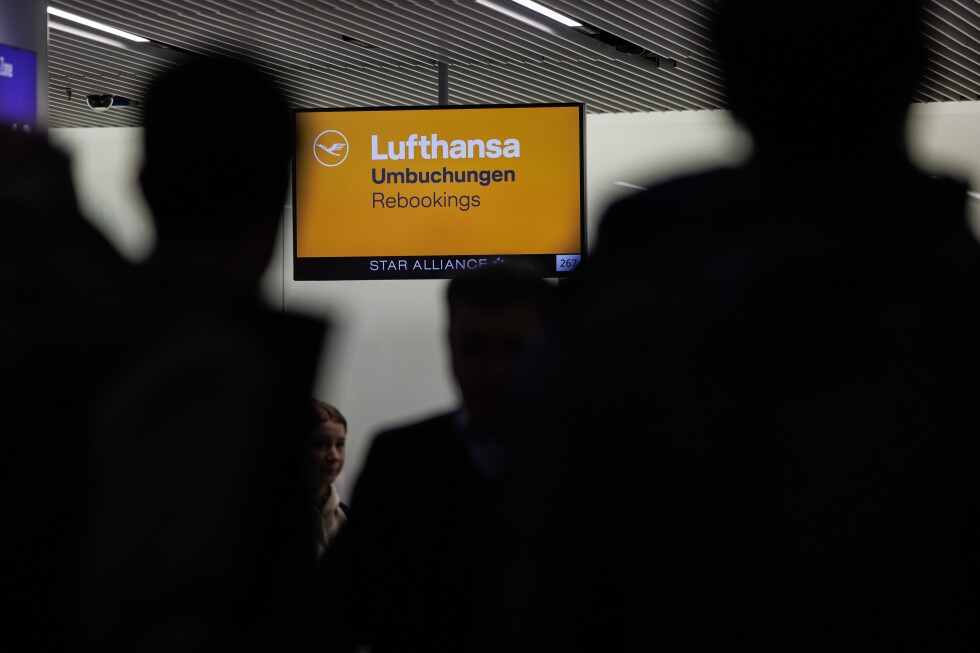
    The walkouts, announced just 48 hours prior to execution, created operational chaos at Lufthansa’s key hubs in Frankfurt and Munich. Departure boards at Frankfurt Airport, the airline’s primary hub, displayed extensive cancelations throughout Thursday morning, with the majority of scheduled flights failing to operate. While the airline declined to provide specific figures regarding affected passengers, the scale of disruption suggested thousands of travelers faced itinerary changes.

    Vereinigung Cockpit initiated its strike action in response to stalled negotiations concerning pension system reforms for pilots at both Lufthansa and its cargo division. Simultaneously, UFO called for industrial action demanding renewed negotiations on multiple workplace issues affecting cabin crew members.

    Lufthansa management condemned the strikes as “disproportionate” given the ongoing negotiation processes. The airline activated its contingency plans, attempting to rebook stranded passengers onto alternative flights operated by partner carriers within the Lufthansa Group network, including Swiss International Air Lines, Austrian Airlines, and Brussels Airlines.

    Despite Thursday’s widespread disruptions, Lufthansa projected a rapid return to normal operations, announcing expectations for a largely standard flight schedule by Friday. The resolution of these labor disputes remains critical for Europe’s largest airline group as it navigates post-pandemic recovery challenges amid rising operational costs and competitive pressures.

  • Paris wine show reflects surging demand for zero- and low-alcohol drinks

    Paris wine show reflects surging demand for zero- and low-alcohol drinks

    PARIS — In a nation historically synonymous with viniculture, a quiet revolution is transforming French social traditions. Justine Bobin, a Muslim teetotaler from Burgundy, represents a growing demographic challenging France’s deep-seated drinking culture. Her recent visit to the Wine Paris trade show highlighted the expanding market of sophisticated zero- and low-alcohol beverages that are redefining social interactions.

    The emerging no/low alcohol sector, featuring products from across Europe, South Africa, Australia and New Zealand, is strategically positioning itself with mantras like ‘no alcohol, no regrets, no consequences.’ This movement capitalizes on shifting consumer preferences, particularly among younger generations increasingly conscious of alcohol’s health implications and social consequences.

    Global trends support this transformation. The United States reports declining alcohol consumption, while international markets witness the gradual erosion of traditional alcohol dominance. France’s government now offers financial incentives for vintners to remove vineyards in response to decreasing demand. Even industry giant Heineken announced plans to eliminate 6,000 jobs globally by 2028 following reduced beer sales, while simultaneously experiencing double-digit growth in its no/low alcohol portfolio across 18 markets.

    Bobin, who operates a delicatessen in France’s renowned Burgundy wine region, sees these beverages as tools for social inclusion. ‘It allows us to share moments with people without alcohol. Everyone can toast together—it creates alternatives that bring people together,’ she explained.

    Statistical evidence confirms this cultural shift: French alcohol consumption has dramatically decreased over the past fifty years. Adults have largely abandoned the tradition of wine with meals, while younger generations demonstrate fundamentally different drinking patterns than their parents.

    Austrian producer Katja Bernegger, who developed alcohol-free wines during pregnancy, emphasizes this is no temporary trend. ‘People are more mindful of their bodies. With responsibilities like children and careers, they cannot afford the consequences of alcohol consumption,’ she noted. Bernegger identified the social isolation felt by non-drinkers—’standing with orange juice while others enjoy wine’—and recognized the need for sophisticated non-alcoholic alternatives that preserve social participation without compromising lifestyle choices.

  • Roadworks causing ‘traffic chaos’ for town

    Roadworks causing ‘traffic chaos’ for town

    The bustling town of Letterkenny, County Donegal’s largest urban center, finds itself mired in significant traffic disruptions as ongoing Active Travel infrastructure projects enter their initial phases. These developments, designed to create dedicated cycling lanes and pedestrian pathways, have generated substantial congestion that local officials predict may persist for approximately six months.

    Fianna Fáil council member Donal ‘Mandy’ Kelly reports receiving daily complaints from frustrated constituents, particularly during morning rush hours. The congestion has created a domino effect across the community, with school bus operators struggling to maintain schedules and employees arriving late to workplaces. Problematic areas including Dromore, Windyhall, and Oldtown have become particular pain points for commuters.

    The commercial sector has registered measurable impacts, with Letterkenny Chamber of Commerce President Jimmy Stafford noting business revenue declines approaching 40% among some retailers. While supporting sustainable transportation initiatives in principle, business owners express concern about the immediate economic consequences. Leonard Watson of Watson Menswear acknowledged Letterkenny’s natural congestion as a byproduct of its commercial success, with approximately 25,000 people entering daily for work and shopping.

    Infrastructure advocates like Brian Gallagher, proprietor of the Station House Hotel, argue the current situation highlights deeper structural deficiencies. Gallagher has renewed calls for a long-proposed bridge across the River Swilly, a project that has remained in discussion for four decades without implementation. He emphasizes that such infrastructure would not only alleviate downtown congestion but better serve the thousands of hospital employees, university students, and social services personnel commuting daily.

    Donegal County Council maintains that the temporary disruptions will yield long-term benefits, stating the completed Active Travel network will ultimately ‘alleviate congestion in Letterkenny.’ The projects form part of a broader national initiative that has seen over €1 billion invested in sustainable transportation since 2020, with an additional €360 million allocated for 2026 initiatives nationwide.

  • Historic cricket win for Italy at T20 World Cup and Sri Lanka eases past Oman

    Historic cricket win for Italy at T20 World Cup and Sri Lanka eases past Oman

    In a remarkable display of cricketing prowess, Italy secured its first-ever victory at the ICC Men’s T20 World Cup with a stunning 10-wicket triumph over Nepal at Mumbai’s iconic Wankhede Stadium on Thursday. The Italian team, participating in only their second global cricket tournament, achieved this historic milestone through a dominant performance that saw them dismantle Nepal’s bowling attack in just 12.4 overs.

    The foundation for Italy’s victory was laid by their bowling unit, particularly Sri Lanka-born wrist spinner Crishan Kalugamage, who delivered a decisive performance with figures of 3-18. Kalugamage’s crucial wickets included that of Nepal captain Rohit Paudel, helping restrict the Himalayan nation to a modest total of 123 runs, completed with three balls remaining in their innings.

    The chase became a spectacular family affair as the Sydney-raised Mosca brothers, Anthony and Justin, orchestrated a flawless batting exhibition. Their unbeaten partnership of 124-0 marked only the eighth 10-wicket victory in the history of men’s T20 World Cup cricket. Anthony Mosca’s explosive 62 not out from 32 balls, complemented by Justin’s steady 60 not out from 44 deliveries, featured an impressive array of nine sixes and eight boundaries that systematically dismantled Nepal’s bowling attack.

    This victory places Italy alongside the Netherlands as only the second non-British European nation to win a match in the T20 World Cup. The result comes as a particular disappointment for Nepal, who had previously demonstrated strong form by nearly defeating England at the same venue just days earlier.

    In concurrent tournament action, Sri Lanka delivered a crushing 105-run victory over Oman in Pallekele. Captain Dasun Shanaka broke his own national record for the fastest Twenty20 half-century, reaching 50 runs in just 19 balls. Supported by Kusal Mendis (61) and Pavan Rathnayake (60), Sri Lanka posted a tournament-high 225-5 against Oman’s weakened bowling attack. Oman struggled in response, managing only 120-9, with off-spinner Maheesh Theekshana leading Sri Lanka’s bowling with figures of 2-11 from four overs.

    Despite the lopsided result, Oman’s 43-year-old Mohammad Nadeem achieved personal distinction by becoming the oldest player to score a half-century in T20 World Cup history, finishing unbeaten on 53 from 56 balls.