标签: Europe

欧洲

  • Emily Clark scores 2, Canada closes the preliminary round with 5-0 win over Finland at the Olympics

    Emily Clark scores 2, Canada closes the preliminary round with 5-0 win over Finland at the Olympics

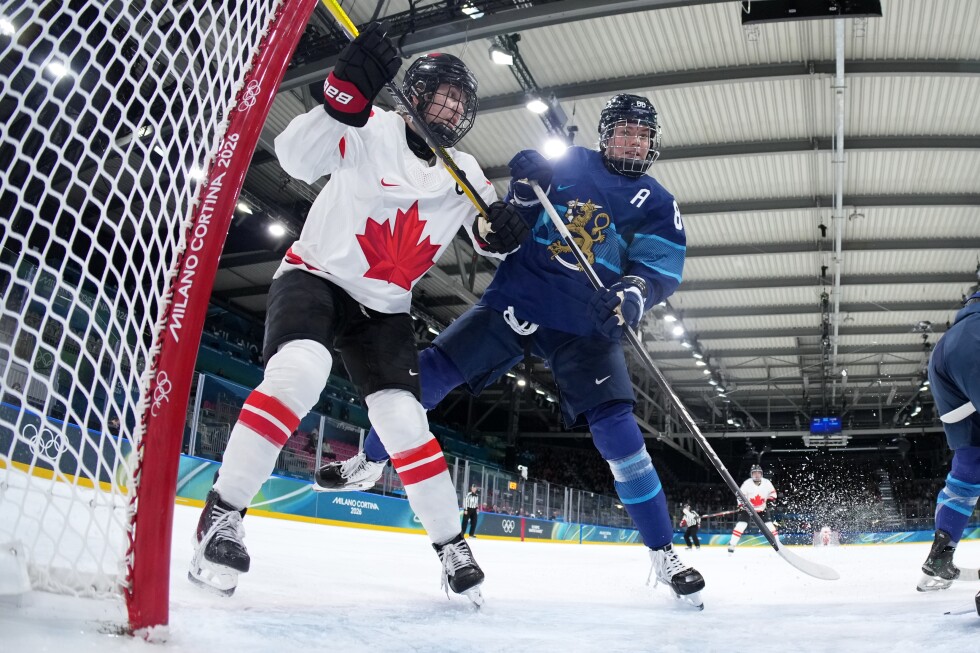
    MILAN — The Canadian women’s Olympic hockey team delivered a commanding performance on Thursday at the Milan Cortina Games, shutting out Finland 5-0 to secure second place in Group A. The victory sets up a quarterfinal matchup against Germany this Saturday.

    Emily Clark emerged as the offensive standout with two goals, while goaltender Ann-Renee Desbiens recorded a 17-save shutout in a game originally postponed due to Finland’s roster being depleted by a stomach virus.

    The Canadian squad demonstrated resilience by bouncing back decisively from their previous 5-0 defeat against tournament favorites United States on Tuesday. That loss marked Canada’s first shutout defeat in Olympic competition history.

    Team Canada continued to compete without captain Marie-Philip Poulin, who sustained a lower-body injury during Monday’s 5-1 victory over Czechia. Medical staff reported positive progress as Poulin returned to the ice for skating drills on Thursday, with expectations for her return during the knockout stage.

    The outcome finalized all quarterfinal pairings, with Group A top-seeded United States set to face host nation Italy on Friday. Italy secured Group B’s final playoff seed with a 2-2 record.

    Additional scoring contributions came from Kristin O’Neill (one goal, one assist), Jennifer Gardiner, and Daryl Watts. Finland, blanked in all three losses during preliminary rounds, will face Switzerland after finishing fourth in Group A.

  • Trump’s defamation lawsuit against the BBC is set to go to trial in 2027, US judge says

    Trump’s defamation lawsuit against the BBC is set to go to trial in 2027, US judge says

    A Florida federal judge has authorized former President Donald Trump’s monumental $10 billion lawsuit against the British Broadcasting Corporation to proceed toward trial in February 2027. Judge Roy K. Altman of the Southern District of Florida denied the BBC’s petition to delay legal proceedings, establishing a definitive timeline for the high-stakes litigation.

    The legal confrontation originates from a December filing by Trump, who alleges the BBC manipulated his January 6, 2021 speech through deceptive editing in their documentary “Trump: A Second Chance?” aired shortly before the 2024 presidential election. The lawsuit contends the broadcaster spliced three distinct quotes from segments delivered nearly an hour apart, creating the false impression of a continuous statement where Trump explicitly encouraged supporters to “fight like hell” while omitting his concurrent advocacy for peaceful demonstration.

    Trump seeks $5 billion in defamation damages and an additional $5 billion for alleged unfair trade practices, arguing the editorial manipulation deliberately misrepresented his actions preceding the Capitol unrest. The BBC has subsequently apologized for the editing approach but maintains its position that the documentary did not constitute defamation. The controversy prompted significant organizational changes within the broadcaster, including the resignation of both its chief executive and head of news.

    The BBC intends to challenge the lawsuit’s validity through a motion to dismiss, citing jurisdictional concerns and insufficient legal grounds. However, Judge Altman characterized the broadcaster’s request to postpone discovery processes—which would compel the production of internal emails and editorial materials—as premature at this preliminary stage of litigation.

  • New face for France as center Brau-Boirie set for test debut vs. Wales in Six Nations

    New face for France as center Brau-Boirie set for test debut vs. Wales in Six Nations

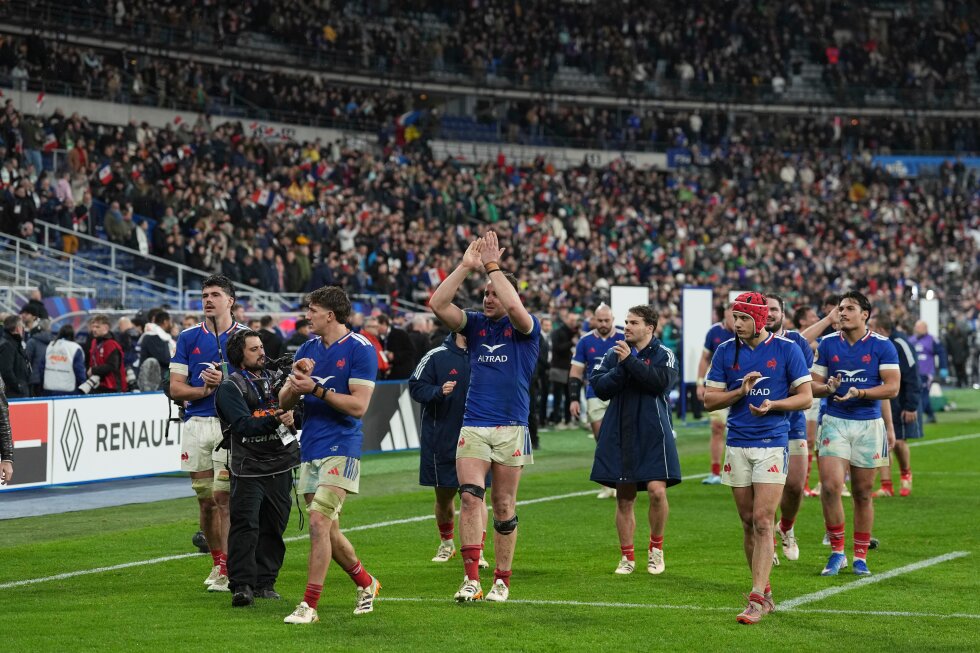
    In a bold strategic move, French national rugby head coach Fabien Galthié has selected 20-year-old Fabien Brau-Boirie for his international test debut at center against Wales in this Sunday’s Six Nations matchup. The rising star from Pau club will form a dynamic midfield partnership with his clubmate Émilien Gailleton, who earns his 12th cap for Les Bleus.

    This unexpected selection comes as a direct response to France’s injury crisis following their commanding 36-14 victory over Ireland last Thursday. The defending champions lost three key centers—Nicolas Depoortère (calf), Kalvin Gourgues (ankle), and Yoram Moefana (knee)—forcing Galthié to tap into France’s deep talent pool.

    Galthié expressed confidence in his young prospect, stating: “Brau-Boirie has been integrated within our system for over a year. His exceptional performances with the under-20 squad, combined with consistent weekend appearances for his club, have truly earned him this opportunity. He was originally slated to join our tour to New Zealand last July but unfortunately sustained an ankle injury.”

    The selection marks a significant moment for Pau club, which currently sits second in the French Top 14 league, thanks in part to the contributions of both Brau-Boirie and Gailleton. Adding to the youthful injection, 21-year-old Stade Francais center Noah Nene has been named among the reserves, awaiting his potential debut.

    France faces a Welsh squad reeling from a devastating 48-7 defeat against England at Twickenham last weekend. Despite Wales facing the prospect of a record-extending 13th consecutive Six Nations defeat, Galthié remains wary of the challenge awaiting in Cardiff.

    The French coach acknowledged the unique atmosphere of the Welsh stadium, noting: “In my opinion, it represents the most magnificent stadium globally, with those relentless Welsh chants that create an extraordinary environment. This distinctive atmosphere effectively levels the competitive field and provides the Welsh team with additional motivation.”

    Wales hasn’t secured a victory against France on home turf since 2018, adding historical context to this highly anticipated Six Nations confrontation.

  • Swiss to vote on proposal by anti-immigration party to cap population at 10 million

    Swiss to vote on proposal by anti-immigration party to cap population at 10 million

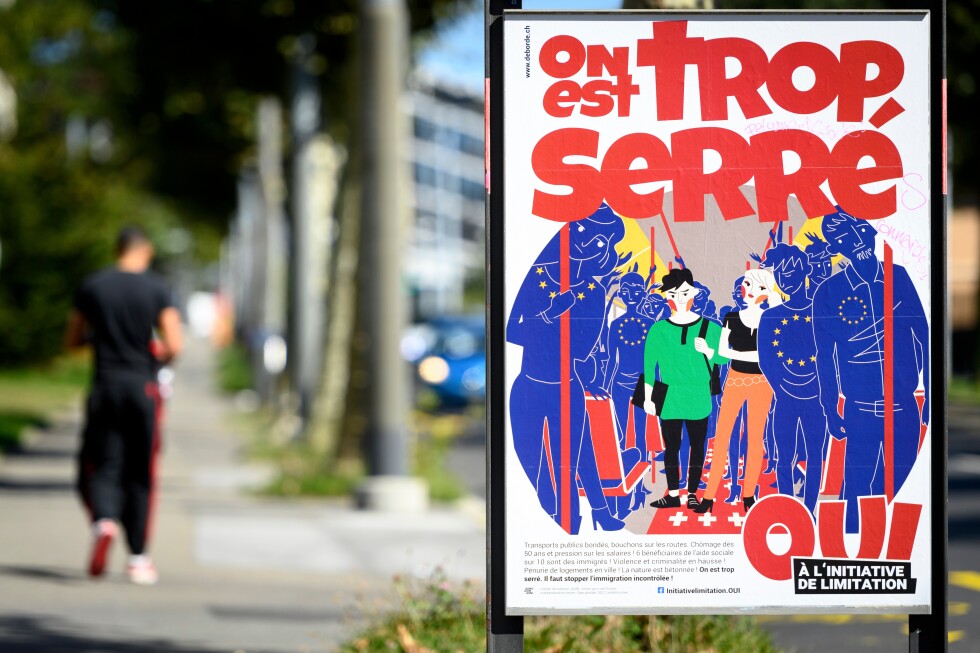
    Switzerland will conduct a national referendum on June 14th to determine whether to implement a permanent population ceiling of 10 million residents, a controversial proposal spearheaded by the right-wing Swiss People’s Party (SVP). The initiative has gathered sufficient petition signatures to advance to the ballot, potentially setting the stage for renewed tensions with European neighbors.

    According to federal statistics, Switzerland’s current population stands at approximately 9.1 million people, with foreign-born residents constituting nearly 30% of the total demographic composition. Most immigrants originate from European Union nations, with many subsequently obtaining Swiss citizenship.

    The proposed legislation would constitutionally mandate that Switzerland’s permanent resident population—encompassing both citizens and foreign nationals holding residency permits—must not surpass 10 million before 2050. Should the population approach 9.5 million prior to this deadline, the government would be compelled to implement restrictive measures including asylum limitations, family reunification constraints, residency permit restrictions, and renegotiation of international agreements.

    Proponents argue that population containment is essential for environmental preservation, resource conservation, infrastructure maintenance, and social welfare system protection. The initiative emerges within Switzerland’s unique direct democracy framework, which enables citizens to directly influence policy through quarterly ballots.

    The SVP party, which holds the largest parliamentary representation, has historically advocated for immigration restrictions with varying success. This proposal reflects broader anti-immigration sentiments observed across numerous Western nations.

    Opposition critics contend that the measure oversimplifies complex demographic realities, noting Switzerland’s considerable economic dependence on foreign labor across critical sectors including healthcare, hospitality, construction, and academia. Additionally, such restrictions would potentially violate Switzerland’s international commitments, particularly within the Schengen zone—a 29-nation agreement facilitating visa-free movement among 450 million Europeans. While not an EU member, Switzerland participates alongside Norway, Iceland, and Liechtenstein in this border-free arrangement.

  • Vatican offers dialogue with breakaway Latin Mass traditionalist group, but with a catch

    Vatican offers dialogue with breakaway Latin Mass traditionalist group, but with a catch

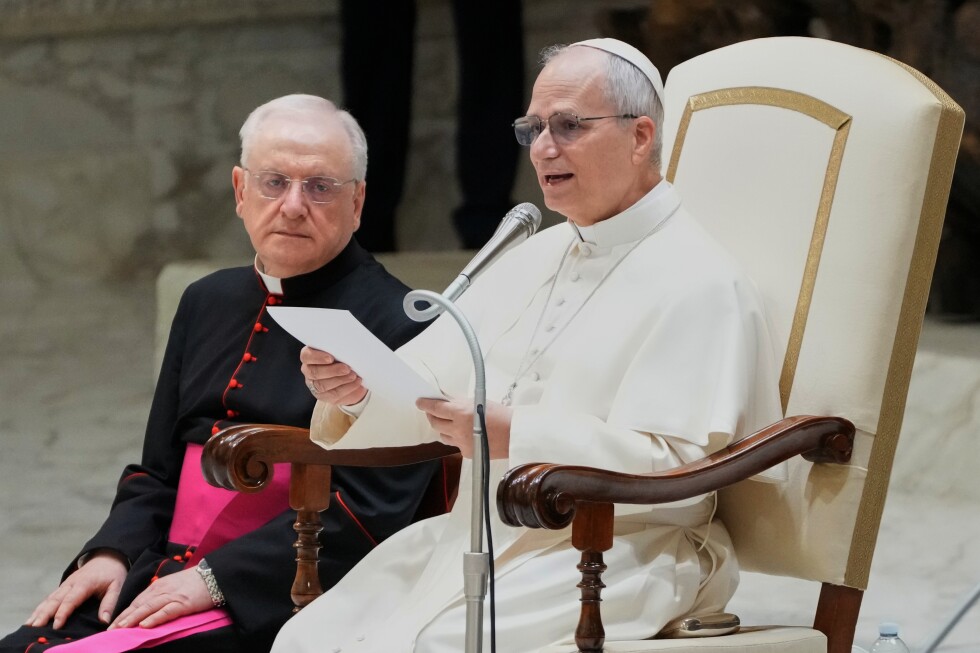
    The Vatican has delivered a stern warning to the breakaway Society of St. Pius X (SSPX), cautioning that its planned unauthorized bishop consecrations in July would constitute a “decisive break in ecclesial communion” and potentially trigger formal schism. Cardinal Víctor Manuel Fernández, prefect of the Dicastery for the Doctrine of the Faith, met Thursday with SSPX Superior General Rev. Davide Pagliarani in Rome following the traditionalist group’s announcement to ordain new bishops without papal approval.

    During the high-stakes meeting, Cardinal Fernández extended an olive branch alongside the warning, proposing renewed theological discussions to regularize the SSPX’s status within the Catholic Church—but only if the society immediately cancels its July 1 consecration ceremony. The Vatican emphasized that papal consent for bishop consecrations represents a fundamental doctrine ensuring apostolic succession from Christ’s original apostles.

    The Swiss-based SSPX, founded in opposition to the modernizing reforms of the Second Vatican Council (1962-1965), has maintained a contentious relationship with Rome for decades. The group first broke with the Vatican in 1988 when its founder, Archbishop Marcel Lefebvre, consecrated four bishops without papal mandate, resulting in automatic excommunication for all involved.

    Despite its irregular status, the traditionalist society has experienced significant growth, currently boasting 733 priests, 264 seminarians, and religious members across 50 nationalities. This expansion has raised concerns within the Vatican about the development of a parallel church structure that challenges Rome’s authority.

    Rev. Pagliarani has defended the planned consecrations as “realistic and reasonable” given the aging of the SSPX’s two remaining bishops and the pastoral needs of their global community. The group continues to attract Catholics drawn to the traditional Latin Mass, particularly following Pope Francis’s restrictions on the pre-Vatican II liturgy.

    The Vatican statement described Thursday’s encounter as “cordial and sincere” and noted that Pope Leo XIV had personally approved the dialogue initiative. This development represents the latest chapter in decades of attempted reconciliation between Rome and the traditionalist society, including Pope Benedict XVI’s 2009 lifting of excommunications against the surviving SSPX bishops.

  • Reactions to the banning of Vladyslav Heraskevych from the Olympics

    Reactions to the banning of Vladyslav Heraskevych from the Olympics

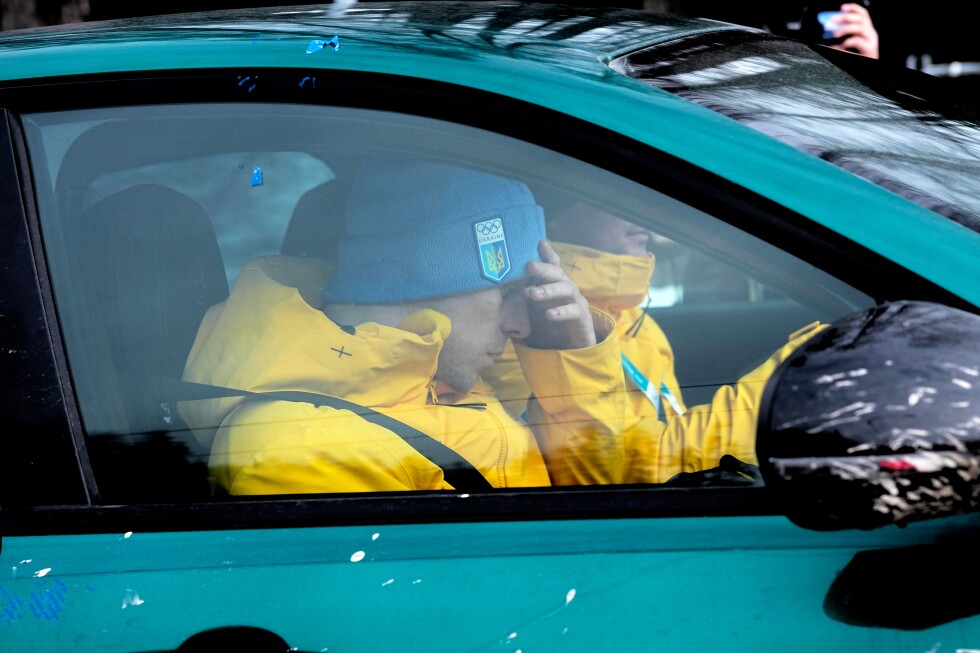
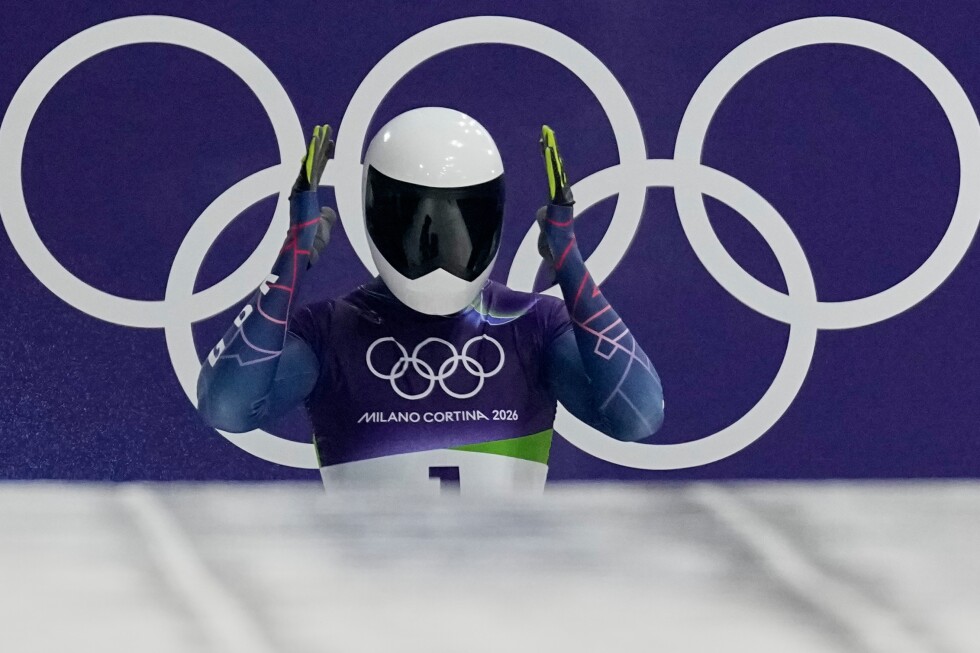
    The International Olympic Committee has ignited international controversy by excluding Ukrainian skeleton athlete Vladyslav Heraskevych from the Milan Cortina Games for wearing a helmet honoring athletes and coaches killed in Russia’s war against Ukraine.

    IOC President Kirsty Coventry, a former Olympic swimmer, acknowledged the power of Heraskevych’s message while defending the decision. “No one—especially me—is disagreeing with the messaging. The challenge we are facing is that we wanted to ask or come up with a solution for just the field of play,” stated Coventry.

    Ukrainian President Volodymyr Zelenskyy offered unequivocal support for the athlete, declaring: “I thank our athlete for his clear stance. His helmet, bearing the portraits of fallen Ukrainian athletes, is about honor and remembrance. It is a reminder to the whole world of what Russian aggression is and the cost of fighting for independence.”

    The banned athlete expressed cautious optimism about his meeting with Coventry, noting: “I want to believe that the reason is that she really felt sorry as an athlete, as a former athlete, and that she really wants me to compete.”

    Prominent voices across the sports and diplomatic world condemned the IOC’s decision. British skeleton Olympic champion Lizzy Yarnold conveyed her “real sense of sadness and real surprise” regarding the exclusion.

    European Union Ambassador to Ukraine Katarina Mathernova highlighted the stark contrast in the Committee’s approach, stating on Instagram: “He was excluded by the same Olympic Committee that allowed 20 Russian and Belarusian athletes to compete under a neutral flag.”

    Ukrainian Foreign Minister Andrii Sybiha delivered one of the strongest condemnations, asserting: “The IOC has banned not the Ukrainian athlete, but its own reputation. Future generations will recall this as a moment of shame.”

    The athlete’s father and coach, Mykhailo Heraskevych, expressed the personal devastation caused by the decision: “The International Olympic Committee destroyed our dreams. It’s not fair.”

  • Driver killed and motorway collapses as storms hit France, Portugal and Spain

    Driver killed and motorway collapses as storms hit France, Portugal and Spain

    Western Europe is grappling with severe consequences following the onslaught of Storm Nils, which has unleashed a trail of destruction across France, Portugal, and Spain. The extreme weather event has resulted in fatalities, critical infrastructure damage, and massive disruptions to daily life.

    In a tragic incident in western France, a lorry driver lost his life after a tree, felled by ferocious winds, crashed through his vehicle’s windscreen. The storm’s fury left approximately 900,000 households without power. Southern regions of France were placed on red alert as wind gusts reached a devastating 162 km/h (100 mph) near the south-west coast. The threat extended to the Alps, where several ski resorts, including La Plagne, preemptively closed due to an extreme risk of avalanches.

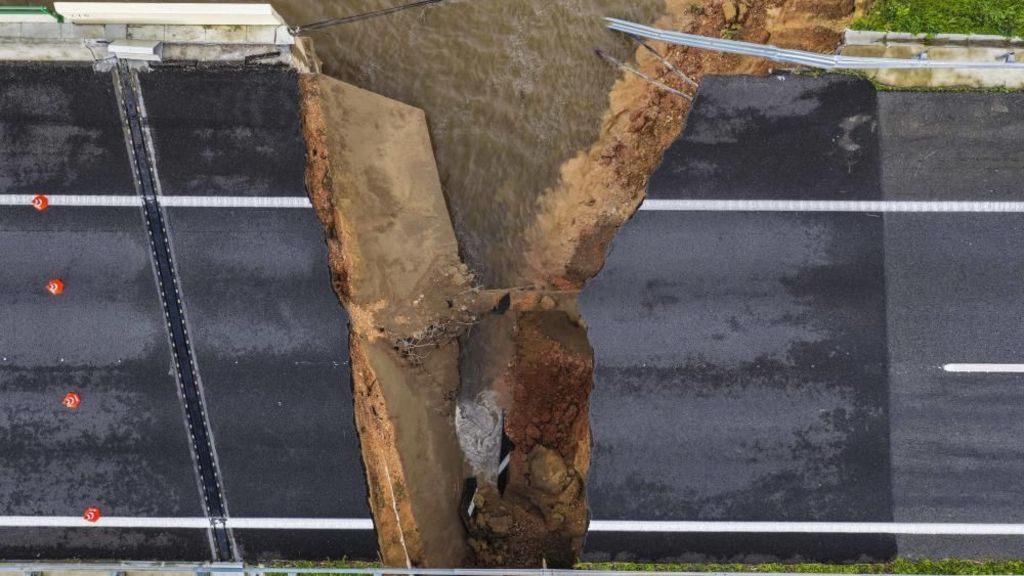
    Portugal faced a catastrophic infrastructure failure when a segment of its vital A1 motorway, a key artery connecting Lisbon and Porto, collapsed. The breach occurred near Coimbra after the Mondego River overflowed its banks, overwhelming the Casais do Campo dyke and washing away a 10-meter section of the road. Although the stretch was closed prior to the collapse, Infrastructure Minister Miguel Pinto Luz, who visited the site, projected repairs would take several weeks. This event is part of a broader pattern of destructive weather; the government reported that the country received 20% of its average annual rainfall in just one week, following weeks of similar conditions that have severely battered national infrastructure.

    The political fallout from the prolonged crisis has already begun, with Interior Minister Maria Lucia Amaral resigning amid criticism of her handling of the situation. The storms have caused billions of euros in damage and several fatalities. Scientists are drawing a direct line to climate change, noting that the increasing frequency and intensity of such extreme weather events on the Iberian Peninsula are linked to rising greenhouse gas emissions.

    Neighboring Spain experienced significant transport chaos. Schools were suspended in Catalonia, the Basque country was on red alert for 10-meter waves, and winds of 148 km/h were recorded in Alicante. Accidents related to the storm injured multiple people, including four workers clearing fallen trees in Barcelona and a pedestrian hit by a collapsing wall. Dozens of flights were canceled at Barcelona’s El Prat airport. In a separate incident near Cáceres, a woman required rescue after her car fell into a sudden sinkhole.

    French Transport Minister Philippe Tabarot paid tribute to the deceased driver and issued a stark public appeal, urging citizens to ‘exercise utmost caution when travelling and check with their transport operator before any journey.’

  • A very focused Matt Weston of Britain has midpoint lead in Olympic skeleton, with Heraskevych out

    A very focused Matt Weston of Britain has midpoint lead in Olympic skeleton, with Heraskevych out

    CORTINA D’AMPEZZO, Italy — British skeleton racer Matt Weston demonstrated extraordinary focus at the Olympic track on Thursday, remaining completely unaware of a major controversy unfolding around him as he secured the lead in the men’s skeleton competition. The World Cup champion and Olympic favorite posted the fastest times in both heats, finishing the day with an impressive time of 1 minute, 52.09 seconds.

    While Weston concentrated solely on his performance, Ukrainian slider Vladyslav Heraskevych was unexpectedly disqualified from the competition just before the event began. The dramatic development became the day’s biggest Olympic story, occurring trackside moments before the start. Weston remained oblivious to the situation until hours later when journalists confronted him with questions.

    “I had someone shove a mic in my face saying, ‘What about this?’” Weston revealed. “And I’m like, ‘Well, I hadn’t heard of it.’”

    Weston’s performance places him in a strong position for Friday’s final two runs, though his lead remains narrow. German competitors Axel Jungk, the reigning Olympic silver medalist, and defending champion Christopher Grotheer trail closely behind at 0.30 and 0.46 seconds respectively.

    American slider Austin Florian, who recorded the best start in the field, acknowledged awareness of Heraskevych’s disqualification since the Ukrainian was scheduled to compete immediately before him. “We’re generally pretty focused on what we’re doing. We’re aware of it,” Florian commented. “Everyone’s aware of it, obviously. And we try not to let it affect us.”

    Despite the competitive environment, Weston expressed genuine disappointment for Heraskevych, whom he considers both a friend and technical inspiration. The British slider studies the Ukrainian’s driving techniques as part of his own strategic preparation.

    “I think he’s an insane slider. He’s really, really good, very technical, very smooth,” Weston praised. “I get him on the push, but he’s always one that I look at his lines to see what he’s doing because he’s always pretty consistent. I think he could have done very well here. Another reason why I’m a bit gutted for him as a person.”

  • Manchester United co-owner Jim Ratcliffe says he’s sorry if some offended by anti-immigrant comments

    Manchester United co-owner Jim Ratcliffe says he’s sorry if some offended by anti-immigrant comments

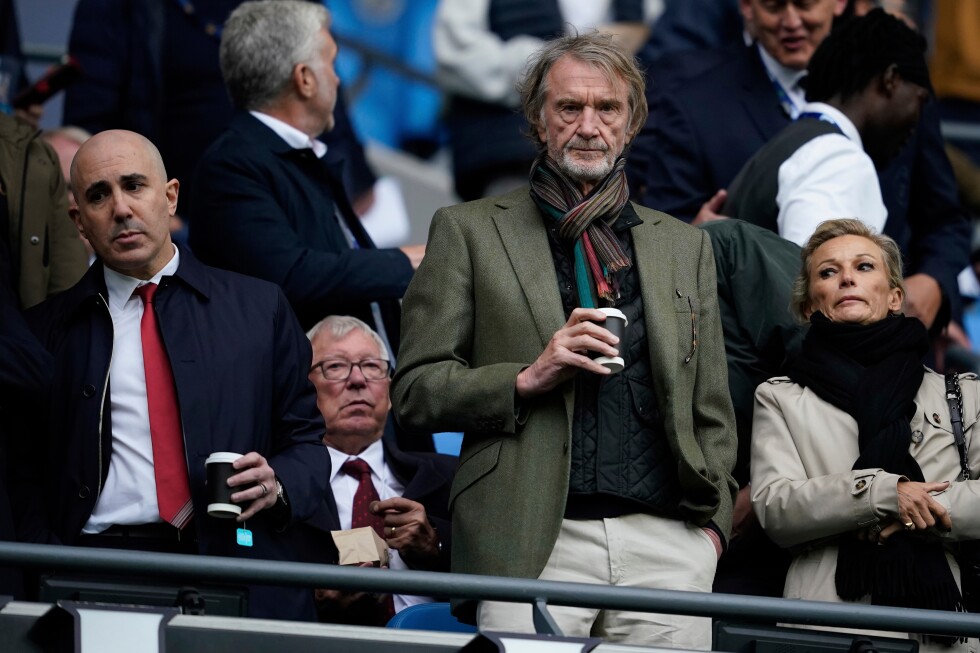
    LONDON — Jim Ratcliffe, the billionaire co-owner of Manchester United and founder of chemical giant Ineos, has issued a public apology following widespread condemnation of his inflammatory remarks about immigration in the United Kingdom. The controversy erupted after an interview with Sky News in which Ratcliffe, one of Britain’s wealthiest individuals, claimed the nation had been “colonized” by immigrants and expressed concerns about economic challenges linked to immigration and welfare.

    The comments drew immediate and sharp criticism from across the political spectrum, including from Prime Minister Keir Starmer, who labeled the statements as “offensive and wrong.” The remarks also sparked significant backlash from football fans and the public, putting the prominent businessman under intense scrutiny.

    In a statement released on Thursday, Ratcliffe expressed regret for his choice of language. “I am sorry that my choice of language has offended some people in the U.K. and Europe,” he stated, though he stopped short of retracting the substance of his economic arguments. The apology comes amid heightened sensitivity around immigration discourse in British politics and society.

    The incident has highlighted the complex intersection of business, sports ownership, and political commentary, particularly given Ratcliffe’s status as a influential figure with considerable platform. The billionaire, who resides in the tax haven of Monaco, made the comments during a wide-ranging discussion that also covered challenges facing the European chemicals industry and weaknesses in the UK economy.

  • Marseille is sinking and PSG has only Lens as a serious title rival in Ligue 1

    Marseille is sinking and PSG has only Lens as a serious title rival in Ligue 1

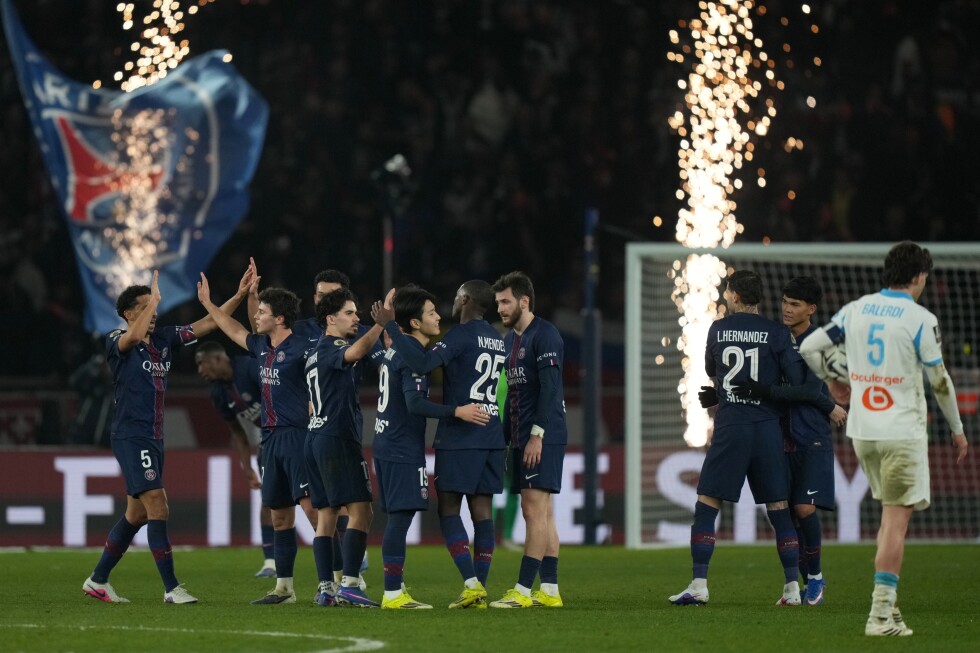
    PARIS — The French Ligue 1 championship landscape has undergone significant transformation as Marseille’s title aspirations have effectively dissolved following their devastating 5-0 defeat against Paris Saint-Germain. This crushing loss precipitated the immediate dismissal of manager Roberto De Zerbi and sparked visible fan discontent, with supporters confronting players at the airport to express their profound disappointment.

    With Marseille now trailing by twelve points and dropping to fourth position, RC Lens has emerged as the only serious contender capable of challenging PSG’s dominance. Sitting merely two points behind the league leaders, Lens demonstrates remarkable consistency and determination as the season approaches its critical phase.

    This weekend’s fixtures present compelling narratives: PSG travels to face a struggling Rennes side that has suffered four consecutive defeats while conceding twelve goals. Meanwhile, Marseille attempts to reconcile with their disillusioned fanbase during a home encounter against Strasbourg. Lens faces Paris FC, and Lyon continues their surprising ascent under coach Paulo Fonseca, seeking a thirteenth consecutive victory across all competitions against Nice.

    Individual performances have captured attention, particularly Ousmane Dembélé’s exceptional display against Marseille—featuring two goals and an assist—signaling his return to peak form after injury setbacks. Lens winger Allan Saint-Maximin also impressed with a spectacular debut goal, promising to be a valuable asset in the title pursuit.

    Beyond the pitch, PSG president Nasser al-Khelaifi received recognition from FIFA’s Gianni Infantino for his instrumental role in opposing the controversial Super League project, highlighting the ongoing structural evolution within European football.