标签: Europe

欧洲

  • Student death puts French far-left under pressure

    Student death puts French far-left under pressure

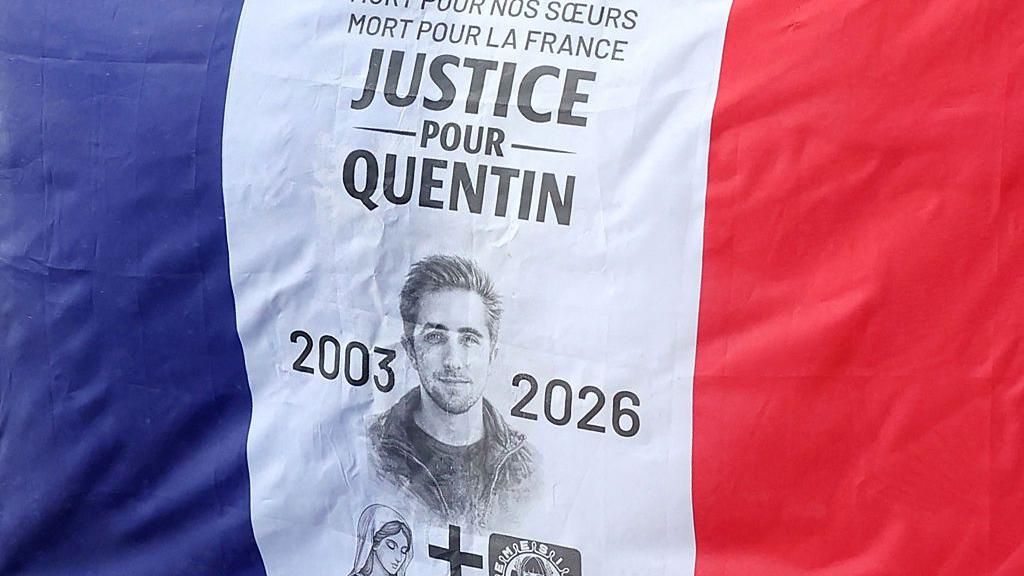
    A tragic incident in Lyon has ignited fierce political tensions across France, placing radical left factions under intense scrutiny following the death of a student activist. Quentin Deranque, a 23-year-old mathematics student and nationalist advocate, succumbed to injuries on Saturday after being violently assaulted by a group of young men two days prior.

    The events unfolded on Thursday afternoon when Deranque provided support to hard-right feminist collective Némésis during their demonstration against left-wing politician Rima Hassan’s visit to Lyon’s Institute of Political Studies. Mobile footage captured several streets away from the protest location depicts three individuals being brutally attacked by a larger group, with one person—believed to be Deranque—remaining motionless on the ground.

    Following the altercation, Deranque was discovered wandering in a disoriented state, suffering from a cerebral hemorrhage that ultimately proved fatal. Ministers from President Emmanuel Macron’s center-right administration promptly attributed responsibility to far-left militants, with Interior Minister Laurent Nuñez characterizing the incident as a ‘mob-killing’ where perpetrators likely did not anticipate lethal consequences.

    Justice Minister Gérald Darmanin unequivocally stated, ‘It is the far-left that killed him. Of that there is no question.’ The political fallout has particularly focused on radical left party France Unbowed (LFI) and the banned security organization La Jeune Garde, which previously provided protection at LFI rallies.

    Némésis members identified La Jeune Garde activists among those who initially disrupted their protest. The security group, founded in 2018 by current LFI deputy Raphaël Arnault, was prohibited last year following violence incitement allegations, though it denies involvement in this incident.

    Hassan condemned the violence and called for investigation, asserting LFI’s security team was ‘in no way’ involved. Deranque’s family lawyer emphasized the student was neither a security agent nor protection group member, describing him as someone who ‘defended his convictions in a non-violent way.’

    Friends revealed Deranque had recently rediscovered his Catholic faith and actively participated in nationalist politics. Némésis representative Alice Cordier explained Deranque was among ’15 or so young boys’ informally asked to protect female demonstrators, noting ‘It wasn’t a professional security service, just friends who came to protect the girls.’

    With conflicting accounts describing the incident variously as a ‘brawl,’ ‘ambush,’ and ‘lynching,’ the Lyon prosecutor’s office prepared to deliver an initial non-partisan assessment. Right-wing politicians vehemently denounced LFI, accusing the party of encouraging violence through anti-fascist militant associations.

    National Rally’s Marion Maréchal declared, ‘The militia of [LFI leader] Mélenchon has killed and has blood on its hands,’ while Republicans leader Laurent Wauquiez described Deranque as falling ‘beneath the blows of monsters guided by hate.’

    Mélenchon countered that his party had ‘nothing to do with this story,’ labeling accusations as libelous while expressing ‘consternation, empathy and compassion’ for Deranque’s family. The incident occurs amidst heightened political tensions preceding crucial municipal elections, highlighting France’s deepening ideological divisions.
  • Mother of Alexei Navalny says poison finding confirms he was murdered

    Mother of Alexei Navalny says poison finding confirms he was murdered

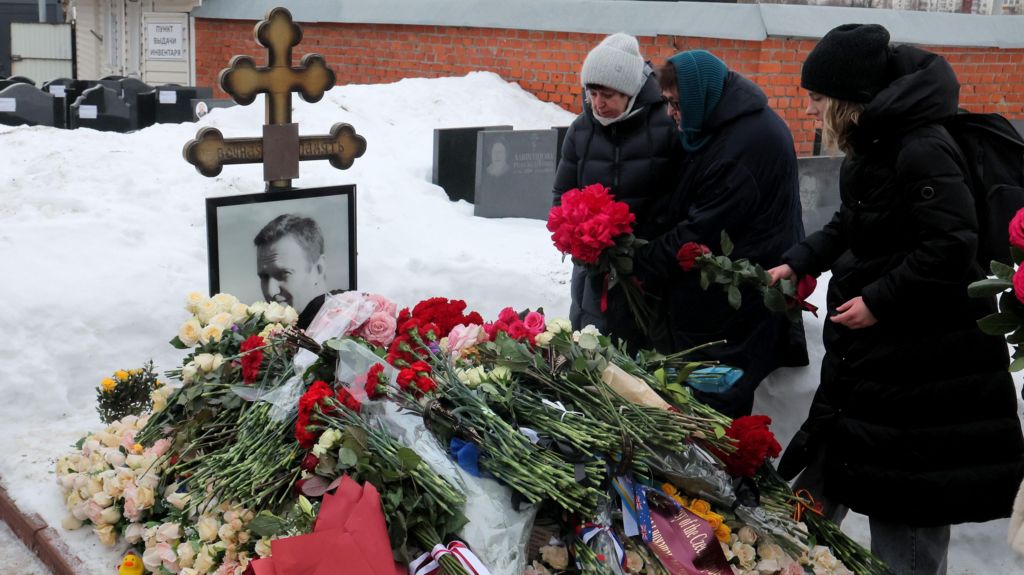
    Lyudmila Navalnaya, mother of deceased Russian opposition leader Alexei Navalny, declared that recent international findings confirming her son’s poisoning death have substantiated her long-held conviction that he was assassinated. Her statements came during a Monday visit to his Moscow gravesite, coinciding with the second anniversary of his controversial death in 2024.

    The emotional scene at Borisovskoye cemetery saw dozens of Muscovites and foreign diplomats paying respects, covering Navalny’s grave with floral tributes and handwritten notes expressing enduring remembrance. This gathering occurred despite Russia’s intensifying political repression since its 2022 invasion of Ukraine.

    On Saturday, the United Kingdom and European allies issued a formal statement asserting that Navalny was killed using a sophisticated poison derived from dart frog toxin, explicitly stating that “only the Russian state had the means, motive and opportunity to deploy this lethal toxin.” This assessment aligns with previous laboratory analyses of smuggled biological samples conducted in two unspecified countries, which Navalny’s widow Yulia had cited as evidence of murder.

    The Kremlin has vehemently denied these allegations. Spokesman Dmitry Peskov stated on Monday: “We do not accept such accusations. We consider them biased and unfounded, and we resolutely reject them.” The government maintains that Navalny died of natural causes during his 19-year extremism sentence at the Polar Wolf penal colony above the Arctic Circle.

    Navalny’s political legacy remains significant. As Russia’s most prominent opposition figure, he organized massive anti-corruption campaigns that brought hundreds of thousands onto streets and exposed high-level government corruption. His survival of a 2020 Novichok nerve agent poisoning and subsequent return to Russia—where he was immediately arrested—demonstrated his unwavering commitment to challenging President Vladimir Putin’s regime.

    Since Navalny’s death, his Anti-Corruption Foundation has continued operations under Yulia Navalnaya’s leadership from abroad, though she faces potential arrest in Russia. The exiled Russian opposition movement has struggled with political fragmentation, while many of Navalny’s associates have been imprisoned or fled the country.

  • Germany will keep supporting Lebanon after UN peacekeepers leave, the German president says

    Germany will keep supporting Lebanon after UN peacekeepers leave, the German president says

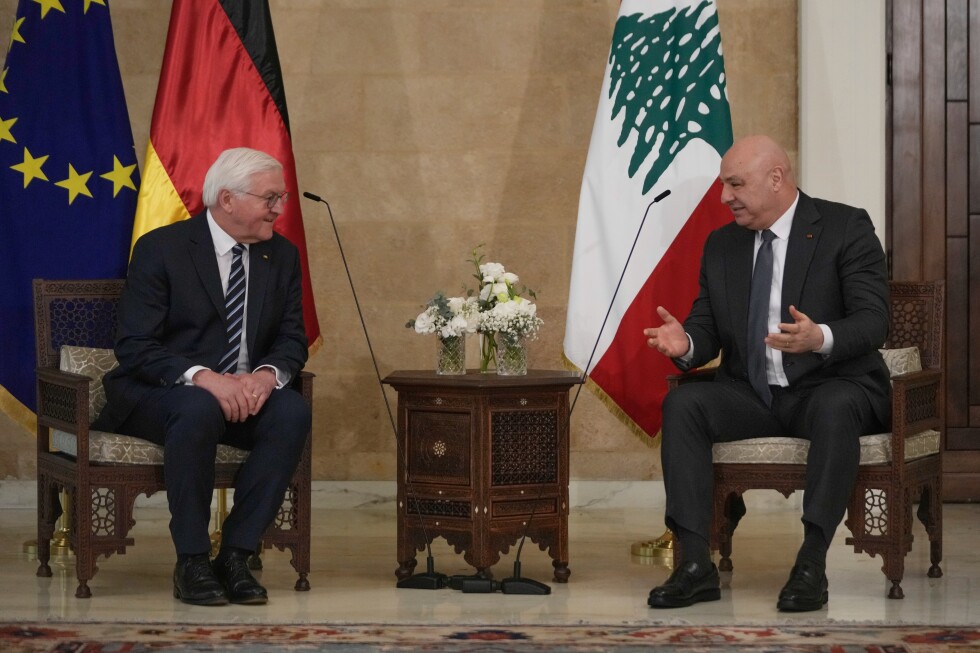
    BEIRUT — German President Frank-Walter Steinmeier committed to sustained support for Lebanon’s government during his Monday visit to Beirut, despite Germany’s planned withdrawal from the UN peacekeeping mission along the Lebanon-Israel border later this year.

    Speaking at a presidential palace news conference, Steinmeier emphasized Germany’s ongoing commitment to Lebanese stability even after the United Nations Interim Force in Lebanon (UNIFIL) concludes its nearly five-decade mission in southern Lebanon at the end of 2026. The German navy is already engaged in training Lebanese troops as they enhance their presence in the country’s volatile southern regions.

    The announcement comes amid growing concerns about the security vacuum that will follow UNIFIL’s departure. The peacekeeping force, currently numbering approximately 7,500 personnel including 179 Germans, has played a critical role in monitoring regional security throughout various conflicts, including the recent 14-month war between Israel and Hezbollah.

    While Steinmeier stated that “Germany will stay by the side of your country to boost state authority” post-UNIFIL, he did not specify the nature of this continued support. German troops currently focused on preventing arms smuggling and assisting with maritime border monitoring are unlikely to remain after the mission concludes.

    Lebanese President Joseph Aoun highlighted the devastating impact of the recent conflict, which killed over 4,000 people in Lebanon and caused an estimated $11 billion in damage according to World Bank figures. Aoun emphasized that Lebanon “bore burdens” of a violent conflict it “did not choose” and can no longer sustain such costs.

    The German president also addressed the delicate peace process, urging progress on disarming Hezbollah—a key component of the U.S.-brokered ceasefire that halted fighting in November 2024—and calling for Israel’s complete withdrawal from Lebanese territory. Aoun separately requested that Germany assume a “main role” in the post-UNIFIL era and pressure Israel to adhere to ceasefire terms, though he notably omitted any mention of Hezbollah’s withdrawal from southern Lebanon.

  • Search under way for Irish women missing since 1990s

    Search under way for Irish women missing since 1990s

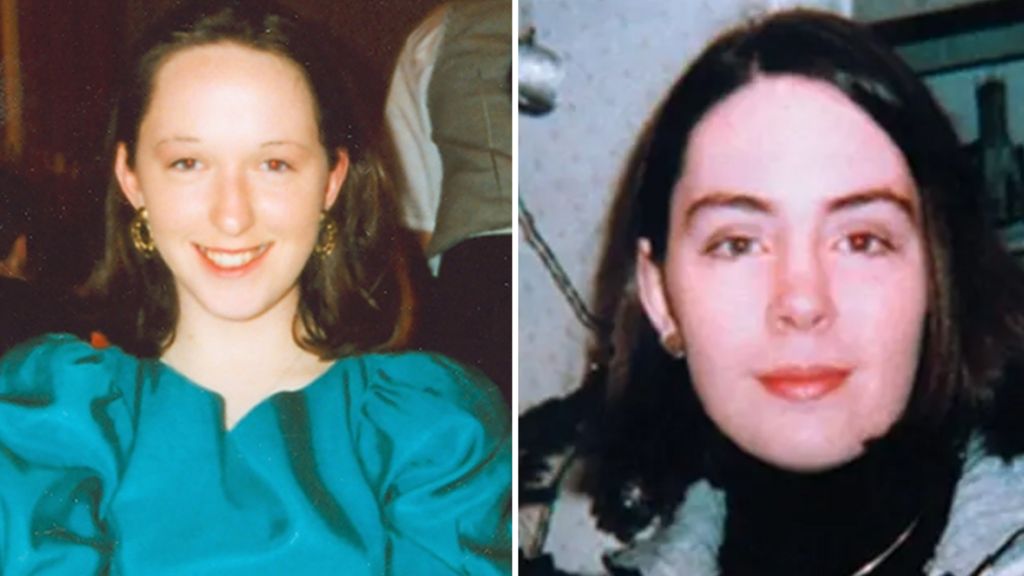
    Irish law enforcement authorities have initiated a comprehensive forensic search operation in the Wicklow-Kildare border region as part of ongoing investigations into the historical disappearances and suspected murders of two young women from the 1990s. The Gardaí (Irish police) confirmed that specialized units would conduct meticulous examinations of designated open terrain, including technical analysis and potential excavation work over subsequent days.

    Josephine “Jo Jo” Dullard, aged 21, vanished on November 9, 1995, after socializing in Dublin and was last seen in Moone, County Kildare. Her case was reclassified from missing persons to murder investigation in 2020. Deirdre Jacob, aged 18, disappeared on July 28, 1998, shortly after being observed crossing the road toward her family residence in Newbridge, County Kildare. Her case received similar reclassification in 2018.

    The operation is being coordinated by the Garda Serious Crime Review Team in collaboration with the National Bureau of Criminal Investigation, supported by forensic specialists from the Garda National Technical Bureau and local Kildare Division resources. Authorities emphasize maintaining open investigative approaches while utilizing contemporary forensic technologies not previously available during initial investigations.

    Police officials have reiterated appeals for public assistance, urging individuals with potentially relevant information—however insignificant it might appear—to come forward. Families of both victims continue to receive regular updates regarding investigative developments, according to official statements.

  • Producer of hit Israeli TV series ‘Tehran’ dies suddenly in Greece

    Producer of hit Israeli TV series ‘Tehran’ dies suddenly in Greece

    Athens, Greece – The global entertainment industry is mourning the unexpected death of Dana Eden, the acclaimed Israeli producer renowned for co-creating the Emmy Award-winning espionage thriller ‘Tehran.’ She was 52. The Israeli public broadcaster KAN confirmed her passing on Monday.

  • Sweden has arguably the toughest path to men’s hockey gold at the Olympics

    Sweden has arguably the toughest path to men’s hockey gold at the Olympics

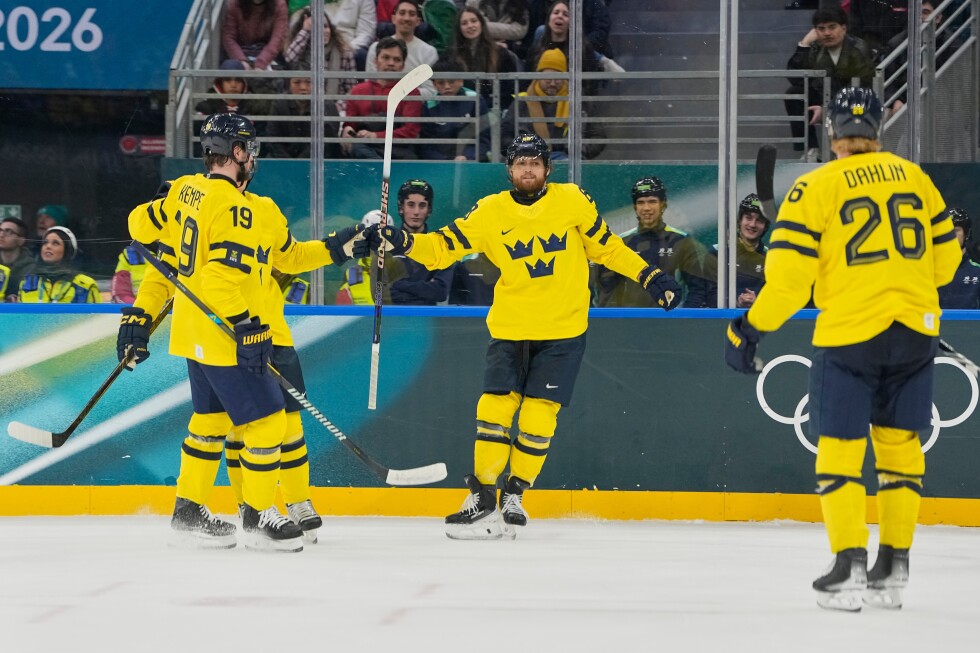
    Facing an unexpected Olympic qualification playoff, Sweden’s men’s hockey team has drawn inspiration from Canada’s legendary 2010 Vancouver turnaround. Coach Sam Hallam pointed to Canada’s similar path to gold—a journey that culminated in Sidney Crosby’s iconic overtime winner against the United States—as Sweden prepares for its Tuesday showdown against Latvia.

    The seventh-seeded Swedes landed in this position after a last-minute Slovakian goal on Saturday altered group standings through a tiebreaker, despite what players called their strongest performance in Milan. Goaltender Jacob Markstrom delivered an exceptional game in the 5-3 victory over Slovakia, sparking discussion about whether he or Filip Gustavsson will start against Latvia.

    The qualification winner advances to face the undefeated U.S. team in Wednesday’s quarterfinals. Forward Adrian Kempe reframed the challenge positively: “We’re going to have to play one more game than some other teams, but that’s an opportunity for us to come together even more as a team.”

    Other qualification matchups feature Switzerland versus host Italy, Germany against France, and Czechia facing Denmark. Switzerland must overcome the loss of forward Kevin Fiala to a season-ending leg injury, while Germany, led by NHL MVP Leon Draisaitl, sees a plausible path to the semifinals despite Sunday’s loss to the U.S.

    The Czechia-Denmark winner earns a quarterfinal meeting with tournament favorite Canada, setting the stage for what could mirror hockey’s most famous underdog-to-champion narrative.

  • Iran meets UN nuclear watchdog in Geneva ahead of a second round of US talks

    Iran meets UN nuclear watchdog in Geneva ahead of a second round of US talks

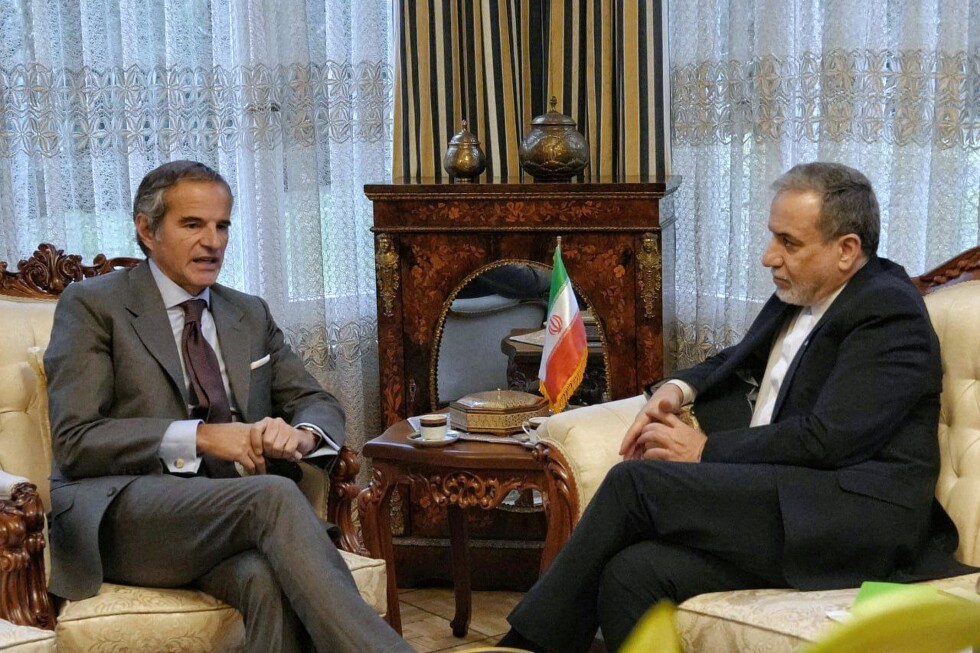
    GENEVA — In a significant diplomatic development, Iran’s top foreign policy official engaged in direct discussions with the United Nations’ nuclear watchdog chief on Monday, setting the stage for crucial negotiations with the United States regarding Tehran’s controversial nuclear program.

    Iranian Foreign Minister Abbas Araghchi convened with Rafael Grossi, Director-General of the International Atomic Energy Agency (IAEA), marking a notable thaw in relations following months of suspended cooperation. The meeting occurred alongside planned discussions with Omani Foreign Minister Badr al-Busaidi, whose nation is facilitating the indirect U.S.-Iran talks in Geneva.

    Through a social media statement, Araghchi conveyed Tehran’s position: “I am in Geneva with real ideas to achieve a fair and equitable deal. What is not on the table: submission before threats.”

    The diplomatic movement follows signals from Iranian Deputy Foreign Minister Majid Takht-Ravanchi, who indicated Sunday that Tehran might consider compromises on nuclear activities in exchange for relief from international sanctions. “The ball is in America’s court. They have to prove they want to have a deal with us,” Takht-Ravanchi told the BBC. “If we see sincerity on their part, I am sure we will be on a road to have an agreement.”

    These developments occur against a complex backdrop of military posturing and failed previous negotiations. The United States has maintained significant military assets in the region, including the recent deployment of the USS Gerald R. Ford aircraft carrier. Previous talks collapsed following Israel’s military actions against Iran last year, which included U.S. airstrikes on Iranian nuclear facilities.

    A critical concern remains Iran’s nuclear advancements. IAEA reports indicate Tehran has accumulated uranium enriched to 60% purity—technologically proximate to weapons-grade levels. Agency experts estimate this stockpile could potentially yield up to ten nuclear devices if weaponization occurred, though no evidence suggests Iran has crossed that threshold.

    The current negotiations represent the second round of indirect discussions hosted by Oman, with the initial meeting occurring on February 6. Simultaneously, Geneva is hosting separate U.S.-brokered talks between Russian and Ukrainian officials, creating a rare convergence of major diplomatic initiatives in the Swiss city.

    Israeli Prime Minister Benjamin Netanyahu recently visited Washington to advocate for stringent agreement terms that would address Iran’s ballistic missile capabilities and support for regional proxy groups. The Trump administration maintains its position that Iran must completely halt uranium enrichment, a demand Tehran consistently rejects while insisting its nuclear program serves purely peaceful purposes.

  • Germany’s Johannes Lochner starts fast in Olympic 2-man bobsled race

    Germany’s Johannes Lochner starts fast in Olympic 2-man bobsled race

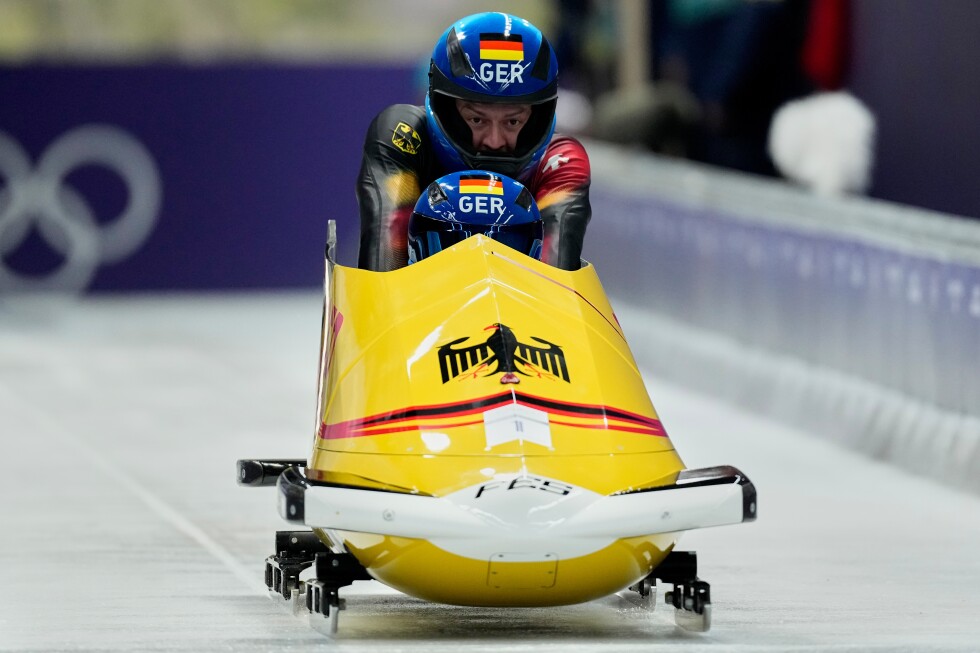
    CORTINA D’AMPEZZO, Italy — The Olympic two-man bobsled competition commenced with a display of German supremacy as Johannes Lochner delivered a stunning first run that positioned him for potential gold medal glory. Lochner completed the Cortina track in a blistering 54.68 seconds during Monday’s opening heat, establishing the most significant first-run advantage in Olympic two-man racing in over four decades.

    Germany’s dominance extended beyond Lochner’s performance, with teammates Adam Ammour (55.12 seconds) and reigning dual Olympic champion Francesco Friedrich (55.16 seconds) capturing second and third positions respectively. This German trifecta demonstrates the nation’s continued bobsled prowess as they seek to maintain their winter sports supremacy.

    American pilot Frank Del Duca emerged as the top non-German competitor, posting a time of 55.40 seconds. Del Duca, who served as a U.S. flag bearer during the opening ceremonies, pilots the sole American sled in the two-man event after officials excluded compatriot Kris Horn due to insufficient World Cup qualifications. Horn will instead compete in the upcoming four-man competition.

    Historical context underscores the significance of Lochner’s performance. His 0.44-second lead represents the seventh-largest first-run advantage in Olympic history, though far smaller than the massive margins seen in the sport’s early days. The 1932 Lake Placid Games witnessed a remarkable 5.65-second lead after the first heat, though that Swiss sled ultimately failed to secure gold.

    Lochner, who has announced this season as his final competitive campaign, arrives with impeccable credentials after dominating the World Cup circuit with nine gold and five silver medals across fourteen races. His primary competitor Friedrich seeks to make history by becoming the first five-time Olympic gold medalist in bobsled, having swept both two-man and four-man events at the 2018 and 2022 Games.

    The competition continues with the second heat scheduled for later Monday, followed by the final two runs on Tuesday that will determine medal placements.

  • Rubio meets Orbán in Budapest as US and Hungary are to sign a civilian nuclear pact

    Rubio meets Orbán in Budapest as US and Hungary are to sign a civilian nuclear pact

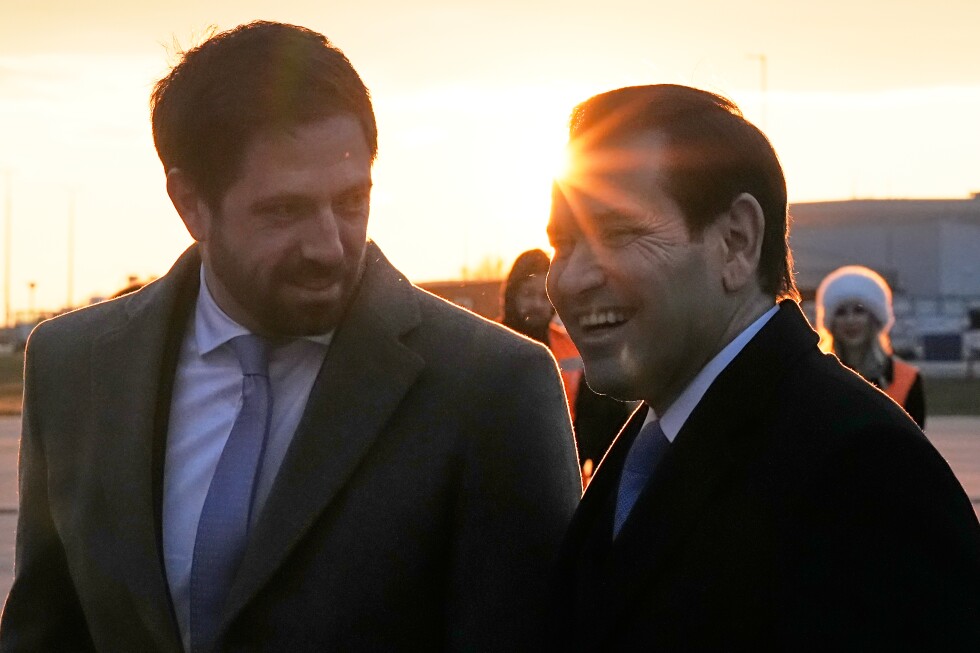
    BUDAPEST, Hungary – U.S. Secretary of State Marco Rubio convened with Hungarian Prime Minister Viktor Orbán in Budapest on Monday, culminating in the signing of a landmark civilian-nuclear cooperation agreement endorsed by President Donald Trump. This diplomatic engagement occurs precisely two months before Hungary’s pivotal April 12 parliamentary elections, where Orbán’s Fidesz party confronts its most formidable electoral challenge since returning to power in 2010.

    The Budapest meeting followed Rubio’s diplomatic tour through Central Europe, including stops in Slovakia and attendance at the Munich Security Conference. Both Hungary and Slovakia, governed by Euroskeptic populists who oppose Ukrainian military support and align with Trump’s policies, represent strategic partners for U.S. energy diplomacy in the region.

    Orbán, widely regarded as Vladimir Putin’s most reliable EU ally, has maintained cordial Kremlin relations throughout Russia’s Ukraine offensive while simultaneously cultivating favor with Trump’s political movement. This balancing act has positioned Hungary as an ideological model for conservative nationalists despite concerns about democratic backsliding and the nation’s status as one of the EU’s least prosperous members.

    Trump’s explicit endorsement of Orbán earlier this month praised the Hungarian leader as a “truly strong and powerful Leader” and “a true friend, fighter, and WINNER” on his Truth Social platform. This political affinity stems from Orbán’s stringent immigration policies, including border fencing implemented during the 2015 refugee crisis, and his government’s conservative social agenda targeting LGBTQ+ rights through bans on Pride celebrations, same-sex adoption, and legal gender recognition.

    Notably, Hungary secured exemptions from U.S. sanctions on Russian energy following Orbán’s White House meeting with Trump in November, allowing continued reliance on Kremlin energy supplies despite EU diversification efforts. With polls indicating a tight electoral race, Orbán’s administration has actively courted a potential Trump visit to Hungary before the April elections, hoping a high-profile endorsement might secure his political survival.

  • Trump’s new world order has become real and Europe is having to adjust fast

    Trump’s new world order has become real and Europe is having to adjust fast

    The elegant boulevards of Munich, traditionally adorned with luxury boutiques and high-performance automobiles, now showcase a strikingly different exhibition: sleek black-and-white posters heralding next-generation drones and proclaiming ‘Europe’s Security Under Construction.’ This bold military display represents a profound psychological shift for Germany, where such overt defense promotion would have been unthinkable merely years ago.

    Bavaria has rapidly emerged as Germany’s premier defense technology corridor, specializing in artificial intelligence, unmanned aerial systems, and aerospace innovation. This transformation reflects a continent grappling with unprecedented geopolitical pressures—sandwiched between an expansionist Russia and economically assertive China to the east, while confronting an increasingly unpredictable United States to the west.

    Recent Eurobarometer data reveals 68% of Europeans perceive their nations as under threat, prompting Germany’s Federal Office of Civil Protection and Disaster Assistance to issue its first Cold War-era warning about potential conflict. Concurrently, Germany has ascended to become Ukraine’s primary military benefactor following the cessation of American direct aid.

    The central question dominating the Munich Security Conference—the world’s premier annual defense gathering—was whether traditional alliances through NATO and the EU remain sufficient, or whether Europe must diversify into ad-hoc coalitions with like-minded nations including Australia, South Korea, and Japan.

    NATO Secretary General Mark Rutte highlighted Germany’s remarkable defense commitment, noting its €150 billion expenditure by 2029 will surpass combined British and French military budgets. While acknowledging American appreciation for this investment, Rutte observed that Donald Trump represents merely the latest in a succession of U.S. presidents demanding greater European security self-sufficiency, albeit with notably more confrontational rhetoric.

    The conference’s most anticipated address came from U.S. Secretary of State Marco Rubio, whose appearance generated palpable anxiety among European leadership. Transatlantic relations have deteriorated to their lowest point in eight decades, exacerbated by Trump’s threats against Danish sovereignty over Greenland, punitive tariffs on European exports, and temporary intelligence withdrawal from Ukrainian forces.

    Rubio’s delivery surprised attendees with historically grounded kinship language, asserting that America desires ‘Europe to be strong’ and acknowledging intertwined destinies. European officials visibly relaxed during his address, relieved by the absence of threats that characterized previous administration appearances.

    However, careful analysis revealed Rubio’s unwavering commitment to Trump administration priorities: climate action skepticism, multilateralism opposition, migration restrictions, and advancement of Christian Western civilization. His conditional partnership offer demanded European alignment with American values without compromise.

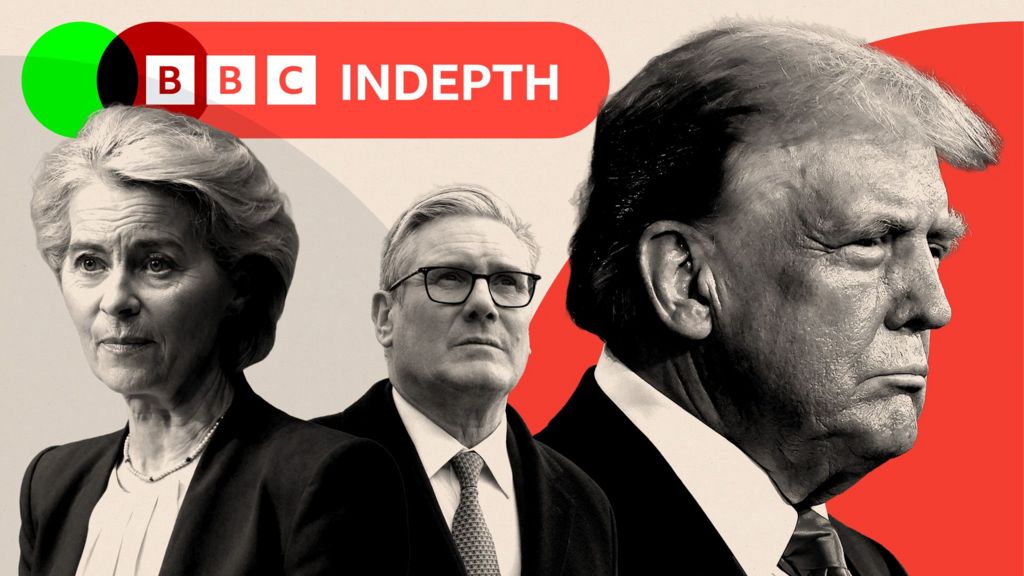
    European Commission President Ursula von der Leyen responded with sober realism, noting ‘some lines have been crossed that cannot be uncrossed’ and describing Europeans as having endured ‘shock therapy.’ This sentiment echoes across the continent, where defense experts like RUSI Director-General Rachel Ellehuus identify emerging divisions between northern nations increasing military spending and southern countries resisting budget hikes.

    U.S. Undersecretary of Defense Elbridge Colby delivered blunt messaging in Brussels: Europe no longer represents America’s priority, with focus shifting to the Indo-Pacific. While reaffirming NATO’s mutual defense clause, Colby announced reduced American capabilities in Europe and advocated for a ‘NATO 3.0’ with Europe as partner rather than dependent.

    In response, European leaders are pursuing à la carte coalitions beyond traditional structures. The UK-France led ‘Coalition of the Willing’ for Ukrainian sovereignty includes Turkey, New Zealand, and Australia. Canada increasingly collaborates with Nordic and Baltic nations, while Japan and South Korea are embraced as ‘like-minded family’ members.

    French President Emmanuel Macron’s concept of ‘strategic autonomy’ expands beyond defense to encompass energy security, supply chains, and technological independence. Even von der Leyen acknowledged that if EU competitiveness improvements proceed too slowly, smaller member state groups may advance independently.

    Despite this momentum, the conference underscored Europe’s continued dependence on American security infrastructure—from nuclear deterrence to intelligence architectures—and its technological lag behind the U.S. The ongoing Franco-German dispute over the Future Combat Air System exemplifies challenges in European defense cooperation.

    Ultimately, Munich revealed a continent undergoing fundamental strategic reorientation. These changes extend beyond short-term Trump administration adaptation toward lasting structural transformation. As global politics increasingly dance to the tune of great power competition, even traditionally deliberate Europe recognizes the imperative to evolve its security paradigm.