标签: Europe

欧洲

  • Djokovic registers 100th Australian Open win

    Djokovic registers 100th Australian Open win

    In a breathtaking display of serving precision, Novak Djokovic achieved a monumental milestone at the Australian Open, securing his 100th career victory at Melbourne Park while delivering what commentators described as one of the most dominant serving performances in recent tennis history.

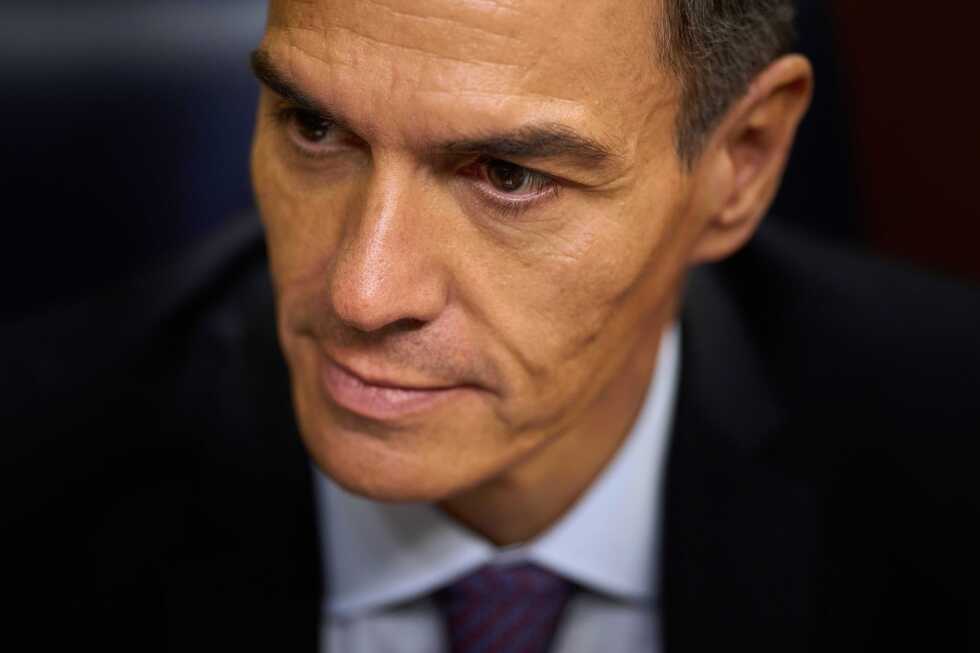
    The Serbian champion, currently ranked world number four and pursuing an unprecedented 25th Grand Slam singles title, dismantled Spain’s Pedro Martínez with surgical efficiency. Djokovic’s service statistics bordered on the supernatural: he dropped merely five points out of 57 on serve throughout the two-hour contest, maintained a 77% first-serve accuracy rate, and won a staggering 93% of points behind his first delivery. The match concluded fittingly with Djokovic’s 14th ace of the evening, sealing a 6-3, 6-2, 6-2 triumph.

    Tennis legend Mark Woodforde, a 17-time Grand Slam doubles champion, characterized Djokovic’s performance as “supreme” and “exceptional” during BBC Radio 5 Sports Extra commentary. Djokovic himself offered a characteristically measured assessment: “Tonight’s performance was great, I can’t complain about anything. I served very well. It’s always a challenge to kick-start the tournament on the right note and send the right signal not only to yourself but your opponents watching you play.”

    The victory places Djokovic in an exclusive club of players who have achieved 100 wins at multiple Grand Slam events, having previously reached this milestone at Wimbledon (102 wins) and Roland Garros (101 wins). During his post-match interview, tournament organizers commemorated the achievement with video highlights from his 2005 main-draw debut, though Djokovic remained focused on the present, quipping that he would only reflect on his accomplishments when “putting the racquet aside [and] sipping some nice cocktail on the beach.”

    Looking ahead, Djokovic will face Italian qualifier Francesco Maestrelli in the second round, using the intervening days to recover and prepare. Beyond immediate tournament objectives, Djokovic revealed that “history-making is great motivation,” particularly in the latter stages of his career. He credited early mentors for guiding him “to play the long shot with my career, not to burn out too quickly, and take care of my body and my mind.”

    Elsewhere in the draw, Australian hope Alex de Minaur launched his campaign with a commanding straight-sets victory, declaring his ambition to become the first home men’s champion since 1976. Higher seeds Andrey Rublev, Casper Ruud, Alejandro Davidovich Fokina, and Tommy Paul all advanced comfortably, while Czech 17th seed Jiří Lehečka suffered an unexpected early exit against French qualifier Arthur Gea.

  • EU executive arm, Russia and Thailand asked to join Trump’s Board of Peace for Gaza

    EU executive arm, Russia and Thailand asked to join Trump’s Board of Peace for Gaza

    The United States has extended invitations to multiple nations to participate in President Donald Trump’s newly proposed ‘Board of Peace,’ intended to oversee the implementation of the next phase of the Gaza peace plan. The European Commission, Russia, and Thailand have confirmed receipt of invitations, with each expressing cautious interest while undertaking detailed reviews of the proposal.

    Kremlin spokesman Dmitry Peskov stated that President Vladimir Putin is examining the invitation’s specifics, while Thai authorities similarly acknowledged they are assessing the details. European Commission President Ursula von der Leyen will consult with EU leadership regarding potential participation, though no formal acceptance has been declared.

    The initiative faces significant opposition from Israeli officials, with Finance Minister Bezalel Smotrich denouncing the plan as ‘bad for the State of Israel’ and calling for its cancellation. Smotrich asserted Israeli sovereignty over Gaza during a ceremony inaugurating a new West Bank settlement, advocating for military administration rather than international oversight.

    Prime Minister Benjamin Netanyahu’s office previously stated that the board’s formation occurred without Israeli coordination and contradicts official government policy. The United States is expected to announce formal board membership during the upcoming World Economic Forum in Davos.

    According to undisclosed charter details obtained by AP, a $1 billion contribution would secure permanent membership dedicated to Gaza reconstruction efforts, while three-year appointments require no financial commitment. The board’s potential scope suggests it could function as an alternative to established international bodies like the UN Security Council.

    Concurrently, Egypt has expressed support for the newly appointed committee of Palestinian technocrats tasked with managing Gaza’s daily affairs during the peace plan’s implementation. Meanwhile, UN agencies report improved but still fragile humanitarian conditions, with over three-quarters of Gaza’s population experiencing crisis-level food insecurity despite expanded aid operations.

  • What to know about the train crash in Spain

    What to know about the train crash in Spain

    A devastating high-speed rail collision in southern Spain has resulted in at least 39 fatalities and over 150 injuries, marking the country’s deadliest train accident in a decade. The catastrophe occurred Sunday evening near Adamuz, Córdoba province, approximately 370 kilometers south of Madrid, when the rear section of a Malaga-to-Madrid train derailed and collided with an oncoming Madrid-to-Huelva service.

    The impact proved particularly catastrophic for the second train, whose first two carriages were violently thrown from the tracks and plunged down a 4-meter embankment. Transport Minister Óscar Puente described the collision as exceptionally severe, with rescue teams continuing search operations Monday amid concerns the death toll could rise further.

    Andalusia’s regional president Juan Manuel Moreno revealed the extreme force of impact scattered human remains hundreds of meters from the crash site, complicating recovery efforts. The incident represents the first fatal accident on Spain’s high-speed network since its inauguration in 1992.

    Authorities have launched a comprehensive investigation into what Minister Puente characterized as a ‘truly strange’ accident. Both trains were operating significantly below the 250 kph speed limit on a recently renovated flat section of track. The derailed train, manufactured in 2022 and operated by private company Iryo, had passed its latest safety inspection on January 15. The struck train belonged to Spain’s national rail operator Renfe.

    Rail executives have preliminary ruled out human error as a contributing factor. The tragedy occurs despite Spain maintaining Europe’s most extensive high-speed rail infrastructure, with over 3,100 kilometers of dedicated track capable of supporting speeds exceeding 250 kph.

  • Spain train crash survivors describe ‘absolutely terrifying’ scene

    Spain train crash survivors describe ‘absolutely terrifying’ scene

    Passengers aboard a regional commuter service in Andalusia are sharing chilling accounts of survival following a violent rail collision near the southern coast of Spain. The incident occurred shortly after dusk on Sunday along the corridor connecting Málaga and the national capital Madrid, resulting in numerous injuries though miraculously no fatalities.

    Eyewitness testimony describes a scene of sudden impact and chaos as the two trains made contact outside Málaga. ‘It was absolutely terrifying—a deafening crash followed by screams and the smell of burning,’ recounted one passenger still shaken hours after the emergency. ‘The carriage jerked violently sideways, and for one horrible moment we thought we might derail completely.’

    Emergency response teams from multiple municipalities mobilized rapidly to the accident site, establishing a coordinated rescue operation that extended well into the night. Medical personnel triaged passengers along the trackside while structural engineers worked to secure the damaged rolling stock. Spanish rail authorities have initiated a full investigation into the circumstances surrounding the collision, with preliminary reports suggesting signaling issues may have contributed to the accident.

    The affected line serves as a critical transportation artery for both local commuters and tourists traveling between Costa del Sol beaches and central Spain. Service disruptions continued through Monday as infrastructure repairs commenced, with alternative transportation arrangements implemented for stranded travelers.

  • What to know about the annual World Economic Forum meeting in Davos

    What to know about the annual World Economic Forum meeting in Davos

    DAVOS, Switzerland — The Alpine town of Davos transforms this week into the epicenter of global power and influence as nearly 3,000 distinguished participants from governmental, corporate, and institutional sectors assemble for the World Economic Forum’s 54th annual gathering. This exclusive congregation, set against the pristine snowscapes of eastern Switzerland, represents one of the most significant diplomatic and economic convenings on the international calendar.

    Established in 1971 by visionary economist Klaus Schwab, the forum has evolved dramatically from its origins as a modest gathering of business executives. Today, it addresses an expansive agenda encompassing economic disparity, climate change, technological transformation, and global governance challenges. The 2024 edition features over 200 sessions examining critical issues shaping our collective future.

    The attendee roster reflects unprecedented geopolitical weight, with a record nearly 400 top political leaders including more than 60 heads of state and government. The American delegation commands particular attention, featuring President Donald Trump’s scheduled address alongside key Cabinet members including Secretary of State Marco Rubio and Treasury Secretary Scott Bessent.

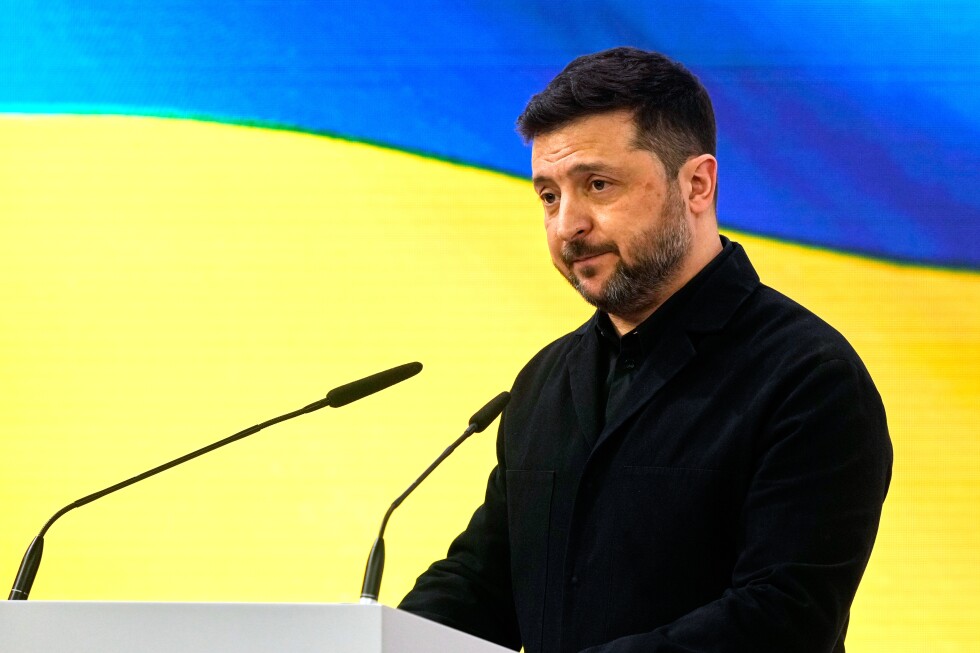
    European representation remains robust with French President Emmanuel Macron and European Commission President Ursula von der Leyen, while global perspectives are represented by figures including Syrian President Ahmad al-Sharaa, Canadian Prime Minister Mark Carney, Congolese President Felix Tshisekedi, Chinese Vice Premier He Lifeng, and Ukrainian President Volodymyr Zelenskyy. The assembly further includes 55 finance ministers, 33 foreign ministers, 34 trade ministers, and 11 central bank governors.

    Technology leadership forms another critical pillar of the conference, with NVIDIA’s Jensen Huang, Microsoft’s Satya Nadella, Google DeepMind’s Demis Hassabis, and Mistral AI’s Arthur Mensch contributing to discussions about artificial intelligence’s transformative potential. International institutions are represented by figures including NATO Secretary-General Mark Rutte and WTO Director-General Ngozi Okonjo-Iweala.

    This year’s forum occurs against an exceptionally complex geopolitical backdrop, with Trump’s unconventional approaches to Venezuela, Greenland, and Iran—coupled with aggressive tariff policies—creating unprecedented uncertainty about America’s global role. Simultaneously, artificial intelligence emerges as both tremendous opportunity and existential concern, with business leaders examining efficiency applications while labor advocates warn of employment disruptions and policymakers seek balance between innovation and regulation.

    Under the thematic banner ‘A Spirit of Dialogue,’ organizers have structured conversations around five pillars: cooperation, growth, human investment, innovation, and prosperity building. Despite this ambitious framework, critics maintain that the forum prioritizes discussion over concrete action to address pressing global inequalities and environmental challenges.

  • Why did Harry and Meghan leave the Royal family?

    Why did Harry and Meghan leave the Royal family?

    The Duke of Sussex appeared in London’s High Court on Monday, January 19th, as a key witness in a major legal battle against Associated Newspapers Ltd, publisher of the Daily Mail. The case represents the latest chapter in Harry’s ongoing confrontation with British media over alleged unlawful information gathering practices.

    The legal action, which includes prominent figures such as Sir Elton John, Liz Hurley, and Baroness Doreen Lawrence as co-plaintiffs, accuses the media group of obtaining private information through illicit means. Associated Newspapers has vigorously denied what it characterizes as “preposterous allegations.”

    This court appearance marks another significant moment in the Duke’s transformation from senior royal to independent public figure. Since relocating to California with Meghan, Duchess of Sussex, in June 2020, the couple has established a new life through various commercial ventures and philanthropic initiatives. Their Archewell Foundation has evolved into Archewell Philanthropies, while they maintain lucrative production deals with Netflix and podcast platforms.

    The couple’s departure from royal duties in January 2020 was precipitated by frustrations with media intrusion and restrictions on developing their “SussexRoyal” brand. Though they retained their Duke and Duchess titles, they no longer use the HRH style and were required to vacate their UK residence, Frogmore Cottage, which had been a gift from the late Queen Elizabeth.

    Harry’s relationship with the institution he left remains complex. His recent visits to Britain have included brief meetings with his father, King Charles, including a 45-minute meeting following the monarch’s cancer diagnosis announcement in February 2024. However, the Duke confirmed he does not expect to meet with the King during this current visit for legal proceedings.

    Security concerns continue to shadow Harry’s UK visits. In May 2025, he lost a legal bid to reinstate full police protection while in Britain, prompting him to state that he cannot safely bring his family to the country. Despite this, he has expressed desire for reconciliation with the Royal Family, identifying security arrangements as the primary obstacle.

    The outcome of this case could have significant implications for media practices and privacy rights in the United Kingdom, potentially setting new precedents for how public figures interact with the press.

  • A look at some of Europe’s deadliest train accidents in recent years

    A look at some of Europe’s deadliest train accidents in recent years

    A catastrophic high-speed train derailment in southern Spain has resulted in at least 39 fatalities and over 150 injuries, marking one of Europe’s deadliest rail disasters in recent years. Spanish authorities confirmed the death toll while continuing rescue operations, with concerns that additional victims may be discovered in the wreckage.

    This tragedy has reignited critical discussions about rail safety across Europe, where train travel remains a popular, affordable, and generally reliable transportation method for millions of commuters and tourists. While European Union statistics indicate a downward trend in major railway accidents since 2010, the Spanish incident serves as a stark reminder of the potentially devastating consequences when safety systems fail.

    The accident has prompted rail safety experts to examine historical precedents across the continent. Europe has witnessed several significant rail disasters in the past decades, including:

    – The 2013 Santiago de Compostela derailment in Spain (80 fatalities) caused by excessive speed
    – The 2023 Greek train collision (57 deaths) attributed to human error and outdated infrastructure
    – Germany’s 1998 Eschede disaster (101 fatalities), the country’s deadliest postwar rail accident
    – The 2006 Valencia subway crash (43 deaths) resulting from safety negligence
    – Belgium’s 2010 rush hour collision (19 fatalities) caused by a signal violation

    These incidents, along with others in Italy, Portugal, and Montenegro, demonstrate recurring themes of human error, infrastructure deficiencies, maintenance failures, and systemic safety shortcomings. The Spanish investigation will likely examine similar factors while the European Transport Safety Council has already called for an urgent review of safety protocols across EU rail networks.

  • What we know about the Spain train crash

    What we know about the Spain train crash

    A catastrophic collision between two high-speed trains in southern Spain has resulted in at least 39 fatalities and left dozens injured, marking the nation’s most severe rail disaster in over ten years. The tragedy unfolded near the city of Córdoba on Sunday evening at approximately 19:45 local time.

    According to Spain’s Transport Minister Óscar Puente, the sequence of events began when one train, operated by Alvia and traveling from Málaga to Madrid, mysteriously derailed. It subsequently veered onto the opposite track, directly colliding with an oncoming Iryo service en route from Madrid to Huelva. The impact forced the second train into a nearby embankment. Minister Puente confirmed that the majority of casualties were concentrated in the front carriages of the Huelva-bound train.

    The precise cause of the initial derailment remains shrouded in uncertainty, prompting officials to characterize the incident as profoundly perplexing. An official investigation has been initiated, though authorities caution that determining the exact circumstances may require at least one month. Minister Puente publicly expressed the government’s bewilderment, noting that consulted railway experts are ‘extremely baffled’ by the unprecedented nature of the accident.

    Rescue operations faced extreme challenges due to the severe structural damage. Francisco Carmona, head of Córdoba’s firefighters, described the grim scene to RTVE, explaining that twisted metal entrapped victims, necessitating complex extraction efforts where responders even had to remove deceased individuals to reach survivors.

    State-owned operator Renfe reported approximately 400 passengers and staff were aboard both trains during the collision. While rescue teams remain on site, it remains unclear whether individuals are still trapped within the wreckage. As of Monday morning, emergency services confirmed 112 people had received medical treatment, with 48 requiring ongoing hospitalization—including five minors and eleven adults in intensive care. The identification process for the 39 victims is ongoing, with officials cautioning that the death toll may not yet be final.

  • Milan Fashion Week: Five trends and buzzwords from menswear previews for next winter

    Milan Fashion Week: Five trends and buzzwords from menswear previews for next winter

    MILAN — The recently concluded Milan Fashion Week became an unexpected canvas for Olympic inspiration, with designers seamlessly blending athletic aesthetics with high fashion. Canadian design duo Dsquared2 delivered a playful homage to the Winter Games, while Ralph Lauren showcased sophisticated ski resort wear in preparation for outfitting Team USA. Emporio Armani contributed to the sporting theme with an in-store presentation of Team Italia’s official uniforms.

    The event transcended mere stylistic discussions, with front-row conversations gravitating toward substantive issues of diversity, sustainability, and fashion’s evolving role in contemporary society. Over four days of Fall-Winter 2026-27 previews, predominantly focused on menswear, several key trends emerged that redefine modern luxury.

    Dsquared2’s Canadian founders, Dean and Dan Caten, presented a collection that humorously imagined their alternative as Olympic outfitters for Team Canada. The show opened with actor Hudson Williams, star of the acclaimed series ‘Heated Rivalry,’ descending a snow-dusted staircase in distressed double denim and glittering athletic accents. The brand’s innovative footwear solutions stood out, particularly hybrid designs that transformed elegant heels into functional ski boots through clever ankle mechanisms.

    Ralph Lauren adopted a more refined approach to mountain aesthetics within their historic Milan palazzo. The collection featured geometric knit patterns, technical fleece layers, and classic flannel that celebrated American heritage. Presented to an exclusive audience including Nick Jonas and Tom Hiddleston, the designs offered both warmth and sophistication for the Olympic season.

    Prada’s creative leadership, Miuccia Prada and Raf Simons, revolutionized men’s accessories with origami-inspired foldable headwear that could be conveniently attached to outerwear. Their collection introduced modular capes providing practical protection, while dress shirts featured unconventional T-shirt necklines and rear fastenings. The strikingly slim silhouette of their car coats sparked discussion, which Prada addressed directly: ‘We must balance intellectual honesty with creating beautiful, believable elegance for our audience.’

    Sustainability emerged as a critical theme, particularly at Zegna where Creative Director Alessandro Sartori emphasized generational quality over transient trends. The collection featured versatile jackets with innovative button mechanisms allowing multiple styling options. Sartori noted: ‘Our customers are collectors, not just fashionistas.’ Zegna’s commitment to longevity was underscored by displaying a century-old jacket from their archives, while their control over 60% of the supply chain provides unique sustainability credentials amid industry challenges.

    Men’s jewelry gained significant prominence, with Dolce & Gabbana incorporating elaborate lapel pins, brooches with integrated timepieces, and heirloom-quality chains into evening wear. Prada complemented their extended sleeves with semi-precious stone cufflinks in lapis lazuli and tiger’s eye, finished with asymmetrical sculptural earrings.

    Diversity initiatives received mixed attention, with Ghanaian designer Victor Hart making his Milan debut supported by the Afrofashion Association. His powerful denim creations incorporated industrial elements and streetwear influences. However, Dolce & Gabbana faced criticism for exclusively white model casting, drawing social media commentary describing the selection as ‘a thousand shades of white’ and ‘diabolical for 2026.’ This contrasted with the diversity renaissance Milan fashion experienced following the Black Lives Matter movement, suggesting ongoing challenges in achieving meaningful inclusion.

  • Starmer says Trump’s Greenland tariff threat ‘completely wrong’ and a trade war in no one’s interest

    Starmer says Trump’s Greenland tariff threat ‘completely wrong’ and a trade war in no one’s interest

    LONDON — British Prime Minister Keir Starmer has publicly denounced former U.S. President Donald Trump’s proposed tariff measures against European allies as “completely wrong,” warning that such protectionist policies would harm global economic interests. The diplomatic friction emerged following Trump’s announcement of impending 10% import duties on goods from eight European nations, including the United Kingdom, scheduled to take effect in February.

    The controversial tariff threat represents retaliation against European countries’ symbolic military deployment to Greenland, a semi-autonomous territory under Denmark’s administration. Trump characterized these troop movements as essential for maintaining the U.S. “Golden Dome” missile defense infrastructure while expressing concerns about potential territorial ambitions from Russia and China regarding the strategic Arctic island.

    During a London press conference, Starmer emphasized Britain’s unwavering support for Greenland and Denmark’s sovereign rights to determine the island’s future. While acknowledging the critical importance of maintaining strong U.K.-U.S. relations, the British leader clarified that “being pragmatic does not mean being passive and partnership does not mean abandoning principles.”

    The Prime Minister indicated that Britain currently has no plans for retaliatory trade measures, stating his administration’s priority is preventing further escalation through continued dialogue with European partners, NATO allies, and American officials. Starmer characterized the transatlantic relationship as vital but noted that strength comes from acknowledging differences rather than ignoring them.