标签: Europe

欧洲

  • Protests in Greenland and Denmark against Trump plans

    Protests in Greenland and Denmark against Trump plans

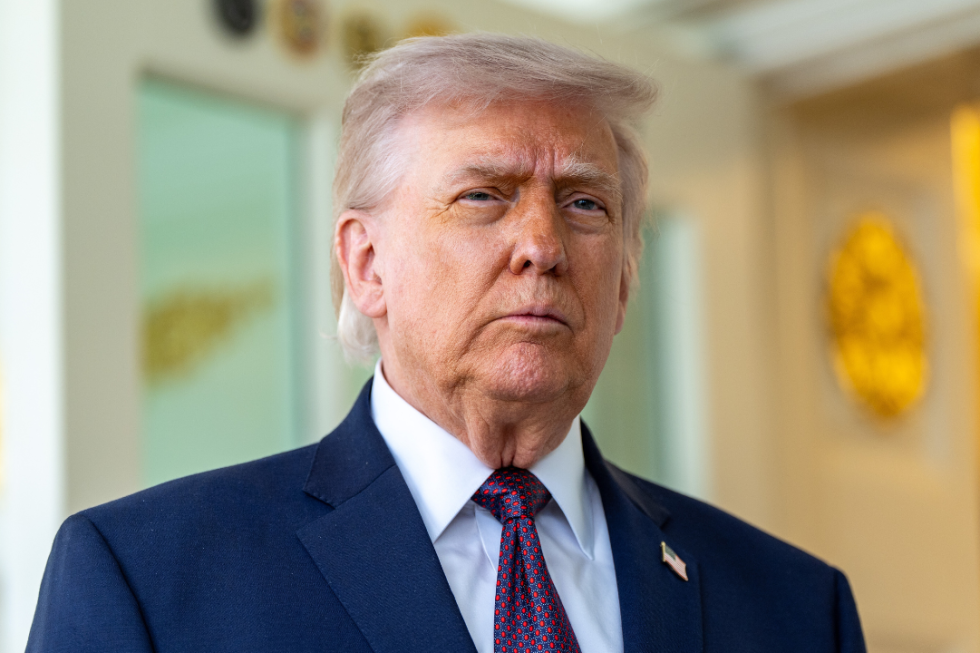
    A significant diplomatic crisis has erupted across the North Atlantic following U.S. President Donald Trump’s persistent campaign to acquire Greenland, an autonomous Danish territory. The escalating situation has triggered mass demonstrations in both Greenland and Denmark, while prompting the Trump administration to implement punitive economic measures against several European nations.

    Thousands of protesters gathered in Copenhagen and Nuuk, Greenland’s capital, waving Greenlandic flags and carrying placards with messages such as ‘Hands Off Greenland’ and ‘Greenland for Greenlanders.’ The coordinated protests, organized by Greenlandic and Danish non-governmental organizations, coincided with a visit by a U.S. Congressional delegation to Copenhagen.

    In a significant escalation, President Trump announced on his Truth Social platform the imposition of 10% tariffs on goods from Denmark, Norway, Sweden, France, Germany, the UK, the Netherlands, and Finland, effective February 1. The President threatened to increase these tariffs to 25% by June 1 ‘until such time as a Deal is reached for the Complete and Total purchase of Greenland,’ accusing these countries of playing ‘a very dangerous game.’

    Greenlandic politicians and community leaders have vehemently opposed the proposal. Erik Jensen, a Greenlandic politician, told Reuters, ‘It’s very important that we stay together and show that Greenland is not for sale and we would not like to be an American or won’t be annexed by the USA.’ Camilla Siezing, head of Inuit (an umbrella group of Greenlandic associations), emphasized the demand for ‘respect for the Danish Realm and for Greenland’s right to self-determination.’

    The territory’s strategic importance cannot be overstated. Greenland’s sparse population belies its resource wealth and crucial geographic position between North America and the Arctic, making it invaluable for early warning systems against missile attacks and regional maritime monitoring.

    European allies have rallied to Denmark’s defense, with France, Germany, Sweden, Norway, Finland, the Netherlands, and the UK deploying small troop contingents to Greenland on what they term ‘reconciliation missions.’ These nations argue that Arctic security should remain a joint NATO responsibility rather than falling under unilateral American control.

    Even within U.S. political circles, skepticism prevails. Senator Chris Coons, leading the Congressional delegation in Copenhagen, described Trump’s rhetoric as ‘not constructive,’ though he acknowledged legitimate reasons to ‘explore ways to invest better in Arctic security broadly, both in the American Arctic and in our NATO partners.’ Opinion polls indicate overwhelming opposition among Greenlanders, with 85% rejecting the territory’s potential accession to the United States.

  • European Union and Mercosur bloc of South American nations sign landmark free trade agreement

    European Union and Mercosur bloc of South American nations sign landmark free trade agreement

    ASUNCIÓN, Paraguay — In a significant geopolitical maneuver, the European Union and South America’s Mercosur bloc finalized a groundbreaking free trade agreement on Saturday, concluding over 25 years of complex negotiations. The signing ceremony in Paraguay’s capital represents a strategic expansion of EU influence in resource-rich South America during an era marked by escalating U.S. tariffs and growing Chinese export dominance.

    European Commission President Ursula von der Leyen emphasized the agreement’s profound geopolitical implications, stating: “We choose fair trade over tariffs. We choose a productive long-term partnership over isolation.” The event gathered presidents from Argentina, Uruguay, and Paraguay, along with Brazil’s foreign minister, demonstrating regional commitment to diversified international relations despite U.S. claims of hemispheric dominance.

    This accord establishes one of the world’s largest free trade zones, uniting over 700 million consumers and representing approximately 25% of global GDP. The agreement particularly benefits South America’s agricultural exporters and European industrial manufacturers seeking new markets for automotive and machinery exports.

    However, the deal faces one final obstacle: ratification by the European Parliament. Powerful protectionist interests on both continents, especially European farmers concerned about cheap agricultural imports, continue to oppose the agreement. To address these concerns, the pact includes gradual tariff reductions over 10-15 years, strict beef import quotas, safeguard mechanisms, and substantial EU subsidies for farmers. While these measures secured Italy’s support, France remains opposed to the agreement.

  • Horses leap through flames and pets go to church in Spanish animal rituals honoring St. Anthony

    Horses leap through flames and pets go to church in Spanish animal rituals honoring St. Anthony

    In the small Spanish village of San Bartolome de Pinares, an extraordinary centuries-old tradition unfolded as riders guided horses through roaring bonfires during the annual Las Luminarias festival. Meanwhile, in Madrid, pet owners gathered with their dogs and cats for a more tranquil blessing ceremony at St. Anthony’s Church. Both events honor St. Anthony the Abbott, patron saint of domestic animals, occurring every January in contrasting yet parallel celebrations.

    The fiery spectacle in the rural village (population approximately 500), located 100 kilometers from Madrid, involves riders preparing their horses with fire-resistant tape on tails and protective glazes on manes before navigating through strategically placed bonfires. Local attendees like 62-year-old Antonio Patricio explain the historical context: “This tradition originated from the belief that smoke and branches could bless and heal farm animals, preventing illness and ensuring their continued fieldwork capacity.”

    Despite ongoing criticism from animal rights organizations, festival participants maintain that injuries to horses are exceptionally rare. The event begins with community gatherings featuring shared wine, beer, and sweets before the dramatic fire-jumping ceremony that continues into the early hours.

    Conversely, Madrid’s urban celebration involves priests sprinkling holy water on pets brought by owners seeking annual blessings for their animals’ health and protection. The visibly calmer ceremony featured dogs in winter vests and somewhat bewildered-looking cats, with attendees like Rosa Gomez expressing appreciation for the tradition while holding her adopted dog Kia.

    These rituals reflect Spain’s deep cultural connections to animal husbandry traditions, particularly in rural areas experiencing population decline. The smoke purification practice reportedly originated centuries ago when a mysterious illness affected village animals, leading to the belief in smoke’s healing properties. Today, the tradition serves not only as spiritual practice but also as cultural preservation, bringing families and visitors together in Spain’s gradually emptying countryside.

  • Ukrainian delegation arrives in US for peace talks as Russia hammers energy sites

    Ukrainian delegation arrives in US for peace talks as Russia hammers energy sites

    KYIV, Ukraine — A high-level Ukrainian diplomatic team has arrived in the United States to advance peace negotiations aimed at resolving the ongoing nearly four-year conflict, even as Russia continues its systematic targeting of Ukraine’s energy infrastructure during freezing winter conditions.

    The delegation, led by Ukrainian President Volodymyr Zelenskyy’s Chief of Staff Kyrylo Budanov, includes key negotiators Rustem Umerov and Davyd Arakhamia. Their mission focuses on finalizing critical aspects of a proposed peace settlement, particularly regarding postwar security guarantees and economic recovery frameworks.

    Budanov confirmed via Telegram that the team would meet with U.S. Special Envoy Steve Witkoff, former presidential advisor Jared Kushner, and U.S. Army Secretary Dan Driscoll. The discussions represent a significant diplomatic push by the United States to broker a resolution to the prolonged conflict.

    President Zelenskyy indicated that should American officials approve the proposed agreements, formal signing could occur as early as next week during the World Economic Forum in Davos, Switzerland—an event where former President Donald Trump is also expected to appear.

    Meanwhile, Russia launched renewed attacks on energy infrastructure in Ukraine’s Kyiv and Odesa regions overnight into Saturday, leaving more than 20 settlements without power amid subzero temperatures. This continues Russia’s documented strategy of targeting energy systems during winter months, which Ukrainian officials describe as “weaponizing winter” to undermine national resistance.

    Ukraine’s Energy Minister Denys Shmyhal reported that Russia conducted 612 attacks on energy targets throughout the previous year, with increasing intensity as temperatures plummet to -18°C (0°F). In response, Ukraine has implemented emergency measures including eased curfew restrictions to allow citizens access to public heating centers, while prioritizing energy supplies to hospitals, schools, and critical infrastructure.

    The government has also directed major state enterprises—including Ukrzaliznytsia, Naftogaz, and Ukroboronprom—to urgently procure imported electricity to cover at least half of their consumption needs.

  • US Congressional delegation seeks to reassure Denmark and Greenland after Trump’s threats

    US Congressional delegation seeks to reassure Denmark and Greenland after Trump’s threats

    A bipartisan delegation from the United States Congress has embarked on a diplomatic mission to Copenhagen and Nuuk aiming to reassure Danish and Greenlandic officials amidst escalating tensions following President Donald Trump’s controversial statements regarding the Arctic territory. Led by Democratic Senator Chris Coons of Delaware, the delegation explicitly distanced itself from the White House’s position, emphasizing the United States’ profound respect for Denmark as a vital NATO partner.

    The congressional visit coincides with planned demonstrations in both Copenhagen and Nuuk, Greenland’s capital, where locals are expected to express strong support for the island’s current self-governing status within the Danish Kingdom. Senator Coons, addressing the media in Copenhagen, characterized the recent rhetoric from Washington as a source of significant concern and expressed his intent to de-escalate the situation. He underscored the critical importance of the U.S.-Denmark alliance, warning that actions which cause doubt among such a steadfast partner could have far-reaching consequences for America’s global credibility.

    This conciliatory approach stands in stark contrast to the administration’s stance. President Trump has repeatedly framed a potential U.S. acquisition of Greenland as a national security imperative, citing alleged ambitions from China and Russia over the island’s vast reserves of untapped critical minerals. Notably, the White House has not dismissed the possibility of acquiring the territory by force. Further complicating relations, Trump recently threatened to impose tariffs on countries, including those within the Danish realm, if they did not support the U.S. takeover, marking a new escalation in his strategy.

    The fundamental disagreement was further highlighted after a recent meeting in Washington between U.S. officials and the foreign ministers of Denmark and Greenland. While the parties agreed to establish a working group, they provided publicly divergent explanations of its purpose. In response to the heightened tensions, Denmark has announced plans to bolster its military presence in Greenland in coordination with its allies, firmly asserting that matters concerning the territory’s sovereignty are for Denmark and Greenland alone to decide.

  • Watch: Artificial avalanche tumbles down Russian mountain

    Watch: Artificial avalanche tumbles down Russian mountain

    Russian emergency management officials have executed a meticulously planned controlled avalanche on Mount Elbrus, Europe’s highest peak, as a proactive safety measure to mitigate potential natural hazards. The strategic detonation, deliberately triggered by specialists, successfully released accumulated snow masses that had reached critical levels on the mountain’s slopes.

    This preventive operation, conducted in the Kabardino-Balkaria region, represents standard practice in avalanche-prone mountainous areas during winter months. The controlled release mechanism allows authorities to manage snow accumulation systematically, thereby reducing the risk of spontaneous, potentially catastrophic avalanches that could endanger nearby infrastructure, local communities, and tourism activities.

    The visually spectacular event was captured on video, showing massive snow walls cascading down the mountainside with tremendous force, demonstrating both the power of nature and human intervention strategies. Such operations require precise meteorological assessment, technical expertise, and careful timing to ensure maximum effectiveness while minimizing ecological impact.

    Mount Elbrus, standing at 5,642 meters (18,510 feet), attracts thousands of climbers and tourists annually, making avalanche prevention protocols essential for regional safety management. Russian authorities continue to monitor conditions closely throughout the winter season, maintaining readiness for additional controlled releases as necessary to preserve public safety.

  • A faceless hacker stole my therapy notes – now my deepest secrets are online forever

    A faceless hacker stole my therapy notes – now my deepest secrets are online forever

    In October 2020, Finland witnessed its most devastating cybercrime when psychotherapy provider Vastaamo suffered a catastrophic data breach affecting 33,000 patients. The hacker gained access to highly sensitive therapy session transcripts containing intimate details about suicide attempts, extramarital affairs, and childhood trauma.

    The attacker employed a double-extortion strategy: first demanding €400,000 in bitcoin from Vastaamo, then targeting individual patients with personalized ransom emails. Meri-Tuuli Auer, one victim, received a message containing her full name, social security number, and therapy details, demanding €200 in cryptocurrency within 24 hours under threat of public exposure.

    Finnish authorities launched an intensive investigation led by Detective Marko Lepponen, who described the case as unprecedented in scale. After two years, they identified Julius Kivimäki, a known cybercriminal, as the prime suspect. Kivimäki was arrested in France in February 2023 and extradited to Finland.

    The trial became a national event, with 21,000 victims registering as plaintiffs. Court proceedings were broadcast in cinemas to accommodate the unprecedented number of affected individuals. Kivimäki received a six-year, seven-month prison sentence despite maintaining his innocence.

    The aftermath continues to haunt victims years later. A search engine exists on the dark web allowing anyone to look up stolen therapy records by name. The breach has eroded trust in mental health services, with many former patients refusing to seek further therapy. Legal representatives report at least two suicides linked to the data exposure.

    Auer’s journey represents both the profound trauma and remarkable resilience of victims. After initial paralysis and fear, she chose transparency—publicly acknowledging her victim status on social media, discussing her leaked secrets with family, and ultimately publishing a book titled ‘Everyone Gets to Know’ to reclaim her narrative from the hacker’s violation.

  • Under fire from the sea, families in Odesa try to escape Russian barrage

    Under fire from the sea, families in Odesa try to escape Russian barrage

    From the 16th-floor apartment of Mariia and Sergii in Odesa, the panoramic Black Sea view contrasts starkly with the daily reality of drone attacks and power outages. Their nine-year-old daughter Eva has developed an unsettling familiarity with aerial threats, identifying risks through social media channels when air raid sirens blare. ‘She distinguishes between potential dangers and immediate threats, which helps her cope,’ explains Sergii, watching his daughter monitor the skies.

    This family’s experience reflects the broader crisis in Ukraine’s third-largest city, which has faced intensified assaults on its critical infrastructure in recent weeks. Russian strikes targeting port facilities and energy grids have plunged Odesa into frequent darkness while crippling the regional economy. The strategic southern port, responsible for 90% of Ukraine’s maritime exports last year, has seen agricultural shipments drop by 45% due to relentless attacks.

    The human cost extends beyond economic damage. Residents navigate a precarious existence where 800 air-raid alerts annually disrupt daily life, and descending to shelters for 16-hour periods has become impractical. ‘People have grown dangerously accustomed to the danger,’ admits Maryna Averina of the State Emergency Service, surveying a destroyed gym after an overnight drone strike injured seven people.

    Winter has compounded the crisis, with temperatures hovering around -1°C while power remains severely disrupted. Ada, 36, walking along the beach despite active air alerts, notes: ‘The shelling isn’t as scary as this cold is.’ Families like Yana’s have invested in expensive generators, but operating them costs approximately $10 for seven hours—a significant burden in a country where average monthly salaries reach about $500.

    The city’s historical significance adds layers to its current struggle. Odesa, once hailed as the jewel of the Russian empire, now actively dismantles symbols of that heritage under the 2023 Law on Decolonization. Regional leader Oleh Kiper champions these efforts, replacing Russian-themed street names and removing monuments like the statue of Catherine the Great. ‘The enemy is doing far more than we are to ensure a Russian-speaking city becomes Ukrainian,’ Kiper asserts, referencing how attacks have pushed residents to reconsider their relationship with Russian culture.

    As ballistic missiles continue striking port facilities like Chernomorsk, and partial blackouts enter their second month, Odesa embodies Ukraine’s resilience against Russia’s determination to either capture or cripple vital territories. The city’s residents, from fishermen like Kostya who once served in the Soviet army to young families like Mariia’s, demonstrate remarkable adaptability amid relentless adversity.

  • ‘Weird couple of years’ for Stranger Things star

    ‘Weird couple of years’ for Stranger Things star

    Irish actress Amybeth McNulty has described her rapid ascent in the entertainment industry as a “weird couple of years” since joining the global phenomenon Stranger Things. The County Donegal native, who entered the Netflix series in its fourth season as Vickie, Hawkins High School student and Robin Buckley’s girlfriend, shared her profound journey on RTÉ’s The Late Late Show with host Patrick Kielty.

    McNulty characterized her experience on the massively popular sci-fi horror series as feeling like “a little cog in this very massive machine,” emphasizing the surreal nature of her transition from fan to cast member. Her deep familiarity with Stranger Things proved instrumental during the audition process, providing her with unique insight into the show’s distinctive pacing and narrative style.

    The 24-year-old actress recounted the emotional moment she received news of her casting, describing how she was “screaming, crying down the phone” with excitement. This professional milestone carried additional emotional weight as it marked the final audition her parents knew about before their passing. “They said they had a good feeling about it and they were right,” McNulty reflected with poignant remembrance.

    Her artistic journey began in Letterkenny where she was raised by her Irish father and Canadian mother. McNulty’s childhood involved rigorous ballet training and performances in local productions at An Grianán Theatre, experiences she credits to the supportive community that fostered her early development. “There is a real sense of family there. It was everything,” she affirmed.

    McNulty’s breakthrough came at age 14 when she relocated to Canada to star as the lead in CBC/Netflix’s Anne with an E, a move made possible by her retired parents’ complete dedication. “They moved with me to Canada… I was very, very lucky they were able to do that for me,” she expressed with enduring gratitude. “They said they would do anything for me and they did. I will always appreciate it.”

    The actress also addressed the significance of her LGBTQ+ representation on Stranger Things, drawing from her personal experience as someone who came out as bisexual at 16/17 while growing up in Donegal. McNulty recalled encountering prejudice in her hometown, where some community members approached her parents to express sympathy about her sexuality.

    “I’m going ‘right okay, nothing to apologise for’, so it gives me more of an invigoration when I do roles like this,” she stated, emphasizing her commitment to authentic representation. McNulty strives to “do it justice and do it right for kids like me growing up,” viewing the normalization of queer storylines within broader narratives as particularly valuable. “It doesn’t have to be about that. It is just a part of it. I think that is ideal.”

  • Brazil’s Lula hails historic EU-Mercosur deal ahead of no-show at its signing

    Brazil’s Lula hails historic EU-Mercosur deal ahead of no-show at its signing

    After a quarter-century of complex negotiations, the European Union and the Mercosur bloc have reached a landmark free trade agreement, creating one of the world’s largest trading zones encompassing approximately 720 million people with a combined GDP exceeding $22 trillion. The historic pact was formally signed in Asunción, Paraguay, on Saturday, marking a significant geopolitical shift in global trade dynamics.

    The agreement between the EU and Mercosur (comprising Brazil, Argentina, Paraguay, and Uruguay) represents Mercosur’s first major international trade deal. Bolivia, the newest Mercosur member, was not involved in initial negotiations but retains the option to join the agreement in subsequent years.

    Despite Brazilian President Luiz Inácio Lula da Silva’s vigorous advocacy for the pact since returning to office in 2023, he notably abstained from attending the signing ceremony. Instead, Brazil was represented by Foreign Minister Mauro Vieira. This absence has been interpreted by political analysts as a strategic signal of Brazil’s dissatisfaction with the delayed signing, which was originally anticipated during Brazil’s rotating Mercosur presidency in December.

    European Commission President Ursula von der Leyen praised Lula’s “political leadership and personal commitment” during the final negotiation phase, acknowledging his crucial role in advancing the agreement. The European Council similarly recognized Brazil’s recent Mercosur presidency as instrumental in finalizing the decades-long negotiation process.

    The comprehensive trade accord grants South American nations preferential access to European markets for agricultural products, with Brazil’s government investment agency Apex projecting approximately $7 billion in additional exports of commodities including instant coffee, poultry, and orange juice. However, President Lula emphasized that Mercosur nations seek to transcend their traditional role as commodity exporters, stating their intention to “produce and sell industrial goods with higher added value.”

    Experts view the agreement as a strategic counterbalance to both United States and Chinese influence in the resource-rich South American region. The pact emerges amid former President Donald Trump’s protectionist trade policies and China’s expanding economic influence through trade and loans throughout Latin America.

    International relations scholars note that while the agreement demonstrates economic advantages for the EU, it carries significant political benefits for both blocs. For Europe, it represents a commitment to multilateral partnership diversification, while for Mercosur, it validates the bloc’s continued relevance in global trade architecture despite previous criticisms regarding its effectiveness and longevity.