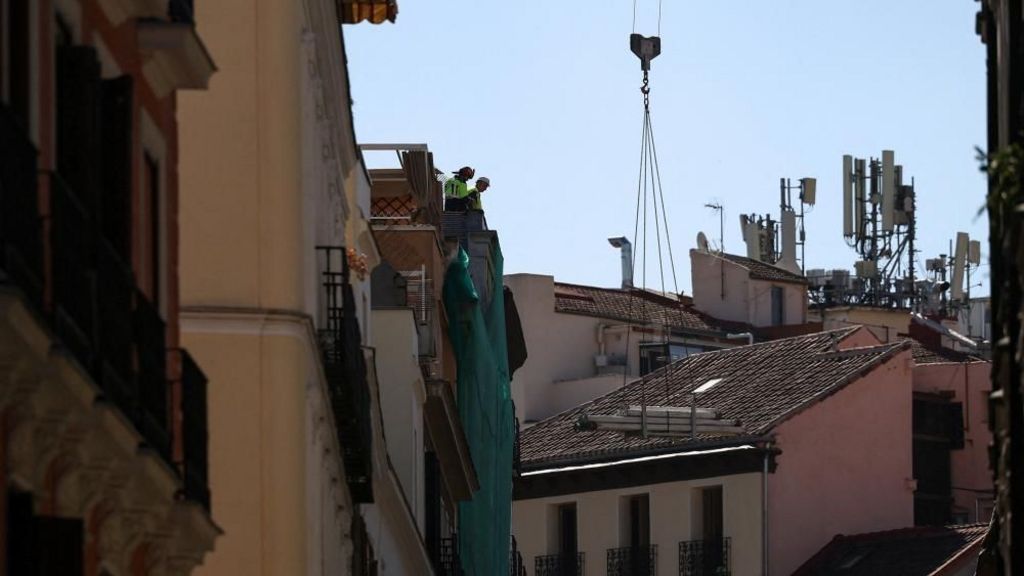
A tragic incident unfolded in the heart of Madrid as a six-storey building undergoing refurbishment partially collapsed, resulting in the deaths of four individuals. The building, located on Hileras Street, was being converted into a four-star hotel when the disaster struck. Madrid’s mayor, Jose Luis Martinez-Almeida, confirmed that the bodies of the last two missing persons were recovered on Wednesday morning, approximately 15 hours after the collapse. The victims included a 30-year-old Spanish woman overseeing the project and three male workers from Mali, Guinea, and Ecuador, aged between 30 and 50. Three others sustained injuries in the incident. Emergency services, equipped with drones and sniffer dogs, conducted extensive search and rescue operations. Two bodies were retrieved on Tuesday night. Martinez-Almeida expressed his condolences, stating, “All our love and support go to their families, friends, and colleagues in this very difficult time.” A construction worker recounted escaping the scene after witnessing a massive dust cloud. Despite the internal collapse, the building’s façade remained intact. Authorities have initiated an investigation into the cause of the collapse. The developer, Rehbilita, described the renovation as “comprehensive” on its website.
标签: Europe
欧洲
-
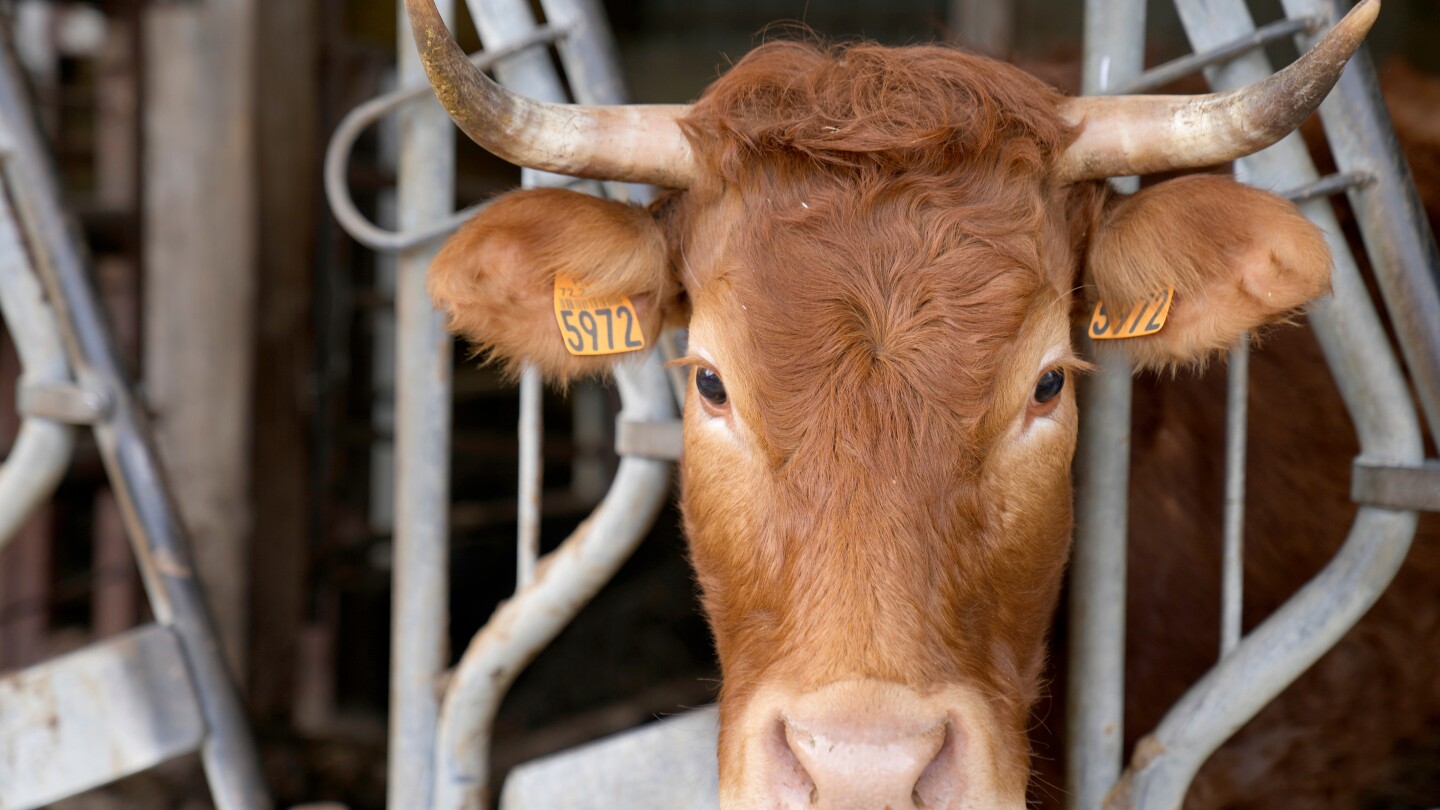
EU lawmakers vote to ban labels like steak or meat on vegetarian products
In a decisive move, the European Parliament has voted to prohibit the use of meat-related terminology such as ‘steak,’ ‘sausage,’ or ‘burger’ on vegetarian and plant-based products. The resolution, passed with an overwhelming majority of 532 to 78, aims to redefine meat strictly as ‘edible parts of animals’ and ensure clarity in food labelling. The proposal will now proceed to a parliamentary committee for further refinement before being reviewed by the EU executive and negotiated among the bloc’s 27 member states. Céline Imart, a conservative German lawmaker and former farmer, emphasized that using meat-related terms for plant-based alternatives is misleading. ‘We’re not banning plant-based products, but terms should accurately reflect what they represent,’ she stated during a parliamentary debate. Austrian MEP Anna Stürgkh, however, argued that consumers are not easily confused by such labels, citing examples like ‘beef tomatoes’ and ‘ladies’ fingers’ as evidence of common understanding. She urged trust in consumer discernment and criticized the move as ‘hot dog populism.’
-
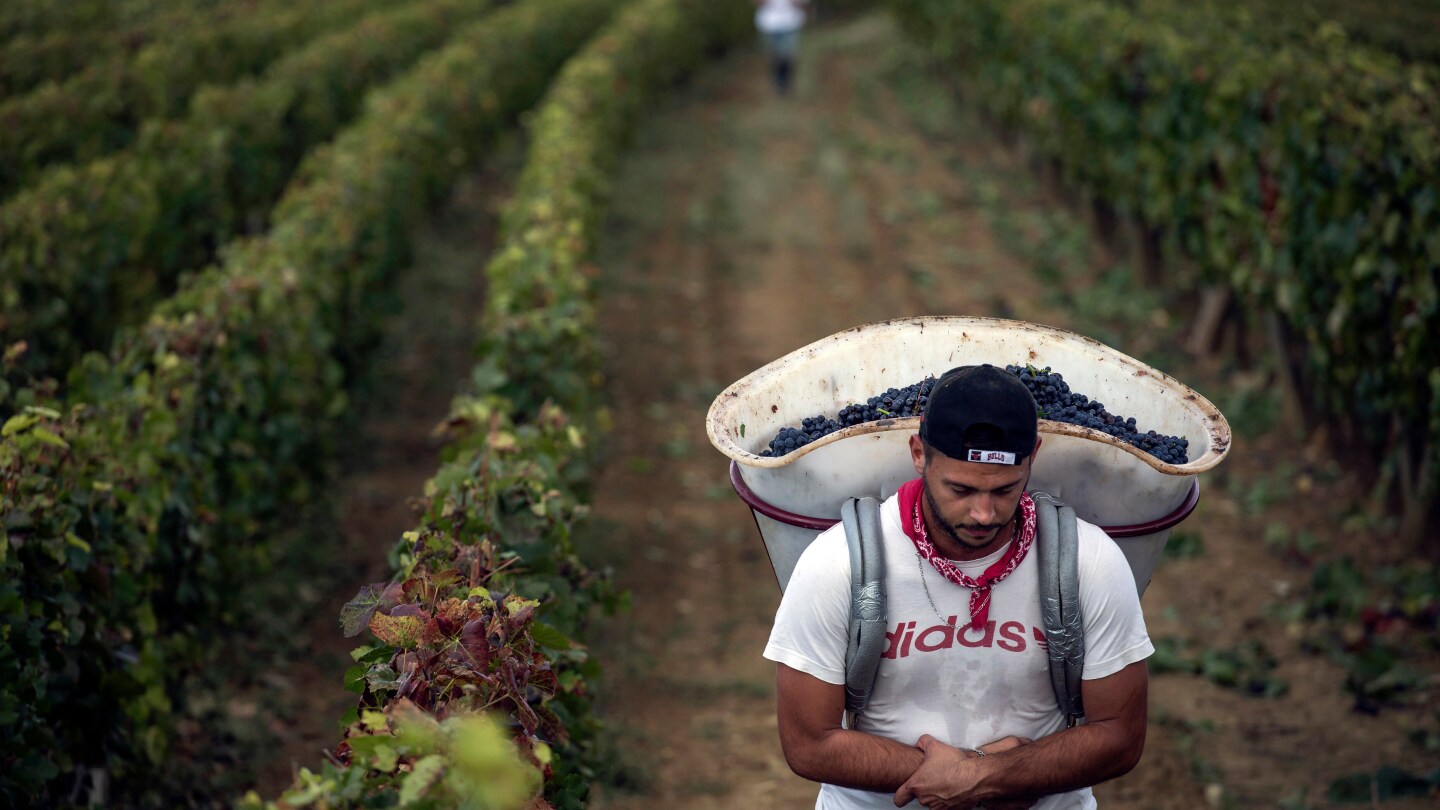
The EU offers new protections for farmers as it seeks to build support for Mercosur trade deal
The European Union’s executive arm has introduced comprehensive measures to shield its agricultural sector from potential adverse effects of the landmark trade agreement with the Mercosur bloc. The deal, involving Brazil, Argentina, Uruguay, Paraguay, and Bolivia, aims to eliminate tariffs on nearly all goods traded between the two regions over the next 15 years. If ratified, it would establish one of the world’s largest free trade zones, encompassing 780 million people and nearly a quarter of global GDP. However, European farmers have expressed strong opposition, fearing unfair competition from South American imports. The newly proposed mechanisms would empower farmers to lodge complaints and trigger investigations into trade imbalances caused by the agreement. The European Commission has pledged swift action in cases of unforeseen import surges or price drops, with special protections for sensitive sectors like beef, eggs, and ethanol. The deal, finalized in December after 25 years of negotiations, awaits approval from EU member states and the European Parliament. Agriculture remains a cornerstone of the EU’s economy and culture, with exports totaling €235.4 billion in 2024. Yet, the sector faces mounting tensions, exacerbated by recent protests and political pressures. While proponents argue the deal will save businesses €4.26 billion annually by reducing tariffs and bureaucracy, critics warn of environmental harm and unfair competition for local producers.
-
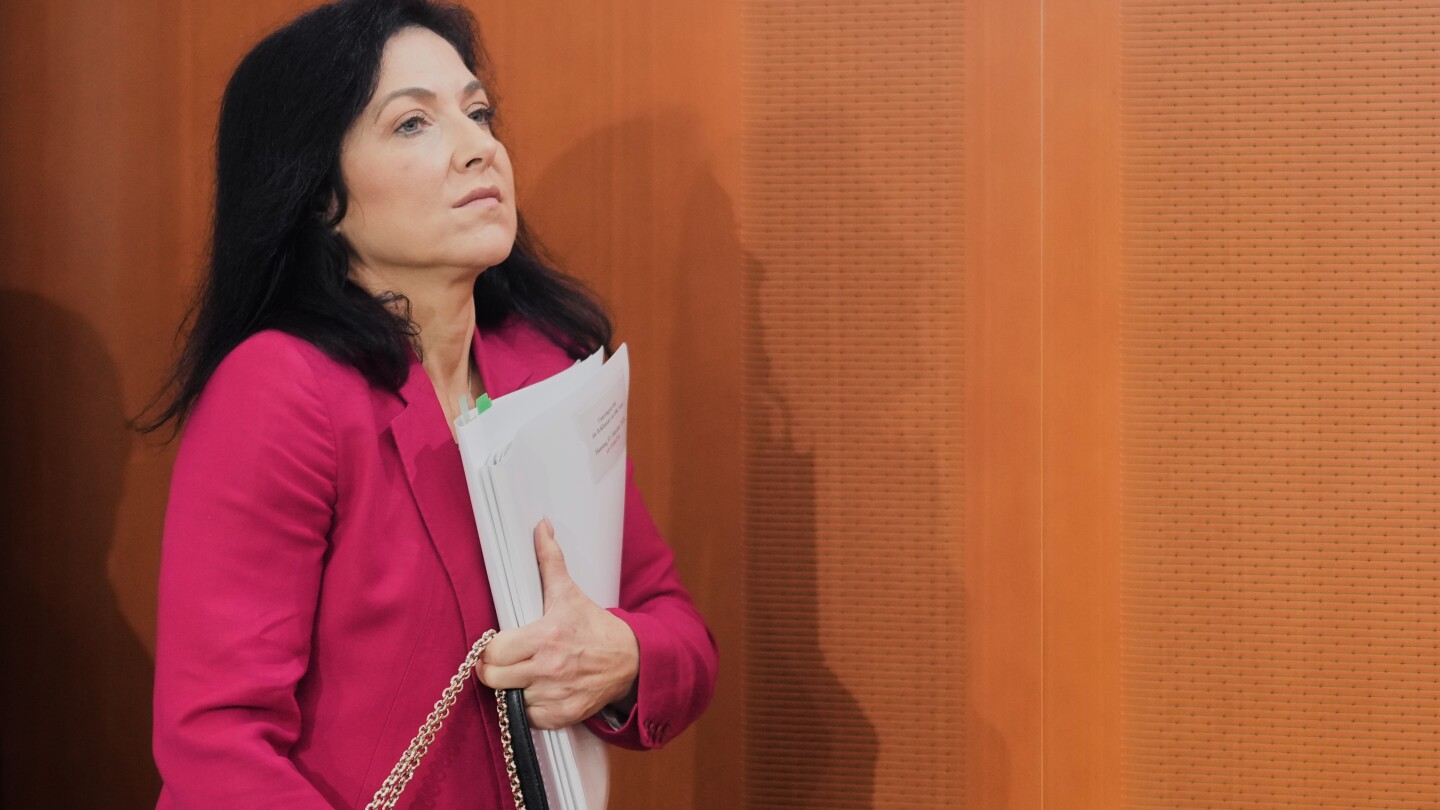
Germany revises 2025 growth forecast to 0.2%, rising to 1.3% next year
Germany’s newly formed government has unveiled its economic projections, anticipating a modest growth rate of 0.2% for the current year, with forecasts of 1.3% in 2026 and 1.4% in 2027. This outlook marks a slight improvement over the previous administration’s April forecast, which predicted zero growth for 2025 and 1% expansion in 2026. The German economy, which has contracted over the past two years and stagnated for an extended period, is now a focal point for Chancellor Friedrich Merz’s administration, which assumed office in early May. Economy Minister Katherina Reiche emphasized the urgency of addressing competitiveness and innovation, stating, ‘We need to act, now.’ She highlighted that a significant portion of the projected growth hinges on swift government spending, which requires accelerated planning and approval processes—areas where Germany has historically lagged. Reiche also stressed the need for comprehensive reforms, including reducing energy costs, fostering private investment, lowering the tax burden, dismantling bureaucratic hurdles, opening markets, and enabling innovation. To bolster economic revitalization, Merz’s government has initiated a program to encourage investment and established a 500 billion-euro ($584 billion) fund aimed at modernizing Germany’s aging infrastructure over the next 12 years. Additionally, the administration has pledged to streamline regulatory processes and expedite the country’s digital transformation. In a show of confidence, a consortium of companies committed in July to invest at least 631 billion euros in Germany over the next three years, including some previously planned investments. Despite Germany’s historical dominance in global trade, particularly in engineered products like industrial machinery and luxury cars, the nation faces mounting challenges, including competition from Chinese manufacturers and external risks such as tariffs and trade threats from the U.S. under former President Donald Trump.
-
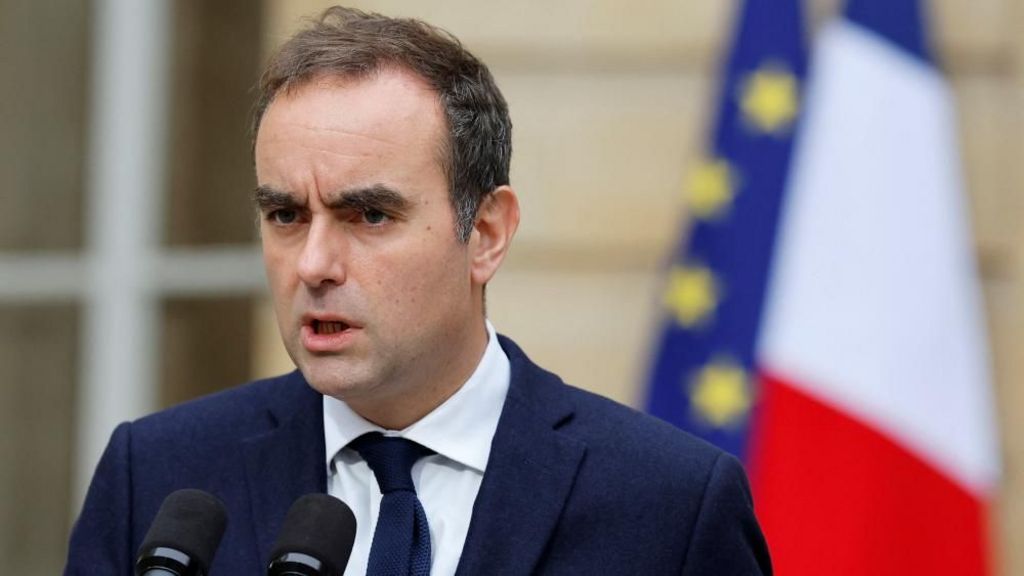
Crunch moment in French crisis as outgoing PM tries to avert new election
In the midst of France’s deepening political crisis, outgoing Prime Minister Sébastien Lecornu expressed cautious optimism about the possibility of passing a budget before the year’s end. Lecornu, who became the third French prime minister to resign in less than a year, has been tasked with finding a solution to stabilize the country by Wednesday evening. His resignation on Monday plunged France into renewed political uncertainty, just 18 months before President Emmanuel Macron’s second term concludes. Macron’s decision to call snap elections in mid-2024 resulted in a hung parliament and a series of minority governments, further complicating the political landscape. Lecornu, who served only 26 days before his government collapsed, has been engaging with various political parties to forge a path forward. He noted a ‘willingness’ among parties to pass a budget by December 31, which could reduce the likelihood of dissolving parliament. However, challenges remain, as Socialist leader Olivier Faure ruled out his party’s participation in any government led by Macron’s allies, citing irreconcilable differences over the budget plan. Meanwhile, the hard-right National Rally, led by Marine Le Pen, has called for new parliamentary elections. Lecornu’s best hope appears to be forming a centrist coalition with the conservative Republicans, though their participation is uncertain. National Assembly President Yaël Braun-Pivet warned of ‘very serious consequences’ if a budget deal is not reached soon. Lecornu emphasized the importance of reducing France’s budget deficit, which currently stands at 5.4% of GDP, to maintain the country’s credibility and borrowing capacity. Additionally, he highlighted the need to address the future of New Caledonia, France’s South Pacific territory, which has been seeking greater autonomy. The planned 2026 budget included financial aid for New Caledonia following last year’s riots, but Lecornu’s resignation has delayed the referendum and provincial elections scheduled for next year.
-
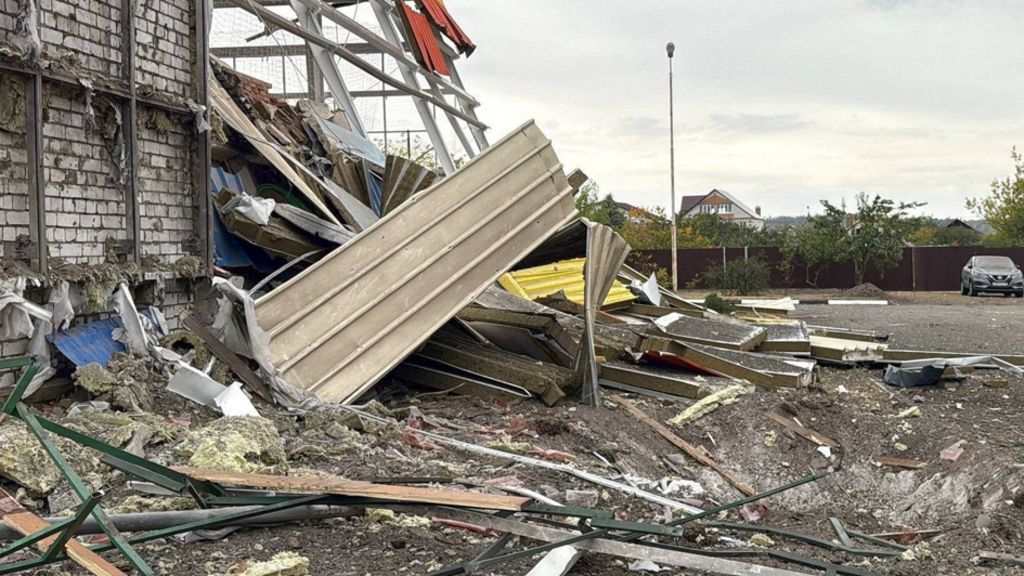
Three killed in latest Ukrainian strike on Russia’s Belgorod region
The Russian border region of Belgorod has been struck by a series of devastating attacks from Ukraine, resulting in significant casualties and widespread damage. Vyacheslav Gladkov, the governor of Belgorod, confirmed that three people were killed and at least nine others injured in the latest assault on the village of Maslova Pristan early Wednesday. Emergency teams are still searching for survivors trapped under the rubble. This marks the third consecutive day of attacks on the region, leaving thousands without power and claiming multiple lives. Ukraine has not officially commented on the strikes but has consistently targeted Russian territories, including Belgorod, since the conflict began four years ago. Gladkov shared images on Telegram showing the destruction of a sports center in Maslova Pristan, with its roof and walls blown apart. Nearby, in Moshchenoye, six people, including a child, were injured when a rocket and drone hit a truck, while a man was hurt in Masychevo after a car was struck. The recent attacks have caused blackouts and structural damage across Belgorod, with nearly 40,000 residents affected by power outages in seven municipalities. Verified videos by BBC Verify show explosions and fires near a local power station. Meanwhile, Ukraine has intensified its strikes on Russian oil refineries, targeting at least 21 of Russia’s 38 major refineries since January, leading to fuel shortages and price hikes. On the other side, Russia continues its assaults on Ukraine, with Ukrainian air forces reporting the interception of 154 drones, though 22 still struck targets in 11 locations. Ukrainian President Volodymyr Zelensky has announced new funding to repair damaged energy infrastructure and prepare for winter, emphasizing the need to support communities facing immense hardship.
-
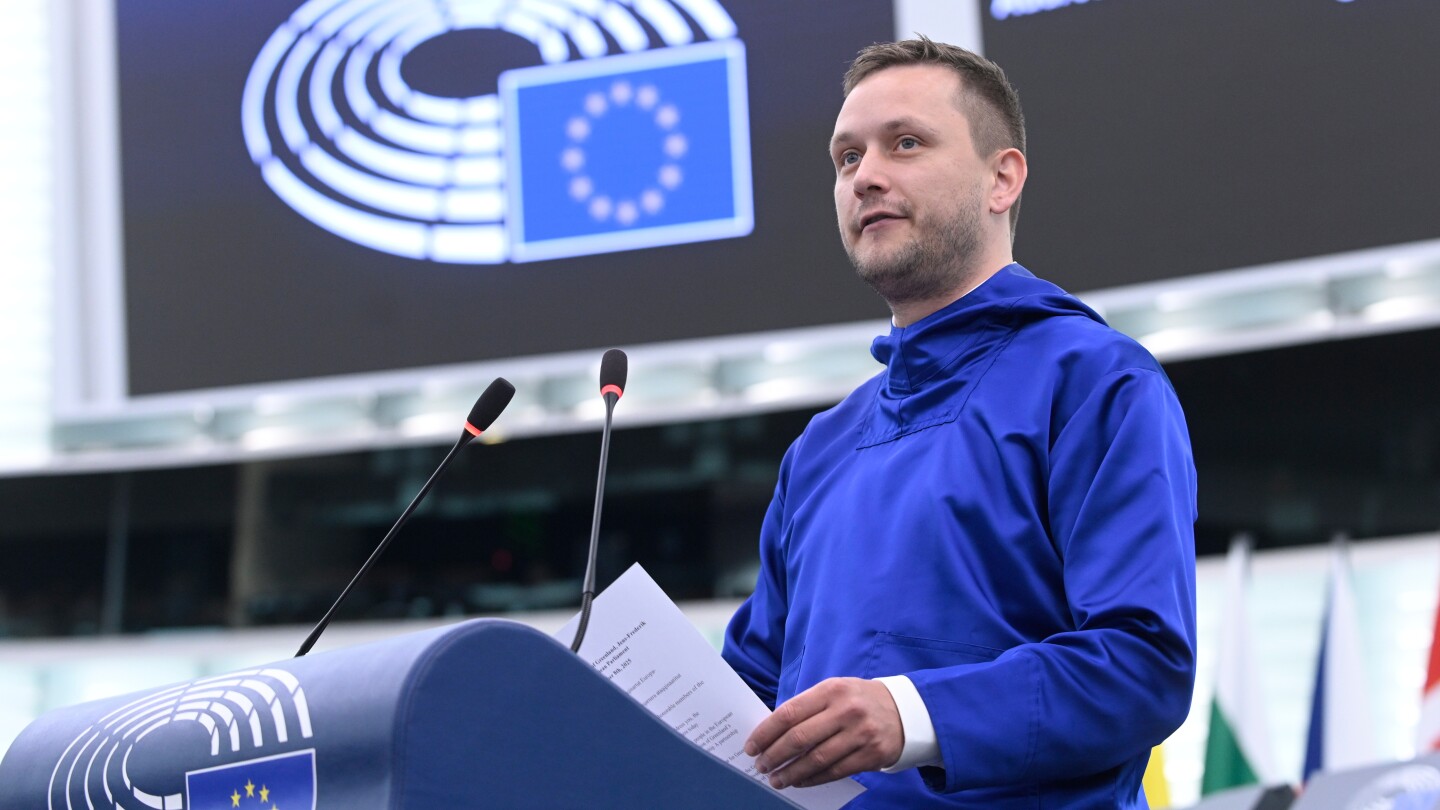
Greenland’s leader hails EU as trusted friend and urges investment in its minerals
In a significant address to the European Parliament in Strasbourg, Greenland’s Prime Minister Jens-Frederik Nielsen expressed gratitude to the European Union for its enduring partnership and called for increased investment in the Arctic island’s mineral resources, renewable energy, and infrastructure. Nielsen, 34, described 2025 as a pivotal year for Greenland, emphasizing the challenges posed by climate change while avoiding mention of former U.S. President Donald Trump’s controversial remarks about acquiring the territory. He highlighted the EU’s role as a “stable, reliable, and important partner” for over four decades, extending a heartfelt thanks for its support during challenging times. Greenland, once a Danish colony, became a self-governing entity in 2009 but remains part of the Danish realm. Nielsen underscored the island’s abundance of critical raw minerals sought by the EU, noting the capital-intensive nature of mining. He also urged investment in hydroelectricity, telecommunications, and the construction of two regional airports, emphasizing the need for trusted operators to ensure infrastructure stability. The speech concluded with a standing ovation from lawmakers as Nielsen thanked the EU for being a “trusted friend of Greenland.”
-
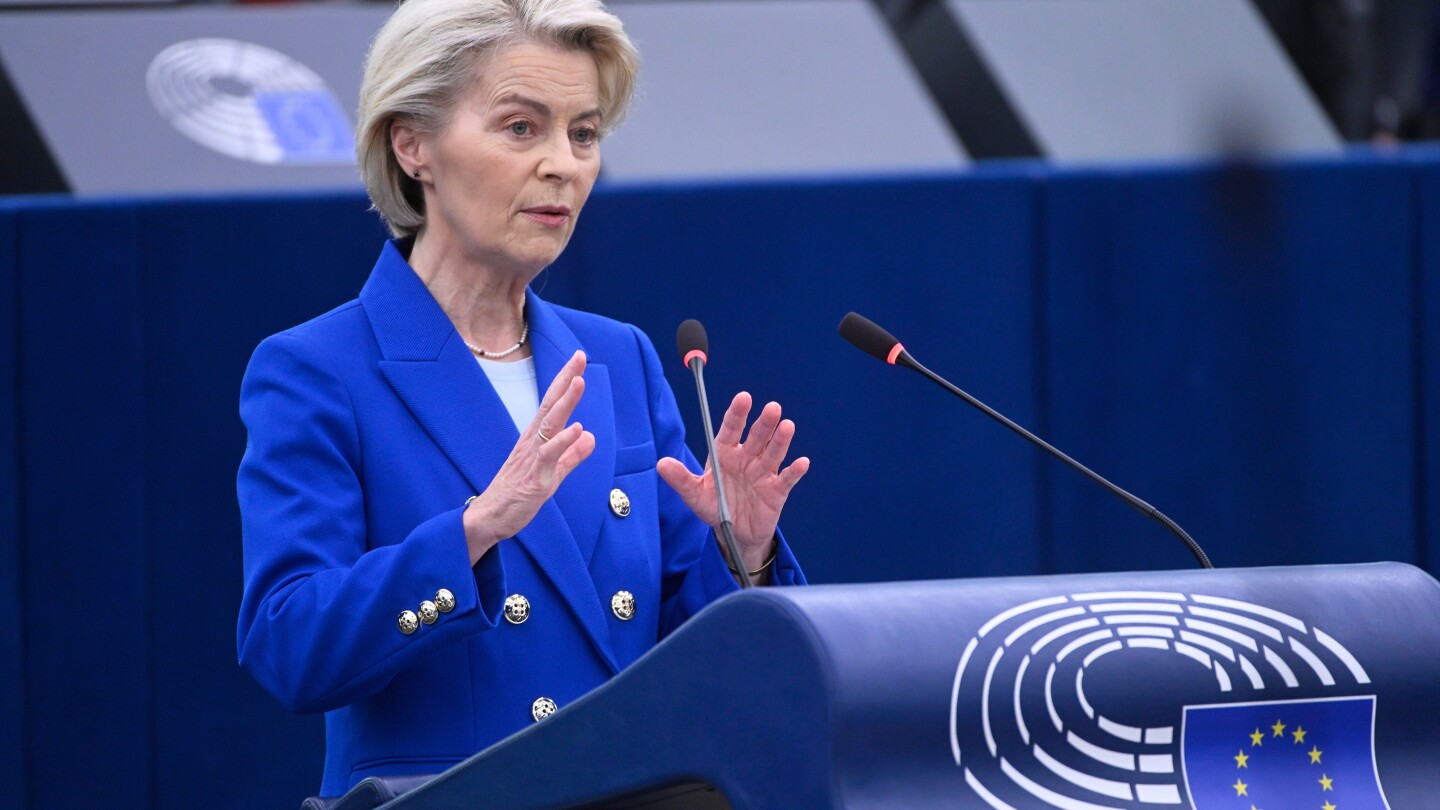
EU chief says Russia is waging a ‘gray zone campaign’ and Europe must meet the challenge
BRUSSELS (AP) — The European Union’s top official, European Commission President Ursula von der Leyen, issued a stark warning on Wednesday, asserting that Russia is orchestrating a “targeted gray zone campaign” against Europe. This campaign includes airspace violations, sabotage, and cyberattacks, which are expected to intensify if the Kremlin is not confronted. Von der Leyen emphasized that Europe must respond decisively to these threats to safeguard its territory and security. In just two weeks, incidents such as fighter jets breaching Estonia’s airspace and drones overflying military bases and critical infrastructure sites in Belgium, Denmark, Germany, Poland, and Romania have been reported. Von der Leyen urged EU lawmakers in Strasbourg, France, to investigate every incident and attribute responsibility without hesitation. She stressed that every square centimeter of European territory must be protected and safe, warning that inaction would only allow the gray zone to expand. Under von der Leyen’s leadership, the EU’s executive branch is developing a comprehensive plan to address these challenges by 2030. This plan includes the creation of a “drone wall,” a high-tech system designed to detect, track, and neutralize drones, as well as disrupt their operating systems or ground-based pilots. EU officials believe Russia could potentially launch an attack on another European country within three to five years. Von der Leyen also highlighted the need for an affordable and effective anti-drone system, pointing to lessons from Ukraine. She argued that European countries must invest more in defense, ensuring that such investments create jobs and benefit the continent’s economy. The commission insists that at least 65% of any EU-funded defense project should be based in Europe, countering the current trend where most defense investments go to U.S. companies. At a recent summit in Copenhagen, EU leaders appeared to adopt a tougher stance on drone incidents, sabotage, cyberattacks, and sanction-busting. French President Emmanuel Macron advocated for a more aggressive approach, including shooting down drones entering European airspace and intercepting shadow fleet ships illicitly transporting oil to deprive Moscow of war revenue.
-
Young boy dies in road traffic incident
A tragic road traffic accident occurred on Tuesday afternoon in Rathmintin, Jobstown, Dublin, resulting in the death of a young boy. The incident took place at approximately 14:00 local time outside a residential property. Emergency services swiftly transported the boy to Children’s Health Ireland at Crumlin, where he was sadly pronounced dead upon arrival. The Gardaí, Ireland’s national police service, have initiated a thorough investigation into the incident. Forensic experts conducted a technical examination of the scene to gather crucial evidence. The community has been left in shock and mourning as authorities work to determine the exact circumstances surrounding this heartbreaking event. Further updates are expected as the investigation progresses.
-
US Ryder Cup a mess that not even another task force could fix
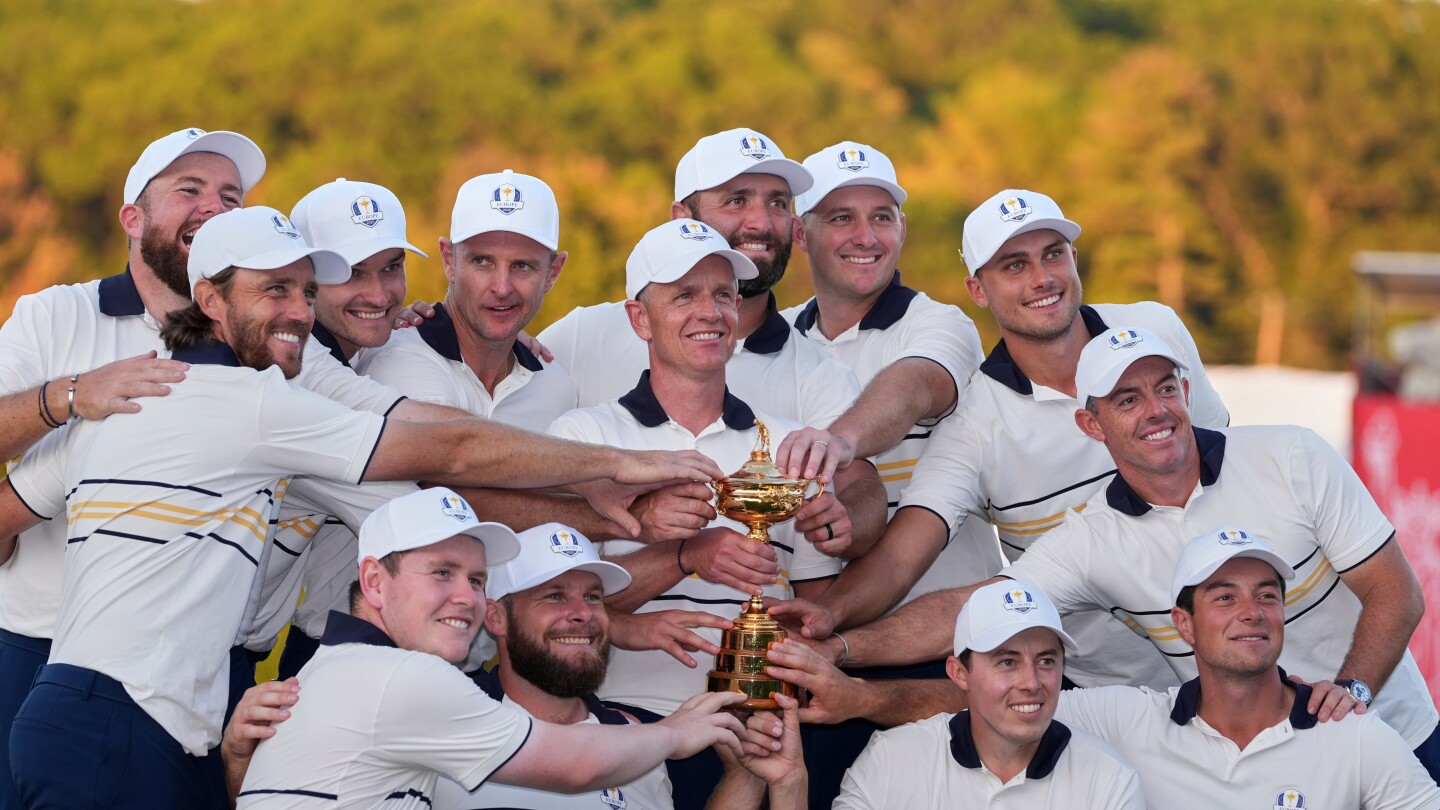
The U.S. Ryder Cup team’s woes persist, with no clear path forward following yet another defeat to Europe. The aftermath of the 2014 loss in Scotland, where Tom Watson’s captaincy was heavily criticized, led to the formation of a task force aimed at revitalizing the team. Despite initial optimism from players like Phil Mickelson, who envisioned a long-term blueprint for success, the Americans have only managed to win two of the last five Ryder Cups. Europe, on the other hand, continues to dominate, practically owning the competition. The task force was disbanded in 2015, replaced by a Ryder Cup committee, but the system remains flawed. The PGA of America, which oversees the biennial event, has struggled to align with the PGA Tour, leading to a disconnect with players. Paul Azinger, who successfully captained the U.S. team in 2008, has been notably absent from Ryder Cup matters since. The roots of these issues trace back to 1968, when a split between touring pros and PGA professionals led to the creation of the modern PGA Tour. The Ryder Cup, once a minor exhibition, has since grown into a high-stakes event, but the U.S. lacks a consistent strategy for success. Mickelson’s move to LIV Golf further disrupted continuity, leaving the PGA of America to consider handing over management to the PGA Tour, which has more expertise and player relationships. While this may not guarantee a turnaround, it could be a step in the right direction.