标签: Europe

欧洲

  • In Paris fashion, skin is in and celebrities rule the runways

    In Paris fashion, skin is in and celebrities rule the runways

    PARIS — Paris Fashion Week’s Fall 2026 collections have emphatically reinforced the city’s status as the global fashion capital, presenting a compelling fusion of celebrity power, innovative design, and substantive conceptual narratives. The event has become a dynamic platform where designers are exploring profound themes of empowerment, artistry, and bodily expression through their creations.

    Celebrity presence reached extraordinary levels with Oprah Winfrey making notable appearances at both Stella McCartney and Chloé shows, while Sissy Spacek, Julia Garner, and Lil Yachty commanded attention in Loewe’s front row. This star power perfectly complemented the exceptional creative ambition displayed throughout the week.

    Several dominant themes have emerged from the runways at the halfway point: intentional dressing, sartorial pleasure, and fearless self-presentation. These concepts are being expressed through six distinctive trend directions that are defining the season.

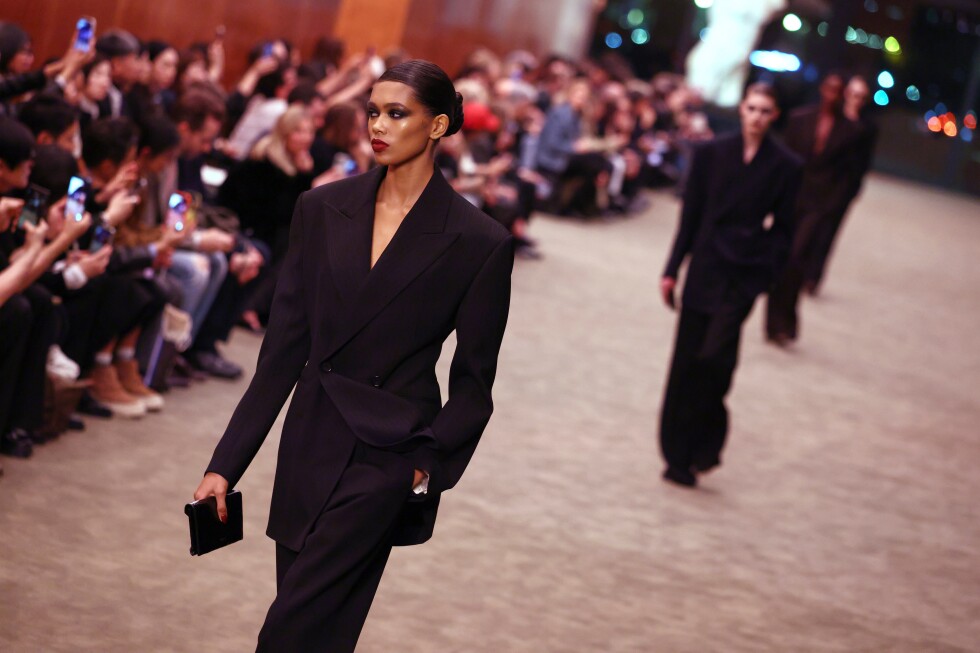
    The tuxedo celebrates its 60th anniversary in women’s fashion with particular significance at Saint Laurent. Creative director Anthony Vaccarello, marking his tenth anniversary leading the house, presented a spectacular array of razor-sharp ‘Smokings’—the brand’s term for its iconic women’s tuxedo. These designs featured plunging necklines and elongated silhouettes that captured the same revolutionary spirit Yves Saint Laurent originally unleashed in the 1960s.

    Vaccarello’s vision extended beyond eveningwear, incorporating the same sensual, body-skimming tailoring into daytime suits crafted from fluid pinstripe fabrics with minimal interlining. This approach championed the tuxedo silhouette as appropriate for all aspects of a woman’s daily life. While numerous Milanese brands presented strong black pantsuits this season, Saint Laurent’s interpretation remains uniquely positioned—sleeker, more precise, and richer in symbolic meaning.

    The complementary element in Vaccarello’s collection was latex-stiffened lace, meticulously tailored into structured cardigan-like jackets and straight skirts. This was lace reimagined with structural integrity—assertive rather than delicate. Combined with smoky eye makeup, substantial gold jewelry, and slingback heels, the collection demonstrated the enduring potency of Saint Laurent’s design codes.

    Body consciousness emerged as a major theme across multiple collections. Design collective Vaquera, led by Bryn Taubensee and Patric DiCaprio, staged a provocative presentation within a Paris church featuring strategically exposed skin through hip-cut trousers, leather pieces with intentional zipper placement, and references to fashion’s most boundary-pushing historical moments.

    At Courrèges, Nicolas Di Felice developed his collection around a day-to-night narrative, tracing a woman’s journey from bedroom to nightclub with body-conscious cuts and geometric cutouts on pinafore dresses. Isabel Marant’s designer Kim Bekker embraced brevity and form-fitting silhouettes with micro-shorts, miniskirts, and slim leather pencil skirts.

    Loewe’s creative directors Jack McCollough and Lazaro Hernandez continued their redefinition of luxury craftsmanship with their sophomore collection. The presentation delivered a sensory explosion featuring inflatable channels integrated into outerwear, sculpted shearling resembling prize-winning poodle fur, and latex cast in 3D-printed molds reimagining boudoir essentials. The venue was saturated in taxi yellow accompanied by pounding techno music, while stuffed sea creatures shared front-row space with Hollywood celebrities.

    Inspired by artist Cosima von Bonin, the collection incorporated gingham accents and hand-painted floral prints. McCollough and Hernandez’s approach to craftsmanship deliberately diverges from designers who celebrate imperfection or visible handiwork. Instead, they pursue techniques so refined they eliminate any evidence of human intervention—leather jackets skived to feather-like thinness and fused so seamlessly they appear industrially manufactured. This represents a provocative inversion: exceptional skill masquerading as effortless production.

    Fringe and textural elements emerged as significant trends across multiple presentations. At Carven, designer Mark Thomas established fringe as a signature element in his confident sophomore collection, incorporating fringed gloves, shaggy textures, and delicate mille-feuille panels that added movement and dimensionality to skirts and dresses. He layered gauzy organza with lace in wine and chocolate tones, creating a romantic yet purposeful wardrobe. Fringe manifestations have become one of the season’s most persistent subtle trends.

    Courrèges under Di Felice has established itself as one of the week’s most consistent performers. His fifth-anniversary collection featured slim flared coats, A-line skirts, and vinyl knife-pleated into dresses—presenting a polished Parisian minimalism that has captivated both younger consumers and fashion critics simultaneously, a rare achievement in contemporary fashion.

    Isabel Marant’s Bekker sent models racing down the runway in distressed denim, reversible statement jackets, and sparkling knitted minidresses paired with curved-heel pumps. The collection conveyed a rapid, social, and unabashedly fun atmosphere—evoking a woman moving between shows and parties at full intensity. Rich reds, cobalt blue, and Mondrian-style color blocking punctuated the denim-heavy color palette. Eveningwear incorporated disco influences through fluid sparkling dresses and high-slit satin skirts.
  • Hushed stillness and Japanese craft at Issey Miyake’s Paris show

    Hushed stillness and Japanese craft at Issey Miyake’s Paris show

    PARIS — At the Carrousel du Louvre on Friday, the Issey Miyake fashion house posed a profound question rarely addressed in the industry: When should a designer cease designing? Under creative director Satoshi Kondo’s guidance, the fall-winter collection titled ‘Creating, Allowing’ provided a contemplative answer through garments that balanced structured design with organic freedom.

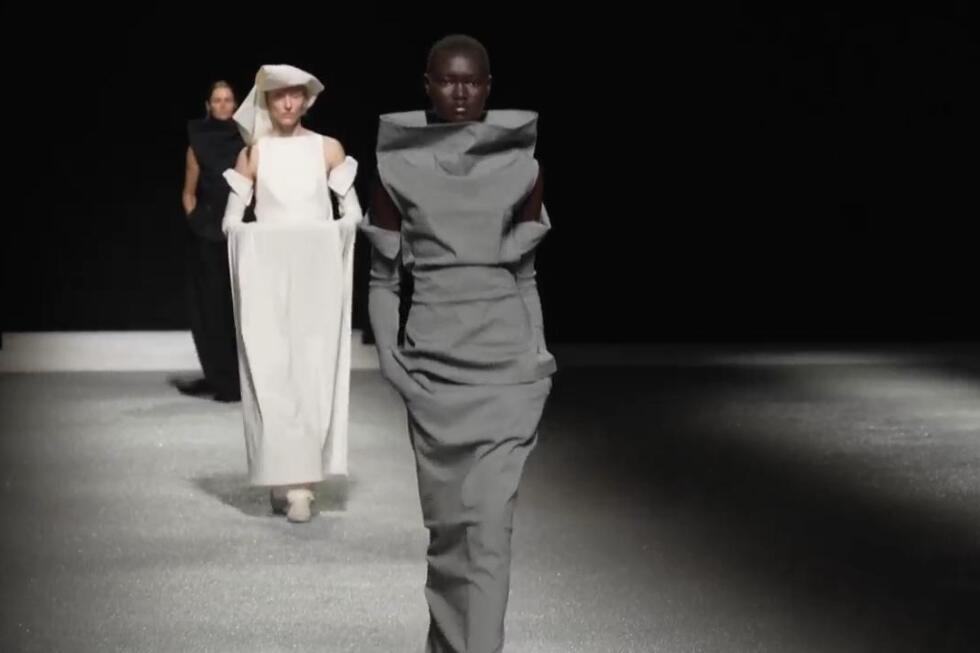
    The presentation began in atmospheric minimalism, with sparkling dust particles drifting across the runway as models moved with deliberate slowness. The collection explored the essential tension between actively shaping clothing and allowing fabric and body to interact naturally—a philosophical approach deeply rooted in the Japanese concept of ‘ma’ (the significance of space between objects) that founder Issey Miyake championed until his passing in 2022.

    Initial pieces demonstrated restrained elegance with oversized off-white sweaters featuring architecturally sloped shoulders and dark suits adorned with asymmetrical front panels that resembled unfinished thoughts. Voluminous black trench coats were cinched with belts evoking martial arts attire, while fabric headpieces wrapped tightly around models’ skulls created a monastic aesthetic.

    The collection’s color palette remained deliberately muted until carefully orchestrated moments of visual explosion. A vibrant yellow pleated wrap dramatically cut through the monochrome environment, its pleats hand-wrung then machine-set to create dynamic movement. Most striking were the rigid bodices and peplums in solid red, crafted through an innovative technique called Urushi Body. These pieces were constructed from lacquered washi paper—hand-torn sheets layered onto 3D-printed molds by Echizen region craftspeople, then finished with multiple lacquer coats by Kyoto artisans. The resulting forms contouring the body with armor-like authority represented a fusion of ancient Japanese craftsmanship with cutting-edge technology.

    In a Paris Fashion Week season characterized by sensory overload, Issey Miyake delivered a powerful statement through disciplined minimalism. The collection celebrated the confidence to leave designs intentionally unfinished, transforming negative space and silent moments into profound aesthetic statements.

  • Hungary’s top diplomat stokes anger at anti-Ukraine protest with allegation of election meddling

    Hungary’s top diplomat stokes anger at anti-Ukraine protest with allegation of election meddling

    BUDAPEST, Hungary — In a dramatic escalation of diplomatic tensions, Hungary’s Foreign Minister Péter Szijjártó has leveled serious allegations against Ukraine, accusing the neighboring nation of attempting to influence Hungary’s upcoming April elections. The accusations were delivered Friday before hundreds of protesters gathered outside Ukraine’s embassy in Budapest, organized by a pro-government group with ties to Prime Minister Viktor Orbán’s Fidesz party.

    The demonstration coincided with Hungary’s detention of seven Ukrainian state-owned bank employees and seizure of two armored vehicles transporting approximately $80 million in cash—a move condemned by Kyiv as illegal hostage-taking.

    Minister Szijjártó presented multiple unsubstantiated claims, including allegations that Ukraine has been coordinating with the European Union and Orbán’s political opposition to block Russian oil shipments to Hungary via the Druzhba pipeline. “This is something that will not happen in Hungary. There will be no pro-Ukraine government, and Hungary will not have a pro-Ukraine prime minister,” Szijjártó declared to the angry crowd.

    The foreign minister’s rhetoric reflects the increasingly bitter feud between the two nations over Hungary’s access to Russian oil through Ukrainian territory. Oil shipments through the Druzhba pipeline have been suspended since January 27, with Ukraine attributing the interruption to damage from Russian drone strikes and expressing concerns about technician safety and ongoing vulnerability.

    Prime Minister Orbán, who faces an unprecedented electoral challenge next month, has intensified his anti-Ukraine campaign, recently labeling Ukraine as Hungary’s “enemy” and accusing President Volodymyr Zelenskyy of deliberately provoking an energy crisis to influence the Hungarian election. Orbán’s government has already implemented several retaliatory measures, including halting diesel shipments to Ukraine, vetoing new EU sanctions against Russia, and blocking a substantial €90 billion loan package for Kyiv.

    With polls showing Orbán trailing behind a popular center-right challenger, the incumbent leader has framed the election as a defense against existential threats from Ukraine. He has claimed that an opposition victory would result in the EU forcing Hungary into bankruptcy by cutting Russian energy imports and sending Hungarian youth to fight in Ukraine.

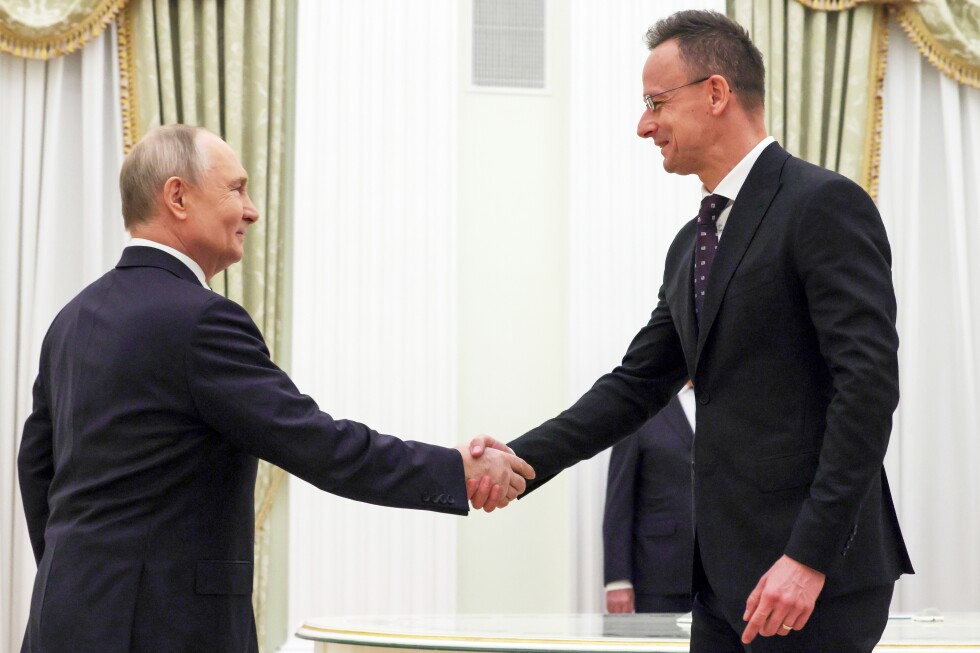
    The diplomatic confrontation deepened when Szijjártó traveled to Moscow on Wednesday for a meeting with Russian President Vladimir Putin, seeking guarantees for continued access to Russian oil and gas despite disruptions caused by the Middle East conflict and pipeline interruptions. On Friday, Szijjártó asserted that Ukraine had placed Hungary under an “oil blockade” specifically designed to damage Orbán’s government before the election.

  • Russia was behind parcel fires in UK and Europe, investigators say

    Russia was behind parcel fires in UK and Europe, investigators say

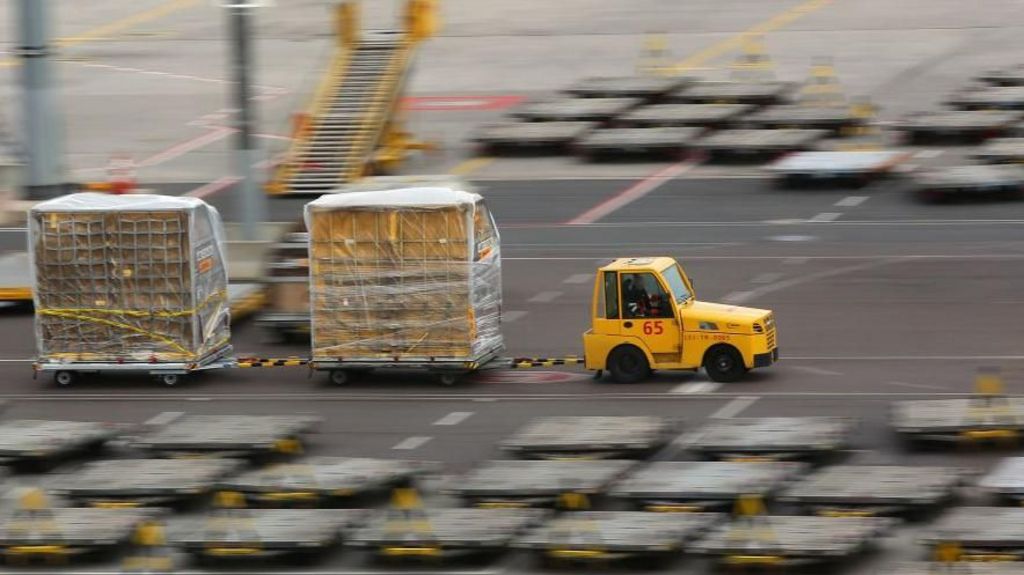
    European judicial authorities have revealed a sophisticated cross-border sabotage operation allegedly orchestrated by Russia’s military intelligence service. The coordinated investigation, spearheaded by Eurojust, has identified 22 individuals suspected of deploying incendiary parcels across multiple European nations and the United Kingdom.

    The plot unfolded in July 2024 when several parcels containing concealed explosive devices were dispatched from Lithuania. These packages, cleverly disguised with electronic timers hidden within vibrating massage pillows, spontaneously ignited at various locations including a DHL distribution center near Birmingham, United Kingdom, and a sorting facility at Leipzig Airport in Germany.

    According to investigative findings, the operation extended beyond immediate European targets. Authorities discovered two test packages previously sent to destinations in the United States and Canada, with additional intercepted parcels in Amsterdam intended for similar transatlantic routes. Polish prosecutors characterized these incidents as tactical dry runs designed to potentially sabotage commercial flights to North American destinations.

    The suspected operatives, reportedly recruited from Russia, Latvia, Estonia, Lithuania, and Ukraine, were allegedly selected based on their vulnerable socioeconomic circumstances. European officials indicate that two cases have already progressed to judicial proceedings, though Russia has consistently denied involvement in sabotage operations against NATO member states.

  • Belarus leader pardons 18 prisoners in an effort to improve ties with US

    Belarus leader pardons 18 prisoners in an effort to improve ties with US

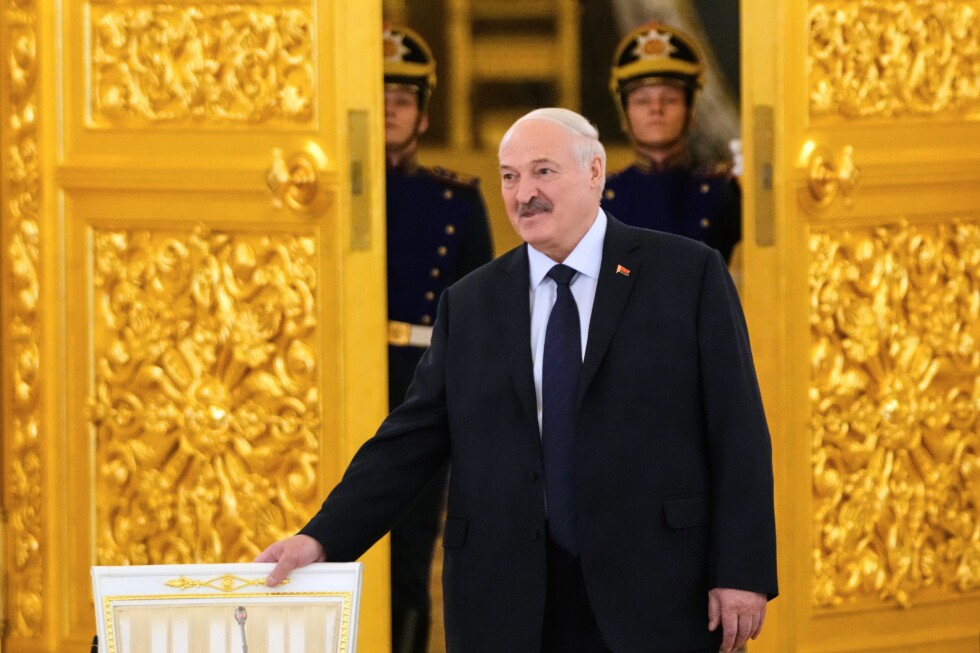
    In a significant diplomatic development, Belarusian President Alexander Lukashenko has issued pardons for 18 additional prisoners, marking the latest gesture in his administration’s ongoing efforts to normalize relations with the United States. The presidential decree, announced Thursday, primarily benefits individuals convicted on extremism charges—a classification frequently employed against political dissidents in the Eastern European nation.

    Notably, 11 of the newly pardoned prisoners are women, according to official statements released through government channels. This action represents the most recent chapter in a carefully orchestrated prisoner release initiative that has gained momentum since August, when direct communication occurred between Lukashenko and former U.S. President Donald Trump.

    The current wave of releases has seen 123 detainees regain freedom since summer, including Nobel Peace Prize recipient Ales Bialiatski and opposition leaders Maria Kolesnikova and Viktar Babaryka. Washington has responded with tangible concessions, including the lifting of economic sanctions targeting Belarus’ vital potash fertilizer industry and its national carrier, Belavia Airlines.

    U.S. Special Envoy for Belarus John Coale publicly applauded the developments on social media platform X, characterizing the pardons as ‘another notable step in the relationship between the U.S. and Belarus’ while acknowledging his mandate from President Trump to secure the release of all political prisoners.

    Despite these diplomatic overtures, human rights organizations report that 1,140 political prisoners remain incarcerated in Belarusian correctional facilities. The Viasna Human Rights Center documents ongoing repression, noting that new arrests and convictions continue unabated even as some detainees are released.

    This paradoxical situation manifested clearly this week as authorities sentenced prominent musician and poet Aleh Khamenka to three years imprisonment plus substantial fines for alleged extremist activities related to his collaboration with a banned radio station. Simultaneously, Belarus designated the PEN Belarus writers’ association as an extremist organization—a move that potentially criminalizes its 100+ members, including Nobel literature laureate Svetlana Alexievich and recently freed peace prize winner Bialiatski.

    Tatsyana Nyadbay, head of PEN Belarus, condemned the government’s classification as ‘horrendous,’ warning that it deliberately endangers writers who remain within the country’s borders.

  • Iceland seeks vote in August on whether to restart EU membership talks

    Iceland seeks vote in August on whether to restart EU membership talks

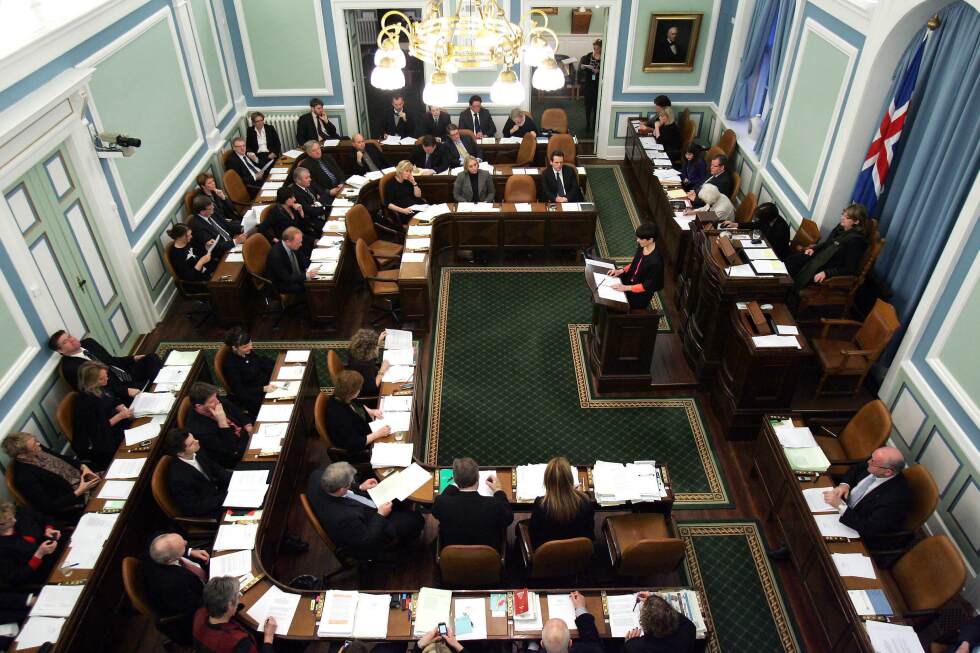
    REYKJAVIK, Iceland — Iceland’s government has formally proposed an August referendum to determine whether the nation should resume European Union membership negotiations, marking a significant potential shift in its foreign policy stance over a decade after initially abandoning accession talks. The Cabinet approved a resolution on Friday calling for an August 29 vote, though the proposal still requires parliamentary approval from the Althingi before proceeding. This development comes as the Arctic nation of 400,000 people confronts growing concerns about regional security and economic stability. Prime Minister Kristrun Frostadottir’s center-left coalition government, elected in 2024, had originally planned a referendum by 2027 but accelerated the timetable following provocative statements from former U.S. President Donald Trump regarding neighboring Greenland. The geopolitical landscape has been further complicated by Russia’s war in Ukraine, trans-Atlantic tensions, and rising living costs, prompting this fiercely independent nation to reconsider its strategic positioning. Iceland maintains a unique security position as a nation without a standing army, relying instead on NATO membership and a bilateral defense agreement with the United States. Historically, Iceland resisted EU membership primarily due to concerns about protecting its rich North Atlantic fishing grounds from European fishing fleets. The country initially applied for EU membership in 2009 following the catastrophic collapse of its banking sector during the global financial crisis, but negotiations were suspended in 2013 and formally terminated in 2015 under a center-right government. Currently, Iceland participates in the EU’s single market through the European Economic Area agreement and is part of the Schengen free-travel zone. The EU accession process typically involves a rigorous, multi-year evaluation of 35 policy areas including financial systems, fisheries management, agricultural regulations, and fundamental freedoms. Any successful accession requires unanimous approval from all existing EU member states, a requirement that has recently proven challenging as demonstrated by Hungary’s threat to veto Ukraine’s membership bid.

  • Iran won’t compete at Milan Cortina Paralympics as its only athlete can’t travel safely to Italy

    Iran won’t compete at Milan Cortina Paralympics as its only athlete can’t travel safely to Italy

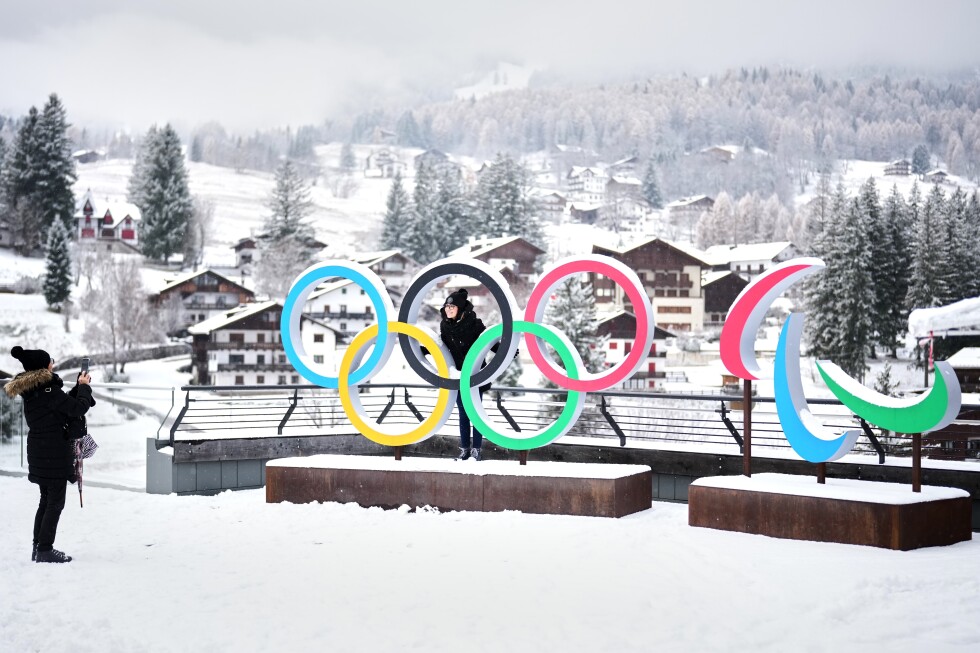
    CORTINA D’AMPEZZO, Italy — The escalating geopolitical tensions in the Middle East have directly impacted the Milan Cortina Paralympic Games, resulting in Iran’s complete withdrawal from the international sporting event. The International Paralympic Committee (IPC) confirmed Friday that Iran’s sole representative, cross-country skier Aboulfazl Khatibi, would be unable to participate due to safety concerns regarding travel to Italy.

    The announcement came mere hours before the opening ceremony in Verona, following recent military actions involving the United States, Israel, and Iran. IPC President Andrew Parsons revealed that extensive efforts had been undertaken to secure alternative travel arrangements for the Iranian delegation amid deteriorating regional security conditions.

    “Despite relentless behind-the-scenes coordination with the Iranian National Paralympic Committee, the persistent conflict across the Middle East presents unacceptable risks to human life,” Parsons stated. Communication challenges further complicated planning, as infrastructure outages hampered dialogue with Iranian officials.

    The IPC ultimately received formal notification from Iran’s Paralympic Committee that safe passage to the Games could not be guaranteed. Parsons expressed profound disappointment for Khatibi, a veteran of both the Pyeongchang 2018 and Beijing 2022 Paralympics: “To miss competition after years of dedicated training due to circumstances beyond his control is truly heartbreaking.”

    Khatibi had been scheduled to compete in two Para cross-country events and was designated as Iran’s flagbearer, though logistical constraints would have prevented his actual participation in the flag procession. The IPC confirmed Iran’s flag has been removed from the nations’ parade during Friday’s opening ceremony.

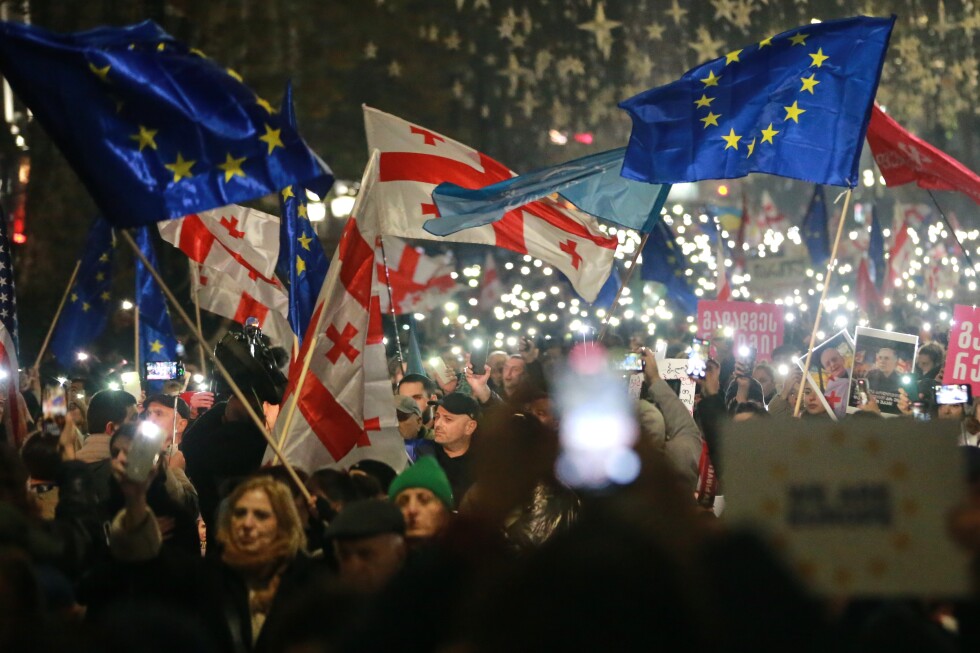
  • EU suspends visa-free travel for Georgian diplomats and officials over democratic backsliding

    EU suspends visa-free travel for Georgian diplomats and officials over democratic backsliding

    BRUSSELS — The European Union has imposed significant diplomatic sanctions against Georgia, suspending visa-free travel privileges for the country’s officials and diplomats for a minimum of one year. This decisive action comes in response to what EU leadership characterizes as systematic democratic regression and human rights violations by the Georgian government.

    EU Foreign Policy Chief Kaja Kallas issued a stern declaration: “When a government initiates attacks against its citizens, suppresses journalistic freedom, and restricts fundamental liberties, there must be consequences.” The statement underscores the EU’s firm stance against the erosion of democratic principles.

    The current political crisis emerged following the ruling Georgian Dream party’s abrupt termination of EU accession negotiations in November 2024—a surprising reversal given that European integration is constitutionally mandated as a national priority. This controversial decision ignited widespread public demonstrations that were met with aggressive police responses and mass detentions.

    The European Commission cited Georgia’s “deliberate and persistent violation” of commitments under its visa-free arrangement with the EU, specifically highlighting the suppression of protestors, opposition figures, and independent media outlets. These actions, according to the Commission, constitute clear breaches of fundamental rights and international legal standards.

    The travel suspension will remain effective until March 6, 2027, with provisions for a potential two-year extension should Georgian authorities fail to address critical governance and rule of law deficiencies. Additionally, the Commission has advised member states to implement enhanced scrutiny for all Georgian nationals entering European territory, warning that officials attempting to bypass restrictions using personal passports could face entry bans.

    Kallas emphasized the nuanced nature of the sanctions: “While the Georgian people continue to have our unwavering support, those representing oppressive regimes will find no welcome within our union.” The measures specifically target government representatives while preserving travel rights for ordinary Georgian citizens.

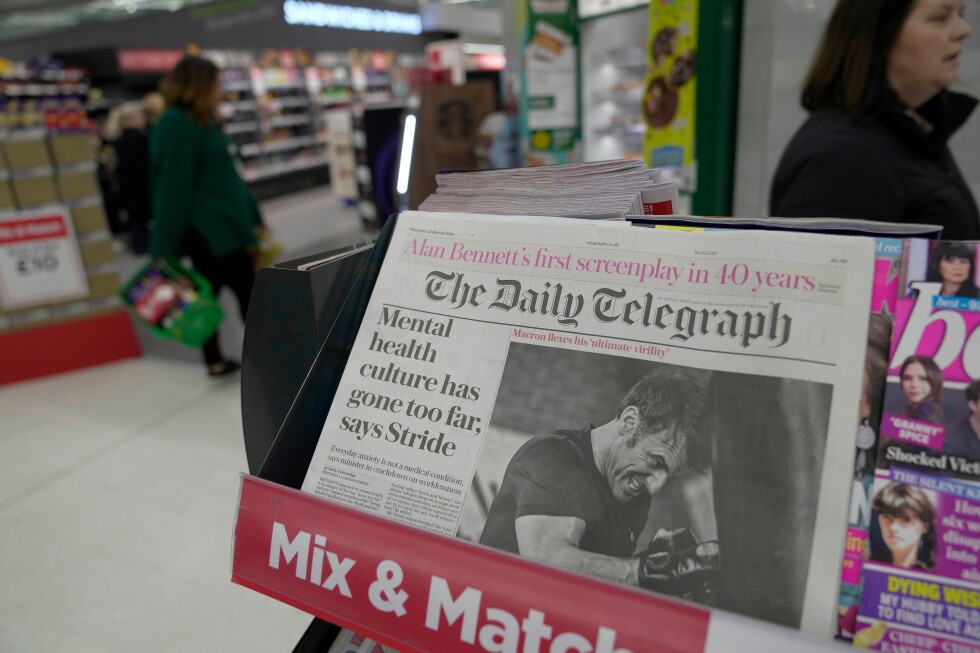
  • German media group Axel Springer will buy the publisher of UK’s Daily Telegraph for $766 million

    German media group Axel Springer will buy the publisher of UK’s Daily Telegraph for $766 million

    In a transformative development for the international media landscape, German publishing conglomerate Axel Springer has finalized a £575 million (approximately $766 million) acquisition of Telegraph Media Group. The landmark agreement, announced jointly on Friday, concludes extensive negotiations surrounding the ownership of Britain’s prestigious conservative-leaning publications.

    This strategic acquisition represents Axel Springer’s triumphant reentry into British media after two decades of pursuit. Chief Executive Mathias Döpfner characterized the deal as the realization of a long-held ambition, noting the company’s unsuccessful attempt to acquire The Telegraph over twenty years prior.

    The transaction effectively terminates competing bids, including a £500 million offer from Daily Mail’s parent company and a previous proposal from RedBird IMI consortium. The latter, backed by Abu Dhabi royal family member Sheikh Mansour bin Zayed Al Nahyan, faced substantial opposition from UK authorities concerned about foreign state influence on British media.

    Axel Springer, which maintains an extensive portfolio including Bild, Welt, and Politico, has articulated ambitious plans for the historic publication. The German media giant intends to significantly invest in expanding The Telegraph’s digital footprint and conservative editorial voice across English-speaking markets, with particular emphasis on accelerating penetration into the United States media landscape.

    The ownership transition follows financial difficulties within the Barclay family, previous proprietors who placed the media group on the market in 2023 to address outstanding debts. In a related development, right-leaning publication The Spectator, formerly part of the Telegraph group, underwent separate acquisition by British hedge fund investor Paul Marshall in 2024.

  • Winter Paralympics: Milan Cortina Games to open amid war in Middle East, boycott over Russian flag

    Winter Paralympics: Milan Cortina Games to open amid war in Middle East, boycott over Russian flag

    VERONA, Italy — The Milan Cortina Winter Paralympics commenced Friday evening under a cloud of geopolitical discord, even as organizers celebrated the event’s historic 50th anniversary. The opening ceremony at the UNESCO World Heritage-listed Arena di Verona was marked by notable absences as several nations staged a boycott protesting the International Paralympic Committee’s controversial decision to readmit Russian athletes under their national flag and anthem.

    Ukraine spearheaded the diplomatic protest against the IPC’s reversal of its longstanding ban on Russian national symbols, which haven’t appeared at the Paralympics since the 2014 Sochi Games. The ceremonial proceedings unfolded within the ancient Roman amphitheater, which underwent significant accessibility modifications including wheelchair ramps and restroom facilities to accommodate athletes with disabilities.

    Despite the political tensions, the Games represent a landmark moment in Paralympic history, featuring unprecedented participation numbers. Over 600 competitors from across the globe will contest 79 medal events across six winter sports disciplines, with record-breaking female representation according to official IPC statistics.

    The geopolitical backdrop extends beyond the Russian controversy, with Iranian participation reduced to a single athlete—cross-country skier Aboulfazl Khatibi—following recent military actions in the Middle East. In an unusual procedural adjustment, volunteer bearers will carry flags for all nations during the ceremony due to logistical constraints preventing many designated athletes from attending.

    As competition already commenced with curling events on Wednesday, China arrives with ambitions to cement its status as a Paralympic superpower, having dominated both Summer and Winter medal tables in recent editions. Many athletes opted to skip the opening festivities to focus on training and competition preparations across various Italian venues.