标签: Europe

欧洲

  • Polar bears on Norwegian islands ‘fatter and healthier’ despite ice loss

    Polar bears on Norwegian islands ‘fatter and healthier’ despite ice loss

    In a remarkable ecological paradox challenging scientific expectations, polar bears in Norway’s Svalbard archipelago have demonstrated significant improvements in body condition despite accelerating sea ice loss driven by climate change. Published in Scientific Reports, comprehensive research conducted by the Norwegian Polar Institute between 1992-2019 documented surprising physiological adaptations among the region’s apex predators.

    Researchers meticulously assessed 770 adult polar bears during the 27-year study period, discovering that contrary to predictions, the animals had become substantially heavier and healthier despite the region losing approximately 100 ice-free days annually. This counterintuitive finding directly contradicts established understanding of polar bear ecology, as these mammals traditionally depend on sea ice as their primary hunting platform for capturing blubber-rich seals.

    Dr. Jon Aars, lead researcher at the Norwegian Polar Institute, expressed both surprise and cautious optimism: ‘The fatter a bear is the better it is. I would have expected to see a decline in body condition when the loss of sea ice has been so profound.’ The study reveals that Svalbard’s polar bears have developed adaptive hunting strategies, increasingly targeting land-based prey including reindeer and walruses to supplement their traditional seal-based diet.

    This dietary shift has been facilitated by Norway’s successful conservation efforts. Walruses, once hunted to near extinction in the 1950s, have rebounded significantly under official protection, creating an unexpected food source for resourceful bears. Additionally, researchers speculate that concentrated seal populations in diminishing ice areas may actually improve hunting efficiency for polar bears in certain circumstances.

    However, scientists emphasize this represents a temporary reprieve rather than a long-term solution. As Dr. John Whiteman, chief research scientist at Polar Bears International, notes: ‘Body condition is only one piece of the puzzle. Other recent research on these bears found that more ice-free days reduced survival in cubs and in subadult and old females.’

    The study highlights significant regional variations in climate change impacts across the Arctic’s 20 recognized polar bear subpopulations. While Svalbard bears currently thrive, the Western Hudson Bay population in Canada—among the most southerly and extensively studied groups—has experienced direct population declines correlated with warming temperatures.

    Experts conclude that despite this temporary adaptation, the fundamental reality remains unchanged: polar bears ultimately require sea ice for long-term survival. As ice loss continues unchecked across their range, researchers warn that these temporary gains will eventually give way to the broader pattern of climate-driven decline affecting most polar bear populations worldwide.

  • EU adds Iran’s Revolutionary Guards to terrorist list

    EU adds Iran’s Revolutionary Guards to terrorist list

    The European Union has formally designated Iran’s Islamic Revolutionary Guard Corps (IRGC) as a terrorist organization in response to Tehran’s violent suppression of recent protests. This landmark decision places the powerful Iranian military force on the EU’s terror list alongside groups like al-Qaeda and Islamic State.

    EU foreign ministers unanimously approved the measure, with bloc diplomat Kaja Kallas characterizing it as a ‘decisive step’ against ongoing repression. ‘Repression cannot go unanswered,’ Kallas stated, emphasizing that regimes that kill their own people are working toward their demise.

    The designation follows what French Foreign Minister Jean-Noel Barrot described as ‘the most violent repression in Iran’s modern history,’ with human rights groups estimating thousands of protesters were killed by security forces during December and January unrest. The EU simultaneously imposed new sanctions on six entities and 15 Iranian officials, including Interior Minister Eskandar Momeni and Prosecutor General Mohammad Movahedi Azad, for their roles in suppressing peaceful demonstrations.

    Notably, France reversed its previous hesitation about blacklisting the IRGC over concerns about severing diplomatic channels. Italy led the push for designation, ultimately gaining unified European support.

    The IRGC, established after Iran’s 1979 revolution to defend its Islamic system, represents Iran’s most powerful military force with approximately 190,000 active personnel across land, air, and sea domains. The organization wields substantial economic and political influence while directing overseas operations through allied governments and armed groups. Domestically, it controls the Basij Resistance Force paramilitary group, which has been instrumental in suppressing dissent.

    EU terrorist designations trigger automatic sanctions including travel bans and asset freezes aimed at dismantling support networks. Despite the move, Kallas indicated expectations that diplomatic channels with Iran would remain open.

    The development occurs alongside heightened tensions with the United States, where President Donald Trump has warned that ‘time is running out’ for Iran to negotiate on its nuclear program. Trump threatened military action ‘far worse’ than previous strikes if no agreement is reached, claiming a ‘massive Armada’ was advancing toward Iran.

    Iranian officials have responded defiantly, with Foreign Minister Abbas Araghchi stating Iran’s armed forces were ready ‘with their fingers on the trigger’ to respond to any aggression. Army chief Amir Hatami vowed a ‘crushing response’ following reports that military regiments had received 1,000 new drones.

    International assessments of the crackdown’s human toll vary significantly due to internet restrictions imposed by Iranian authorities. While US-based HRANA confirms over 6,301 deaths including 5,925 protesters, Norway-based IHR estimates the final toll could exceed 25,000. Iranian authorities acknowledge approximately 3,100 fatalities but claim most were security personnel or bystanders attacked by ‘rioters.’

    The EU joins Australia, Canada, and the United States in designating the IRGC as terrorist, while the United Kingdom maintains its policy of not commenting on potential proscriptions.

  • Ukraine receives 1,000 bodies in latest soldier swap with Russia

    Ukraine receives 1,000 bodies in latest soldier swap with Russia

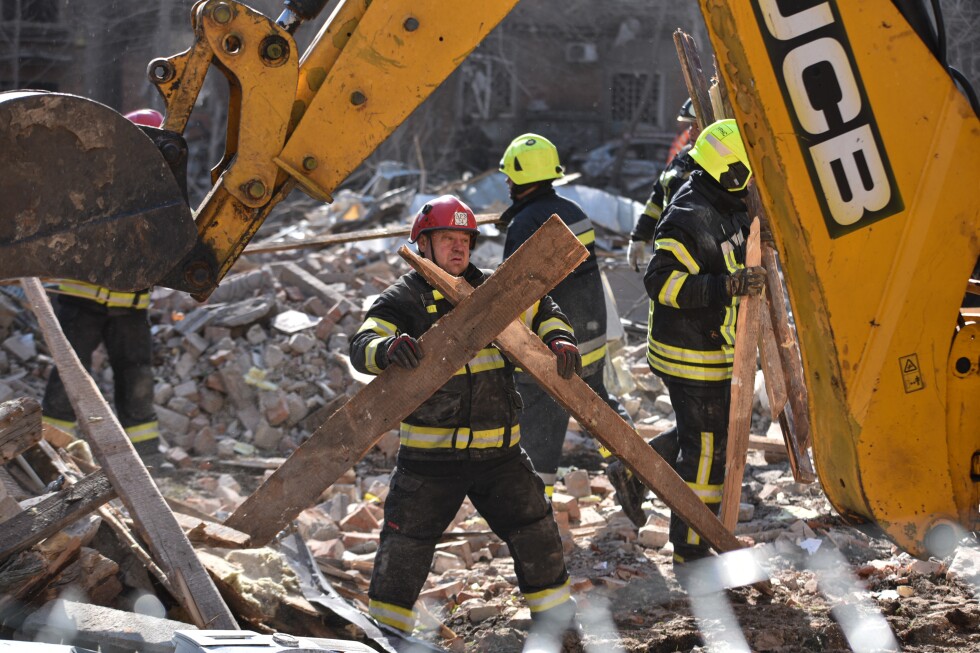
    In a significant humanitarian development within the ongoing Russo-Ukrainian conflict, Ukraine has confirmed the repatriation of 1,000 fallen soldiers’ remains from Russian territory. This solemn exchange represents the latest execution of a previously established agreement between the warring nations.

    Moscow’s chief negotiator Vladimir Medinsky verified that Russia received 38 bodies in return during this carefully coordinated operation. Documentary evidence shared on Telegram depicted personnel in full biohazard protective gear overseeing the transfer alongside refrigerated transport vehicles designated for the purpose.

    This repatriation initiative stems from the Istanbul negotiations conducted in 2025, where both parties committed to returning approximately 12,000 soldiers’ remains alongside specific categories of prisoners of war. The agreement specifically covers severely injured combatants, those afflicted with illness, and all personnel under age 25.

    The November 2023 exchange previously saw the return of 1,000 Ukrainian soldiers’ remains against 30 Russian counterparts. Notably, prisoner-of-war swaps have remained suspended since October 2025, with mutual accusations of procedural delays hampering further progress.

    These humanitarian developments occur against a backdrop of continued diplomatic engagement and persistent military confrontation. Recent trilateral discussions involving Russian, Ukrainian, and United States representatives convened in the United Arab Emirates—marking the first such meeting since hostilities commenced. While participants characterized the talks as constructive, fundamental disagreements regarding territorial sovereignty, particularly concerning the Donetsk region, remain unresolved.

    Concurrently, military operations persist with devastating civilian impact. A Tuesday drone assault on Kharkiv’s passenger train infrastructure resulted in at least five fatalities, underscoring the conflict’s ongoing brutality. Russia’s intensified targeting of critical energy infrastructure has additionally created widespread heating and power shortages during winter months, exacerbating the humanitarian crisis.

    As the fourth anniversary of the full-scale invasion approaches in February 2026, these parallel narratives of diplomatic engagement and military aggression continue to define Europe’s most significant armed conflict since World War II.

  • Germany midfielder Goretzka says Trump makes ‘us feel not only German but also European’

    Germany midfielder Goretzka says Trump makes ‘us feel not only German but also European’

    MUNICH — Bayern Munich and German national team midfielder Leon Goretzka has made a striking declaration about European football superiority ahead of the 2026 World Cup, while simultaneously addressing growing political tensions surrounding the tournament. In a recent interview with Die Zeit newspaper, the prominent footballer suggested that unexpected political developments have strengthened continental unity. “The current political climate has unexpectedly reinforced our sense of European identity,” Goretzka stated, though he refrained from directly naming specific political figures. The athlete’s comments come amid increasing calls for tournament boycotts from various football authorities across Europe. Oke Göttlich, president of Bundesliga club St. Pauli and vice president of the German football association, recently advocated for serious consideration of boycott options. Even former FIFA president Sepp Blatter has entered the contentious discussion surrounding the North American-hosted event. Despite the political controversies, Goretzka remains optimistic about the tournament’s potential impact: “I anticipate an exceptional championship that will significantly advance football’s popularity in the host nations and showcase the sport’s universal appeal.” Germany finds itself positioned in World Cup Group E alongside Ivory Coast, Curaçao, and Ecuador, setting the stage for what promises to be a highly competitive international showdown.

  • A pre-Olympic treat for the US women’s bobsled and skeleton teams: They got their hair done

    A pre-Olympic treat for the US women’s bobsled and skeleton teams: They got their hair done

    In an unconventional approach to Olympic preparation, the U.S. women’s bobsled and skeleton team has incorporated professional hairstyling into their final training regimen ahead of the Milan Cortina Games. While typically focused on physical conditioning and strategic planning, the athletes recognized the psychological benefits of self-care during their extended European training camp that began in November.

    Five-time Olympic bobsled medalist Elana Meyers Taylor initiated the unique arrangement, recalling hairstylist Jessica Sinclair from her time in California. Despite never having visited Europe and possessing minimal knowledge of sliding sports, Sinclair immediately accepted the unusual booking request, traveling from California to Austria with her equipment.

    The comprehensive styling services benefited all six U.S. women’s bobsled competitors—Meyers Taylor, Kaillie Humphries Armbruster, Kaysha Love, Azaria Hill, Jasmine Jones, and Jadin O’Brien—along with skeleton athletes Kelly Curtis and Mystique Ro. Treatments ranged from haircuts and trims to conditioning and coloring, with many athletes sharing their transformed looks on social media platforms.

    Meyers Taylor emphasized the psychological significance beyond mere aesthetics: ‘A major part of being a woman isn’t necessarily trying to look good for other people. You want to be able to look in the mirror and say, ‘Hey, I feel good, I look good.’ After months of maintaining fundamentals through winter, this opportunity to feel pretty again makes a substantial difference.’

    The timing proved particularly strategic as athletes prepared for Olympic processing, where official photographs would be taken. Though helmets conceal hairstyles during competition, the mental refresh provided by professional grooming offered valuable psychological preparation for the world’s premier sporting stage.

    Sinclair’s versatility with diverse hair types made her particularly valuable to the team. ‘She can do Black people’s hair, white women’s hair—Jessica is a jack of all trades,’ Meyers Taylor noted. The stylist’s brief European immersion included her first viewing of a sliding track, and she anticipates cheering for her Olympic clients when competition begins next month.

  • Europa League games underway as teams honor PAOK fans who died in crash

    Europa League games underway as teams honor PAOK fans who died in crash

    BIRMINGHAM, England — The stage is set for a dramatic conclusion to the UEFA Europa League’s opening phase this Thursday, with six direct berths to the round of 16 on the line. In a format mirroring the Champions League, all 36 teams will compete simultaneously in the final 18 matches of this stage.

    Only two clubs, Olympique Lyonnais and Aston Villa, have already secured their progression to the last 16, both sitting tied at the summit of the standings with identical records of six victories and a single defeat. This leaves eleven teams vying for the five remaining automatic qualification spots, while the intricate standings will determine which clubs must navigate a two-leg playoff.

    The simultaneous kick-offs promise high-stakes drama across Europe. Key fixtures include Lyon hosting PAOK Thessaloniki and Aston Villa facing FC Salzburg at Villa Park. In a critical match for Bundesliga side SC Freiburg, who trail the group leaders by a mere point, a draw against LOSC Lille would be sufficient to advance. AS Roma, currently in sixth, faces an away test against Panathinaikos, while Nottingham Forest takes on Ferencváros at the City Ground.

    Further down the table, Celtic occupies the final qualifying position and will battle it out with already-eliminated FC Utrecht. Scottish rivals Rangers are also out of contention for the knockout stages.

    Amidst the sporting competition, a somber note was struck across stadiums to honor seven PAOK fans who tragically lost their lives in a minibus accident in Romania while traveling to support their team. Lyon expressed its profound condolences, and moments of silence were observed at matches in France and Greece, including at the Groupama Stadium in Lyon and in Athens during the Panathinaikos vs. Roma fixture. Players in the Lille-Freiburg match also participated in a round of applause to pay respects to the victims, as confirmed by UEFA.

  • Sabalenka to face Rybakina in Melbourne final

    Sabalenka to face Rybakina in Melbourne final

    In a spectacular display of athletic prowess, World No. 1 Aryna Sabalenka has decisively advanced to her fourth consecutive Australian Open final, where she will confront Elena Rybakina in a highly anticipated championship match. The Belarusian powerhouse delivered a commanding performance against Ukraine’s Elina Svitolina, securing a 6-2, 6-3 victory despite encountering an unusual hindrance call during the fourth game.

    The match took an unexpected turn when chair umpire Louise Azemar Engzell penalized Sabalenka for an irregular grunting sound during a rally, awarding the point to Svitolina under the hindrance rule. Despite Sabalenka’s request for video review and visible frustration, she demonstrated remarkable composure by immediately breaking Svitolina’s serve and dominating the remainder of the match with 29 winners against just 15 unforced errors.

    Meanwhile, Wimbledon champion Elena Rybakina earned her place in the final by overcoming American Jessica Pegula in a tightly contested 6-3, 7-6(9-7) semifinal battle. The Kazakh fifth seed displayed exceptional resilience after squandering multiple match points, ultimately prevailing in a dramatic tie-break to set up a final rematch of the 2023 championship.

    Both finalists enter Saturday’s showdown in exceptional form, having not dropped a single set throughout the tournament. Sabalenka brings an 11-match winning streak and tournament-leading 172 winners, while Rybakina boasts the most aces (41) and has won 37 matches since Wimbledon—more than any other WTA player. The hardcourt head-to-head record slightly favors Rybakina at 6-5, adding another layer of intrigue to what promises to be a explosive final between two of tennis’s most powerful strikers.

  • Russian drone attack kills 3 in southern Ukraine as further US-led peace talks approach

    Russian drone attack kills 3 in southern Ukraine as further US-led peace talks approach

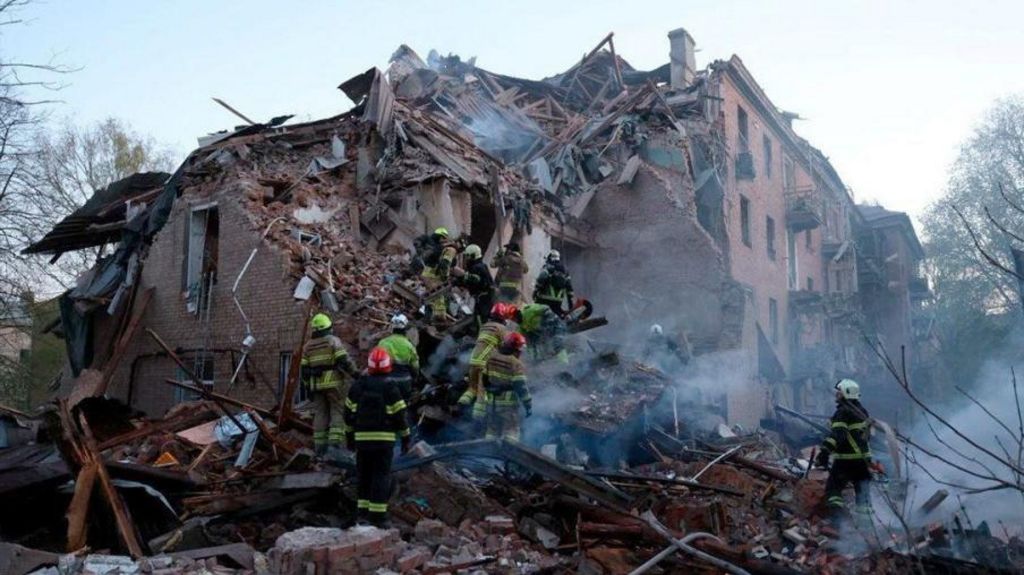
    A lethal Russian drone offensive in Ukraine’s southern Zaporizhzhia region has resulted in three fatalities, with additional casualties reported in central Dnipropetrovsk, according to Ukrainian authorities. The overnight assault ignited significant fires in residential structures, necessitating extensive emergency response operations.

    Ukrainian President Volodymyr Zelenskyy has issued a grave warning regarding intelligence indicating Russia’s preparation for another massive aerial bombardment. Historical patterns reveal these coordinated attacks frequently involve hundreds of drones combined with cruise and ballistic missiles, systematically targeting Ukraine’s energy infrastructure.

    These persistent aggressions occur despite anticipated diplomatic engagements, with U.S.-mediated peace negotiations scheduled to resume this weekend. Zelenskyy emphatically stated that each Russian strike fundamentally undermines the credibility of these peace talks.

    The relentless bombardment of civilian territories behind the extensive 1,000-kilometer frontline continues unabated, despite widespread international condemnation nearly four years following Russia’s full-scale invasion.

    European leadership has expressed deepening skepticism regarding Moscow’s commitment to genuine diplomacy. EU foreign ministers convened in Brussels, with Estonian Prime Minister Kaja Kallas accusing Russia of escalating civilian attacks due to battlefield stagnation. European officials emphasize the necessity of their involvement in settlement discussions, particularly given concerns that U.S.-led negotiations might overlook European security interests.

    A recently published think tank assessment projects combined military casualties may approach two million by spring, representing the highest troop mortality rate for any major power since World War II. Ukrainian Defense Minister Mykhailo Fedorov disclosed that Russia has launched over 6,000 drones during the past month alone, continuously refining both technology and tactics, compelling Ukraine to adapt its defensive strategies accordingly.

  • Man dies in crash near Irish border

    Man dies in crash near Irish border

    A fatal single-vehicle collision near the Irish border has claimed the life of a man in his 30s, with Irish police launching a witness appeal following the Wednesday evening incident.

    The tragedy occurred at approximately 19:30 local time along the Inishammon roadway connecting Monaghan town and Rosslea, County Fermanagh. According to Gardaí authorities, the victim was traveling alone when the crash occurred, resulting in immediate fatality at the scene.

    Preliminary investigations indicate no other vehicles were involved in the incident, though the precise circumstances leading to the collision remain under active investigation. The victim’s body has been transported to Our Lady’s Hospital in Navan, County Meath, where post-mortem examinations will be conducted to determine the exact cause of death.

    The roadway remains closed as forensic collision investigators continue their examination of the scene. Gardaí have issued a public appeal for any witnesses or individuals with relevant information to come forward, particularly those who may have traveled the route around the time of the incident or possess dash-cam footage that could assist the investigation.

    The border region community has been deeply affected by the tragedy, with local representatives expressing condolences to the victim’s family and urging motorists to exercise caution on the route, which has seen previous safety concerns raised by residents.

  • German leader hails Europe as an ‘alternative to imperialism and autocracy’

    German leader hails Europe as an ‘alternative to imperialism and autocracy’

    BERLIN — German Chancellor Friedrich Merz articulated a robust vision of the European Union’s global role on Thursday, characterizing the bloc as a compelling “alternative to imperialism and autocracy” in an increasingly competitive international landscape. Addressing the German parliament during a significant foreign policy address, Merz emphasized the EU’s capacity to establish partnerships with like-minded democracies through mutual respect and reliability rather than coercion.

    The Chancellor’s remarks came precisely one week after U.S. President Donald Trump retracted tariff threats against Germany and seven other European nations—a pressure tactic initially deployed to advance American claims over Greenland, the semi-autonomous territory of Denmark. Merz noted this episode demonstrated the EU’s capacity for rapid, unified response, stating unequivocally that the bloc “would not be intimidated again by tariff threats.”

    Merz acknowledged the emerging “world of great powers” where “a harsh wind is blowing,” but positioned this reality as creating opportunities for European leadership. He contended that open democracies with expanding markets actively seek what Europe offers: partnerships grounded in mutual respect rather than domination.

    While reaffirming Germany’s commitment to NATO and trans-Atlantic cooperation, Merz established clear parameters for this relationship. “We will always reach out the hand of cooperation to the United States of America,” he stated, while simultaneously asserting that “as democracies, we are partners and allies and not subordinates.”

    The Chancellor indirectly addressed recent controversial remarks by President Trump regarding NATO allies’ military contributions. Without directly referencing Trump’s claims that non-U.S. NATO forces avoided front-line positions in Afghanistan, Merz highlighted Germany’s significant sacrifices—59 troops killed and over 100 wounded during their nearly two-decade deployment. He firmly declared that Germany “will not allow this deployment, which we also performed in the interest of our ally, the United States of America, to be disparaged and demeaned today.”

    Merz advocated for European strategic autonomy through enhanced defense capabilities, technological independence, and economic growth, urging the continent to “learn the language of power politics.” Simultaneously, he endorsed expanding the EU’s network of trade agreements, specifically mentioning recently concluded deals with Mercosur and India, while maintaining that existing alliances like NATO remain fundamentally valuable.