标签: Europe

欧洲

  • EU considers helping with Mideast energy infrastructure to bypass conflict zones

    EU considers helping with Mideast energy infrastructure to bypass conflict zones

    The ongoing Iran war has sent shockwaves through global energy markets, creating a severe fuel shortage across Europe and driving oil and gas prices to unprecedented heights. In response, the European Union has launched a serious evaluation of funding new alternative energy transport routes in the Middle East, designed to bypass conflict-prone chokepoints that have thrown global supply chains into chaos, most notably the Strait of Hormuz.

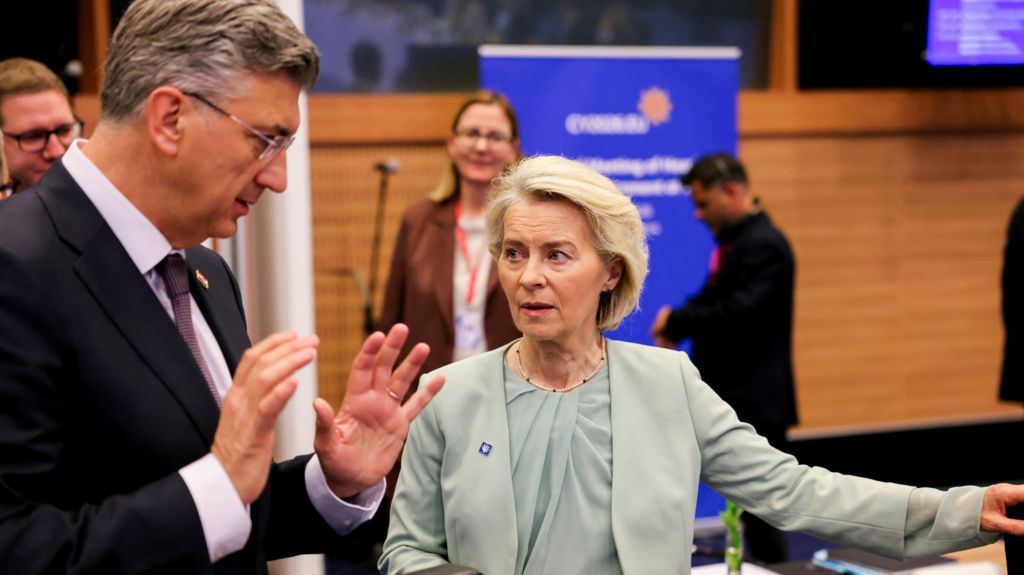
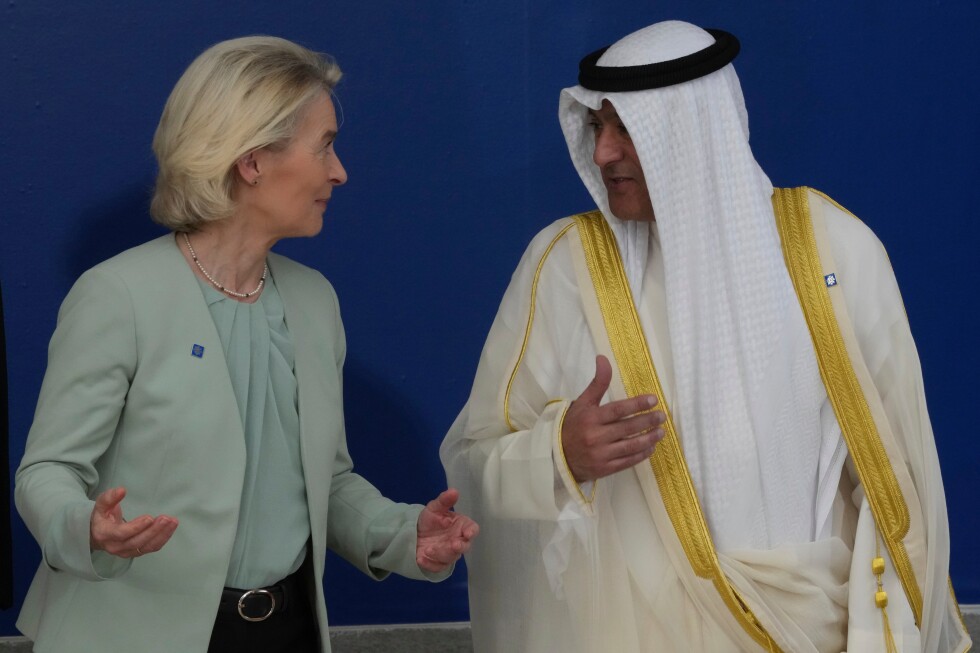
    European Commission President Ursula von der Leyen announced the bloc’s new strategy Friday following an informal summit of EU leaders held in Nicosia, the capital of Cyprus, which currently holds the rotating EU presidency. Von der Leyen emphasized that the EU is prepared to partner with Persian Gulf nations to develop new energy export projects that will not be vulnerable to disruption from war or geopolitical tension. “The events of the past month have taught us a hard lesson,” she told reporters during a post-summit press conference. “Our security is not just related, it is intrinsically linked. A threat to a merchant vessel in the Strait of Hormuz is a threat to a factory, for example, in Belgium.”

    While the EU executive highlighted plans to deepen defense cooperation and pointed to the bloc’s existing Red Sea maritime security mission as a potential model for Persian Gulf security, the core of von der Leyen’s public address focused on European backing for the repair and expansion of Middle Eastern energy infrastructure. “We are also ready to team up with the Gulf countries to diversify export infrastructure away from solely the bottleneck of the Hormuz Strait,” she said, adding that the bloc also stands ready to assist with repairing Gulf energy facilities damaged by the ongoing war.

    Roughly 20% of the world’s total annual oil and gas trade transits the Strait of Hormuz, a narrow waterway between Oman and Iran that has been effectively closed to most commercial traffic since the outbreak of the Iran war. The disruption has triggered a sharp rally in global crude prices: as of Friday morning, Brent crude climbed 98 cents to settle at $100.33 per barrel, while U.S. West Texas Intermediate crude rose 81 cents to reach $96.66 per barrel. Von der Leyen confirmed that the price surge has added an extraordinary 25 billion euros ($29.3 billion) to the 27-nation bloc’s total energy bill over just 43 days.

    Neither von der Leyen nor European Council President Antonio Costa released specific details about which potential infrastructure projects are under consideration or a clear timeline for moving proposals forward. However, von der Leyen did name the India-Middle East-Europe Economic Corridor, a previously announced connectivity partnership between the EU and India, as a relevant framework for future cooperation. She noted that a planned summit between the EU and the Gulf Cooperation Council, scheduled to take place later this year, will provide a formal opportunity for both sides to flesh out details of new energy infrastructure projects.

    Cyprus, the current holder of the EU’s rotating presidency, is a small Eastern Mediterranean island nation located just off the coast of the Middle East, bordering Lebanon, Syria, Israel and Turkey. Cypriot President Nikos Christodoulides has made strengthening ties between the bloc and Middle Eastern nations a core priority of his country’s presidency, aiming to shore up regional economies and reinforce collective security across the Mediterranean and Middle East. This regional focus was clear in the guest list for the informal summit: attendees included Syrian President Ahmad al-Sharaa, Egyptian President Abdel-Fattah El Sissi, Lebanese President Joseph Aoun, Jordan’s Crown Prince Hussein, and GCC Secretary-General Jasem Mohamed AlBudaiwi.

    During the summit, Syrian leader Ahmad al-Sharaa noted that “Europe needs Syria as much as Syria needs Europe,” while Lebanese President Aoun called on the EU to provide critical support for rebuilding his country, which has been heavily impacted by regional spillover from the war. Costa praised Aoun for his recent ban on unauthorized military activities by the militant group Hezbollah, which Costa described as “an existential threat” to Lebanon, and pledged EU support for the Lebanese government’s efforts to disarm the group. “The European Union is not part of the conflict, but we will be part of this solution,” Costa said.

    The summit drew criticism from international human rights organizations, who condemned EU leaders for failing to increase diplomatic pressure on Israel over its ongoing military campaigns in the region. On the Iran policy front, multiple senior EU leaders including German Chancellor Friedrich Merz reaffirmed that the bloc will not roll back sanctions on Iran until a full range of outstanding issues are resolved, including ending Iran’s ballistic missile program and its support for regional militant proxies. Costa echoed that position, telling reporters “it’s too early to talk about relief of any kind of sanctions.”

    Cyprus itself has already felt the direct impact of regional conflict, after a Shahed drone launched from Lebanon damaged an aircraft hangar at a British military base on the island’s southern coast on March 2. In response, several EU member states including Greece, France, Italy, Spain and the Netherlands deployed warships equipped with anti-drone capabilities to reinforce Cyprus’ air and maritime defense. The attack has reignited debate over a mutual assistance clause in the EU’s foundational treaties, which requires member states to provide support if one comes under armed attack. Following the summit, Christodoulides announced that EU leaders have agreed to develop a formal, institutional mechanism for activating mutual assistance, after concluding that the bloc’s current ad hoc response arrangements are unreliable.

    This report was contributed to by McNeil reporting from Brussels, and Associated Press writer Baraa Anwer in Riyadh, Saudi Arabia.
  • Despite Iran tensions, King Charles III will follow his mother’s lead in celebrating US-UK bonds

    Despite Iran tensions, King Charles III will follow his mother’s lead in celebrating US-UK bonds

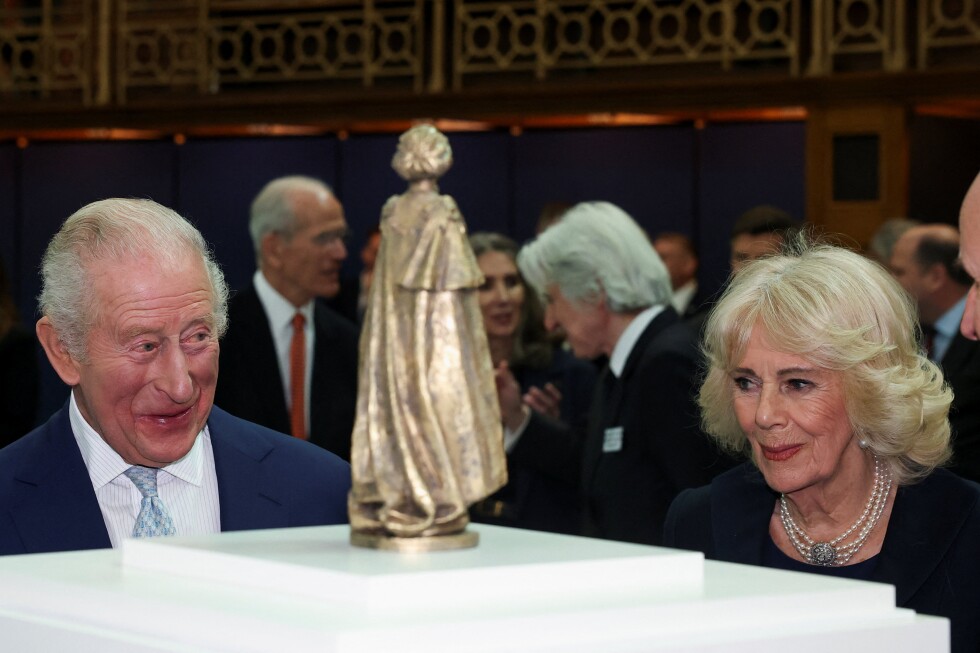
    LONDON — As King Charles III prepares to depart for his first state visit to the United States this week, a quiet yet defining challenge hangs over his four-day tour: stepping onto a diplomatic stage long shaped by the legacy of his mother, the late Queen Elizabeth II.

    In 1991, the Queen delivered a legendary address to a joint session of the U.S. Congress that remains a high bar for royal diplomacy. She wove tributes to the two nations’ shared democratic roots, cited iconic American figures from Abraham Lincoln to Ralph Waldo Emerson, and cemented public memory of the deep cross-Atlantic ties that define the U.K.-U.S. “special relationship.” That legacy will form the core of Charles’ agenda during a visit timed to mark the 250th anniversary of U.S. independence, as the monarchy works to ease diplomatic friction sparked by new British Prime Minister Keir Starmer’s refusal to back U.S. President Donald Trump’s military campaign against Iran.

    Presidential historian Douglas Brinkley of Rice University, Texas, emphasized the key distinction between the British monarchy and the sitting government that shapes this visit’s mission. “Politics come and go; prime ministers and presidents rise and fall, but the special relationship between the United States and the United Kingdom rests on foundations far deeper than transient policy disputes,” Brinkley told the Associated Press. “The royal role on these visits is always to present the best face of that long-standing bond.”
    Beneath the ceremonial pomp that will see Charles and Queen Camilla travel through Washington D.C., New York, and Virginia lies a carefully scripted diplomatic mission arranged at the direct request of the British government. Starmer faced calls to scrap the trip after Trump publicly belittled British military sacrifices in Afghanistan and launched personal criticisms of Starmer’s Iran policy, but the prime minister opted to move forward with the planned visit. Despite the cross-government tensions, Trump has repeatedly spoken favorably of King Charles, and Brinkley predicts that dynamic will hold throughout the trip. “History has shown that President Trump goes out of his way to make a positive impression when engaging with British royalty, and there’s no reason to expect that will change this time,” he noted.

    Royal visits to the U.S. have carried special diplomatic weight since 1939, when King George VI — Charles’ great-grandfather and the grandfather of Queen Elizabeth II — became the first British monarch to visit the former American colony, as World War II loomed over Europe. That groundbreaking tour saw the royal party tour the U.S. East Coast and attend a casual picnic at President Franklin D. Roosevelt’s private Hyde Park, New York estate, where the King’s playful reaction to a first American hot dog (“He tries hot dog and asks for more,” read a legendary New York Times headline) won over ordinary U.S. citizens. The most symbolic moment of that trip came at Mount Vernon, where the King laid a wreath at George Washington’s tomb — a deliberate show of respect that pushed back against rising U.S. isolationism ahead of the war.

    Barbara Perry, a presidential scholar at the University of Virginia’s Miller Center, explained that gesture’s long-term impact: “People could already see the writing on the wall that war was coming, and that visit made clear how critical it would be for the U.S. and Britain to stand together against Hitler.” The small, public acts of connection on that 1939 trip built lasting goodwill beyond elite diplomatic circles. After war broke out in September that same year, Queen Elizabeth (the wife of George VI and mother of Queen Elizabeth II) wrote to U.S. First Lady Eleanor Roosevelt, saying she had been deeply moved by handwritten letters from ordinary Americans that included small donations for British forces. “Sometimes, during the last terrible months, we have felt rather lonely in our fight against evil things, but I can honestly say that our hearts have been lightened by the knowledge that friends in America understand what we are fighting for,” she wrote.

    Queen Elizabeth II built on that foundational connection across her 70-year reign, completing four official state visits to the U.S. In 1976, she helped President Gerald Ford mark the U.S. bicentennial, and in 2007 she met with President George W. Bush at a time when British and American forces were fighting side-by-side in Iraq and Afghanistan. Just as with Charles’ upcoming trip, those visits centered on smoothing over diplomatic rifts and reaffirming the shared values that bind the two nations.

    Charles’ itinerary reflects that same diplomatic tradition. Key events include a commemoration of the 2001 September 11 attacks, a wreath-laying to honor fallen service members from both nations, and a Winnie the Pooh centenary event hosted by Queen Camilla, marking 100 years since British author A.A. Milne published his first collection of stories about the beloved character.

    Organizers have deliberately sidelined controversial issues to keep the focus on cross-Atlantic friendship. Despite public calls for King Charles to meet with survivors of Jeffrey Epstein over his brother Prince Andrew’s well-documented ties to the convicted sex offender, no such meeting is planned. There is also no scheduled meeting between Charles and his younger son Prince Harry, who stepped back from official royal duties in 2020, moved to California, and has since become a vocal public critic of the monarchy.

    Robert Hardman, royal biographer and author of *Elizabeth II: In Private. In Public. The Inside Story.*, noted that these unaddressed controversies are secondary to the visit’s core mission. “He is coming 250 years after America’s founding, when the nation rejected the rule of his great-great-great-great-great grandfather. His message is simple: no hard feelings. This has been a good separation, 250 years of strong friendship, and we are here to celebrate the high points,” Hardman said. “There will always be large elephants in the room on a trip like this, but the king has prioritized other, more unifying topics.”

    Charles’ upcoming address to a joint session of Congress will be the visit’s centerpiece, a platform to emphasize that long-term, cross-national friendship outweighs short-term political disputes. Like his mother’s 1991 address, observers expect the speech to include measured, self-deprecating humor — a tactic the Queen used masterfully to win over lawmakers. During her 1991 speech, the Queen opened with a joke about the previous day’s White House blunder, where an overly tall lectern had completely blocked the audience’s view of her. “I do hope you can see me today from where you are,” she deadpanned, drawing uproarious laughter and a standing ovation before moving into her address on democratic values, the rule of law, and the Atlantic Alliance.

    Brinkley noted that while Charles will carry forward the core themes of cross-Atlantic friendship, he will bring his own perspective to the moment. “The speech will center on American exceptionalism, U.S. history, the enduring importance of the U.S.-British alliance, and reflections on shared history,” he said. “Its core message will be that the two countries share a deep, lasting bond, even when that relationship navigates rocky rapids from time to time.”

  • Ukrainians thought they had reduced the risks at Chernobyl. Then Russia invaded

    Ukrainians thought they had reduced the risks at Chernobyl. Then Russia invaded

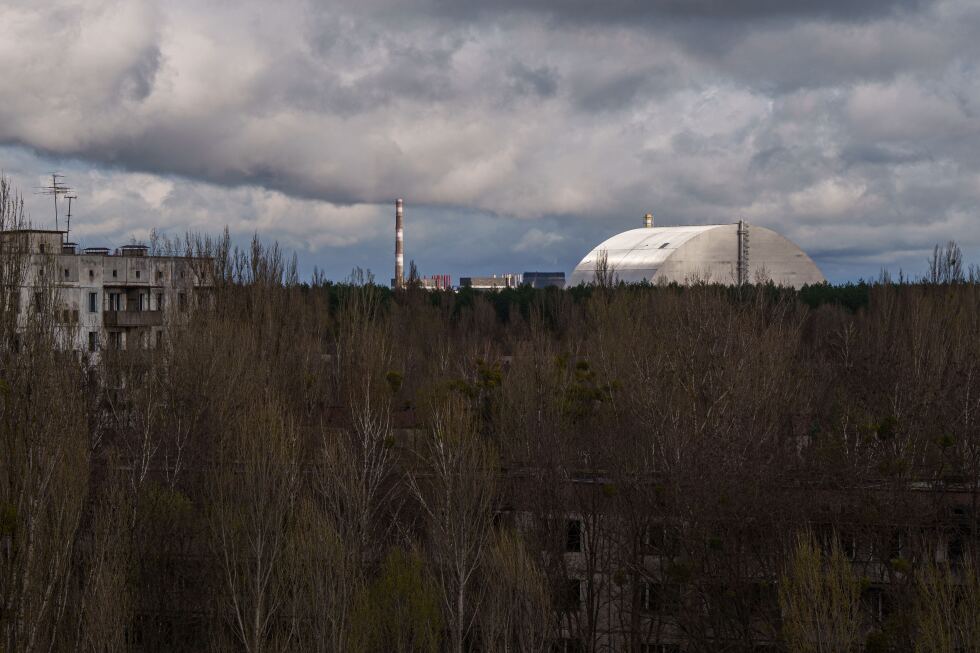
    In the quiet dead of night, two catastrophic events have shaken the Chernobyl nuclear site, separated by nearly four decades and forever linked to Ukraine’s history of crisis. The first, at 1:23 a.m. on April 26, 1986, tore through Reactor No. 4 during a routine safety test, sending a deadly plume of radiation across Europe, unraveling public trust in the Soviet Union, and leaving a permanent scar on the region that many historians link to the bloc’s eventual collapse. The second, recorded at 1:59 a.m. on February 14, 2025, is a new wound inflicted by war: Ukrainian officials attribute the blast to an explosive-laden Russian drone that hit the iconic New Safe Confinement (NSC), the massive protective structure that caps the site of the 1986 disaster. While far less catastrophic than the original explosion, the strike has sparked urgent global anxiety over nuclear safety in an era of full-scale invasion, turning a site already synonymous with suffering into another frontline of Russia’s campaign.

    For the thousands of workers who tend to the decommissioned plant inside Chernobyl’s 2,600-square-kilometer exclusion zone — the uninhabited swath of land carved out after the 1986 disaster — the attack brought back traumatic memories many thought they had laid to rest. Klavdiia Omelchenko, now 59, was a 19-year-old textile worker living in Pripyat, the ghost plant town built for Chernobyl employees, when the 1986 explosion occurred. She slept through the blast, waking only to scattered rumors, and did not grasp the full scale of the disaster until weeks later, when she was evacuated with nothing more than a small bag of documents and cosmetics. Her home became part of the exclusion zone, and never having been able to build a new life elsewhere, she returned in 1993 to work in the plant’s cafeteria.

    Decades of living with low-level radiation have become routine for Omelchenko, but the risks of war have proven far more terrifying. “It wasn’t as scary as now. Back then, at least, there was no bombing,” she explained. Though she developed persistent headaches after the 1986 accident and later underwent surgery for a precancerous condition, she shrugs off the daily contamination risk that comes with living and working inside the zone. “We grew up in it,” she said. “We don’t pay attention to it anymore.”

    Completed in 2019 at a cost of $2.1 billion, the NSC is a massive arch-shaped engineering marvel large enough to enclose the entire Statue of Liberty. It was built to replace the crumbling, hastily constructed concrete sarcophagus the Soviet Union erected immediately after the 1986 disaster, designed to contain the 200 tons of highly radioactive fuel and debris left inside Reactor No. 4 for a projected 100 years, while enabling the safe dismantling of the old sarcophagus. The Chernobyl plant ceased all electricity production in 2000, when its final operational reactor was shut down, and the NSC was supposed to be the cornerstone of a decades-long global effort to finally neutralize the site’s ongoing threat.

    That progress has been completely upended by Russia’s full-scale invasion of Ukraine, which began in 2022. Liudmyla Kozak, an engineer with more than 20 years of experience working at the plant, was on duty when Russian troops seized the Chernobyl site in the opening weeks of the invasion. For nearly three weeks, staff kept critical operations running while under armed guard, receiving radiation doses far exceeding safe limits for their rotations. “We had no hope we would make it out alive — it was really that scary,” Kozak recalled. Workers slept on office floors and desks, while Russian soldiers occupied key infrastructure, damaged and stole critical equipment, and stirred up radioactive dust by driving heavy military vehicles through contaminated areas and digging defensive trenches. Now, with the added damage from the drone strike, completing the decades-long cleanup has become even more challenging.

    Serhii Bokov, who manages day-to-day operations for the NSC, was on duty early the morning of the 2025 strike when he felt the dull thud of the explosion ripple through the arch. He and his colleagues rushed outside, smelled smoke, but could not immediately locate the source. After a nearby military checkpoint confirmed the strike, firefighters arrived roughly 40 minutes later, and crews eventually found the fire smoldering through the structure’s outer membrane. Flames repeatedly re-ignited, and it took more than two weeks to fully extinguish the blaze.

    “There was no feeling of fear, none at all. It was just a fire — something we practice in drills — only this time it was real,” Bokov said. “I didn’t think, honestly, that we could lose the entire arch.”

    The strike did not fully penetrate the NSC’s outer layer, and the damage was confined to a section of the arch with low contamination. Radiation monitors recorded no spike in radiation levels beyond the structure, and no workers were injured in the attack. The breach has been temporarily patched, with the visible damage sealed from the outside, but the International Atomic Energy Agency (IAEA) has warned that the damage could cut significantly into the arch’s projected 100-year lifespan, compromising its core safety function.

    Before the strike, crews were preparing to begin dismantling the old Soviet sarcophagus, a milestone decades in the making. That work is now on indefinite hold, and Bokov estimates the project will be delayed by at least 10 years. While the NSC can continue to operate in its damaged state for a limited period, the long-term stability of the crumbling sarcophagus beneath it remains a critical concern. “Everything depends on how quickly we can restore this and return to normal operations — and to preparing for dismantling,” Bokov noted.

    Oleh Solonenko, head of a radiation safety shift at the plant, emphasized that the strike has shattered long-held assumptions about nuclear safety during armed conflict. “What once seemed unthinkable — strikes on nuclear facilities and other hazardous sites — has now become reality,” he said.

    Moscow has denied intentionally targeting the Chernobyl plant, claiming the attack was staged by Ukrainian authorities. But environmental group Greenpeace Ukraine has echoed the IAEA’s warning, noting that without urgent repairs, the risk of the old sarcophagus collapsing increases dramatically. “It is difficult to comprehend the scale of the deadly, hazardous conditions inside the sarcophagus,” said Eric Schmieman, an engineer who spent years working at Chernobyl and assisted in designing the NSC. “There are tons of highly radioactive nuclear fuel, dust and debris. Now it is critical to find a way to restore the key functions of this facility.”

    Today, yellow daffodils bloom beside wartime fortifications inside the exclusion zone, and workers in plain clothes, carrying radiation badges and special access permits, still pass through restricted checkpoints to keep the site stable. For the people who have dedicated their lives to containing Chernobyl’s legacy of disaster, the strike is a reminder that the site’s danger is not just a historical memory — it is an ongoing risk amplified by a war that has already upended decades of progress on nuclear safety.

  • Katya Adler: Europe’s Nato allies push back at reported US threat to Spain

    Katya Adler: Europe’s Nato allies push back at reported US threat to Spain

    When European Union leaders gathered in Cyprus this week, they arrived intending to hash out pragmatic policy priorities, most notably the bloc’s next multiyear budget. Instead, they found themselves confronting yet another simmering transatlantic crisis that has laid bare deep fractures between the United States and its European allies – a rift that experts and leaders warn threatens the very foundation of the post-WWII collective defence order.

    The catalyst for the latest standoff was a leaked internal Pentagon email, first reported by Reuters Friday, that outlined potential punitive measures against Nato allies who refused to back the U.S.-Israeli military campaign against Iran. Most alarmingly, the document floated the idea of suspending Spain from the 32-member defensive alliance over Madrid’s public opposition to the offensive.

    Under Nato’s founding treaties, however, no mechanism exists to expel or suspend a member state. Any attempt to block Spain from occupying key civilian or military alliance roles, another potential penalty cited in the leak, would require unanimous approval from all Nato members – a step that all but guarantees rejection, given the swift, unified pushback from European leaders this week.

    Spanish Prime Minister Pedro Sanchez, who has been one of the most vocal critics of the U.S.-Israeli strikes, struck a measured tone as he arrived at the summit, telling reporters simply: “We are fulfilling our obligations toward Nato.” Later, he dismissed the leaked email as an unauthorised document, noting Madrid conducts its diplomacy based on official U.S. government positions, not unsourced internal correspondence.

    Sanchez’s defiance has long rankled the Trump administration: he was the only Nato leader to refuse Trump’s demand that members boost defence spending to 5% of GDP, and he immediately blocked U.S. forces from accessing shared U.S.-Spanish military bases for operations against Iran, earning earlier threats of U.S. trade sanctions.

    Fellow European leaders were quick to rally to Spain’s side. Dutch Prime Minister Rob Jetten said he wanted to be “crystal clear” that Spain is and will remain a full Nato member, adding that European contributions to strengthening the alliance directly serve U.S. security interests. A senior German official echoed the sentiment, saying “Spain is a member of Nato. And I see no reason why that should change.”

    Even Italian Prime Minister Giorgia Meloni, once widely viewed as a pro-Trump ally and a potential bridge between Europe and Washington, joined the criticism, describing the rising tensions between the U.S. and Madrid as “not at all positive.” Meloni has herself fallen out of favour with Trump in recent months: she denied U.S. forces permission to use the Sigonella airbase in Sicily for Iran operations, and called Trump’s derogatory remarks about the Pope “unacceptable.” Trump responded publicly by branding Meloni herself unacceptable, ending their once-close political alliance.

    The leaked email also targeted another Nato ally, the United Kingdom, proposing a review of Washington’s position on the UK’s sovereignty over the Falkland Islands – a territory also claimed by Argentina. The move comes amid lingering tension between Trump and British Prime Keir Starmer, who initially denied Trump’s request to use British military bases for February strikes on Iran. Though the UK has since allowed limited base access and participated in drone interception missions, Starmer has refused to deepen UK involvement in the conflict or back the U.S. port blockade on Iran, drawing repeated verbal attacks from Trump.

    Beyond the immediate threats against Spain and the UK, the leak has laid bare a growing crisis of confidence in the transatlantic alliance that experts say poses existential risk to Nato. Former Nato Assistant Secretary General for Defence Investment Camille Grande, now head of ASD Europe, said the leak reveals a fundamental misunderstanding of how the alliance works on the part of the Trump administration.

    “The defence alliance is based on consensus; not run by the United States,” Grande explained. He compared Trump’s approach to that of a landlord seeking to evict tenants who do not pay what he deems sufficient rent, stressing that “Nato is not Trump’s building.”

    French President Emmanuel Macron went even further, accusing Trump of deliberately “hollowing out” Nato through repeated public attacks on the alliance. Trump has repeatedly called Nato a “paper tiger” and a “one-way street” that benefits Europe at U.S. expense, writing on social media recently that “We will protect them, but they will do nothing for us.”

    These public divisions have sparked deep anxiety among eastern European Nato members that have long relied on U.S. security guarantees to deter Russian expansionism. Russia’s full-scale invasion of Ukraine is now entering its fourth year, and the country’s war economy is growing, fueled by high global oil prices spurred by the current crisis around the Strait of Hormuz. Dutch military intelligence this week warned that once the conflict in Ukraine concludes, Moscow could be ready to launch a limited regional conflict against Nato within 12 months, aiming to divide the alliance politically through limited territorial gains and nuclear coercion.

    That threat has left eastern allies questioning whether the U.S. would honour its Article 5 commitment to defend any attacked member. Polish Prime Minister Donald Tusk, a longstanding transatlanticist, openly raised that question this week. Even Estonia, a small Baltic state that spends heavily on defence and has long been courted by Trump, was left feeling vulnerable this week after the Pentagon delayed delivery of six contracted High Mobility Artillery Rocket System (HIMARS) to meet U.S. operational needs for the Iran war – a capability the U.S. itself called the most significant upgrade in Estonian military history.

    The Trump administration has openly framed its approach as dividing allies into a tiered system of “good guys” and “bad guys.” In a December speech, U.S. Defence Secretary Pete Hegseth said model allies that fully back U.S. priorities would receive special favours, while those that do not would face consequences.

    But former U.S. ambassador to Nato Julianne Smith, now president of Clarion Strategies, said punitive threats against European allies are entirely overreactive. “The President is obviously upset by Europeans that failed to fully support the US war in Iran. But punitive measures like removing force posture in Spain seem over-reactive in light of the fact that allies were never asked to assist the US and Trump has frequently denied that the US actually needed European support,” she noted. She added that new threats come as the transatlantic relationship is already reeling from Trump’s stated policy to seize Greenland from Nato member Denmark, and could deliver a devastating blow ahead of the alliance’s July summit.

    Alarmed by the growing uncertainty over Nato’s reliability under the Trump administration, some EU leaders at the Cyprus summit floated the idea of activating the bloc’s own mutual defence clause, Article 42.7, as a potential backstop should Nato’s Article 5 prove unworkable. But European Commission President Ursula von der Leyen, the guardian of EU treaties, acknowledged the clause leaves critical details undefined: while it requires member states to come to each other’s aid, it offers no clarity on when activation is appropriate or what specific actions each member must take.

    Caught between domestic public opposition to Trump’s Iran policy and the need to maintain working security and economic ties with Washington, many European nations are moving forward with independent plans to deploy international maritime patrols and mine-clearing operations in the Strait of Hormuz once hostilities end, in a bid to ease tensions with the U.S. France has pushed to exclude the U.S. from these discussions, though the UK has reportedly pushed for U.S. involvement.

    Former Nato Secretary General Jens Stoltenberg warned this week that the mounting tensions put the alliance’s long-term survival in question, saying its existence cannot be guaranteed a decade from now. Still, he argued that Nato’s survival remains a core U.S. national interest: together, the U.S. and Nato allies account for 50% of global GDP and 50% of global military capability, giving the U.S. a network of global partners that rival powers Russia and China lack.

    Stoltenberg pushed back on claims that Europe has broadly abandoned the U.S. over Iran, noting that most allies have provided quiet logistical support for operations, with only a handful of public dissenters. He also warned against Trump’s description of Nato as a paper tiger, stressing that alliances are rendered useless when they are undermined and attacked from within by their own members.

    For European leaders, the core dispute with Washington is not whether Iran poses a threat to global security, but how to address that threat. European governments broadly favour diplomatic engagement and targeted sanctions over the unilateral military offensive launched by the U.S. and Israel, which they view as an unnecessary war of choice that has destabilized global energy markets and increased the risk of a broader regional conflict.

  • Three Kosovo Serbs jailed over deadly gun battle and monastery siege

    Three Kosovo Serbs jailed over deadly gun battle and monastery siege

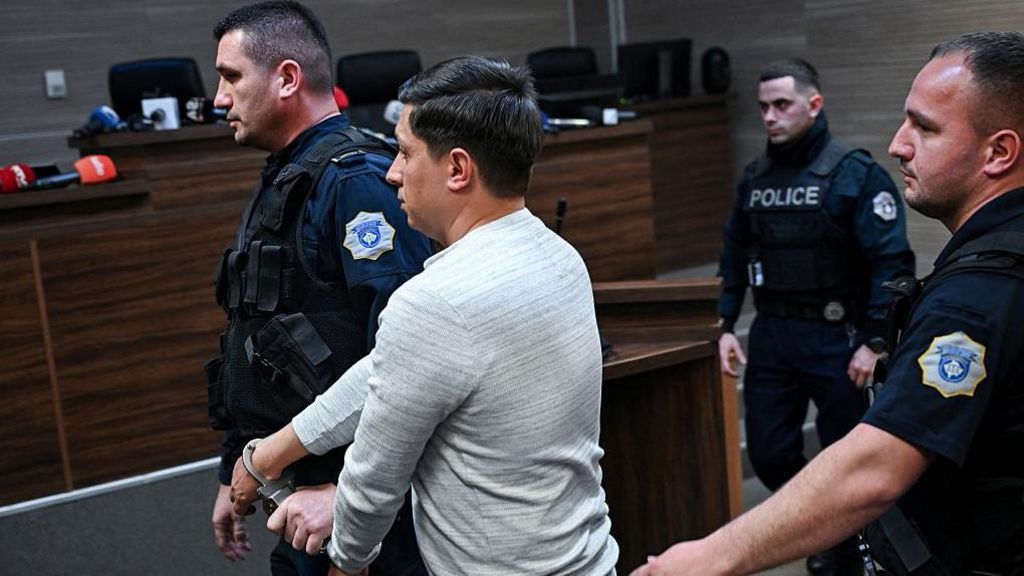
    In a long-awaited ruling that amplifies already tense relations between Serbia and Kosovo, a Pristina court has handed down heavy sentences to three Kosovo Serbs convicted of participating in the September 2023 armed assault on Kosovo security forces in the northern village of Banjska — an incident that stands as one of the deadliest episodes in Kosovo’s post-independence history.

    Two of the defendants, Vladimir Tolić and Blagoj Spasojević, received life imprisonment, while a third, Dušan Maksimović, was sentenced to 30 years behind bars. All three were found guilty of breaching Kosovo’s constitutional order and orchestrating terrorist activities. In total, prosecutors have leveled charges against 45 individuals connected to the attack, but authorities acknowledge the vast majority of the accused are hiding in Serbia, which has refused to extradite them to Kosovo.

    The Banjska attack, which unfolded on the morning of September 24, began when Kosovo police responded to a report of a freight truck blocking a local bridge. As officers arrived, a group of roughly 30 armed assailants opened fire with automatic weapons and grenades, killing Kosovo police Sergeant Afrim Bunjaku and wounding two other officers. After the initial gun battle, the surviving attackers retreated to a nearby 14th-century Serbian Orthodox monastery, forcing their way inside, barricading the entrances, and trapping a group of Serbian pilgrims from Novi Sad inside with them.

    A day-long standoff followed, leaving three members of the armed group dead. By the time Kosovo special forces secured control of the monastery in the late afternoon, all remaining attackers had escaped despite the site being fully surrounded. The group’s self-proclaimed leader, Milan Radoičić — a prominent Kosovo Serb politician — resurfaced days later in Serbia, where he publicly admitted to organizing all logistical preparations for the assault. While Serbian authorities questioned Radoičić, he has not been charged with any crime in Serbia and remains free, though an Interpol arrest warrant restricts his ability to travel internationally.

    Kosovo’s leadership has long argued that the attack had implicit backing from the Serbian government in Belgrade, pointing to Radoičić’s close political ties: he previously served as deputy leader of the Serbian List, the main Kosovo Serb political party that maintains deep links to Serbian President Aleksandar Vučić’s ruling Progressive Party. Radoičić has denied any claims that Serbian government officials knew of his plans, but Kosovo Prime Minister Albin Kurti has repeatedly described the attack as part of a wider Serbian plot to seize control of majority-Serb northern Kosovo.

    Kosovo unilaterally declared independence from Serbia in 2008, and relations between the two entities have remained strained ever since the Banjska incident, hitting near-breaking point. Multiple efforts by the European Union to restart mediated normalization talks between Belgrade and Pristina have collapsed, and Friday’s convictions are not expected to repair the fractured diplomatic relationship.

    In a statement following the verdicts, Kosovo’s acting President Albulena Haxhiu framed the ruling as a critical milestone for accountability, saying it “proves that the attack on the Kosovo police, on the constitutional order and on the security of our country will not remain unpunished.” Kosovo Interior Minister Xhelal Sveçla added that the next step is holding Serbia accountable for what Kosovo claims is Belgrade’s political, financial, and logistical support for the attack. Even with the convictions in hand, however, key questions remain unresolved about the full scope of the attack, the ultimate goals of the armed group, and how the escaped assailants slipped past a full police cordon around the monastery.

  • Title race in Portugal has Porto and Villas-Boas leading mentor Mourinho at unbeaten Benfica

    Title race in Portugal has Porto and Villas-Boas leading mentor Mourinho at unbeaten Benfica

    As European domestic football seasons enter their final four weeks, the most captivating and history-making title fights are unfolding not in the continent’s big-five power leagues, but across smaller national competitions, with a personal mentor-mentee rivalry driving the drama in Portugal.

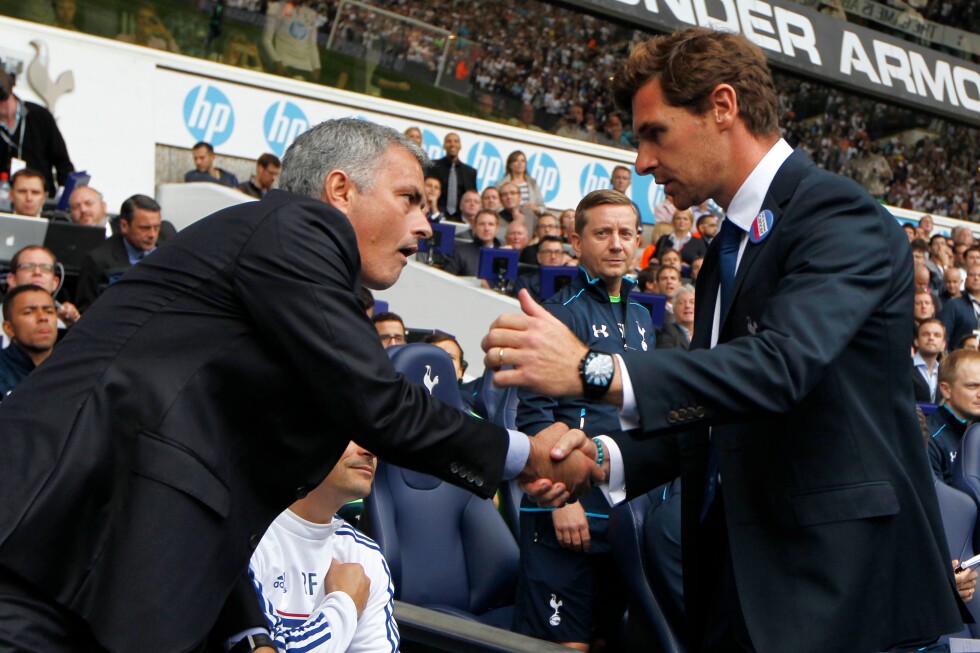
    At the center of Portugal’s tight title chase is a unique subplot: Andre Villas-Boas, president of FC Porto, is competing directly against his one-time coaching mentor Jose Mourinho, now manager of Porto’s closest rival Benfica. Villas-Boas’ journey back to his boyhood club has been full-circle: at 24, he joined Mourinho’s backroom staff at Porto, where the pair delivered back-to-back UEFA Cup and Champions League titles in 2003 and 2004. He followed Mourinho to Chelsea and Inter Milan before launching his own high-profile coaching career, mirroring Mourinho’s path with stops at Porto, Chelsea, Tottenham Hotspur, Zenit St. Petersburg and Marseille before retiring from coaching in 2021.

    In 2021, at 46, Villas-Boas was elected president of Porto, and in just two years, he has revived the club’s domestic title fortunes. Back in 2011, as a 33-year-old head coach, Villas-Boas led Porto to a domestic treble of league, cup and Europa League crowns. Now, 13 years later, he is on track to deliver Porto’s first league title in four years, even after Benfica lured Mourinho out of his role at Fenerbahce last September, shortly after Mourinho’s side suffered a Champions League qualifying exit at the hands of Benfica.

    With four matchdays remaining, Porto holds a seven-point lead over Benfica, a margin that defies expectations given Benfica has gone unbeaten through the entire domestic league season so far. However, Benfica could even finish outside the top two: Sporting CP sits just one point behind Benfica with a game in hand, putting the Lisbon side firmly in contention for second place. Porto only needs six points from its final four fixtures, none of which come against its top title rivals, and kicks off its final run of games on Sunday away to Estrela da Amadora.

    Villas-Boas said the pair hold no bad blood amid the title fight, telling Italian sports daily *Gazzetta dello Sport*, “We are competing for the championship but we respect each other. Mourinho has taught me a lot and sometimes we exchange messages.” He added of his own connection to the club, “Mine at Porto is a story that I’m proud of. I want to keep on giving more satisfaction to the fans.” The Porto president pinned much of the club’s 2024 success on head coach Francesco Farioli, who has rebuilt his reputation after a catastrophic collapse at Ajax last season, where he blew a nine-point lead over PSV Eindhoven in the final five matches to lose the Eredivisie title. “I want him to win more than I won with Porto,” Villas-Boas said of Farioli. “He’s the coach that will take us into the future.” Veteran 41-year-old defender Thiago Silva, who returned to Porto midseason from Brazil 19 years after he first left the club, has also been a key leader for the side this season.

    Portugal’s title race is far from the only historic fight unfolding outside the top five leagues. In Scotland, Heart of Midlothian (Hearts) is 90 minutes away from ending one of the longest and most painful title droughts in world football. The Edinburgh-based club has led the Scottish Premiership for almost the entire season, and has not won the top-flight title since 1960. For 40 straight seasons, the Old Firm pairing of Glasgow giants Celtic and Rangers have split every league title between them, a duopoly that traces back to a heartbreaking last-day collapse for Hearts in 1986, when the Edinburgh side conceded two late goals in the final 10 minutes of the season to hand Celtic the title on goal difference.

    Entering the final split of the 12-team league, where the top six sides play each other once more to close the season, Hearts holds a one-point lead over Rangers and a three-point lead over Celtic. Rangers are the in-form side, but face tough back-to-back away fixtures at Hearts and Celtic between May 4 and 10, while Hearts will travel to Celtic for the final match of the season on May 16, leaving open the chance for another title-deciding final day showdown.

    In Switzerland, newly promoted side Thun is on the cusp of the most unlikely title win in the club’s 128-year history. Thun, which was formed in 1898, has never won the Swiss top-flight title, but holds a 14-point lead over second-placed St. Gallen with just five matches remaining. If Thun defeats Lugano at home this Saturday, they will seal the historic crown, while St. Gallen does not play until Sunday against Young Boys, leaving Thun in full control of its own destiny.

    In Turkey, Galatasaray is on track to extend Fenerbahce’s title drought to 12 straight seasons. Galatasaray holds a four-point lead over Fenerbahce with four matches left, and only needs to avoid defeat in this Sunday’s Istanbul derby against Fenerbahce to move one step closer to the crown.

    Austria has already seen a historic end to a long title reign: Red Bull Salzburg’s 10-year consecutive run of Austrian Bundesliga titles ended in 2023, and the club has started the championship playoff round with back-to-back home losses, leaving current leaders Sturm Graz well positioned to claim a second straight crown.

  • Mandelson under formal investigation by EU’s anti-fraud office

    Mandelson under formal investigation by EU’s anti-fraud office

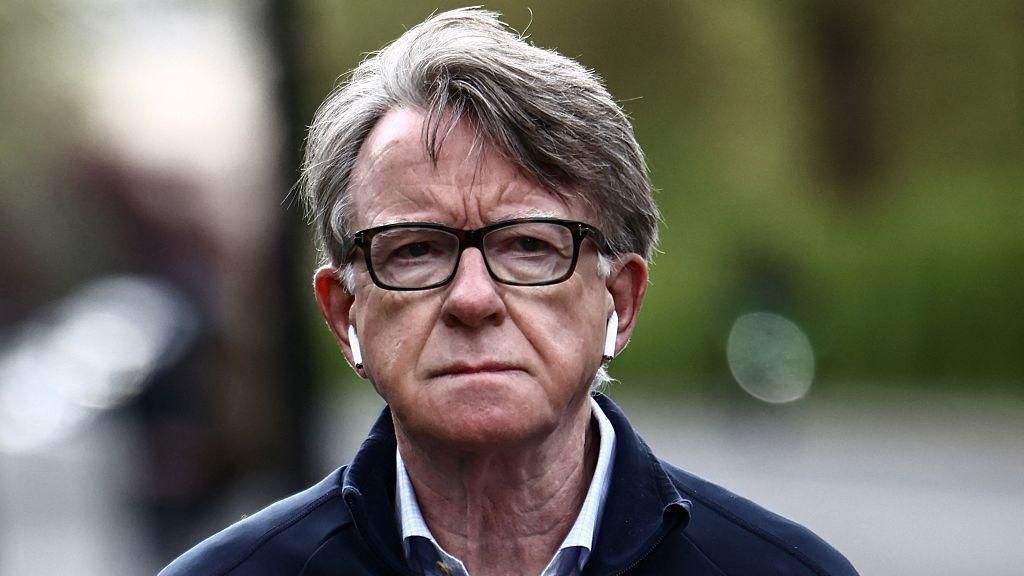
    A new chapter has opened in the expanding scandal surrounding ties between high-profile political figures and convicted late sex offender Jeffrey Epstein, as the European Union’s official anti-fraud watchdog has launched a formal investigation into former EU Trade Commissioner Peter Mandelson.

    Mandelson, who was already forced out of his post as UK Ambassador to the United States in September 2025 when the full scope of his long-standing personal relationship with Epstein came to light, now faces scrutiny over alleged misconduct that dates back to his four-year tenure as EU trade commissioner from 2004 to 2008. The European Commission first referred the allegations to the European Anti-Fraud Office (OLAF) roughly two months ago, and OLAF confirmed in a statement Friday that investigators have now obtained sufficient information to move forward with a full formal probe.

    The investigation’s formal mandate covers all of Mandelson’s term as a European Commission member, and is restricted to actions involving staff and officials of EU institutions. OLAF’s primary focus will center on communications and interactions between Mandelson and Epstein that occurred during his time as EU commissioner, but additional unconnected allegations have also emerged that stretch beyond this period. Leaked email correspondence has linked Mandelson to Epstein during the 2010 eurozone sovereign debt crisis, with claims that Mandelson provided the disgraced financier advance confidential warning of a massive €500 billion eurozone bailout package designed to contain Greece’s debt crisis and stop its spread across the bloc. Earlier this year, newly uncovered email exchanges between the two men prompted the UK’s Metropolitan Police to open a separate criminal investigation into claims Mandelson leaked market-sensitive information while he served as UK Business Secretary, a post he held after leaving Brussels in 2008 until 2010.

    While Mandelson has not issued a public statement on the new OLAF investigation, BBC sources confirm he has repeatedly denied any criminal wrongdoing and has stated he never acted out of personal financial gain in any interactions with Epstein.

    OLAF officials have clarified that the body does not hold direct prosecutorial authority. If the investigation uncovers evidence of criminal activity, the case will be referred to the European Public Prosecutor’s Office for further action. The agency’s core remit covers probes into fraud involving the EU budget, alongside corruption and serious misconduct by EU institutional officials. After concluding an investigation, OLAF can issue binding recommendations for sanctions to relevant EU authorities, which can range from judicial and financial penalties to administrative or disciplinary action. One of the most significant potential disciplinary outcomes is the revocation of the former commissioner’s EU pension, a benefit that former Commission members are entitled to receive after leaving office.

    Investigators now plan to conduct a full review of all available relevant documents, including the recently unearthed email correspondence, and carry out IT forensic analysis to verify the authenticity and context of materials. OLAF noted that given the passage of more than 15 years since the end of Mandelson’s tenure as commissioner, it remains unclear how much complete evidence will be available, and the agency declined to confirm whether additional allegations have been received since the initial referral in February.

    The scandal continues to send shockwaves through UK politics, where questions persist about how Mandelson’s appointment as US ambassador was approved. Earlier this week, Sir Olly Robbins, the former top civil servant at the UK Foreign Office, told lawmakers he faced inappropriate pressure to rush through Mandelson’s nomination and appointment to the ambassadorship, despite growing concerns about his long-standing links to Epstein.

  • Man who died after bus crash at Dublin Airport named

    Man who died after bus crash at Dublin Airport named

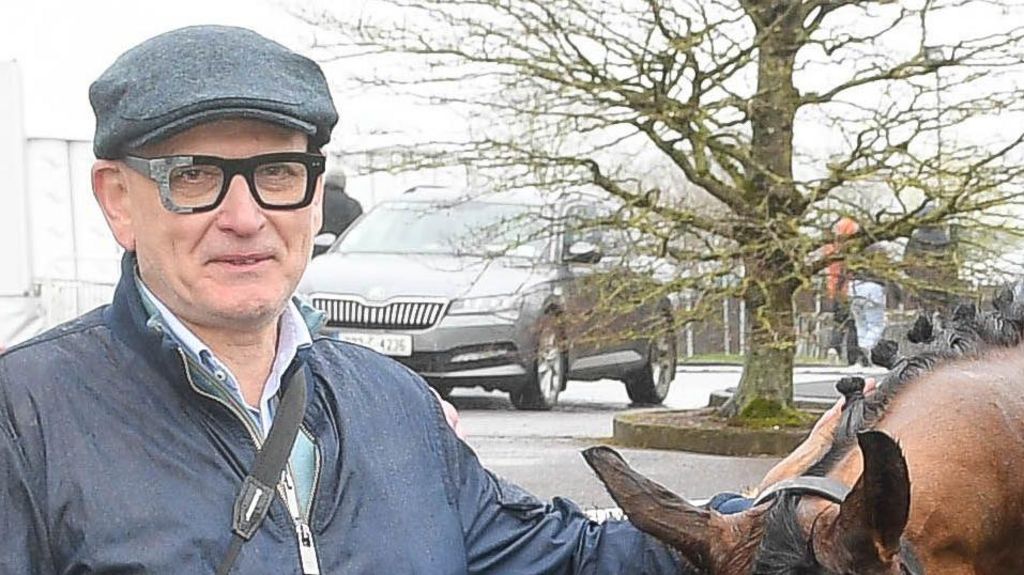
    A tragic road traffic incident near Dublin Airport has claimed the life of a well-known figure in Ireland’s horse racing community, John Fleming, a respected racehorse owner and long-serving publisher of the *Irish Racing Year Book*. The collision occurred just after midnight on Thursday along Corballis Road, the primary arterial route connecting the Dublin Airport roundabout to the main airport grounds. Local Irish police, known as Gardaí, confirmed that first responders including emergency medical teams rushed to the crash site, where a man in his 60s — later identified as Fleming — was pronounced dead at the scene.

    Fleming, an accountant hailing from Kilkenny, left an indelible mark on Irish horse racing over more than three decades in the industry. For over 20 years, he channeled his deep passion for the sport into publishing the *Irish Racing Year Book*, a staple reference for racing professionals and enthusiasts across the country. Beyond his work in publishing, Fleming was a dedicated racehorse owner, most famously of the horse Navassa Island, which he proudly supported. Just weeks before his death, he was on hand to celebrate Navassa Island’s victory at the Listed Irish EBF Cork Stakes held on Easter Sunday, a moment that stood as a testament to his lifelong love of racing.

    In the wake of Fleming’s sudden passing, leaders across Ireland’s horse racing sector have shared heartfelt tributes honoring his legacy. Suzanne Eade, Chief Executive of Horse Racing Ireland (HRI), released an official statement mourning the loss. “Like everyone connected to Irish racing, I am very saddened to learn of the sudden passing of John Fleming,” Eade said. “He was a very talented and hugely respected man with a genuine passion for the sport. John had over 30 years’ experience as an accountant and adviser to many in the bloodstock industry. He published the *Irish Racing Year Book* for over two decades out of his sheer enthusiasm for racing.” Eade extended HRI’s deepest sympathies to Fleming’s family, friends, and the wide network of industry colleagues who knew him.

    The Dublin Airport Authority (Daa) also released a statement expressing its sorrow over the incident. “We are deeply saddened by the tragic passing of a passenger overnight following a road traffic accident on the main road leading to Dublin Airport (between the Airport Roundabout and the airport),” the authority said. As of Thursday, no further details about the exact circumstances of the collision have been released by Gardaí, who continue to investigate the incident.

  • Watch: How the Kremlin’s internet crackdown is frustrating Russians

    Watch: How the Kremlin’s internet crackdown is frustrating Russians

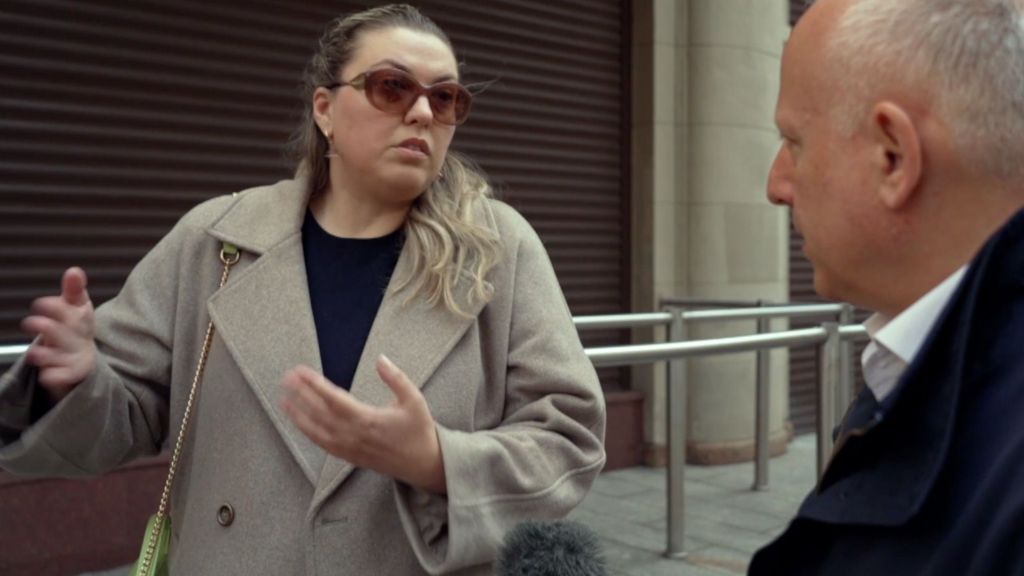
    In recent months, the Kremlin’s expanding internet crackdown has sparked growing discontent across Russia, as ordinary residents and local business owners grapple with the tangible fallout of tightened digital controls. Senior Russian government officials have defended the wave of restrictions, framing them as a necessary measure to protect public safety and safeguard national security in an increasingly turbulent digital landscape. But for many people living inside the country, the new rules are anything but protective.

    Ordinary Russians report daily disruptions to basic digital activities that were once taken for granted. Access to major international social media platforms that people relied on to stay connected to family members living abroad has been cut off. Communication tools that remote workers and students depended on to collaborate across borders now load slowly or are completely blocked. Even accessing independent domestic news sources has become a significant challenge for many, forcing people to navigate clunky workarounds like virtual private networks that often suffer from unstable connections and slow speeds.

    The business community has been hit particularly hard by the crackdown. Small and medium-sized enterprises that built their customer bases and supply chains around open digital infrastructure now face collapsing online reach. Many companies that relied on cross-border digital services to process payments, communicate with international partners, or market their products have been forced to scale back operations or close entirely. Even large domestic businesses have reported increased operational costs, as they are forced to rebuild digital systems to comply with the new, stricter regulatory requirements.

    While the Kremlin frames the crackdown as a response to growing external threats and misinformation threats to public order, critics argue that the restrictions are primarily aimed at suppressing dissent and controlling the flow of information within Russia’s borders. For millions of ordinary Russians, the cumulative effect of the crackdown has been growing frustration, as they see their access to open information and seamless digital connection steadily eroded by state policy.

  • Spain heads to World Cup with its image battered by cases of racism, sexism and xenophobia

    Spain heads to World Cup with its image battered by cases of racism, sexism and xenophobia

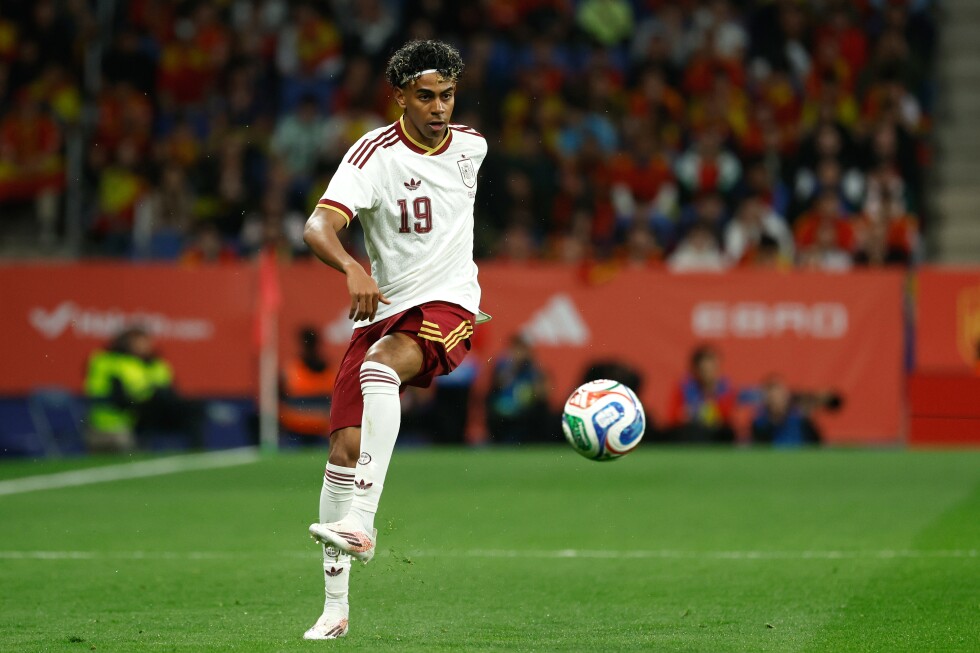
    MADRID – As Spain’s men’s national soccer team prepares to compete for the 2025 World Cup title, a string of high-profile discrimination incidents has plunged Spanish soccer into a global reckoning, overshadowing the team’s on-pitch success and raising urgent questions about cultural change within the sport. The latest controversy came in a March friendly match against Egypt, held in Barcelona, where a faction of Spanish supporters directed anti-Muslim chants at the Egyptian team and jeered the Egyptian national anthem – an incident that sparked international outrage just months before the World Cup kicks off. This incident marks the third major discrimination scandal to hit Spanish soccer in two years, following 2023’s racist abuse targeting Real Madrid star Vinícius Júnior and the unwanted sexual advance by former Spanish Football Federation (RFEF) president Luis Rubiales against Women’s World Cup winner Jenni Hermoso. With Spain set to co-host the 2030 World Cup, cleaning up its international reputation as a tolerant host nation has become a top priority for Spanish authorities and soccer leaders, who have pushed back against framing the entire country as racist or discriminatory. Esteban Ibarra, leader of the Madrid-based Movement Against Intolerance, Racism and Xenophobia, argues that the harmful acts are limited to small, radical fan factions rather than the broader Spanish supporter base. “It’s not a very good image for Spain right now, but we can’t mistake these acts by minority groups, usually the ultra groups, with the actions of the majority of fans in Spain,” Ibarra noted. Spain’s highest sports governing body, the Higher Council for Sports, echoed that position in a statement to the Associated Press, stressing that the disruptive fans do not represent the vast majority of Spanish supporters. “These acts, which we condemn in the strongest possible terms, have been perpetrated by a group of people who in no way represent the vast majority of Spanish soccer fans,” the council said. “The chants were deplorable and cannot be repeated. We are confident that the Spanish men and women attending the World Cup this summer will support our team with passion and always with respect.” Critics and affected parties have pushed back against framing the incidents as isolated, however. The Egyptian Football Association called the chants “entirely unacceptable in football stadiums” and emphasized that this negative phenomenon must be collectively addressed and fully eradicated. Notably, the incident occurred even with 18-year-old Spanish star forward Lamine Yamal – a practicing Muslim – in Spain’s lineup. The day after the friendly, Yamal publicly condemned the chants as disrespectful and intolerable, arguing that the bigotry was unacceptable regardless of whether it was directed at him personally. “I understand that not all fans are like that, but to those who chant these things: Using a religion as a taunt on the field makes you look ignorant and racist,” Yamal said. “Football is for enjoying and cheering, not for disrespecting people for who they are or what they believe.” The RFEF has pointed to Yamal’s widespread popularity as proof that discrimination does not reflect the views of most Spanish fans, noting that Yamal’s jersey is the highest-selling Spain national team shirt and that he draws massive crowds everywhere the team travels. The federation also highlighted ongoing anti-discrimination campaigns run in partnership with the Spanish government and other soccer entities. In response to the incident, Spanish authorities launched a criminal investigation into the fan behavior, and FIFA has opened formal disciplinary proceedings against the RFEF. The anti-Muslim incident comes on the heels of two major scandals that already put Spanish soccer’s culture of discrimination under the global microscope. In 2023, Vinícius Júnior, Real Madrid’s Black Brazilian forward, was subjected to racist slurs from ultra fans during a La Liga match in Valencia, prompting the star to speak out forcefully about the pervasive problem of racism in Spanish soccer. At the time, Vinícius said that the Spanish league “now belongs to racists” and that Spain was widely perceived as a racist country globally. He has since softened that framing, noting that racism exists in every nation, but continues to advocate for stronger action. After praising Yamal’s condemnation of the anti-Muslim chants, Vinícius said: “I’m not saying that Spain or Germany or Portugal are racist countries, but there are racists in these countries, and in Brazil and other countries as well. But if we keep fighting together, I think future players and people in general won’t have to go through this again.” Vinícius’ protest sparked widespread global support and pushed Spanish authorities to take stronger action against on-pitch discrimination. For the first time in Spanish professional soccer history, a court handed down a conviction for racial abuse in soccer following Vinícius’ repeated calls for accountability, and multiple other radical fans have received penalties for discriminatory acts. A recent ruling from the Spanish Supreme Court also set a new precedent for harsher sentences for intolerance in sports, marking a tangible step forward in the fight against discrimination. Just months after the Vinícius controversy, Spanish soccer faced another major cultural reckoning with the Rubiales scandal. After Spain won the 2023 Women’s World Cup, then-RFEF president Luis Rubiales grabbed Jenni Hermoso, a star Spanish player, by the head and kissed her on the lips without her consent. Rubiales ultimately resigned and was found guilty of sexual assault, with critics arguing the incident exposed deep-rooted sexism in Spanish soccer leadership. The RFEF says the scandal prompted sweeping internal reform: today, 50% of the federation’s board of directors are women, and women hold multiple senior leadership positions within the organization. As the World Cup approaches, Spain is grouped with Saudi Arabia, a majority-Muslim nation, adding extra urgency to addressing the recent anti-Muslim incident. Spanish soccer and government officials say they have put in place robust measures to prevent similar incidents during the tournament, including monitoring bulk ticket purchases to block known radical ultra fans from accessing matches. Ibarra argues that the high global attention on recent scandals has put Spain on alert, making it less likely that similar incidents will occur during the World Cup. “Especially now that Spain is on alert because of the international repercussion of the recent incidents, more severe measures are expected against these Spanish ultra groups that are responsible for these acts,” Ibarra said. The Spanish government said it has coordinated for years across law enforcement, soccer governing bodies, clubs and fan groups to stop a small faction of hooligans from tarnishing the sport. The government claims it has “one of the most advanced systems in Europe” to combat sports-related intolerance, with a dedicated anti-violence commission that coordinates action between law enforcement, prosecutors and other relevant institutions. Spain enters the 2025 World Cup as one of the pre-tournament title favorites. The team, which currently holds the European Championship title, recovered from a disappointing round-of-16 exit at the 2022 Qatar World Cup to win the 2023 Nations League and finish as runners-up in the 2024 iteration, building strong momentum on the pitch ahead of the tournament. But that on-pitch success has been partially overshadowed by the ongoing reckoning over discrimination, leaving observers waiting to see if the recent string of scandals will translate to lasting cultural change in Spanish soccer.