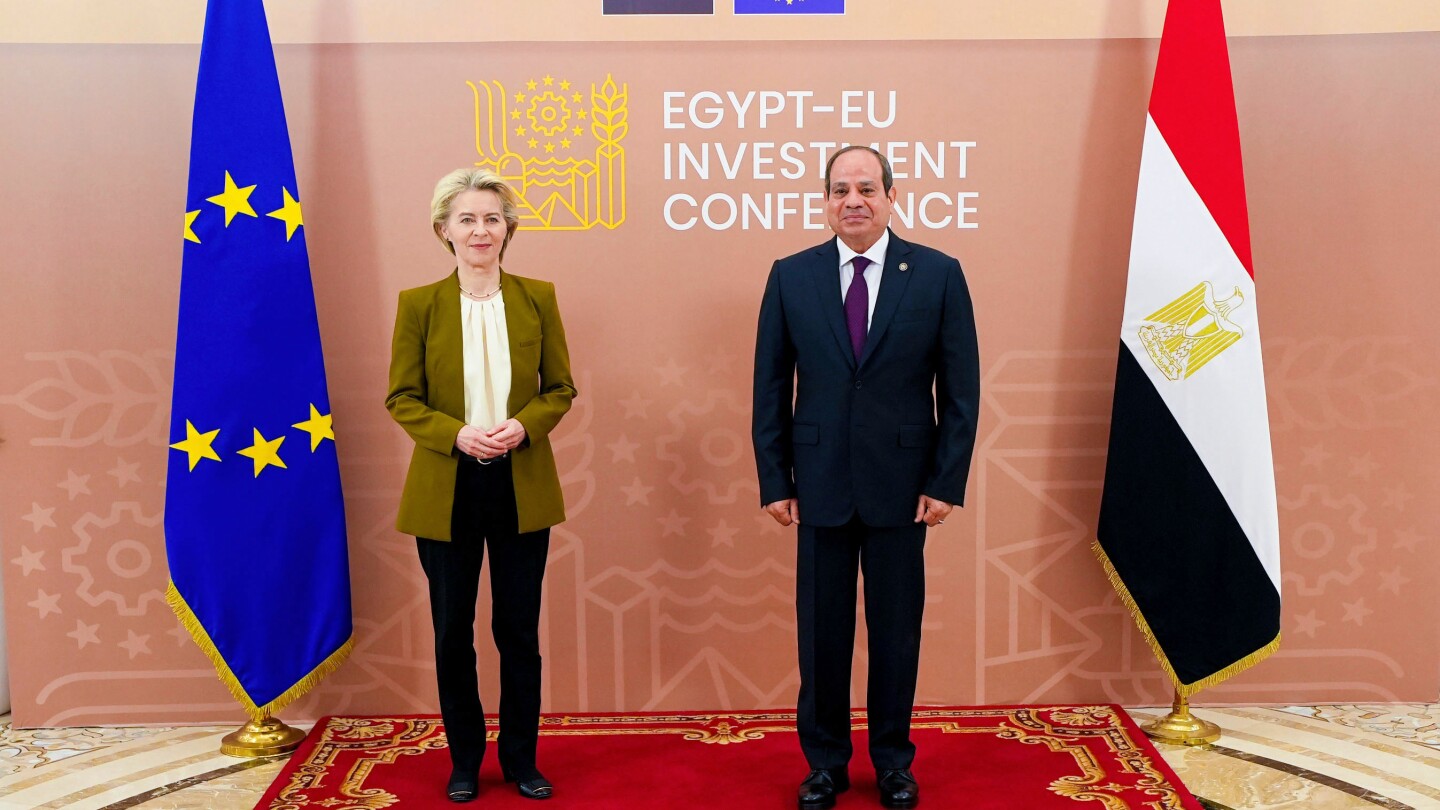
In a landmark meeting in Brussels, Egypt and the European Union (EU) convened for their first bilateral talks on Wednesday, focusing on critical issues such as security, trade, migration, and the ongoing instability in Gaza. The summit brought together Egyptian President Abdel-Fattah el-Sissi, European Commission President Ursula von der Leyen, and European Council President António Costa, who are poised to announce enhanced European economic assistance to Egypt and its inclusion in the EU’s Horizons research program. This meeting underscores the EU’s strategic efforts to deepen ties with Mediterranean nations, including Egypt, as part of its broader ‘Pact for the Mediterranean’ initiative, which aims to foster regional integration and address migration challenges. The EU has already pledged significant financial support to Egypt, including a 7.4 billion euro ($8.6 billion) aid package announced last year, to bolster its struggling economy amid soaring inflation, the fallout from the Israel-Hamas conflict, and disruptions to Suez Canal revenues due to Houthi attacks in the Red Sea. Migration remains a pressing concern for both parties, with Egypt serving as a key transit point for migrants and refugees seeking entry into Europe. Human rights organizations have urged the EU to address Egypt’s human rights record while calling for greater support for Gaza. The summit highlights the EU’s broader geopolitical strategy to navigate global uncertainties, including the policies of U.S. President Donald Trump and China’s export controls, by forging stronger alliances with regional partners.
标签: Europe
欧洲
-
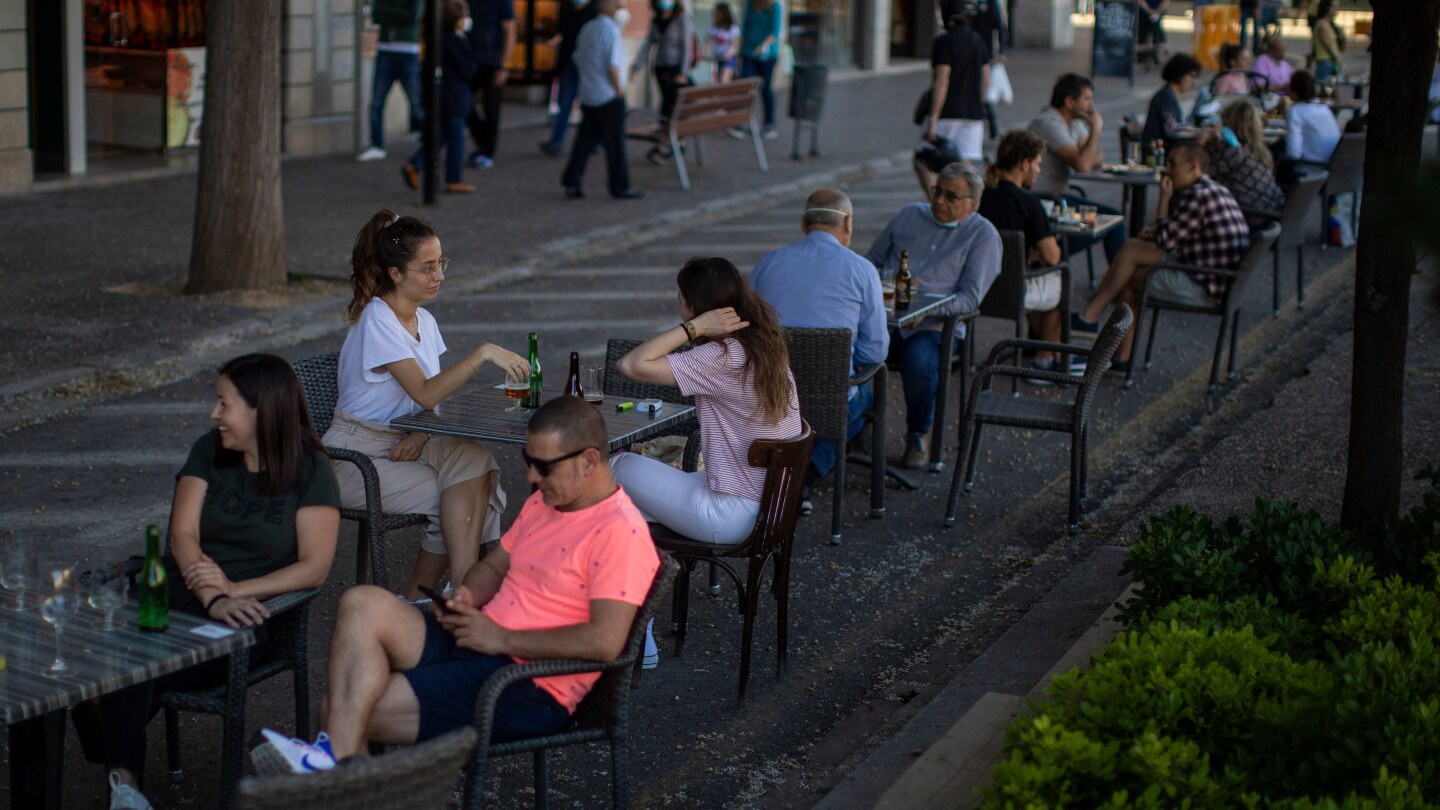
This seat taken? Thieves busted for stealing over 1,000 restaurant chairs in Spain
MADRID (AP) — In a bizarre yet significant operation, Spanish authorities have dismantled a criminal network specializing in the theft of outdoor seating from restaurants and bars. The National Police announced on Wednesday the arrest of seven individuals accused of stealing over 1,100 chairs in just two months. The suspects, comprising six men and one woman, targeted 18 establishments in Madrid and Talavera de la Reina, a smaller city southwest of the capital, during August and September. The stolen chairs, primarily made of metal or hard plastic, were resold both domestically and internationally, including in Morocco and Romania. The total estimated value of the stolen property is approximately €60,000 ($69,000). In Spain, it is common for restaurants and bars to leave outdoor furniture, often chained together, unattended overnight. The suspects now face charges of theft and involvement in a criminal organization.
-
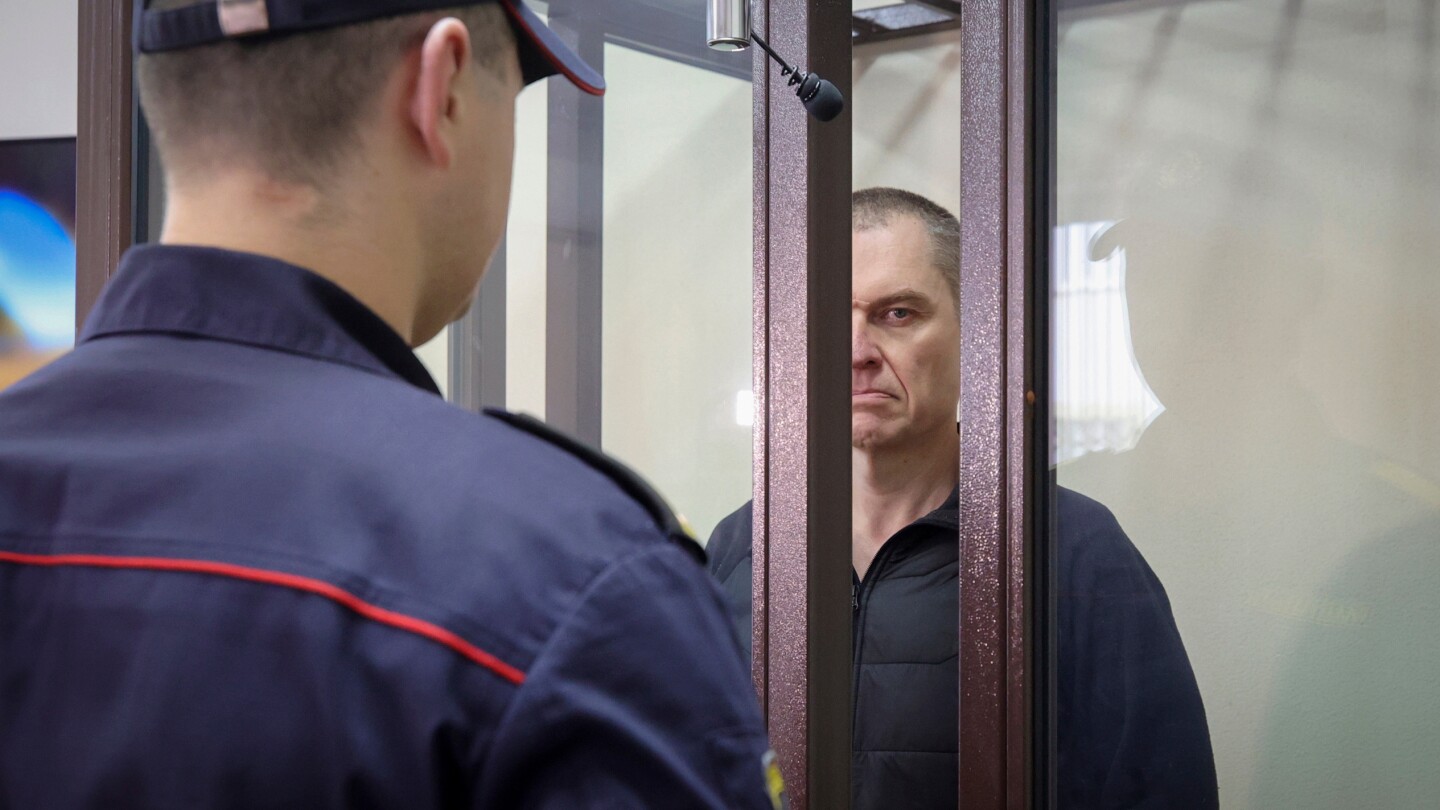
Journalists imprisoned in Belarus and Georgia win EU’s top human rights award
In a powerful statement supporting press freedom, the European Union has awarded its prestigious Sakharov Prize to two journalists currently imprisoned in Belarus and Georgia. European Parliament President Roberta Metsola announced the decision on Wednesday, highlighting their unwavering commitment to justice and democracy. Andrzej Poczobut, a correspondent for Poland’s Gazeta Wyborcza, is serving an eight-year sentence in Belarus for allegedly “harming national security.” Mzia Amaghlobeli, a prominent Georgian journalist and founder of independent media outlets, was sentenced to two years for slapping a police chief during an anti-government protest—a case widely criticized as an attack on media freedom. Both journalists have become symbols of the fight for human rights and democracy in their respective countries. The Sakharov Prize, established in 1988 and named after Soviet dissident Andrei Sakharov, honors individuals or groups defending fundamental freedoms. This year’s award sends a strong message of solidarity to political prisoners worldwide, emphasizing that journalism is not a crime. The ceremony will take place in December at the European Parliament in Strasbourg, accompanied by a €50,000 ($58,000) endowment.
-
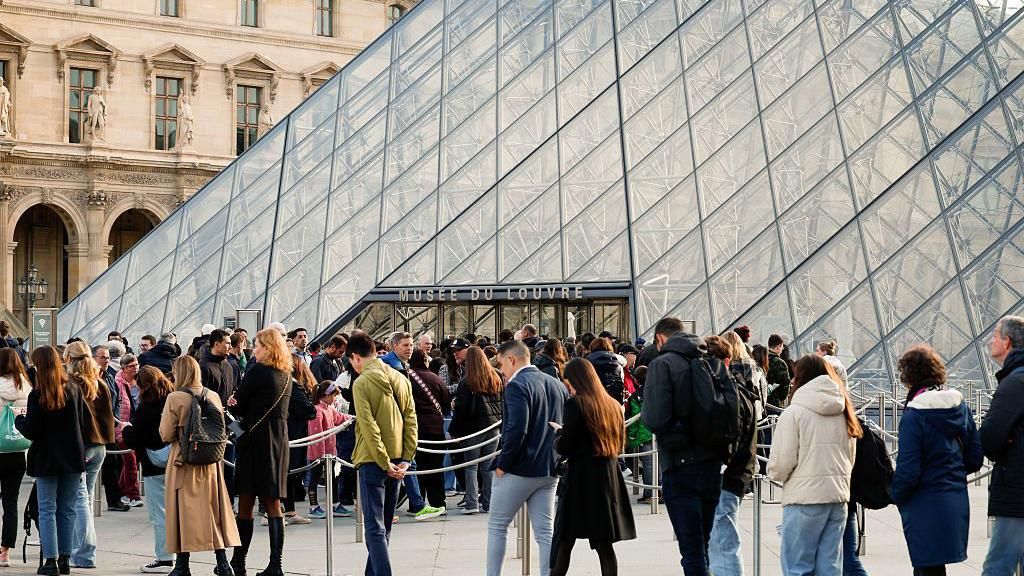
Louvre reopens three days after French crown jewels stolen
The Louvre Museum in Paris has resumed operations three days after a daring daylight robbery saw thieves make off with €88 million worth of jewelry. The museum reopened its doors at 09:00 local time on Wednesday, though the Apollo Gallery, the site of the heist, remains closed. The audacious theft, which took place on Sunday morning, involved masked thieves using power tools to break into the museum and escape on scooters within eight minutes. The stolen items include a diamond and emerald necklace gifted by Emperor Napoleon to his wife, a tiara worn by Empress Eugenie, and several pieces from Queen Marie-Amelie’s collection. French President Emmanuel Macron has called for accelerated security enhancements at the Louvre, labeling the incident an attack on the nation’s heritage. A preliminary investigation revealed significant lapses in the museum’s security, including the absence of CCTV in one-third of its rooms and a malfunctioning alarm system. The museum’s director, Laurence des Cars, is scheduled to address the French Senate’s culture committee to discuss the incident. Meanwhile, French authorities have intensified efforts to apprehend the perpetrators, with Interior Minister Laurent Nunez expressing confidence in their capture. The heist has prompted a nationwide review of security measures at cultural institutions.
-
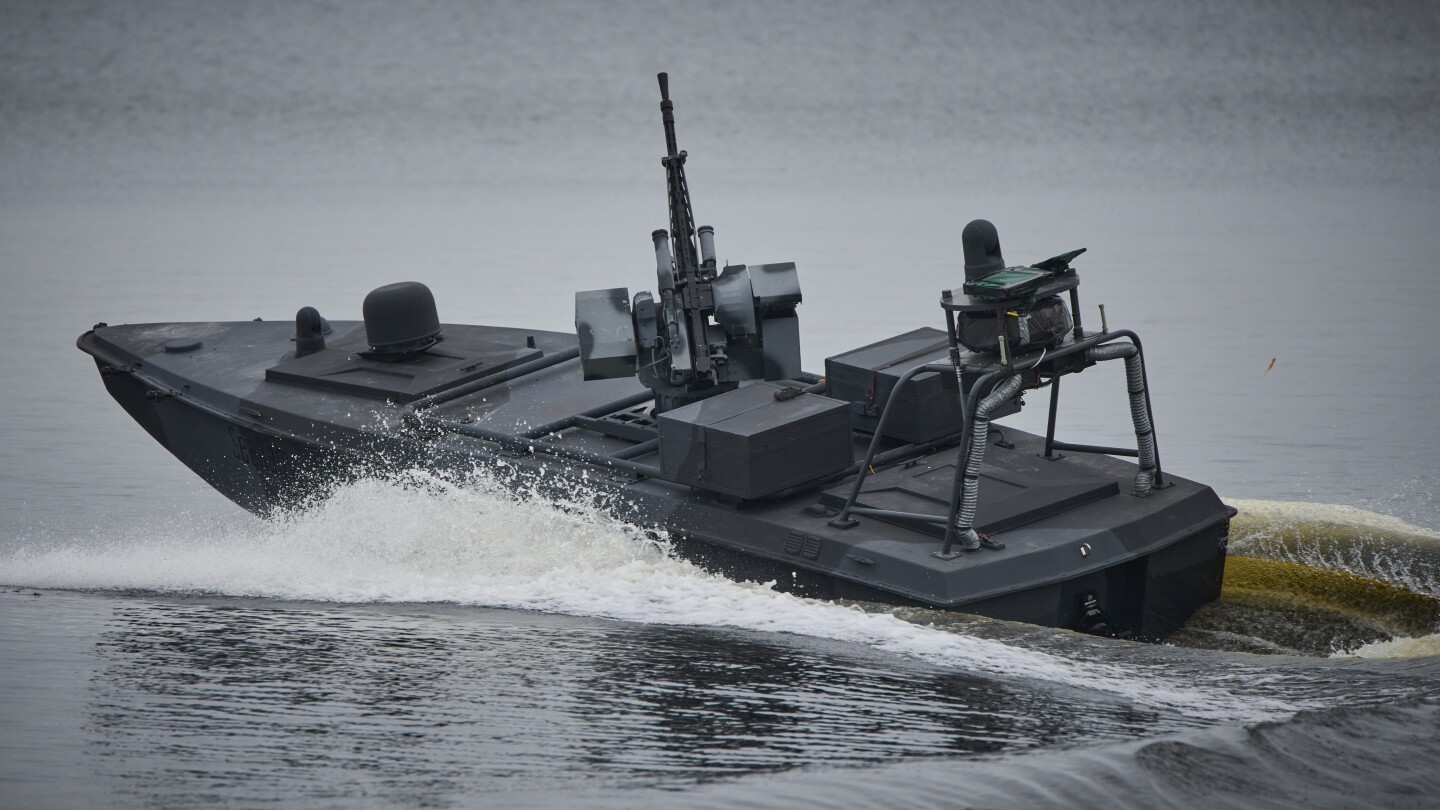
Ukraine unveils upgraded sea drone it says can strike anywhere in the Black Sea
Ukraine’s state security service, the SBU, has introduced an upgraded version of its maritime drone, the ‘Sea Baby,’ which now boasts enhanced capabilities, including artificial intelligence (AI) for precision targeting, extended operational range, and the ability to carry heavier payloads. This cutting-edge unmanned vessel has been instrumental in Ukraine’s strategic strikes against Russian naval assets and infrastructure in the Black Sea, forcing Russia to relocate its primary naval base from Sevastopol to Novorossiysk. The Sea Baby’s range has been expanded to 1,500 kilometers (930 miles), and it can now carry up to 2,000 kilograms (4,400 pounds) of payload, making it a formidable tool in modern naval warfare. At a recent demonstration attended by The Associated Press, variants of the drone were showcased, including models equipped with multiple-rocket launchers and stabilized machine-gun turrets. Brig. Gen. Ivan Lukashevych of the SBU highlighted the drone’s advanced features, such as AI-assisted targeting systems, the ability to deploy small aerial attack drones, and multilayered self-destruct mechanisms to prevent capture. The Sea Baby has evolved from a single-use strike craft to a reusable, multipurpose platform, marking a significant advancement in asymmetric naval warfare. The SBU emphasized that the drone’s development has been partially funded by public donations through a state-run initiative and is closely coordinated with Ukraine’s military and political leadership. The Sea Baby has already been used in successful attacks against 11 Russian vessels, including frigates and missile carriers, and has played a key role in high-profile strikes, such as repeated attacks on the Crimean Bridge. The SBU’s pioneering efforts in this new form of naval warfare underscore Ukraine’s commitment to leveraging technology to counter Russian aggression effectively.
-
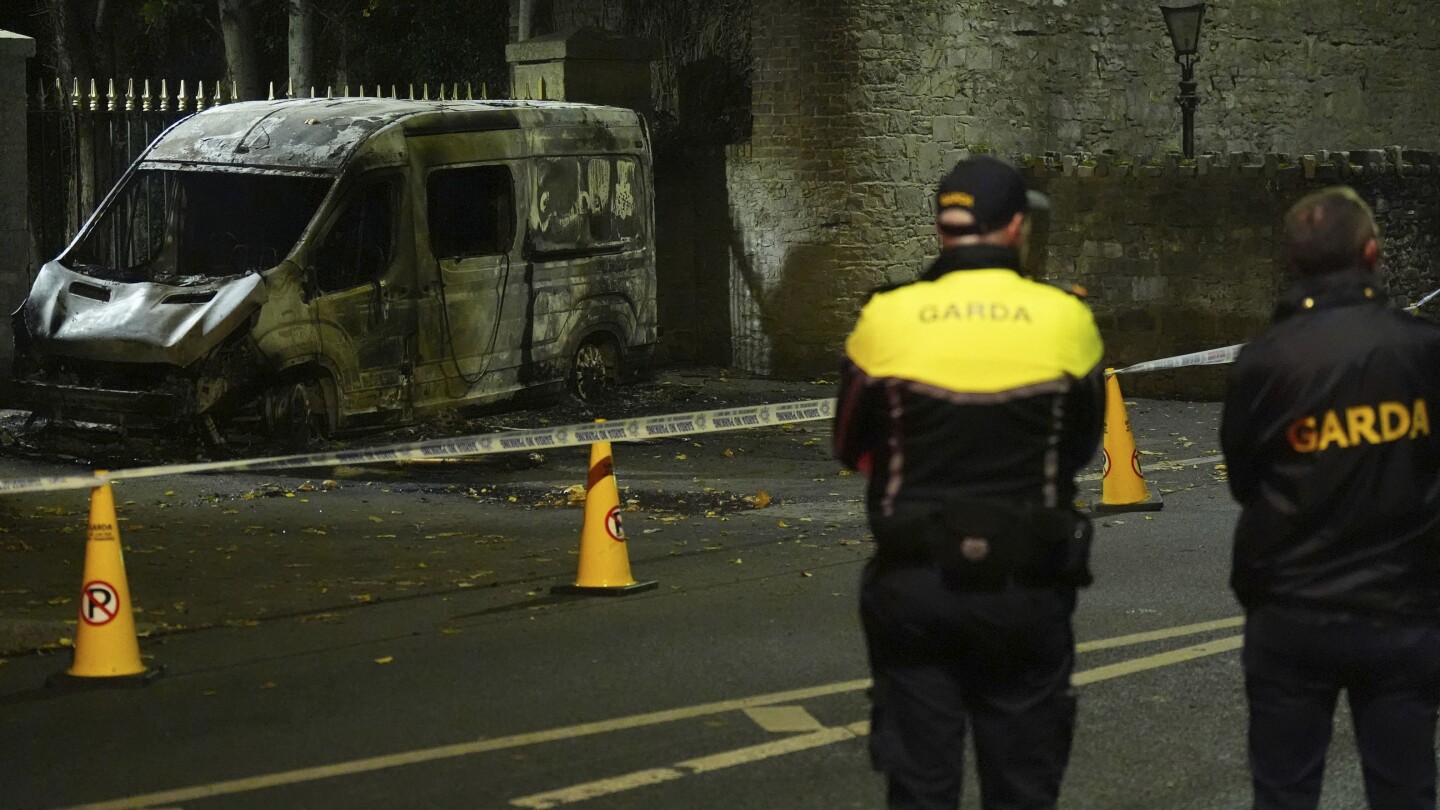
6 arrested after protesters clash with police outside Dublin hotel housing asylum seekers
In a disturbing turn of events, six individuals were apprehended following a violent confrontation outside the CityWest Hotel in Saggart, near Dublin. The incident, which unfolded on Tuesday evening, saw a crowd hurl bricks, bottles, and fireworks at law enforcement officers, culminating in the burning of a police van. The Garda Siochana, Ireland’s national police force, reported that one officer sustained a foot injury during the melee. The unrest was reportedly incited by allegations of a sexual assault in the vicinity, prompting hundreds of demonstrators, many brandishing Irish tricolor flags, to gather outside the hotel. Attempts to breach the police line using horse-drawn carts were met with pepper spray as officers sought to disperse the crowd. Police Commissioner Justin Kelly denounced the actions as “thuggery” by a “mob intent on violence,” while Prime Minister Micheál Martin emphasized that there was “no justification” for the disorder. This incident is part of a broader pattern of protests targeting hotels housing asylum-seekers in Ireland, Northern Ireland, and Britain, often fueled by anti-immigration sentiments and far-right rhetoric. In a related development, Justice Minister Jim O’Callaghan confirmed that a man had been arrested and appeared in court over the alleged sexual assault in Saggart. He lamented the exploitation of crime to sow societal discord, reiterating that while peaceful protest is a democratic right, violence is inexcusable.
-

Dublin violence orchestrated online, Irish police say
Irish authorities have pledged to pursue those responsible for the violent clashes that erupted during a protest outside a Dublin hotel housing asylum seekers. The incident, which occurred on Tuesday evening at the Citywest Hotel in Saggart, saw Gardaí (Irish police) attacked with bricks, fireworks, and glass bottles. A female officer sustained a foot injury, while a police helicopter was targeted with lasers and a police vehicle was set ablaze. Garda Ch Supt Michael McNulty, the scene commander, described the violence as orchestrated by “disparate groups on social media, who stir up hatred and violence.” He emphasized that the protest was far from peaceful, labeling the actions as “thuggery” and an attempt to intimidate and injure. Approximately 300 officers, including half from the public order unit, were deployed to manage the situation. While a water cannon was on standby, it was not used. Officers on horseback and a dog unit were also present. Irish broadcaster RTÉ reported that around 2,000 people attended the protest, with some attempting to breach the police cordon using horse-drawn carts. Taoiseach Micheál Martin condemned the attacks, stating there was no justification for such violence. Acting Deputy Commissioner Paul Cleary reiterated that the violence was “unacceptable” and vowed to identify and prosecute those responsible, regardless of attempts to conceal their identities. The area remains cordoned off, with debris scattered and a burnt-out police van visible. Garda Commissioner Justin Kelly condemned the actions as “thuggery,” while RTÉ’s crime correspondent Paul Reynolds noted that the violence appeared pre-planned but was more contained than previous incidents. Detectives are already gathering high-quality CCTV and bodycam footage to identify further perpetrators.
-
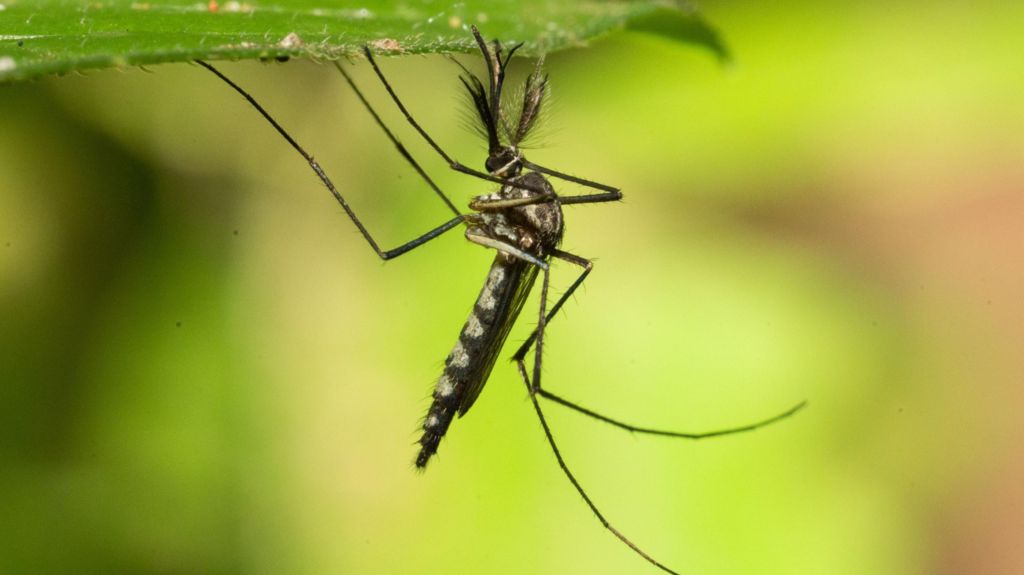
Mosquitoes found in Iceland for first time after record heat
For the first time in history, mosquitoes have been detected in Iceland, a country previously known as one of the world’s only mosquito-free zones alongside Antarctica. This unprecedented discovery comes after Iceland experienced record-breaking heat this spring, raising concerns about the impact of climate change on delicate ecosystems. The mosquitoes were found by Bjorn Hjaltason, an insect enthusiast, who encountered them while observing moths using wine-soaked ropes in Kjós, a glacial valley southwest of Reykjavik. Hjaltason identified two female mosquitoes and one male, later confirmed to be of the species *Culiseta annulata*, one of the few mosquito species capable of surviving winter. The Icelandic Institute of Natural History verified the discovery, with entomologist Matthías Alfreðsson noting that the species is common in parts of Europe and North Africa but its arrival in Iceland remains a mystery. Iceland’s cold climate and lack of stagnant water have historically prevented mosquito populations from thriving. However, this year’s extreme temperatures, including a record-breaking 26.6°C (79.8°F) in May, may have created favorable conditions for their survival. A June study by the Global Heat Health Information Network highlighted the potential for significant ecological impacts as ecosystems adapted to cold climates face unprecedented temperature shifts. Hjaltason speculated that the mosquitoes may have arrived via ships or containers, though further monitoring is needed to determine if the species has become established in Iceland. This discovery underscores the broader implications of climate change, with the UN’s climate body confirming that human activities have unequivocally contributed to global warming.
-
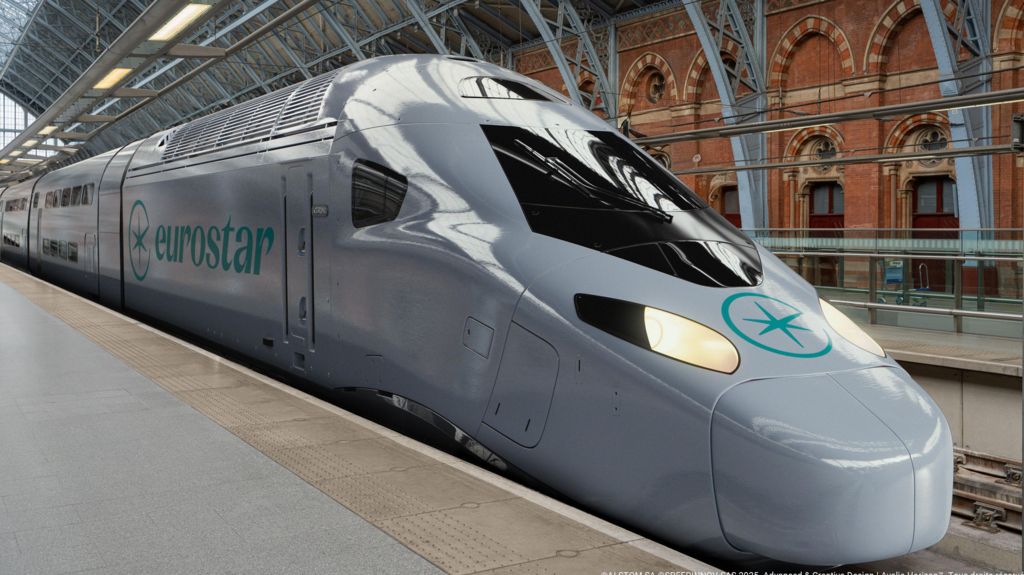
Eurostar orders first double-decker trains
Eurostar has announced a historic move to introduce double-decker high-speed trains through the Channel Tunnel, marking a significant milestone in cross-Channel rail travel. The company has confirmed a €2 billion (£1.74 billion) deal with manufacturer Alstom to acquire 30 ‘Celestia’ trains, with an option for 20 more. This expansion will increase Eurostar’s fleet size by nearly a third, with the first six trains expected to enter service by 2031. Each 200-meter-long train will offer enhanced capacity, with a combined 400-meter service accommodating approximately 1,080 seats. These will be the first double-decker high-speed trains to operate through the Channel Tunnel, a feat unmatched since a 1949 experimental double-decker train in the UK. Eurostar CEO Gwendoline Cazenave expressed pride in bringing this innovation to the UK, emphasizing ‘exceptional comfort’ for passengers. The company, which carried 19.5 million passengers last year, aims to grow this number to 30 million. The new trains will replace older models and increase services to London by 30%. Eurostar also plans to invest €80 million in upgrading the Temple Mills depot in London, the only UK facility capable of accommodating these larger trains. However, questions remain about the depot’s capacity to serve both Eurostar and potential rival operators, including Spanish start-up Evolyn, Virgin, and a Gemini Trains-Uber partnership. The Office of Rail and Road is currently reviewing proposals for depot access, with a decision expected soon. This development follows Eurostar’s June announcement of new routes to Geneva and Frankfurt, further solidifying its position as a leader in cross-Channel rail services.
-
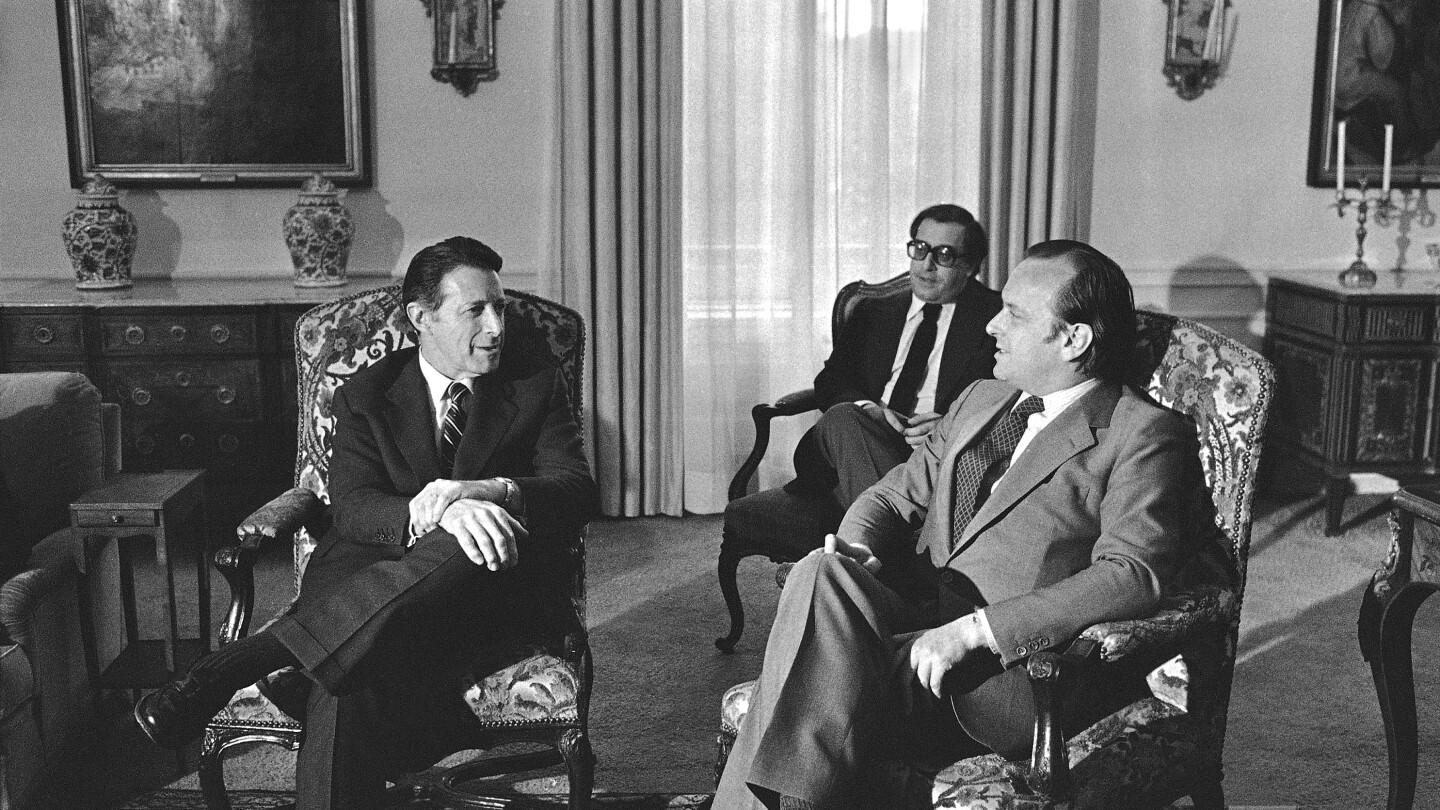
Pinto Balsemão, ex-Portugal leader and media tycoon, dies at 88
Francisco Pinto Balsemão, a pivotal figure in Portugal’s political and media landscape, passed away at the age of 88. His death was announced late Tuesday by the Portuguese president’s office and Impresa, the media conglomerate he founded. No cause of death was disclosed. Balsemão, a former prime minister, played a crucial role in shaping Portugal’s transition to democracy following the 1974 Carnation Revolution, which ended decades of dictatorship. Born on September 1, 1937, he graduated in law from Lisbon University and served in the Portuguese Air Force before embarking on a distinguished career in politics and media. Balsemão became prime minister in 1981, succeeding Francisco Sá Carneiro, who died in a plane crash. His tenure, marked by political turbulence and coalition tensions, saw significant constitutional reforms aimed at liberalizing the economy. After resigning in 1983, he focused on building Impresa, which became a cornerstone of Portugal’s media industry. His legacy includes founding Expresso, a respected weekly newspaper, and launching S.I.C., the country’s first private television channel. Balsemão’s commitment to freedom of expression and democratic values left an indelible mark on Portugal’s history.