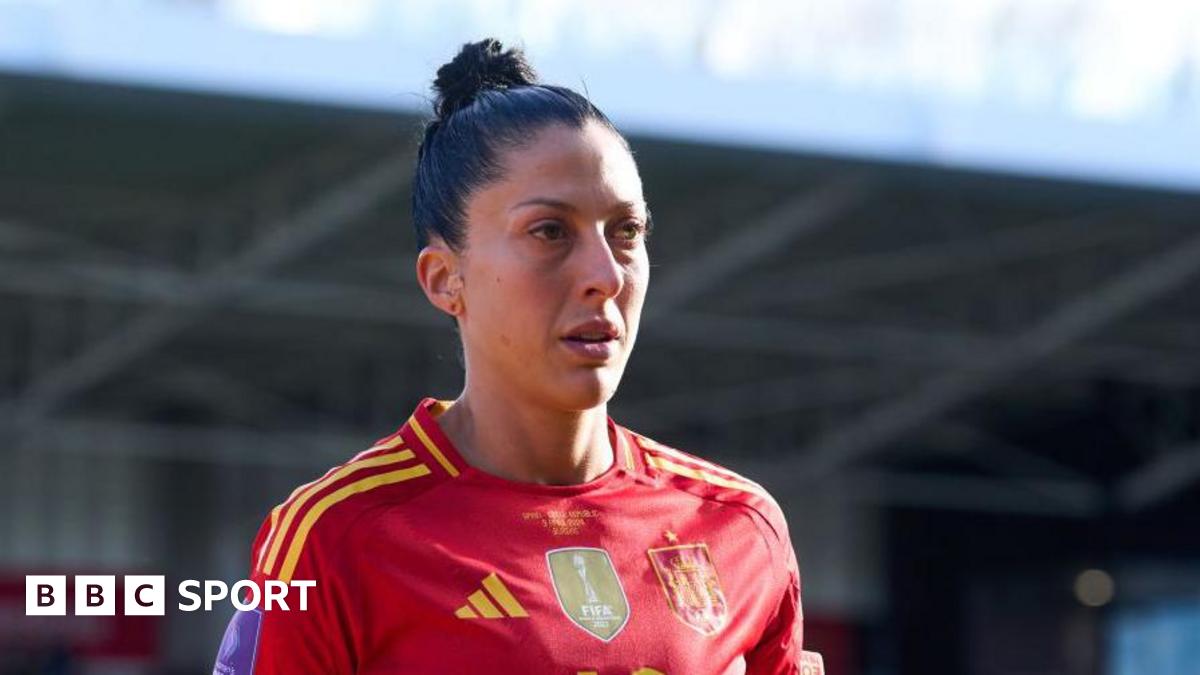
Jenni Hermoso, Spain’s all-time leading scorer with 57 goals, has been recalled to the national team by new manager Sonia Bermudez after a year-long absence. Hermoso last appeared for Spain in October 2024, coming off the bench in a match against Canada. Her return follows a tumultuous period during which she testified in the trial of former Spanish Football Federation (RFEF) president Luis Rubiales, who was convicted of sexual assault for kissing Hermoso without her consent after Spain’s 2023 World Cup final victory. Despite not being called up for Euro 2025, where Spain lost to England on penalties, Hermoso played a crucial role in Spain’s qualification campaign and their bronze medal match at the Paris Olympics, where they were defeated by Germany. Hermoso, who currently plays for Mexican club Tigres, expressed her emotions about the recall, stating, ‘I have to admit that I cried. It was a moment I have waited a long time for and I’ve been working for a long time for. To continue at this level and to be able to enjoy football with the national team is the reward for all that work.’ Hermoso, now 35, is the oldest member of the squad but remains undeterred by her age, emphasizing that ‘age is just a number.’ She is focused on making a fresh start and contributing to Spain’s upcoming Women’s Nations League semi-final against Sweden. Bermudez, who took over as manager after Montse Tome’s contract was not renewed in August, has also recalled Barcelona defender Mapi Leon, who last played for Spain in 2022. Hermoso’s return marks a significant moment for Spanish women’s football as they aim to rebuild and move forward from the controversies of the past.
标签: Europe
欧洲
-
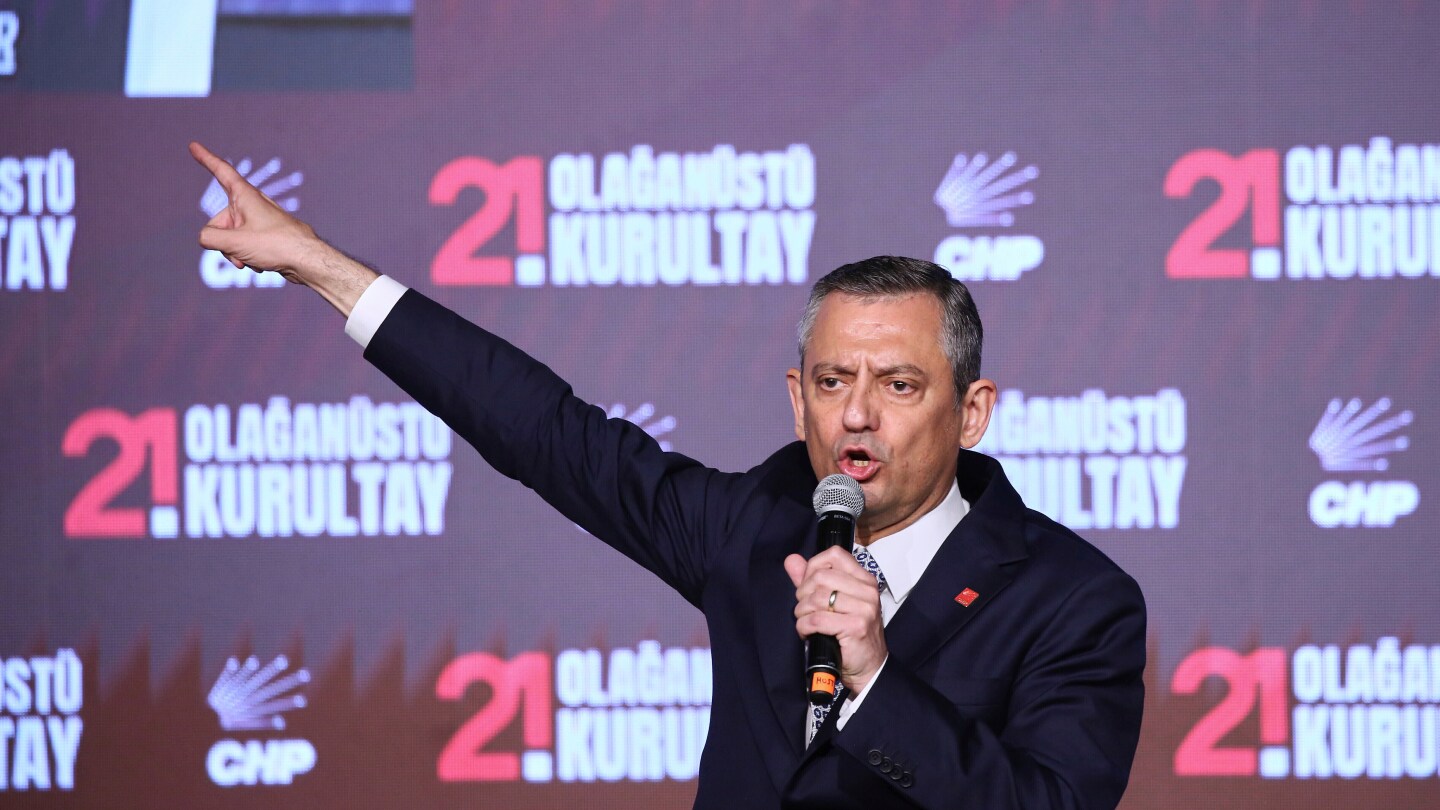
Turkish court dismisses case challenging main opposition party’s congress
In a significant ruling on Friday, a Turkish court dismissed a lawsuit challenging the legitimacy of the Republican People’s Party’s (CHP) internal election held in November 2023. The case, which sought to annul the party’s 38th congress, alleged electoral fraud, including vote-buying and procedural violations. The court found no legal basis to overturn the election results, thereby affirming the leadership of current CHP chairperson Ozgur Ozel. The lawsuit had raised the possibility of reinstating former leader Kemal Kilicdaroglu or appointing a trustee chairman, a move that could have destabilized the party. The CHP has consistently denied the allegations, labeling the legal action as a politically motivated effort by President Recep Tayyip Erdogan’s government to weaken the opposition through judicial pressure. Critics argue that the case is part of a broader crackdown on the CHP, which has gained momentum in recent local elections. The party’s municipalities, including Istanbul under Mayor Ekrem Imamoglu, have faced waves of arrests this year. Imamoglu, a prominent Erdogan critic, remains in pre-trial custody on corruption charges, which he denies. His arrest in March sparked widespread protests, further intensifying political tensions in the country. Erdogan’s administration maintains that Turkey’s judiciary operates independently and that investigations are focused solely on combating corruption.
-
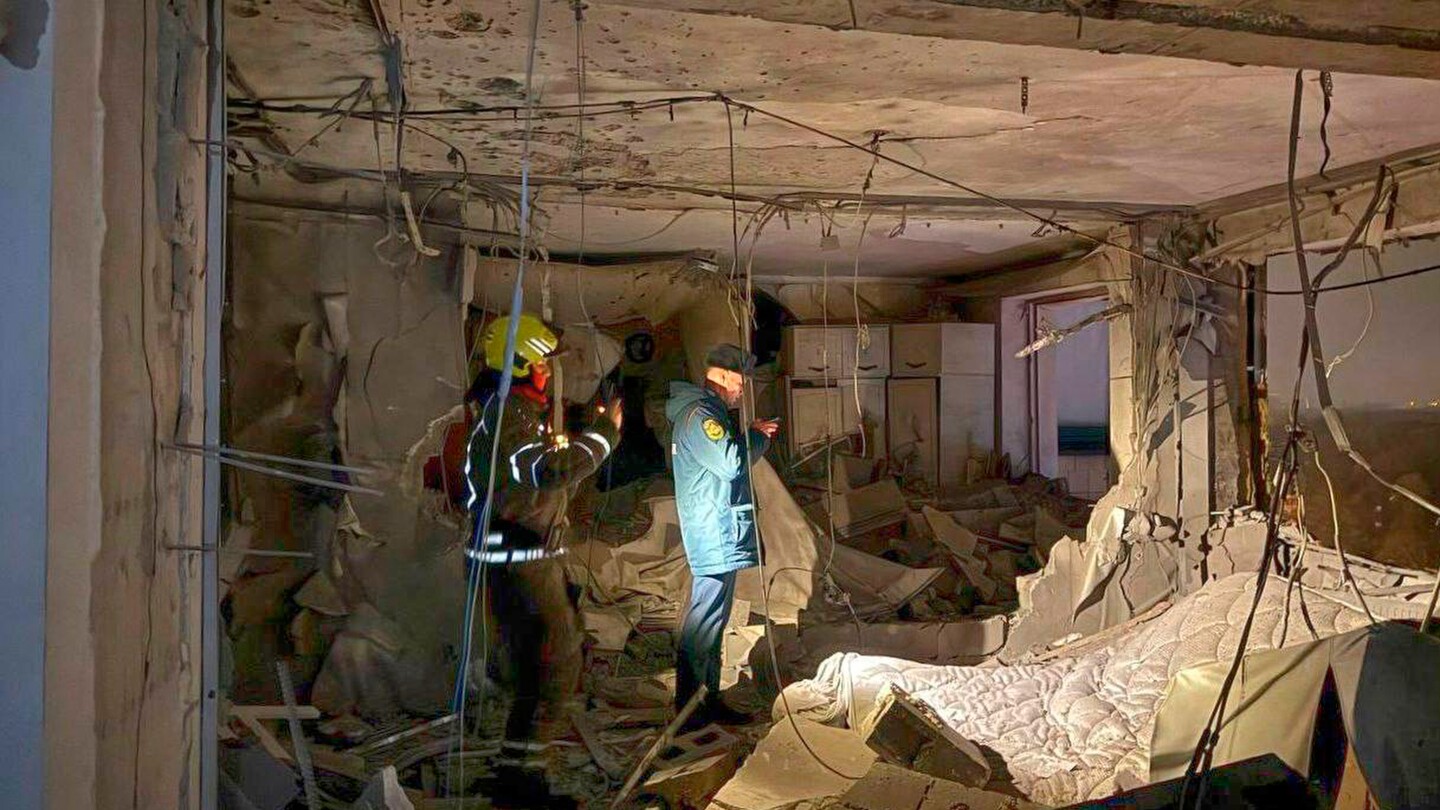
Zelenskyy to meet European leaders in London for talks on military aid for Ukraine
Ukrainian President Volodymyr Zelenskyy arrived in London on Friday for a high-stakes meeting with over two dozen European leaders, hosted by British Prime Minister Keir Starmer. The discussions centered on strengthening Ukraine’s defenses against ongoing Russian aggression, particularly as winter approaches and the conflict enters its fourth year. Key topics included safeguarding Ukraine’s power grid from relentless drone and missile attacks, enhancing air defense systems, and supplying Kyiv with long-range missiles capable of striking deep within Russian territory. The gathering also aimed to intensify pressure on Russian President Vladimir Putin, building on recent sanctions imposed by the U.S. and European nations targeting Russia’s oil and gas exports. Despite these measures, Putin has remained steadfast in his refusal to negotiate peace, maintaining that Russia’s invasion of Ukraine is justified. Western leaders, including Starmer, expressed frustration over Putin’s unyielding stance, emphasizing repeated offers to end the conflict. The meeting, attended by NATO Secretary-General Mark Rutte and other European leaders, also explored the formation of a future “reassurance force” to support Ukraine’s security. This force, likely comprising air and naval support rather than ground troops, would rotate its headquarters between Paris and London. Meanwhile, the war continues to exact a heavy toll, with both sides suffering significant casualties and civilian infrastructure sustaining widespread damage. Recent drone attacks in Moscow and artillery strikes in Kherson underscore the ongoing volatility of the conflict. As Ukraine’s Western allies grapple with funding and postwar security guarantees, the London talks represent a critical step in shaping the international response to Europe’s largest military confrontation since World War II.
-
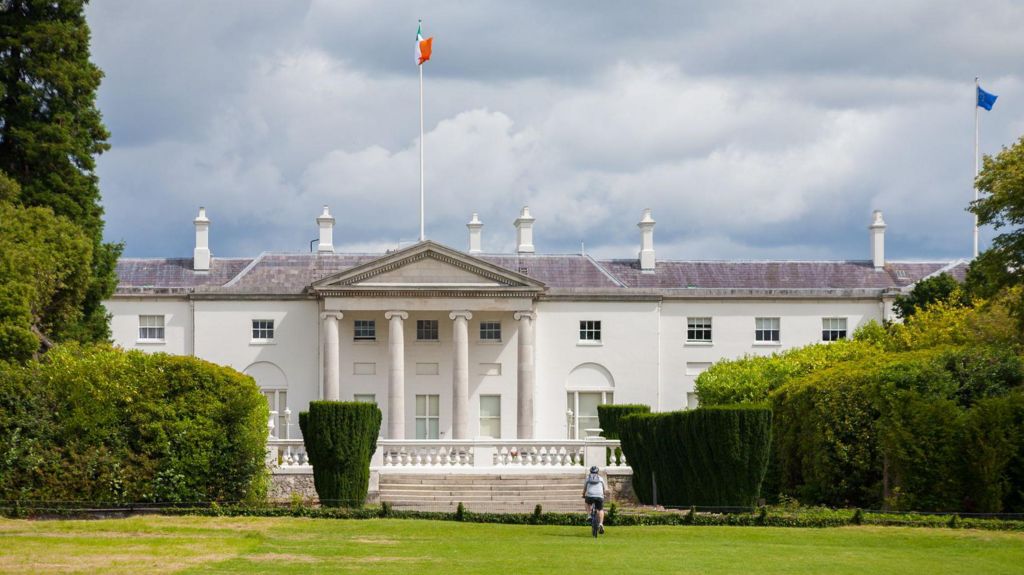
Who were Ireland’s former presidents?
As the Republic of Ireland gears up to elect its 10th president on Friday, the nation reflects on the legacy of its past leaders. The election sees Independent TD Catherine Connolly, supported by Sinn Féin and left-wing parties, pitted against Fine Gael’s Heather Humphreys. This pivotal moment in Irish politics offers an opportunity to revisit the contributions of previous presidents who have shaped the nation’s history.
Douglas Hyde, Ireland’s first president (1938-1945), was a pivotal figure in the revival of the Irish language and culture. A co-founder of the Gaelic League and a renowned academic, Hyde’s inauguration marked a significant moment in Irish history, with crowds gathering in Dublin to honor his leadership.
Seán T Ó Ceallaigh, the second president, served two terms and played a crucial role in Ireland’s political evolution. A founder of Sinn Féin and a key figure in the 1916 Easter Rising, Ó Ceallaigh was instrumental in Ireland’s transition to a republic, signing the Republic of Ireland Act in 1948.
Eamon de Valera, born in New York, was a central figure in Ireland’s struggle for independence. A teacher, revolutionary, and founder of Fianna Fáil, de Valera served multiple terms as taoiseach before becoming president, leaving an indelible mark on Irish politics.
Erskine Childers, the fourth president, had a brief but impactful tenure. Born into a Protestant family in London, Childers’ presidency was marked by his commitment to public service and his father’s legacy of Irish nationalism.
Patrick Hillery, a medical doctor from County Clare, served two terms as president. His leadership came during a period of constitutional turmoil, and he emphasized the importance of the presidency in maintaining stability and continuity.
Mary Robinson, Ireland’s first female president, symbolized a new era of social change. A champion of women’s rights, Robinson’s election in 1990 marked a significant shift in Irish politics, paving the way for greater gender equality.
Mary McAleese, the first president from Northern Ireland, focused on reconciliation and building bridges between communities. Her presidency was highlighted by Queen Elizabeth’s historic visit to Ireland in 2011, a testament to the success of the peace process.
Michael D Higgins, the outgoing president, has been a vocal advocate for social justice and human rights. His two terms have been marked by his engagement with national and global issues, leaving a lasting impact on Irish society.
As Ireland prepares to welcome its 10th president, the nation looks forward to a new chapter in its political history, building on the foundations laid by its distinguished predecessors.
-
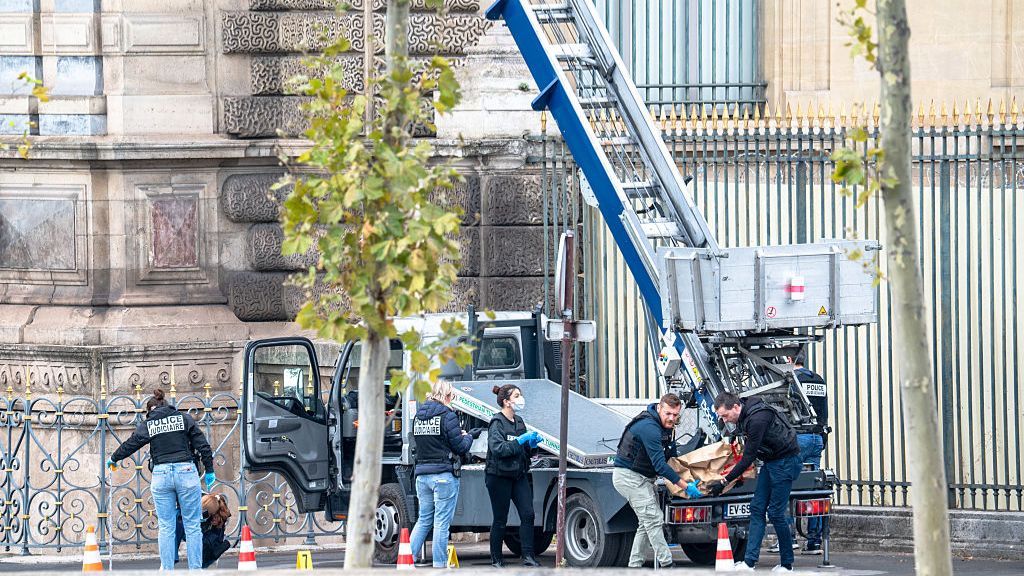
Louvre heist inspires ad campaign for ‘whisper’ quiet lift
A German company, Böcker, has found itself unexpectedly linked to the high-profile theft at the Louvre Museum after one of its mechanical lifts was allegedly used in the heist. The Werne-based firm has seized the opportunity to launch a creative advertising campaign, leveraging the global attention surrounding the incident. The campaign features an image of their Agilo ladder extending to the Gallery of Apollo balcony, accompanied by the tagline, ‘When you need to move fast. The Böcker Agilo transports your treasures weighing up to 400kg at 42m/min – quiet as a whisper.’
The theft, which occurred on Sunday, involved the theft of €88 million worth of France’s crown jewels. Video footage shows the alleged thieves escaping on the Böcker ladder. Alexander Böcker, the company’s managing director, emphasized that while the crime is reprehensible, the incident provided a unique opportunity to promote their family-run business. ‘It was… an opportunity for us to use the most famous and most visited museum in the world to get a little attention for our company,’ he told AFP.
The campaign has garnered enthusiastic responses on social media, with users praising it as ‘marketing genius’ and ‘German quality.’ Mr. Böcker revealed that the ladder was sold years ago to a French customer who rents such equipment in Paris. The thieves reportedly arranged a demonstration of the machine last week and stole it during the process.
The Louvre reopened on Wednesday, days after what has been dubbed France’s most shocking theft. Museum director Laurence des Cars admitted to security lapses, including inadequate CCTV coverage. ‘We failed these jewels,’ she said, taking responsibility for the incident. Interior Minister Laurent Nuñez expressed confidence that the thieves, believed to be part of a criminal organization, would be apprehended.
-
What to know about Ireland’s election as the country votes for a new president
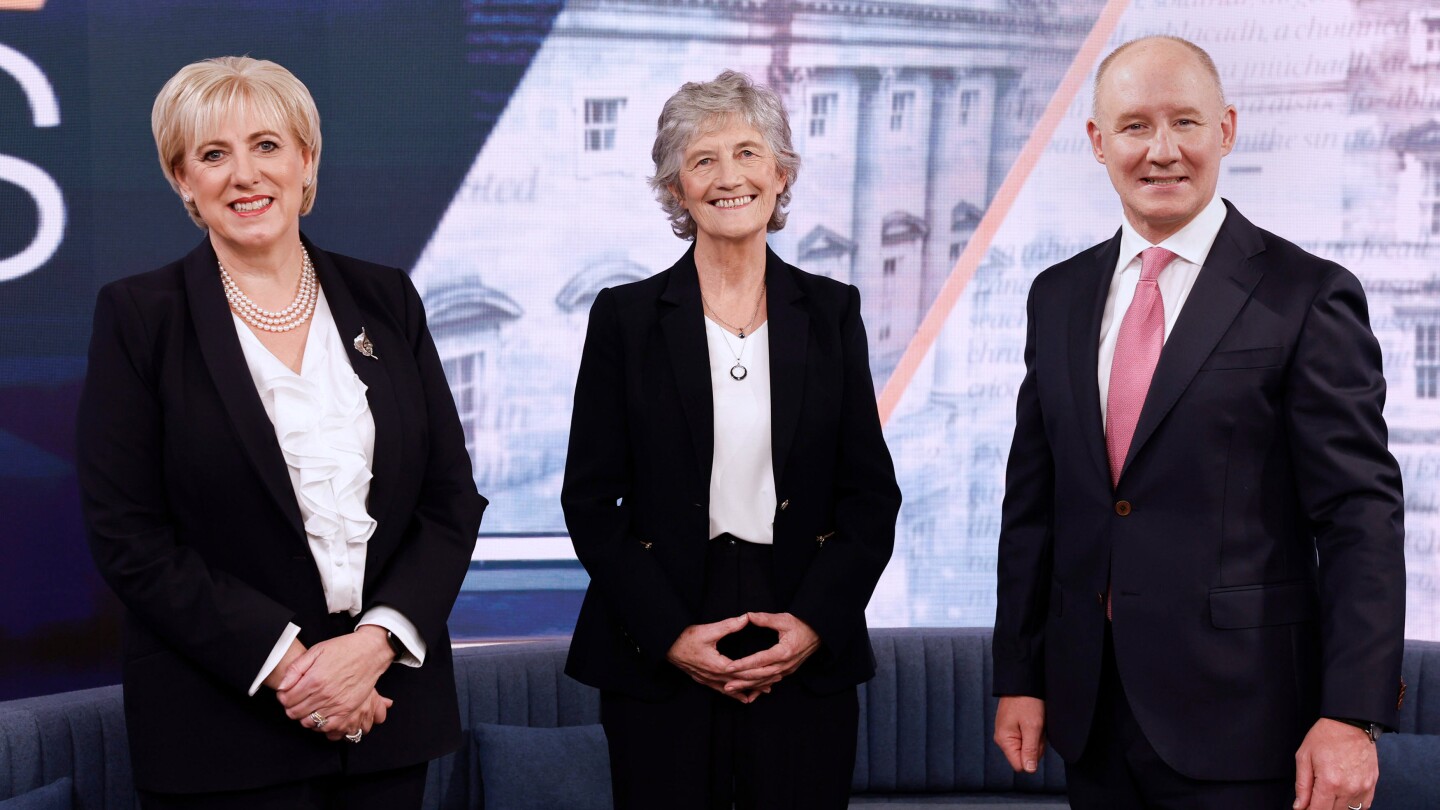
Ireland is poised to elect its next president in a landmark vote on Friday, with two women vying for the largely ceremonial role. Catherine Connolly, a left-wing independent lawmaker supported by Sinn Féin, is the frontrunner, holding a commanding lead of approximately 40% in recent polls. Her rival, Heather Humphreys of the center-right Fine Gael party, trails with 20% to 25% support. The election marks the end of Michael D. Higgins’s 12-year presidency, as he completes his maximum two terms. The race narrowed after other potential candidates, including musician Bob Geldof and former MMA champion Conor McGregor, failed to secure nominations. Connolly, a former barrister and independent lawmaker since 2016, has faced criticism for her stance on Israel and Hamas, as well as her past legal work for banks involved in home repossessions. Despite this, she has garnered endorsements from left-leaning parties and pledges to be an “independent president for all the people.” Humphreys, a seasoned government official, emphasizes her centrist, pro-business, and pro-EU approach, aiming to foster unity with Northern Ireland. The president’s role, while ceremonial, includes appointing the prime minister, signing laws, and influencing public discourse on key issues. Polls close at 10 p.m. Friday, with results expected by late Saturday, followed by the inauguration at Dublin Castle.
-
Starmer to push allies on long-range missiles for Ukraine at London summit
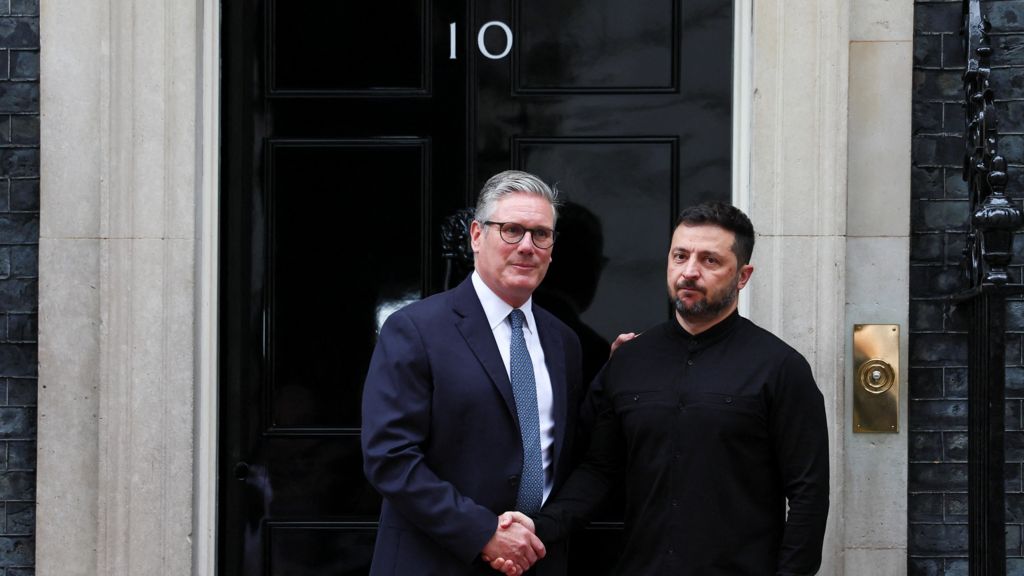
British Prime Minister Sir Keir Starmer is set to host Ukrainian President Volodymyr Zelensky and a coalition of over 20 allied nations in London on Friday. The meeting, dubbed the ‘coalition of the willing,’ aims to strengthen Ukraine’s military capabilities, particularly by providing long-range missiles to target Russian positions. Zelensky has persistently sought advanced weaponry from Western allies, a move Russia has warned could escalate the conflict. This gathering follows Zelensky’s recent diplomatic successes, including Donald Trump’s decision to impose further sanctions on Russia and the European Union’s agreement to address Ukraine’s budgetary shortfall. Sir Keir emphasized the urgency of pressuring Moscow to negotiate peace, citing recent Russian strikes on civilian targets, including a nursery in Kharkiv that claimed the lives of two children. The UK will also expedite the delivery of 100 air defense missiles as part of a £1.6 billion defense deal signed in March. The summit will include NATO Secretary General Mark Rutte, Danish Prime Minister Mette Frederiksen, and Dutch Prime Minister Dick Schoof, with French President Emmanuel Macron joining virtually. Discussions will also focus on strategies to remove Russian oil and gas from global markets and explore the use of frozen Russian assets to support Ukraine financially. However, a proposal to utilize €140 billion in frozen assets faced political and legal challenges at the recent Brussels summit. The US has also ramped up pressure on Moscow by sanctioning Russia’s largest oil companies, Rosneft and Lukoil. Russia’s invasion, which began in February 2022, continues to occupy approximately 20% of Ukrainian territory, including Crimea.
-
German bid to close migrant boats loophole could face delay
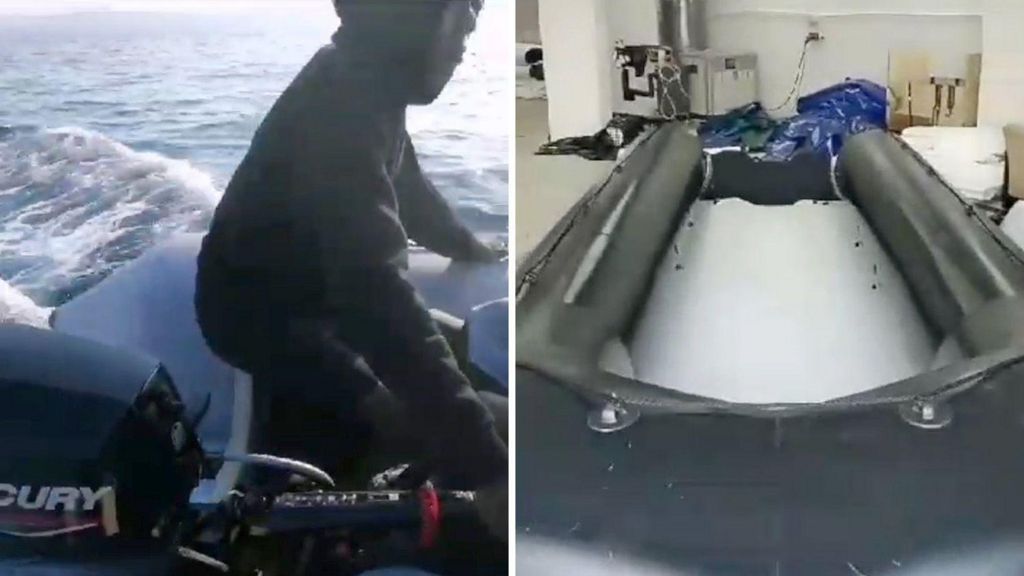
Germany’s commitment to tighten laws against small-boat smuggling faces growing uncertainty, as delays in legislative processes threaten to derail efforts to combat illegal Channel crossings. A BBC investigation last year revealed that Germany serves as a hub for storing boats and engines used in these crossings, prompting Berlin to pledge legal reforms by the end of 2025. However, the German Interior Ministry has only confirmed its intention to introduce the bill to parliament by the deadline, without guaranteeing its final approval this year. The proposed legislation aims to criminalize the facilitation of human smuggling to the UK, a loophole that currently exists post-Brexit. Despite UK pressure, German officials have not prioritized the bill, with some expressing skepticism about its effectiveness in curbing illegal migration. Meanwhile, France is reportedly retreating from its pledge to intercept migrant boats at sea, further complicating international efforts to address the issue. The UK’s Labour government, which has emphasized closer international collaboration, faces mounting pressure to demonstrate the efficacy of its strategy. Any delay in Germany’s legal reforms is likely to exacerbate UK frustrations, as it has long urged Berlin to strengthen its rules and enforcement mechanisms.
-
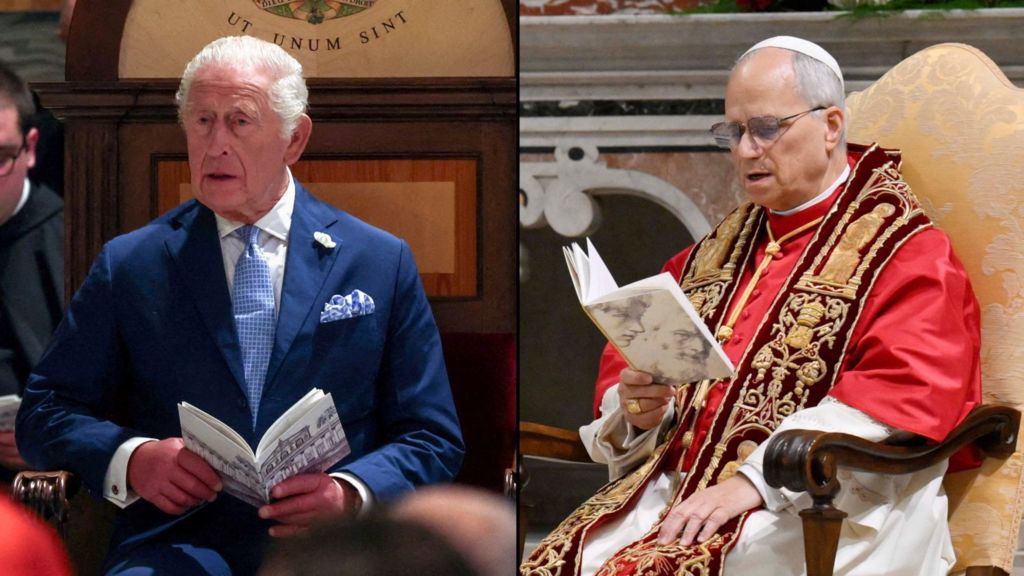
Watch: Historic moment King Charles prays alongside Pope Leo
In an unprecedented event marking a significant milestone in religious history, King Charles and Pope Leo shared a moment of prayer together, a gesture unseen since the Reformation. This historic encounter symbolizes a profound step towards unity between the Anglican and Catholic churches, which have been divided for centuries. The meeting, held in a serene and solemn atmosphere, underscored the mutual respect and shared spiritual values between the two leaders. Observers noted that this momentous occasion could pave the way for enhanced dialogue and cooperation between the two faiths, fostering a spirit of reconciliation and understanding in a world often marked by religious discord.
-
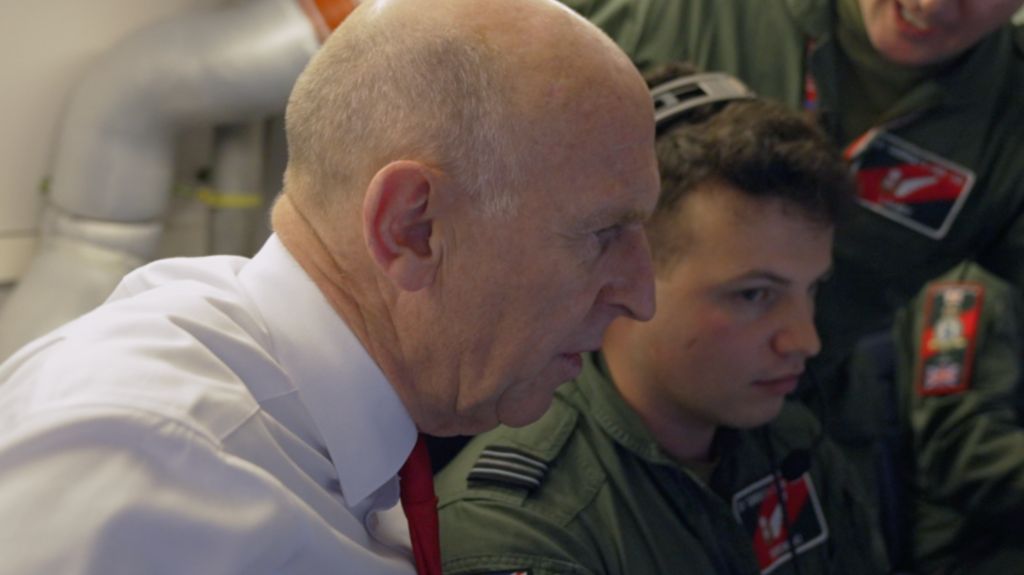
UK defence secretary warns Putin: ‘We’re watching you’
Defence Secretary John Healey has issued a stark warning to Russian President Vladimir Putin, declaring, ‘We’re hunting your submarines.’ Healey revealed a 30% increase in Russian vessels encroaching on UK waters, signaling a broader pattern of Russian aggression that extends beyond Ukraine to impact Europe as a whole. The Ministry of Defence confirmed that Russian submarine activity in the North Atlantic has surged to levels reminiscent of the Cold War era. In response, the RAF and Royal Navy have intensified their surveillance efforts, with RAF P-8 aircraft conducting frequent missions, often supported by NATO allies. BBC News accompanied Healey on a flight aboard a P-8, a high-tech spy plane equipped with advanced cameras, sensors, and sonar buoys designed to detect and track submarines. The crew, working in a highly classified environment, monitors both surface vessels and underwater threats. Recent incidents, such as the tracking of the Russian spy ship Yantar near undersea cables in the Irish Sea, highlight growing Western concerns over Russia’s potential to disrupt critical infrastructure. Germany, a key ally, has ordered eight P-8 aircraft and is deepening its defense collaboration with the UK under the Trinity House Agreement. German Defence Minister Boris Pistorius, who joined Healey on the flight, emphasized the North Atlantic’s strategic importance and the need for vigilance against Russian hybrid warfare tactics, including disinformation and threats to undersea infrastructure. The two nations are also cooperating on cybersecurity and arms production, further solidifying their partnership in the face of escalating Russian threats.