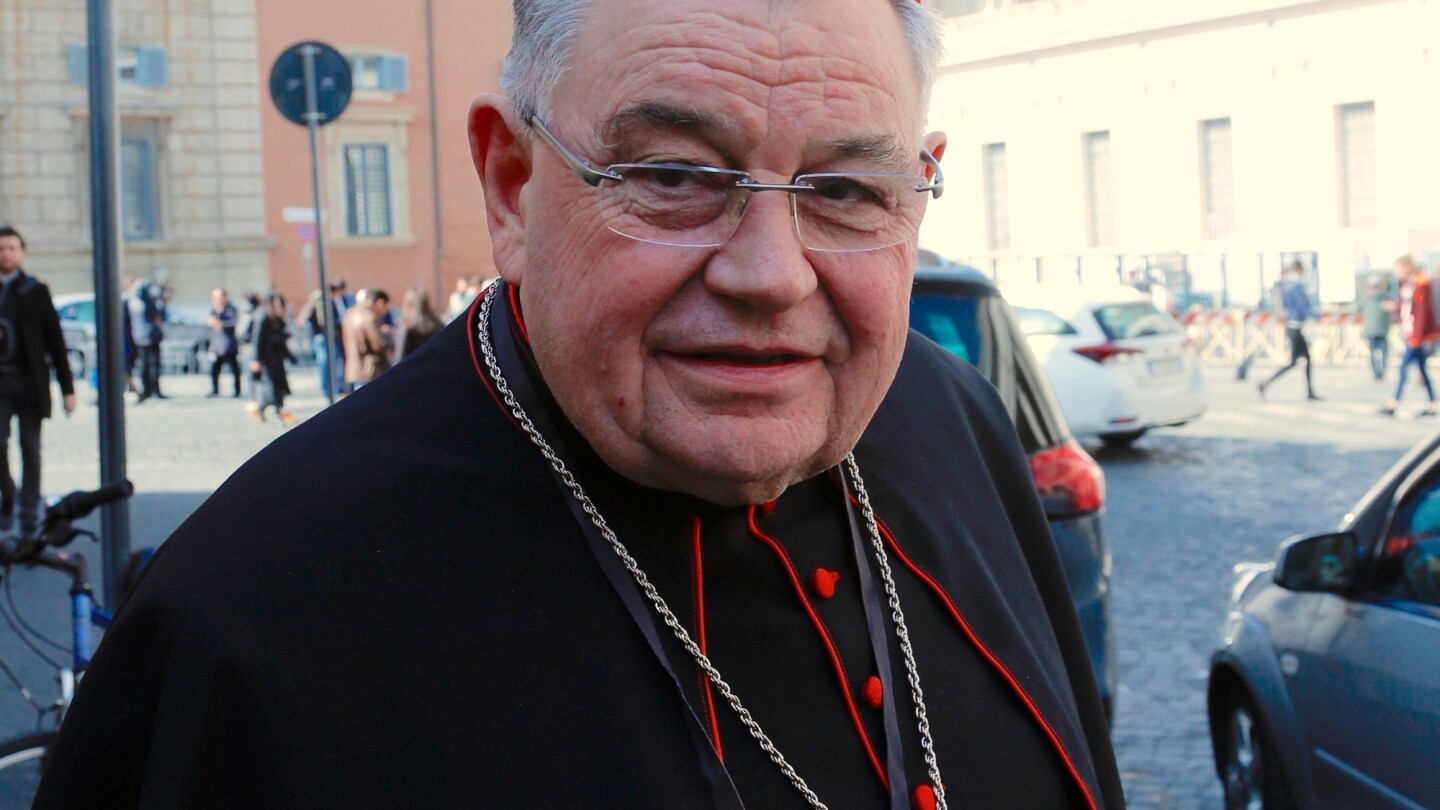
Cardinal Dominik Duka, the former Archbishop of Prague who played a pivotal role in negotiating compensation for churches following the Communist regime’s confiscation of religious properties, passed away on Tuesday at the age of 82. The Prague Archdiocese confirmed his death in a statement, though the cause was not disclosed. Born Jaroslav Václav Duka on April 26, 1943, in Hradec Králové, Duka’s life was marked by resilience and dedication to the Catholic Church amidst intense persecution. After the Communist takeover of Czechoslovakia in 1948, the Church faced severe repression, with properties seized, priests imprisoned, and religious activities heavily monitored. Duka secretly joined the Dominican Order in 1968, adopting the name Dominik, and was ordained in 1970. However, he was banned from priestly duties in 1975 and later imprisoned for 15 months in 1981 for continuing his church activities. During his incarceration at Bory Prison in Plzeň, he befriended Václav Havel, the dissident playwright who later led the Velvet Revolution and became Czech president. Duka’s leadership as Prague Archbishop from 2010 to 2022 was instrumental in the Czech Republic’s passage of a law to return confiscated religious properties, with the government agreeing to pay $3 billion in compensation over 30 years. Despite his conservative views and controversies, including accusations of downplaying clerical abuse, Duka was widely respected for his bravery during the Communist era and his efforts to renew the Church in a democratic society. Prime Minister Petr Fiala praised his contributions, highlighting his courage and significant role in the nation’s history.
标签: Europe
欧洲
-
Paris launches lottery for burial plots among famous artists
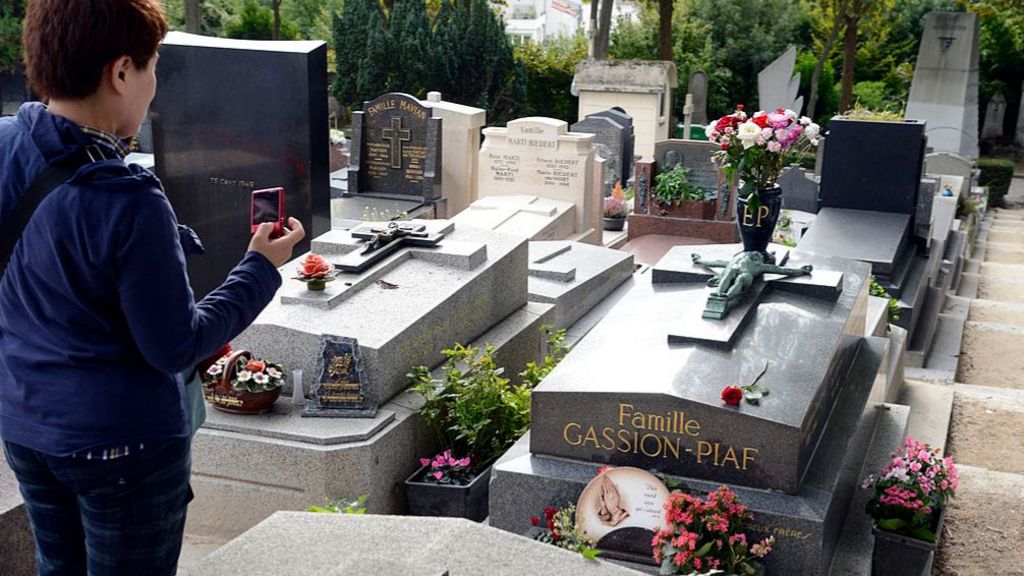
Paris is offering its residents a unique opportunity to secure a burial plot alongside some of history’s most celebrated figures, including Jim Morrison, Oscar Wilde, and Edith Piaf. The city has initiated a lottery to restore deteriorating funerary monuments in its iconic cemeteries—Père-Lachaise, Montparnasse, and Montmartre. Ten gravestones in each cemetery, many dating back to the 19th century and now barely legible, are available for €4,000 each. However, the purchase comes with strict conditions: buyers must restore the monuments within six months and acquire a nearby burial plot within a specified timeframe. Failure to meet these requirements will result in the cancellation of the sale and forfeiture of the payment. The initiative, unanimously approved by the Paris council in April, aims to balance the preservation of heritage with the growing demand for burial spaces within the city. Parisian cemeteries, classified as protected heritage sites, have limited available plots, with most being fully occupied since the early 20th century. Maintenance of graves is typically the responsibility of families, leading to some monuments falling into disrepair over time. The cemeteries, already popular tourist destinations due to their famous residents, house the remains of luminaries such as Marcel Proust, Frederic Chopin, Jean-Paul Sartre, and Edgar Degas. The lottery, open exclusively to Paris residents, will be drawn in January. Winners face significant costs, including restoration expenses and burial plot leases ranging from €976 for 10 years to €17,668 for perpetuity.
-
European Union tries to forge new climate targets before the COP30 summit in Brazil starts next week
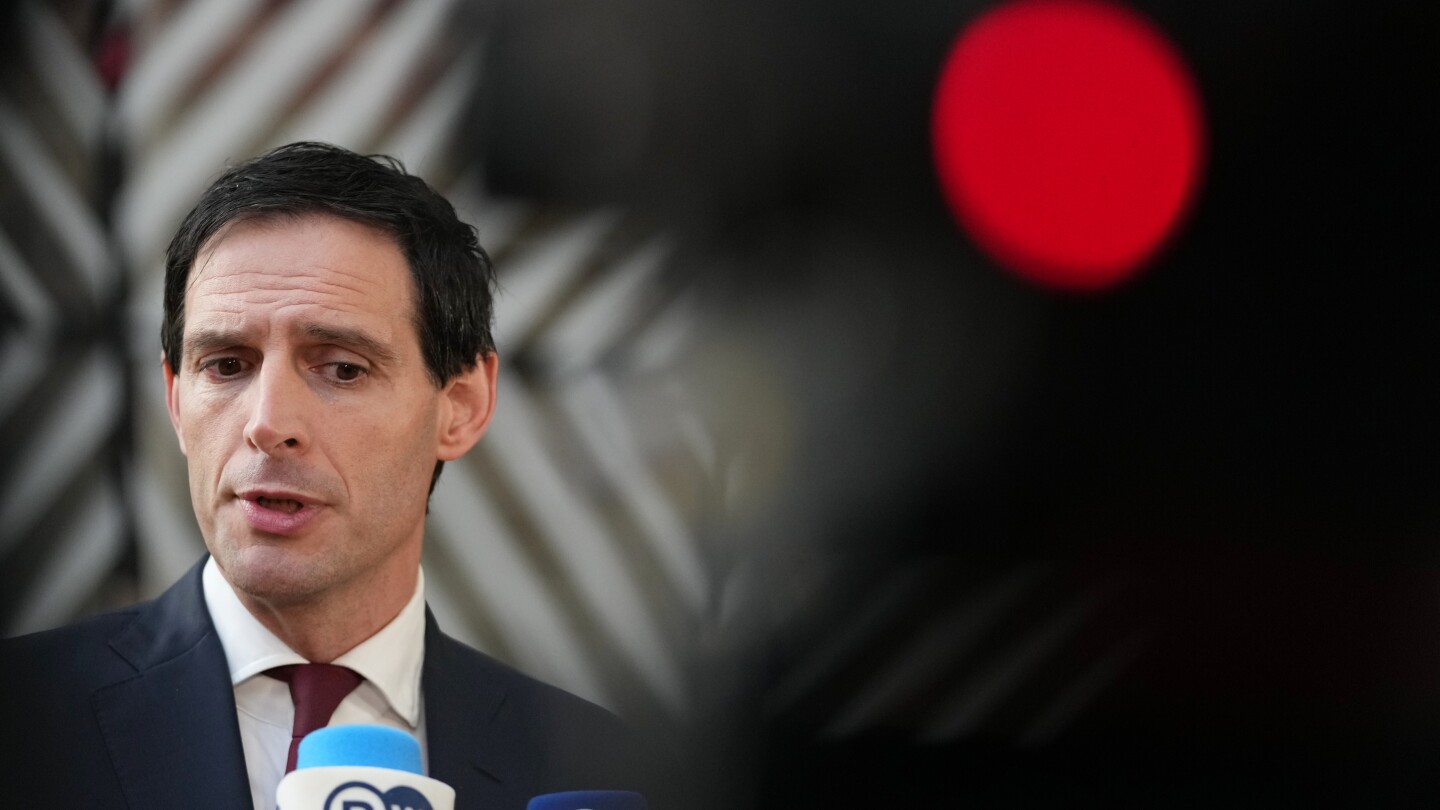
As the United Nations climate talks in Brazil approach, the European Union is intensifying efforts to establish cohesive climate objectives. On Tuesday, ministers from the 27-nation bloc convened in Brussels to align their nationally-determined emissions targets, aiming to present a unified front at the COP30 summit in Belém. Spanish climate minister Sara Aagesen emphasized the urgency, stating, ‘We need to show the world that we are leaders in climate change. Today’s the day.’
The EU’s longstanding leadership in climate action faces challenges from both domestic and international pressures. Recent extreme weather events, including wildfires, heat waves, and floods across Europe, have amplified calls for more robust climate measures. However, geopolitical tensions, such as Russia’s war in Ukraine and strained relations with the United States, have complicated efforts to maintain ambitious environmental policies.
Environmentalists have expressed concern over the European Commission’s recent weakening of a deforestation law, interpreting it as a potential shift away from green priorities. Despite this, European Commission President Ursula von der Leyen reaffirmed the EU’s commitment to climate leadership in September, pledging to achieve climate neutrality and reduce carbon emissions by 90% by 2040. She also linked climate investment to sovereignty and defense, arguing that a self-reliant Europe is better equipped to handle global threats.
Since the Paris Agreement in 2015, many EU governments have shifted to the right, with some viewing climate regulations as economic constraints. Others argue that Europe must lead in renewable energy production to avoid dependency on countries like China. EU climate commissioner Wopke Hoekstra stressed the need to balance climate action with industrial competitiveness and independence, noting, ‘It takes 27 to tango.’
The U.S. withdrawal from the Paris Agreement has further unsettled Europe, which had previously collaborated closely with the U.S. on climate initiatives. The Paris Agreement aims to limit global temperature rise to 1.5°C above pre-industrial levels, requiring significant reductions in greenhouse gas emissions. The EU’s commitments have spurred investments in renewable energy and electric vehicles, often in competition with Chinese firms.
Europe, the world’s fastest-warming continent, has experienced accelerated warming since the 1980s, leading to more extreme weather events. Swedish climate minister Romina Pourmokhtari underscored the importance of maintaining ambition, stating, ‘Today is about standing ground and not only talking the talk when it is easy, but also walking the walk when it becomes difficult.’ The COP30 summit is scheduled for November 10-21 in Brazil.
-
Ukrainian drones reach deep inside Russia as battle for key city rages on
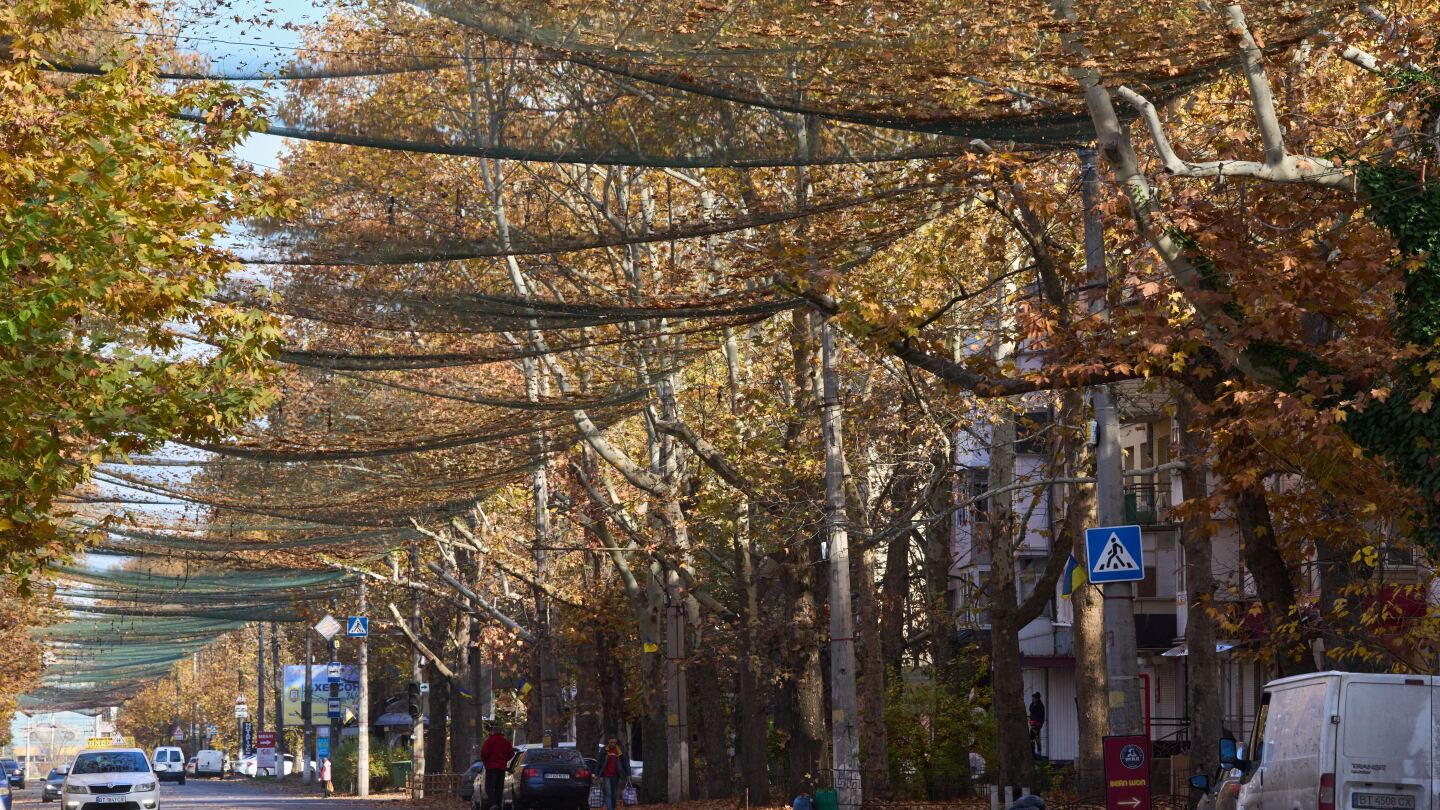
In a bold escalation of its military strategy, Ukraine deployed long-range drones to strike an industrial facility approximately 1,300 kilometers (800 miles) inside Russian territory, according to local officials on Tuesday. The attack targeted a plant in Sterlitamak, located in Russia’s Bashkortostan region. Regional Governor Radiy Habirov confirmed that two drones were intercepted and shot down, with no casualties reported. The facility, whose specific purpose was not disclosed, continued normal operations. However, an explosion at the Sterlitamak Petrochemical Plant caused partial collapse of its water treatment facility, though the cause remains unclear. This plant, which produces rubber and aviation fuel, had not previously been targeted in such attacks.
Meanwhile, the conflict on the ground remains intense, with Ukrainian forces struggling to repel a Russian offensive in the strategically vital city of Pokrovsk in the eastern Donetsk region. This area has been a focal point of the war for over a year, with Russia recently intensifying its efforts and claiming incremental progress. The Institute for the Study of War, a Washington-based think tank, noted that Russian forces are advancing in the Pokrovsk direction and appear increasingly comfortable operating within the city itself.
Ukraine’s use of domestically produced drones to strike deep into Russian territory has disrupted Moscow’s war efforts, targeting manufacturing plants, oil refineries, and military logistics hubs. These strikes have reportedly caused embarrassment for Russian officials, who have been reluctant to disclose details of the damage. In addition to the Sterlitamak attack, explosions were reported in the Nizhny Novgorod region, home to an oil refinery and petrochemical plant, though officials did not confirm these incidents.
The Russian Defense Ministry claimed to have intercepted 85 Ukrainian drones overnight, while Ukraine reported that Russia launched seven missiles and 130 strike and decoy drones at Ukrainian targets, resulting in one death and 11 injuries, including two children. Romania’s Defense Ministry also reported that Russia carried out two attacks on Ukraine’s Danube port infrastructure near the NATO member’s border, prompting the deployment of fighter jets for air policing missions.
-
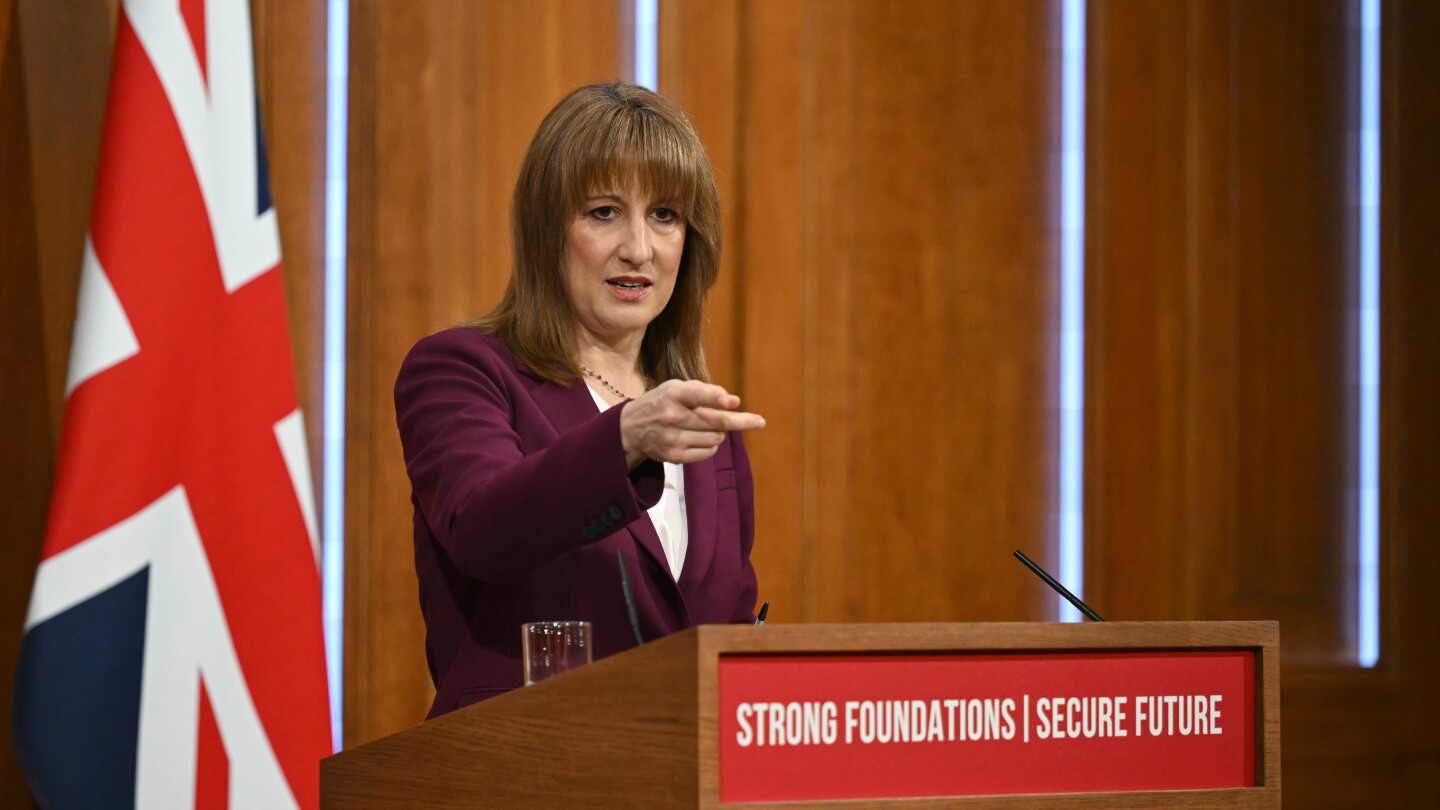
Britain’s Treasury chief prepares the ground for a tax-hiking budget
In a significant pre-budget announcement, UK Treasury Chief Rachel Reeves has indicated that tax increases are likely in the forthcoming budget, scheduled for November 26. Reeves, in an unusual move, addressed the public and financial markets three weeks ahead of the budget, preparing them for potential hikes in income and sales taxes. This decision marks a departure from her earlier election pledge to avoid such increases. Reeves emphasized the necessity of collective contribution to secure the nation’s future, hinting at broad tax adjustments. She attributed the need for these measures to several factors, including the UK’s substantial £2.6 trillion national debt, lower-than-expected productivity, and global economic challenges such as U.S. President Donald Trump’s tariffs, volatile supply chains, and rising government borrowing costs. Reeves also pointed to the economic mismanagement by the previous Conservative government, which has left the UK particularly vulnerable. Despite these challenges, Reeves aims to deliver a budget focused on growth, fairness, and strengthening public services, while reducing national debt and controlling inflation. However, her approach has faced criticism for being overly pessimistic and for increasing business taxes in the previous budget. Additionally, Reeves has been under scrutiny for allegedly renting out her London house without a proper license, a mistake for which she has apologized.
-
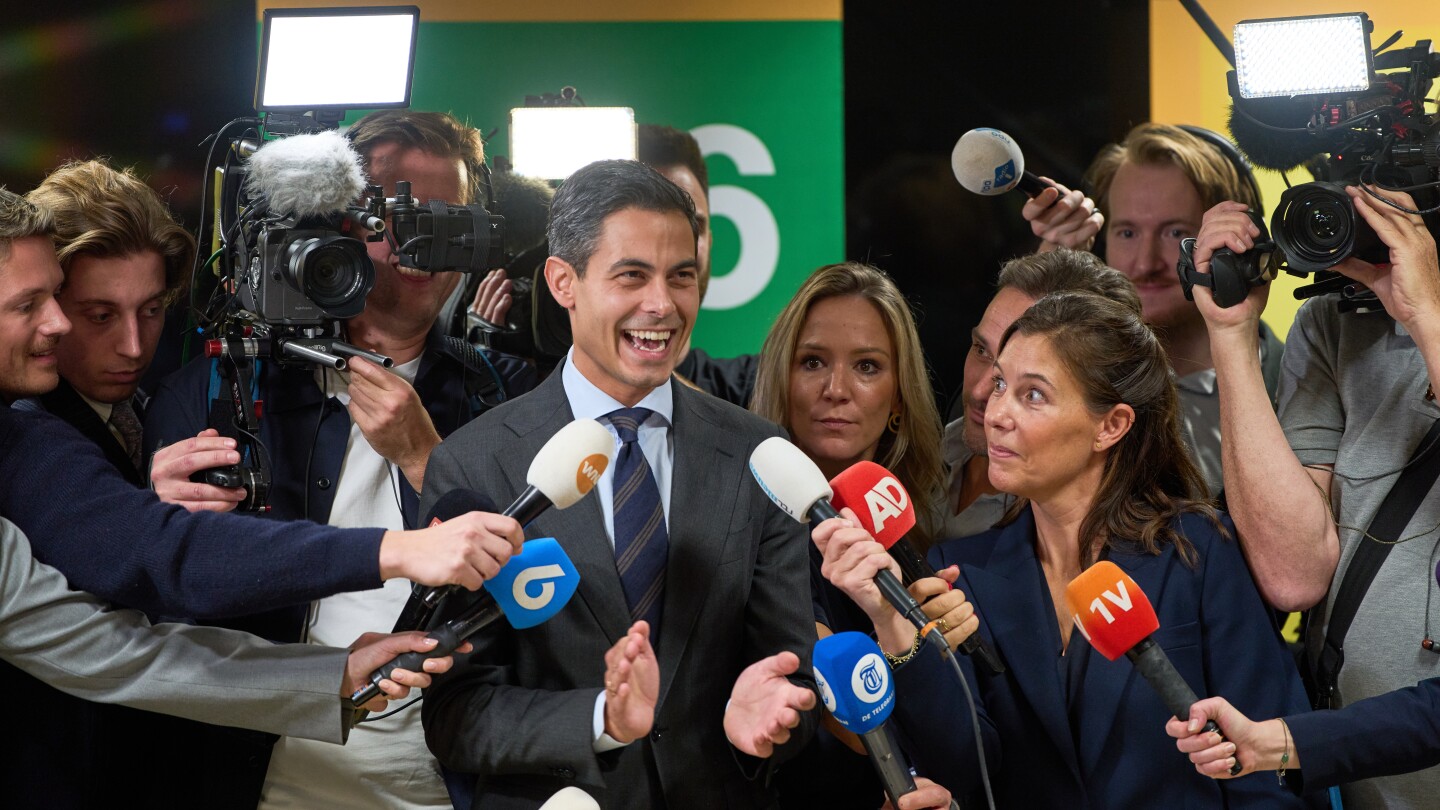
Centrist D66 party takes home win in Dutch election
In a dramatic conclusion to the Netherlands’ national election, the centrist D66 party narrowly defeated Geert Wilders’ far-right Party for Freedom (PVV), according to the final tally by national news agency ANP. Both parties secured 26 seats in parliament, with D66’s slim margin of approximately 28,000 votes insufficient to claim an additional seat. The outcome hinged on postal votes from Dutch citizens abroad, making it one of the closest electoral contests in recent Dutch history. Rob Jetten, the 38-year-old leader of D66, hailed the result as “historic” and expressed both pride and a sense of “great responsibility” to the nation. If successful in forming a coalition, Jetten would become the country’s youngest and first openly gay leader. For Wilders, the result marked an 11-seat decline for the PVV, a significant setback following its surge to prominence two years ago. Wilders has since faced criticism for his role in destabilizing a four-party coalition over migration policies. He has also raised unsubstantiated claims of voting irregularities, which were swiftly dismissed by local authorities and the independent Electoral Council. The council is set to formalize the election results on Friday. With the Dutch political landscape deeply fragmented, coalition negotiations are expected to be protracted, potentially lasting weeks or months. As the largest party, D66 will lead the efforts to form a government, with Jetten and his team beginning discussions on Tuesday.
-
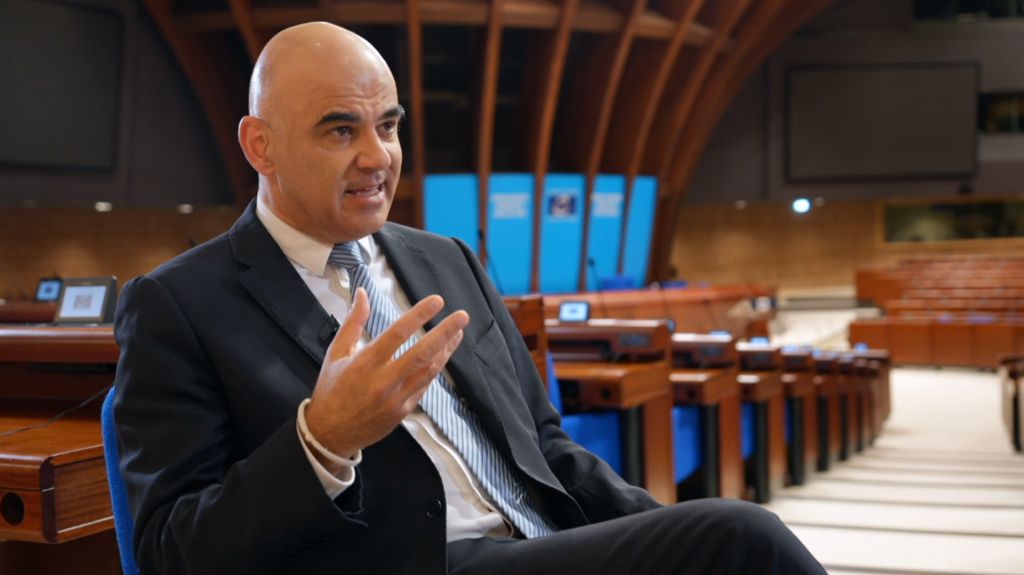
We are ready to discuss human rights law changes, top ECHR boss tells BBC
Alain Berset, Secretary General of the Council of Europe, has affirmed the organization’s readiness to engage in discussions about potential reforms to the European Convention on Human Rights (ECHR). In an exclusive interview with the BBC, Berset addressed mounting pressure from the UK and several EU nations, including Denmark and Italy, who are calling for significant changes to the convention, particularly in relation to migration policies. Berset emphasized that while human rights laws may need to adapt, the institutions established post-World War II, largely led by the UK, remain vital for maintaining peace, security, and justice across the continent. He warned that the UK’s potential withdrawal from the ECHR could lead to international isolation, especially in discussions on migration and global human rights. Berset also highlighted the broader implications of such a move, including its impact on Northern Ireland’s power-sharing agreement and the post-Brexit deal with the EU. He stressed the importance of maintaining a collective approach to human rights, particularly in light of the Council of Europe’s role in supporting Ukraine and preparing for war crime tribunals. Berset’s comments come ahead of the ECHR’s 75th anniversary, marking a pivotal moment for the organization as it navigates evolving political landscapes and challenges.
-
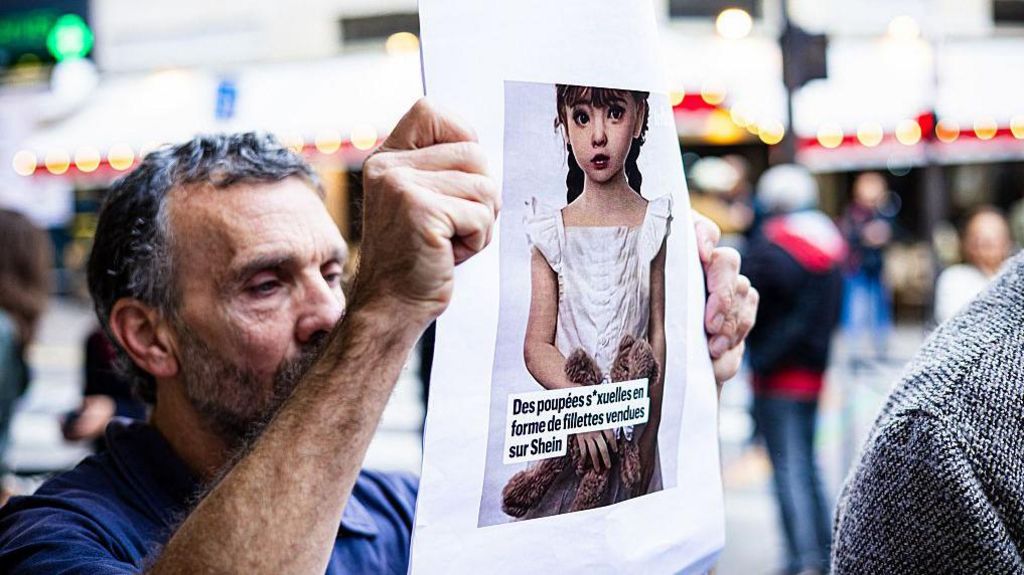
Shein bans all sex dolls after outrage over childlike products
Global online retail giant Shein has announced a worldwide ban on the sale of sex dolls, particularly those with ‘a childlike appearance,’ following accusations of hosting such products on its platform. The decision comes after France’s Directorate General for Competition, Consumer Affairs and Fraud Control flagged concerns over the weekend, describing the listings as having ‘little doubt as to the child pornography nature of the content.’ Shein responded swiftly, permanently banning all seller accounts linked to such products and temporarily removing its adult products category as a precaution. The company has also initiated a thorough review of its platform, vowing to implement stricter controls on sellers and enhance its keyword blacklist to prevent circumvention of restrictions. Executive Chairman Donald Tang emphasized Shein’s unwavering stance against child exploitation, stating, ‘The fight against child exploitation is non-negotiable for Shein. We are tracing the source and will take swift, decisive action against those responsible.’ The controversy erupted just days before Shein’s planned opening of its first permanent outlet in Paris, where protesters gathered outside the BHV department store. France’s finance minister threatened to ban the Singapore-based retailer from the country if it continued to sell the offending products. This incident adds to Shein’s existing scrutiny over its fast-fashion environmental impact and labor practices.
-
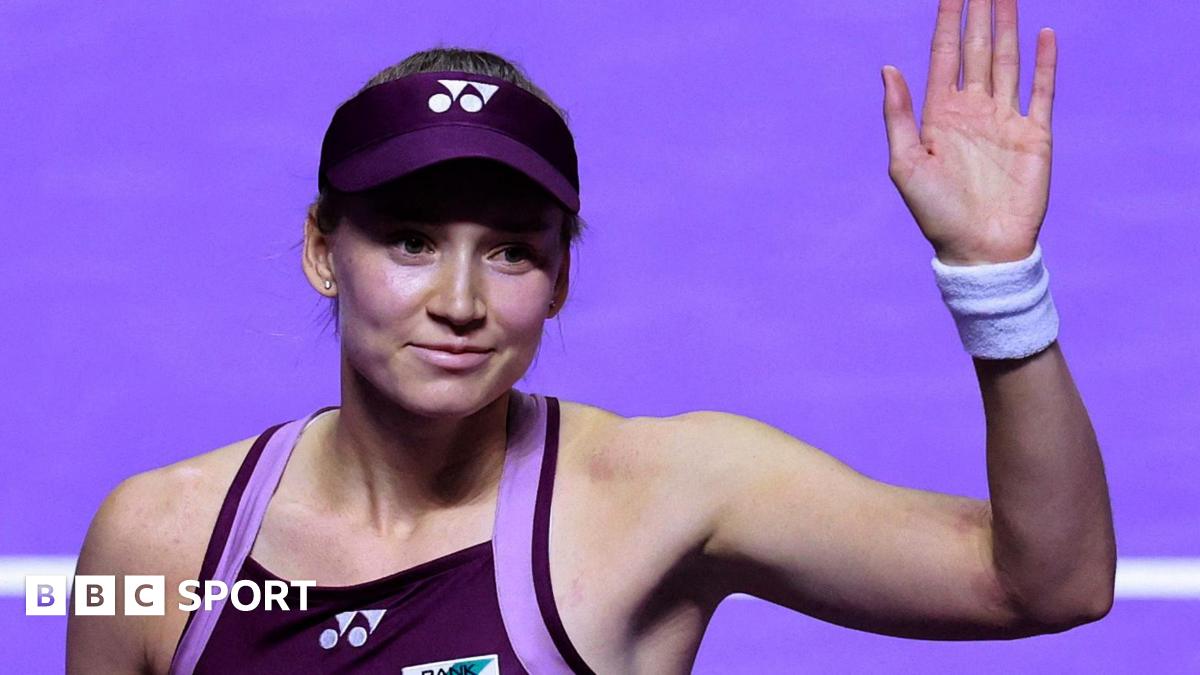
Rybakina stuns Swiatek to progress at WTA Finals
In a dramatic turn of events at the WTA Finals in Riyadh, Elena Rybakina delivered a stunning performance to defeat world number two Iga Swiatek and secure her place in the semi-finals. The Kazakh tennis star, who had previously struggled against Swiatek, turned the match around after losing the first set, winning 12 of the final 13 games to claim a 3-6, 6-1, 6-0 victory. This marked Rybakina’s first win over Swiatek in 19 months, ending a four-match losing streak against the Polish player. Rybakina attributed her success to mental resilience and a newfound confidence, stating, ‘I stayed focused, and everything started going my way.’ Meanwhile, Amanda Anisimova kept her tournament hopes alive with a comeback win against Madison Keys, setting up a decisive group match against Swiatek. The WTA Finals, featuring the top eight women’s singles and doubles players, offers a staggering £12 million ($15.5 million) in prize money. Rybakina, known for her powerful serve and aggressive play, has been tipped to challenge the sport’s elite since her Wimbledon triumph in 2022. However, she has faced challenges in maintaining consistency, while Swiatek and Aryna Sabalenka have dominated the Grand Slam scene. Swiatek, who leads the WTA Tour in match wins this year, struggled to maintain her early momentum, committing 42 unforced errors in the latter stages of the match. In doubles, Hsieh Su-wei and Jelena Ostapenko advanced to the knockout stage, while Elise Mertens and Veronika Kudermetova secured a hard-fought victory. The tournament continues to deliver high-stakes drama as players vie for the prestigious year-end title.
-
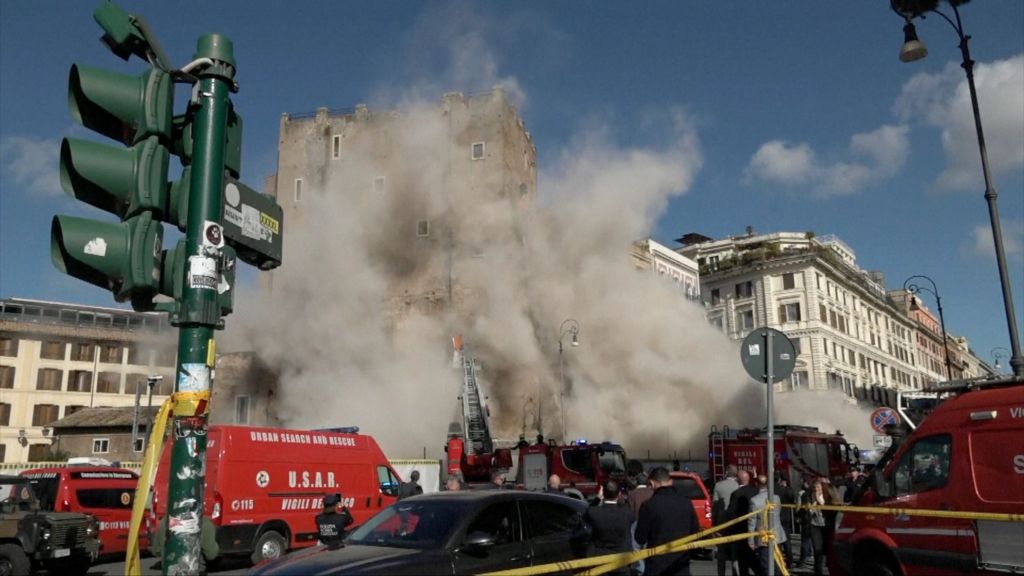
Watch: Moment medieval tower partially collapses in Rome
A significant portion of the medieval Torre dei Conti, located near Rome’s iconic Colosseum, collapsed unexpectedly, resulting in a dramatic rescue operation. The incident left one individual trapped under the debris and another critically injured. Emergency services swiftly responded to the scene, working tirelessly to extricate the trapped man and provide urgent medical care to the injured. The Torre dei Conti, a historic landmark dating back to the 13th century, is a testament to Rome’s rich architectural heritage. The collapse has raised concerns about the structural integrity of ancient buildings in the city, prompting calls for increased preservation efforts. Authorities have launched an investigation to determine the cause of the collapse, while locals and tourists alike expressed shock and sadness over the incident.