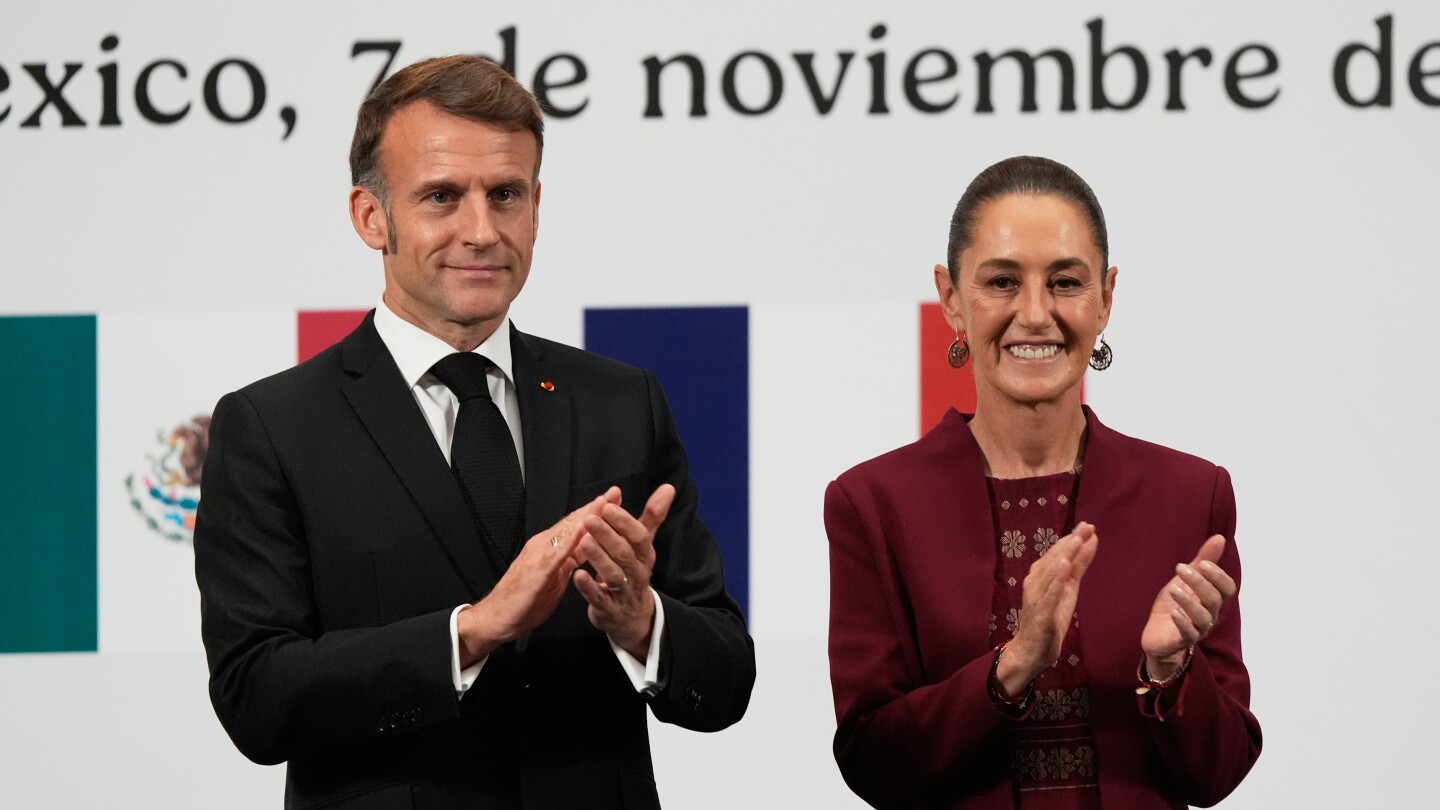
Mexico and France have unveiled ambitious plans to enhance their economic and cultural collaboration, marking a significant step in Mexico’s strategy to diversify its trade partnerships beyond the United States. The announcement followed a historic meeting between Mexican President Claudia Sheinbaum and French President Emmanuel Macron at Mexico City’s National Palace, Macron’s first official visit to the country. This move comes as Mexico grapples with persistent trade tensions with the US, which has imposed tariffs of up to 50% on key Mexican exports, including steel, copper, and tomatoes, outside the scope of the USMCA agreement. Macron emphasized the deepening of the strategic alliance, stating, ‘Today we begin a new chapter in our strategic alliance, one that demands — and that we want to be — even more global.’ He highlighted the role of 700 French companies operating in Mexico, particularly in the aerospace sector, which collectively generate 150,000 direct jobs and 700,000 indirect jobs. Sheinbaum underscored the importance of next year’s renewal of the EU-Mexico Free Trade Agreement, coinciding with the bicentennial of diplomatic relations between the two nations. Additionally, both leaders celebrated the reciprocal temporary exhibition of pre-Hispanic codices, including the Azcatitlan and Boturini manuscripts, which hold immense historical significance for Mexico. These efforts reflect a shared commitment to strengthening bilateral ties and fostering mutual cultural appreciation.
标签: Europe
欧洲
-
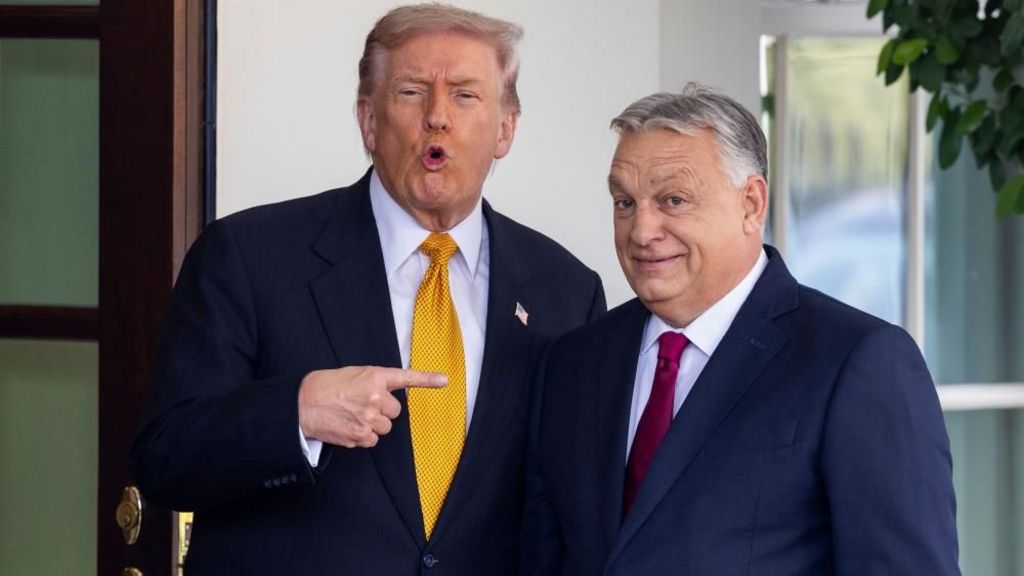
Trump says he may give Hungary an exemption on Russian oil sanctions
In a significant development during Hungarian Prime Minister Viktor Orban’s visit to the White House, U.S. President Donald Trump announced he is considering granting Hungary an exemption from sanctions to allow the purchase of Russian oil. This move, aimed at aiding Hungary’s energy needs, comes despite ongoing U.S. sanctions targeting Russian oil companies. Trump emphasized the logistical challenges Hungary faces, being landlocked and lacking access to alternative oil sources. Orban, a staunch ally of Trump in Europe, has long maintained close energy ties with Russia, citing pipelines as a ‘physical reality’ rather than a political stance. He has also leveraged Hungary’s dependence on Russian energy to bolster his domestic political agenda, promising voters ‘cheap Russian energy’ ahead of next year’s elections. The two leaders also discussed the Ukraine war, with Trump expressing optimism about Orban’s potential role in mediating peace talks with Russian President Vladimir Putin. Orban, however, expressed skepticism about Ukraine’s ability to win the war, suggesting that only Hungary and the U.S. truly seek peace. The meeting also touched on broader economic issues, including the impact of Trump’s tariffs on Hungary’s export-driven car industry. Despite frequent disagreements with EU leaders on issues like migration and democracy, Trump praised Orban as a strong leader on immigration.
-
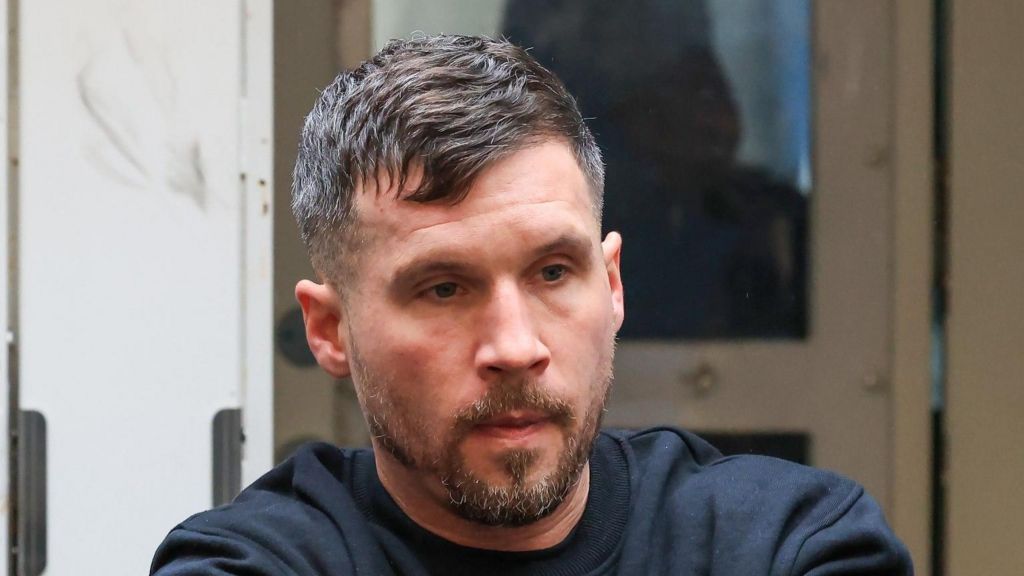
Extremists threatened to attack a mosque and migrant hotels, court hears
Two men, Garrett Pollock, 35, and Karolis Peckauskas, 38, appeared before a special sitting of Portlaoise District Court on Friday following a cross-border counter-terror operation. The arrests were made after explosives were discovered in County Down and County Laois. Pollock, from Annalong, Northern Ireland, is charged with the alleged possession of explosives at two locations, while Peckauskas, from Drogheda, County Louth, faces similar charges. The Police Service of Northern Ireland (PSNI) and An Garda Síochána (Irish police) conducted the operation, which also uncovered a video threatening attacks on a Galway mosque, migrant housing hotels, and International Protection Accommodation Service (IPAS) centres. The video, featuring four masked men, was found on a device seized at Pollock’s home. It included a tri-colour flag and a manifesto for the group. Gardaí opposed bail for Pollock, citing the seriousness of the charges, his flight risk, and the potential for further terror attacks. Judge Andrew Cody described the video as a ‘practice of a statement being released subsequent to a successful terrorist attack,’ noting the men’s intention to target migrants and their rhetoric about protecting sovereignty. Pollock was remanded in custody and will reappear in court on Thursday. Peckauskas, who claimed not to understand the charges, was also remanded and is expected in court next week.
-
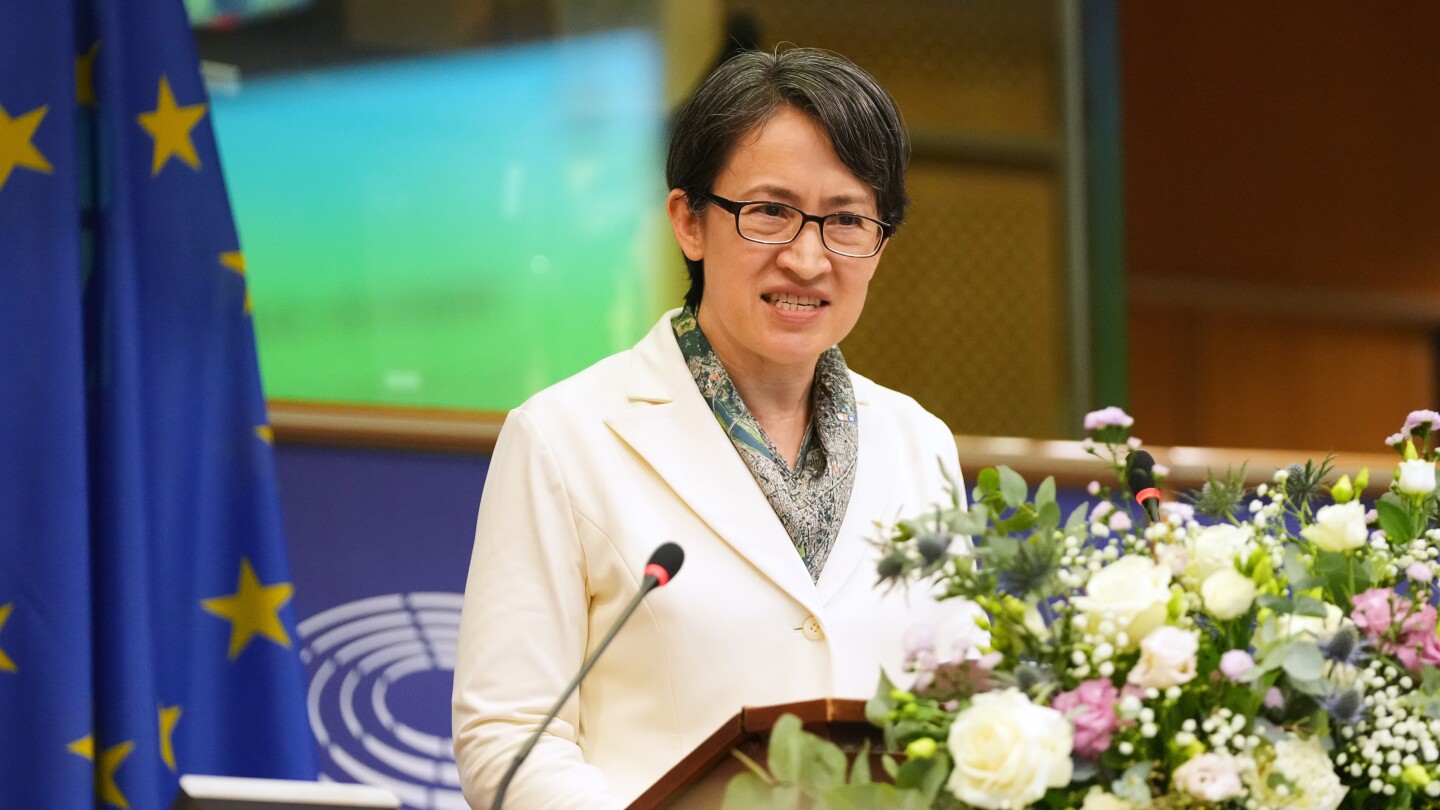
Taiwan’s vice president calls for closer EU ties in rare address to international lawmakers
In a significant address to international lawmakers in Brussels, Taiwan’s Vice President Bi-Khim Hsiao urged the European Union to strengthen security and trade relations with Taiwan while supporting its democratic governance in the face of escalating threats from China. Speaking at a China-focused conference in the European Parliament building, Hsiao emphasized the critical importance of maintaining peace in the Taiwan Strait for global stability and economic continuity. She warned against unilateral changes to the status quo by force, a stance that resonated strongly with the audience. Although Hsiao did not formally address the entire EU Parliament—given the bloc’s lack of formal diplomatic ties with Taiwan—her visit was seen as a bold move likely to provoke Beijing’s ire. Hsiao highlighted the shared democratic values between Taiwan and the EU, calling for deeper collaboration on trusted supply chains and AI technology. She also drew parallels between Taiwan’s cyberattacks and undersea cable disruptions by China and the hybrid threats faced by European nations since Russia’s invasion of Ukraine. Hsiao’s speech underscored Taiwan’s resilience in building democracy under pressure, while urging the EU to forge a reliable technology ecosystem rooted in trust and transparency. Her visit was part of a conference organized by the Inter-Parliamentary Alliance on China, attended by lawmakers from over two dozen countries. The event was held amid heightened security concerns following reports of Chinese agents attempting to intimidate Hsiao during her visit to the Czech Republic earlier this year. Hsiao remains steadfast in her commitment to advocating for Taiwan’s interests on the global stage, despite Beijing’s persistent claims over the island and its military encirclement.
-
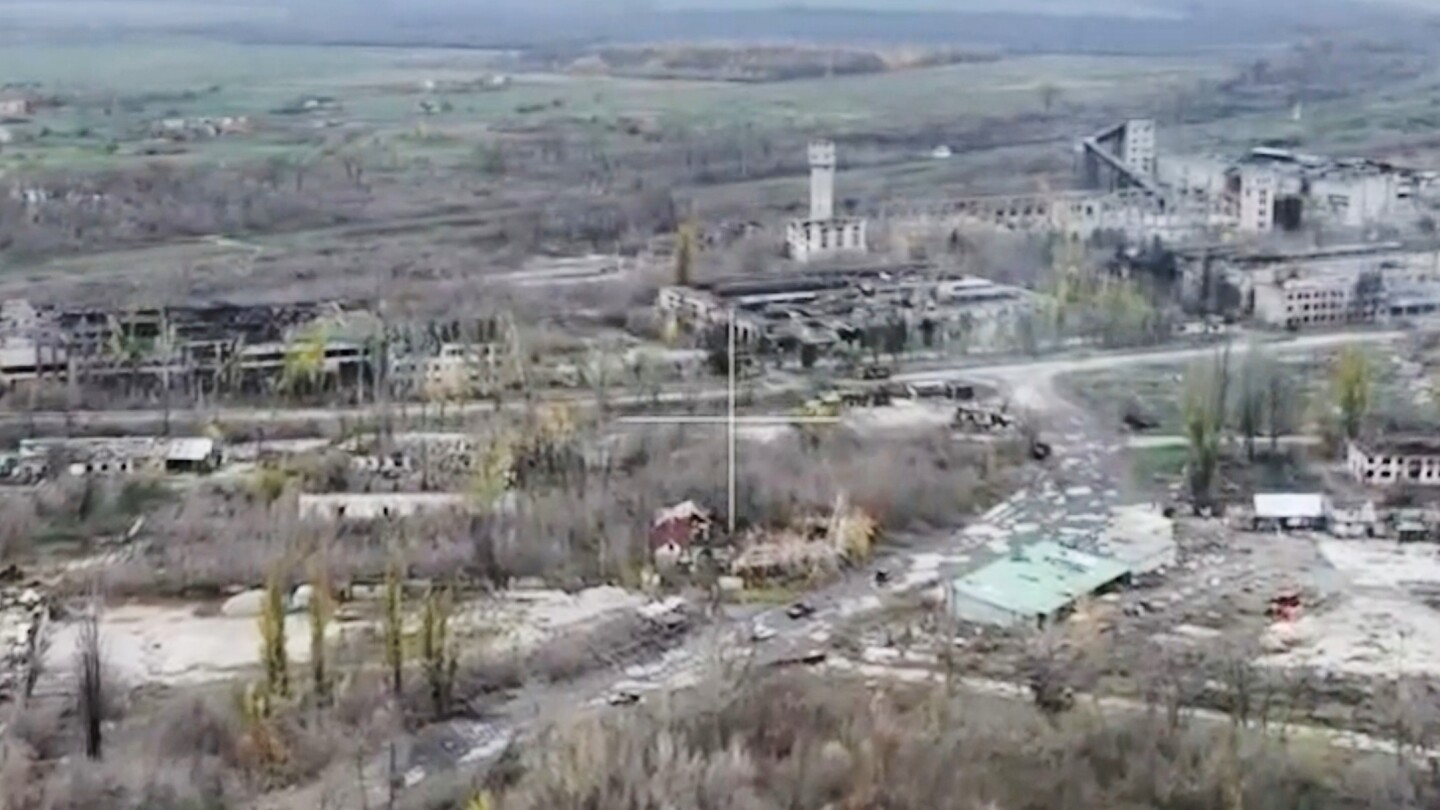
Ukraine’s army fights to hold Pokrovsk in a battle for territory and narratives
The city of Pokrovsk in Ukraine’s Donetsk region has become the epicenter of a fierce and strategically significant battle between Russian and Ukrainian forces. The conflict has reached a critical juncture, with both sides locked in intense combat, often vying for control of the same residential buildings. Beyond the battlefield, Pokrovsk has emerged as a focal point in the diplomatic struggle between Russia and Ukraine, as both nations seek to influence U.S. President Donald Trump’s perception of the war. Russia claims to have surrounded Pokrovsk and thwarted Ukrainian efforts to reopen supply lines, while Ukraine denies a blockade and asserts that its forces are inflicting heavy losses on Russian troops. Russian forces, having exploited gaps in Ukrainian defenses last month, are now poised to seize the city entirely in the coming weeks or months, according to experts. Ukrainian commanders on the ground admit the situation is dire, with Russian forces controlling over 70% of Pokrovsk. Ukrainian President Volodymyr Zelenskyy acknowledged the grim reality, stating that Russia’s primary objective is to occupy Pokrovsk as quickly as possible. The battle for Pokrovsk is part of a broader conflict in the Donetsk region, which has seen Russia advance 39 kilometers (24 miles) over the past year, according to the U.S.-based Institute for the Study of War. The city, once a crucial logistics hub for Ukrainian forces, has seen its strategic value diminished due to the destruction of key infrastructure. However, its fall would represent a significant propaganda victory for Russia, bolstering President Vladimir Putin’s narrative of progress in the war. Analysts warn that the loss of Pokrovsk could pave the way for Russia to take the rest of the Donbas region, though such advances would come at a high cost in manpower and military equipment. Despite the bleak outlook, Ukrainian forces remain determined to hold the city for as long as possible, deploying elite units and launching counteroffensive operations. The next few weeks are expected to see continued heavy fighting, with Russian forces likely to pour troops into the city until Ukrainian defenses are overwhelmed. The battle for Pokrovsk is not just a military struggle but also a psychological and diplomatic one, with both sides seeking to shape the narrative of the war and influence the course of peace negotiations.
-
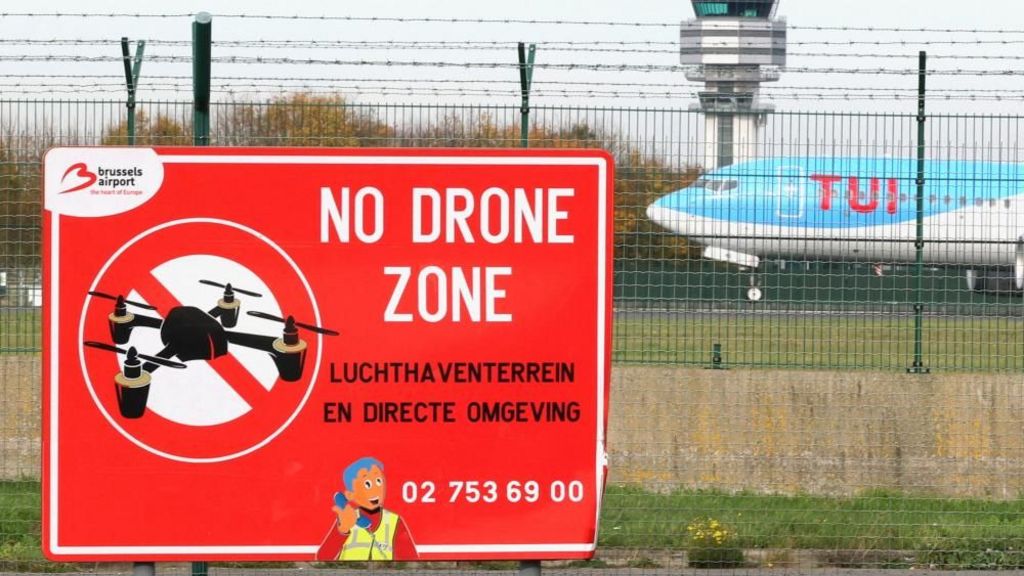
Belgium rushes to secure drone defences after airport disruption
The Belgian government has revealed to the BBC that it is urgently working to acquire advanced drone defense systems following a recent incident that forced the temporary closure of Zaventem Airport, the main airport near Brussels. The disruption occurred on Thursday night after drones were sighted near the airport and other sensitive locations, including a military base. Defense Minister Theo Francken emphasized that what was once considered a localized issue for military bases has now escalated into a significant threat to civilian infrastructure across multiple European nations. Francken confirmed that several European allies, including Germany, have offered assistance, with the German military providing anti-drone defenses. The incident impacted approximately 3,000 passengers of Brussels Airlines, leading to considerable costs from flight cancellations and diversions. Joelle Neeb of Brussels Airlines noted that while EU compensation schemes do not apply, the airline is obligated to ensure passengers reach their destinations promptly by offering refunds, alternative flights, and covering accommodation and transport expenses. Neeb described drones as a ‘new threat,’ prompting the airline to revise its contingency plans. Recent months have seen similar drone-related disruptions across Europe, including in Sweden, Norway, and Denmark. Some officials have accused Russia of engaging in ‘hybrid warfare,’ though the Kremlin denies any involvement. German Defense Minister Boris Pistorius has suggested that these incidents may be linked to EU discussions about using frozen Russian assets to support Ukraine, a controversial plan that could see Belgium legally obligated to repay Moscow post-conflict. While Belgian security services suspect Russian involvement, Francken acknowledged the lack of concrete evidence. The situation has been further complicated by recent Russian airspace incursions in Eastern Europe, involving fighter jets and larger attack drones, which are seen as attempts to test European defenses and divert attention from Ukraine.
-
Louvre vows to restore the imperial crown dropped by thieves during museum robbery
The Louvre Museum in Paris has announced plans to restore the damaged crown of Empress Eugénie, which was recovered outside the museum following a daring robbery on October 19. The crown, adorned with over 1,300 diamonds and emeralds, was one of eight precious objects stolen from the Apollo Gallery. Thieves used disc cutters to break into display cases, making off with items including a sapphire diadem, a necklace, and a single earring linked to 19th-century Queens Marie-Amélie and Hortense. The crown was found outside the museum, likely damaged during the theft rather than when it fell to the ground. Laurence des Cars, the Louvre’s director, confirmed that most of the crown’s jewels remain intact, though a few small diamonds and one of its eight gold eagles are missing. The restoration will be funded by patrons and supervised by a scientific committee, symbolizing the museum’s ongoing ‘New Renaissance’ initiative. Des Cars, who offered to resign after the robbery, emphasized the need for modernization, citing issues such as outdated facilities, overcrowding, and inadequate security. The ‘Louvre New Renaissance’ plan, launched earlier this year, aims to address these challenges with an estimated budget of 800 million euros ($933 million) by 2031.
-
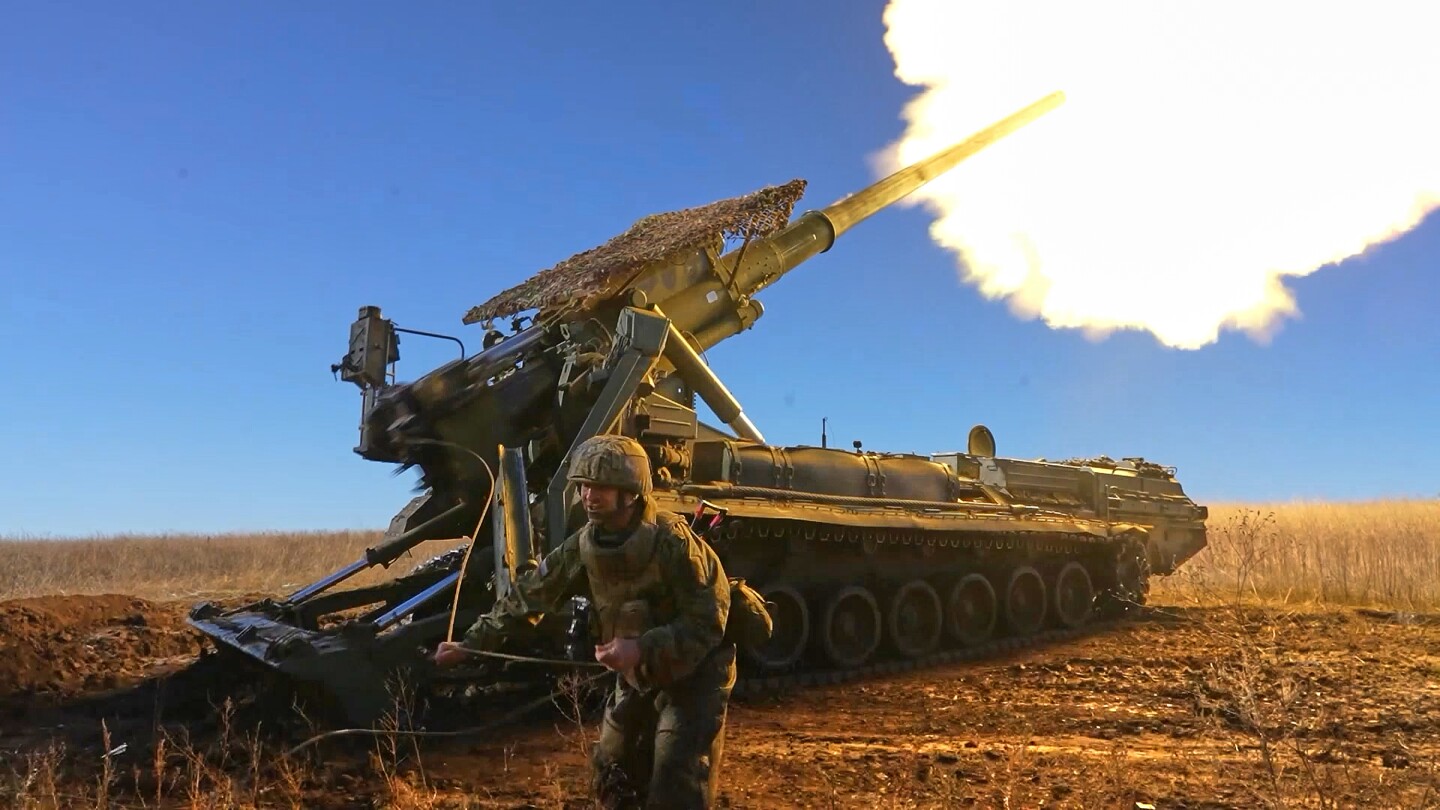
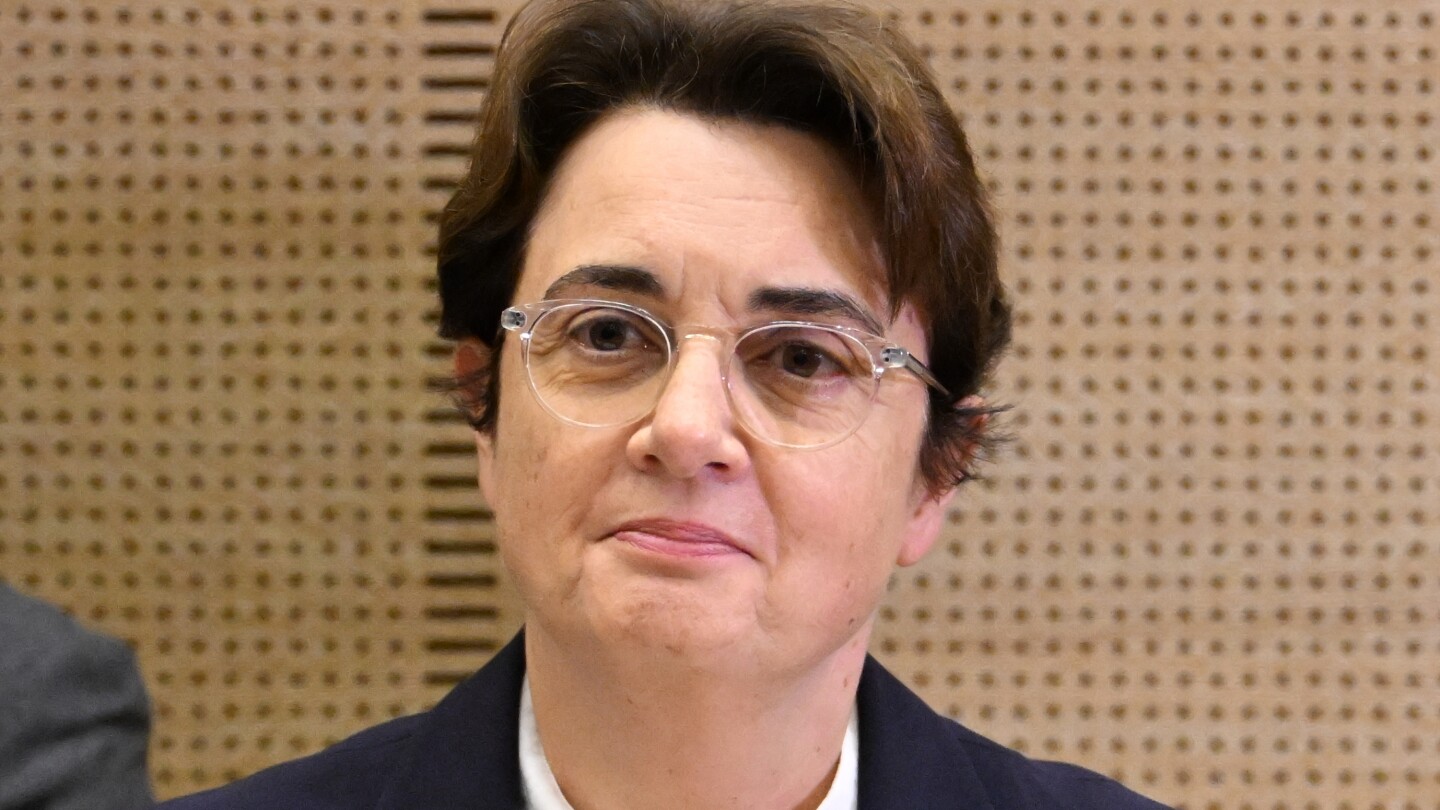
EU tightens visa restrictions on Russians over the Ukraine war and acts of sabotage
In a significant policy shift, the European Union (EU) has imposed stricter visa regulations for Russian citizens entering the Schengen area, citing ongoing security risks linked to Russia’s war in Ukraine, increased acts of sabotage attributed to Moscow, and concerns over visa misuse. Effective immediately, Russian nationals will no longer be eligible for multiple-entry visas, requiring them to apply for a new visa for each trip to Europe. This measure aims to enhance scrutiny of applicants and mitigate potential security threats, according to the European Commission, the EU’s executive body. Exceptions will be granted to individuals deemed trustworthy, such as dissidents, independent journalists, human rights defenders, and close family members of Russians residing in the EU or EU citizens living in Russia. EU foreign policy chief Kaja Kallas emphasized that travel within the EU is a privilege, not a right, amid unprecedented security challenges. The decision has drawn criticism from Russia, with Foreign Ministry spokeswoman Maria Zakharova accusing the EU of prioritizing illegal migrants over Russian tourists. The EU had previously suspended its visa facilitation agreement with Russia following the 2022 invasion of Ukraine, leading to a sharp decline in visas issued to Russians—from over 4 million in 2019 to approximately 500,000 in 2023. While the new rules make visa applications more cumbersome, they stop short of an outright ban. Additionally, the EU has urged Serbia to cease granting citizenship to Russians, citing potential security risks for the bloc.
-

Denmark’s government aims to ban access to social media for children under 15
In a bold move to address the escalating concerns over children’s exposure to harmful online content, the Danish government announced a groundbreaking agreement on Friday to ban social media access for individuals under the age of 15. This initiative, which allows parents to grant access to 13-year-olds following a specific assessment, marks one of the most stringent measures by a European Union government to regulate social media usage among minors.
-
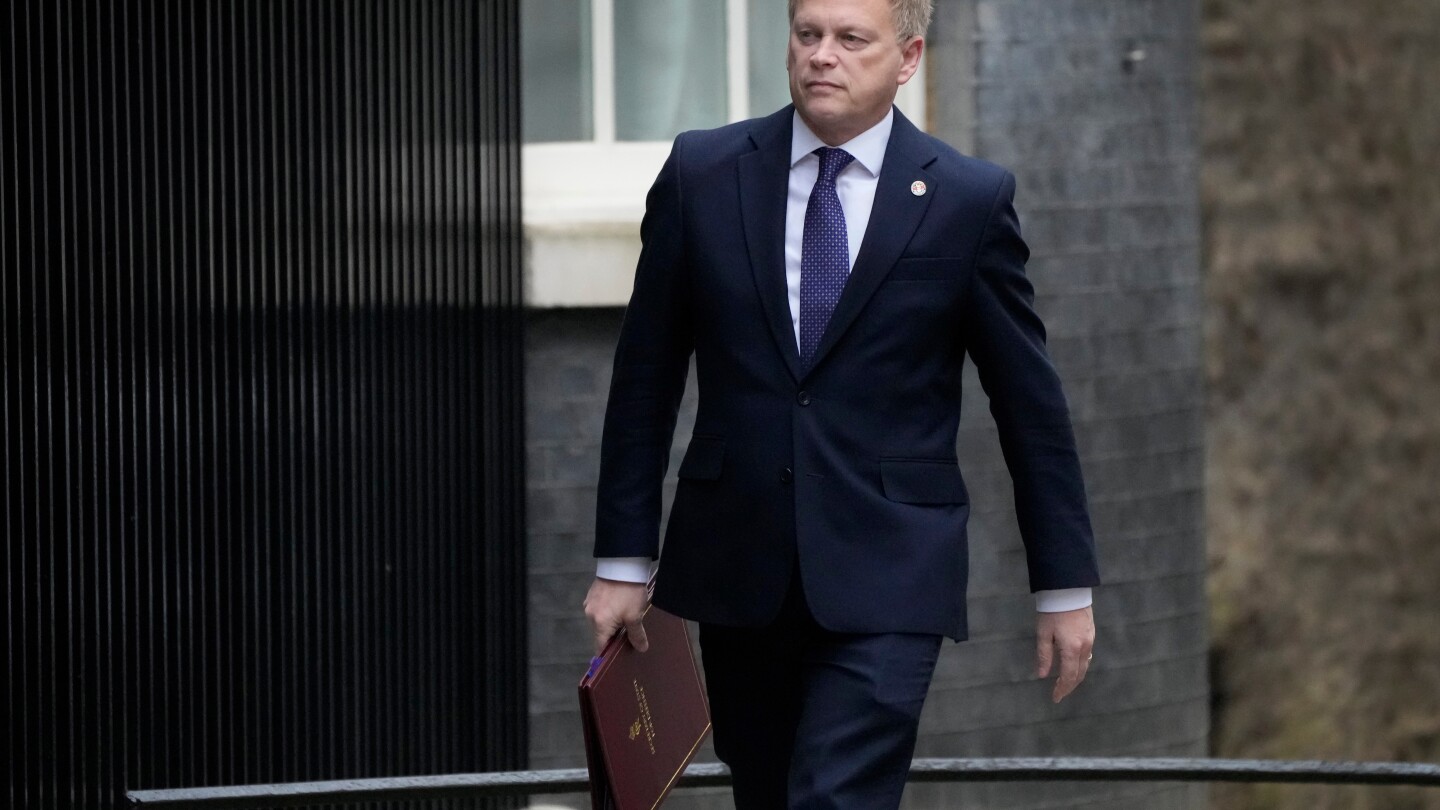
James Bond fantasist jailed for 7 years in UK for trying to spy for Russia
A British man who harbored fantasies of emulating James Bond has been sentenced to seven years in prison for attempting to spy for Russia. Howard Phillips, 65, was convicted in July for trying to pass sensitive information about former Defense Secretary Grant Shapps to individuals he believed were Russian intelligence agents. Unbeknownst to Phillips, these ‘agents’ were actually undercover British intelligence operatives.
At his sentencing hearing at Winchester Crown Court, Justice Bobbie Cheema-Grubb condemned Phillips, stating, ‘You were prepared to betray your country for money.’ The judge also noted that Phillips exhibited ‘a personality with narcissistic tendencies and an overblown sense of his own importance.’
The trial revealed that Phillips aimed to assist Russian agents between late 2023 and May 2024. During this period, Shapps served as Defense Secretary until the Conservative Party lost power in the general election, leading to his departure from Parliament. Phillips attempted to provide Shapps’ contact details and the location of his private plane, intending to facilitate Russian surveillance of British defense plans.
Phillips’ ex-wife testified that he was ‘infatuated’ with the idea of being like James Bond and frequently watched films about British secret services. In a victim impact statement, Shapps expressed his shock and dismay, recalling a dinner at Phillips’ home in 2002. ‘What is unacceptable is one individual’s reckless behavior exposing my entire family to the extremely serious risks that come from a foreign intelligence service’s activities,’ Shapps said.
Bethan David, head of the Crown Prosecution Service’s Counter Terrorism Division, emphasized that the conviction sends ‘a clear message to anyone considering spying for or assisting Russia.’