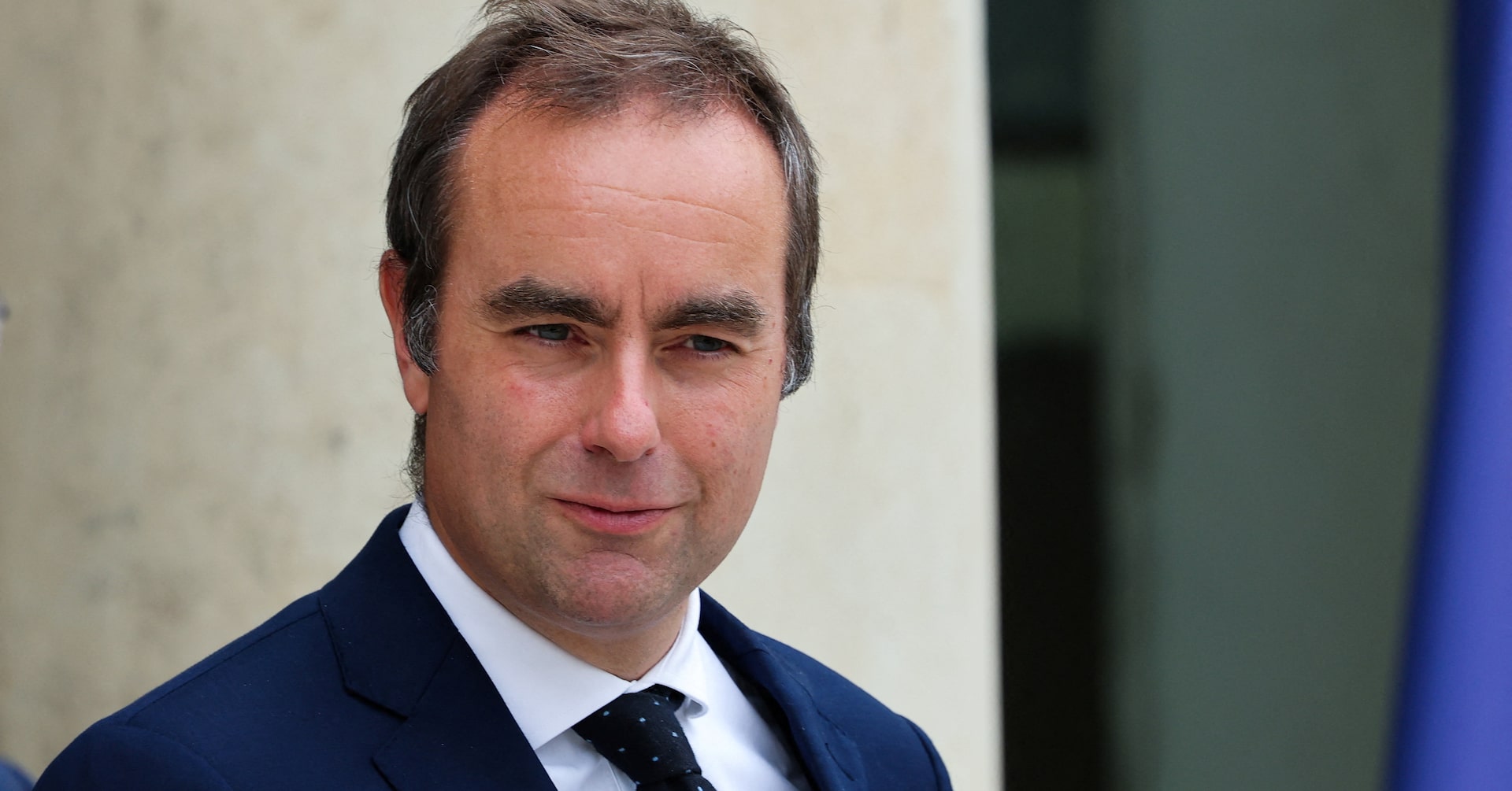
French Prime Minister Sébastien Lecornu finds himself at a critical juncture as he navigates the contentious debate over a proposed 2% wealth tax on billionaires, a measure that could determine his political survival. The tax, dubbed the ‘Zucman tax’ after economist Gabriel Zucman, targets individuals with assets exceeding €100 million and has garnered overwhelming public support, with 86% of voters in favor, including 92% of President Emmanuel Macron’s party members. However, the proposal faces fierce opposition from right-wing lawmakers and business leaders, who warn it could stifle investment and trigger capital flight. Lecornu, who assumed office less than two years ago, is racing to finalize the 2026 budget by October 7, with the Socialists demanding the tax as a condition for their support. Failure to secure their backing could lead to a no-confidence motion, potentially toppling his government. The tax, which would affect approximately 1,800 households, is projected to raise up to €20 billion annually, aiding France’s efforts to reduce its budget deficit, the largest in the eurozone. Critics argue that the tax could harm innovative startups like Mistral AI, Europe’s rising star in artificial intelligence, while proponents insist it is a necessary step toward tax justice and reducing wealth inequality. The debate has reignited discussions about France’s tax burden, already the highest among OECD countries, and its implications for economic competitiveness. As Lecornu weighs the political and economic ramifications, the fate of the Zucman tax remains uncertain, with potential constitutional challenges looming.
标签: Europe
欧洲
-
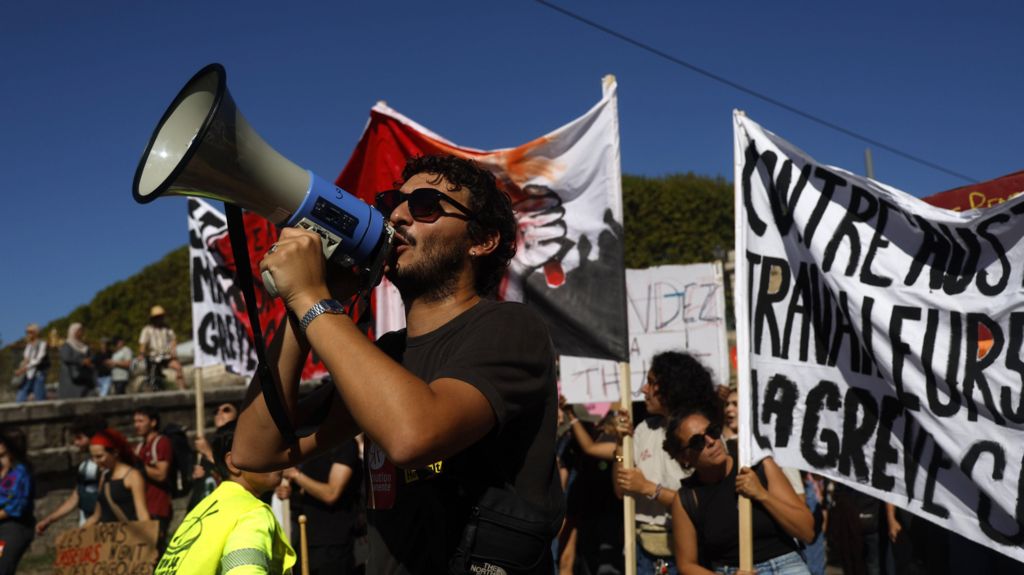
Workers across France strike over budget cut plans
France witnessed a massive wave of protests on Thursday as hundreds of thousands of workers, students, and pharmacists heeded the call of trade unions to demonstrate against proposed budget cuts. The interior ministry estimated that between 600,000 and 900,000 people participated in nationwide demonstrations, prompting the deployment of 80,000 police officers to maintain order. The strikes, which severely disrupted public transport and blocked roads in major cities, come just a week after Sébastien Lecornu was appointed prime minister following the collapse of François Bayrou’s government. Unions are demanding increased public spending, higher taxes on the wealthy, and the abandonment of austerity measures outlined by Bayrou’s short-lived administration. Sophie Binet, leader of the General Confederation of Labour (CGT), emphasized the need for collective action to pressure the government into reversing policies perceived as favoring the rich. Meanwhile, outgoing Interior Minister Bruno Retailleau warned of a zero-tolerance approach to unrest, with 58 arrests reported by mid-morning. The protests follow last week’s demonstrations by the Bloquons Tout movement, which also caused widespread disruption. Lecornu, facing a divided parliament and mounting public debt, has yet to renounce the cuts entirely but is engaging in talks with opposition parties to seek a compromise. France’s public debt, equivalent to nearly €50,000 per citizen, remains a pressing concern, with previous prime ministers Barnier and Bayrou also ousted over similar austerity proposals.
-
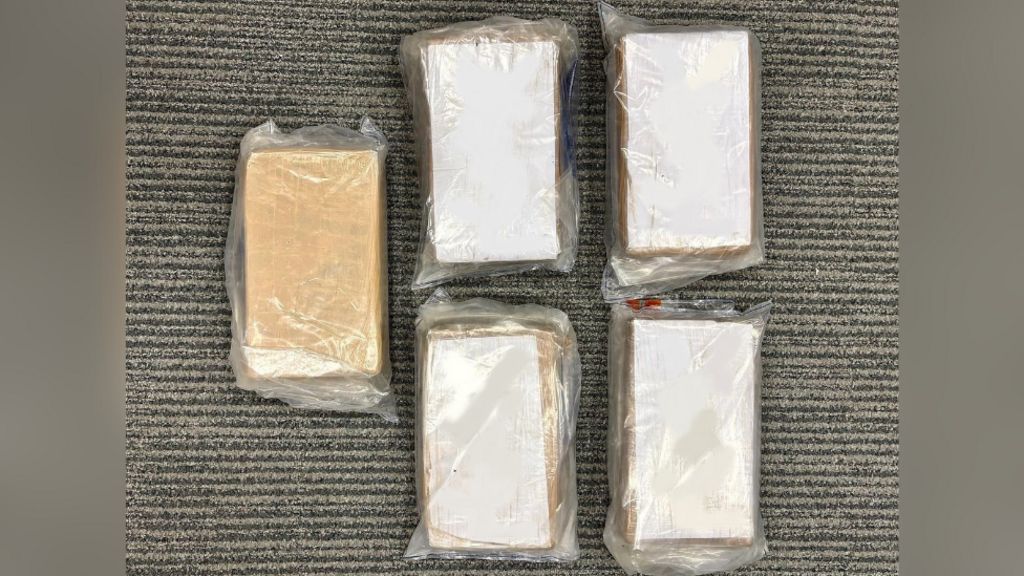
€1.2m of suspected cocaine seized in Dublin
In a significant crackdown on drug trafficking, Irish police, An Garda Síochána, have confiscated cocaine worth approximately €1.2 million during coordinated raids in Dublin. The operation, conducted on Wednesday, targeted two separate residences in the city. At a property in Dublin 11, authorities uncovered 12 kilograms of suspected cocaine, estimated to have a street value of €840,000. Simultaneously, a search in Dublin 15 led to the discovery of an additional 5.5 kilograms of the illicit substance, valued at around €375,000. The seized drugs are now slated for forensic analysis to confirm their composition and origin. Two men, aged in their 30s and 40s, were apprehended at the scenes and subsequently charged in connection with the drug seizures. Both individuals are scheduled to appear before Blanchardstown District Court on Thursday morning. This operation underscores the ongoing efforts by Irish law enforcement to combat the illegal drug trade, which continues to pose significant challenges to public safety and health in the region.
-
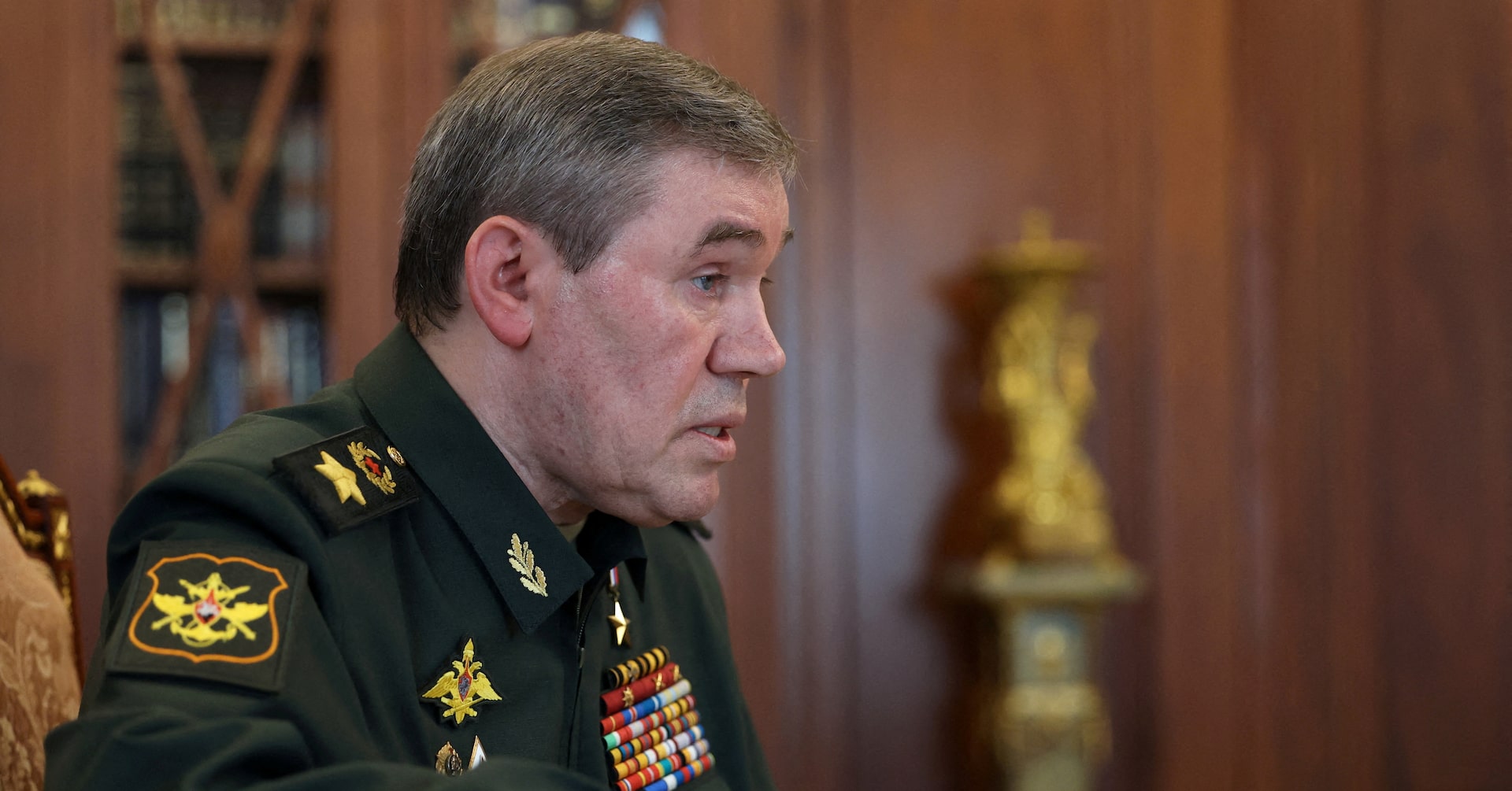
Top Russian officer reports advances on all Ukrainian fronts
In a recent development in the ongoing conflict between Russia and Ukraine, General Valery Gerasimov, Chief of the General Staff of the Russian Armed Forces, asserted that Russian troops are advancing on multiple fronts in Ukraine. The Russian Defence Ministry reported that the heaviest fighting is concentrated around Pokrovsk, a key logistics hub in the Donetsk region. Gerasimov claimed that Russian forces are making significant progress in the Donetsk, Zaporizhzhia, and Dnipropetrovsk regions, as well as in the northeastern city of Kupiansk and the eastern town of Yampil. He emphasized that Ukrainian forces, despite deploying their most elite units, have been unable to halt the Russian advance. However, these claims contrast sharply with statements from Ukrainian President Volodymyr Zelenskiy and Ukrainian military officials. Zelenskiy, in an interview with Sky News, stated that recent Russian offensives have largely failed, with Ukrainian forces successfully repelling attacks near Pokrovsk and Kupiansk. A Ukrainian military spokesperson also reported that a Russian attempt to advance on Kupiansk resulted in numerous Russian soldiers being captured. The conflicting narratives highlight the ongoing intensity and complexity of the conflict, with both sides presenting divergent accounts of the battlefield situation.
-

Father and son embrace the buzz at ploughing championships
The National Ploughing Championships in Screggan, County Offaly, concluded its three-day run on Thursday, drawing massive crowds and showcasing a blend of agricultural tradition and modern innovation. Among the participants was 21-year-old Jack Wright from Magherafelt, who has been passionate about ploughing since the age of 13. His father, David Wright, serves as one of the event’s judges, making it a true family affair. Jack, who competed on Tuesday and secured fourth place in his class, emphasized the importance of practice and preparation. ‘There’s no point being nervous about it; you just go and try your hardest,’ he advised. The event, which spanned over 700 acres, attracted up to 300,000 visitors over the three days, surpassing last year’s attendance of 250,000. Attendees enjoyed a diverse program featuring ploughing and livestock competitions, music and dance performances, fashion shows, craft demonstrations, and a food fair. Irish President Michael D Higgins officially opened the championships, highlighting its significance in promoting agriculture and rural heritage. The event also included the ‘Machine of the Year’ competition and showcased millions of euros worth of agricultural machinery. This year’s championships followed the 70th World Ploughing Championships held earlier in Prague, cementing its status as a premier agricultural event.
-
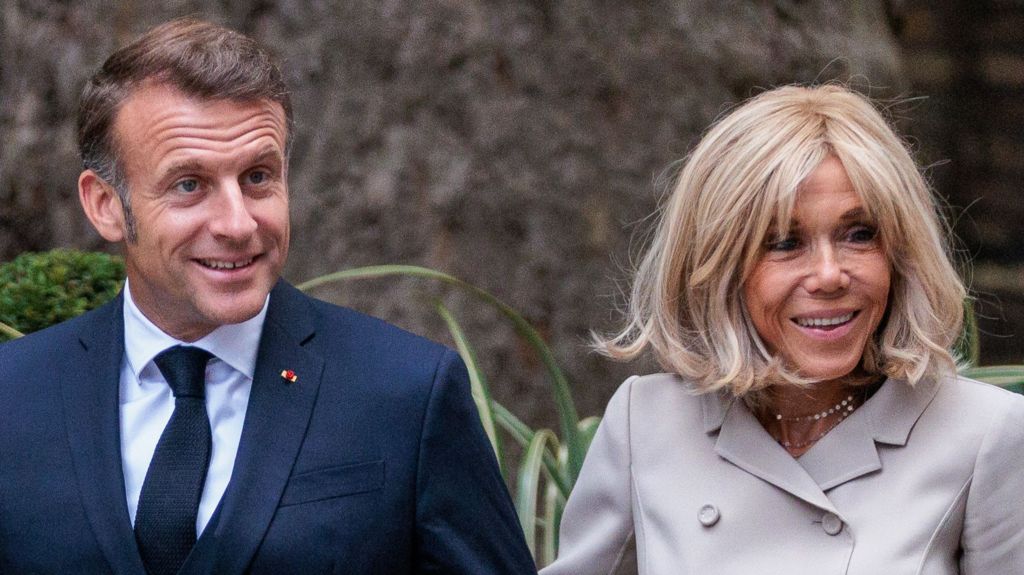
Macrons to offer ‘scientific evidence’ to US court to prove Brigitte is a woman, lawyer says
French President Emmanuel Macron and his wife, Brigitte Macron, are preparing to present photographic and scientific evidence in a US court to refute claims that Brigitte was born male. The couple has filed a defamation lawsuit against right-wing influencer Candace Owens, who has repeatedly asserted this controversial belief. Owens’ legal team has responded with a motion to dismiss the case. The Macrons’ lawyer, Tom Clare, emphasized that the allegations have been deeply distressing for Brigitte and have served as a significant distraction for the president. Clare stated that the couple is determined to disprove the claims through expert testimony and scientific evidence, though the specifics of the evidence remain undisclosed at this stage. Clare also mentioned that the Macrons possess photographs of Brigitte during her pregnancies and raising her children, which will be presented in court. Owens, a former commentator for the conservative outlet Daily Wire, has millions of social media followers and has staked her professional reputation on the allegation. The claim originated in fringe online spaces, notably through a 2021 YouTube video by French bloggers Amandine Roy and Natacha Rey. Although the Macrons initially won a defamation case in France against Roy and Rey in 2024, the ruling was overturned on appeal in 2025 on freedom of expression grounds. The Macrons are appealing this decision. In July 2024, they filed a lawsuit against Owens in the US, accusing her of knowingly spreading false information. Owens’ lawyers argue that the case should not be heard in Delaware, claiming it would cause her significant financial and operational hardship. Emmanuel Macron has defended the legal action, stating it is about defending his honor and countering harmful, ideologically driven misinformation.
-

Europe struggles with chronic drug shortages, auditors warn
Europe continues to grapple with the risk of critical medicine shortages, including essential antibiotics and painkillers, according to a recent report by the European Court of Auditors (ECA). The report, released on Wednesday, highlights the fragility of supply chains and the EU’s heavy reliance on manufacturers in Asia as primary causes of the ongoing crisis. The European Commission has identified these vulnerabilities as a significant threat to public health, particularly in the face of future health emergencies. In July, European crisis chief Hadja Lahbib announced plans to stockpile critical medical equipment and vaccines, alongside creating a network to enhance coordination among member states. However, the ECA cautioned that stockpiling in some countries could exacerbate shortages in others. Between January 2022 and October 2024, EU countries faced critical shortages of 136 medicines, with the situation peaking in 2023 and 2024. The ECA described the issue as a ‘chronic headache for the EU,’ emphasizing the lack of a robust system to address severe shortages. Auditors noted that the current framework to prevent drug shortages lacks a solid legal foundation and timely information sharing. The European Medicines Agency (EMA), the region’s drug regulator, has limited powers outside of health crises, further complicating the situation. Klaus Heiner Lehne, the ECA member leading the audit, warned that medicine shortages can have severe consequences for patients, compromise public health, and impose high costs on healthcare providers and countries. Regulatory barriers within the EU’s medicine market also hinder cross-border redistribution, exacerbating shortages and unequal access. The European Commission has proposed legal changes aimed at reducing reliance on countries like China and India, which, if implemented, could significantly improve the system.
-

Italy enacts AI law covering privacy, oversight and child access
Italy has become the first European Union nation to enact a comprehensive artificial intelligence (AI) law, aligning with the EU’s landmark AI Act. Approved by the Italian parliament on Wednesday, the legislation, championed by Prime Minister Giorgia Meloni’s government, establishes human-centric, transparent, and safe AI use as its guiding principles. The law emphasizes innovation, cybersecurity, and privacy protections, setting a precedent for AI governance across the bloc.
-
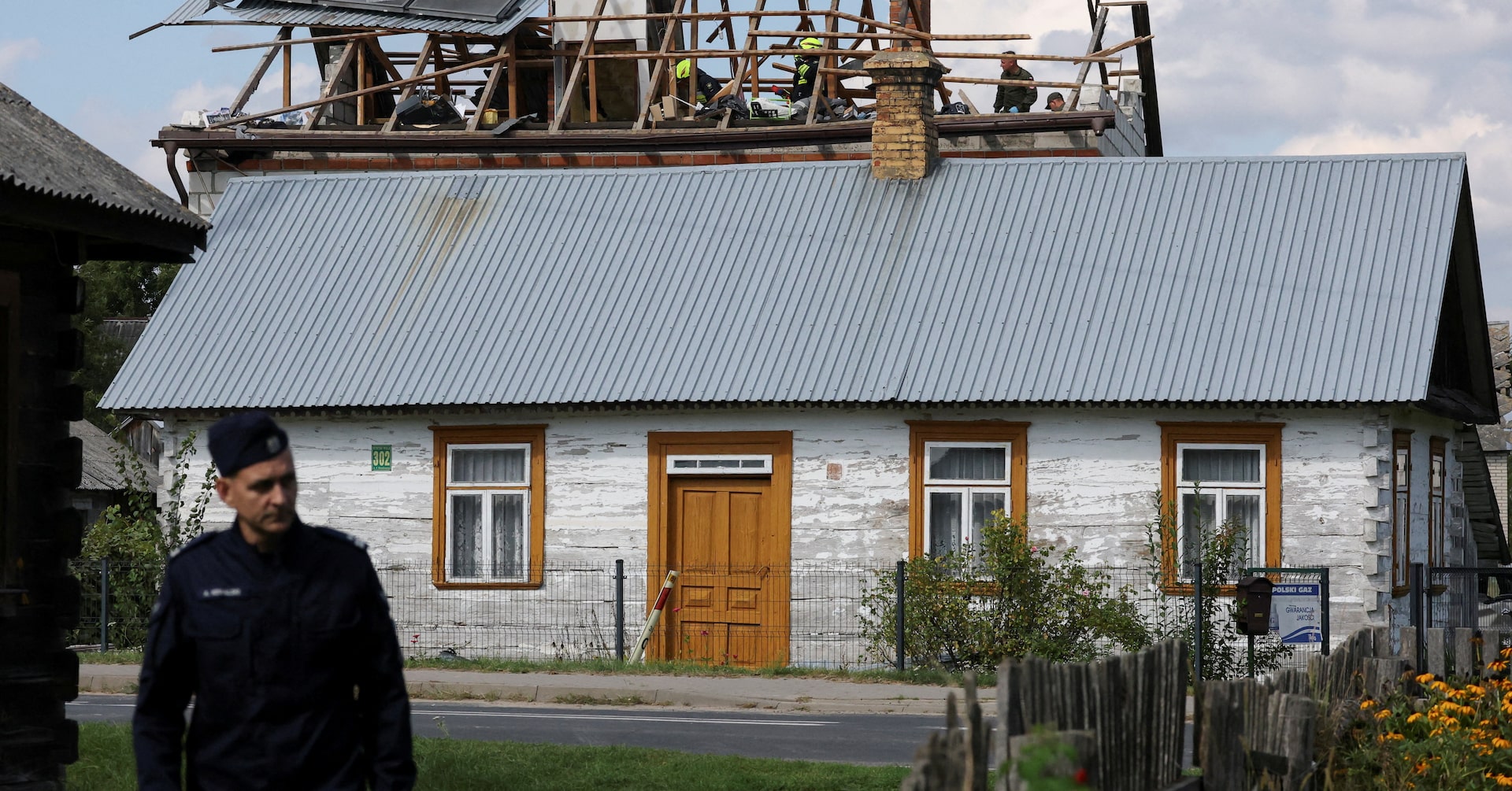
Polish missile likely hit house during Russian drone incursion, says minister
In a recent development that underscores the escalating tensions in Eastern Europe, a house in the village of Wyryki-Wola, Lublin Voivodeship, Poland, was damaged by a missile likely fired by a Polish F-16 fighter jet. The incident occurred on September 10, 2025, during a night when 21 Russian drones violated Polish airspace. Initially, Polish authorities believed the damage was caused by one of these drones, but subsequent reports suggest that the missile was fired by a Polish aircraft with a malfunctioning guidance system. Minister Tomasz Siemoniak, responsible for Poland’s Special Services, confirmed this likelihood, stating that the missile was part of Poland’s defense efforts. Polish President Karol Nawrocki has called for a thorough investigation into the incident, while Prime Minister Donald Tusk has placed the blame squarely on Russia, accusing it of orchestrating a provocation. Russia, however, denies any intention to target Polish territory, with its U.N. Ambassador Vassily Nebenzia arguing that the drones used could not physically reach Poland. Poland has dismissed these claims, asserting that the drone incursions were a deliberate test of NATO’s response capabilities.
-
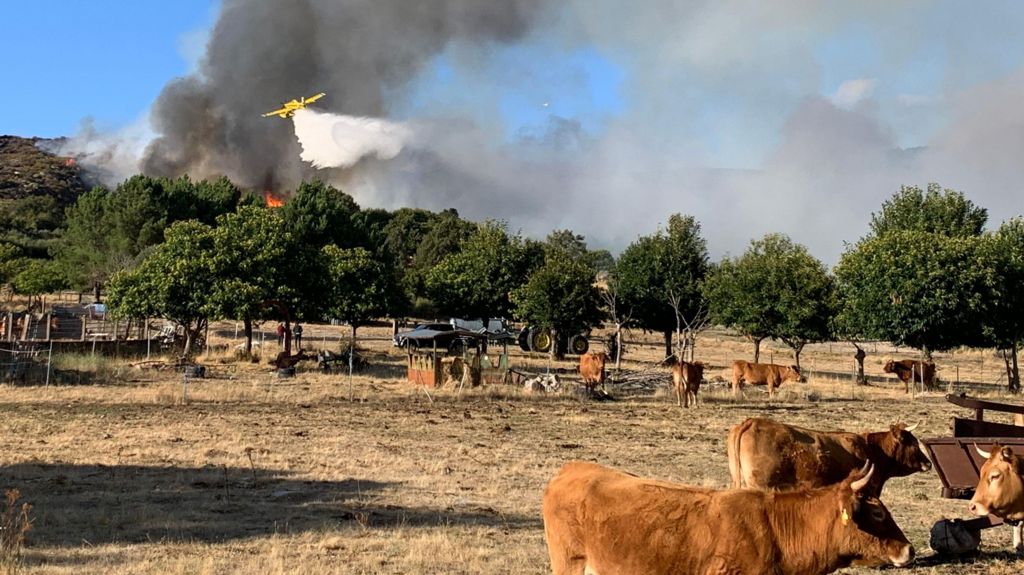
Spain counts the cost of ‘nightmare’ wildfire summer
This summer, Spain faced one of its most catastrophic wildfire seasons, with vast blazes scorching 0.8% of the country’s surface area. The north-western regions of Castilla y León, Galicia, and Extremadura bore the brunt of the devastation, with over 20,000 hectares of land consumed by flames. Thousands of residents were evacuated, and the agricultural and tourism sectors suffered immense losses. José Antonio Bruña, a honey producer from Porto de Sanabria, recounted the nightmare of witnessing a wildfire ignited by lightning just meters from his beehives. Although his 1,500 hives survived, the surrounding flora was destroyed, leading to a projected 50% drop in honey production for the next few years. The fires also forced livestock farmers to relocate animals and caused significant economic strain, with insurance premiums expected to skyrocket. The tourism industry, a cornerstone of Spain’s economy, was not spared. Rural tourism hotspots, such as Sanabria Lake, were shut down, leading to massive financial losses for local businesses. Óscar David García López, who operates lakeside bars, lost €80,000 during the closure. The wildfires have exacerbated the divide between urban and rural Spain, highlighting the challenges faced by the sparse population in ’empty Spain.’ The fires have left a lasting impact on the country’s rural economy, infrastructure, and tourism, with recovery efforts still underway.