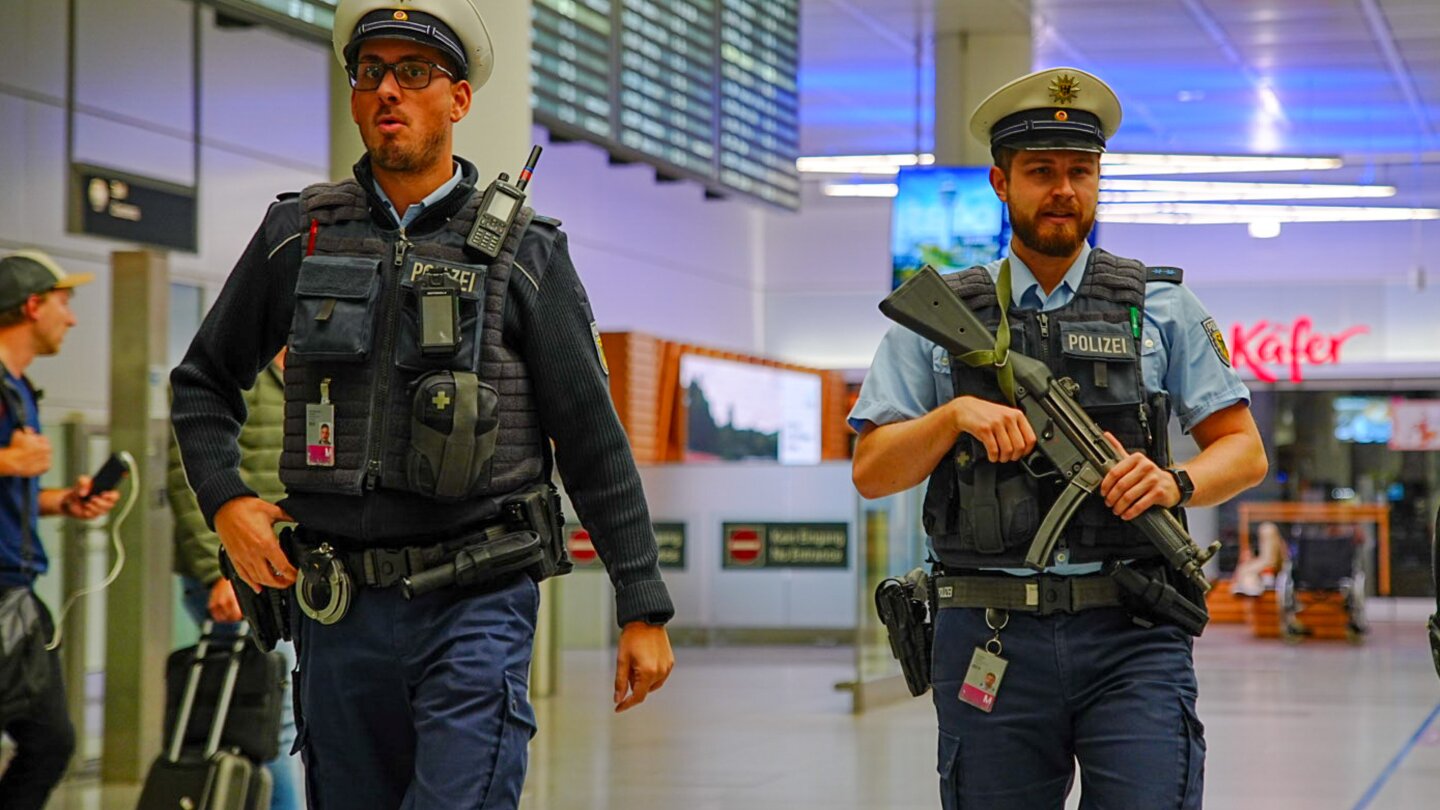
Recent weeks have seen a surge in mysterious drone flights over European Union airspace, sparking widespread alarm among the public and government officials. These incursions, some attributed to Russia, have reached an unprecedented scale, raising concerns about NATO’s preparedness and response capabilities. On September 10, a swarm of Russian drones breached Poland’s airspace, prompting NATO aircraft to intercept and shoot down several devices. This marked the first direct confrontation between NATO and Russia since the latter’s full-scale invasion of Ukraine in February 2022. Days later, NATO jets escorted three Russian warplanes out of Estonia’s airspace. These incidents have led European defense ministers to agree on developing a ‘drone wall’ along their borders to enhance detection, tracking, and interception of unauthorized drones. While Russia denies any deliberate involvement, European authorities remain tight-lipped, often delaying public acknowledgment of these overflights. In Germany, Munich Airport experienced two closures within 24 hours due to drone sightings, disrupting travel for over 6,500 passengers. Similarly, Copenhagen Airport faced significant disruptions, with Danish Prime Minister Mette Frederiksen labeling it as the most serious attack on Danish critical infrastructure to date. Norway’s Oslo Airport also reported a drone sighting, prompting investigations into potential links between these incidents. Danish military sites, including the Karup Air Base, have also been targeted, with Defense Minister Troels Lund Poulsen suggesting a ‘professional’ actor was behind these systematic flights. In Germany, drones were spotted over critical infrastructure in Schleswig-Holstein, including a power plant, a university hospital, and a shipyard. Authorities are investigating these sightings, with Chief Public Prosecutor Stephanie Gropp confirming ongoing inquiries. The situation has left European countries scrambling to formulate effective responses, including whether to authorize the shooting down of drones.
标签: Europe
欧洲
-
French photojournalist killed in drone strike in Ukraine
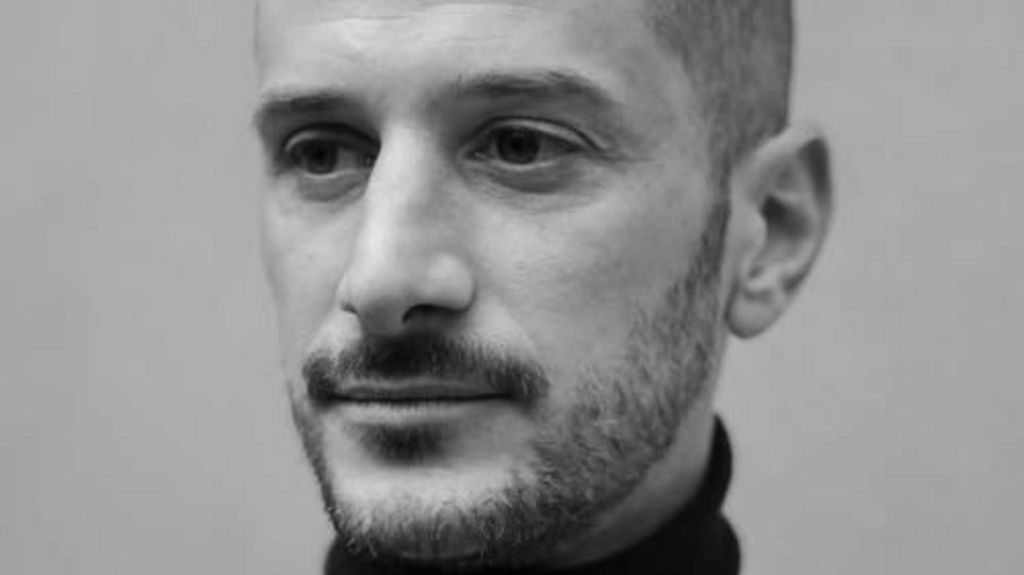
In a tragic incident that underscores the perils faced by journalists in conflict zones, French photojournalist Antoni Lallican was killed in a Russian drone strike in eastern Ukraine. The attack, which occurred on the outskirts of Komyshuvakha in the Donetsk region, also left Ukrainian photojournalist Grigoriy Ivanchenko severely injured. This marks the first instance of a journalist being killed by a drone in Ukraine, according to the European and International Federations of Journalists (EFJ and IFJ).
Mr. Lallican, a Paris-based journalist, had been documenting the war since March 2022, just a month after Russia’s full-scale invasion began. His dedication to capturing the human cost of the conflict earned him the prestigious Victor Hugo Prize for photography in 2024. At the time of the attack, both journalists were embedded with the 4th Mechanised Brigade, approximately 15 kilometers from the frontline.
Despite wearing personal protective equipment, including bulletproof vests marked with ‘PRESS,’ the journalists were unable to hear the drone overhead due to the noise of chainsaws being used to build defensive positions. Anastasia Haletska, the brigade’s press officer who was also wounded, managed to apply tourniquets to Mr. Ivanchenko before both were transported to a hospital in Kramatorsk. Mr. Lallican was killed instantly, while Mr. Ivanchenko is in stable condition but had to undergo a leg amputation.
French President Emmanuel Macron paid tribute to Mr. Lallican, describing him as a victim of a Russian drone attack. ‘I express my sincere condolences to his family, loved ones, and all his colleagues who, risking their lives, inform us and bear witness to the reality of war,’ Macron wrote on X.
Mr. Lallican’s work, published in outlets such as Le Monde and Le Figaro, documented the war’s impact across Ukraine, from Odesa in the southwest to Kharkiv in the northeast. His photographs captured the plight of families fleeing the invasion, elderly residents refusing to abandon their homes, and soldiers on the frontline.
The EFJ and IFJ reported that 17 journalists have been killed since the invasion began. In a joint statement, they honored Mr. Lallican’s courage and demanded justice for his death. Sergiy Tomilenko, president of the National Union of Journalists of Ukraine (NUJU), accused Russia of deliberately targeting those documenting war crimes. ‘Antoni Lallican built a visual bridge between the world and Ukrainian reality. Now he himself has become part of this tragic story,’ Tomilenko said.
The Kremlin has yet to comment on the attack.
-
At least 30 injured in Russian strike on railway station, Zelensky says
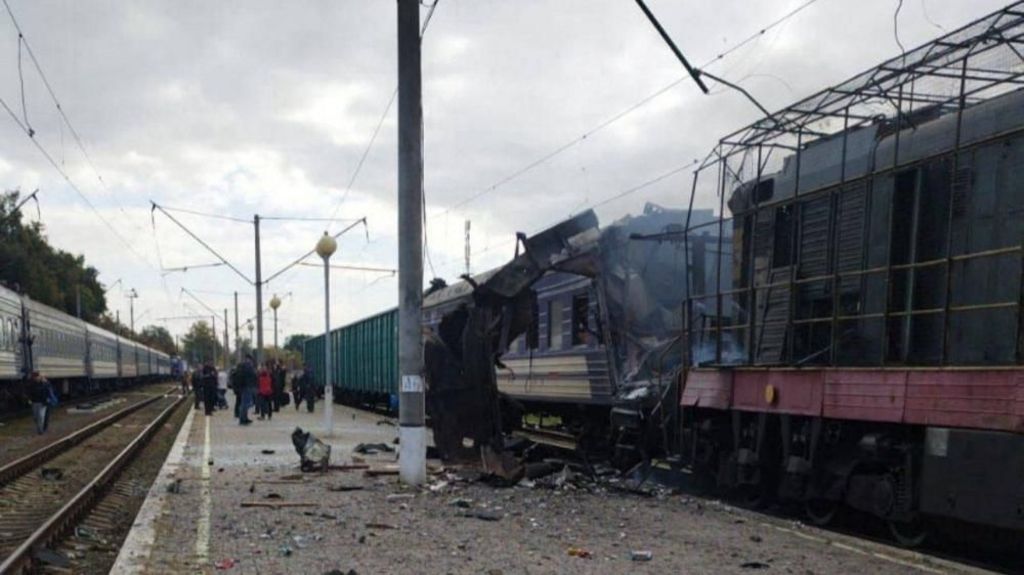
A Russian drone attack on a railway station in north-eastern Ukraine has left at least 30 people injured, according to Ukrainian President Volodymyr Zelensky. The strike occurred in the city of Shostka, located in the Sumy region, where preliminary reports suggest that both train staff and passengers were present at the time of the incident. Emergency services have swiftly responded to the scene, providing immediate assistance to those affected. However, details regarding the extent of the injuries remain under investigation. President Zelensky shared a video on social media platform X, depicting a train carriage engulfed in flames, highlighting the severity of the attack. This incident underscores the ongoing conflict between Russia and Ukraine, which continues to inflict significant civilian casualties and infrastructure damage.
-
Populist billionaire Andrej Babiš wins Czech parliamentary election, official results show
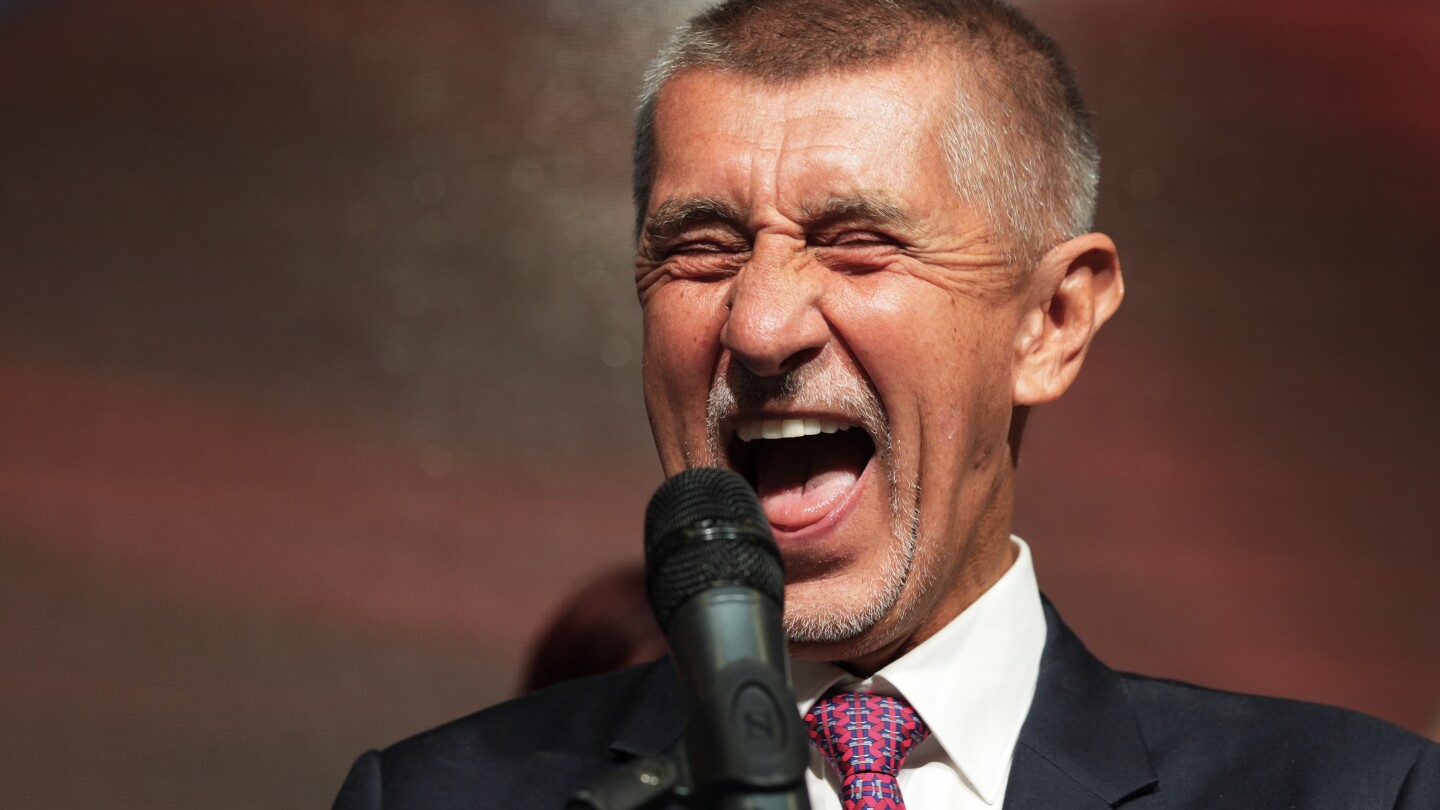
In a significant political shift, billionaire Andrej Babiš has emerged victorious in the Czech Republic’s parliamentary election, marking a historic comeback for the populist leader. According to nearly complete results released on Saturday, Babiš’ ANO (YES) movement secured 34.7% of the vote, decisively outperforming Prime Minister Petr Fiala’s Together conservative coalition, which garnered 23.2%. This outcome could potentially steer the Czech Republic away from its staunch support for Ukraine and align it more closely with Hungary and Slovakia, both of which have adopted pro-Russian stances. Babiš, jubilant over his best electoral result, described the victory as historic for himself and his ‘catch-all’ political group, which has been a dominant force in national politics since 2013. He pledged to make the Czech Republic the best place to live in the European Union, vowing to take all necessary steps to achieve this goal. The election results position Babiš alongside other Central European populist leaders such as Hungary’s Viktor Orbán and Slovakia’s Robert Fico, both of whom have opposed military aid to Ukraine, continued to import Russian oil, and resisted EU sanctions on Russia. The Czech Republic has been a key supporter of Ukraine since Russia’s full-scale invasion in February 2022, providing arms and backing initiatives to supply artillery shells. However, Babiš has expressed disapproval of these efforts, stating that his party holds a different view. The opposition, led by Babiš, has blamed Fiala for recent challenges, including the energy crisis and soaring inflation, and has promised to revoke pension reforms and reduce support for Ukraine. Fiala conceded defeat, acknowledging the clear result and the need to accept it. The election, which filled 200 seats in the lower house of the Czech parliament, saw Babiš’ ANO movement win 80 seats, while the Freedom and Direct Democracy party secured 15 and the Motorists party 13. Babiš aims to form a one-party government but will likely need the tacit support of the Freedom party and the Motorists to secure a parliamentary confidence vote. The election outcome represents a setback for a coalition of far-left fringe parties, including the pro-Russian Communists, who failed to win any seats. President Petr Pavel is scheduled to meet with Babiš and other party leaders on Sunday to discuss the formation of a new government.
-
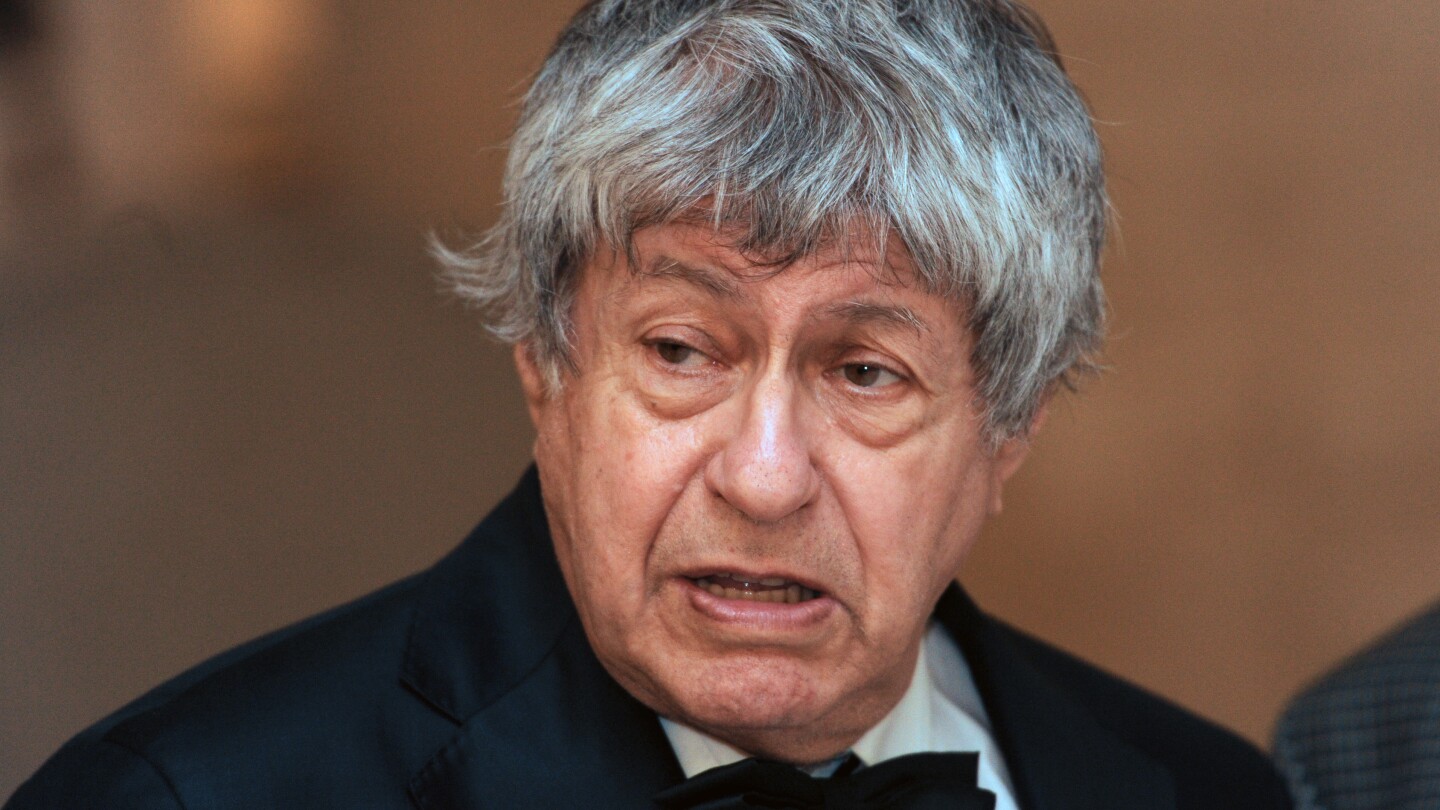
Czech author and anti-communist dissident Ivan Klíma dies at 94
Ivan Klíma, the renowned Czech author and anti-communist dissident whose life and works were profoundly influenced by the totalitarian regimes of 20th-century Europe, has died at the age of 94. His son, Michal, confirmed to the Czech ČTK news agency that Klíma passed away at home on Saturday morning after a prolonged illness. Born Ivan Kauders on September 14, 1931, in Prague, Klíma’s early life was marked by the horrors of World War II, during which his Jewish family was interned in the Nazi’s Theresienstadt concentration camp. Miraculously, they all survived. After the war, Klíma initially embraced communism, joining the Communist Party in 1953, the same year his father was imprisoned for political reasons. However, disillusionment soon set in, and he was expelled from the party in 1967 after publicly criticizing the regime. The Soviet-led invasion of Czechoslovakia in 1968 further stifled his work, leading to a ban on his writings. Klíma’s literary career spanned novels, plays, short stories, essays, and children’s books, with his works translated into over 30 languages. His acclaimed novel, ‘Judge on Trial,’ explored the moral dilemmas faced by individuals under totalitarian rule. After the 1989 Velvet Revolution, Klíma devoted himself fully to writing, producing notable works such as ‘Love and Garbage’ and ‘The Spirit of Prague and Other Essays.’ His contributions to literature earned him the Medal for Outstanding Service to the Czech Republic and the Franz Kafka Prize in 2002. Reflecting on his life, Klíma often cited his survival of the Nazi camp as his most vivid memory, emphasizing the stark reality of life and death.
-

Germany’s Munich Airport reopens after second closure in less than 24 hours due to drones
Munich Airport, one of Germany’s largest aviation hubs, resumed operations on Saturday morning following its second shutdown in less than 24 hours due to drone sightings. The airport, which had been closed overnight, began a gradual reopening at 7 a.m. (0500 GMT), with delays expected to persist throughout the day. Federal police confirmed two drone sightings near the airport’s north and south runways shortly before 11 p.m. on Friday, though the drones vanished before identification was possible. The disruptions impacted at least 6,500 passengers, adding to the nearly 3,000 affected by a prior closure on Thursday night. This incident is part of a broader pattern of mysterious drone overflights at airports and critical infrastructure sites across several European Union member countries, including Belgium and Norway. While European authorities have raised suspicions of Russian involvement, Russian officials have denied any connection. Germany’s Interior Minister, Alexander Dobrindt, emphasized that not all drone flights pose an immediate threat, though he acknowledged the need for enhanced drone defense measures. Dobrindt announced plans for a joint drone defense center to coordinate efforts between Germany’s federal and state governments.
-
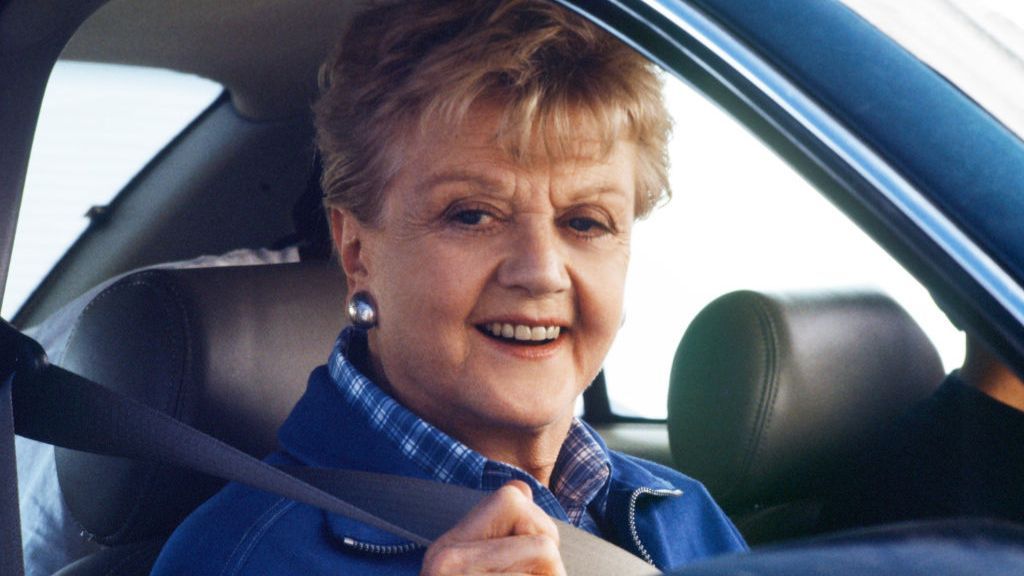
The Hollywood star who made Ireland her ‘happy place’
Dame Angela Lansbury, a legendary figure in the entertainment industry, is celebrated not only for her iconic roles but also for her deep connection to Ireland, which served as her sanctuary during tumultuous times. Born in London to a Belfast-born mother, Moyna Macgill, Lansbury’s Irish roots ran deep. After the Blitz in 1940, her family relocated to Hollywood, where she began a career that would span eight decades, earning her three Oscar nominations and two stars on the Hollywood Walk of Fame. However, it was her role as Jessica Fletcher in *Murder, She Wrote* that cemented her place in the hearts of millions. Despite her Hollywood fame, Lansbury found solace in Ireland, particularly in County Cork, where she built her dream home in the 1990s. Her life in Cork was marked by simplicity and joy—she grew her own herbs, baked scones, and even contacted the local council to fix potholes. Lansbury’s friends, including Darina Allen of the Ballymaloe Cookery School, fondly recall her love for domestic life and her jolly nature. Beyond her acting career, Lansbury was an activist, supporting AIDS charities and providing roles for ageing actors. The podcast *The Mystery Of… Murder, She Wrote* delves into her Irish connections, offering a glimpse into the life of a star who found her happy place far from the glitz of Hollywood.
-
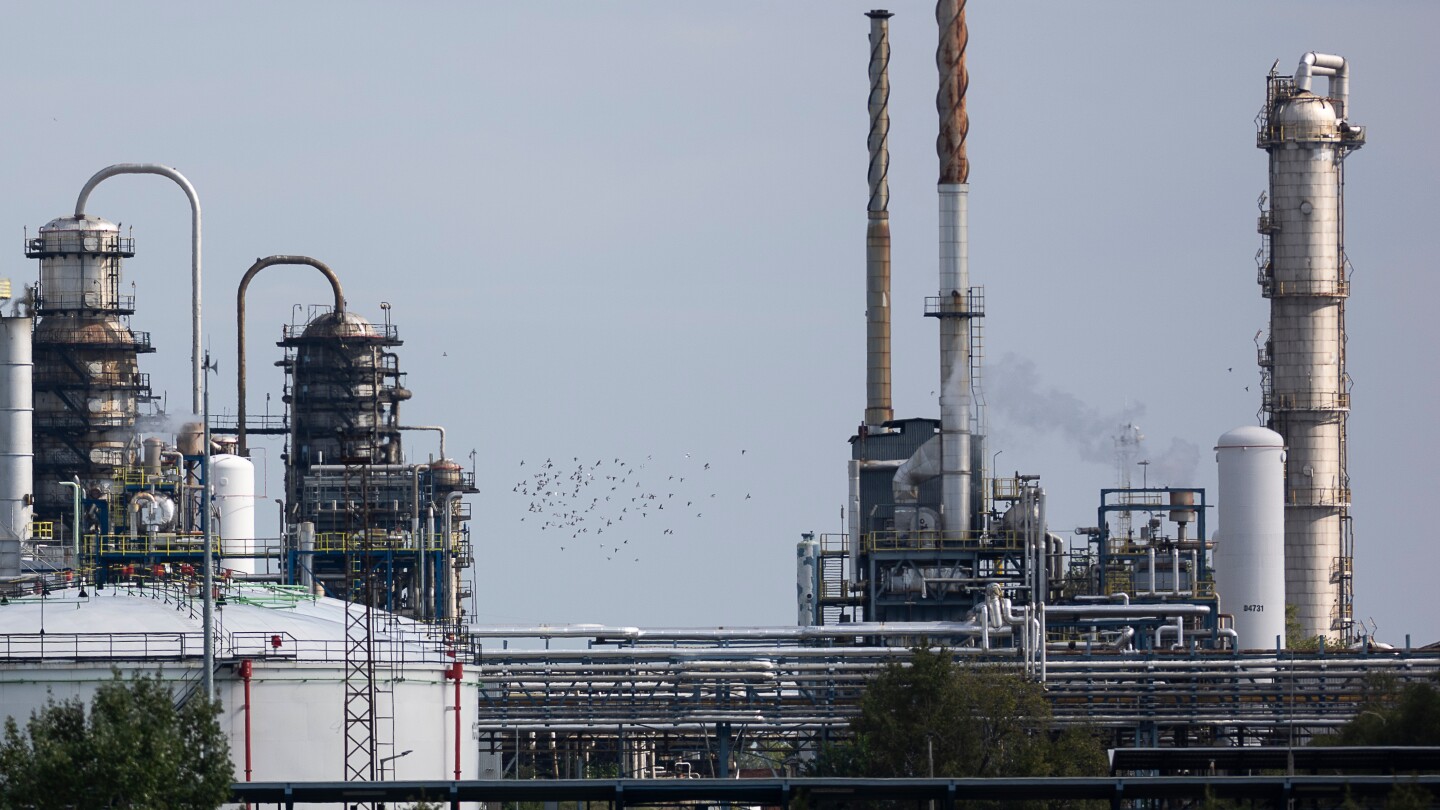
Hungary clings to Russian oil and gas as EU and NATO push to cut supplies
In the midst of the European Union’s aggressive push to sever ties with Russian energy and U.S. President Donald Trump’s administration urging NATO members to abandon Russian oil, Hungary’s populist government, led by Prime Minister Viktor Orbán, remains steadfast in its commitment to Russian energy. Orbán has long argued that Russian energy imports are vital for Hungary’s economy, warning that switching to alternative sources would lead to immediate economic collapse. Despite the EU’s sanctions on Russia following its invasion of Ukraine in February 2022, Hungary has not only maintained but increased its Russian energy imports, citing a lack of viable alternatives. Critics, however, argue that Orbán’s stance is more politically motivated than economically justified, pointing to his close ties with Russian President Vladimir Putin. Hungary’s landlocked geography and reliance on Soviet-era pipelines further complicate the transition to non-Russian energy sources. While other EU countries have significantly reduced their dependence on Russian energy, Hungary has been granted a temporary exemption, allowing it to continue importing Russian oil and gas via pipelines. Energy experts, including László Miklós, a former director of corporate relations at Hungary’s national oil and gas conglomerate MOL, argue that Hungary’s reluctance to seek alternative energy sources is not economically rational. Miklós suggests that the Hungarian government’s continued reliance on Russian energy is more about supporting Russia’s war efforts than economic necessity. Despite these criticisms, Hungary’s leaders maintain that the country’s geographical location and infrastructure limitations make it impossible to transition away from Russian energy. Meanwhile, other landlocked countries in the region, such as the Czech Republic, have successfully reduced their dependence on Russian oil. Hungary’s national energy company, MOL, has begun investing in diversifying its energy sources, but the government’s political will to break away from Russian energy remains in question. As the EU continues to push for a complete cessation of Russian energy imports, Hungary’s defiance highlights the complex interplay between politics, economics, and energy security in Europe.
-
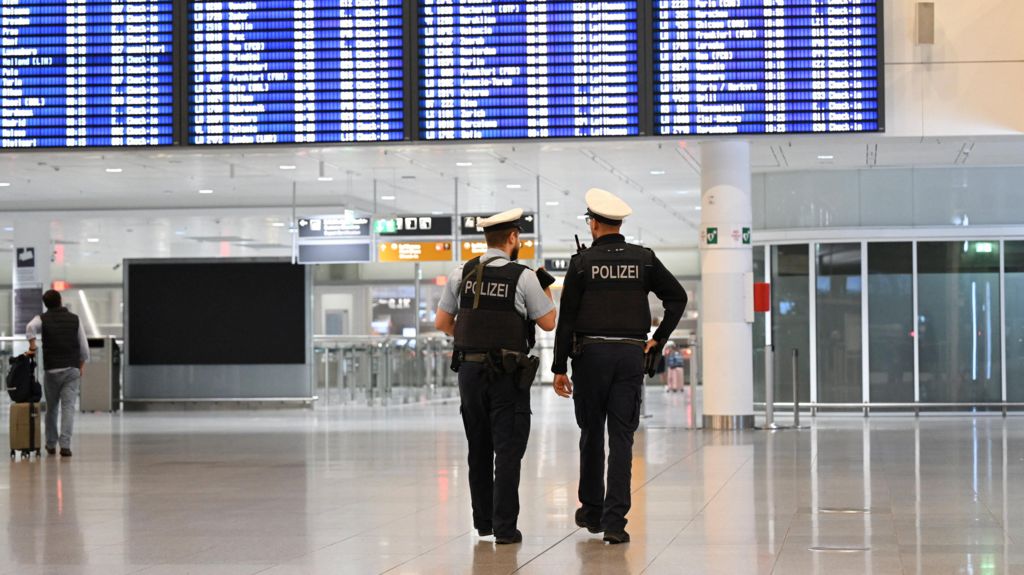
Suspected drones force second Munich airport closure in 24 hours
Munich Airport has once again suspended all flights due to unconfirmed drone sightings, marking the second such disruption within 24 hours. The latest suspension occurred on Friday evening at 21:30 local time (20:30 GMT), affecting approximately 6,500 passengers. This follows a similar incident on Thursday evening, where at least 17 flights were grounded after multiple drones were spotted in the vicinity. The disruptions are part of a growing trend of drone-related aviation disturbances across Europe in recent weeks. Authorities in Belgium are also investigating sightings of 15 drones near the Elsenborn military site, close to the German border. Reports indicate that these drones subsequently flew into Germany, where they were observed by police in the town of Düren. The origin and operators of the drones remain unidentified. German Interior Minister Alexander Dobrindt has announced plans to address anti-drone defense measures at a European interior ministers’ meeting on Saturday, originally scheduled as a migration summit. Additionally, Dobrindt has pledged to expedite legislation that would empower police to request military assistance in shooting down drones. The recent surge in drone sightings across the EU has prompted discussions at a leaders’ summit in Copenhagen, where several member states have supported the creation of a ‘drone wall’ to detect, track, and destroy Russian drones. Recent incidents include 20 Russian drones crossing into Poland and Russian MiG-31 jets entering Estonian airspace. Airports in Copenhagen and Oslo have also faced closures due to unidentified drones near their airspaces. German Chancellor Friedrich Merz has expressed concerns over the increasing frequency of airspace incursions, suggesting that Russia may be responsible. However, Russian President Vladimir Putin has denied any involvement, dismissing the allegations with humor during a summit in Sochi.
-
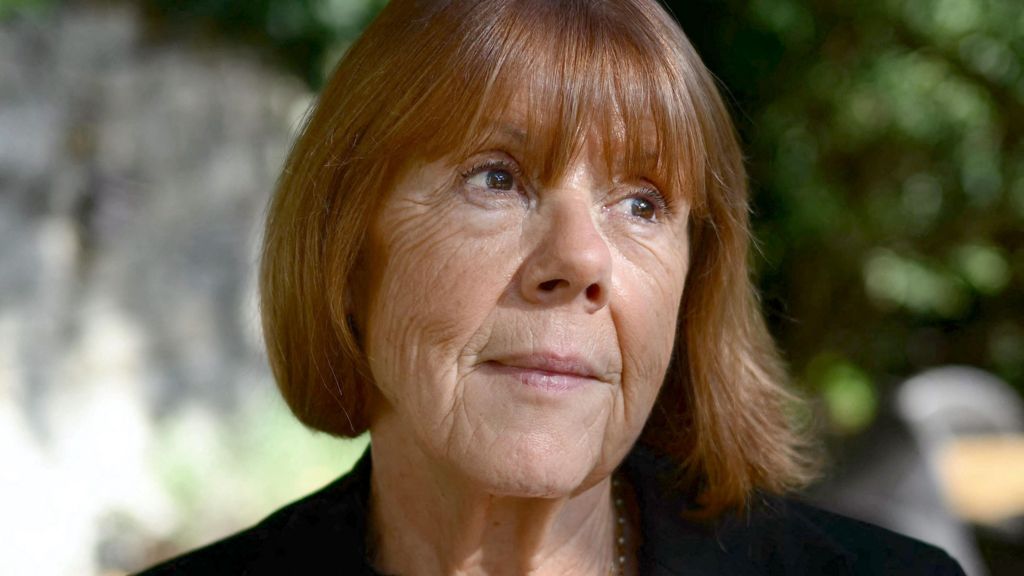
Gisèle Pelicot returns to court after trial made her an icon – and tore her family apart
Gisèle Pelicot, the 72-year-old grandmother at the center of France’s largest rape trial, is set to return to court as one of her 51 convicted rapists appeals his sentence. Husamettin Dogan, a 44-year-old married father, is challenging his nine-year prison term for aggravated rape, marking the only appeal to proceed among the defendants. The case, which captivated global attention last year, exposed a decade-long ordeal where Gisèle was drugged and assaulted by men recruited by her husband, Dominique Pelicot, who meticulously documented the crimes. Dominique received the maximum sentence of 20 years, while 46 others were convicted of rape, two of attempted rape, and two of sexual assault. Dogan’s appeal, effectively a retrial, will revisit harrowing evidence, including video footage of the assaults. Gisèle, now a feminist icon, has chosen to attend the proceedings despite not being legally required to do so. Her lawyer, Stéphane Babonneau, noted her sense of responsibility to see the case through to its conclusion. The trial has profoundly impacted French society, sparking nationwide discussions on rape, consent, and gender violence. Dogan’s defense, which previously argued he was unaware Gisèle was unconscious, faces scrutiny in a trial judged by a public jury. Legal experts suggest the case’s high profile may influence the jury’s decision, potentially leading to a harsher sentence. Gisèle’s courage in waiving her anonymity and pushing for transparency has earned her global recognition, including accolades from Time magazine and the French Legion d’Honneur. However, the case has also fractured her family, with her eldest children accusing her of failing to support their own allegations of abuse by Dominique. As the trial resumes, Gisèle’s presence underscores her unwavering commitment to justice and her hope to inspire other survivors.