
Waymo, the trailblazer in autonomous vehicle technology, has announced its ambitious plans to extend its robotaxi services to London by next year. This move signifies a pivotal step in the company’s global strategy to revolutionize urban mobility. Starting in the coming weeks, Waymo will initiate testing of its self-driving vehicles on London’s streets, albeit with a human safety driver present to ensure compliance with regulatory standards. The company aims to secure the necessary governmental approvals to launch its commercial ride-hailing service in the city. In a recent blog post, Waymo emphasized its commitment to laying the groundwork for its London operations over the next few months, while actively engaging with local and national authorities to navigate the regulatory landscape. Waymo’s autonomous taxis have already established a strong presence in several U.S. cities, including Phoenix, San Francisco, Los Angeles, Atlanta, and Austin. Earlier this year, the company ventured into international markets by collaborating with partners in Japan for testing, though a commercial launch date remains undetermined. Originating as a clandestine project within Google, Waymo has evolved into a leading force in the autonomous vehicle industry. In the U.K., the company will adhere to stringent new regulations governing self-driving cars, which mandate that autonomous vehicles must demonstrate a safety level equivalent to or surpassing that of competent human drivers. Additionally, Waymo will participate in a government-led pilot program for small-scale self-driving taxi and bus services, slated for spring 2026. The company must also comply with regulations set by Transport for London, the city’s transport authority, which oversees licensing for traditional black cabs and other taxi operators like Uber.
标签: Europe
欧洲
-
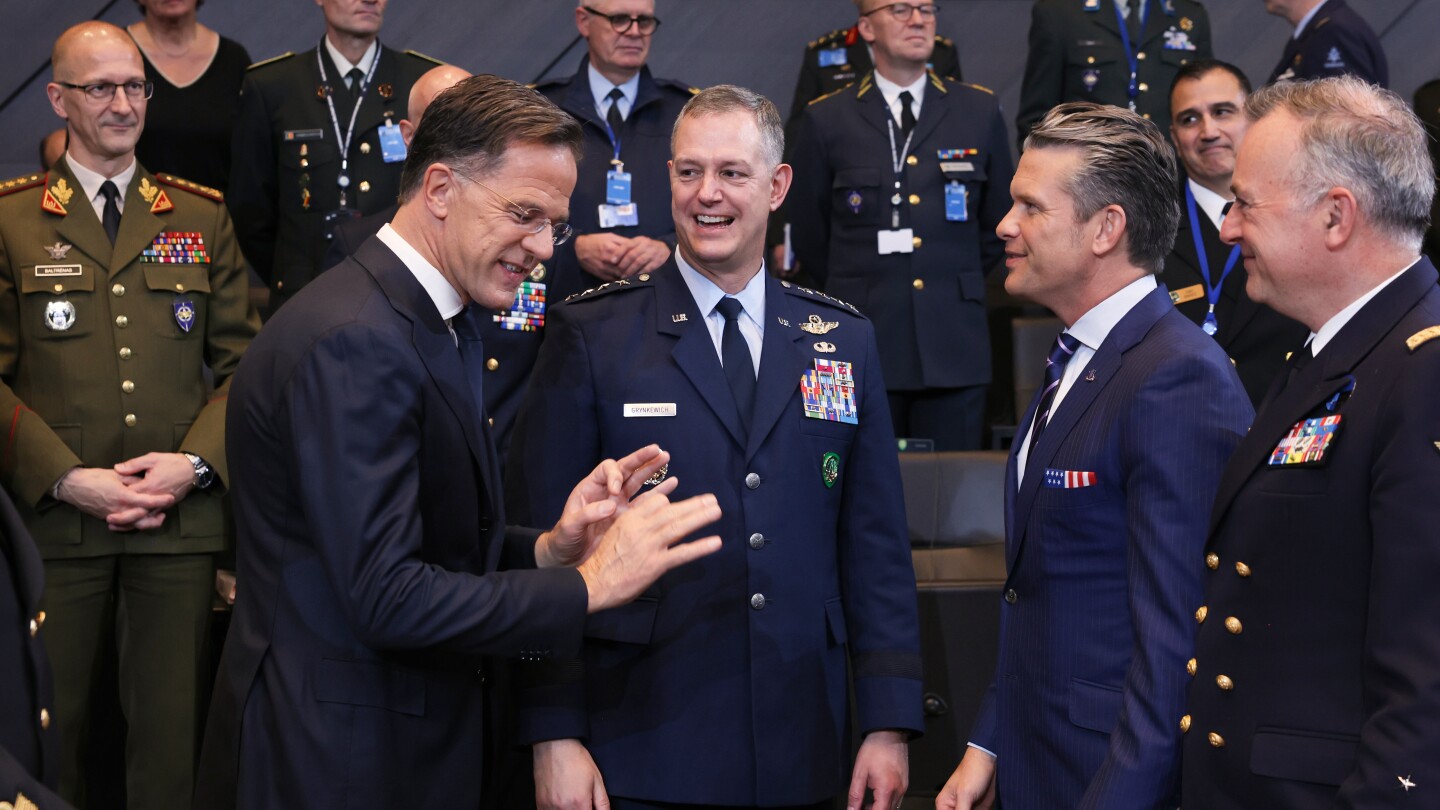
NATO’s newest members offer to buy more US arms for Ukraine as Western backing declines
In a significant move to bolster Ukraine’s defense capabilities, Finland and Sweden, NATO’s newest members, announced on Wednesday their decision to purchase additional U.S. weapons for Ukraine. This comes as recent data reveals a sharp decline in foreign military aid to the war-torn nation over the past few months. The initiative aligns with NATO’s efforts to coordinate regular deliveries of substantial weapons packages, each valued at approximately $500 million, to help Ukraine counter Russia’s ongoing aggression. However, European arsenals have nearly exhausted their spare weapons stocks, prompting NATO diplomats to highlight the United States’ $10-$12 billion worth of arms, air defense systems, and ammunition available for Ukraine’s use. Under the Prioritized Ukraine Requirements List (PURL), European allies and Canada are procuring American weapons to assist Kyiv in repelling Russian forces, with $2 billion already allocated. Finland’s Defense Minister, Antti Häkkänen, emphasized the urgency of providing critical U.S. weapons to Ukraine, while Sweden’s Defense Minister, Pål Jonson, expressed readiness to increase support. Both nations, alongside Estonia, Latvia, and Lithuania, are exploring additional contributions. Despite these efforts, Western military aid to Ukraine has plummeted by 43% in July and August compared to the first half of the year, according to Germany’s Kiel Institute. NATO Secretary-General Mark Rutte downplayed concerns, stating that support levels remain consistent with the previous year. However, criticism has grown over France, Italy, and Spain’s insufficient contributions, with Häkkänen urging all 32 NATO allies to shoulder their fair share of the burden. France, grappling with debt, has opted out of PURL, advocating for European defense industry investments instead.
-

The Portugal basketballer turned England rugby player
Luis Domingos, a 27-year-old wheelchair athlete, has made an extraordinary transition from wheelchair basketball to wheelchair rugby league, earning a spot in England’s 10-man squad for the upcoming Ashes series against Australia. Born in Setubal, Portugal, of Angolan descent, Domingos became a wheelchair user after contracting polio as a child. His journey began in Leeds, where he initially played wheelchair basketball for fun before switching to rugby league to improve his fitness. Domingos’ talent in basketball led him to professional leagues in Italy, Spain, and Portugal, where he represented his birth country internationally. However, his desire to pursue a business management degree at the University of Huddersfield brought him back to England. While studying, Domingos continued to play wheelchair basketball and eventually joined Castleford Tigers’ wheelchair rugby league team, where he quickly made an impact. His performances earned him a call-up to England’s national squad, and he recently helped Castleford win the Wheelchair Championship Grand Final. Domingos attributes his success to his diverse experiences and the support of his teammates. ‘England is a family,’ he said. ‘I feel privileged to be part of this.’ The Ashes series will see England play four matches in Australia, starting on October 24. Domingos is optimistic about the challenges ahead, drawing on his professional background to handle the pressure. ‘Everything happens for a reason,’ he reflected. ‘I’m living today and enjoying this moment.’
-
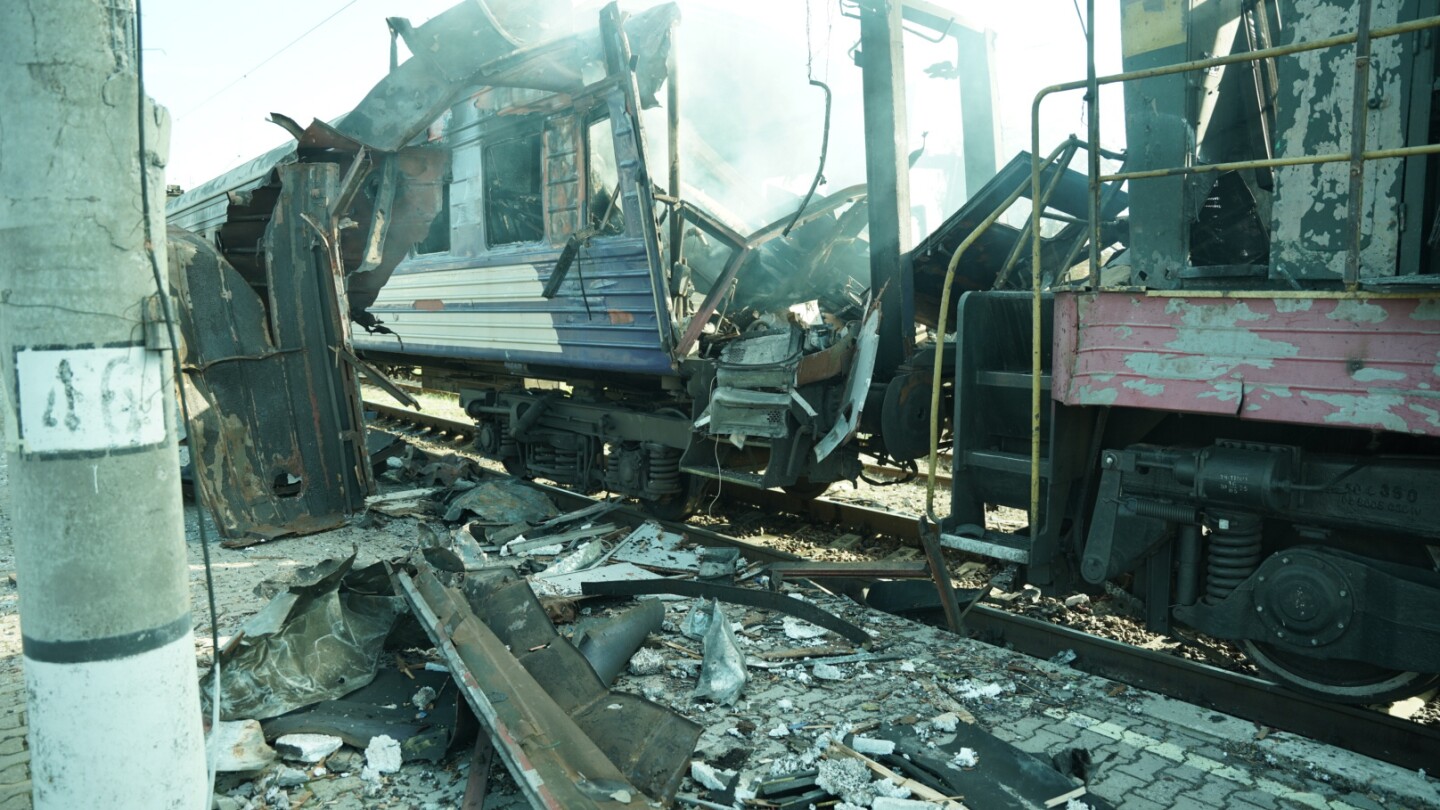
Russia makes more precise drones and is using them to attack Ukraine’s vital rail network
In a recent escalation of hostilities, Russian drones targeted the Shostka train station in northeastern Ukraine, resulting in the death of a 71-year-old man and injuring at least eight others. The attack left train cars severely damaged by fire and shrapnel, highlighting a surge in assaults on Ukraine’s railway system since mid-summer. Ukrainian officials report that these strikes are part of a broader Russian strategy to disrupt commercial and military logistics by targeting critical infrastructure with increasingly precise long-range drone technology. Oleksandr Pertsovskyi, CEO of the Ukrainian state railway, emphasized that the attacks aim to sow unrest in border regions by severing rail connections. Since August alone, there have been approximately 300 attacks on railway infrastructure, averaging about 10 per week. Ukraine’s rail network, which handles over 63% of the country’s freight and 37% of passenger traffic, is vital for transporting grain, metal exports, and military aid. Russian forces have enhanced their drone capabilities by equipping them with cameras and radio modems, allowing real-time adjustments to flight paths and significantly increasing precision. Ukrainian repair crews have been working tirelessly to restore services swiftly, with track repairs often completed within hours. Despite the relentless attacks, Ukrainian officials remain determined to keep the trains running, viewing their resilience as a defiance against Russian aggression.
-
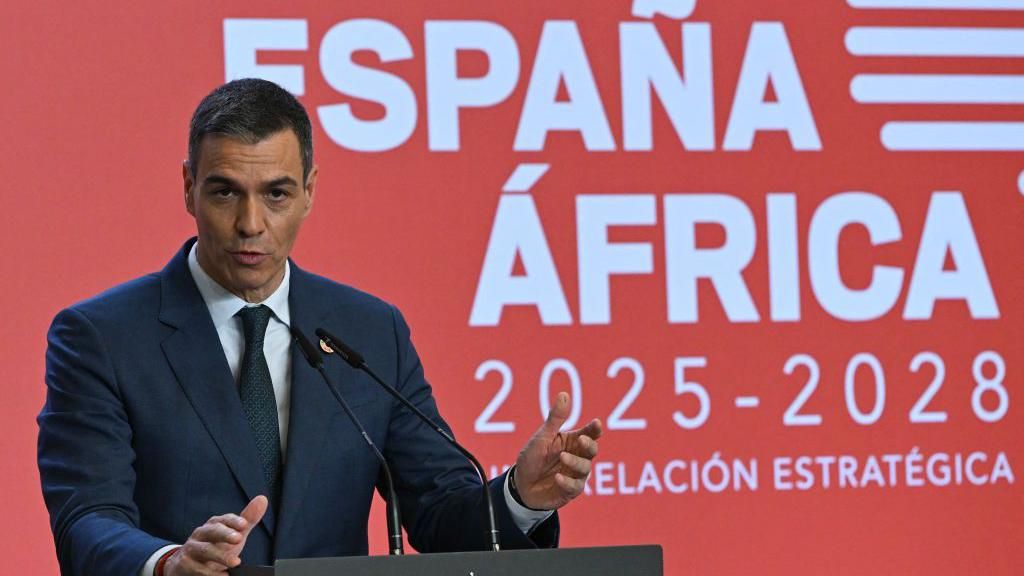
Spain’s radically different approach to African migration
In a striking departure from the prevailing political climate in Western nations, Spain is charting a unique course in its approach to migration and its engagement with the African continent. While countries like the US, the UK, France, and Germany are scaling back development aid, Spain is doubling down on its commitment to fostering deeper ties with Africa. This week, Madrid hosted the African Union-backed ‘World Conference on People of African Descent,’ focusing on restorative justice and the establishment of a new development fund. This event underscores Spain’s socialist-led government’s efforts to diversify and strengthen its relationship with its southern neighbor, just a few kilometers across the Straits of Gibraltar. In July, Foreign Minister José Manuel Albares launched a new advisory council, predominantly composed of African intellectuals, diplomats, and cultural figures, to oversee the implementation of the Spain-Africa strategy unveiled last year. Plans include opening new embassies south of the Sahara and forging partnerships in business and education. Spain’s approach contrasts sharply with the tone and mindset of other Western nations, particularly in its handling of migration. While Prime Minister Pedro Sanchez faces electoral challenges from the radical right, driven by anti-immigration sentiment, his government is pursuing innovative solutions to manage migration. These include training schemes for unemployed youth in countries like Senegal and a ‘circular migration’ program offering short-term visas for seasonal agricultural work. Spain’s strategy is rooted in the belief that Europe and Africa share a common geopolitical space, and it emphasizes economic sectors like infrastructure, digitalization, and energy transition, as well as education and youth employment. The cultural dimension includes promoting the Spanish language and supporting academic mobility. Spain’s commitment to democratic ideals, the African Union, and regional organizations like Ecowas further distinguishes its approach. In a world increasingly marked by xenophobia and hostility toward migrants, Spain’s progressive stance offers a refreshing alternative.
-

England reaches 2026 World Cup by routing Latvia. Ronaldo and Portugal miss chance to clinch a spot
In a decisive display of dominance, England became the first European nation to secure a spot in the 2026 FIFA World Cup, clinching their qualification with a commanding 5-0 victory over Latvia on Tuesday. Captain Harry Kane led the charge with a first-half brace, solidifying England’s position at the top of their qualifying group with two matches remaining. Under the guidance of German coach Thomas Tuchel, the English squad has maintained an impeccable defensive record, conceding zero goals in six qualifying matches. Kane, who has netted a combined 21 goals for England and Bayern Munich this season, emphasized the team’s commitment to maintaining high standards regardless of the opponent. Meanwhile, Portugal’s path to qualification hit a snag as they conceded a stoppage-time equalizer against Hungary, resulting in a 2-2 draw in Lisbon. Cristiano Ronaldo, who scored twice to give Portugal a temporary lead, now holds the record for most goals in World Cup qualifiers with 41, surpassing Guatemala’s Carlos Ruiz. Despite the setback, Portugal remains in contention for a spot in the tournament. In other qualifying action, Italy secured at least a playoff berth with a 3-0 win over Israel, while Spain maintained their group lead with a 4-0 victory over Bulgaria.
-

Employment of woman jailed was ‘risk’ to Dáil security – Humphreys
In a heated radio debate, Irish presidential candidates Catherine Connolly and Heather Humphreys clashed over the employment of a woman with a criminal past in the Dáil Éireann, Ireland’s national parliament. Heather Humphreys, representing Fine Gael, criticized Connolly’s decision to hire Ursula Ní Shionnain, who had served nearly four and a half years of a six-year sentence for firearms offences. Humphreys argued that Ní Shionnain’s employment posed a significant risk to the security of the Dáil, citing a lack of proper vetting by gardaí during her six-month tenure in an administrative role. Connolly, an independent TD supported by left-leaning parties, defended her decision, stating that Ní Shionnain had ‘fully rehabilitated her life’ and that no rules were broken in the hiring process. Ní Shionnain, a former member of the socialist republican party Érígí, was convicted in 2014 for her involvement in a dissident republican operation, which included possession of handguns, ammunition, and disguises. Connolly emphasized that Ní Shionnain was a ‘success story of the prison system’ and had been recommended by other parliamentarians involved in prison visiting groups. Despite Connolly’s assurances, Humphreys raised concerns about the potential security implications of employing someone with such a background in the heart of Ireland’s legislative body. The debate has sparked a broader conversation about rehabilitation, security protocols, and the responsibilities of public officials in ensuring the safety of national institutions.
-

French pair sentenced in Iran on spying charges
Two French citizens, Cecile Kohler, 40, and Jacques Paris, 72, have been sentenced to lengthy prison terms by an Iranian court after being convicted of espionage. The pair, arrested during a tourist trip in May 2022, were accused of spying for both France and Israel. Iranian state media reported the verdicts but did not name the defendants, though they are widely believed to be the only French nationals detained in Iran. Kohler and Paris were sentenced to multiple years in prison and exile, with their pre-trial detention time to be deducted from their sentences. The verdicts can be appealed within 20 days. This case follows a pattern of Iran detaining foreign nationals, often for diplomatic leverage. Earlier this year, another French tourist, Olivier Grondeau, was released after serving part of a five-year sentence. Iran has previously suggested that Kohler and Paris could be exchanged for Mahdieh Esfandiari, an Iranian woman held in France on terrorism-related charges. France has condemned the detentions as arbitrary and accused Iran of subjecting the pair to torturous conditions. Human rights groups have criticized Iran for using detainees as bargaining chips in international negotiations. The situation highlights ongoing tensions between Iran and Western nations, with multiple Europeans currently held in Iranian custody.
-
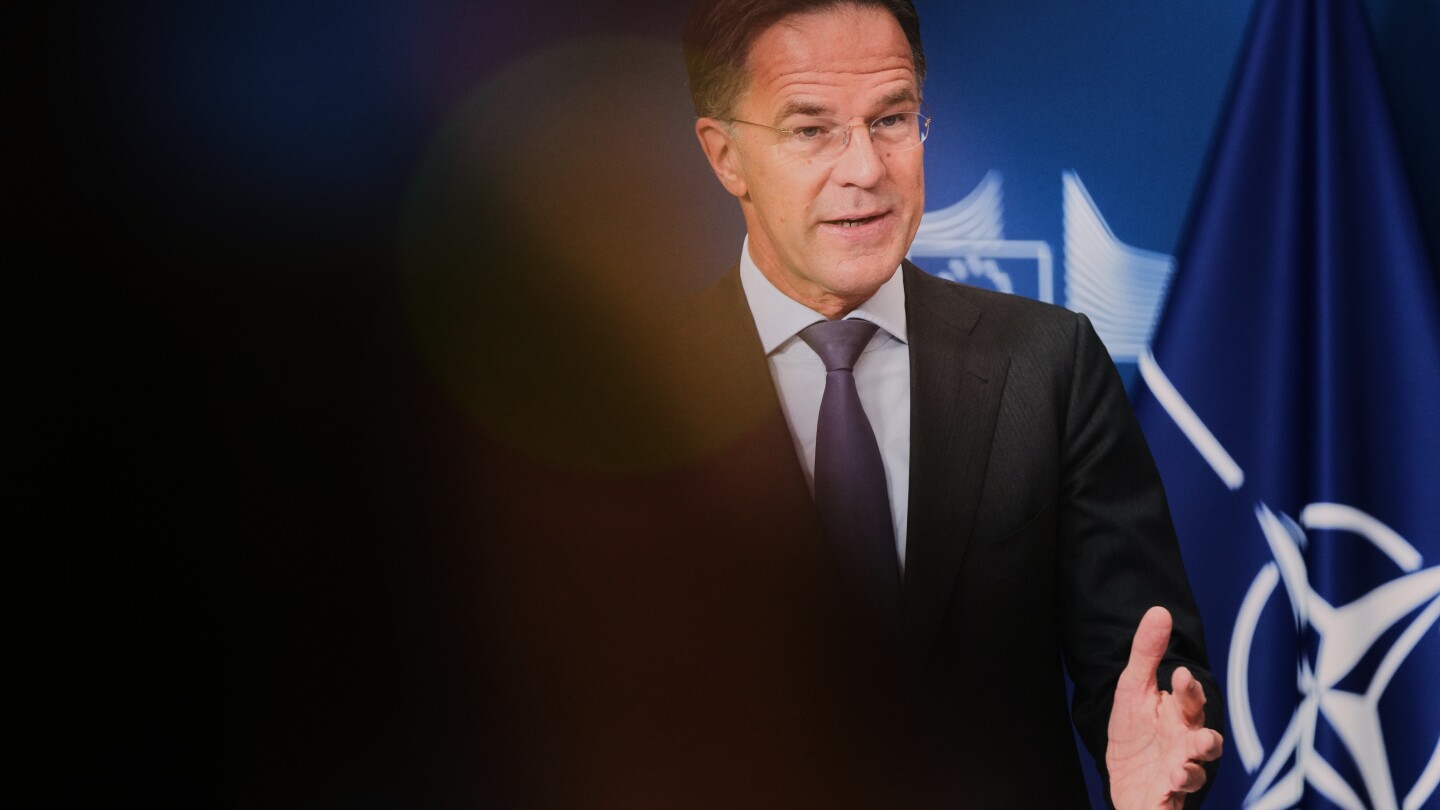
NATO seeks more arms for Ukraine as Western support fades and allied airspace concerns mount
BRUSSELS (AP) — NATO defense ministers are set to gather on Wednesday to address the urgent need for increased military support for Ukraine, as weapon and ammunition deliveries to the war-torn nation have significantly declined in recent months. The meeting will also focus on a proposal from NATO’s commander to remove restrictions on the use of alliance aircraft and equipment, aiming to enhance the defense of NATO’s eastern border with Russia, Belarus, and Ukraine. This comes amid escalating concerns over a series of mysterious drone incidents and airspace violations by Russian warplanes, which some leaders interpret as President Vladimir Putin testing NATO’s defensive capabilities. Moscow has denied these allegations, dismissing claims of probing NATO’s defenses. Meanwhile, Russia’s ongoing conventional war against Ukraine has shifted focus to targeting the country’s power grid, leaving civilians vulnerable to harsh winter conditions. According to the Kiel Institute, Western military aid to Ukraine plummeted by 43% in July and August compared to the first half of the year, despite European allies purchasing American weapons under the Prioritized Ukraine Requirements List (PURL). Notably, countries like Denmark, the Netherlands, Norway, and Sweden have been actively contributing, while others, including Italy and Spain, have lagged behind. A senior NATO diplomat warned that if Ukraine falls, defense expenditures could far exceed NATO’s current target of 5% of GDP. The diplomat, speaking anonymously, highlighted economic challenges faced by some member states, with France opting to invest in Europe’s defense industry rather than participating in PURL. NATO’s efforts to bolster its eastern flank include the establishment of air defense operations like Eastern Sentry, following Russian drone incursions into Polish airspace. However, restrictions on the use of fighter jets and other equipment continue to hinder NATO’s effectiveness. U.S. Lt. Gen. Alex Grynkewich, NATO’s Supreme Allied Commander, is conducting a review of the alliance’s needs to address these challenges, with plans to present his findings to member countries early next year.
-
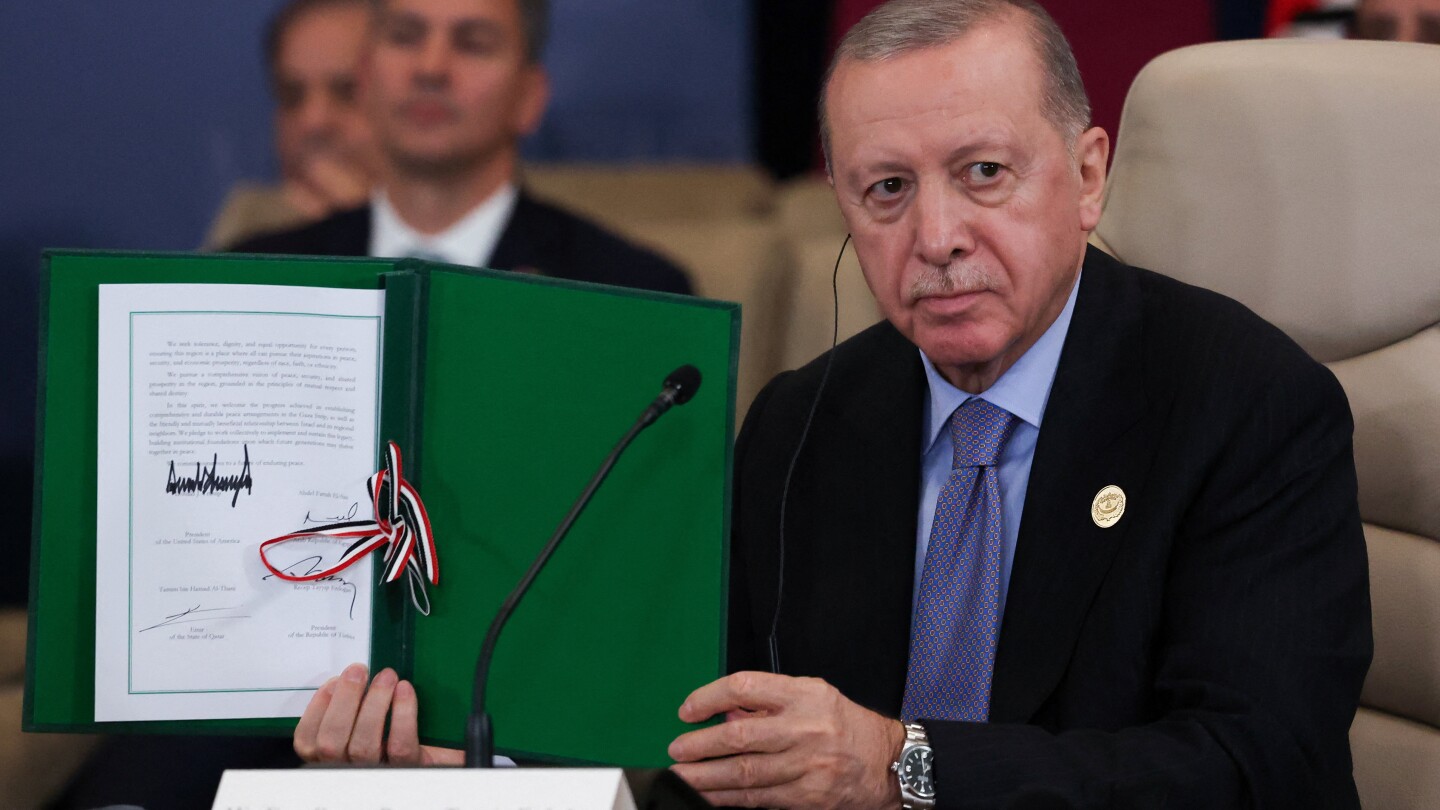
Erdogan opposed Netanyahu’s attendance at summit, Turkish official confirms
Turkish President Recep Tayyip Erdogan orchestrated a diplomatic effort to prevent Israeli Prime Minister Benjamin Netanyahu from attending a high-level summit in Egypt, according to a senior official. The summit, held at the Red Sea resort of Sharm el-Sheikh, aimed to support the ceasefire in Gaza. Omer Celik, spokesman for Erdogan’s ruling party, confirmed that Turkey had actively worked to block Netanyahu’s participation, marking the first public acknowledgment of Ankara’s role in the matter. Erdogan, a vocal critic of Netanyahu’s military actions in Gaza, reportedly gained support from several nations to ensure the Israeli leader’s absence. Netanyahu’s office initially accepted a last-minute invitation but later cited a Jewish holiday as the reason for his withdrawal. Erdogan, who maintains ties with Hamas, signed a four-party declaration alongside U.S. President Donald Trump and the leaders of Egypt and Qatar. In a speech, Erdogan hailed the declaration as a significant step toward halting what he described as ‘genocide’ in Gaza, a claim Israel strongly denies. The Turkish president also emphasized the long-term challenges of rebuilding Gaza, stating that the devastation may never be fully repaired. Meanwhile, Erdogan’s plane aborted its landing at Sharm el-Sheikh due to a runway issue, dismissing rumors of a boycott threat.