标签: Europe

欧洲

  • Finnish duo win wacky wife-carrying race

    Finnish duo win wacky wife-carrying race

    In a display of strength and eccentric tradition, Finnish competitors Teemu and Jatta emerged victorious at the 17th annual UK Wife Carrying Race held in Dorking, Surrey. The event saw dozens of participants brave inclement weather conditions while navigating a challenging 380-meter course on the Nower hill.

    The Scandinavian-originated competition requires athletes to carry their partners—whether spouses, friends, or family members—through an obstacle-filled terrain featuring hay bale barriers and enthusiastic spectators armed with water pistols and buckets. While participants may choose their preferred carrying method, many opted for the distinctive Estonian hold, where the carried person hangs inverted with legs secured around the carrier’s shoulders.

    Race director Ian Giles described the atmosphere as ‘certainly chaotic’ prior to the event. Defending UK champion Stuart Johnson expressed concerns about potentially dropping his partner Hattie Cronin, noting that their initial practice sessions in a local park drew bewildered reactions from onlookers.

    The winning Finnish pair received a traditional prize: a barrel of locally brewed ale. The competition maintains specific weight regulations, requiring carried participants to meet a 50kg minimum, with underweight individuals supplementing with weighted rucksacks containing flour tins or similar items.

    This unusual sport traces its origins to Viking history, specifically referencing the pillage of Lindisfarne, while its modern sporting interpretation began with Finland’s inaugural world championships in 1996. The UK version, organized by Leith Hill Trail Runners since 2008, has expanded beyond marital pairs to include various partner combinations in its inclusive approach to the tradition.

  • Roaring crowd of 8,992 sets a new Para ice hockey attendance record at Milan Cortina for US vs Italy

    Roaring crowd of 8,992 sets a new Para ice hockey attendance record at Milan Cortina for US vs Italy

    MILAN — The Milan Cortina Winter Paralympics has achieved a groundbreaking milestone in Para ice hockey history, setting an unprecedented attendance record during its opening preliminary match. Saturday night’s high-stakes encounter between the four-time defending champions from the United States and host nation Italy attracted an extraordinary crowd of 8,992 spectators, creating an electrifying atmosphere at the venue.

    This remarkable turnout not only eclipsed the previous Paralympic record of 8,462 spectators set during the gold medal match at the 2002 Salt Lake City Games but also surpassed the 2019 World Para Ice Hockey Championship attendance record of 8,600 held by the Czech Republic.

    Andrea Varnier, CEO of the local organizing committee, expressed profound pride in this achievement on Sunday, stating: “This attendance record represents a tremendous source of honor for Milano Cortina 2026 and the entire Paralympic movement. The vibrant energy and enthusiastic engagement we’re witnessing across our venues powerfully demonstrate the inspirational capacity of Paralympic sports.”

    Varnier further emphasized the significance of this milestone: “The presence of nearly nine thousand spectators for a Para ice hockey game serves as a concrete manifestation of the Games’ enduring legacy, while simultaneously celebrating extraordinary athletic talent, unwavering determination, and exceptional team spirit.”

    The match itself delivered dramatic moments as the Italian team stunned the audience by securing an unexpected lead merely 25 seconds after the initial puck drop, triggering explosive celebrations from the home crowd. However, the experienced American squad, having dominated five of the past six Winter Paralympics tournaments, mounted a formidable comeback to ultimately claim a decisive 14-1 victory.

    U.S. coach David Hoff reflected on the exceptional environment: “Considering this was the first scheduled match, I found it particularly remarkable following the COVID-affected Beijing Paralympics with limited attendance. I anticipated Italy would deliver an exceptional experience, and today’s atmosphere certainly provided a magnificent environment—a truly fantastic start for our team amidst such incredible energy.”

    Hoff added: “In sled hockey, we rarely encounter packed venues like tonight’s with such passionate crowd support and enthusiastic cheering. This extraordinary environment creates a very special experience for our athletes to compete within.”

  • International Women’s Day is a celebration and a call to action. Here are things to know

    International Women’s Day is a celebration and a call to action. Here are things to know

    On Sunday, millions worldwide participated in International Women’s Day observances, combining celebration of women’s achievements with urgent calls for gender equality. The global events showcased a diverse spectrum of activities—from political demonstrations demanding equal pay and reproductive rights in Pakistan and Turkey to symbolic flower ceremonies in China and Russia. In Cambodia, workers raised fists and umbrellas in solidarity, while Berlin witnessed approximately 20,000 participants in one of Europe’s largest marches, doubling police expectations.

    This year’s theme, ‘Give to Gain,’ emphasized both financial support for women-focused organizations and intangible contributions like education and challenging discrimination. The commemoration occurs against a sobering statistical backdrop: UN data reveals women globally possess only 64% of the legal rights enjoyed by men, while femicide remains devastatingly prevalent with a woman or girl killed by family or partners every ten minutes worldwide.

    The historical roots of International Women’s Day trace back to 1909 with the American Socialist Party, though German feminist Clara Zetkin championed its global adoption at the 1910 Copenhagen socialist conference. The March 8 date commemorates a massive 1917 Russian protest that contributed to the country’s wartime withdrawal. The UN formally recognized the day in 1977, and it now serves as an official holiday in over 20 nations.

    Recent developments have intensified the day’s significance. The 2022 reversal of Roe v. Wade in the United States has triggered reverberations across Europe’s political landscape, reigniting debates about reproductive rights amid rising far-right influence. In Brazil, marches focused on gender-based violence following the alleged gang rape of a teenager in Rio de Janeiro’s Copacabana neighborhood.

    Social media continues amplifying attention on demonstrations in nations with repressive governments, making International Women’s Day both a celebration of progress and a stark reminder of persistent global inequalities.

  • Swiss reject right-wing plan to cut licence fee for public broadcaster

    Swiss reject right-wing plan to cut licence fee for public broadcaster

    Swiss citizens have delivered a decisive verdict in a national referendum, rejecting a proposal to drastically cut funding for public broadcasting. Initial projections indicate that 62% of voters opted to maintain the current licence fee structure for the Swiss Broadcasting Corporation (SBC), dealing a significant defeat to the cost-cutting initiative.

    The controversial measure, championed by the right-wing Swiss People’s Party, sought to reduce the annual household fee from 335 Swiss francs (£320; $435) to just 200 francs (£190; $260), while completely exempting businesses from the contribution. Proponents argued that the existing fee placed an excessive burden on households amid rising living costs, noting that Switzerland’s broadcasting contribution exceeds that of neighboring countries like Austria and Germany.

    However, the government and all other parliamentary parties mounted a successful defense of the current funding model. They emphasized that the licence fee is essential for maintaining Switzerland’s unique multilingual broadcasting landscape, ensuring proper representation for all four national languages: French, German, Italian, and Romantsch. Advocates also warned that funding reductions would jeopardize foreign news coverage and sports programming.

    In a related development, Swiss voters overwhelmingly approved a separate constitutional amendment guaranteeing access to cash. Approximately 70% endorsed the government’s proposal requiring the Swiss National Bank to ensure cash availability, rejecting a more stringent initiative from the ‘Cash is Freedom’ movement that sought explicit constitutional protection for ‘coins and banknotes.’

    The broadcasting fee victory comes despite planned gradual reductions already approved by the government, which will lower the contribution to 300 Swiss francs by 2029 while expanding exemptions for certain companies.

  • Iran’s border with Turkey offers a way out, but few are leaving for good

    Iran’s border with Turkey offers a way out, but few are leaving for good

    KAPIKOY BORDER CROSSING, Turkey — As Iran’s airspace remains shuttered following recent military strikes by U.S. and Israeli forces, the land border crossing near Turkey’s Van province has emerged as a vital lifeline connecting Iranians to the global community. The Kapikoy border gate, nestled within mountainous terrain, has witnessed a steady flow of travelers with existing connections to Turkey through employment, family ties, or dual citizenship arrangements.

    Contrary to expectations of mass exodus, border activity reveals a more nuanced reality. Most travelers are accelerating prearranged visits rather than abandoning their homeland permanently. Reza Gol, a 38-year-old plastic surgeon traveling from Urmia to Istanbul for medical consultations, exemplified this trend: ‘It’s not clear whether we will leave Iran for good, but I can clear my head a little bit in the meantime. Everyone is staying in their houses—people are not running away.’

    The journey remains fraught with complications. Pooneh Asghari and her Iranian-Canadian husband face reluctant relocation to Canada despite having established lives in Iran. ‘All our life is there,’ Asghari lamented, hoping for a brief absence. Economic constraints prevent widespread departure, as noted by Fariba (identifying partially for security): ‘People are very poor now. So they are staying at home, and they are scared.’

    Border logistics have become increasingly complex. While Turkey initially suspended day-trip crossings, regular transit has resumed for Iranians and third-country nationals. Official figures indicate balanced movement, with 2,032 entries versus 1,966 departures recorded recently. Travelers typically proceed to Van airport for connecting flights, though weather disruptions and cancellations create additional hurdles.

    Mehregan, a 26-year-old student stranded en route to China, described her ordeal: ‘If I can’t get on a flight tomorrow from here I will miss my flight to China’—potentially losing nonrefundable tickets. The regional economy suffers concurrently, with hotels and shops anticipating significant losses during normally bustling Nowruz holidays.

    Turkey maintains preparedness for potential refugee influx, having constructed 380 kilometers of concrete walls and numerous surveillance towers along its Iranian border. Interior Minister Mustafa Ciftci confirmed contingency plans involving tent camps and buffer zones, though significant refugee movements have not yet materialized.

    Harrison Mirtar, a 53-year-old Iranian-Canadian returning from parental visits in Tehran, expressed resentment toward foreign intervention but contextualized the crisis: ‘They are in their homeland. Life is going on, but with some bombs.’ This sentiment captures the resilient pragmatism characterizing most Iranians’ response to the escalating conflict.

  • Police investigate a potential explosion outside the US Embassy in Oslo

    Police investigate a potential explosion outside the US Embassy in Oslo

    Norwegian authorities have launched a formal investigation into a possible explosive incident that occurred near the U.S. Embassy compound in Oslo during the early hours of Sunday. According to official statements from Oslo police, emergency services received multiple reports of a loud detonation-like sound approximately at 1:00 a.m. local time.

    The Norwegian Police Security Service (PST) has responded by deploying additional security personnel to the scene as a precautionary measure. However, PST communication adviser Martin Bernsen confirmed that Norway’s national terrorism threat assessment remains unchanged following the incident. Preliminary assessments indicate no casualties or injuries resulting from the event.

    Both the U.S. Embassy in Oslo and local law enforcement officials have declined to provide immediate commentary, directing media inquiries to the U.S. State Department. At present, specific details regarding the nature of the explosion or potential perpetrators remain undisclosed as the investigation continues. Security perimeter around the diplomatic facility has been reinforced while forensic experts examine the area for evidence.

  • War fuels Cyprus anger over UK military bases

    War fuels Cyprus anger over UK military bases

    A recent drone attack on RAF Akrotiri, a British military installation in Cyprus, has intensified longstanding tensions regarding the United Kingdom’s continued military presence on the Mediterranean island. The assault, which damaged a hangar facility one week ago, has sparked divergent interpretations among stakeholders.

    For British defense analysts, the successful penetration of base defenses highlights concerning vulnerabilities in UK military capabilities. For many Cypriot citizens, however, the incident represents another dangerous consequence of foreign military occupation. Approximately 200-300 protesters gathered outside the presidential palace in Nicosia, brandishing banners demanding the removal of British bases from Cypriot territory.

    Local business owner Natasha Theodotou articulated the sentiment of many demonstrators: ‘We seek an independent Cyprus. Just as we experience occupation by Turkish forces, we remain occupied by the UK.’ Theodotou’s comments reference the island’s complex geopolitical situation, where Turkey controls the northern third since its 1974 invasion, while Britain maintains two sovereign base areas covering 98 square miles under a 1960 independence treaty.

    British military intelligence assesses that Hezbollah, the Iranian-backed militia, launched the drone from Lebanese territory. While UK officials deny that Akrotiri serves as a launch point for American offensive strikes against Iranian targets, the base’s reported use by U.S. U-2 surveillance aircraft potentially explains why it became a target for Iranian proxies seeking retaliation against U.S.-Israeli operations.

    The demonstration incorporated multiple geopolitical concerns, with participants expressing solidarity with Palestine and criticism of U.S. and Israeli policies. Chants of ‘Say it loud, say it clear, British bases out of here’ echoed through Nicosia’s streets, which remain divided by a UN-patrolled buffer zone—often called the world’s last partitioned capital.

    Protesters emphasized security concerns, with participant Shona Muir stating, ‘Their presence alone here makes us more of a target.’ This contrasts sharply with the UK Ministry of Defence’s position that the bases ‘play a crucial role in supporting the safety of British citizens and our allies,’ noting recent operations where British jets intercepted Iranian drones from the location.

    The Cypriot government has carefully distinguished between the attacked UK facility and Cypriot sovereignty, while Foreign Minister Constantinos Kombos acknowledged the base issue requires ‘careful reflection’ following recent events. Demonstrators meanwhile demand greater transparency regarding base activities, with Stephanos Stavros emphasizing that the foundational treaty must be complied with through ‘full transparency.’

    Any potential renegotiation of the base agreements would involve extraordinarily complex diplomatic negotiations between the UK, Greece, Turkey, and both Greek and Turkish Cypriot communities, making immediate resolution unlikely despite growing local opposition.

  • Irish government chartered flight from Oman arrives in Dublin

    Irish government chartered flight from Oman arrives in Dublin

    The inaugural Irish government-chartered evacuation flight has successfully transported 194 citizens from the Middle East to Dublin Airport amid escalating regional hostilities. The aircraft, which departed from Muscat, Oman on Saturday afternoon local time, completed its journey with a technical stop in Cairo before arriving in Dublin at approximately 05:00 local time Sunday.

    This emergency evacuation operation follows the deterioration of regional security conditions after U.S.-Israeli strikes on Iran triggered retaliatory measures from Tehran, resulting in widespread airspace closures across the Middle East. The Irish Department of Foreign Affairs acknowledged significant operational challenges that delayed the originally scheduled Friday departure.

    The evacuation protocol prioritized elderly citizens and individuals with medical conditions, while permitting children under 16 to travel without charge. Adult passengers were required to pay €800 for their seats—a pricing structure that generated some public criticism. Irish Foreign Affairs Minister Helen McEntee defended the fee structure, emphasizing that the charged amount represented a “substantially reduced compared to the overall cost” of the specialized evacuation operation.

    This government-chartered flight follows the earlier arrival of nearly 400 Irish citizens aboard a commercial Emirates flight from Dubai on Wednesday night—the first successful commercial passage in several days after Middle Eastern airspace gradually reopened.

    Concurrently, the United Kingdom has announced plans to charter evacuation flights from Dubai early next week for British nationals seeking to leave the region, contingent upon ground conditions. The UK operation will similarly charge evacuees while permitting spouses, partners, and children under 18 to travel with registered British nationals.

  • A singing circle at Amsterdam’s Concertgebouw offers support for people with dementia

    A singing circle at Amsterdam’s Concertgebouw offers support for people with dementia

    AMSTERDAM — Within the opulent Mirror Hall of Amsterdam’s famed Concertgebouw, a unique chorus resonates, offering a lifeline to individuals grappling with neurological deterioration. Under fourteen glittering crystal chandeliers, opera singer Maartje de Lint leads a ‘singing circle’ specifically designed for seniors with what she terms ‘vulnerable brains,’ many confronting dementia or Parkinson’s disease.

    Among them is Megan Worthy, 58, whose rare early-onset dementia is progressively eroding her vision and cognitive functions. For Worthy, who fondly remembers singing in a choir during her youth in Canberra, Australia, the sessions are profoundly evocative. ‘It’s pretty brutal,’ she confessed, referring to her condition. ‘I’m starting to lose everything… and this is really rewarding. It did make me have a lot of memories.’ She attends alongside her daughter, Bronte, in a program that costs participants 20 euros ($23.50) per session.

    The initiative, which De Lint and her organization conduct across the Netherlands and Europe, is founded on the principle that singing serves as vital cognitive exercise. Moving through the circle of singers and their caregivers, often kneeling to connect personally, De Lint describes the practice as a form of training. ‘We give people perspective,’ she explained. ‘It’s a training for the brain, for the body, to get more resilient.’

    The emotional potency of the hour-long sessions is palpable, with helpers frequently distributing tissues to dab away tears. The repertoire, spanning from Elvis Presley’s ‘Love Me Tender’ to ‘Amazing Grace,’ fosters tender moments of human connection, such as one man gently touching his neighbor’s cheek during a song.

    This therapeutic approach is supported by neurobiological science. Brankele Frank, a neurobiologist unaffiliated with the project, affirms that music engages brain regions often spared by neurodegeneration. ‘Their verbal skills often are compromised, but music speaks to parts of the brain that don’t necessarily need verbal skills,’ Frank told The Associated Press. ‘It taps into their emotion, their sense of self, their identity.’

    Scientists are increasingly investigating music’s potential benefits for dementia, traumatic brain injuries, and stroke patients, noting its ability to activate multiple brain regions simultaneously, thereby strengthening neural networks governing language, memory, emotion, and movement.

    For caregivers like Bronte Henfling, the value extends beyond clinical benefits. The experience of being in a non-medical, uplifting environment provides a crucial sense of normalcy and shared humanity. ‘Just hearing everyone come together and sing… it reminds us that we’re all human,’ she said, ‘which is really pleasing and nice to be a part of.’

  • Explosion reported outside US embassy in Oslo, police say

    Explosion reported outside US embassy in Oslo, police say

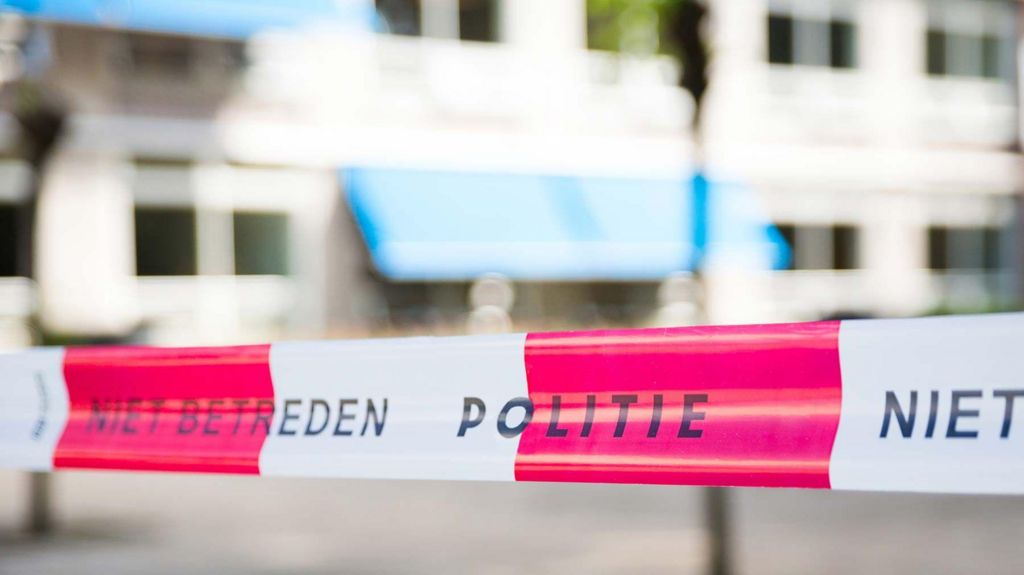
    OSLO – Norwegian authorities swiftly cordoned off the perimeter surrounding the United States Embassy in Oslo following a reported explosion that occurred in the early hours of the morning. The incident, which took place at approximately 01:00 local time (00:00 GMT), prompted an immediate and significant deployment of law enforcement resources to the Morgedalsvegen district, situated roughly 7 kilometers from the city center.

    Police Superintendent Michael Dellemyr, who is commanding the operational response, provided initial details to national broadcaster NRK, confirming the detonation occurred at the public entrance to the diplomatic compound. Preliminary assessments from media outlets indicate the embassy structure itself sustained only minor physical damage.

    In an official statement, police officials emphasized that while ‘large resources’ were on the scene, the precise nature of the incident and any potential involved parties remained unknown. ‘The police are in dialogue with the embassy and no injuries have been reported,’ the statement read, underscoring that the situation was ongoing and under investigation. The rapid containment and absence of casualties marked a critical first response to the security breach, though the motive behind the explosion was not immediately clear.