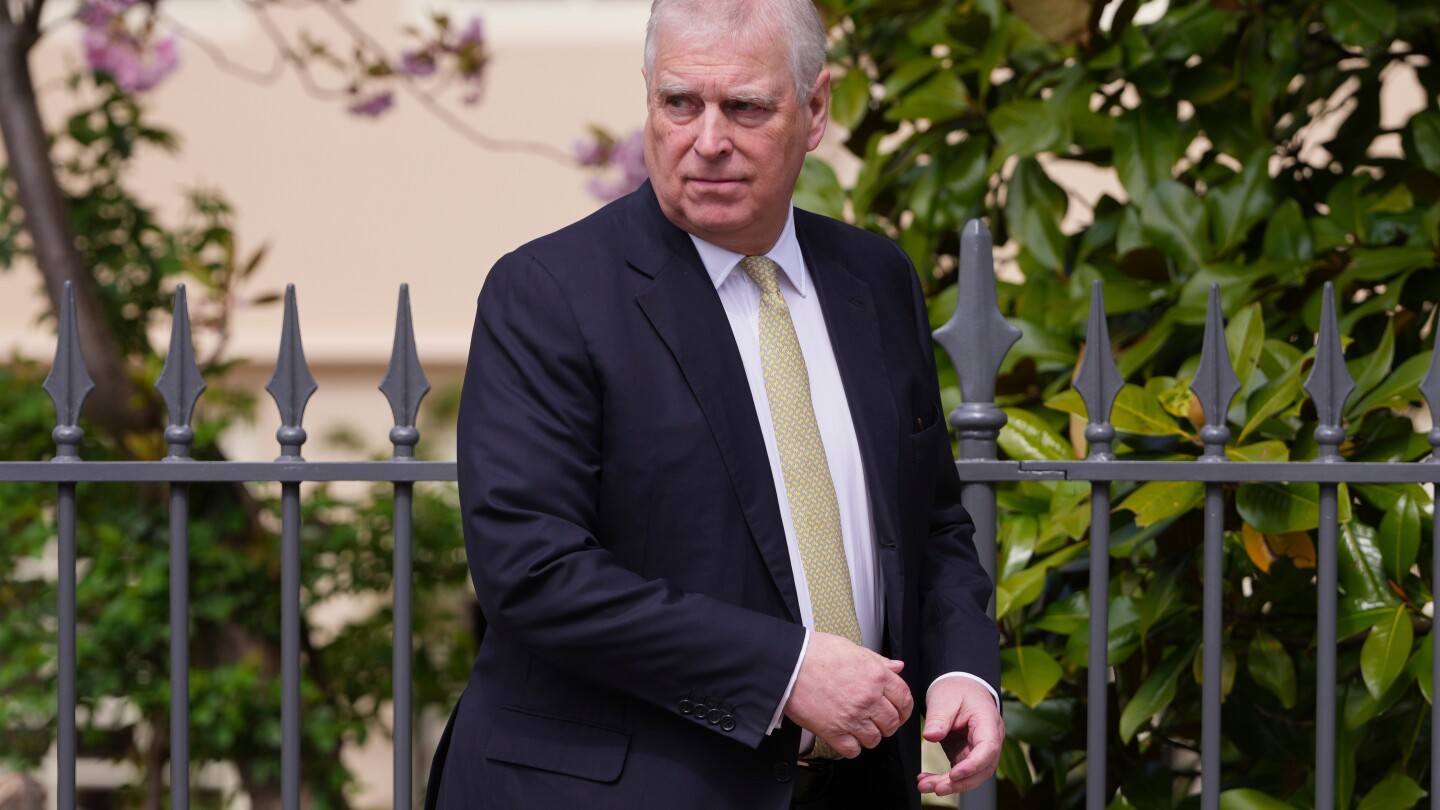
The British royal family is once again embroiled in controversy as Virginia Giuffre’s memoir, *Nobody’s Girl*, hits shelves, reigniting allegations against Prince Andrew. Published posthumously six months after Giuffre’s tragic suicide in April, the book delves into her claims of being sexually abused by Andrew while she was a minor and a victim of Jeffrey Epstein’s sex trafficking ring. Although the memoir does not introduce new evidence, it has amplified scrutiny of the prince’s actions and his ties to Epstein and Ghislaine Maxwell.
标签: Europe
欧洲
-

Can France retrieve its priceless crown jewels – or is it too late?
In a brazen daylight robbery that has left French authorities scrambling, thieves broke into the Louvre Museum in Paris on Sunday, making off with eight priceless jewels in a meticulously planned heist that lasted just eight minutes. The perpetrators, disguised in work attire including hi-vis jackets, swiftly escaped on scooters, leaving behind a trail of shock and disbelief. Dutch art detective Arthur Brand has expressed grave concerns, suggesting the stolen items may already be ‘long gone,’ potentially dismantled and sold for a fraction of their true value. The stolen treasures include the Marie-Louise necklace, a pair of earrings, and Empress Eugénie’s tiara, which was later found abandoned during the escape, possibly deemed ‘too hot to handle.’ Experts believe the jewels will be broken down, with gold and silver melted and gems cut into smaller, untraceable stones. The heist is suspected to be linked to an organized crime network, with authorities deploying a specialized police unit known for cracking high-profile robberies. While the emotional and cultural loss is immeasurable, the financial value of the stolen items could reach up to £10 million. The incident has left France in mourning, as the stolen jewels are seen as a shared national heritage, akin to the Mona Lisa.
-
Catholic clergy sex abuse survivors hopeful after Pope Leo meeting
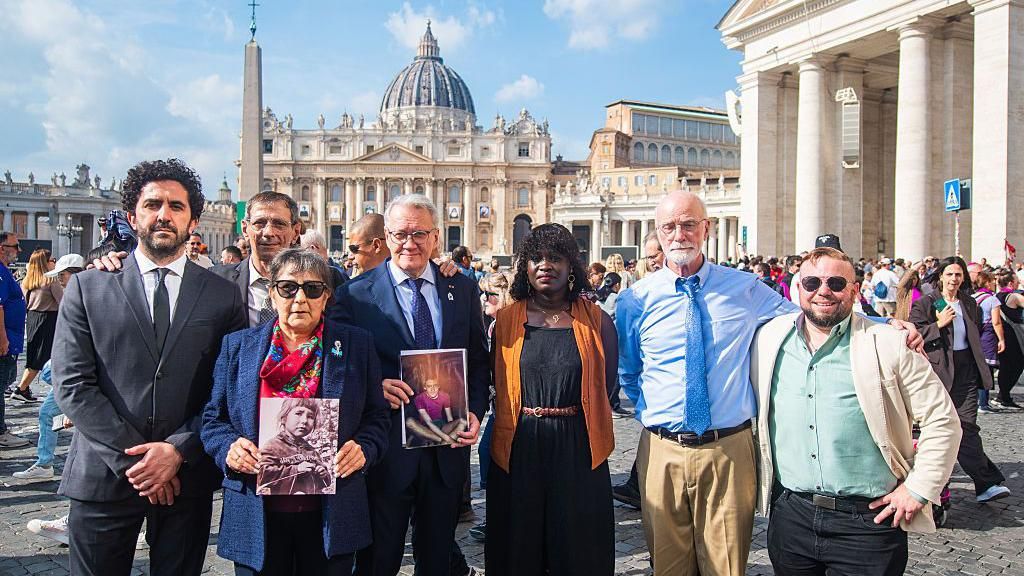
Survivors of sexual abuse by Catholic clergy members have voiced renewed optimism following a groundbreaking meeting with Pope Leo XIV at the Vatican. The encounter, described as ‘historic’ by Gemma Hickey, board president of End Clergy Abuse (ECA Global), marked a significant moment in the ongoing fight against systemic abuse within the Church. Hickey, who uses they/them pronouns, emphasized the symbolic importance of the Pope meeting with survivors so early in his papacy, calling it a ‘big step’ for all involved. The group is advocating for a global zero-tolerance policy, which would permanently remove any priest who admits to or is proven to have sexually abused a child. While such a policy has been adopted in the U.S., Hickey acknowledged that resistance persists in other regions. Pope Leo, who assumed his role in May, inherited this deeply entrenched issue that has plagued the Catholic Church for decades. His predecessor, Pope Francis, made strides by convening an unprecedented summit on clergy abuse and revising Church laws to explicitly criminalize such acts. However, challenges remain, as highlighted by a recent Vatican-commissioned report that criticized Church leaders for a lack of accountability and transparency. During the hour-long meeting, which far exceeded its scheduled 20 minutes, Pope Leo listened empathetically to survivors’ stories, including that of a woman abused at a Catholic residential school for Indigenous children in Canada. Hickey described the Pope as ‘humble, funny, and down to earth,’ expressing confidence in his genuine commitment to collaboration. The ECA Global delegation, representing survivors from over 30 countries, presented documents and proposals aimed at reforming canon law to enforce a zero-tolerance policy worldwide. Hickey noted that the Pope seemed ‘interested’ in their recommendations, fostering hope for meaningful change. While acknowledging that progress will take time, Hickey emphasized the importance of building a relationship with the Vatican to ensure accountability and justice for survivors. ‘We can change how the story ends,’ Hickey told the Pope, a sentiment he reportedly appreciated. The meeting concluded with a shared commitment to addressing this dark chapter in the Church’s history and working toward a safer future.
-
Lisbon funicular crash initial report reveals litany of failings
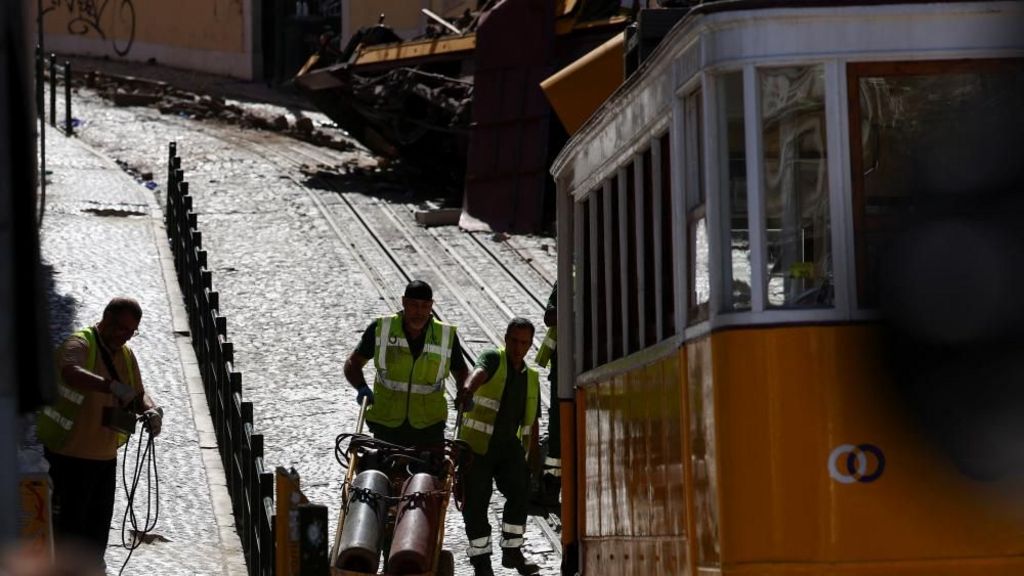
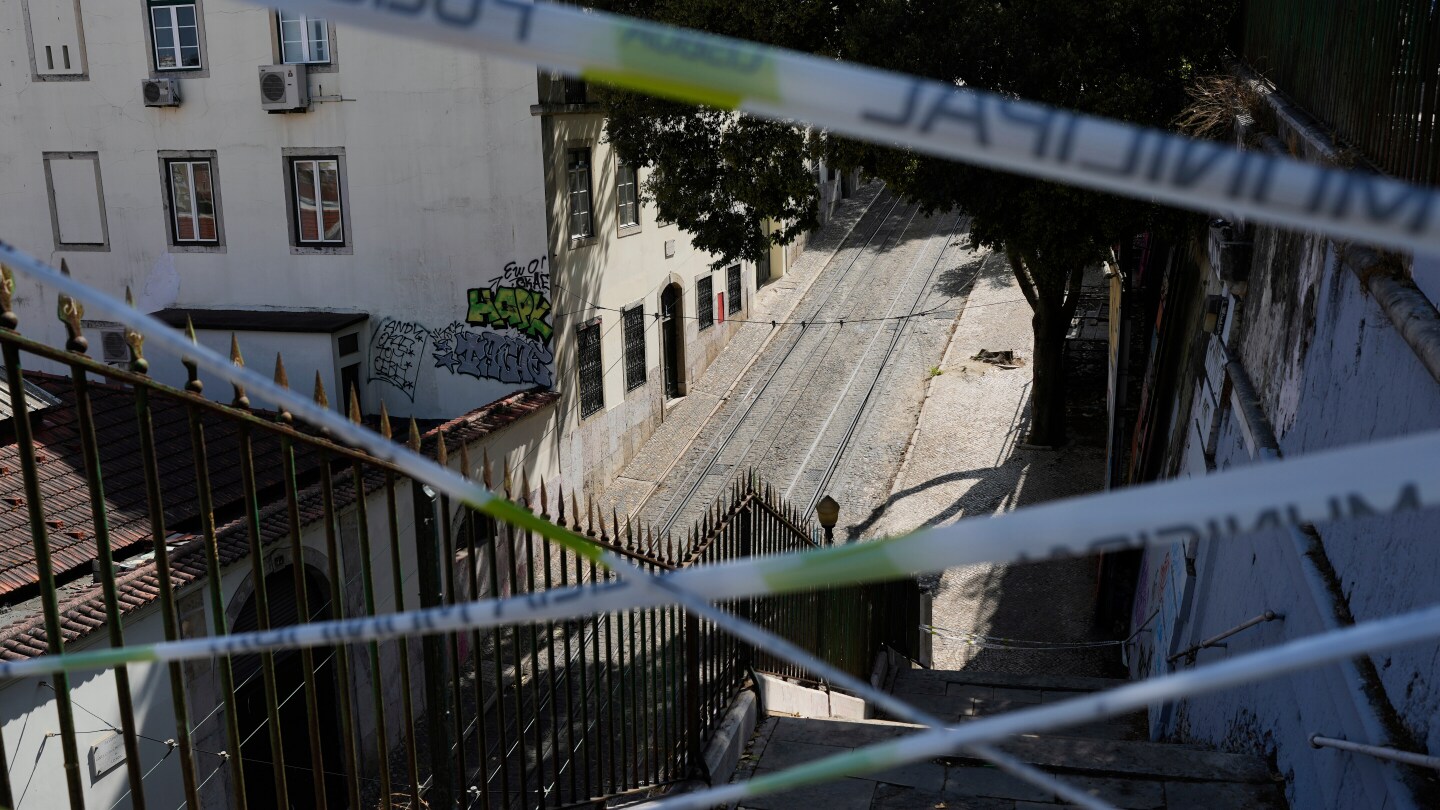
A preliminary investigation into the catastrophic Lisbon funicular crash, which claimed 16 lives, including three British nationals, has unveiled a series of alarming systemic failures. The incident, which occurred on September 3, involved the 140-year-old Glória funicular, a popular tourist attraction, derailing and colliding with a building. According to Portugal’s Air and Rail Accident Investigations Bureau, the crash was triggered by the failure of a defective underground cable that served as a counterweight between two carriages. Shockingly, the cable was neither technically suitable nor certified for passenger transportation. It was acquired in 2022 by Carris, the company responsible for Lisbon’s public transport. The report highlighted a lack of oversight by Carris engineers, who failed to test the cable before installation. Additionally, the maintenance and supervision of the funicular, outsourced by Carris, were inadequate, with the Glória funicular reportedly receiving clearance on the morning of the disaster, though it remains unclear if the inspection actually took place. The state body overseeing Lisbon’s funiculars also neglected its duty to include the Glória funicular in its jurisdiction. The emergency brake system, which the driver attempted to activate when the cable snapped, malfunctioned and had never been tested. Lisbon Mayor Carlos Moedas, re-elected on October 12 despite criticism over his oversight of the city’s funiculars, emphasized that the tragedy was due to technical rather than political causes. Carris issued a statement asserting that it was premature to determine the relevance of the non-compliant cable to the accident, noting that similar cables had been used without incident for 601 days prior. The company also clarified that while the cables were introduced under the current board, the acquisition process occurred under the previous administration. The full investigation is expected to take 11 months, and all Lisbon cable cars have been suspended until comprehensive safety checks are implemented.
-
Cable failure and maintenance flaws contributed to Portugal streetcar crash, investigation says
A devastating streetcar accident in Lisbon, Portugal, last month, which claimed 16 lives and left 21 injured, has been attributed to a combination of a failed steel cable and significant maintenance deficiencies, according to an official preliminary report released on Monday. The incident, one of the city’s most tragic in recent history, involved a century-old funicular streetcar, a beloved tourist attraction that traverses a steep hill in tandem with a second car. The streetcar derailed on a bend, hurtling down the hill before crashing into a building, reducing the wooden cabin to a mangled wreck. Among the victims, 11 were foreign nationals. The Office for Air and Rail Accident Prevention and Investigation revealed that the underground steel haulage cable, which connected the two cars and balanced their weight, was inadequate for its purpose. The cable, in use for less than a year, lacked certification for public transport and was improperly installed, contravening the manufacturer’s guidelines. The report highlighted five instances where the maintenance program referenced ‘non-existent, inapplicable, or outdated standards.’ Following the cable’s failure, safety systems cut power to the streetcar, rendering the pneumatic brake ineffective and the manual brake insufficient to halt the car’s descent. Investigators are also examining potential improvements to the streetcar’s braking system. The preliminary report does not assign liability or blame, with a more comprehensive final report expected next year.
-
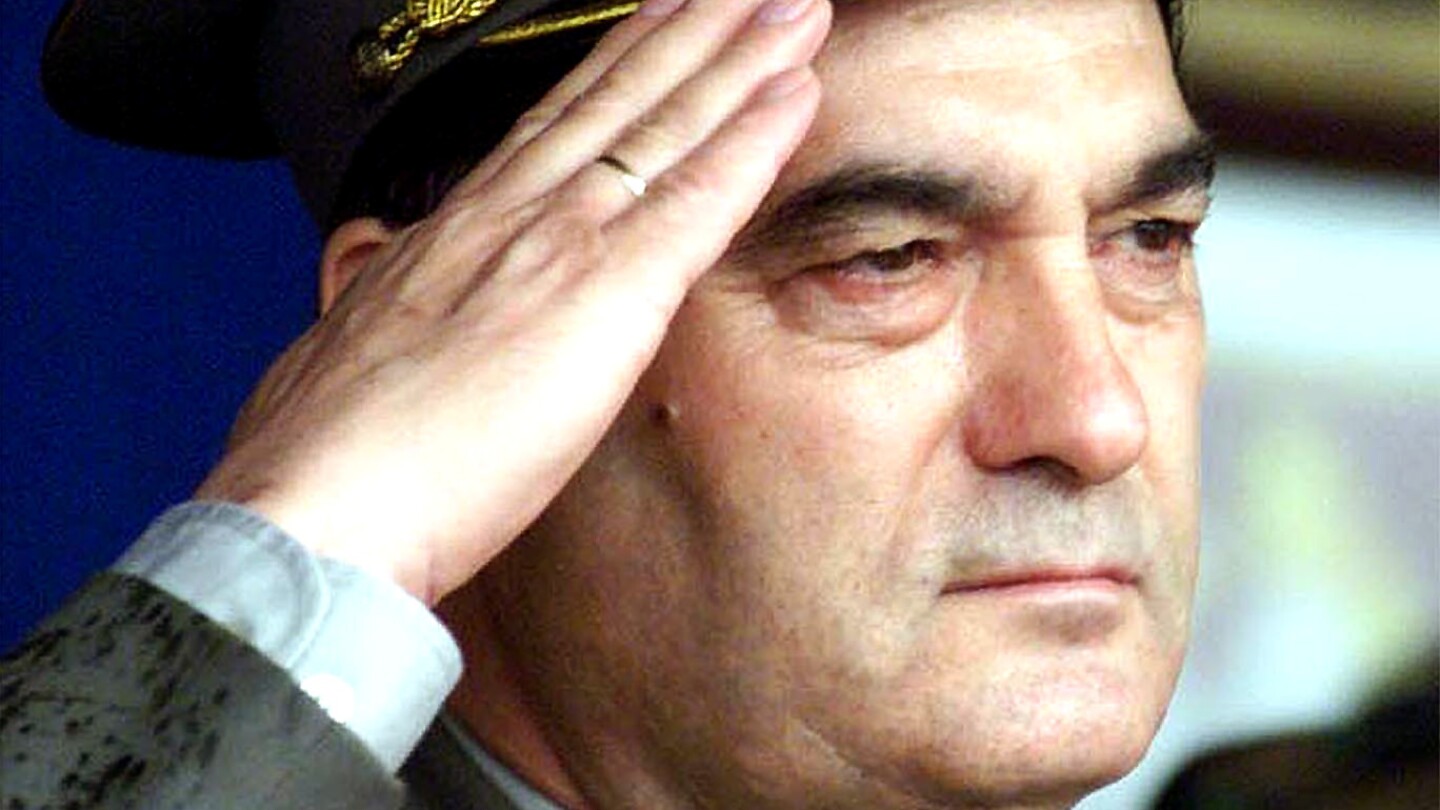
Nebojsa Pavkovic, Serbian general convicted by UN of war crimes in Kosovo, dies at 79
Nebojsa Pavkovic, the former chief of the Serb-led Yugoslav army, who was convicted of war crimes during the Kosovo conflict, has passed away at the age of 79. Serbian officials and media confirmed his death on Monday in Belgrade, Serbia’s capital. Pavkovic had been released from a Finnish prison less than a month prior, where he was serving a 22-year sentence for atrocities committed against ethnic Albanians in the 1998-99 war.
-
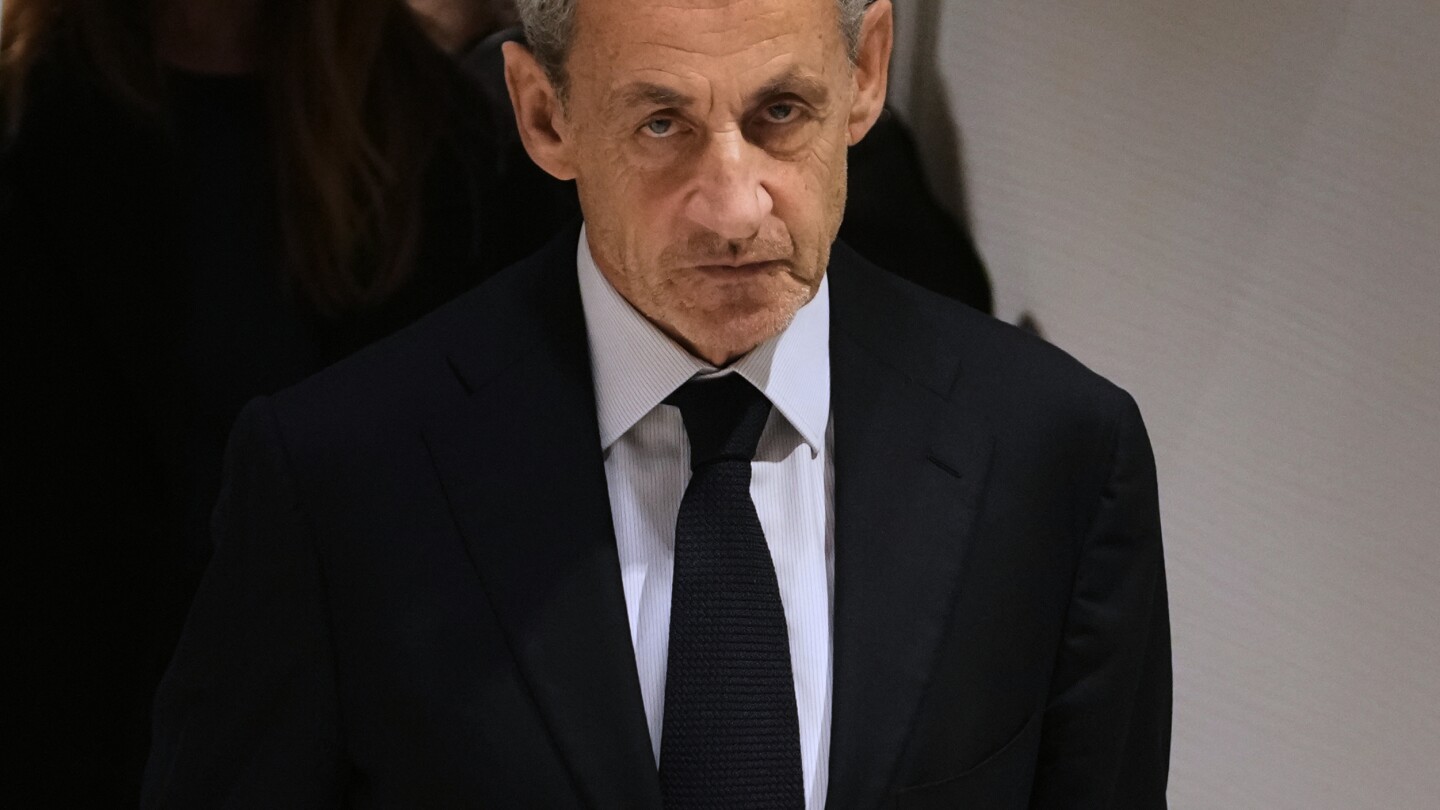
France’s former president Sarkozy will begin serving a 5-year prison sentence Tuesday
In a historic turn of events, Nicolas Sarkozy, the former French president, is set to become the first ex-head of state in living memory to serve a prison sentence. On Tuesday, Sarkozy is expected to begin a five-year term at Paris’ La Santé prison, a facility renowned for housing high-profile inmates since the 19th century. The sentence stems from his 2021 conviction for criminal conspiracy related to the illegal financing of his 2007 presidential campaign using Libyan funds. Despite maintaining his innocence, Sarkozy will be admitted to the prison, where he may face solitary confinement or be placed in the “vulnerable” section, colloquially known as the VIP wing. La Santé, inaugurated in 1867, has undergone significant renovations in recent years, but its conditions remain stark. Former inmates describe the initial shock of incarceration, with cells measuring just 9 square meters and equipped with basic amenities. Sarkozy, who has vowed to “hold his head high,” is permitted to bring three books, including Alexandre Dumas’ “The Count of Monte Cristo,” and 10 family photos. His son, Louis, has called for a rally in support of his father, while Sarkozy’s wife, Carla Bruni-Sarkozy, has shared heartfelt messages on social media. The Paris court’s decision to enforce the sentence before his appeal is heard underscores the gravity of the case. Sarkozy’s imprisonment marks a dramatic fall from grace for the once-powerful leader, raising questions about accountability and justice in France’s political landscape.
-

Merz rejects calls to relax refusal to deal with German far-right party
German Chancellor Friedrich Merz has firmly dismissed appeals from within his Christian Democratic Union (CDU) to reconsider its stance against collaborating with the far-right Alternative for Germany (AfD). Speaking on Monday, Merz emphasized that the AfD, which has seen rising support in recent polls, shares no common ground with his conservative party. The AfD, known for its anti-migration policies, secured second place in Germany’s February national election and continues to gain traction, particularly in the eastern states where regional elections are slated for next year. Despite pressure from some CDU members, including former General Secretary Peter Tauber and ex-Defense Minister Karl-Theodor zu Guttenberg, Merz reiterated the party’s 2018 resolution to avoid coalitions or cooperation with the AfD. He described the far-right party as fundamentally opposed to decades of policies that have shaped modern Germany’s success. Merz also acknowledged internal challenges within his coalition government with the Social Democrats, citing public disagreements that have frustrated voters. However, he defended the coalition’s progress on key issues like economic revitalization and migration control. The AfD, classified as a right-wing extremist organization by Germany’s domestic intelligence agency, continues to challenge this designation in court while pushing for the CDU to dismantle its so-called ‘firewall’ against far-right collaboration. Merz dismissed these overtures, stating that the AfD’s ‘outstretched hand is, in reality, a hand that wants to destroy us.’
-
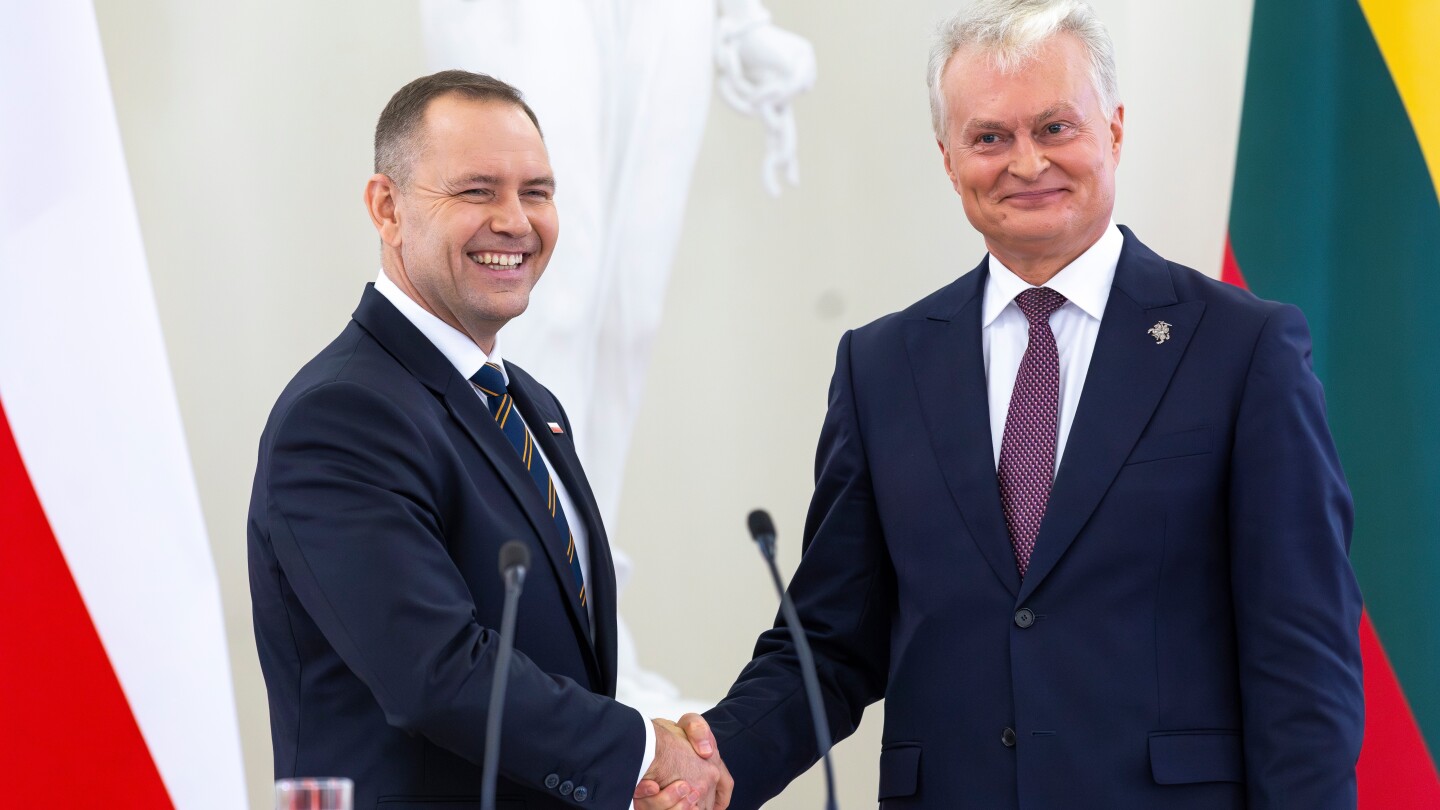
New road linking Baltic states to Poland opens at a time of tensions with Russia
In a significant development for regional connectivity and security, the Via Baltica, a major road linking the Baltic states to Poland, was inaugurated on Monday. This opening comes at a time of heightened tensions between Europe and Russia, particularly following recent incursions of Russian drones into Polish territory and fighter jets into Estonian airspace in September. The 970-kilometer (600-mile) route, which forms part of the European E67 highway, stretches from Warsaw, Poland, through Lithuania, Latvia, and Estonia, culminating in Tallinn. The road traverses the strategically sensitive Suwalki Gap, a narrow strip of land between Belarus and Russia’s Kaliningrad exclave, often cited as a potential flashpoint in any conflict involving NATO and Russia. At the inauguration ceremony on the Polish-Lithuanian border, Polish President Karol Nawrocki and Lithuanian President Gitanas Nausėda emphasized the dual significance of Via Baltica, highlighting its role in bolstering both economic growth and regional defense. Nawrocki stated, ‘This road has a dual purpose – it will help our economy and strengthen the defense capabilities of our region.’ Nausėda echoed these sentiments, describing the road as a symbol of ‘freedom, prosperity, and security,’ while underscoring its economic and logistical importance in connecting Lithuania to the broader European market. The four-lane A5 highway, linking Kaunas, Lithuania’s second-largest city, to Suwalki in Poland, is a key component of Via Baltica. However, some northbound sections remain two lanes and are slated for future expansion, according to Lithuania’s Transportation Ministry. The road’s strategic value lies in its potential to facilitate faster NATO troop movements in the event of a crisis, reinforcing the Baltics’ defense posture amidst ongoing regional instability.
-
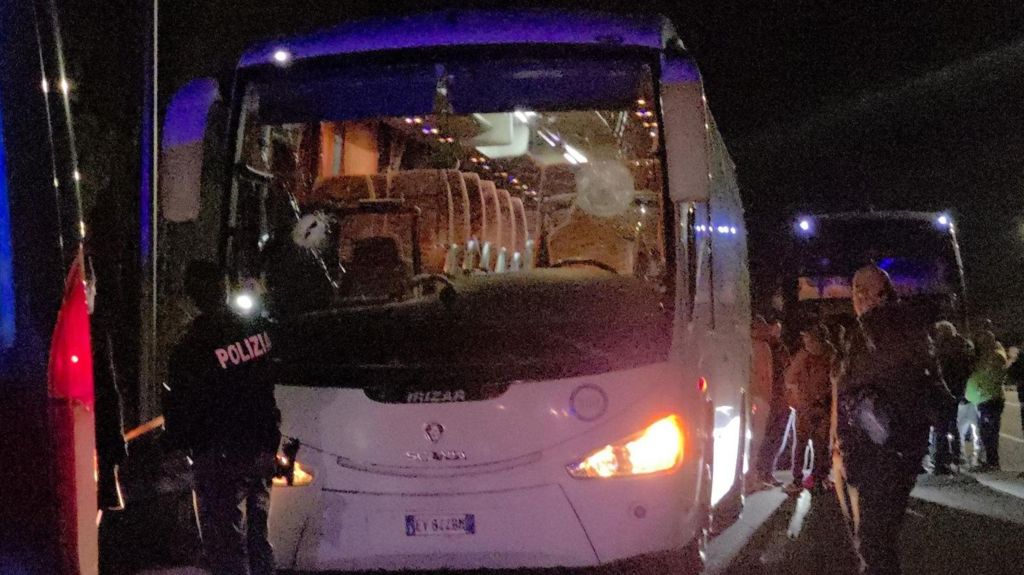
Driver dies after Italian basketball fans’ bus attacked with stones
A tragic incident unfolded on a highway near Rieti, Italy, when a bus carrying supporters of the Pistoia Basket basketball team was attacked by rival fans, resulting in the death of a bus driver. The attack occurred as the fans were returning from a game between Pistoia Basket and SRS Sebastiani Rieti, two second-tier Italian basketball teams. According to local media reports, fans of SRS Sebastiani Rieti allegedly began hurling stones at the bus, one of which shattered the windscreen and struck 65-year-old Raffaele Marianella, a bus driver who was seated at the front but not driving at the time. Marianella succumbed to his injuries shortly after the attack. Italian Prime Minister Giorgia Meloni condemned the incident as ‘an unacceptable and insane act of violence,’ extending her condolences to the victim’s family and vowing to bring the perpetrators to justice. A police investigation is currently underway to identify and apprehend those responsible. Italy’s Sports Minister Andrea Abodi labeled the attack a ‘shocking assault,’ emphasizing that the perpetrators were ‘criminals who have turned into murderers and can never be called fans.’ Gianni Petrucci, president of the national basketball federation Federbasket, echoed these sentiments, stating, ‘This is not about basketball. These are criminals.’ He pledged to collaborate with legal authorities to address the incident. The attack has sparked widespread outrage and raised concerns about fan violence in sports.