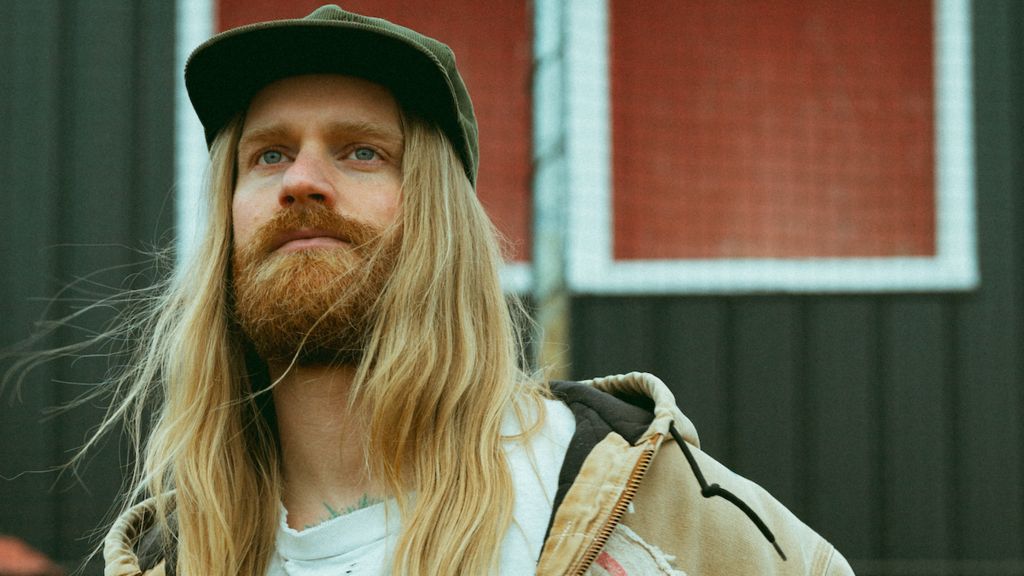
Sam Ryder, the UK’s Eurovision sensation, has embarked on a transformative journey, both personally and musically, culminating in his latest album, *Heartland*. After achieving global fame with his Eurovision hit *Space Man*, Ryder faced a series of challenges that tested his resilience and authenticity. His debut album, rushed in the aftermath of his Eurovision success, received mixed reviews, with critics labeling it as uninspired. The situation worsened when his record label dismissed the team that had supported his rise, prompting Ryder to leave the label and pursue an independent path. This decision, while empowering, led to a period of self-doubt and depression. Ryder retreated from the spotlight, locking away his phone and questioning his worth as an artist. However, a move to Nashville, the spiritual home of country music, marked the beginning of his recovery. Inspired by the city’s creative energy, Ryder found solace in long, solitary walks and reconnected with his faith and partner, Lois Gaskin-Barber. These experiences shaped *Heartland*, an album that reflects a newfound maturity and authenticity. Departing from the retro rock of *Space Man*, Ryder explores a more introspective sound, blending soulful vocals with a desert aesthetic he calls ‘Frontier Soul.’ Tracks like *Armour* and *Better Man* delve into themes of vulnerability and resilience, while others pay tribute to his enduring relationship with Gaskin-Barber. Despite the struggles, Ryder remains optimistic, viewing his trials as a test of his positivity. ‘What is optimism, if it’s not tested?’ he reflects. With *Heartland*, Ryder has not only reclaimed his artistic identity but also solidified his place as a musician of substance and depth.
标签: Europe
欧洲
-
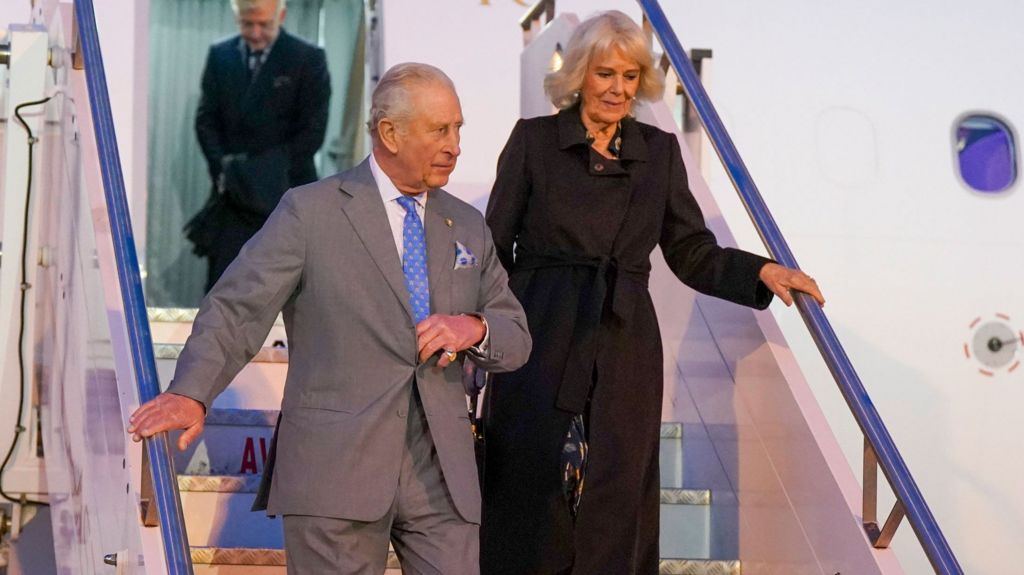
King lands in Rome for historic visit to meet Pope
In a landmark moment for interfaith relations, King Charles III and Queen Camilla have arrived in Rome for a historic state visit to the Vatican. The visit, which began on Wednesday evening with their arrival at Ciampino Airport, marks the first time a British monarch will pray with a pope since the 16th-century Reformation. This symbolic gesture underscores the growing unity between the Church of England and the Catholic Church, a relationship described by the King’s spokesman as a ‘bulwark against those promoting conflict, division, and tyranny.’
The royal couple’s visit comes amid ongoing controversies surrounding Prince Andrew, whose recent loss of titles has dominated headlines. The Palace has been keen to shift focus to this significant diplomatic endeavor, emphasizing its importance in fostering global Christian unity. The King, as the Supreme Governor of the Church of England, has long championed interfaith dialogue, making this visit deeply personal and meaningful.
On Thursday morning, King Charles will meet Pope Leo at the Vatican, followed by a joint service in the Sistine Chapel. This service, held beneath Michelangelo’s iconic ceiling, will bring together Catholic and Anglican clergy, royal and Vatican choirs, and highlight the warm relations between the two denominations. The event will also feature a rare public display of prayer, breaking royal convention to emphasize solidarity.
In another gesture of reconciliation, the King will attend a service at St. Paul’s Outside the Walls, a church with pre-Reformation ties to the English monarchy. Here, he will assume the honorary title of ‘royal confrater,’ further cementing the historic links between the abbey and the British crown.
Cardinal Vincent Nichols, Archbishop of Westminster, noted the King and Pope’s differing approaches but expressed confidence in their ability to find common ground. He also reflected on the spiritual significance of the visit, stating that both leaders would seek divine guidance to navigate the challenges facing the Royal Family.
The Foreign Office hailed the visit as an opportunity to strengthen the UK’s relationship with the Catholic Church, the world’s largest Christian denomination. This trip not only highlights the King’s commitment to interfaith harmony but also reinforces the UK’s role as a bridge between diverse religious communities in an increasingly divided world.
-
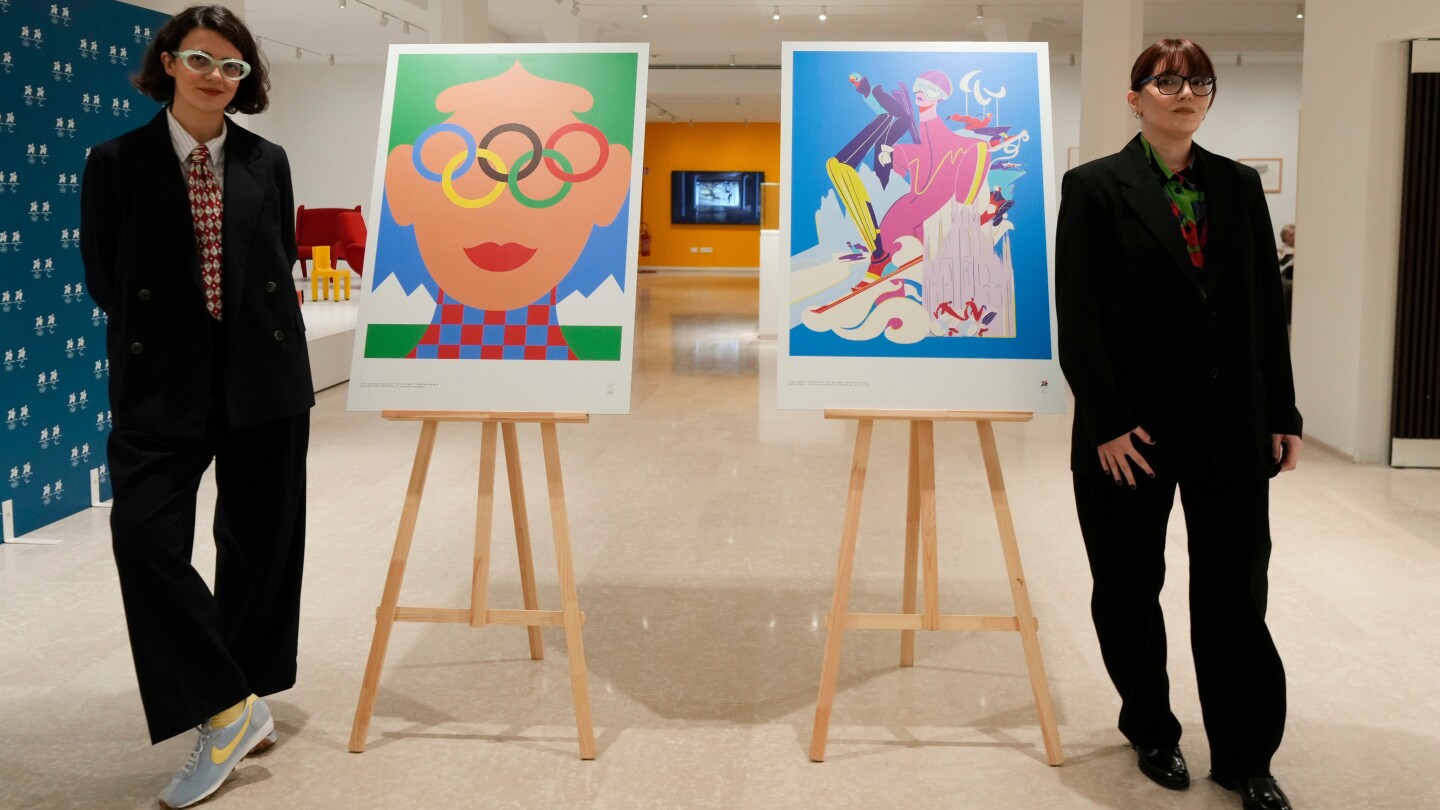
Milan-Cortina 2026 unveils official posters for Winter Olympic and Paralympic Games
The Milan-Cortina 2026 Winter Olympic and Paralympic Games have revealed their official posters, showcasing vibrant and symbolic designs that embody the spirit of the host cities. Created by Italian artists Olimpia Zagnoli and Carolina Altavilla, the posters were unveiled on Wednesday, marking a significant milestone in the lead-up to the global event. Posters have been a cherished tradition since the early 20th century, serving as both artistic expressions and historical artifacts of the Games. Zagnoli’s design, titled ‘Olympic Vision,’ features a central figure peering through glasses shaped like Olympic rings, set against a backdrop of snow-capped mountains. The artist explained that her work reflects Milan’s iconic style and Cortina’s alpine charm while celebrating the unity of athletes and spectators. Altavilla’s untitled poster for the Paralympic Games captures the dynamic energy of all six Paralympic Winter sports, rendered in a striking palette of pinks, blues, and chartreuse. The design includes Milan’s Duomo cathedral in the foreground and incorporates the ‘Agitos,’ Latin for ‘I move,’ as a symbol of Paralympic movement. Large-scale versions of the posters, alongside the official torches, will be displayed at Milan’s Triennale design museum and other venues during the Games. Smaller prints are available for purchase at 35 euros (approximately $41). This follows the organizers’ earlier release of 10 artistic posters by a diverse group of artists, which are also on exhibit at the Triennale.
-
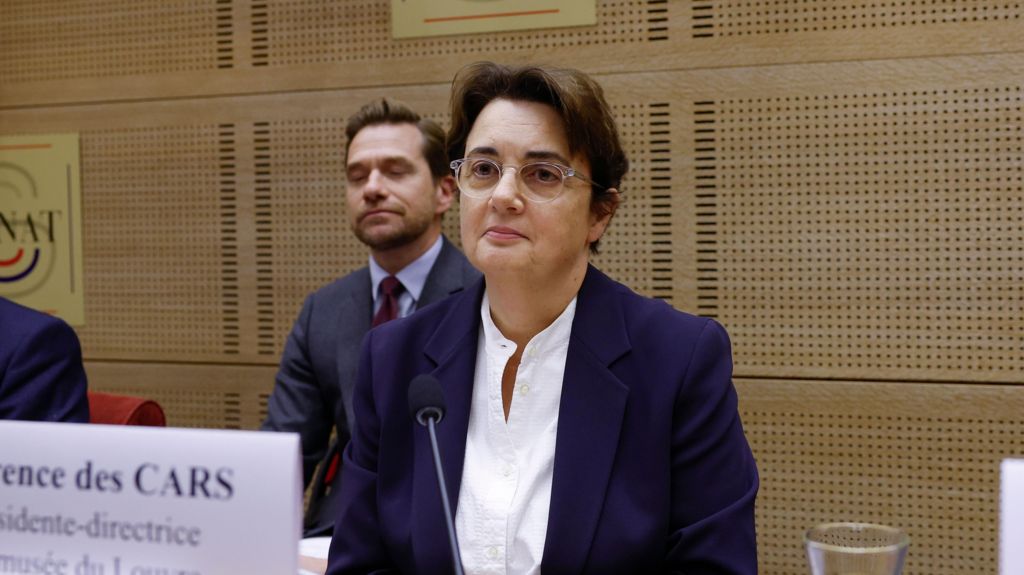
No camera covered Louvre wall where jewel thieves broke in, reveals director
In a shocking revelation, Laurence des Cars, the director of the Louvre Museum, has admitted that the institution’s security systems were inadequate to prevent the theft of French crown jewels valued at €88 million (£76 million). Speaking publicly for the first time since the heist on Sunday, des Cars addressed French senators, highlighting the museum’s aging and insufficient CCTV infrastructure. The only camera monitoring the exterior wall where the thieves entered was misaligned, failing to capture the first-floor balcony that led to the Gallery of Apollo, where the jewels were housed. ‘We failed these jewels,’ des Cars lamented, emphasizing that even the Louvre was not immune to ‘brutal criminals.’
The heist, carried out by a gang of four in less than 10 minutes last Sunday morning, saw the thieves make off with eight priceless pieces of jewelry, including a diamond and emerald necklace gifted by Emperor Napoleon to his wife. During their escape, they dropped a 19th-century diamond-studded crown belonging to Empress Eugenie, which was later recovered but damaged. Des Cars noted that the crown had likely been crushed as the thieves forcibly removed it from its display case. While initial assessments suggest a delicate restoration is possible, the incident has exposed significant vulnerabilities in the museum’s security.
The thieves used a truck equipped with a mechanical ladder to access the first-floor gallery at 09:30 (07:30 GMT), just half an hour after the museum opened. Des Cars praised the security guards for their swift evacuation of the building but conceded that the museum’s perimeter protection was weak and outdated. The Louvre reopened on Wednesday, though the Gallery of Apollo remains closed.
Des Cars, who became director in 2021, revealed that she had been warning about the museum’s deteriorating infrastructure and cuts to surveillance and security staff over the past decade. She expressed her intention to double the number of CCTV cameras and begin security upgrades in early 2026, though the aging infrastructure of the former royal palace poses significant challenges. Following the heist, des Cars tendered her resignation to the culture ministry but was refused. ‘I am wounded as chair and director that the warnings I was raising, as a whistle-blower, have come to pass,’ she said, taking full responsibility for the museum’s failure.
Interior Minister Laurent Nuñez expressed confidence that the thieves would be apprehended, with prosecutors theorizing that the robbery was orchestrated by a criminal organization. The incident has raised questions about the security of one of the world’s most renowned cultural institutions, home to priceless works such as Leonardo da Vinci’s Mona Lisa.
-
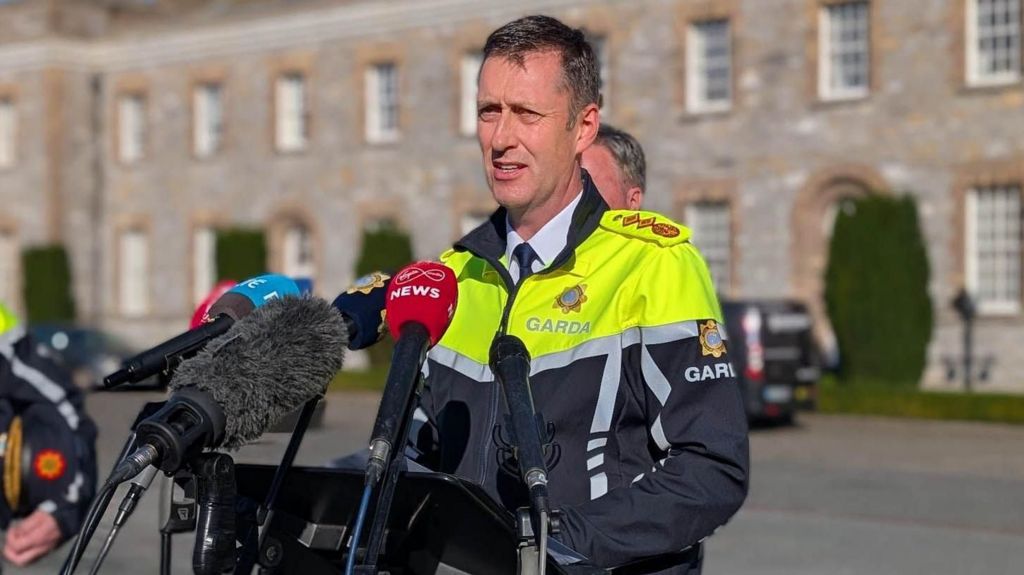
‘Peaceful protests do not involve attacking police’
Garda Commissioner Justin Kelly has strongly denounced the violent incidents that erupted in Dublin on Tuesday night, emphasizing that such acts were deliberate attempts to intimidate individuals within the Citywest building. Commissioner Kelly clarified that peaceful protests should never involve aggression or attacks on law enforcement officers. The disturbances, which escalated into clashes with police, have raised concerns about public safety and the integrity of lawful demonstrations. Authorities are now investigating the incident to identify and hold accountable those responsible for the violence. The Commissioner reiterated the importance of maintaining order and ensuring that protests remain non-violent, in line with democratic principles.
-
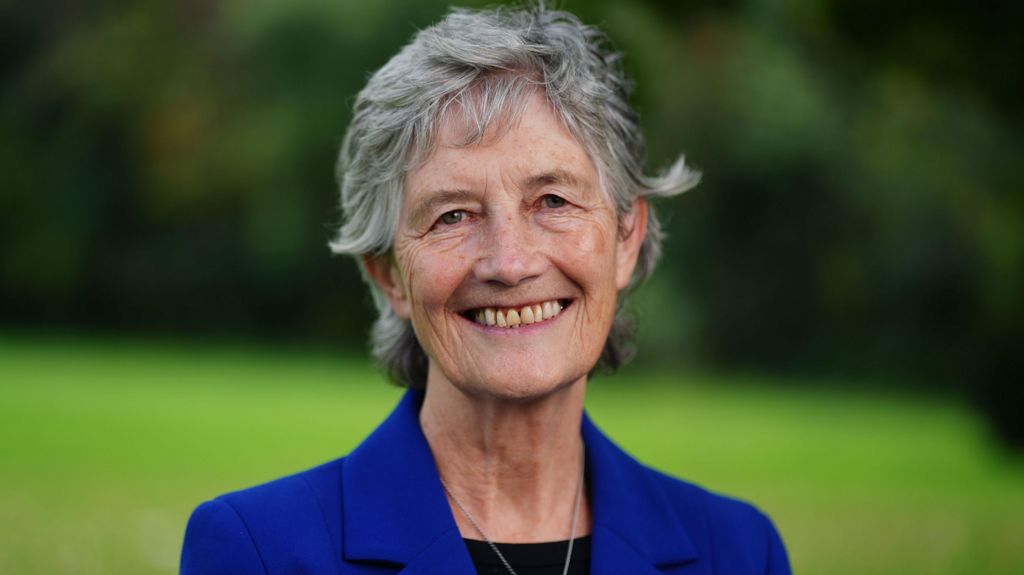
‘Disgraceful’ deep-fake AI video condemned by presidential candidate
Catherine Connolly, an independent candidate in Ireland’s presidential election, has formally lodged a complaint with the Electoral Commission regarding a malicious deepfake video circulating online. The AI-generated video, which surfaced on Tuesday night, falsely depicted Connolly announcing her withdrawal from the upcoming election scheduled for Friday. Connolly, a member of the Irish parliament (TD) for Galway West since 2016, condemned the video as a ‘disgraceful attempt to mislead voters and undermine democracy.’ She reaffirmed her candidacy, stating, ‘I am absolutely still in the race to become Ireland’s 10th president.’ Connolly urged the public not to share the video but to report it, emphasizing that the best response to such disinformation is to vote. Her campaign team has flagged the video to social media platforms, demanding its immediate removal and clear labeling as fake. Connolly, a former deputy speaker in the Dáil and ex-member of the Irish Labour Party, has garnered support from several left-leaning parties and independent figures in her presidential bid. This incident highlights the growing threat of AI-generated deepfakes in electoral processes and the need for robust measures to combat digital misinformation.
-
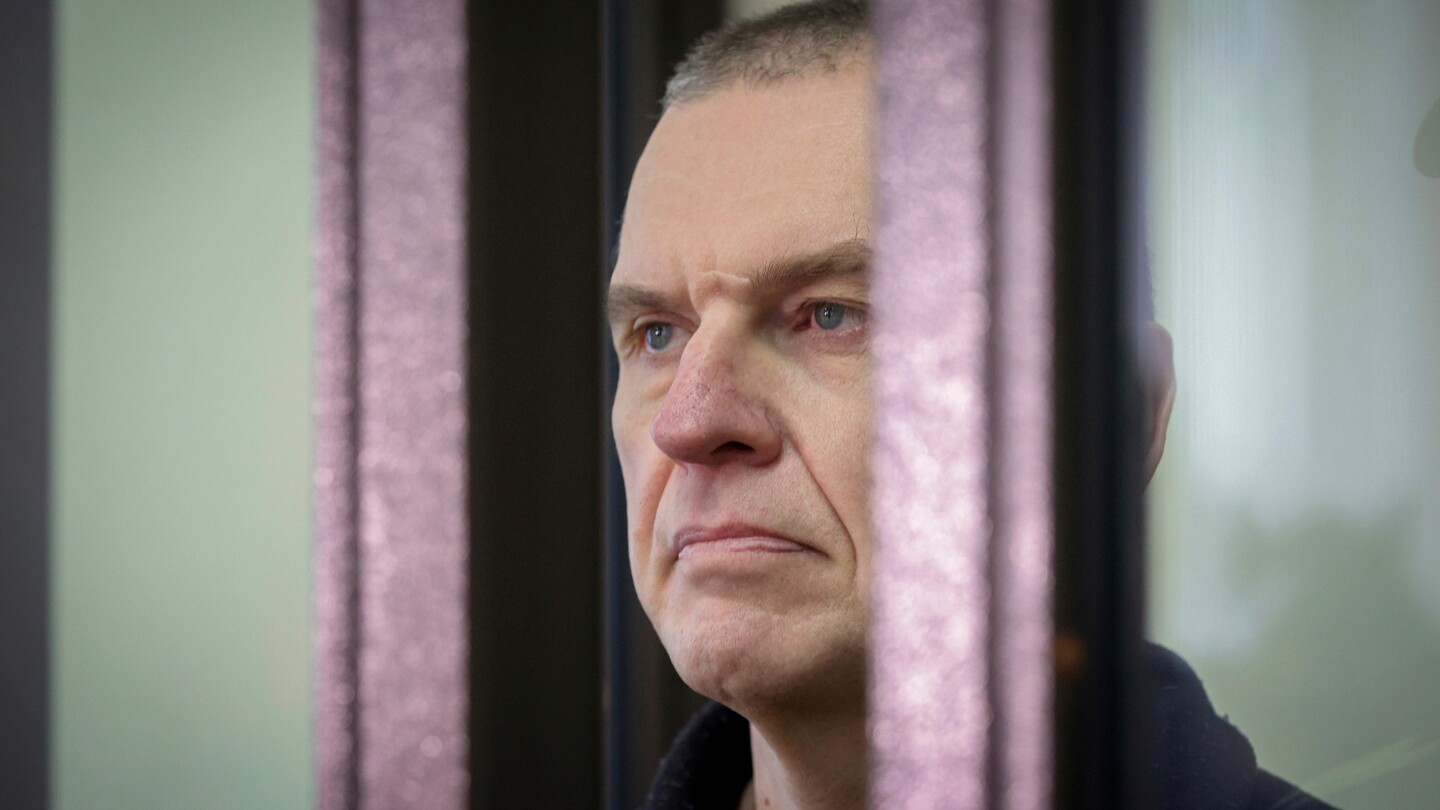
Jailed journalists win Sakharov Prize for speaking against injustice, European Parliament says
In a powerful testament to the resilience of press freedom, two journalists imprisoned for their unwavering commitment to truth and justice have been awarded the European Parliament’s prestigious Sakharov Prize. Andrzej Poczobut of Belarus and Mzia Amaghlobeli of Georgia were recognized for their courage in the face of oppressive regimes, despite facing severe personal and professional consequences.
-
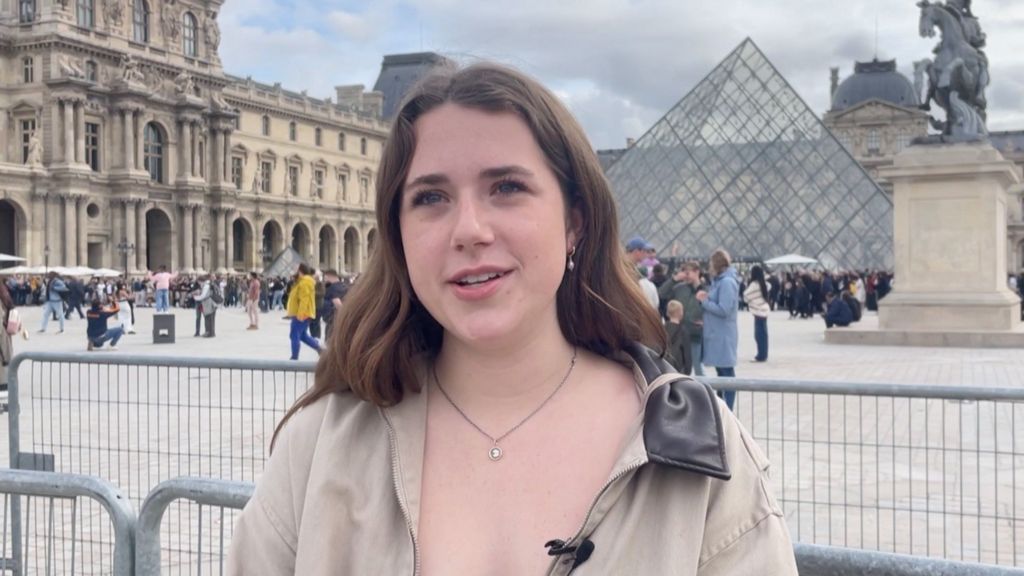
‘Heist made it more exciting to go to the Louvre’: Tourists react as museum reopens
The Louvre Museum in Paris resumed operations on Wednesday, just three days after a brazen daylight robbery saw millions of euros worth of jewelry stolen from its premises. The incident, which has captivated global attention, has surprisingly added an unexpected layer of intrigue for visitors. ‘The heist made it more exciting to go to the Louvre,’ remarked one tourist, reflecting a sentiment shared by many who flocked to the iconic museum upon its reopening. The theft, executed with remarkable audacity, has not only heightened public interest but also raised questions about security measures at one of the world’s most renowned cultural institutions. Despite the breach, the Louvre’s reopening signals a return to normalcy, with officials emphasizing enhanced security protocols to prevent future incidents. The event has sparked conversations about the intersection of art, security, and public fascination, as the museum continues to draw crowds eager to witness its treasures firsthand.
-
A timeline of the jewel heist at the Louvre in Paris
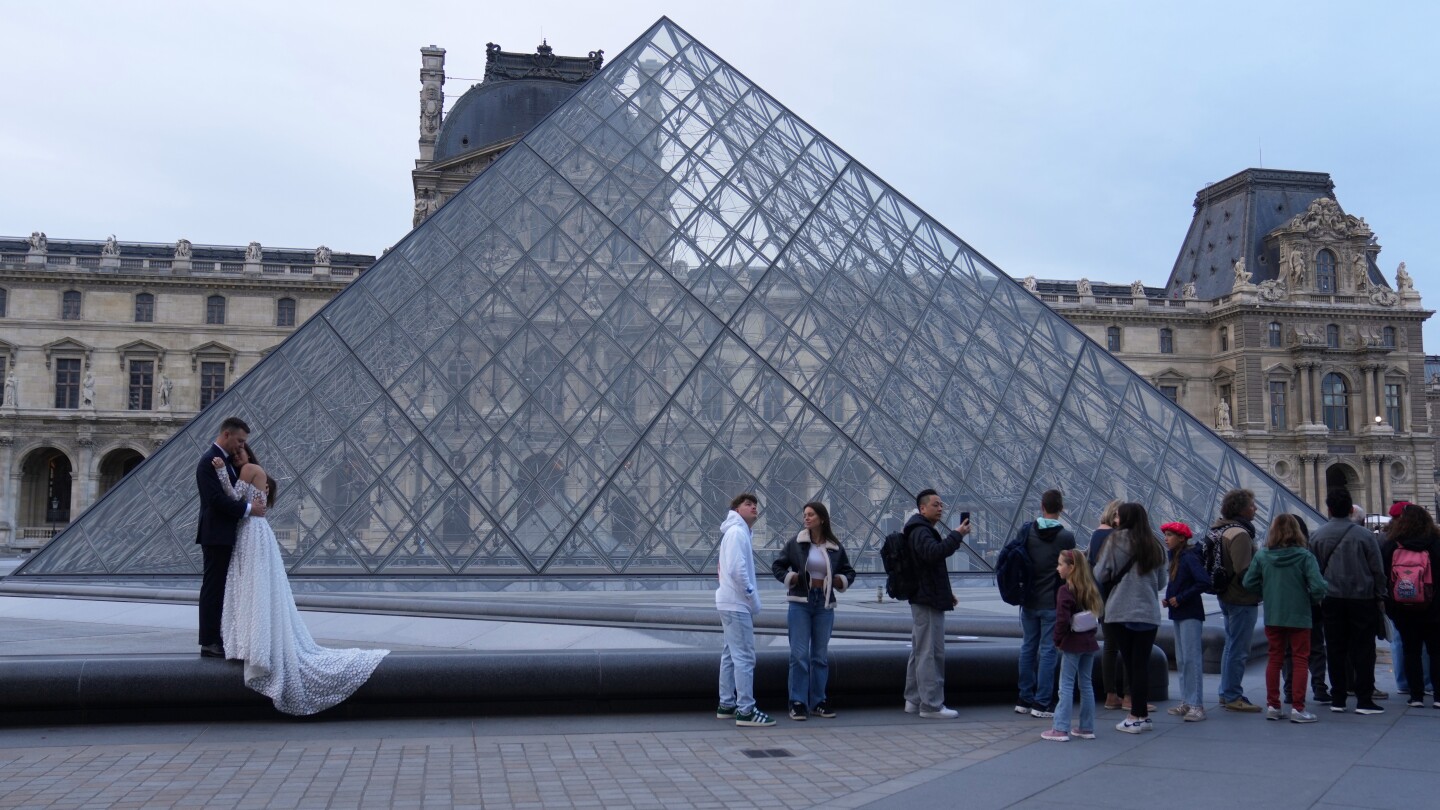
In a brazen daylight heist that has stunned the world, thieves made off with crown jewels valued at 88 million euros ($102 million) from the Louvre Museum in Paris. The audacious robbery unfolded in less than eight minutes on Sunday morning, October 19, leaving authorities and the public in disbelief. The thieves, posing as renovation workers, used a stolen basket lift to scale the museum’s facade, forced open a window, and smashed display cases to seize the priceless treasures. They spent less than four minutes inside the museum before fleeing on scooters, leaving behind equipment and a yellow construction jacket. The stolen items included eight historically significant objects, though the emerald-set imperial crown of Empress Eugénie, wife of Napoleon III, was later found outside the museum. French officials revealed that the thieves had stolen the basket lift on October 10, using threats to obtain it from a company in Louvres, a town coincidentally named similarly to the museum. The Louvre, the world’s most visited museum, reopened on October 22 as investigators, including forensics experts, analyzed surveillance footage and collected evidence from the scene. Culture Minister Rachida Dati confirmed the robbery on social media, praising security officers for preventing the thieves from setting the truck on fire. The incident has raised questions about the museum’s security measures and the audacity of the criminals involved.
-
Who’s who of French artists in focus as a major private art collection goes on show in Berlin
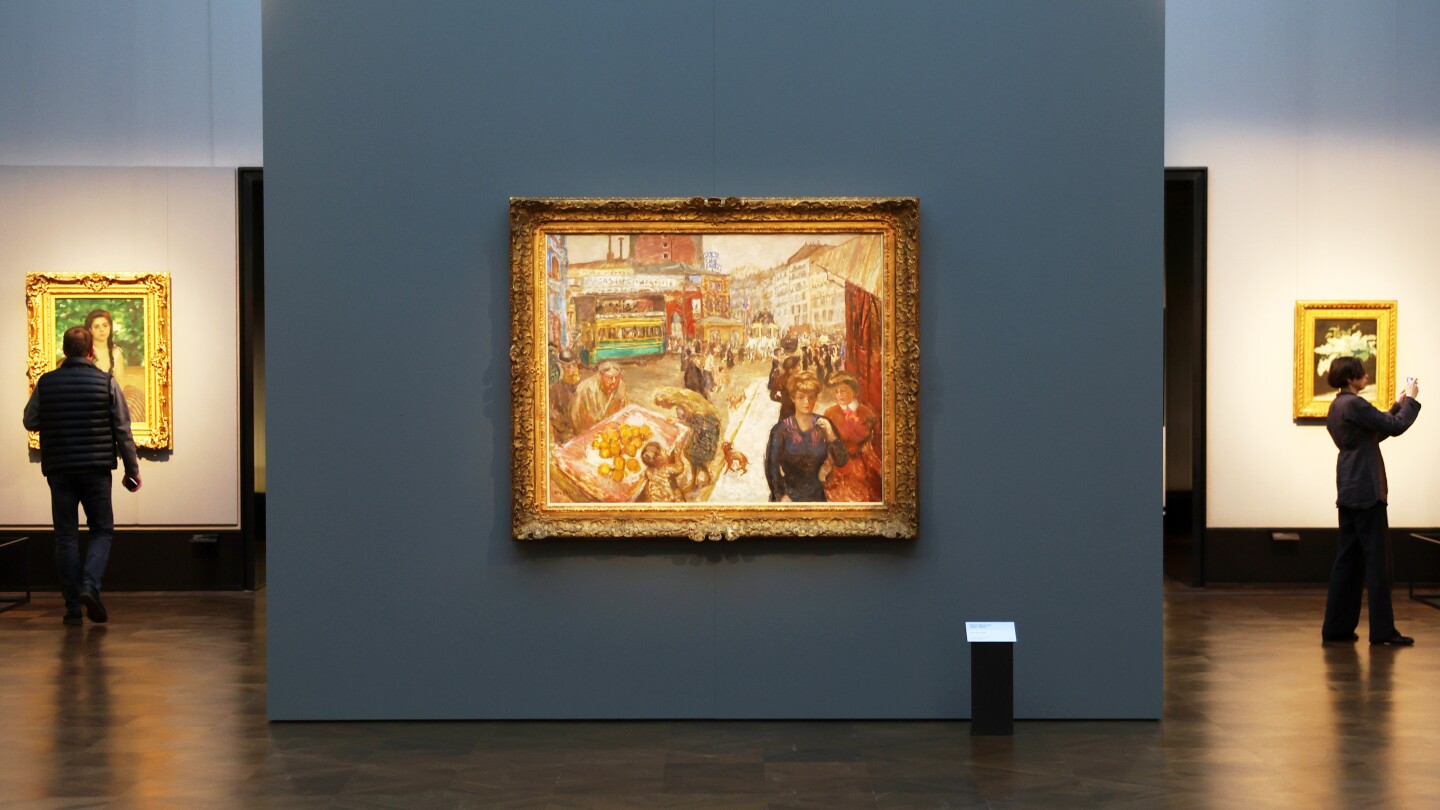
Berlin is set to host a landmark exhibition showcasing the Scharf Collection, a private art treasure trove spanning four generations. This extraordinary collection, rooted in the early 20th century by Otto Gerstenberg, a prominent Berlin insurance magnate, has been meticulously expanded by his great-grandson, René Scharf, and his wife, Christiane. For the first time, the public will have the opportunity to view approximately 150 works at the Alte Nationalgalerie, ranging from Francisco de Goya’s 19th-century masterpieces to contemporary abstract art by Katharina Grosse and Anselm Reyle. The exhibition, titled ‘The Scharf Collection. Goya — Monet — Cézanne — Bonnard — Grosse,’ opens on Friday and will run until February 15, 2026. Highlights include iconic pieces by French masters such as Eugène Delacroix, Gustave Courbet, Claude Monet, and Pablo Picasso, alongside modern works by Sam Francis and Jasper Johns. René Scharf emphasized the collection’s evolution, noting his passion for impressionism, cubism, and contemporary art. He expressed hope that visitors would draw connections between Grosse’s vibrant abstract pieces and Monet’s timeless impressionist works. The exhibition will later move to Düsseldorf’s Kunstpalast, offering art enthusiasts another chance to experience this unparalleled collection.