
In a dramatic turn of events, seven individuals have been apprehended in connection with the audacious theft of priceless royal jewels from the Louvre Museum in Paris. However, the stolen artifacts, valued at over $100 million, remain elusive. Experts warn that the jewels, which once adorned French royalty, could be dismantled or melted down to evade detection. This tactic, increasingly common among art thieves, allows the fragmented pieces to be sold discreetly in jewelry stores or through illicit channels. Erin Thompson, an art crime professor, emphasized that such items could be sold openly without raising suspicion, given their altered state. Christopher Marinello, founder of Art Recovery International, noted the challenges of selling intact high-profile artifacts, suggesting that breaking them down might be the thieves’ best option. French prosecutor Laure Beccuau has urged the culprits to return the jewels, warning that buyers would face legal consequences. Despite the arrests, the likelihood of recovering the jewels intact appears slim. Experts like Robert Wittman, a former FBI art crime investigator, remain skeptical about the thieves’ ability to monetize the stolen items, given their historical significance and unique characteristics. The case highlights the growing trend of museum thefts and the complexities of recovering stolen artifacts. As time passes, the chances of retrieving the jewels diminish, leaving their fate uncertain.
标签: Europe
欧洲
-
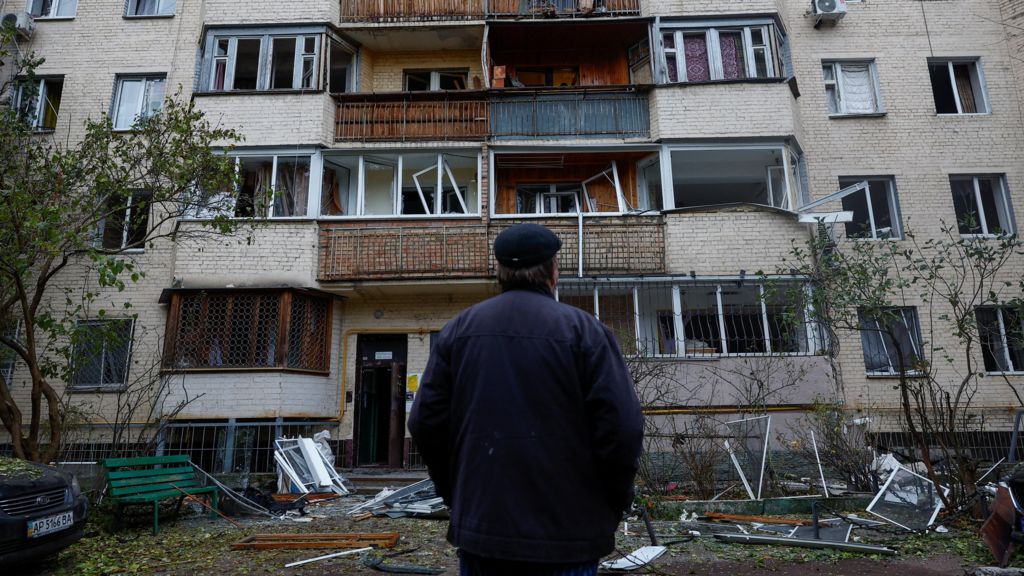
EU set to endorse deal to turn frozen Russian assets into support for Ukraine
European leaders are poised to approve a groundbreaking proposal to utilize €140bn (£121bn) of frozen Russian state assets to support Ukraine’s reconstruction and defense efforts. The plan, set for discussion at a Brussels summit on Thursday, marks a significant escalation in the EU’s response to Russia’s ongoing aggression. The funds, currently held by Belgium-based financial institution Euroclear, would be redirected as a zero-interest “reparations loan” to Kyiv, with repayment expected through future reparations from Moscow. This move, however, faces legal and geopolitical hurdles, including concerns over global financial stability and potential Russian retaliation. The EU has already been using the interest from these frozen assets—amounting to €3bn annually—for Ukraine’s defense since 2024. The proposal, months in the making, seeks to address Ukraine’s urgent financial needs amid dwindling U.S. support and the approaching fifth year of the war. Ukraine’s reconstruction and recovery costs are estimated by the UN and World Bank to exceed $486bn (£365bn; €420bn). While countries like Poland and Finland have lauded the plan as “ingenious,” others, including Hungary and Slovakia, remain skeptical. The EU must also navigate internal disagreements on how Ukraine should allocate the funds, with some nations advocating for military spending and others prioritizing budgetary support. The plan’s success hinges on Ukraine’s victory and Russia’s willingness to pay reparations—a scenario with no guarantees. If Russia refuses, the financial burden could fall on European taxpayers, raising concerns about the proposal’s long-term viability.
-
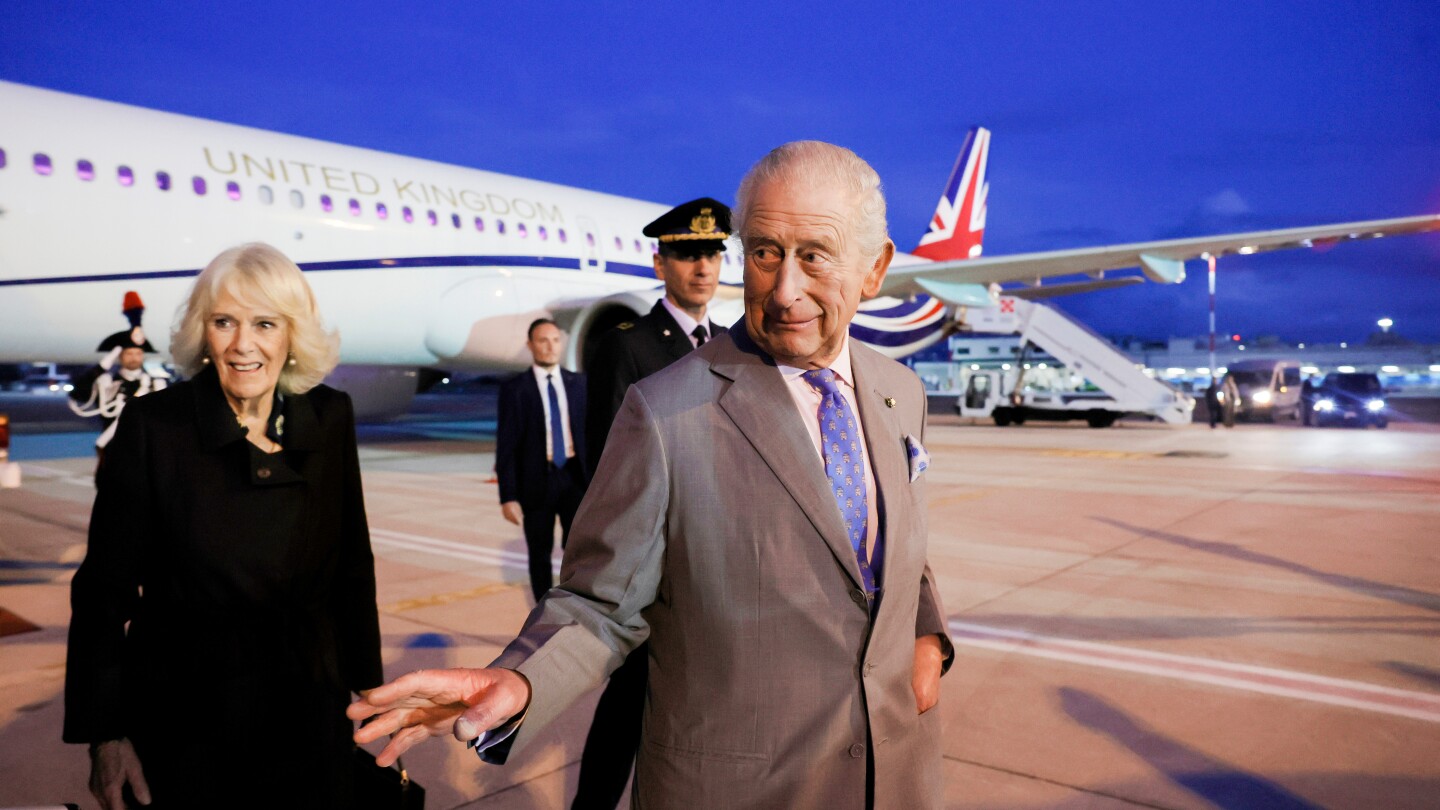
British royals visit Vatican in historic step for churches and welcome respite from Epstein scandal
In a landmark event aimed at strengthening ties between the Church of England and the Catholic Church, Britain’s King Charles III and Queen Camilla arrived at the Vatican on Thursday. The visit, which comes amid ongoing turmoil within the British royal family over the Epstein sex scandal, marked a significant moment in the centuries-long relationship between the two Christian denominations. The royal couple was greeted in a nearly empty St. Peter’s Square, secured by heightened security measures, before meeting with Pope Leo XIV for their first audience since his election in May. The highlight of the visit was a midday prayer service in the Sistine Chapel, the first joint prayer by the heads of the two churches since the Reformation. This historic gesture underscores ongoing efforts toward unity, despite lingering divisions over issues such as the ordination of female priests and LGBTQ+ inclusion. During the visit, Charles was formally bestowed the title of ‘Royal Confrater’ at St. Paul’s Outside the Walls, a basilica with strong ties to the Church of England. In a reciprocal gesture, Pope Leo XIV received the title of ‘Papal Confrater of St George’s Chapel, Windsor Castle.’ The visit, initially planned for earlier this year, was rescheduled following the illness and subsequent passing of Pope Francis. Charles had expressed a strong desire to visit the Vatican during the 2025 Holy Year, a significant Christian celebration held every 25 years. The Anglican-Catholic split dates back to 1534, when King Henry VIII broke away from the Catholic Church after being denied a marriage annulment. While recent popes have worked to foster warmer relations with the Anglican Communion, fundamental differences remain. The royal visit coincides with renewed scrutiny of Prince Andrew’s ties to convicted sex offender Jeffrey Epstein, following the publication of a memoir by Epstein accuser Virginia Giuffre. Prince Andrew, who has denied the allegations, faces growing pressure to relinquish his titles and privileges. The Vatican visit offers a spiritual respite for the royals, highlighting the enduring significance of faith and diplomacy in bridging historical divides.
-
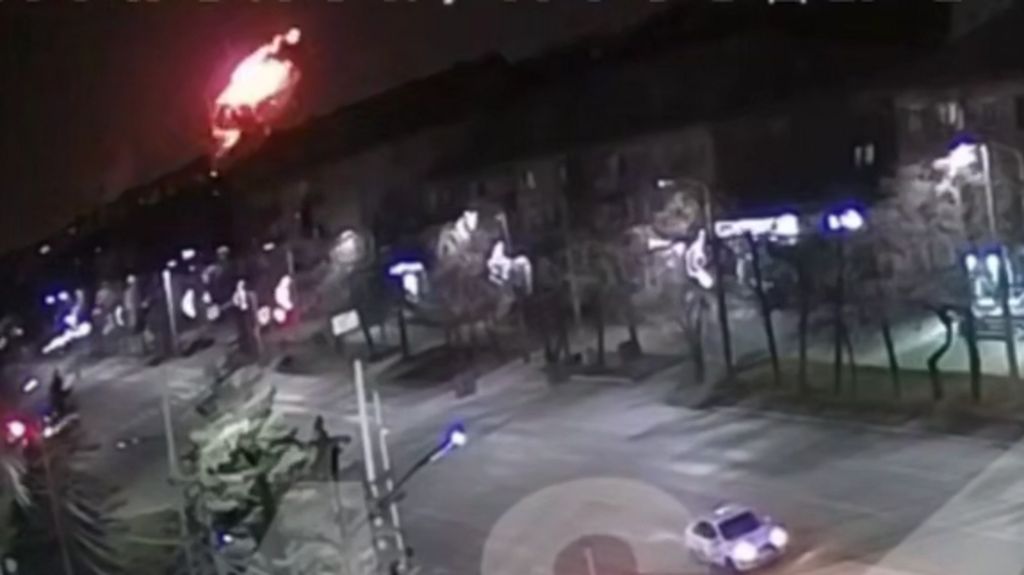
Ten dead in blast at Russian munitions plant in Urals – reports
A catastrophic explosion rocked the Plastmass military plant in Kopeisk, near Chelyabinsk in Russia’s Urals region, resulting in at least 10 fatalities and 18 injuries, according to reports. The facility, which manufactures ammunition and weapons for the military, was engulfed in flames following the blast, with witnesses recounting scenes of explosions and a massive fireball. CCTV footage captured the harrowing moment of the incident, which has sent shockwaves through the local community. Regional Governor Alexei Teksler confirmed the death toll but did not identify the specific factory involved. He emphasized that there is no evidence suggesting the explosion was caused by a drone attack. Authorities have yet to determine the cause of the blast, but a criminal investigation has been launched. A day of mourning has been declared in the region, and Teksler confirmed that the fire at the Kopeisk plant has been extinguished. The incident underscores the ongoing risks associated with military production facilities and raises questions about safety protocols in such high-risk environments.
-
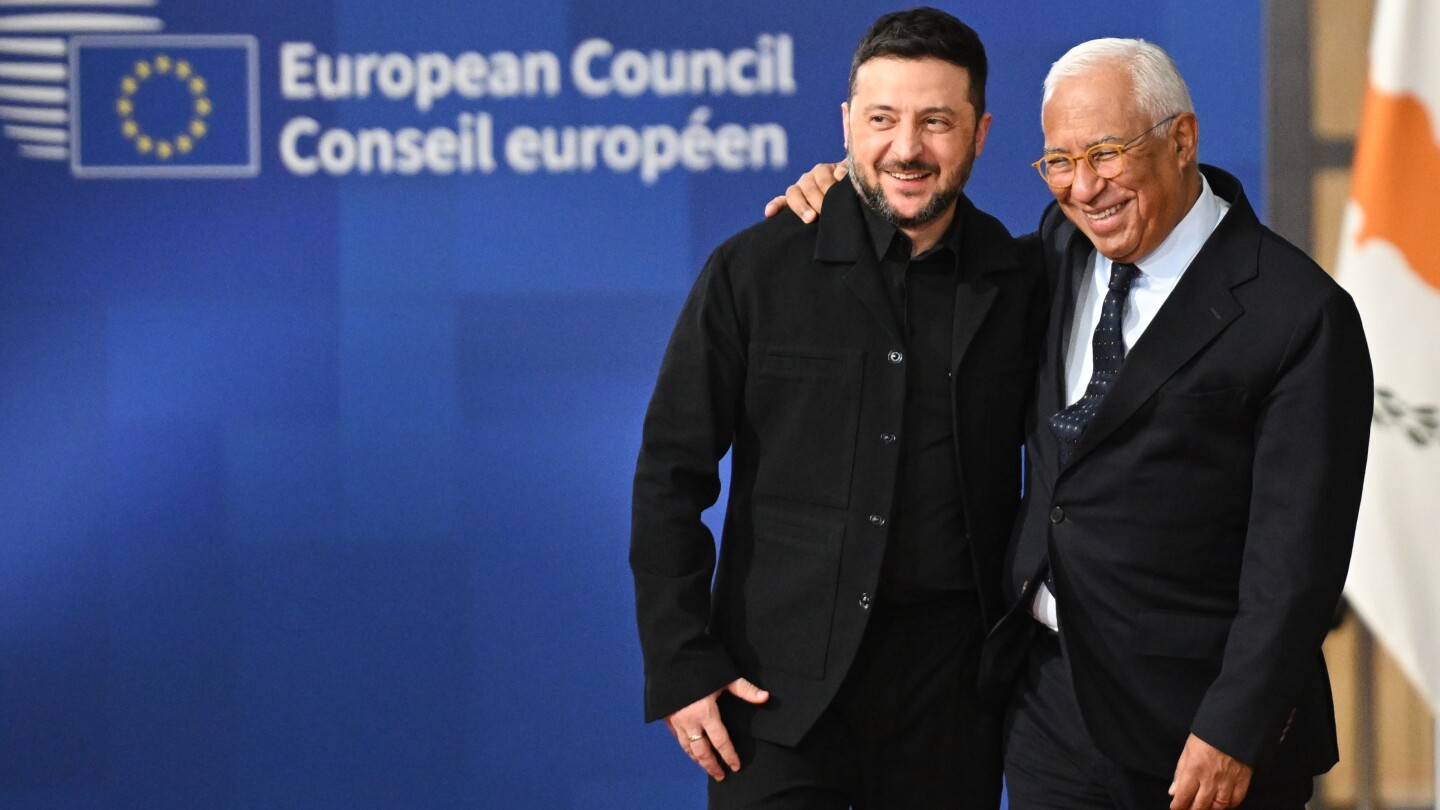
EU joins US in heaping more sanctions on Russia to push Putin into Ukraine peace talks
In a significant escalation of economic pressure, the European Union announced a new wave of sanctions against Russia on Thursday, building upon the punitive measures recently imposed by U.S. President Donald Trump targeting the Russian oil industry. This coordinated effort aims to sever the financial lifelines fueling Moscow’s ongoing invasion of Ukraine and compel President Vladimir Putin to engage in peace negotiations. The sanctions mark a victory for Ukrainian President Volodymyr Zelenskyy, who has persistently advocated for stronger international action against Russia. Speaking in Brussels, Zelenskyy expressed cautious optimism, stating, ‘We waited for this. God bless, it will work. And this is very important.’ Despite U.S.-led peace initiatives, the conflict, now in its fourth year, shows no signs of abating, with European leaders increasingly alarmed by Russia’s aggressive posture. The war has devolved into a grueling stalemate, with Ukrainian forces holding their ground against Russia’s larger military along a 1,000-kilometer front line. Meanwhile, Russian strikes on Ukraine’s power grid and Ukrainian counterattacks on Russian oil refineries have intensified, underscoring the war’s devastating toll. The EU’s latest sanctions target Russian oil and gas, the shadow fleet of aging tankers evading restrictions, and Russia’s financial sector. Additionally, new measures will limit the movement of Russian diplomats within the EU. Zelenskyy urged other nations to join the sanctions, emphasizing their global significance. The decision, which took nearly a month to finalize, reflects the EU’s ongoing struggle to maintain unity in its response to the Kremlin. This marks the 18th package of sanctions imposed by the EU since the war began, though Moscow has demonstrated resilience in circumventing such measures. Concurrently, Trump’s efforts to broker peace remain stalled, with Putin refusing to compromise and even ordering strategic nuclear drills as a stark reminder of Russia’s military might.
-
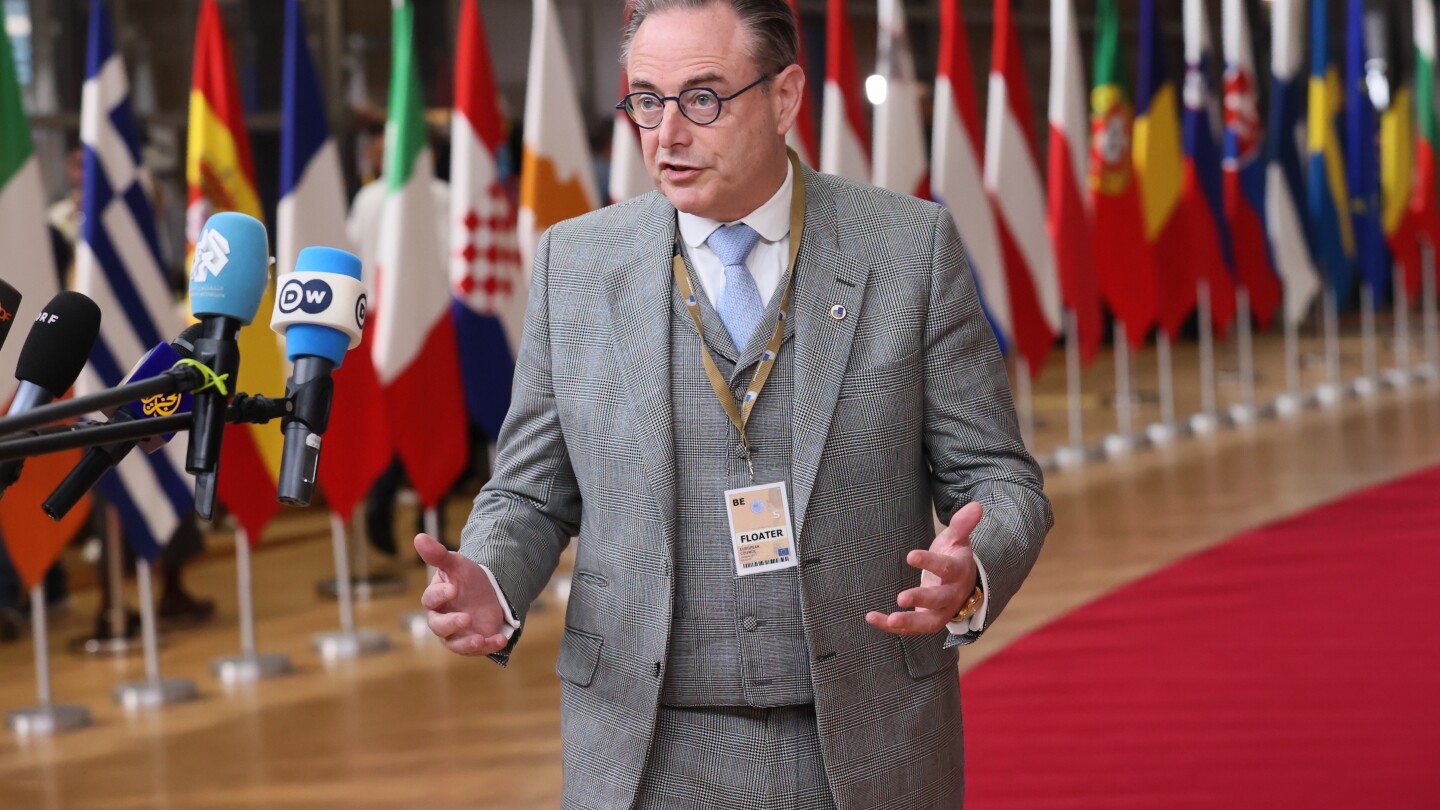
Belgium warns EU partners to share its risk if they want to use frozen Russian assets to aid Ukraine
Belgian Prime Minister Bart De Wever emphasized on Thursday the necessity for European Union member states to collectively share the risks associated with utilizing billions of dollars in frozen Russian assets held in Belgium to support Ukraine’s economy and military efforts in the coming years. With Ukraine’s financial and defense needs for 2026 and 2027 projected at approximately $153 billion, the European Commission has been formulating a strategy to leverage these assets as collateral to secure funding. Belgium, which holds the largest portion of these assets—valued at around $225 billion—has expressed caution about proceeding without solid assurances from other EU nations. De Wever highlighted the potential for severe Russian retaliation against Belgium if it acts unilaterally, stating, “If we want to give them to Ukraine, we have to do it all together. If not, Russian retaliation might only hit Belgium. That’s not very reasonable.” He further warned of possible confiscation of Western banks’ funds and European-owned companies in Russia. The European Commission has framed the initiative as a “reparation loan,” where EU countries would guarantee a $165 billion loan to Ukraine, independent of the frozen assets. Ukraine would repay the EU only if Russia compensates for war damages. Should Moscow refuse, the assets would remain frozen. Kremlin spokesman Dmitry Peskov has condemned the EU’s plan as “illegal confiscation of Russian property,” while Commission President Ursula von der Leyen clarified that the proposal involves using cash balances for a loan, not outright confiscation. De Wever stressed the unprecedented nature of the decision, noting, “This has never been done. Even during the Second World War, we didn’t do this, so it’s not a detail.”
-
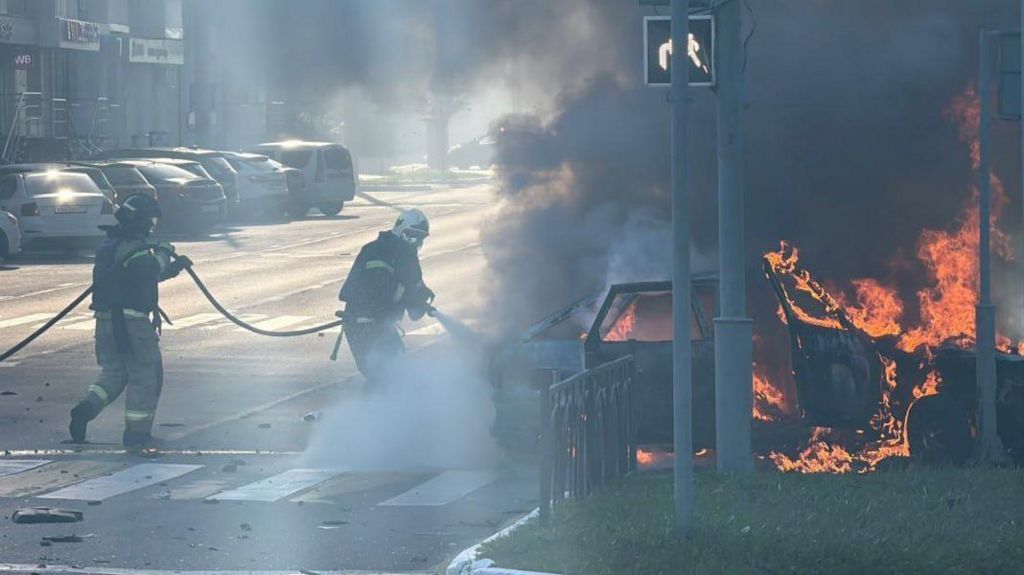
Blackouts hit Russia’s Belgorod as Ukrainian drone attacks surge
The Belgorod region in Russia has become a focal point of escalating tensions between Ukraine and Russia, as residents report increasingly frequent drone strikes, blackouts, and air-raid sirens. According to local accounts, the sound of gunfire aimed at incoming Ukrainian drones has become a daily occurrence, with Kyiv retaliating against Russian bombardments of its cities. Nina, a Belgorod resident, described the terrifying experience of hearing sirens and explosions while trying to seek shelter. Data from local authorities analyzed by BBC News Russian reveals a nearly fourfold increase in Ukrainian drone attacks on the region since the start of 2025, with over 4,000 drones recorded in September alone. The strikes have targeted key infrastructure, including power plants and substations, leaving thousands without electricity. Ukrainian President Volodymyr Zelensky has framed these attacks as a direct response to Russia’s ongoing assaults on Ukraine’s energy infrastructure. Belgorod, a critical logistics hub for Russian forces near the Ukrainian border, has seen its once-unaffected city center now grappling with frequent power outages and fuel shortages. Residents like Ekaterina recount the sudden onset of missile alerts and the ensuing chaos of explosions and darkness. The region’s authorities admit to being overwhelmed, urging residents to purchase backup generators amid a fuel crisis exacerbated by Ukrainian attacks on Russian oil refineries. The introduction of Ukraine’s lightweight ‘Darts’ drones and heavier weapons like Himars rockets has intensified the strikes, overloading Russian air defense systems. For Belgorod residents, the war is no longer a distant conflict but a daily reality, marked by anxiety and uncertainty. As the conflict continues, many, like Yakov, fear that Russia is racing toward an inevitable collapse.
-

At a pumpkin festival near Berlin, powerful women take shape — one gourd at a time
The Klaistow Farm near Berlin has transformed into a vibrant celebration of pumpkins, drawing thousands of visitors to its annual Pumpkin Festival. Now in its 22nd year, the event showcases over 100,000 pumpkins of 500 varieties from around the world, each meticulously labeled with its name and origin. The festival, which began in 2004 as Germans embraced the American tradition of Halloween, has grown into a cultural phenomenon, attracting up to 12,000 visitors on weekends and 5,000 on weekdays. This year’s theme, “Women’s Power,” features 15 larger-than-life pumpkin sculptures depicting iconic figures such as Frida Kahlo, Pippi Longstocking, and Cleopatra. The festival also offers a culinary journey with pumpkin-inspired dishes, from stuffed pumpkin to pumpkin crème brûlée. Families can explore the farm’s winding paths, marveling at creative displays like Marge Simpson’s hair made of winter squash and Elsa from “Frozen” adorned in pale yellow pumpkins. The event not only celebrates the pumpkin’s versatility but also highlights its historical journey from America to Europe, as recounted by Antje Winkelmann, co-owner of the family-run farm. Visitors can purchase 30 different types of pumpkins and indulge in a variety of pumpkin delicacies, making it a must-visit autumn destination.
-

Wall Street quietly mixed early while crude prices soar $3 after Trump sanctions Russian oil giants
Wall Street exhibited a cautious stance on Thursday as U.S. President Donald Trump announced sanctions targeting Russian oil giants Rosneft and Lukoil, causing crude oil prices to surge over 5%. Futures for the S&P 500 and Nasdaq edged up marginally, while Dow Jones futures dipped slightly. The sanctions aim to pressure Russian President Vladimir Putin to negotiate an end to the ongoing conflict in Ukraine. Concurrently, European Union leaders convened to approve additional sanctions and explore utilizing frozen Russian assets to support Ukraine’s economy and war efforts for the next two years. U.S. benchmark crude oil rose to $61.63 per barrel, with Brent crude climbing to $65.72. In corporate news, Tesla’s shares dropped 3.2% after reporting a 37% decline in third-quarter earnings, marking its fourth consecutive quarterly profit drop. CEO Elon Musk shifted focus to Tesla’s AI and robotaxi ventures during an investor call. IBM’s shares fell 6.8% despite beating sales and profit targets, as cloud revenue growth slowed. Molina Healthcare plummeted over 20% after missing profit forecasts and revising its full-year earnings outlook downward. European markets showed mixed results, with Germany’s DAX down 0.3%, Britain’s FTSE 100 up 0.6%, and France’s CAC 40 rising 0.4%. Asian markets were similarly mixed, with Hong Kong’s Hang Seng gaining 0.7% and Japan’s Nikkei 225 shedding 1.4% amid stimulus package discussions. Gold prices rebounded 1.6% to $4,131.80 after a two-day decline.
-
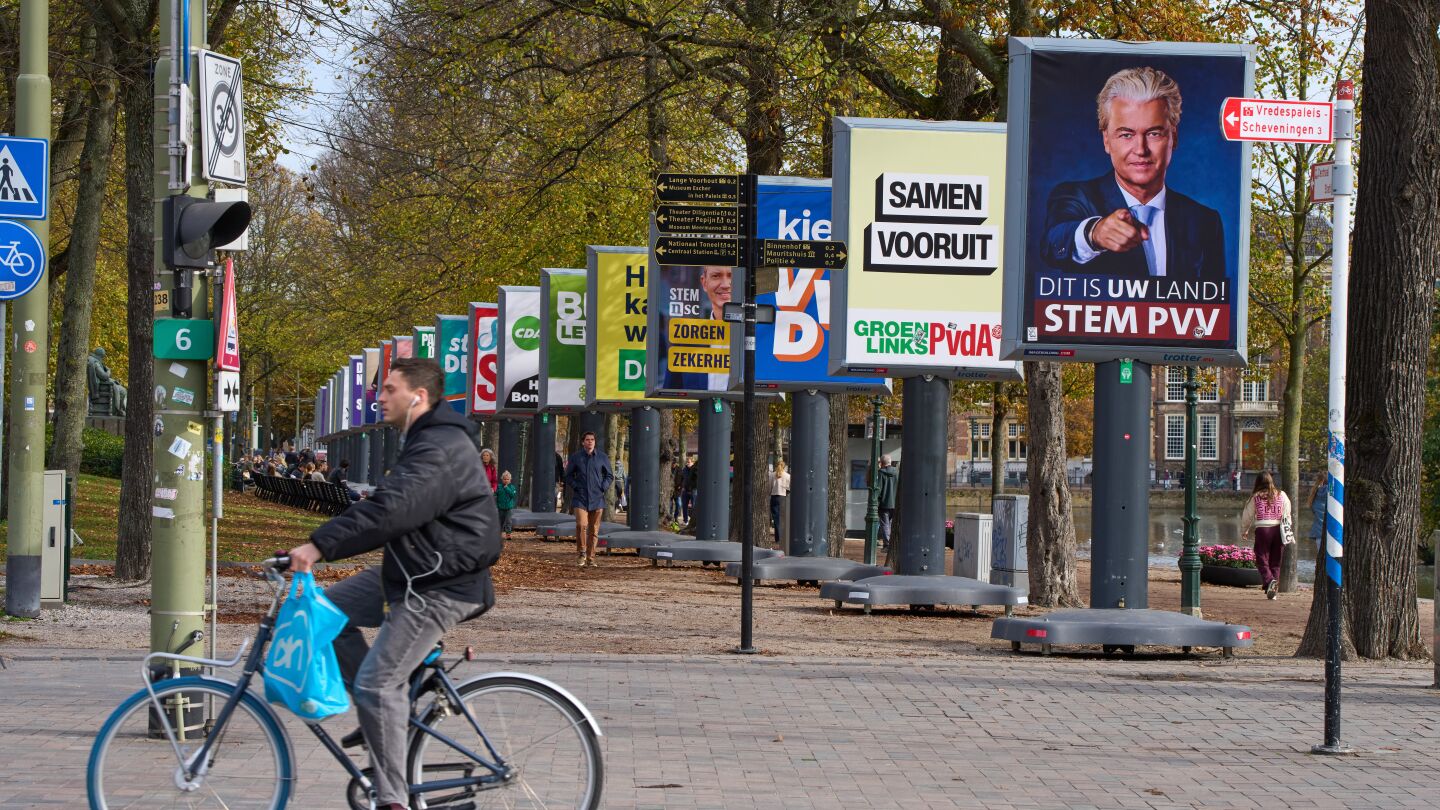
Dutch general election focuses on migration and housing crisis as Wilders seeks another win
As the Netherlands approaches its parliamentary elections on October 29, the political discourse is dominated by two contentious issues: migration and the chronic housing shortage. These themes reflect broader debates across Europe, where right-wing politics are gaining traction.