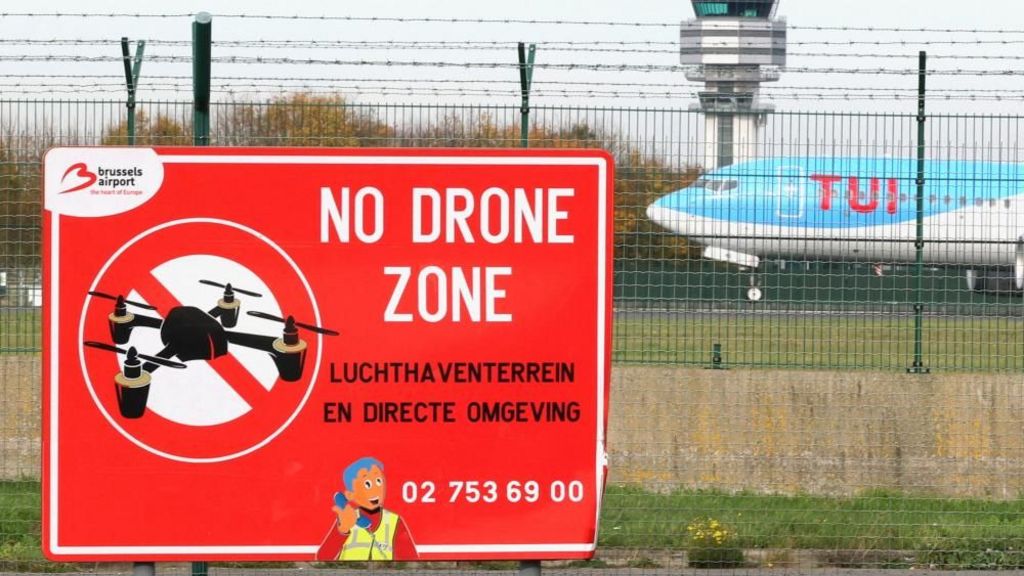
The Belgian government has revealed to the BBC that it is urgently working to acquire advanced drone defense systems following a recent incident that forced the temporary closure of Zaventem Airport, the main airport near Brussels. The disruption occurred on Thursday night after drones were sighted near the airport and other sensitive locations, including a military base. Defense Minister Theo Francken emphasized that what was once considered a localized issue for military bases has now escalated into a significant threat to civilian infrastructure across multiple European nations. Francken confirmed that several European allies, including Germany, have offered assistance, with the German military providing anti-drone defenses. The incident impacted approximately 3,000 passengers of Brussels Airlines, leading to considerable costs from flight cancellations and diversions. Joelle Neeb of Brussels Airlines noted that while EU compensation schemes do not apply, the airline is obligated to ensure passengers reach their destinations promptly by offering refunds, alternative flights, and covering accommodation and transport expenses. Neeb described drones as a ‘new threat,’ prompting the airline to revise its contingency plans. Recent months have seen similar drone-related disruptions across Europe, including in Sweden, Norway, and Denmark. Some officials have accused Russia of engaging in ‘hybrid warfare,’ though the Kremlin denies any involvement. German Defense Minister Boris Pistorius has suggested that these incidents may be linked to EU discussions about using frozen Russian assets to support Ukraine, a controversial plan that could see Belgium legally obligated to repay Moscow post-conflict. While Belgian security services suspect Russian involvement, Francken acknowledged the lack of concrete evidence. The situation has been further complicated by recent Russian airspace incursions in Eastern Europe, involving fighter jets and larger attack drones, which are seen as attempts to test European defenses and divert attention from Ukraine.
标签: Europe
欧洲
-
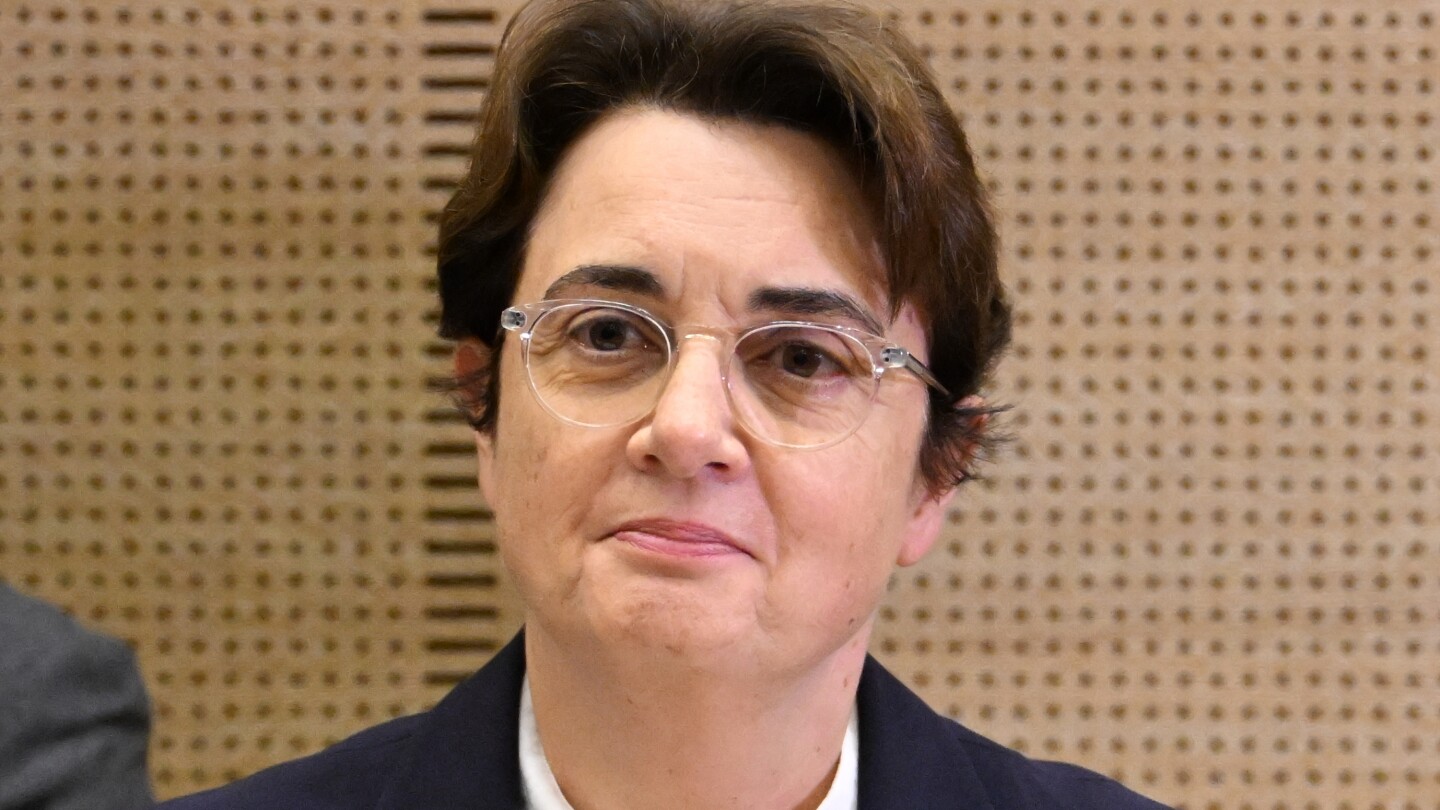
Louvre vows to restore the imperial crown dropped by thieves during museum robbery
The Louvre Museum in Paris has announced plans to restore the damaged crown of Empress Eugénie, which was recovered outside the museum following a daring robbery on October 19. The crown, adorned with over 1,300 diamonds and emeralds, was one of eight precious objects stolen from the Apollo Gallery. Thieves used disc cutters to break into display cases, making off with items including a sapphire diadem, a necklace, and a single earring linked to 19th-century Queens Marie-Amélie and Hortense. The crown was found outside the museum, likely damaged during the theft rather than when it fell to the ground. Laurence des Cars, the Louvre’s director, confirmed that most of the crown’s jewels remain intact, though a few small diamonds and one of its eight gold eagles are missing. The restoration will be funded by patrons and supervised by a scientific committee, symbolizing the museum’s ongoing ‘New Renaissance’ initiative. Des Cars, who offered to resign after the robbery, emphasized the need for modernization, citing issues such as outdated facilities, overcrowding, and inadequate security. The ‘Louvre New Renaissance’ plan, launched earlier this year, aims to address these challenges with an estimated budget of 800 million euros ($933 million) by 2031.
-
EU tightens visa restrictions on Russians over the Ukraine war and acts of sabotage
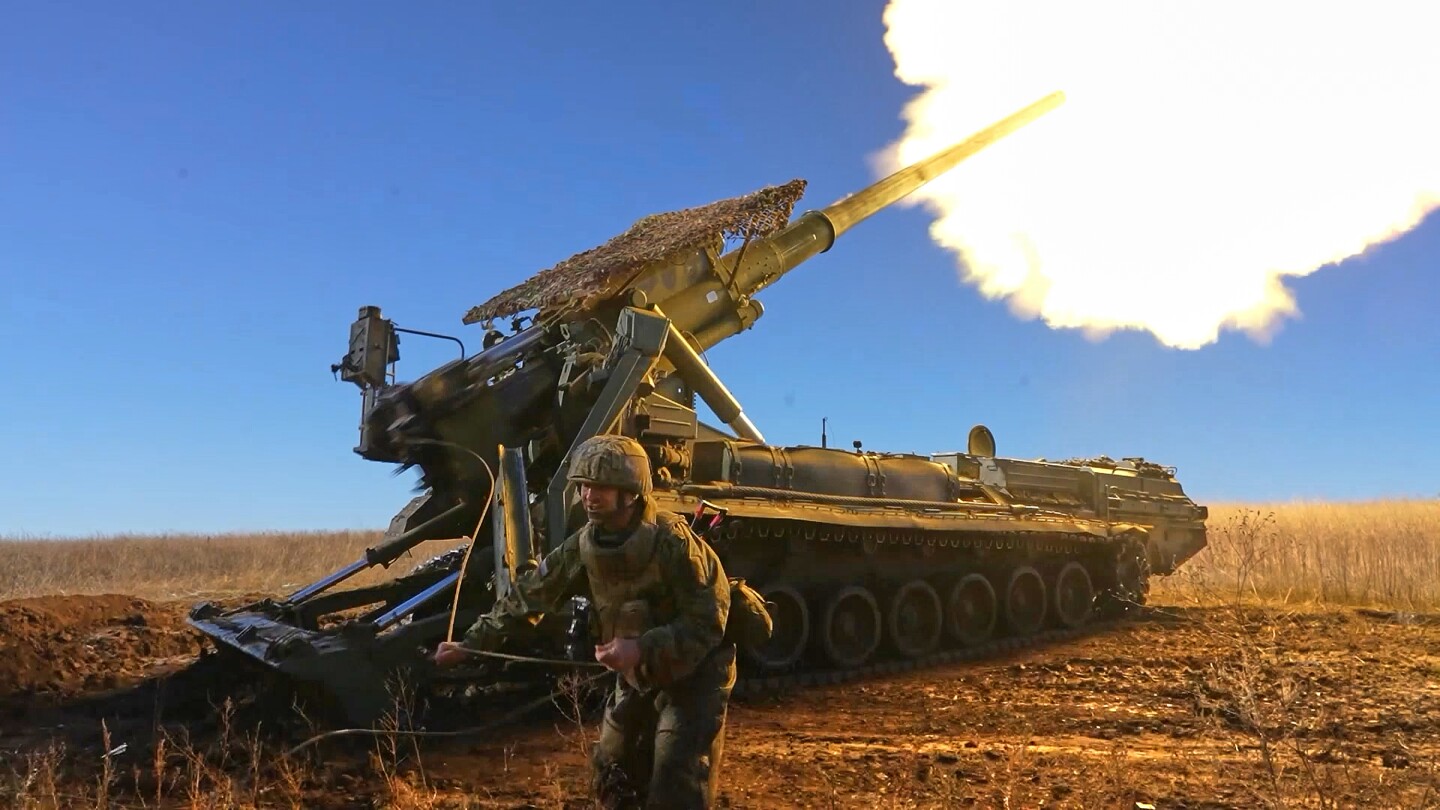
In a significant policy shift, the European Union (EU) has imposed stricter visa regulations for Russian citizens entering the Schengen area, citing ongoing security risks linked to Russia’s war in Ukraine, increased acts of sabotage attributed to Moscow, and concerns over visa misuse. Effective immediately, Russian nationals will no longer be eligible for multiple-entry visas, requiring them to apply for a new visa for each trip to Europe. This measure aims to enhance scrutiny of applicants and mitigate potential security threats, according to the European Commission, the EU’s executive body. Exceptions will be granted to individuals deemed trustworthy, such as dissidents, independent journalists, human rights defenders, and close family members of Russians residing in the EU or EU citizens living in Russia. EU foreign policy chief Kaja Kallas emphasized that travel within the EU is a privilege, not a right, amid unprecedented security challenges. The decision has drawn criticism from Russia, with Foreign Ministry spokeswoman Maria Zakharova accusing the EU of prioritizing illegal migrants over Russian tourists. The EU had previously suspended its visa facilitation agreement with Russia following the 2022 invasion of Ukraine, leading to a sharp decline in visas issued to Russians—from over 4 million in 2019 to approximately 500,000 in 2023. While the new rules make visa applications more cumbersome, they stop short of an outright ban. Additionally, the EU has urged Serbia to cease granting citizenship to Russians, citing potential security risks for the bloc.
-

Denmark’s government aims to ban access to social media for children under 15
In a bold move to address the escalating concerns over children’s exposure to harmful online content, the Danish government announced a groundbreaking agreement on Friday to ban social media access for individuals under the age of 15. This initiative, which allows parents to grant access to 13-year-olds following a specific assessment, marks one of the most stringent measures by a European Union government to regulate social media usage among minors.
-
James Bond fantasist jailed for 7 years in UK for trying to spy for Russia
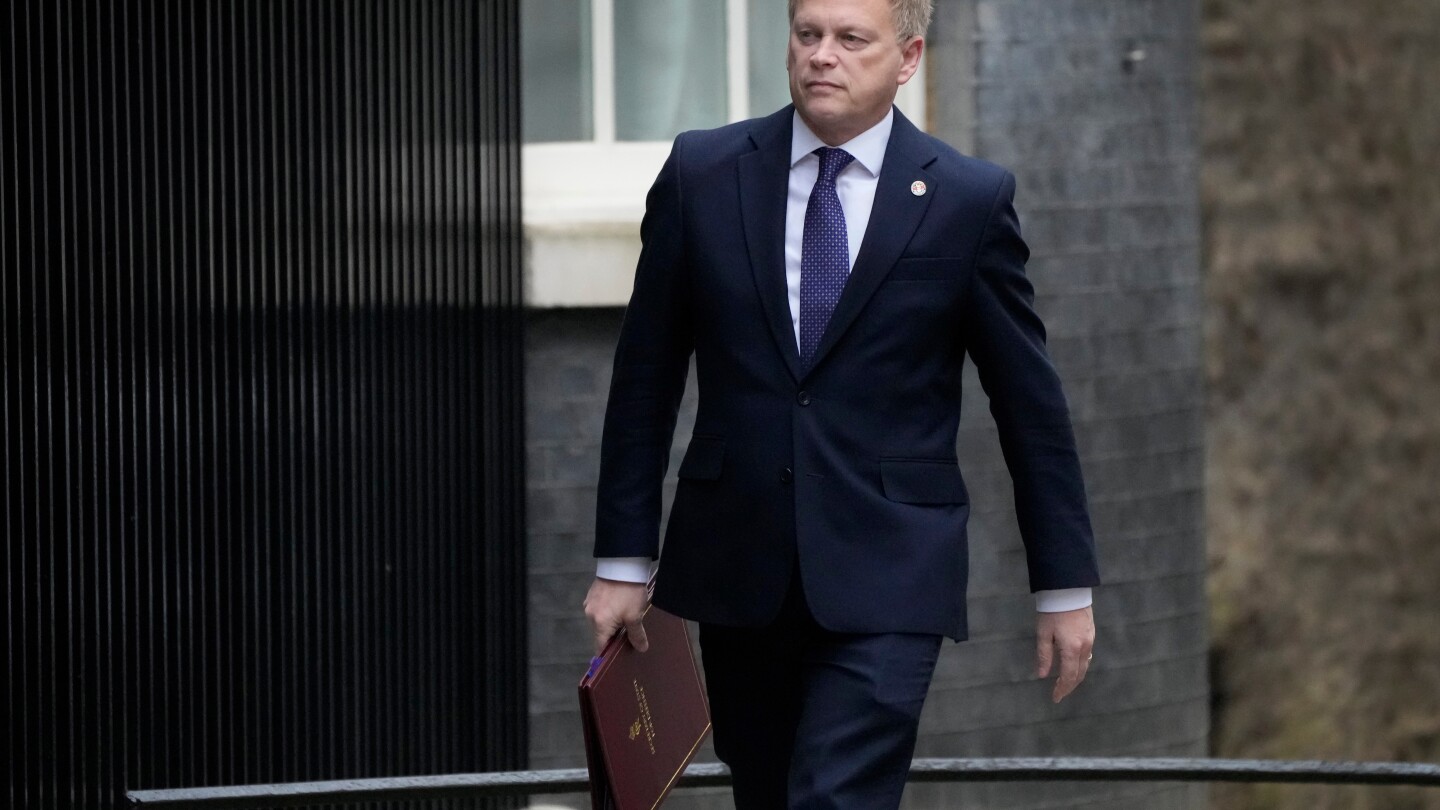
A British man who harbored fantasies of emulating James Bond has been sentenced to seven years in prison for attempting to spy for Russia. Howard Phillips, 65, was convicted in July for trying to pass sensitive information about former Defense Secretary Grant Shapps to individuals he believed were Russian intelligence agents. Unbeknownst to Phillips, these ‘agents’ were actually undercover British intelligence operatives.
At his sentencing hearing at Winchester Crown Court, Justice Bobbie Cheema-Grubb condemned Phillips, stating, ‘You were prepared to betray your country for money.’ The judge also noted that Phillips exhibited ‘a personality with narcissistic tendencies and an overblown sense of his own importance.’
The trial revealed that Phillips aimed to assist Russian agents between late 2023 and May 2024. During this period, Shapps served as Defense Secretary until the Conservative Party lost power in the general election, leading to his departure from Parliament. Phillips attempted to provide Shapps’ contact details and the location of his private plane, intending to facilitate Russian surveillance of British defense plans.
Phillips’ ex-wife testified that he was ‘infatuated’ with the idea of being like James Bond and frequently watched films about British secret services. In a victim impact statement, Shapps expressed his shock and dismay, recalling a dinner at Phillips’ home in 2002. ‘What is unacceptable is one individual’s reckless behavior exposing my entire family to the extremely serious risks that come from a foreign intelligence service’s activities,’ Shapps said.
Bethan David, head of the Crown Prosecution Service’s Counter Terrorism Division, emphasized that the conviction sends ‘a clear message to anyone considering spying for or assisting Russia.’
-
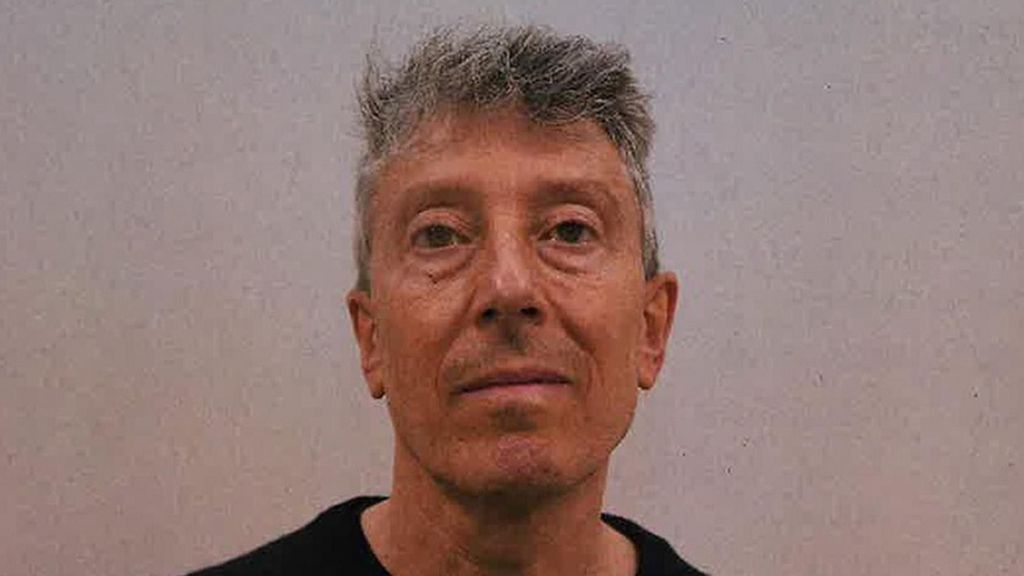
British man jailed after trying to spy for Russia
A British man, Howard Phillips, has been sentenced to seven years in prison for attempting to spy for Russia. Phillips, 66, from Harlow, Essex, was arrested near King’s Cross railway station after being caught in a sting operation involving undercover British intelligence officers. He was found guilty of assisting a foreign intelligence service under the National Security Act at Winchester Crown Court in Hampshire. Phillips had offered to provide personal information about former Defence Secretary Sir Grant Shapps, including his address, phone number, and the location of his private plane. The court heard that Phillips left a USB containing sensitive information on a bike near St Pancras and Euston stations in London. Mrs Justice Cheema-Grubb, presiding over the case, stated that Phillips was motivated by financial gain rather than ideology, and that he had taken a grave risk without considering the potential damage to his country. Phillips’s ex-wife testified that he had long been ‘infatuated’ with MI5 and MI6 and had dreams of being like James Bond. Sir Grant Shapps, in a victim impact statement, expressed his shock and concern for his family’s safety, describing Phillips’s actions as a ‘complete breach of trust.’ Bethan David, head of the Crown Prosecution Service’s Counter Terrorism Division, labeled Phillips as ‘brazen’ in his pursuit of financial gain. Phillips’s defense lawyer, Jeremy Dein KC, argued that his client was an ‘eccentric fantasist’ whose life had ‘collapsed’ and who was ‘desperate for money.’
-
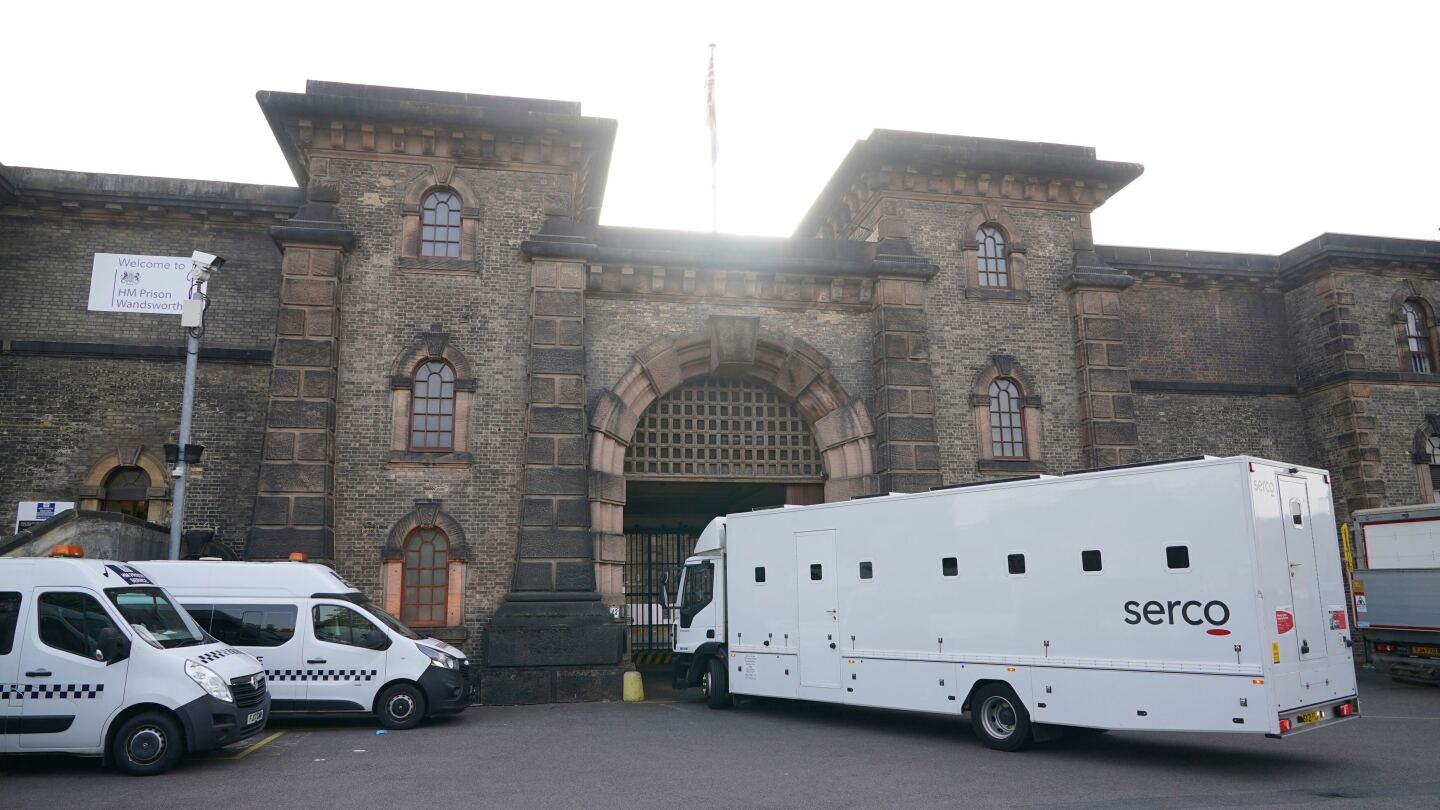
Inmate mistakenly released from London prison arrested after more than a week of freedom
A convicted sex offender, Brahim Kaddour-Cherif, who was erroneously released early from Wandsworth Prison in London, was apprehended by police on Friday after spending over a week at large. This incident marks the second such case in recent weeks, casting a harsh spotlight on the UK’s beleaguered prison system and sparking political controversy. Kaddour-Cherif, 24, an Algerian national and registered sex offender due to a prior indecent exposure conviction, was serving time for trespass with intent to steal. He was in the initial stages of deportation when mistakenly freed. His arrest, captured by Sky News, saw him initially deny his identity before admitting, “It is not my fault. They released me illegally.”
The other wrongly released inmate, Billy Smith, 35, convicted of fraud, surrendered himself on Thursday. These incidents have reignited scrutiny of Wandsworth Prison, which faced criticism two years ago after another prisoner escaped by clinging to a food delivery truck. The recent errors follow stricter security measures implemented after an asylum-seeker’s mistaken release from Chelmsford Prison in October, which fueled anti-immigrant protests.
The Labour government has faced intense criticism over the issue, with 262 prisoners released in error in the year ending March 2025—a 128% increase from the previous year. Conservatives blame Labour’s early release policies, while Labour points to 14 years of Conservative austerity that underfunded the prison system. Justice Secretary David Lammy acknowledged the crisis, stating, “We inherited a prison system in crisis… I’m determined to grip this problem, but there is a mountain to climb.”
-
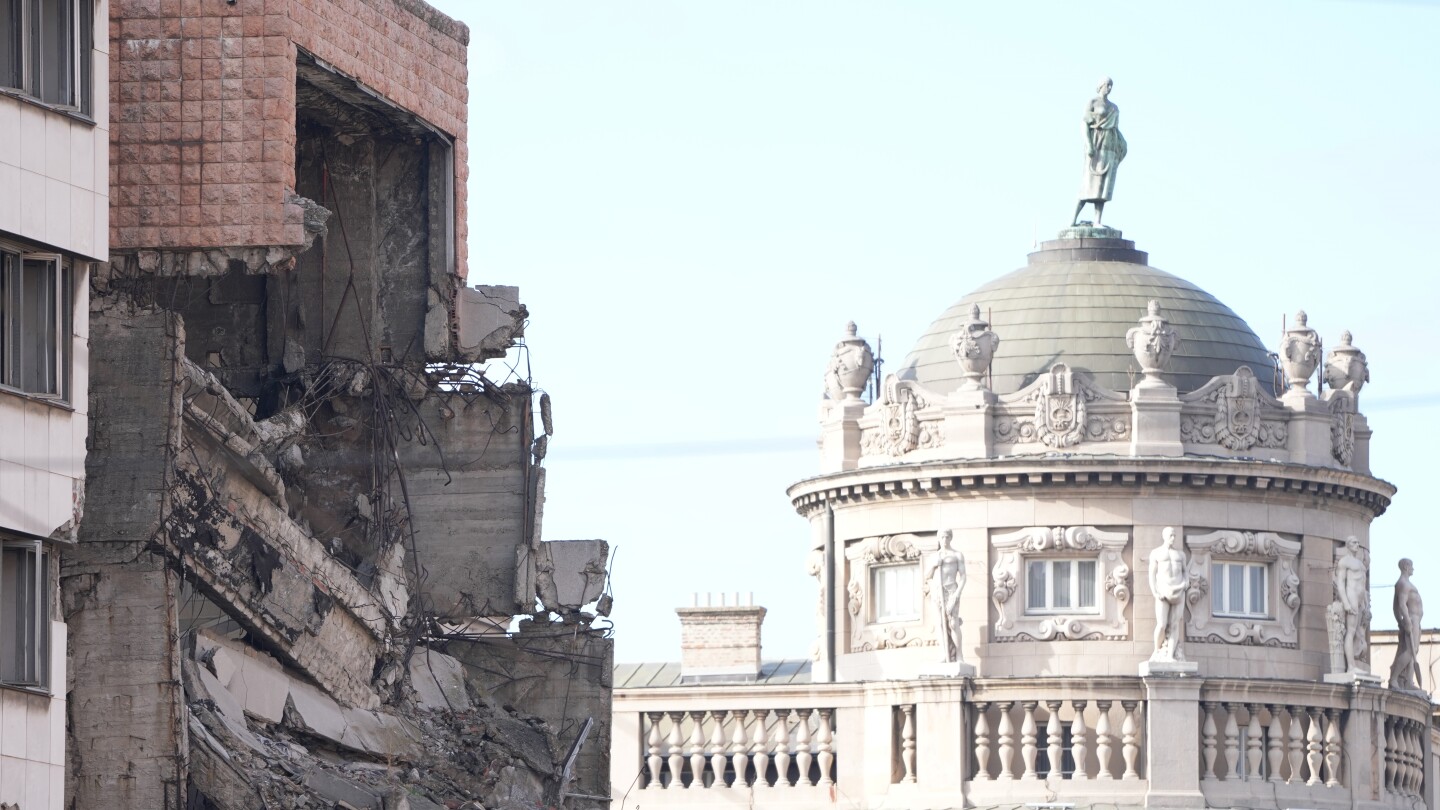
Serbia passes a special bill enabling Trump’s son-in-law to build luxury complex despite opposition
In a contentious move, Serbian lawmakers passed a special law on Friday to facilitate a real estate project financed by a company associated with Jared Kushner, son-in-law of former U.S. President Donald Trump. The project, which aims to redevelop a historic former Yugoslav military complex in Belgrade, has sparked widespread public opposition and legal challenges. The site, partially destroyed during NATO’s 1999 bombing campaign, holds significant architectural and symbolic value for many Serbians. Despite protests and a heated parliamentary debate, the bill was approved with a 130-40 vote in the 250-member assembly. The law, known as Lex Specialis, bypasses legal hurdles and allows the demolition of remaining structures on the site, which are considered prime examples of mid-20th century Yugoslav architecture. Critics argue that the project undermines Serbia’s legal system and cultural heritage, with corruption watchdog Transparency Serbia warning of dangerous precedents. President Aleksandar Vucic’s government, however, defends the initiative as a boost to the economy and U.S.-Serbia relations. The $500-million project includes plans for a luxury hotel, apartments, offices, and shops, with a memorial complex dedicated to NATO bombing victims. Opposition lawmakers and protesters decry the move as a betrayal of national heritage, with banners reading, ‘Culture is not for sale.’ The project’s sensitivity is heightened by lingering anti-NATO sentiments in Serbia, stemming from the 1999 bombing campaign. This development follows Kushner’s company securing a $1.6 billion investment deal in Albania, further fueling debates over foreign influence in the Balkans.
-
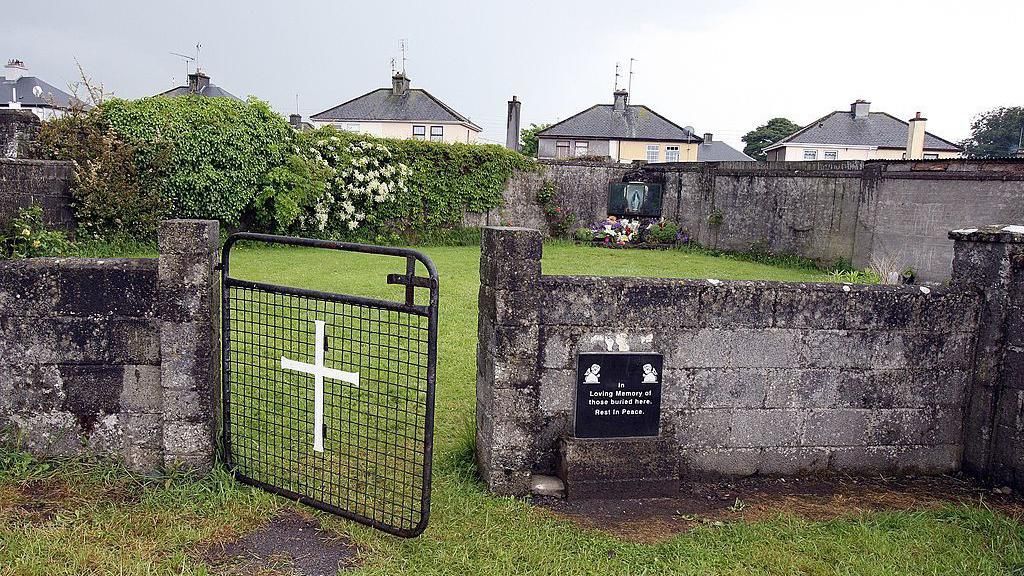
Infants’ remains found during mass burial site excavation
Archaeologists excavating the site of a former mother-and-baby institution in Tuam, County Galway, have uncovered seven sets of infant remains. The institution, operated by the Bon Secours Sisters and open from 1925 to 1961, has long been a subject of controversy. The Office of the Director of Authorised Intervention, Tuam (ODAIT), which began the excavation in July, issued its third monthly update, revealing the discovery of the remains near a ‘vaulted structure’ on the western edge of the site. Initial assessments suggest the remains belong to infants, but further analysis, including radiocarbon dating, will be required to determine their age and historical context. This process is expected to take at least three months. The site, previously used as a military barracks and a workhouse, has a complex history, making it challenging to pinpoint the exact era of the remains. ODAIT also reported finding two additional sets of remains believed to date back to the workhouse era, alongside numerous artifacts, including personal items like a razor. The excavation has drawn international attention since 2014, when local historian Catherine Corless revealed that 796 children and babies died at the institution without burial records. In 2017, Irish government investigators discovered ‘significant quantities of human remains’ in underground chambers. ODAIT continues to collaborate with the National Museum of Ireland to manage and analyze the findings.
-
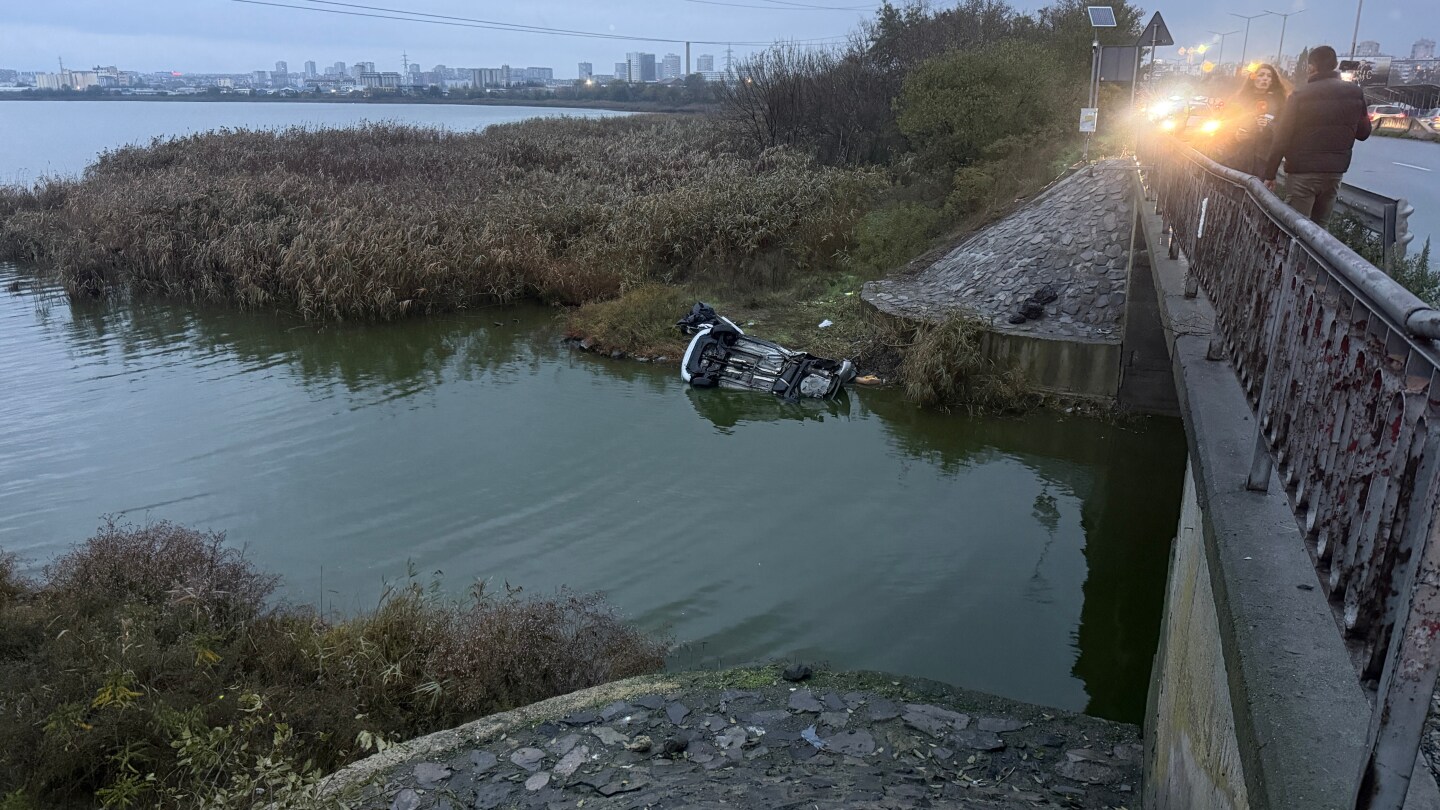
Van is chased by police in Bulgaria and crashes, killing six migrants
A tragic incident unfolded near Bulgaria’s eastern Black Sea coast late Thursday night, resulting in the deaths of six migrants and injuries to four others, including the driver of the van they were traveling in. The vehicle, bearing Romanian registration plates, was being pursued by Bulgarian police when it crashed into a lake after the driver lost control while attempting to evade spike strips laid by authorities. The accident occurred near the city of Burgas, according to Border Police Chief Anton Zlatanov, who briefed reporters on Friday. The migrants, believed to be from Afghanistan, were illegally entering Bulgaria at the time of the crash. The driver, a Romanian national, and three other passengers sustained minor injuries and were transported to a hospital after receiving initial medical care at the scene. Bulgaria, a key transit country for migrants from the Middle East and Afghanistan, has seen a significant reduction in migration pressure over the past year, with authorities dismantling up to 20 organized criminal groups involved in human trafficking. Zlatanov emphasized that while complete elimination of migration is unattainable, efforts have led to a 70% decrease in migration-related challenges compared to the previous year.