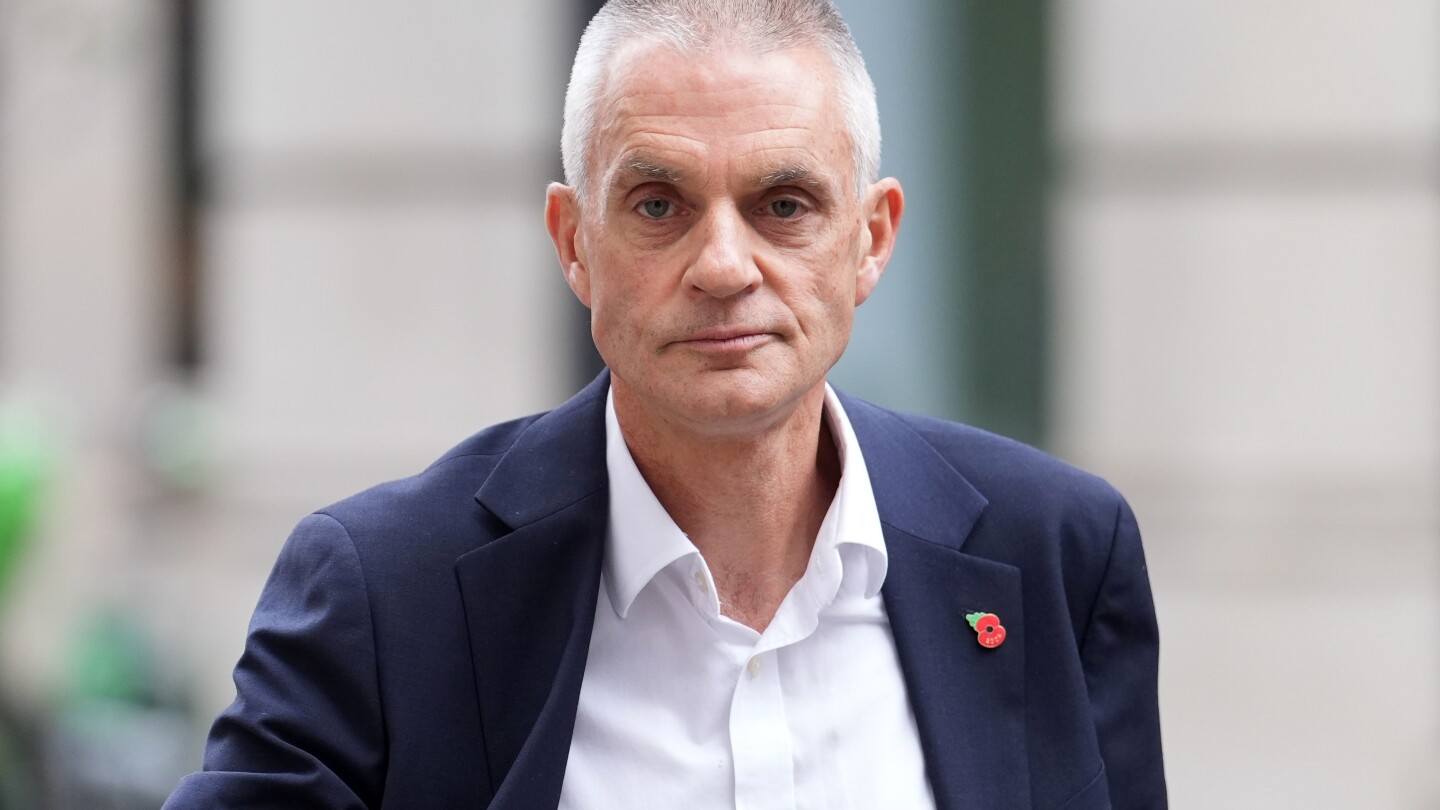
The British Broadcasting Corporation (BBC) is embroiled in its most severe crisis in years, following a series of controversies that have culminated in the resignation of its Director-General, Tim Davie, and head of news, Deborah Turness. The turmoil was sparked by accusations of biased editing in a documentary featuring former U.S. President Donald Trump’s speech on January 6, 2021. Trump has threatened legal action, demanding $1 billion in damages for what he termed “false, defamatory, and inflammatory statements.” The BBC’s chair, Samir Shah, has issued an apology for an “error of judgment” in the editing process. This incident is the latest in a string of scandals that have plagued the BBC under Davie’s leadership. These include the Martin Bashir scandal, where a journalist used fake documents to secure an interview with Princess Diana, and the suspension of high-profile presenter Huw Edwards over allegations of inappropriate conduct. The BBC has also faced criticism for its coverage of sensitive topics, including the Gaza conflict and transgender issues. The institution’s credibility is now under intense scrutiny, with concerns raised about institutional bias and editorial standards.
标签: Europe
欧洲
-
UK government is caught up in a feud between Trump and the BBC
The UK government has stepped into the escalating dispute between the BBC and former U.S. President Donald Trump, who is threatening legal action over the broadcaster’s editing of his post-2020 election speech. Culture Secretary Lisa Nandy is set to address the issue in the House of Commons, as critics demand significant reforms to the BBC while supporters urge the government to shield the public broadcaster from political interference. The controversy has already led to the resignation of BBC Director-General Tim Davie, who acknowledged the organization’s mistakes but emphasized the need to defend its journalism. Trump’s lawyer has demanded a retraction, apology, and compensation for what he claims is a defamatory portrayal in a documentary aired last year. The BBC has admitted to misleading editing in the documentary, which spliced together quotes from Trump’s speech, creating the impression of a direct call for violence. The broadcaster, funded by an annual license fee, faces mounting pressure in an era of polarized politics and shifting media consumption. While the Labour Party government has supported the BBC, it has also stressed the importance of correcting errors to maintain public trust.
-
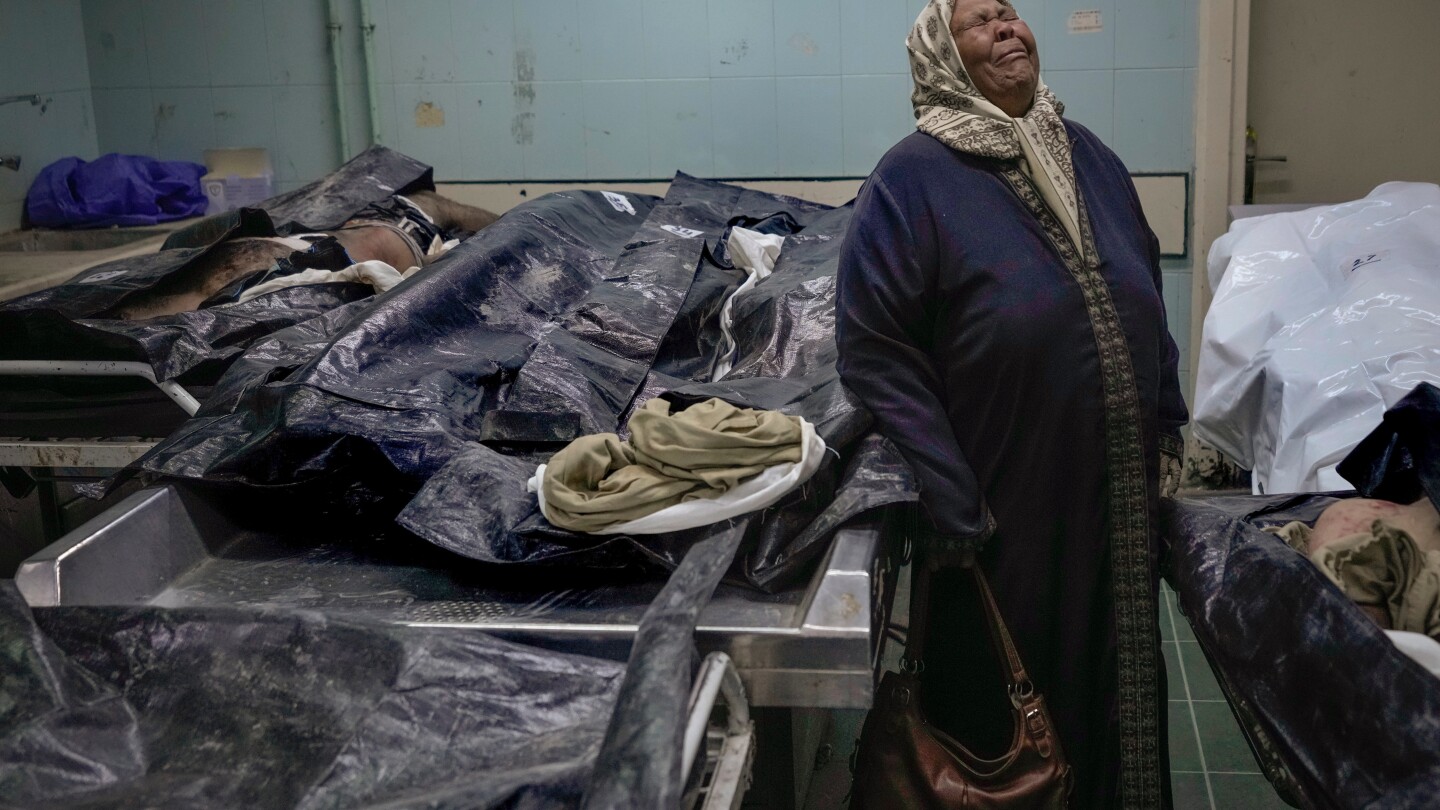
Exiled Syrian opens up about death-defying smuggling operation that showed proof of Assad’s cruelty
In a daring act of defiance against the Syrian dictatorship, Ussama Uthman, now 59, and his brother-in-law Farid al-Mazhan risked their lives to smuggle out over 53,000 photographs documenting the systematic torture and extrajudicial killings ordered by President Bashar Assad’s regime. The operation, known as the Caesar Files, began in 2011 during the Arab Spring, when protests in Syria were met with brutal government crackdowns. Uthman, a construction engineer, and al-Mazhan, a military police officer, secretly coordinated to gather and transport evidence of the regime’s crimes, including images of broken bodies and torture sites. The photos, which began appearing online in 2014, spurred international condemnation, U.S. sanctions, and legal actions against former Syrian officials. Uthman and his family eventually fled to France, where they continued their mission to expose Assad’s atrocities. Despite the fall of Assad’s regime in a surprise rebel offensive last year, the team remains committed to seeking justice for the victims and their families. Their efforts have provided crucial evidence for prosecuting war crimes and helping Syrians uncover the fates of their missing loved ones. The Caesar Files team, now expanded to 60 members, continues to document new evidence, ensuring that Assad’s crimes are not forgotten.
-
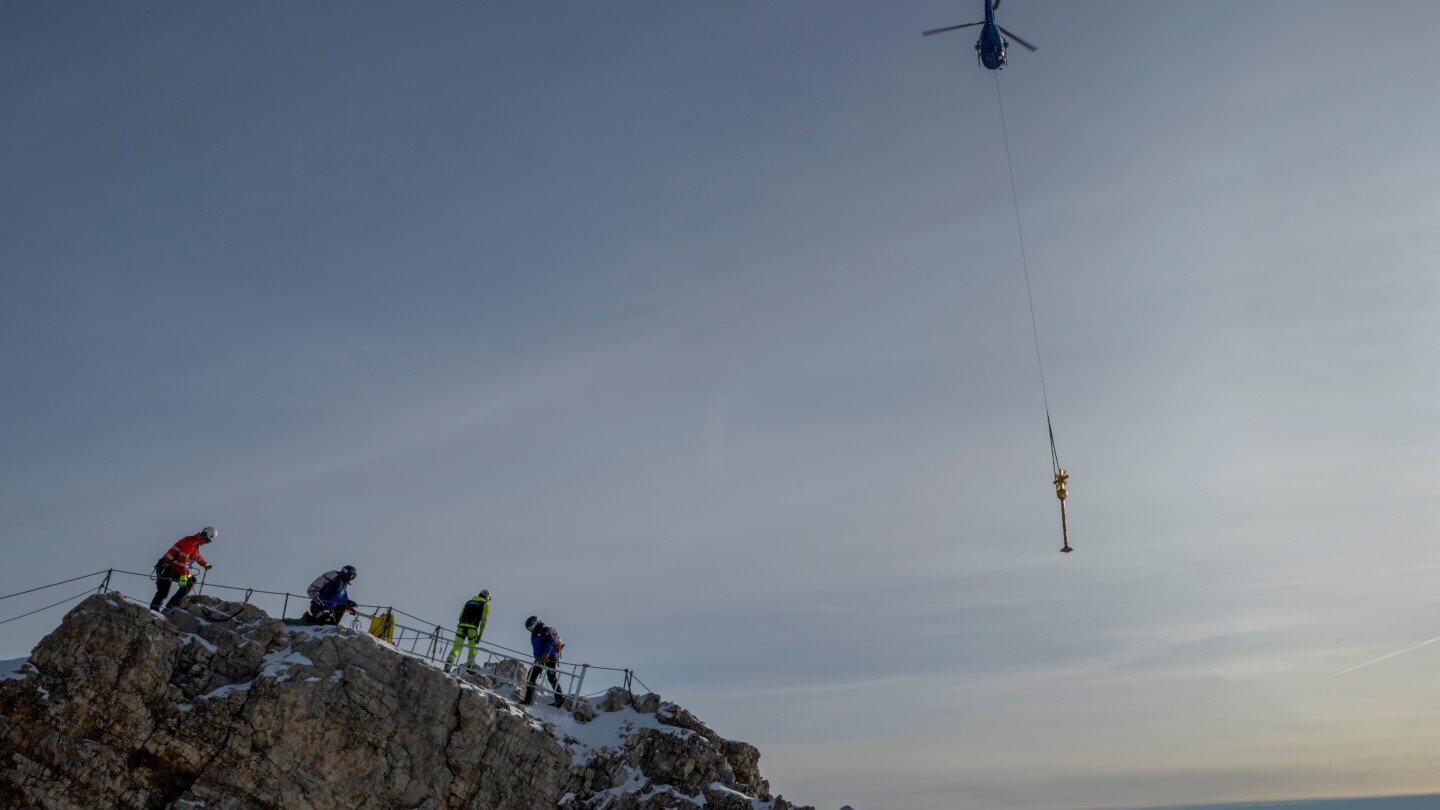
The gilded cross on Germany’s highest peak has too many stickers. Now it’s being restored
Germany’s iconic Zugspitze peak, the country’s highest mountain, will temporarily lose its famed gilded cross as it undergoes restoration. The 4.88-meter (16-foot) tall, 300-kilogram (661-pound) cross was airlifted by helicopter on Tuesday from the 2,962-meter (9,718-foot) summit, shared between Germany and Austria in the Bavarian Alps. The restoration is necessitated by the accumulation of hundreds of stickers left by visitors over the years. The cross is now at the workshop of craftswoman Andrea Würzinger in Eschenlohe, where she will meticulously remove the stickers, sand the iron surface, and reapply gold leaf selectively due to the high cost of gold. The current cross, crafted by Würzinger’s father, Franz, in 1993, replaced the original 1851 version, which was irreparably damaged. Würzinger noted that the number of stickers has surged from just three during its first re-gilding 15 years ago to hundreds today. The Zugspitze, attracting around 600,000 visitors annually, is easily accessible via mountain railway and cable car. However, the actual peak, where the cross stands, requires a short but potentially hazardous climb from the summit station. Visitors often attempt risky maneuvers to place stickers on the cross, prompting the installation of a replica cross inside the summit station in July to deter such behavior. Würzinger and the Bayerische Zugspitzbahn, the operator of the summit transport system, aim to complete the restoration in time for the ski season’s start on November 28.
-
Ukraine’s nuclear energy company says operations unaffected by $100M graft probe
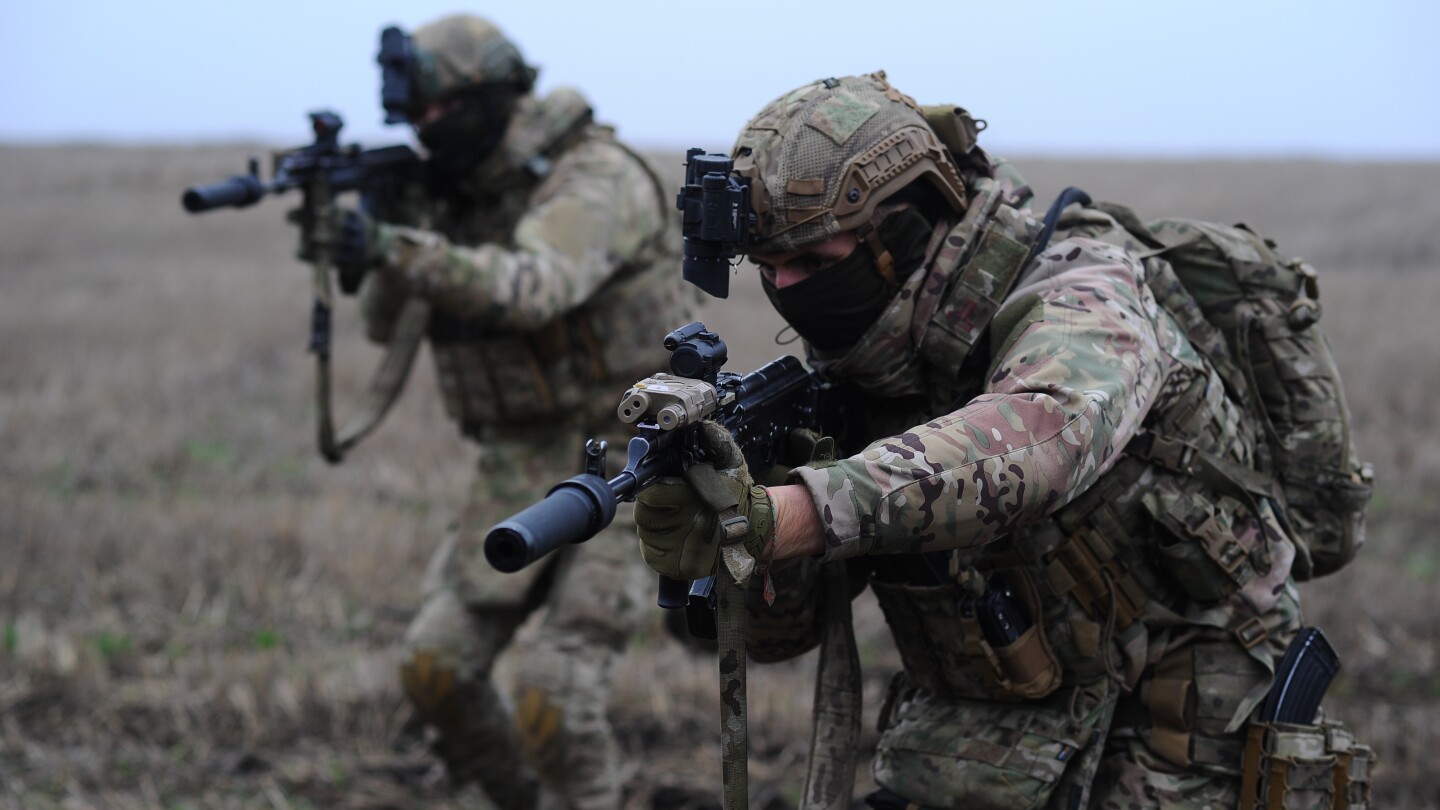
In the midst of a high-profile corruption investigation targeting Ukraine’s power sector, state-owned nuclear energy company Energoatom has confirmed that its operations remain unaffected. The National Anti-Corruption Bureau (NABU) is probing alleged kickbacks worth approximately $100 million, with suspicions of bribery and embezzlement involving suppliers and high-ranking officials. Energoatom, responsible for generating over half of Ukraine’s energy supply, emphasized that the investigation has not disrupted production or compromised safety. The probe comes as Ukraine’s energy infrastructure faces relentless Russian aerial attacks, with recent strikes reported in the Kharkiv, Odesa, and Donetsk regions, prompting scheduled power outages across the country. Ukrainian President Volodymyr Zelenskyy has welcomed the investigation, stressing the urgency of combating corruption, a significant barrier to Ukraine’s EU membership aspirations. Meanwhile, Russia’s Federal Security Service (FSB) claimed to have thwarted a Ukrainian intelligence plot to hijack a MiG-31 fighter jet carrying a hypersonic missile, though no evidence was provided. Ukraine’s military also reported strikes on Russian oil infrastructure, including the Saratov refinery and an oil terminal in Crimea.
-
Turkey FA suspends 1,024 players in betting probe
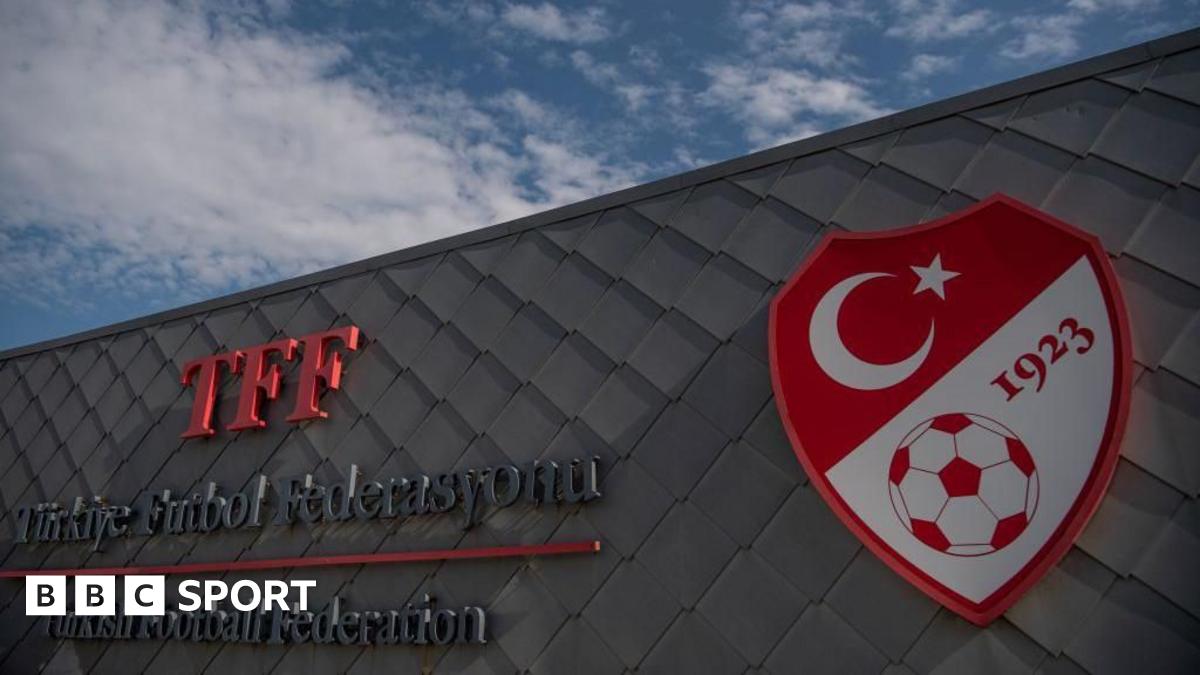
The Turkish Football Federation (TFF) has taken decisive action by suspending 1,024 players from its professional leagues amid an ongoing investigation into betting activities. This sweeping measure includes 27 players from Turkey’s top division, all of whom have been referred to the Professional Football Disciplinary Board (PFDK) for further scrutiny. In response to the scandal, matches in the third and fourth divisions have been postponed for two weeks, while the top two divisions will continue as scheduled. The TFF has also requested an additional 15 days beyond the winter transfer window from FIFA to help clubs manage potential squad shortages. Besiktas, one of Turkey’s most prominent clubs, has expressed confidence in the innocence of two of its players who were implicated. The investigation has also led to the arrest of eight individuals, including a club chairman, as part of a broader crackdown on betting and match-fixing. The scandal first came to light on October 27 when TFF president Ibrahim Haciosmanoglu revealed that hundreds of referees were linked to betting accounts. Out of 571 referees in Turkey’s professional leagues, 371 had betting accounts, with 152 actively placing wagers. The TFF, along with FIFA and UEFA, strictly prohibits match officials from participating in betting activities. Turkish prosecutors have recently issued detention orders for 21 individuals, including 17 referees and two club presidents, as part of this extensive investigation.
-
The specter of new conflict haunts memorials around World War I’s end
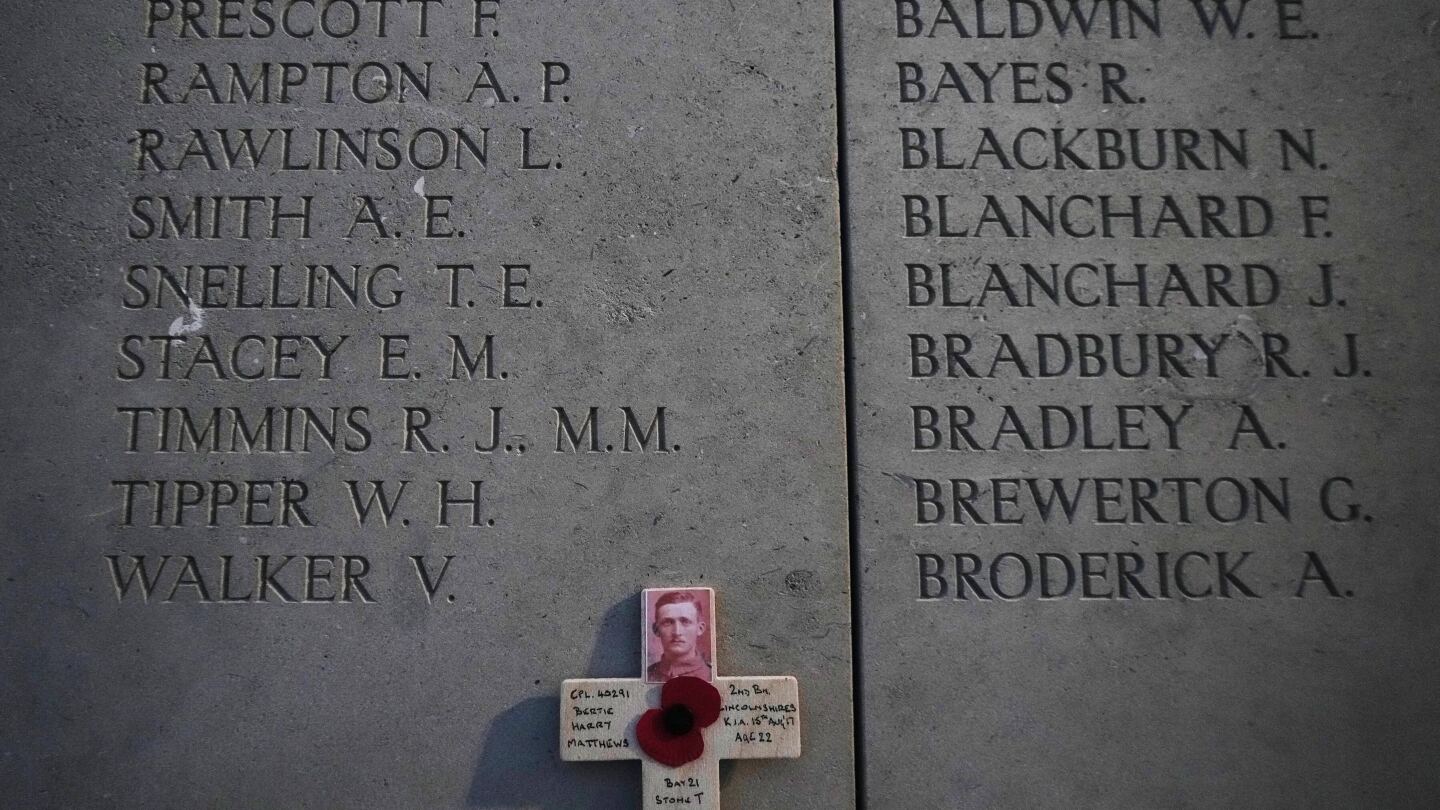
In Ypres, Belgium, a town forever etched in history as a symbol of the horrors of World War I, authorities unveiled a renovated memorial on Tuesday to honor the tens of thousands of soldiers who perished without graves. The solemn ceremony coincided with Armistice Day, known as Veterans Day in the United States and Remembrance Day in Britain, marking the end of the Great War in 1918. From 1914 to 1918, the conflict pitted the armies of France, the British Empire, Russia, and the U.S. against a German-led coalition, including the Austro-Hungarian and Ottoman empires. Nearly 10 million soldiers lost their lives, with hundreds of thousands dying in Ypres alone. The Flanders region, where the war introduced brutal innovations like poison gas and aerial surveillance, became a grim testament to the evolution of modern warfare. In the aftermath of World War I and later World War II, the international community established institutions like the United Nations and the European Union to prevent future conflicts. However, the specter of war looms once more. Across Europe, nations are rearming in response to Russia’s full-scale invasion of Ukraine, while airspace violations and sabotage incidents near EU borders have heightened tensions. Beyond Europe, conflicts in Gaza, Sudan, and rising militarization in Asia underscore a world grappling with instability. The resurgence of authoritarian movements further challenges the global democratic order, casting a shadow over the lessons of history.
-
NATO member Romania finds drone fragments after Russian strikes on Ukrainian ports
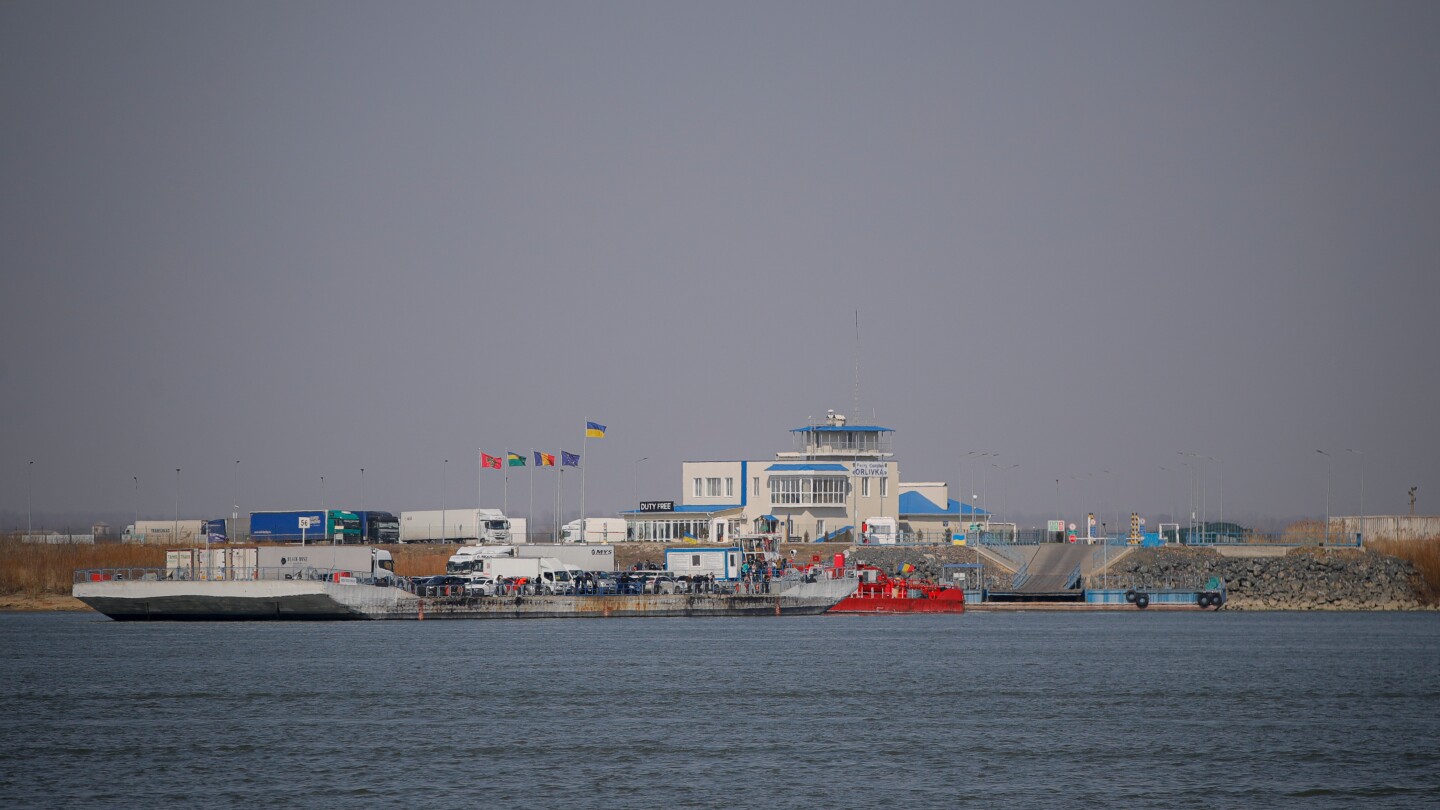
In a significant development, Romania, a NATO member, reported the discovery of drone fragments on its soil in an inhabited area near its southeastern border with Ukraine. This incident occurred following Russian military strikes targeting Ukrainian ports along the Danube River overnight. The Romanian Ministry of National Defense revealed that radar systems detected multiple drones approaching the country’s airspace shortly after midnight on Tuesday, prompting emergency alerts for residents in Tulcea County. Due to adverse weather conditions, fighter jets could not be deployed, but military personnel successfully recovered the suspected drone fragments approximately 5 kilometers (3 miles) inside Romanian territory. Romanian Foreign Minister Oana Toiu confirmed the incident on social media platform X, emphasizing that such actions are part of Russia’s broader strategy of aggression and provocation against NATO and the European Union. She also announced that new sanctions are being prepared to impose significant costs on Russia for its reckless behavior. This marks the latest in a series of increasingly frequent drone incursions into Romanian airspace as Russia intensifies its attacks on Ukrainian Danube River ports. In response, Romania and Poland are deploying advanced weapons systems to counter the growing threat of Russian drones, which has exposed vulnerabilities within NATO and heightened tensions across Europe.
-
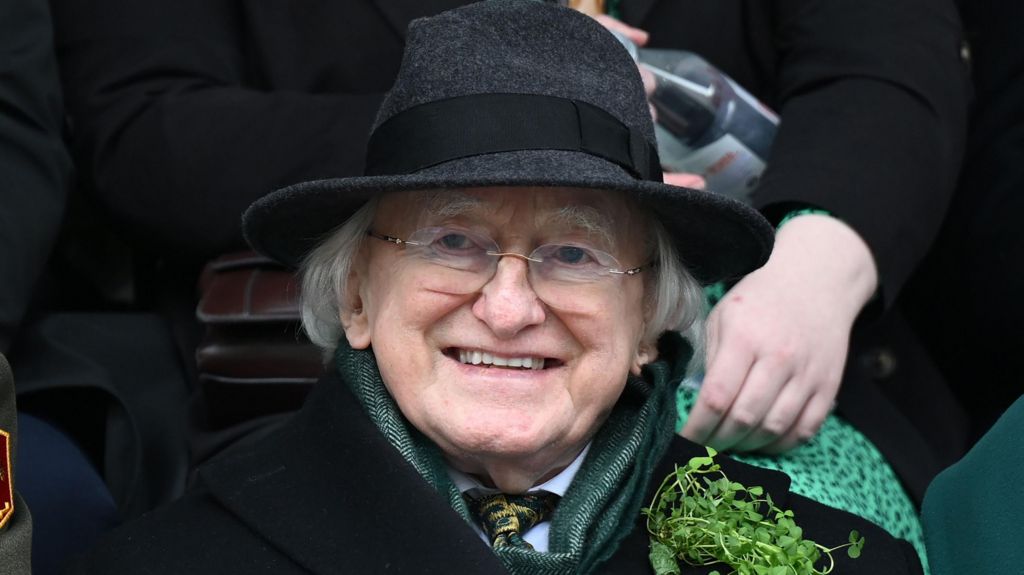
Outgoing Irish president proved he was no pushover
Michael D Higgins, Ireland’s outgoing president, has stepped down from Áras an Uachtaráin after a remarkable 14-year tenure. His presidency was defined by a steadfast commitment to his principles, often defying public, church, and government pressures. One of the most defining moments of his leadership was his 2021 boycott of an inter-church service marking the centenary of Northern Ireland’s partition. Higgins argued that the event’s title politicized the occasion, placing it beyond his presidential remit. This decision polarized opinions, elevating his standing among nationalists while alienating some unionists who questioned his ability to bridge divides. Higgins, a self-proclaimed leftist, followed in the footsteps of his predecessor, Mary Robinson, transforming the presidency from a ceremonial role to a platform for national discourse. He tackled pressing issues such as housing shortages, migration, and climate change, urging reflection without directly criticizing government policies. His activism reshaped public expectations of the presidency, pushing the boundaries of the office. Higgins’ tenure also saw historic moments, including becoming the first Irish president to pay a state visit to the UK. A passionate advocate for the arts and Irish culture, Higgins leaves behind a legacy of moral leadership and cultural promotion, even as his departure raises questions about the future direction of the presidency.
-
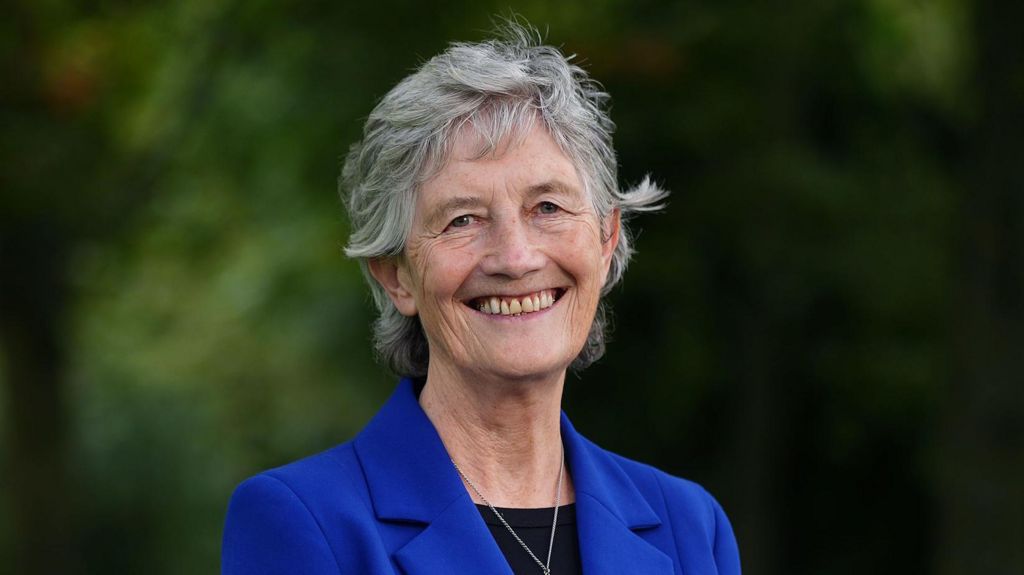
Catherine Connolly to be sworn in as Ireland’s 10th president
Catherine Connolly, an independent politician, was officially inaugurated as the Republic of Ireland’s 10th president in a grand ceremony held at Dublin Castle on Tuesday. The 68-year-old, who secured a landslide victory in the October elections, succeeds Michael D. Higgins, whose 14-year tenure concluded at midnight. The event was attended by prominent figures including Taoiseach Micheál Martin, Tánaiste Simon Harris, senior government ministers, and judges. Northern Ireland’s First Minister Michelle O’Neill and Sinn Féin president Mary Lou McDonald also graced the occasion, though Deputy First Minister Emma Little-Pengelly was absent due to prior commitments related to Remembrance Day. Connolly, accompanied by her husband Brian McEnery, arrived at Dublin Castle in a ceremonial motorcade from Farmleigh at Phoenix Park. The swearing-in ceremony, presided over by the chief justice, took place in St Patrick’s Hall, followed by a service of prayer and reflection. Connolly delivered a speech after receiving the Presidential Seal, emphasizing her commitment to being an inclusive leader for all. The Democratic Unionist Party (DUP) did not send a representative, with party leader Gavin Robinson clarifying it was not a snub but a scheduling conflict. Ulster Unionist Party assembly member Steve Aiken attended in place of his party leader, Mike Nesbitt. Post-ceremony, Connolly traveled to Áras an Uachtaráin, the official residence of the Irish president, where a state reception was held later in the evening. Connolly, who has served as a TD since 2016, brings a wealth of experience as a barrister and psychologist to her new role. Her election will trigger a by-election in Galway West.