标签: Europe

欧洲

  • Overburdened power cable behind Bosnia retirement home fire that killed 15

    Overburdened power cable behind Bosnia retirement home fire that killed 15

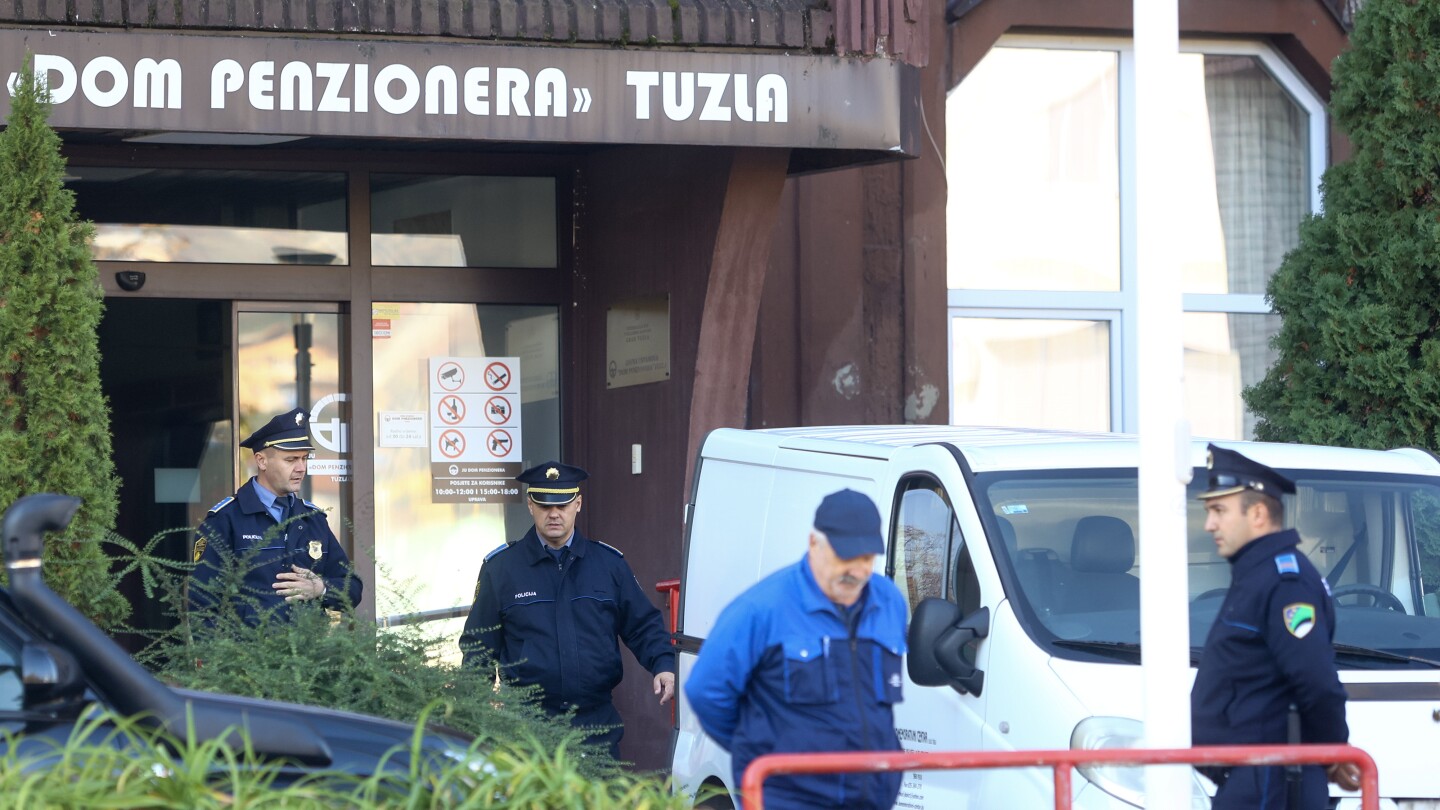
    A tragic fire at a retirement facility in Tuzla, Bosnia-Herzegovina, has claimed the lives of 15 elderly residents, with authorities attributing the cause to an overburdened power cable. The incident, which occurred on November 4, began on the seventh floor of the retirees’ boarding house when a radio cable, squeezed between a bed and a wall, caused a short circuit. The blaze resulted in 11 fatalities on the day of the incident and left 30 others injured. Since then, four more individuals have succumbed to their injuries in the Tuzla hospital, including two last week and two within the past 24 hours, as confirmed by medical officials on Friday.

    Investigations are ongoing to determine whether negligence or oversight contributed to the disaster. The facility, which housed elderly residents with limited mobility or chronic illnesses, has faced significant public criticism. In the wake of the tragedy, the complex’s manager has resigned. Authorities have pledged to continue their probe to ensure accountability and prevent future occurrences.

  • London judge finds global mining giant BHP Group liable in Brazil’s worst environmental disaster

    London judge finds global mining giant BHP Group liable in Brazil’s worst environmental disaster

    In a groundbreaking decision, a London judge has ruled that BHP Group, the global mining giant, is legally responsible for Brazil’s most catastrophic environmental disaster. The tragedy occurred a decade ago when a tailings dam collapsed, releasing millions of tons of toxic waste into the Doce River, claiming 19 lives and causing widespread devastation to downstream communities. Justice Finola O’Farrell of the High Court determined that BHP’s negligence played a pivotal role in the disaster, despite the company not owning the dam at the time. BHP, an Anglo-Australian corporation, holds a 50% stake in Samarco, the Brazilian firm operating the iron ore mine where the dam ruptured on November 5, 2015. The collapse unleashed enough waste to fill 13,000 Olympic-sized swimming pools, obliterating the village of Bento Rodrigues and severely impacting other towns. The disaster also decimated 14 tons of freshwater fish and inflicted irreversible damage to 600 kilometers of the Doce River, a sacred site for the Krenak Indigenous people. Victims of the catastrophe hailed the ruling as a historic victory. Mônica dos Santos of the Commission for Those Affected by the Fundão Dam expressed relief, stating, ‘We had to cross the Atlantic Ocean to finally see accountability.’ Gelvana Rodrigues, who lost her 7-year-old son in the disaster, vowed to continue fighting for justice. The judge’s 222-page decision emphasized that the collapse was foreseeable and preventable, criticizing BHP for prioritizing production over safety. The claimants are seeking £36 billion ($47 billion) in compensation, with a second trial phase to determine damages. The case was filed in the UK due to BHP’s London-based legal entity. The ruling comes shortly after Brazil’s federal government reached a $23 billion settlement with Samarco and Vale, BHP’s joint venture partner, to address the disaster’s human, environmental, and infrastructural impacts. BHP had argued that the UK lawsuit was redundant, as it overlapped with ongoing legal proceedings in Brazil.

  • German government to subsidize industry’s energy prices in bid to revitalize economy

    German government to subsidize industry’s energy prices in bid to revitalize economy

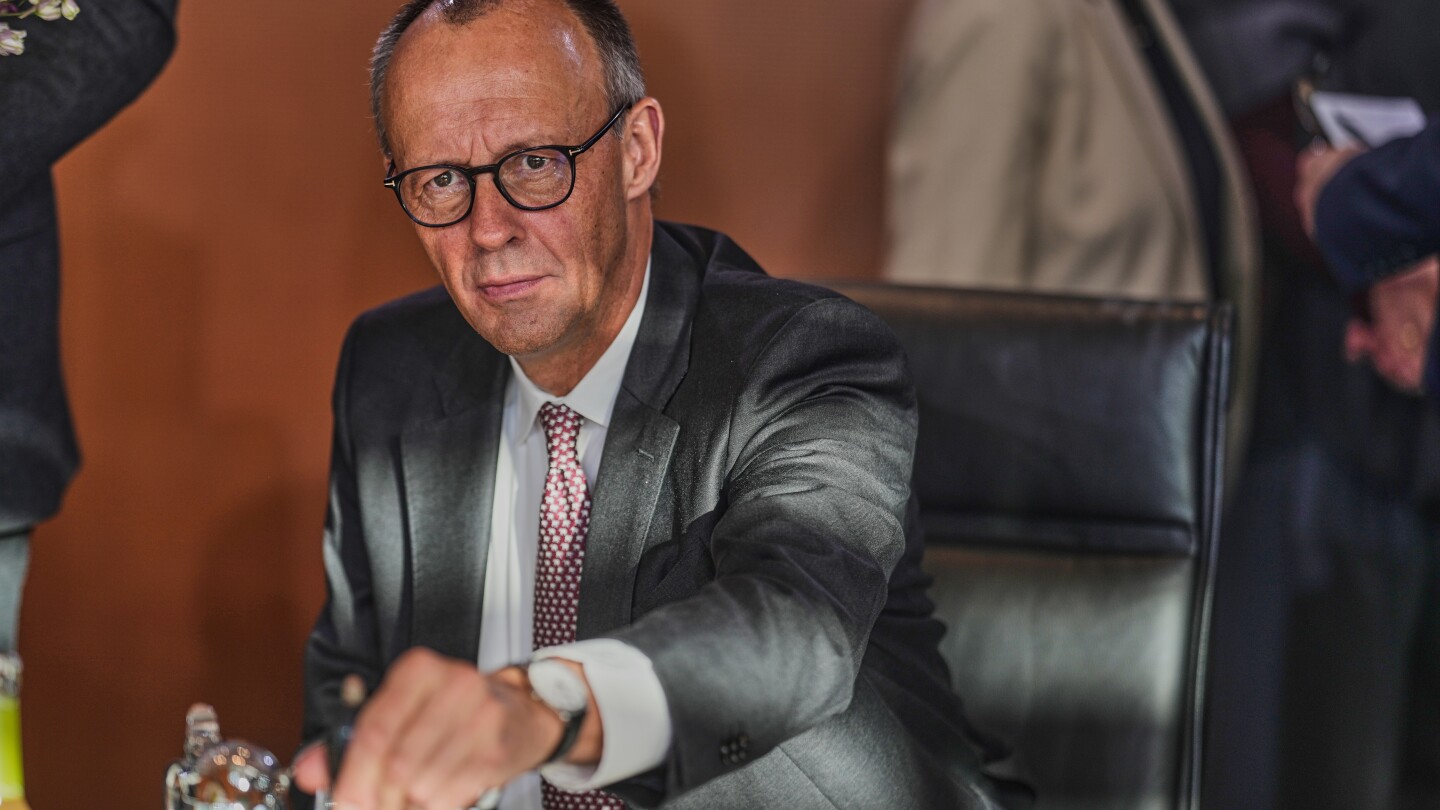
    In a decisive move to rejuvenate its sluggish economy, Germany’s governing coalition has agreed to subsidize energy prices for heavy industry over the next three years. Chancellor Friedrich Merz announced on Thursday evening that starting January 1, 2024, companies facing intense international competition will benefit from a reduced electricity price of approximately 5 euro cents (6 U.S. cents) per kilowatt hour, extending through 2028. This initiative aims to alleviate the financial burden on energy-intensive industries and enhance their global competitiveness. Talks with the European Union’s executive commission are nearing completion, with Merz expressing confidence in securing approval for the plan. Germany’s economy, the largest in Europe, has struggled with stagnation for the past two years, with minimal growth recorded. The coalition government, comprising the conservative Merz and the center-left Social Democrats, has prioritized economic revitalization since assuming office in May. Despite these efforts, recent data shows the gross domestic product (GDP) remained stagnant in the third quarter of 2023. Independent economic advisers predict a modest growth of 0.9% in 2024, following a slight 0.2% increase this year. High energy costs, competition from Chinese manufacturers, a shortage of skilled labor, and bureaucratic inefficiencies have further hindered economic progress. To address these challenges, the government has launched a comprehensive investment program, allocating 500 billion euros ($581.4 billion) over the next 12 years to modernize infrastructure, reduce red tape, and accelerate digitization. Economists like Carsten Brzeski of ING have praised the subsidy plan, noting its potential to provide both immediate relief and long-term stability for industries. Holger Lösch, deputy managing director of the Federation of German Industries, emphasized the importance of the subsidized price in maintaining the international competitiveness of energy-intensive companies. Finance Minister Lars Klingbeil estimated the cost of the measure at between 3 and 5 billion euros ($3.4 billion and $5.8 billion). Additionally, the coalition has agreed to reduce a tax on airline tickets starting in July, a long-standing demand of the air transport industry. Both measures will require parliamentary approval.

  • Turkey holds funeral for 20 military personnel killed in Georgia plane crash

    Turkey holds funeral for 20 military personnel killed in Georgia plane crash

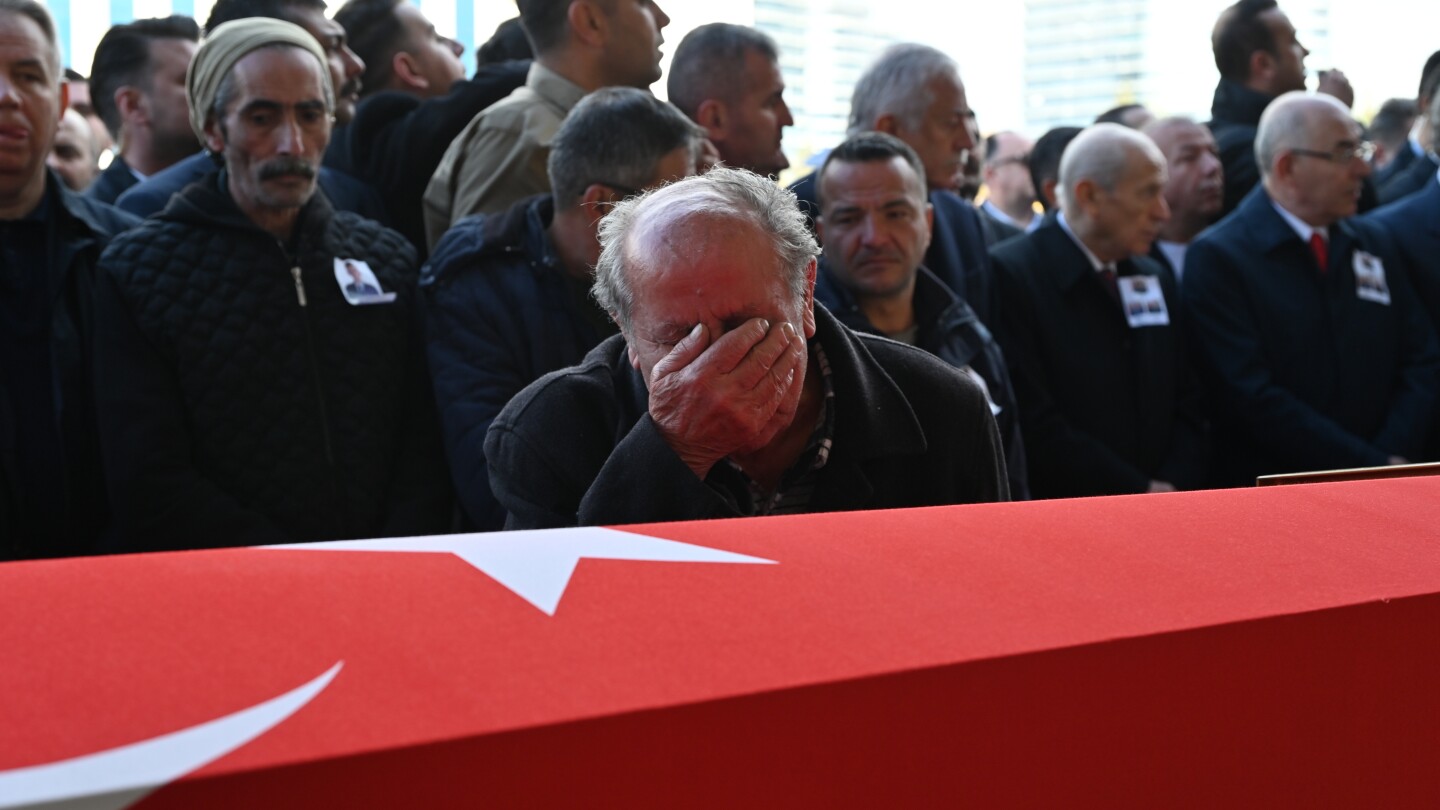
    Turkey conducted a solemn funeral ceremony on Friday to honor 20 military personnel who tragically lost their lives in a plane crash in Georgia. The incident occurred on Tuesday when a C-130 military cargo aircraft, en route from Ganja, Azerbaijan, to Turkey, crashed in Georgia’s Sighnaghi municipality near the Azerbaijani border. The cause of the crash remains under investigation. The victims included crew members and military personnel who were responsible for the maintenance and repair of Turkish F-16 jets. These jets had been deployed to Azerbaijan to participate in the country’s Victory Day celebrations, commemorating Azerbaijan’s 2020 military triumph over Armenia in the Nagorno-Karabakh conflict, a decades-long territorial dispute. The funeral ceremony took place at an airbase in Ankara, where families, officials, and fellow soldiers paid their respects to the 20 flag-draped coffins. The deceased were subsequently transported to their hometowns for burial. In response to the tragedy, Turkey has temporarily grounded its remaining 18 C-130 military cargo planes as a precautionary measure pending technical inspections. These aircraft are integral to Turkey’s armed forces, primarily used for personnel transport and logistical operations. An accident investigation team has been dispatched to the crash site, and the flight data recorder and cockpit voice recorder are currently being examined in Ankara. The National Defense Ministry confirmed that there was no ammunition on board the aircraft at the time of the crash.

  • Three killed in ‘massive’ Russian strikes on Kyiv, officials say

    Three killed in ‘massive’ Russian strikes on Kyiv, officials say

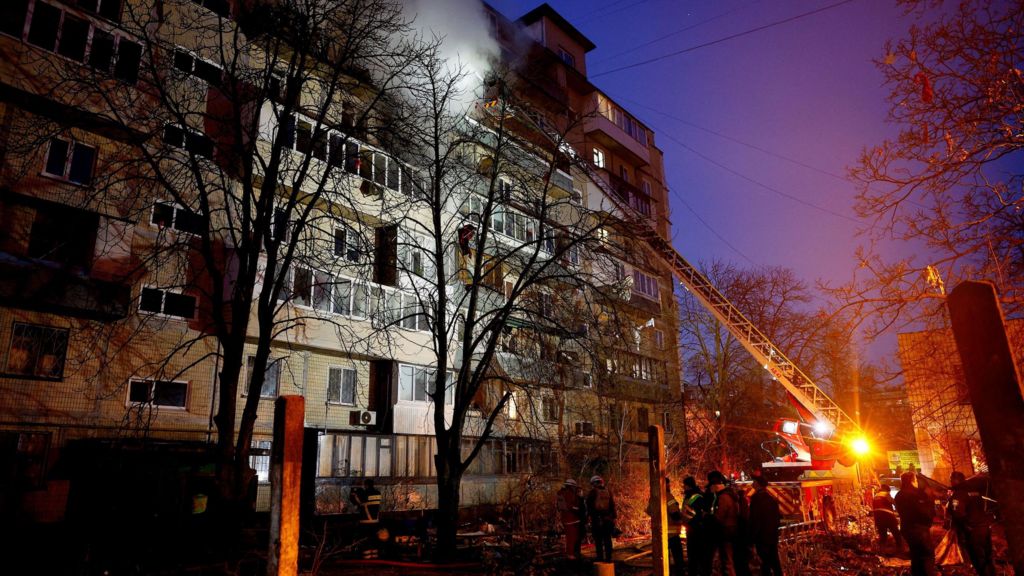
    A devastating wave of Russian drone and missile strikes has left Kyiv in chaos, with three fatalities and at least 26 injuries reported by Ukrainian officials. Mayor Vitaliy Klitschko described the assault as ‘massive,’ noting widespread explosions and fires in residential areas across the city. The attacks also severely damaged Kyiv’s energy infrastructure, leaving parts of the northeast without heating. Ukraine’s air force confirmed that several other regions, including Sumy, were targeted as well. Russia’s defense ministry claimed to have intercepted 216 Ukrainian drones aimed at its industrial facilities, which disrupted air travel. Tymur Tkachenko, head of Kyiv’s military administration, reported that residential buildings in nearly every district were hit, urging residents to seek shelter just after midnight local time. Emergency services revealed that falling debris and fires damaged high-rise apartments, a hospital, a school, and administrative buildings. Over 40 people were rescued, including 14 from a fire in Desnayanskyi district, where one person died. Another individual was pulled from rubble in the same building. Medical teams were deployed to all fire sites, with nine hospitalized, including one man in critical condition. Klitschko also warned of potential disruptions to the city’s electricity and water supplies due to damage to the heating network. These strikes follow a similar Russian offensive less than a week ago that killed six and damaged residential and energy infrastructure. Russia claims its attacks on energy targets are aimed at weakening Ukraine’s military. Ukrainian President Volodymyr Zelensky has called for stricter Western sanctions on Russian energy, particularly after the US granted Hungary an exemption. US President Donald Trump initially imposed sanctions on Russian oil after ceasefire talks with Russian President Vladimir Putin stalled.

  • Poland’s new president nods to the far right in his first 100 days

    Poland’s new president nods to the far right in his first 100 days

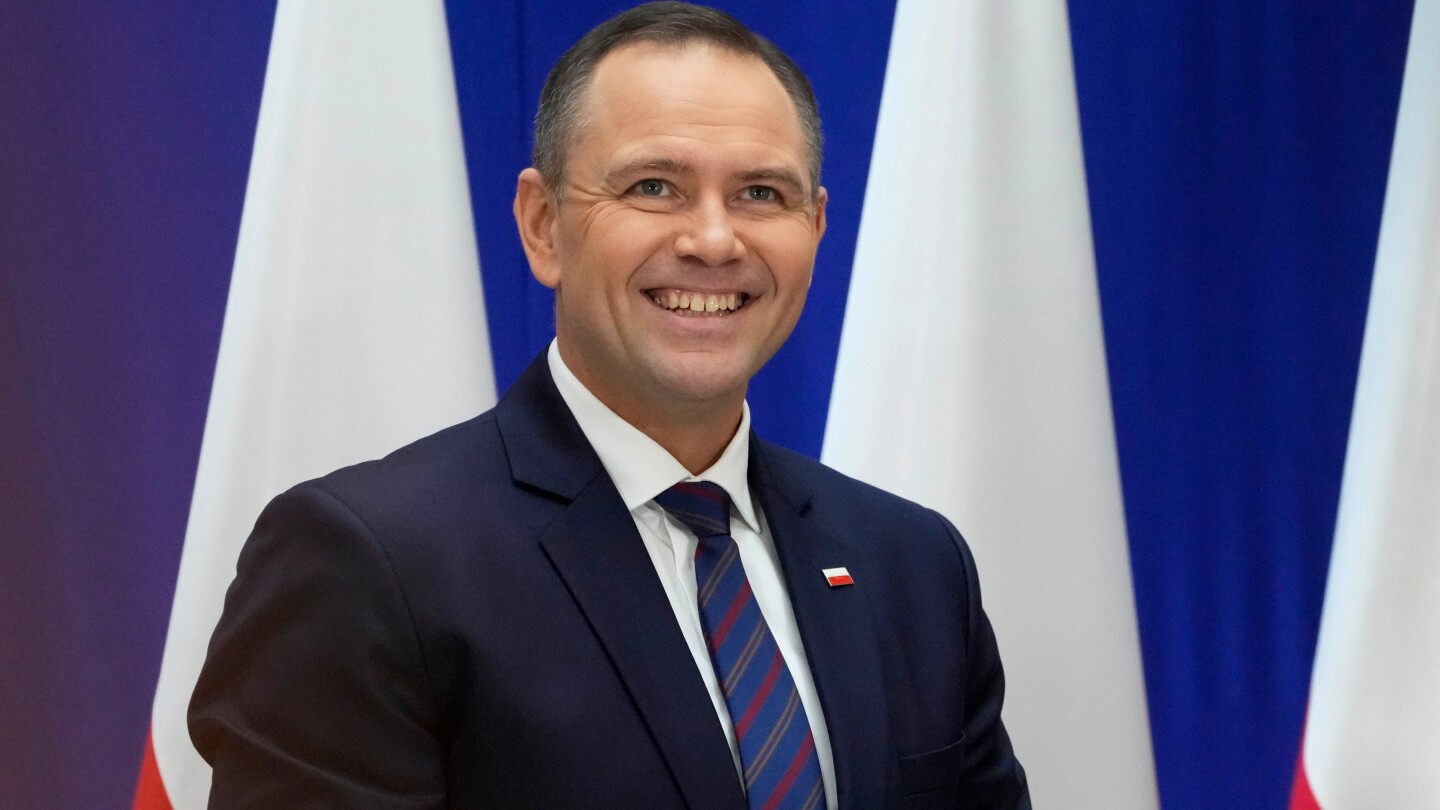
    WARSAW, Poland — In his first 100 days as Poland’s president, Karol Nawrocki has emerged as a staunch defender of national identity, aligning himself with conservative and far-right ideologies. At 42, Nawrocki, with his athletic build and traditional demeanor, has cultivated an image of a protector, appealing to Poland’s conservative electorate. His presidency has been marked by a rejection of LGBTQ+ rights, opposition to NATO membership for Ukraine, and a confrontational stance against the centrist government led by Prime Minister Donald Tusk. Nawrocki’s rise to power, supported by an endorsement from former U.S. President Donald Trump, reflects a broader shift toward nationalist politics in Poland. His veto of seven draft laws proposed by the Tusk government, including measures supporting Ukrainian refugees and renewable energy, underscores his commitment to traditionalist values and resistance to liberal policies. Analysts suggest that Nawrocki’s leadership could reshape the Polish right, potentially positioning him as the successor to Jarosław Kaczyński, the influential leader of the Law and Justice party. Nawrocki’s participation in nationalist events, such as the Independence Day march, further solidifies his alignment with far-right groups advocating for anti-immigration and anti-Ukrainian sentiments. As Poland navigates its political future, Nawrocki’s presidency signals a decisive turn toward nationalism and a rejection of Western liberal influences.

  • Russia attacks Kyiv with fires, injuries, and ongoing strikes reported

    Russia attacks Kyiv with fires, injuries, and ongoing strikes reported

    In a devastating early morning assault on Friday, Russia launched a large-scale attack on Kyiv, Ukraine’s capital, resulting in widespread destruction and multiple injuries. Mayor Vitali Klitschko reported that at least 11 people were wounded, with five requiring hospitalization, including a critically injured man and a pregnant woman. The city’s air defense systems were activated as powerful explosions echoed across Kyiv, prompting officials to urge residents to remain in shelters until the air raid alert was lifted. The attack caused significant damage across several districts, with debris igniting fires in residential areas, educational facilities, and medical centers. In the Darnytskyi district, debris struck a residential building and an educational facility, while in the Dniprovskyi district, three apartment buildings and a private home were damaged. Similar incidents were reported in the Podilskyi, Shevchenkivskyi, Holosiivskyi, Desnianskyi, Solomianskyi, and Sviatoshynskyi districts, where fires broke out in both residential and nonresidential structures. Additionally, the Kyiv region suffered damage to critical infrastructure and private homes, with at least one civilian hospitalized for thermal burns. The attack occurred amid warnings from European Union officials about the need for Ukraine to address corruption, though they reaffirmed their commitment to providing aid to support Ukraine’s defense against Russia’s ongoing invasion.

  • Swiss deploy charm offensive in bid to slash crippling Trump tariffs

    Swiss deploy charm offensive in bid to slash crippling Trump tariffs

    In a bid to reduce the steep 39% tariffs imposed by US President Donald Trump on Swiss exports, Swiss ministers and business leaders have embarked on a diplomatic mission to Washington. Initial efforts by Swiss President Karin Keller Sutter to negotiate a reduction were unsuccessful, but a recent visit by Swiss industry chiefs appears to have shifted the dynamics. On November 4, these leaders presented Trump with luxurious gifts, including a Rolex gold watch and a specially engraved gold bar from Swiss-based gold refining company MKS. These gestures seem to have influenced Trump, who has since hinted at a potential tariff reduction, stating that a deal is being worked on to bring the tariffs ‘a little bit lower.’

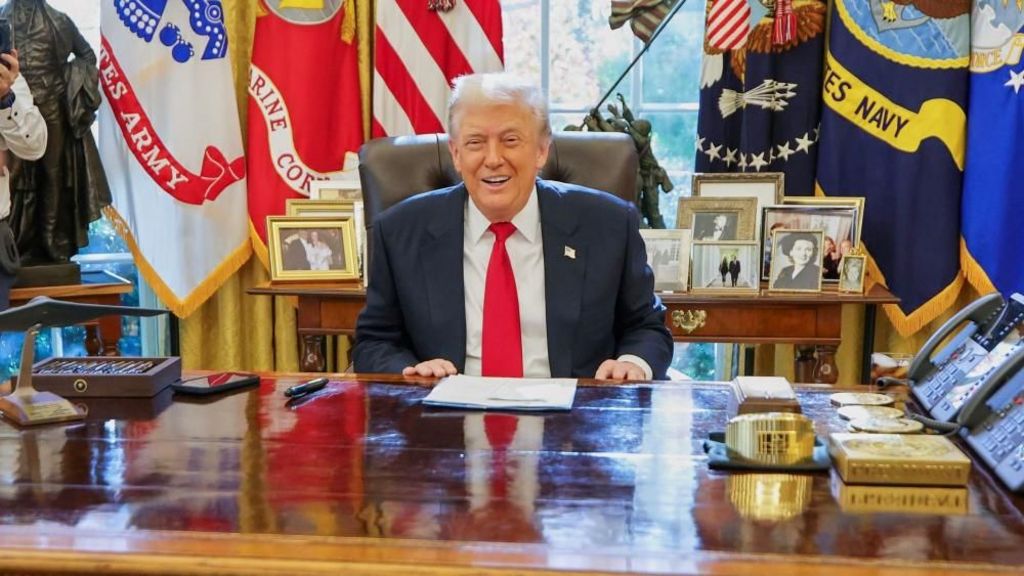
    The Swiss delegation emphasized the unity between the private and public sectors in their initiative. Notably, some Swiss business figures, particularly those in luxury goods and commodities, already had connections within Trump’s circle. For instance, Jean Frédéric Dufour, CEO of Rolex, had previously hosted Trump at the US Open tennis final in September. Last week, Dufour and other business leaders, including Johann Rupert from Richemont and Marwan Shakarchi from MKS, met Trump in the Oval Office. Following the meeting, Trump was photographed with a Rolex ‘Datejust’ desk clock, a collector’s item worth tens of thousands of dollars, on his desk.

    While the White House confirmed the receipt of these gifts, it remains unclear whether Trump will retain them, as all presidential gifts become US property and are eventually transferred to a presidential library. Historically, President Richard Nixon once declined a Swiss Omega watch commemorating the Moon landings. However, Trump’s apparent softening stance towards Switzerland has sparked optimism among Swiss officials. Economy Minister Guy Parmelin and chief trade negotiator Helene Budliger Artieda, who arrived in Washington on Wednesday, are hopeful that the tariffs could be reduced to 15%, aligning with those of Switzerland’s EU neighbors.

    In exchange, Swiss pharmaceutical giants have offered to build more production plants in the US, and Swiss International Airlines may shift its fleet from Airbus to Boeing. Despite these efforts, Swiss industries remain anxious, with some companies warning of potential staff furloughs if the tariffs persist. As a last resort, Swiss officials may call on FIFA President Gianni Infantino, a long-time friend of Trump, to intervene. Infantino, who visited the Oval Office in August with the FIFA World Cup trophy, has also announced a new FIFA world peace prize, to be unveiled in Washington DC on December 5. The outcome of these diplomatic efforts remains uncertain, but the stakes are high for both nations.

  • British billionaire Joe Lewis is pardoned by Trump for insider trading and conspiracy crimes

    British billionaire Joe Lewis is pardoned by Trump for insider trading and conspiracy crimes

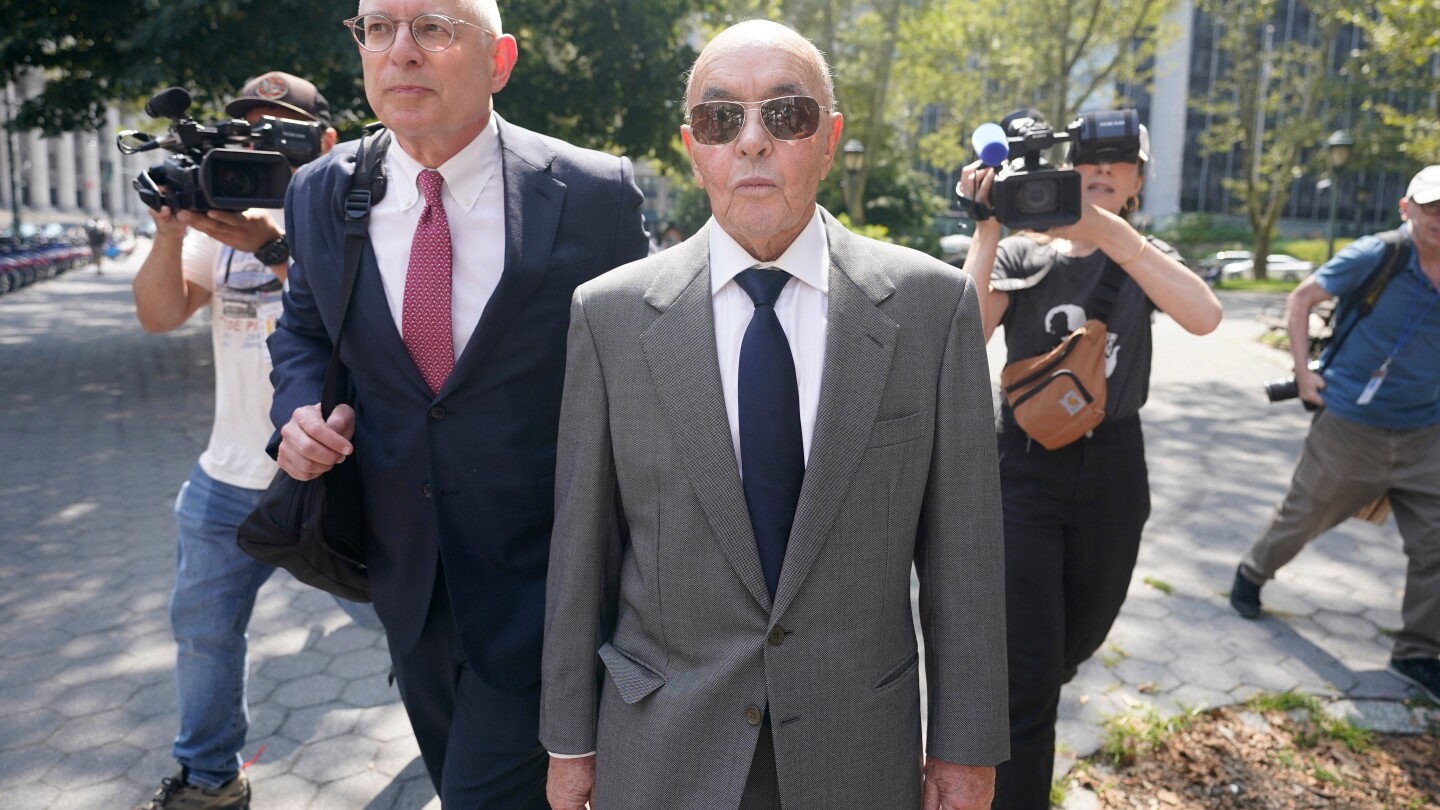
    In a controversial move, former U.S. President Donald Trump has granted a pardon to British billionaire Joe Lewis, the 88-year-old magnate whose family trust owns the Tottenham Hotspur soccer club. Lewis had been fined $5 million in January 2024 after pleading guilty to insider trading and conspiracy charges in New York. The pardon, revealed by a White House official on Thursday, allows Lewis to seek medical treatment and visit his grandchildren and great-grandchildren in the United States. Lewis’s legal troubles stemmed from allegations that he shared nonpublic information about publicly traded companies with friends, employees, and romantic interests between 2019 and 2021, enabling them to profit from the tips. Despite the severity of the charges, Lewis avoided prison time in April 2024 when a federal judge cited his declining health and a lifetime of philanthropic contributions. During his sentencing, Lewis expressed remorse, stating, ‘I made a terrible mistake. I’m ashamed,’ and vowed to rebuild trust for the remainder of his life. In addition to the $5 million fine, Lewis and his company, Broad Bay Limited, agreed to pay over $50 million in financial penalties. Lewis, whose fortune was once estimated by Forbes at over $6 billion, has extensive investments in real estate, biotechnology, energy, and agriculture. He acquired a stake in Tottenham Hotspur in 2001 and oversaw the construction of its state-of-the-art stadium. While Lewis relinquished operational control of the club in 2022, his family trust remains the majority owner of ENIC, the holding company that owns the team. Lewis’s Tavistock Group controls over 200 companies globally, and his art collection includes works by Picasso, Matisse, and Degas. His business ventures also include collaborations with celebrities like Tiger Woods and Justin Timberlake.

  • Germany paves way to conscription as defence boss sees strongest EU army in five years

    Germany paves way to conscription as defence boss sees strongest EU army in five years

    Germany’s coalition government has finalized a comprehensive military service plan aimed at significantly bolstering its armed forces. The initiative, which follows months of political negotiations, mandates all 18-year-old men to complete a questionnaire assessing their suitability for service and, starting in 2027, undergo medical screenings. This move is part of Berlin’s broader strategy to establish Europe’s most formidable conventional army. Armin Papperger, CEO of Rheinmetall, Germany’s largest defense firm, expressed confidence in the plan’s feasibility, stating that Chancellor Friedrich Merz’s goals are ‘realistic’ and supported by decisive government action. The Bundeswehr, currently comprising 182,000 troops, aims to increase its numbers by 20,000 in the next year, eventually reaching between 255,000 and 260,000 by 2035, supplemented by approximately 200,000 reservists. While the plan initially introduces voluntary military service for women, men will face mandatory assessments. If recruitment targets are not met, compulsory enlistment could be considered. The decision comes amid heightened security concerns, with German defense chief Gen Carsten Breuer warning of a potential Russian attack within four years. Despite opposition from some political factions and a significant portion of young Germans, Defense Minister Boris Pistorius has sought to reassure the public, emphasizing that a stronger military enhances deterrence and reduces the likelihood of conflict. Germany’s defense spending, which declined after the Cold War, has seen renewed focus following Russia’s invasion of Ukraine, with NATO allies urging increased military investments. Rheinmetall, a key player in Europe’s rearmament efforts, has reported substantial revenue growth, driven by demand for vehicles, ammunition, and advanced technologies like artificial intelligence. Papperger, who has been linked to a Russian assassination plot, remains optimistic about Europe’s defense capabilities, stating, ‘Whatever you call it, it’s not a peaceful time.’