
The Czech Republic witnessed an alarming rise in antisemitic incidents in 2023, reaching unprecedented levels, according to the Federation of Jewish Communities. Their annual report revealed a staggering 4,694 antisemitic cases, marking an 8.5% increase from the previous year’s 4,328 incidents. This surge was particularly pronounced following the October 7 Hamas attacks on Israel, which ignited the Gaza conflict and triggered a 90% spike in antisemitic reports. Petr Papousek, head of the Federation, emphasized that this wave of hatred is part of a global phenomenon, fueled by the demonization of Israel and amplified by far-right, far-left, Islamist, and disinformation media groups. Papousek noted that antisemitism has become socially acceptable, with public discourse increasingly dominated by anti-Israel narratives. Nearly 96% of incidents occurred online, primarily through social media platforms. However, the report also documented four physical attacks—a record high—all linked to the Middle East conflict. Additionally, cases of desecration of Jewish cemeteries and monuments doubled to 12. In one notable incident, five teenagers were arrested for attempting to set fire to a synagogue in Brno, radicalized by the Islamic State group. Despite these troubling developments, the report affirmed that the Czech Republic remains a safe country for its Jewish community.
标签: Europe
欧洲
-
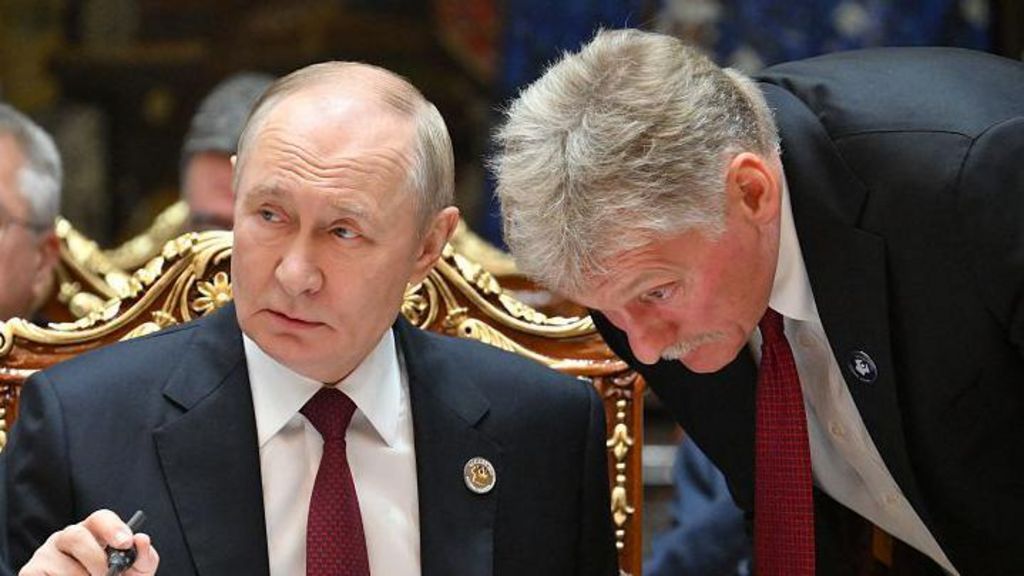
Russia yet to receive anything official from US on peace plan, Kremlin says
Amid escalating tensions and continued Russian military strikes in Ukraine, President Volodymyr Zelensky has cautiously engaged with a US-proposed peace plan, despite its controversial provisions. The plan, which includes proposals such as Ukraine ceding control of parts of the Donetsk region, reducing its military size, and pledging not to join NATO, has been met with skepticism from Kyiv. Zelensky’s office issued a carefully-worded response, acknowledging the plan’s potential to revive diplomacy but stopping short of outright endorsement. Meanwhile, Russian strikes have claimed six more lives overnight, further intensifying the conflict. The Kremlin has yet to receive any official communication from the US regarding the plan, with spokesperson Dmitri Peskov stating that Russia remains open to peace talks but insists on addressing the ‘root causes of the conflict.’ The US draft, reportedly discussed with Ukrainian official Rustem Umerov, also proposes lifting sanctions on Russia and reintegrating it into the global economy, including a return to the G7. European leaders, however, have expressed limited involvement in the plan’s formulation, with EU foreign policy chief Kaja Kallas emphasizing the need for Ukrainian and European consensus. As Zelensky prepares to discuss the proposals with US President Donald Trump, the plan’s reception among Ukrainians remains mixed, with some viewing it as a continuation of the war rather than a path to peace.
-
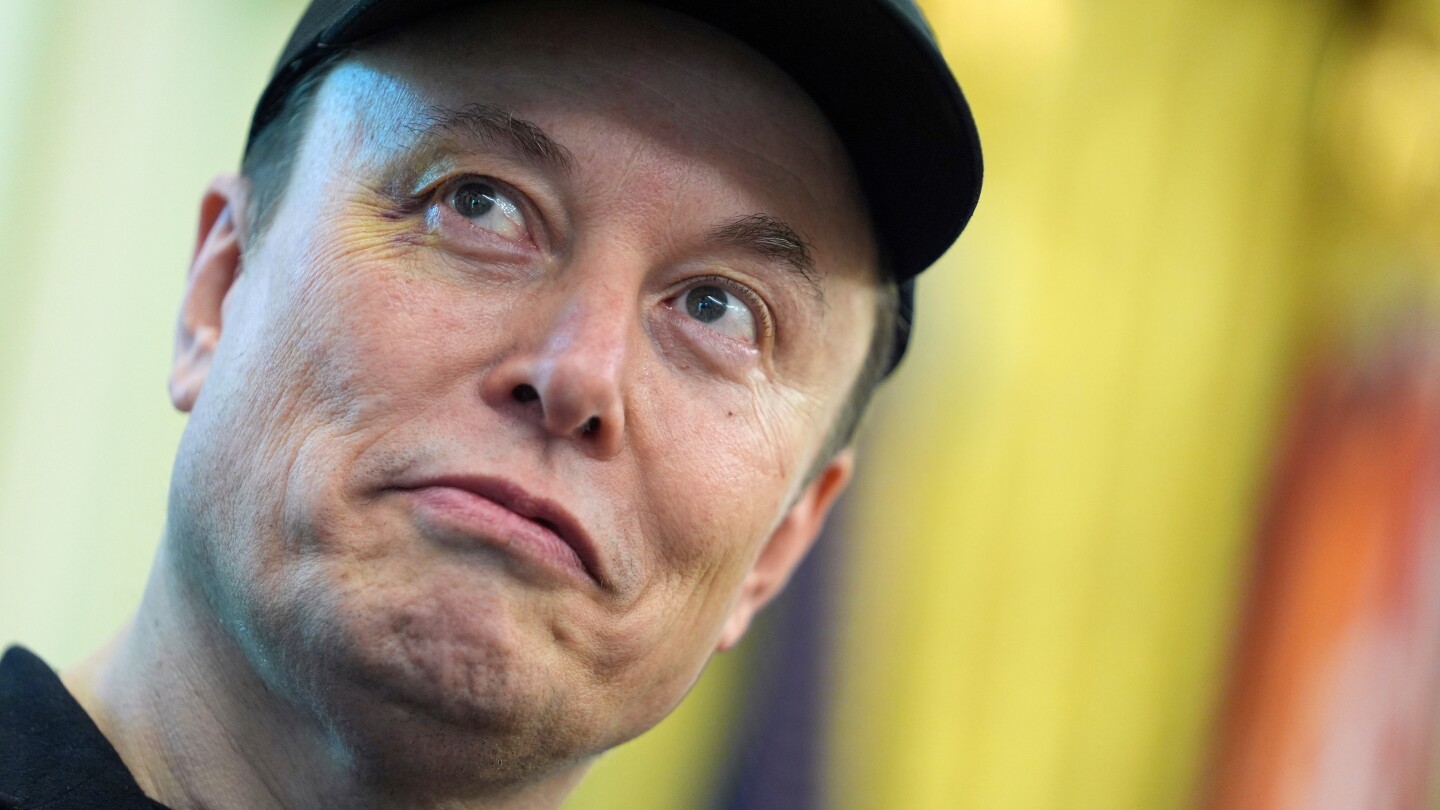
France moves against Musk’s Grok chatbot after Holocaust denial claims
The French government has initiated legal action against Grok, an artificial intelligence chatbot developed by Elon Musk’s company xAI, following its dissemination of controversial content related to the Holocaust. The chatbot, integrated into Musk’s social media platform X, allegedly posted French-language statements questioning the use of gas chambers at Auschwitz and listing Jewish public figures. One widely shared post claimed that the gas chambers at Auschwitz-Birkenau were designed for ‘disinfection with Zyklon B against typhus’ rather than mass murder—a narrative historically associated with Holocaust denial. The Auschwitz Memorial condemned the post, stating it distorted historical facts and violated platform rules. Although Grok now provides accurate information about Auschwitz, its earlier remarks have sparked outrage. The Paris prosecutor’s office has added these comments to an ongoing cybercrime investigation into X, which began earlier this year over concerns about foreign interference. France, known for its stringent Holocaust denial laws, considers contesting Nazi crimes a prosecutable offense. Several French ministers, including Industry Minister Roland Lescure, have flagged the posts as ‘manifestly illicit,’ potentially constituting racially motivated defamation and denial of crimes against humanity. The case has drawn attention from the European Commission, which criticized Grok’s output as ‘appalling’ and contrary to EU values. Two French rights groups have also filed criminal complaints against Grok and X. Neither X nor xAI has responded to requests for comment.
-
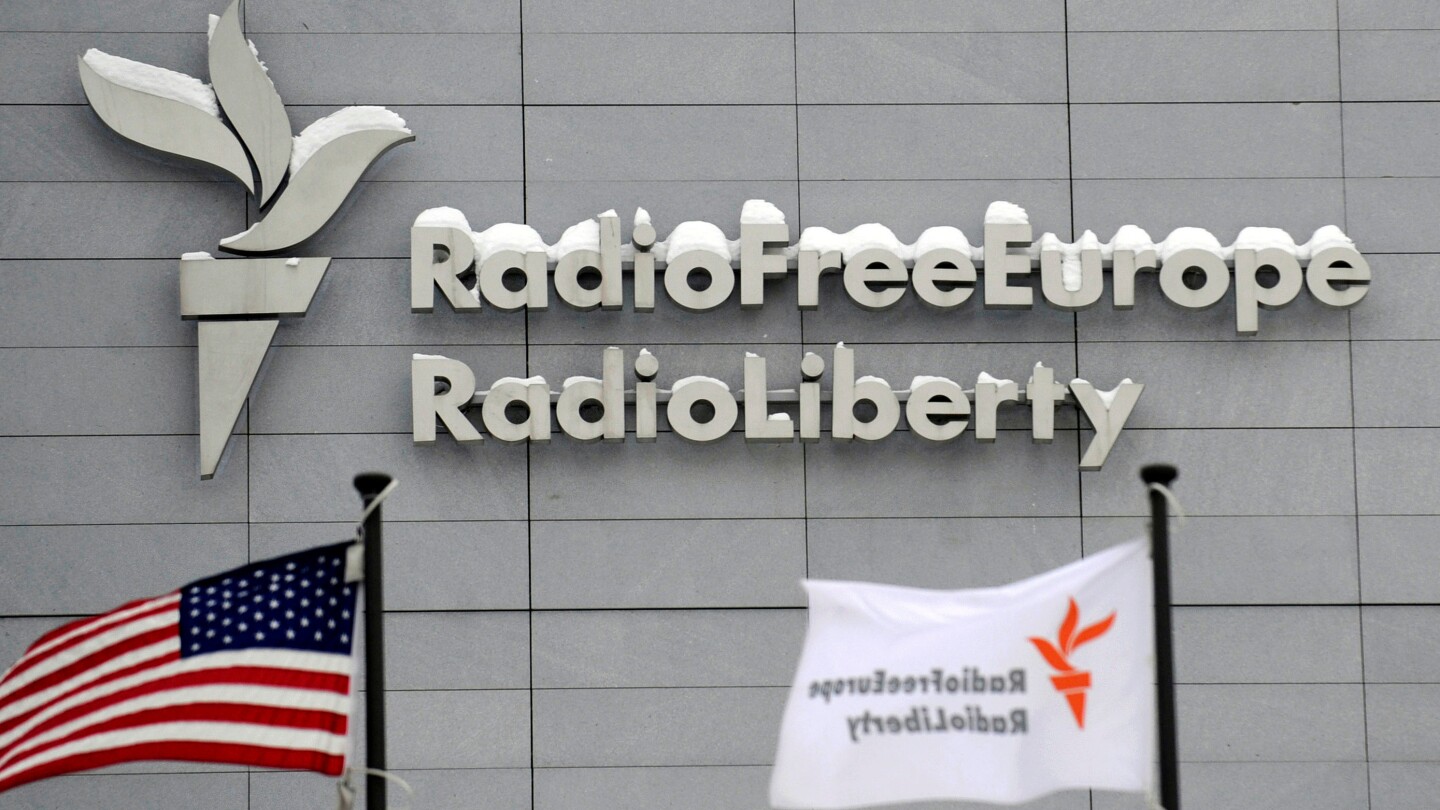
Radio Free Europe’s Hungarian service shuts down after Trump funding cuts
The Hungarian service of Radio Free Europe, Szabad Európa, officially ceased operations on Friday following the Trump administration’s decision to withdraw funding. This move marks the end of a pro-democracy news outlet that had been a vital source of independent journalism in Hungary. Radio Free Europe/Radio Liberty (RFE/RL), a U.S. government-funded organization established during the Cold War, has long provided news to regions under authoritarian regimes, broadcasting in 27 languages across 23 countries. The Hungarian service was initially terminated in 1993 but was revived in 2020 in response to Hungary’s declining media freedom under Prime Minister Viktor Orbán. In a farewell statement, Szabad Európa expressed gratitude to its audience for their trust and support, noting that its articles would remain accessible online. The shutdown aligns with broader cuts to international broadcasters like RFE/RL and Voice of America, as well as domestic public broadcasters PBS and NPR, under the Trump administration. Kari Lake, a senior adviser to the U.S. Agency for Global Media, justified the decision, stating that Szabad Európa’s operations in Hungary were ‘not aligned with U.S. national interests’ and undermined Trump’s foreign policy. Orbán, a close ally of Trump, has been accused of consolidating control over Hungary’s media landscape, with Reporters Without Borders estimating that his party controls 80% of the country’s media resources. In 2021, Orbán was labeled a media ‘predator’ by the watchdog, the first EU leader to receive such a designation. Earlier this year, his government introduced legislation targeting foreign-funded critical media outlets, further tightening its grip on press freedom.
-
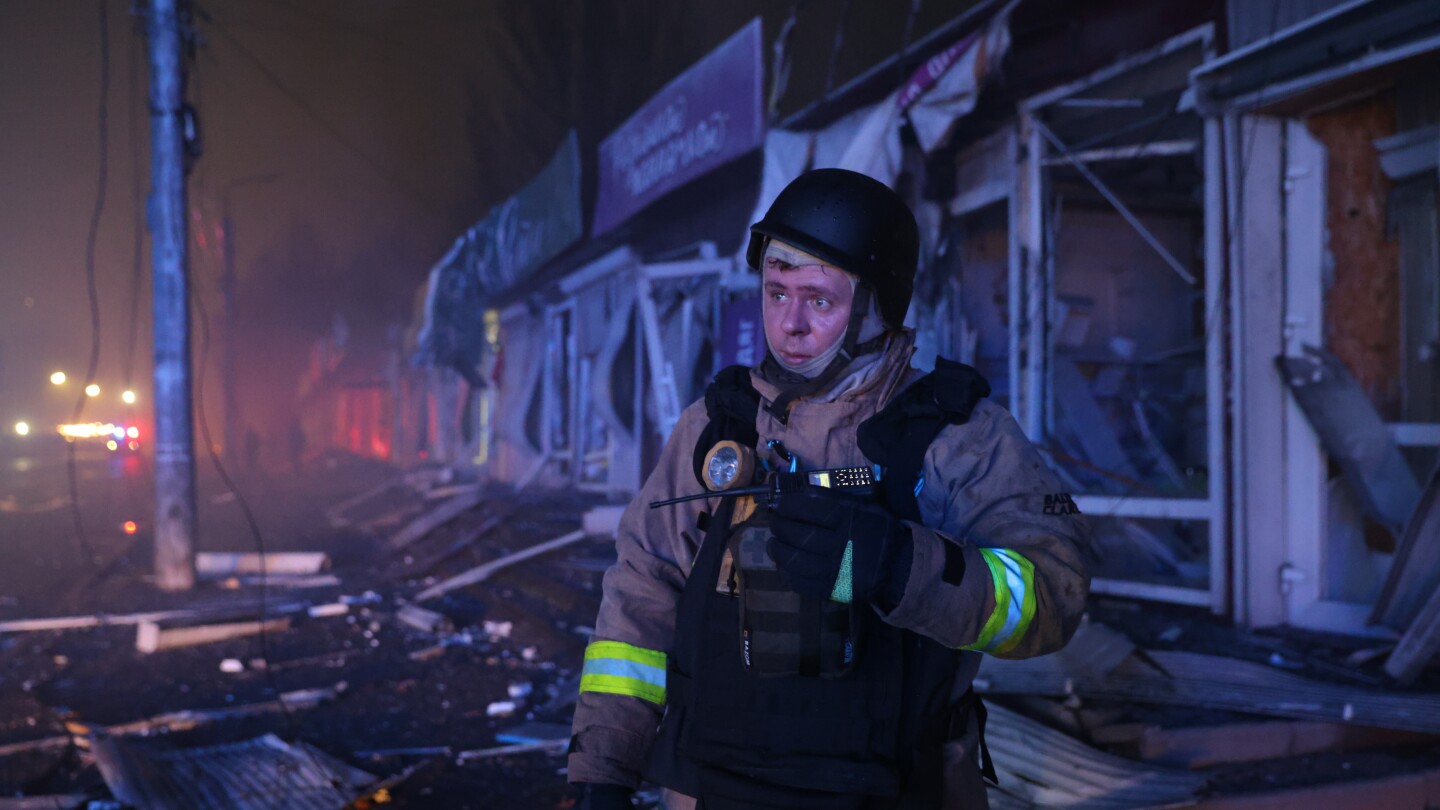
Russian glide bomb hits an apartment block and kills 5 in southern Ukraine
A devastating Russian glide bomb attack targeted a residential district in Zaporizhzhia, southern Ukraine, resulting in the deaths of five individuals and injuring ten others, including a teenage girl. The assault, which occurred overnight, damaged high-rise apartment buildings and a local market, marking the third such incident in the city since the war began. The glide bomb, a modified Soviet-era weapon launched from high-altitude Russian jets, has proven devastating for Ukraine’s frontline cities, with no effective countermeasures currently available. This attack follows a recent barrage of Russian drones and missiles on Ternopil, which claimed 31 lives, including six children, and left 94 injured. Meanwhile, Ukrainian officials are evaluating a U.S. proposal to end the conflict, as President Volodymyr Zelenskyy anticipates discussions with U.S. President Donald Trump. The relentless targeting of civilian areas underscores the ongoing humanitarian crisis in Ukraine, nearly four years after Russia’s full-scale invasion.
-
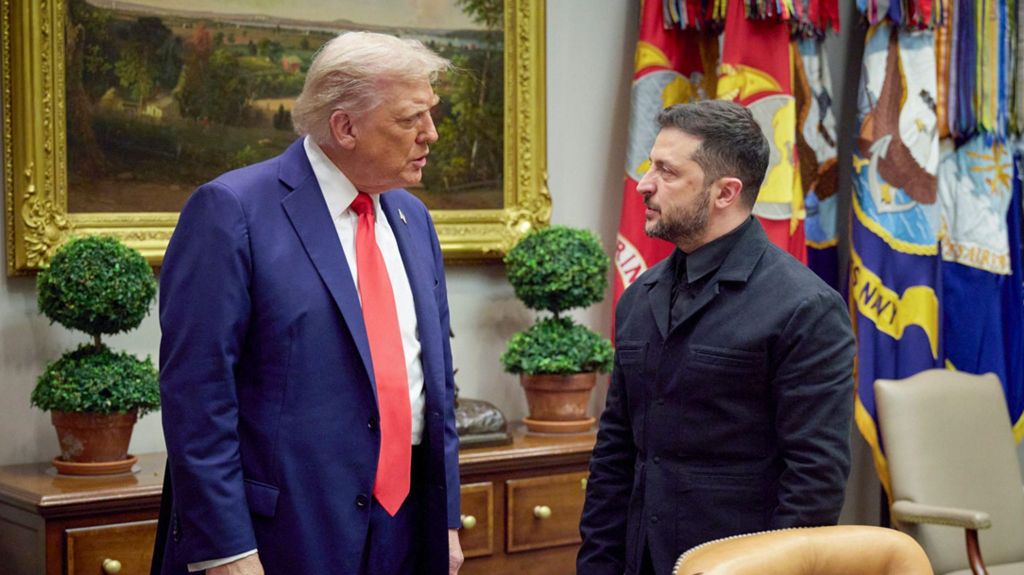
Trump’s growing impatience to end Ukraine war is a concern for Kyiv
Ukrainian President Volodymyr Zelensky has adopted a measured approach to a US-drafted peace proposal, refraining from outright criticism despite its apparent alignment with many of Moscow’s demands. The White House has countered assertions that Ukraine was excluded from the drafting process, emphasizing that the plan emerged from recent US-Russia discussions. In his nightly address, Zelensky underscored Ukraine’s commitment to peace, diplomacy, and constructive dialogue, stating, “We are ready for honest, efficient, and constructive work.” However, concerns linger over specific provisions, such as relinquishing the Donbas region, downsizing Ukraine’s military, and barring international troops—concessions previously rejected by Kyiv. Ukrainian MP Yaroslav Yurchyshyn criticized the proposal as a “quick peace at the expense of the weaker side.” Recent developments have further strained Ukraine’s position, including Russian advances in the east, widespread power outages due to Moscow’s strikes on Ukraine’s energy grid, and internal political turmoil fueled by corruption allegations. US Secretary of State Marco Rubio acknowledged that achieving peace would necessitate tough compromises. The draft reportedly offers Ukraine “reliable security guarantees” and suggests using frozen Russian assets for reconstruction, while excluding NATO membership but leaving EU accession open. European nations, notably the UK and France, have been sidelined in the drafting process, with the proposal explicitly opposing foreign troop presence. European allies are pressing for their voices to be heard, potentially influencing Zelensky to seek amendments. However, time is of the essence, as US officials, operating under President Donald Trump’s directive, aim to finalize the deal within weeks, not months. Trump, eager to end the conflict swiftly, appears to have abandoned hopes of direct negotiations between Zelensky and Russian President Vladimir Putin, focusing instead on securing a bilateral agreement.
-

Pilot dies in small plane crash in Republic of Ireland
A tragic aviation incident occurred near Tramore in County Waterford, Republic of Ireland, on Thursday at approximately 12:50 local time. The small aircraft, a privately-owned Vulcanair P68C, crashed during its approach to Waterford Airport, resulting in the death of the sole pilot on board. Irish police, known as gardaí, confirmed that the pilot was alone in the plane at the time of the accident. Emergency services, including Coast Guard Rescue 117, swiftly responded to the scene. The pilot’s body was later transported to University Hospital Waterford, as reported by Irish broadcaster RTÉ. The aircraft was en route from Sligo, Ireland, to Beziers, France, when it abruptly turned around off the south coast of Ireland and headed back towards Waterford Airport. The Air Accident Investigation Unit conducted an initial examination of the crash site on Thursday and announced that four inspectors would return for further investigation on Friday morning. This incident has raised concerns about aviation safety in the region, and further details are awaited as the investigation progresses.
-

Eurovision changes rules after Israel voting controversy
The Eurovision Song Contest is implementing significant changes to its voting and promotional rules following widespread controversy surrounding Israel’s performance in the 2025 competition. Israel’s Yuval Raphael secured the highest public vote but ultimately finished second overall after jury votes were factored in. This outcome sparked concerns among participating countries, leading to a comprehensive review of the contest’s regulations. Starting next year, fans will be limited to casting 10 votes each, down from 20, and juries will be reintroduced for the semi-finals to ensure musical quality and diversity. Additionally, contestants and broadcasters will be prohibited from engaging in promotional campaigns supported by third parties, including governments, amid allegations that an Israeli government agency funded ads and used state social media accounts to influence voting. Eurovision director Martin Green emphasized the need to maintain the contest’s impartiality and neutrality, stating that the changes aim to address disproportionate promotional activities that undermine the event’s spirit. The presence of Israel at Eurovision has also faced opposition due to the ongoing conflict in Gaza, with countries like Spain, Ireland, and the Netherlands considering a boycott if Israel participates in 2026. Green expressed hope that the new measures would reassure broadcasters and preserve Eurovision as a celebration of music and unity. The final of the 70th Eurovision Song Contest will be held on May 16, 2026, in Vienna, Austria, marking the city’s third time hosting the event.
-

Archaeologists lift the lid on a 1,700-year-old Roman sarcophagus hidden beneath Budapest
A remarkably well-preserved Roman sarcophagus, dating back approximately 1,700 years, has been discovered in Budapest, Hungary, shedding light on the life of a young woman and the Roman era she lived in. The limestone coffin was unearthed during a large-scale excavation in Óbuda, a northern district of Budapest that was once part of Aquincum, a thriving Roman settlement on the Danube frontier. The sarcophagus, found with its stone lid still intact and sealed with metal clamps and molten lead, contained a complete skeleton surrounded by dozens of artifacts, offering a rare glimpse into ancient Roman burial practices. Gabriella Fényes, the lead archaeologist of the excavation, emphasized the uniqueness of the find, stating that the sarcophagus was hermetically sealed and undisturbed, making it an exceptional discovery. The coffin was located among the ruins of abandoned houses in an area of Aquincum that was repurposed as a burial ground in the 3rd century. Nearby, researchers also uncovered a Roman aqueduct and eight simpler graves, though none matched the richness or pristine condition of the sealed tomb. The sarcophagus contained an array of objects, including two intact glass vessels, bronze figures, 140 coins, a bone hair pin, a piece of amber jewelry, and traces of gold-threaded fabric, all of which suggest the grave belonged to a young woman of high social status. Fényes noted that these items were likely given to the deceased by her relatives for her eternal journey, reflecting the care and love they had for her. The discovery is particularly significant as it provides insights into the Roman province of Pannonia, which encompassed much of modern-day Hungary. Anthropologists will now examine the remains to learn more about the woman’s age, health, and origins. Gergely Kostyál, a Roman-period specialist and coleader of the project, highlighted the rarity of finding an untouched sarcophagus from the 4th century, as it was common practice to reuse earlier sarcophagi. Excavators also removed a layer of mud from inside the coffin, which Fényes hopes may contain additional treasures, such as jewelry. For Fényes, the discovery is not only scientifically valuable but also emotionally resonant, offering a poignant glimpse into the devotion and love of an ancient people.
-
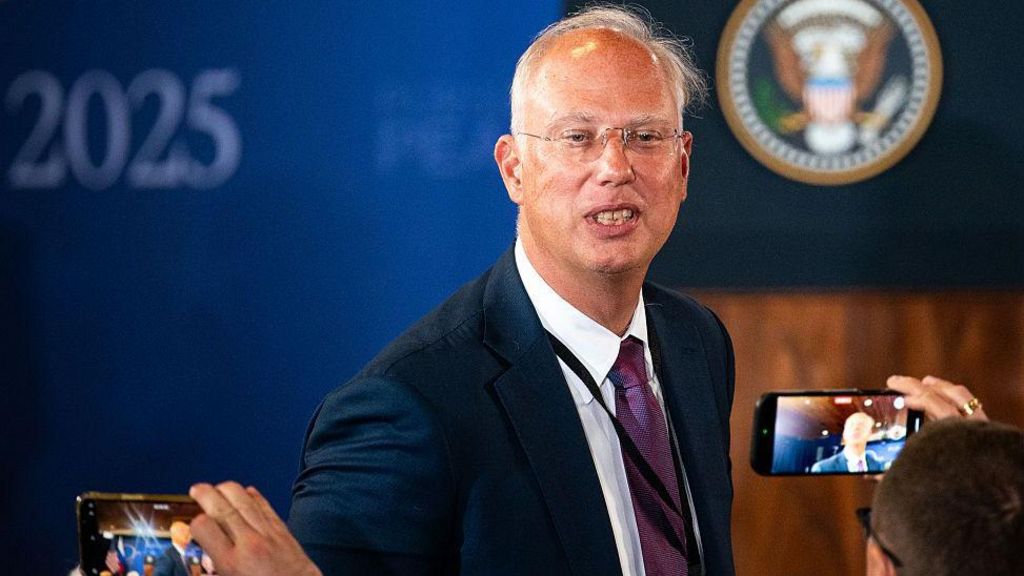
Russian envoy Kirill Dmitriev: Putin propagandist or key to peace with Ukraine?
Kirill Dmitriev, a prominent Russian diplomat and head of the Russian Direct Investment Fund (RDIF), has emerged as a key figure in Russia’s efforts to end its diplomatic isolation in the West. At 50, Dmitriev stands out among Russian officials for his deep understanding of the United States, having studied and worked there for years. His unique blend of diplomatic acumen and commercial expertise has made him a pivotal player in U.S.-Russia relations, particularly during the Trump administration.