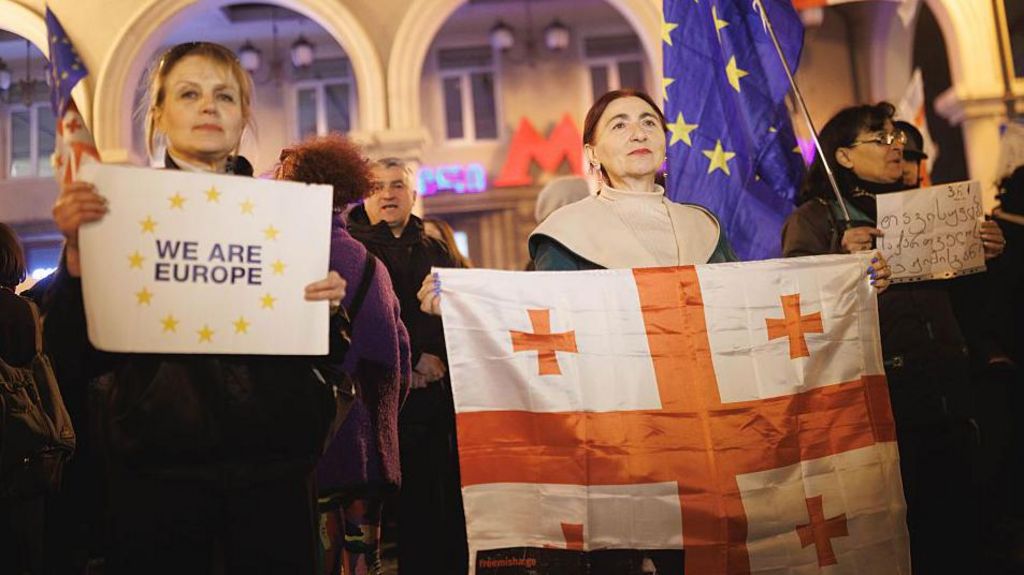
For over a year, Georgia has been gripped by nightly protests as citizens rally against the government’s perceived shift away from European integration and democratic values. The demonstrations, which began in November 2024 after Prime Minister Irakli Kobakhidze announced a four-year pause in EU accession efforts, have evolved into a protracted battle between protesters and authorities. Despite violent police crackdowns, heavy fines, and new laws imposing severe penalties for blocking roads, the movement persists, driven by a deep-seated fear of returning to Russia’s sphere of influence. Protesters like Giorgi Arabuli, who lived through the tumultuous 1990s, see the struggle as a fight for Georgia’s future. The government, led by the Georgian Dream party, has faced accusations of authoritarianism, with critics pointing to legislation mirroring Russian laws, the imprisonment of opposition figures, and restrictive measures targeting civil society and media. The EU’s recent assessment of Georgia as a candidate ‘in name only’ has further fueled discontent. Amidst this turmoil, Georgia’s democratic decline has intensified, with sweeping education reforms and increasing hostility toward Western critics. The protests, though smaller, continue to symbolize a resilient hope for a European future.
标签: Europe
欧洲
-
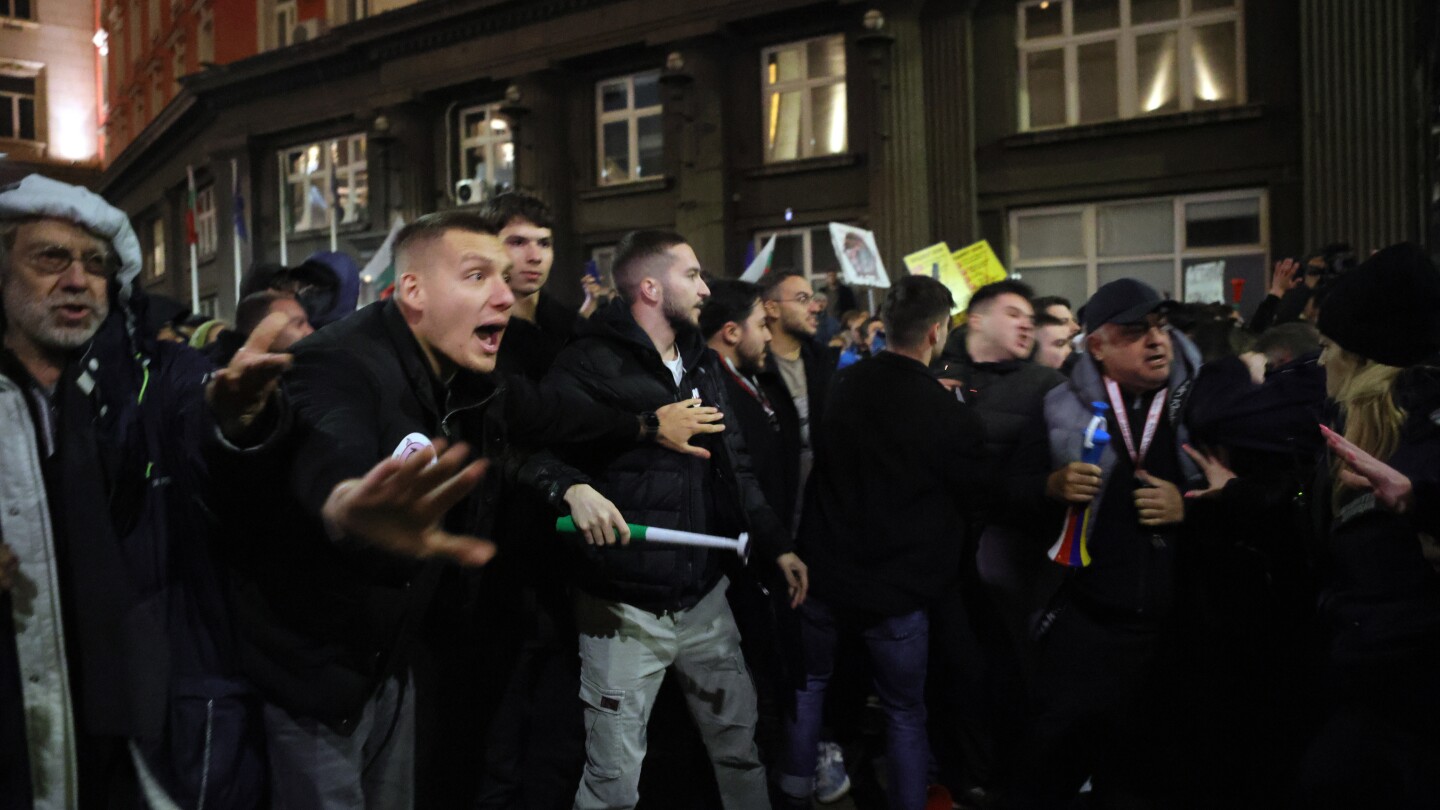
Thousands rally to protest Bulgaria’s 2026 budget
In a significant display of public dissent, thousands of citizens flooded the streets of Sofia, Bulgaria’s capital, on Wednesday to protest against substantial tax increases outlined in the draft budget for the upcoming year. The demonstration, orchestrated by the opposition coalition We Continue the Change – Democratic Bulgaria, attracted an estimated 20,000 participants. This protest coincides with Bulgaria’s impending entry into the eurozone at the start of next year, highlighting the nation’s economic crossroads. The proposed budget, which includes a hike in social security contributions and a doubling of the dividend tax, has sparked widespread concern over its potential adverse effects on individuals and businesses alike. Protesters formed a human chain around the parliament building and attempted to obstruct lawmakers’ vehicles, leading to police intervention to maintain order. Authorities reported that demonstrators hurled bottles and firecrackers at officers, resulting in injuries to three police personnel. Despite mounting opposition from various social groups and economists’ warnings about the budget’s significant risks, the draft is expected to pass, given the coalition government’s strong parliamentary majority. The budget, which allocates a record 46% of GDP to government spending, will be financed through increased taxes on businesses and workers, coupled with a sharp rise in public debt.
-
Russia’s frozen assets at center of negotiations over Ukraine peace deal
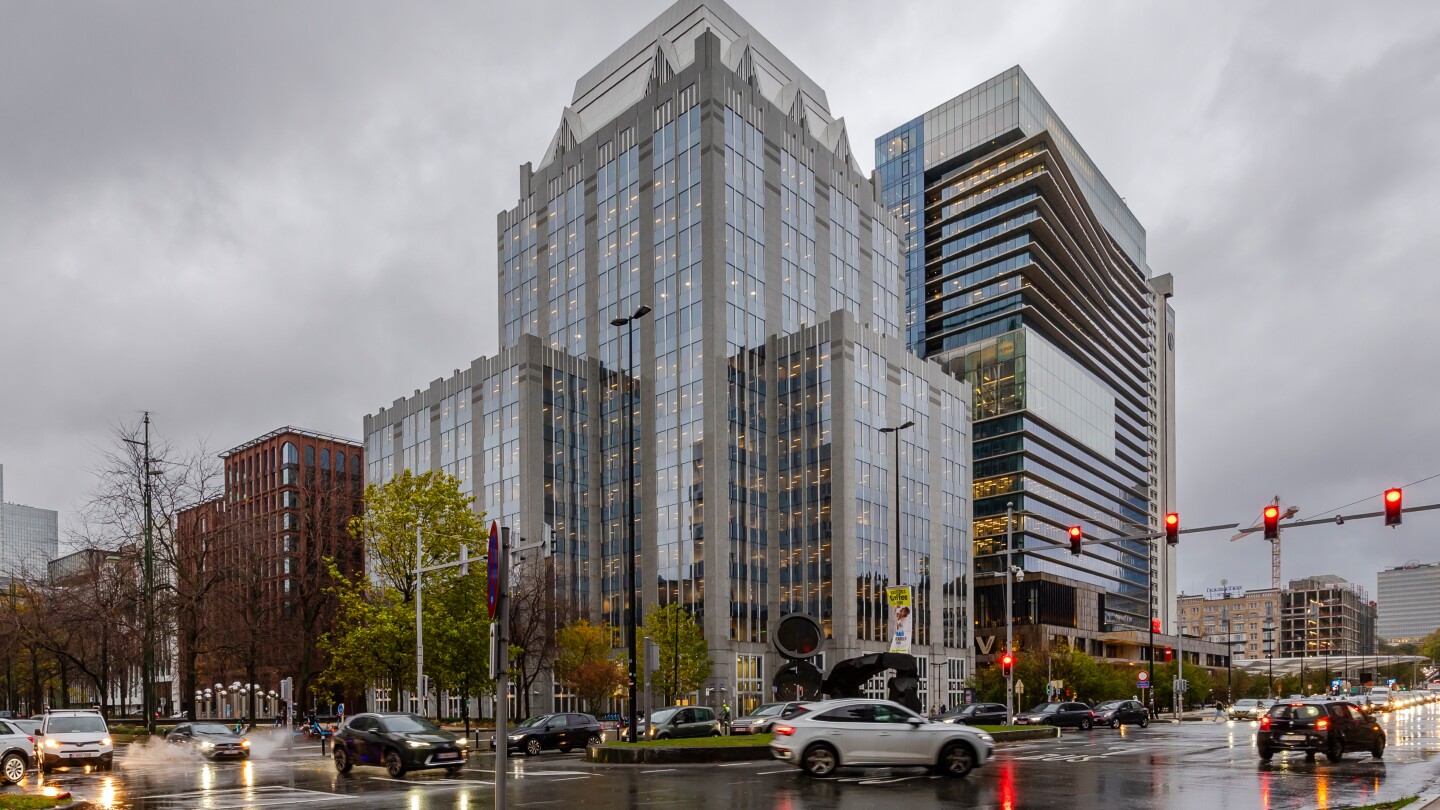
The European Union (EU) faces a critical juncture in its financial support for Ukraine, with the bloc’s most viable funding mechanism hinging on the seizure of billions of dollars in frozen Russian assets. This approach has gained urgency as U.S. President Donald Trump’s 28-point peace plan proposed a $100 billion investment scheme for Ukraine’s reconstruction, financed by Russian assets matched by an equal contribution from the EU. The plan, which surprised European leaders, has sparked intense debate over the fate of Russia’s frozen fortune and its role in maintaining pressure on Moscow while bolstering Ukraine’s defense. European Commission President Ursula von der Leyen emphasized that European taxpayers alone cannot bear the financial burden, as the EU has already provided nearly $197 billion in aid since Russia’s invasion of Ukraine. The bloc is now exploring options to utilize $225 billion in Russian assets frozen at Euroclear, a Brussels-based financial institution, to cover Ukraine’s estimated $153 billion budget and military needs for 2026 and 2027. However, Trump’s proposal has raised concerns in Europe, with analysts viewing it as an attempt to secure a quick deal that benefits the U.S. at the EU’s expense. Despite initial skepticism, some European policymakers suggest that accepting the U.S. proposal might be necessary for a broader peace agreement. Meanwhile, Belgium’s reluctance to approve the use of Russian assets as collateral due to fears of Russian retaliation has added complexity to the issue. With the clock ticking, EU leaders are set to convene in Brussels on December 18 to finalize their stance on seizing Russian assets, a move that could send a strong message to Moscow and secure Ukraine’s financial future.
-
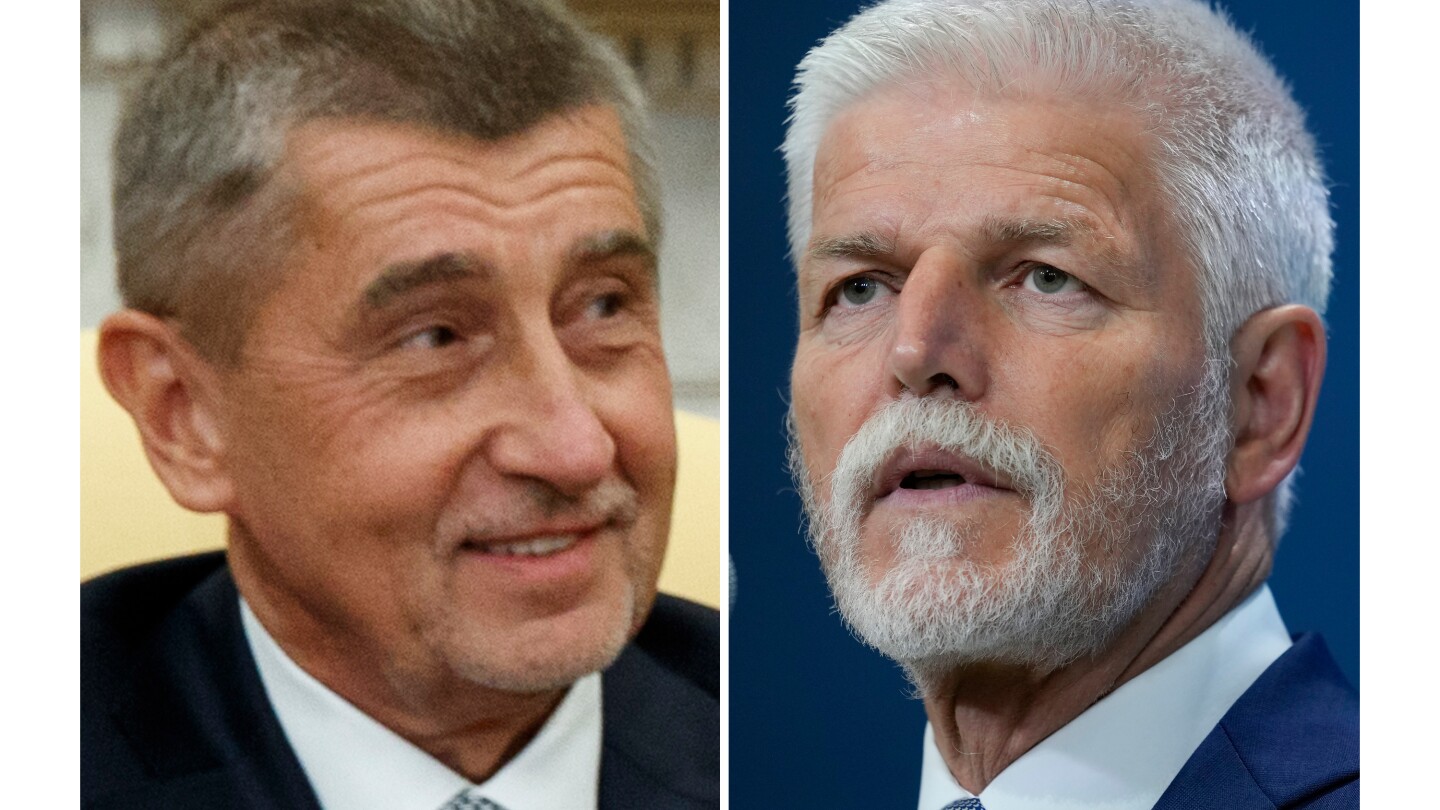
Czech president ready to swear in Babiš as prime minister if conflict of interest is resolved
In a pivotal development in Czech politics, President Petr Pavel announced on Wednesday that he is prepared to appoint populist billionaire Andrej Babiš as prime minister within a week, provided Babiš addresses concerns over potential conflicts of interest arising from his extensive business empire and political role. This follows Babiš’s ANO (YES) movement’s victory in the recent parliamentary elections, which paved the way for a coalition government with the Freedom and Direct Democracy party and the right-wing Motorists for Themselves. The coalition has agreed to form a 16-member Cabinet, with ANO holding eight positions, including the prime minister’s office. However, the president emphasized the need for Babiš to comply with the country’s stringent conflict-of-interest laws, which were amended in 2023 to prevent politicians from leveraging their wealth and power. Babiš, who owns around 200 companies under the Agrofert conglomerate and has significant investments in healthcare, must ensure his businesses remain eligible for state and EU subsidies. During a meeting with the president, Babiš presented his proposed Cabinet lineup and expressed his desire to have the new government in place by mid-December. However, the coalition’s nomination of Filip Turek, honorary president of the Motorists, sparked controversy due to his past racist, homophobic, and sexist remarks. President Pavel rejected Turek’s candidacy, deeming him unfit for a ministerial role. The coalition, known for its critical stance on EU policies, particularly regarding the environment and migration, is also expected to shift the country’s position on supporting Ukraine in its war against Russia.
-
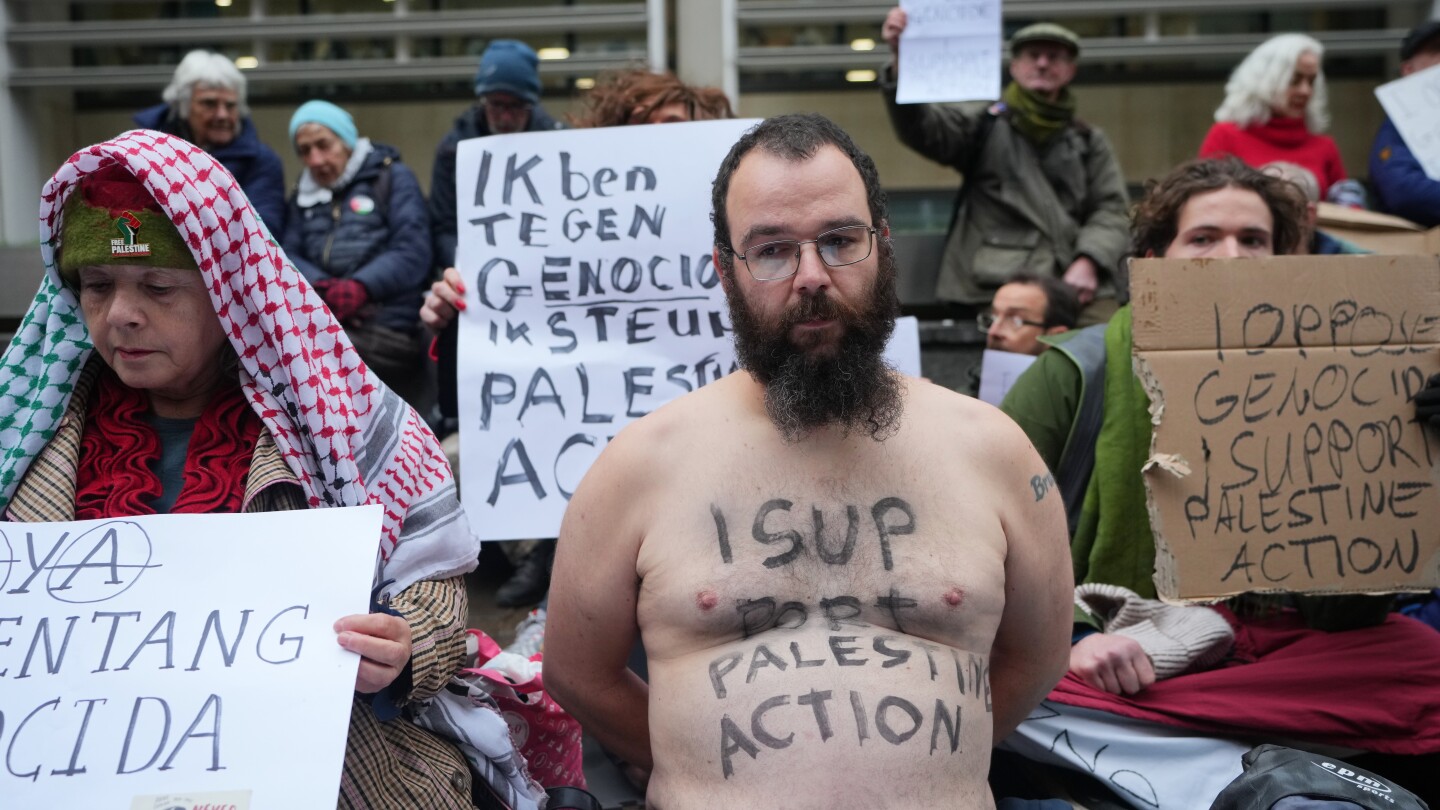
Protest group Palestine Action goes to court to challenge its ban by the UK government
In a significant legal battle, lawyers representing Palestine Action, a pro-Palestinian protest group recently outlawed by the British government, appeared before the High Court on Wednesday to contest its classification as a terrorist organization. The group, which has been likened to entities such as al-Qaida and Hamas, argues that the government’s decision was flawed and unjust. Raza Husain, representing Palestine Action co-founder Huda Ammori, criticized the ban as an “ill-considered, discriminatory, and authoritarian abuse of statutory power,” emphasizing the lack of due process in the decision. The government’s proscription followed an incident in June where activists breached a Royal Air Force base, causing damage to military equipment in protest of British support for Israel’s actions in Gaza. Since its inception in 2020, Palestine Action has targeted military and industrial sites, including facilities owned by Israeli weapons manufacturer Elbit Systems UK, resulting in millions of pounds in damages. The ban criminalizes membership or support for the group, with penalties of up to 14 years in prison. Over 2,000 individuals have been arrested across the UK for expressing support, with more than 130 charged under the Terrorism Act. Supporters and civil liberties groups argue that these arrests infringe on free speech and the right to protest. Husain highlighted the historical importance of civil disobedience, drawing parallels to the suffragette movement, and warned of the chilling effect on democratic dissent.
-
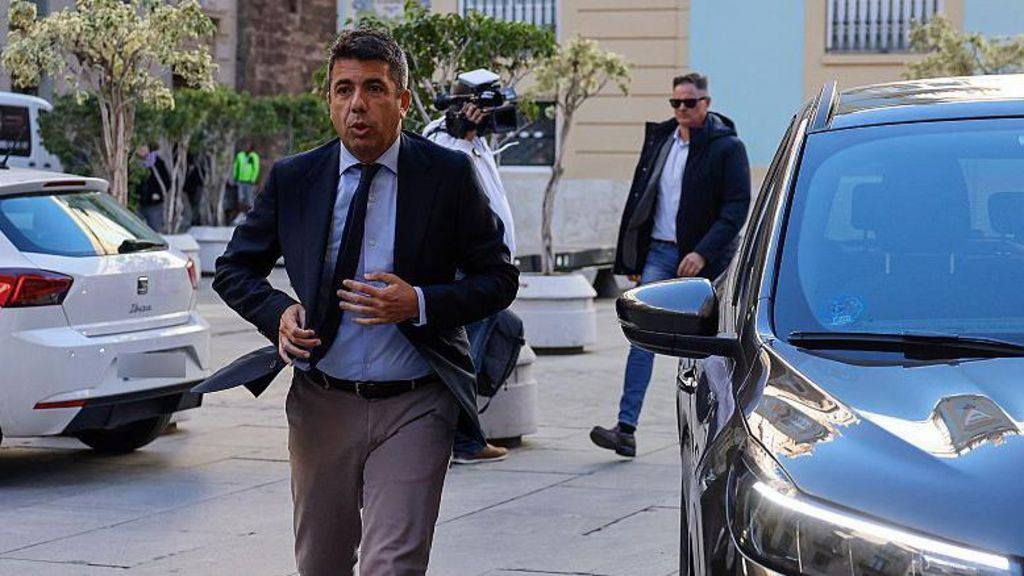
Mystery over flood disaster leader’s missing hour in Spanish car park
Carlos Mazón, the former president of Spain’s Valencia region, is under intense scrutiny regarding his actions during the catastrophic floods that struck the area on October 29, 2024. The disaster claimed 229 lives in Valencia and eight more in neighboring regions. Mazón, a member of the conservative People’s Party (PP), has already announced his resignation this month amid widespread criticism of his administration’s handling of the crisis. A key point of contention is the delayed emergency alert, which was issued after 20:00 on the day of the floods, by which time most victims had already perished. New allegations suggest Mazón was unavailable for much of the day due to a lengthy lunch with journalist Maribel Vilaplana. According to evidence presented to Judge Nuria Ruiz Tobarra, who is investigating potential negligence, the meal lasted nearly four hours. While both Mazón and Vilaplana initially claimed they parted ways shortly after leaving the restaurant, new reports contradict this timeline. Bank card records show Vilaplana left the car park at 19:47, but PP sources allege she drove Mazón to the regional government headquarters, where she dropped him off around 20:00. This would mean they were together for the entire duration, raising questions about Mazón’s whereabouts during a critical period. Mazón has denied these claims, insisting he walked to the government building and did not stop anywhere en route. He has also shifted blame to the central government, accusing them of failing to provide adequate information. Meanwhile, Salomé Pradas, former head of the interior department in Mazón’s government, has been named as a possible suspect in the investigation, though she denies any wrongdoing. Mazón, protected by parliamentary immunity, cannot be charged. José Muñoz of the Socialist Party has called for Mazón’s parliamentary seat to be revoked, accusing him of being entangled in a ‘labyrinth of lies.’
-
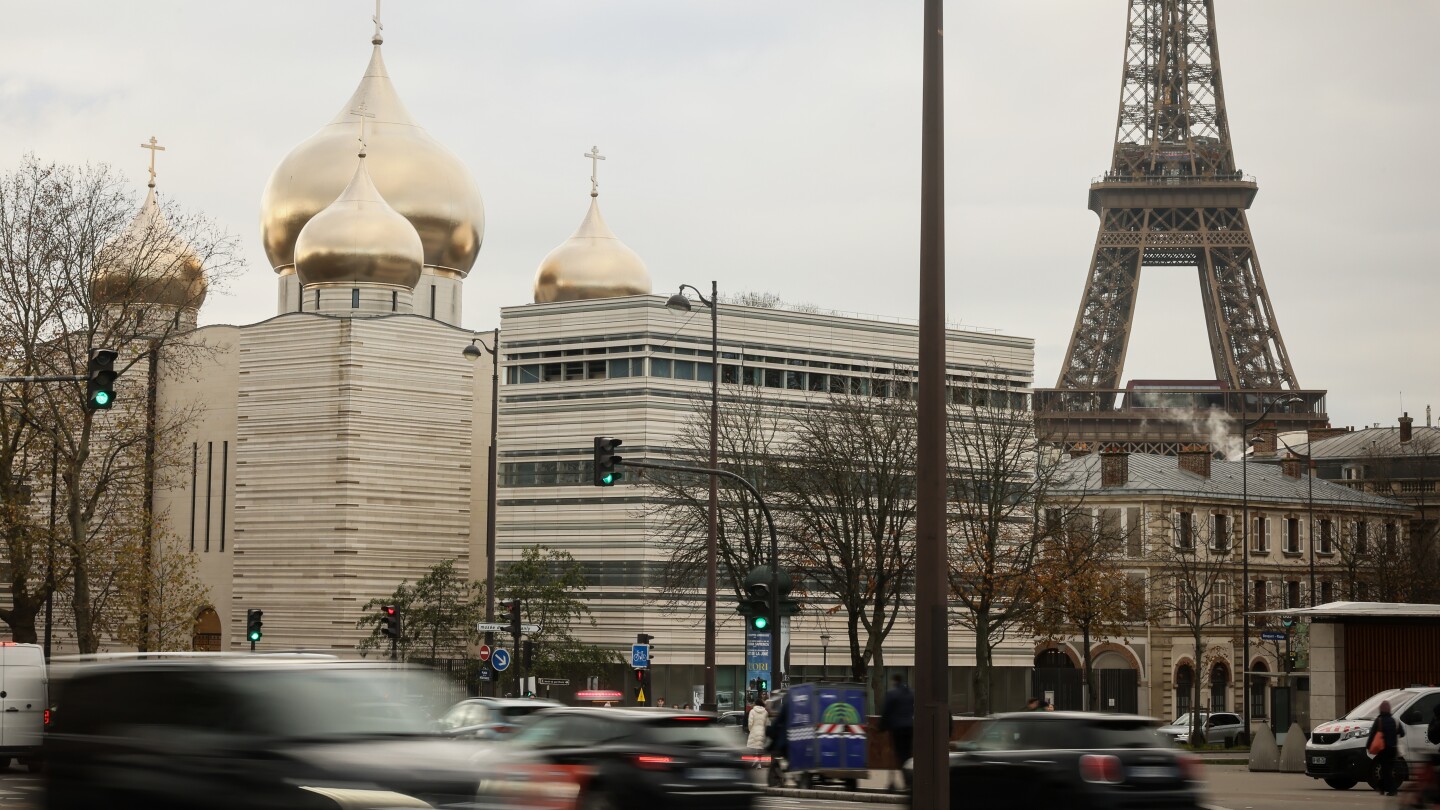
Russian nationals among 4 people arrested in France over espionage probe
French authorities have apprehended members of the pro-Russia organization SOS Donbass, accusing them of espionage activities on behalf of a foreign power. The group, established in France in 2022, has come under scrutiny by the General Directorate of Internal Security (DGSI), France’s counter-espionage agency. Among those detained is the group’s founder, Anna N., a dual French-Russian national, alongside three other individuals, including a Russian national identified as Vyacheslav P. and two French citizens, Vincent P. and Bernard F. The arrests follow a months-long investigation into the group’s alleged intelligence-gathering operations targeting French economic interests. According to the Paris prosecutor’s office, Anna N. is suspected of approaching French executives to extract sensitive information, while Vyacheslav P. is accused of placing pro-Russia posters on the Arc de Triomphe in September. The posters featured a Russian soldier and the phrase ‘say thank you to the victorious soviet soldier.’ Preliminary charges have been filed against the detainees, including criminal conspiracy and intelligence contacts with a foreign power, offenses punishable by up to 10 years in prison and substantial fines. The SOS Donbass group, which describes itself as a humanitarian NGO, claims to support residents of the Donbas region in eastern Ukraine, alleging they have been targeted by Ukrainian forces using NATO weapons. However, French officials have raised concerns about Russia’s broader destabilization efforts, including cyberattacks and disinformation campaigns aimed at France and other European nations supporting Ukraine. President Emmanuel Macron recently warned of Russia’s ‘hybrid wars,’ emphasizing the use of proxies and mercenaries to undermine European stability.
-
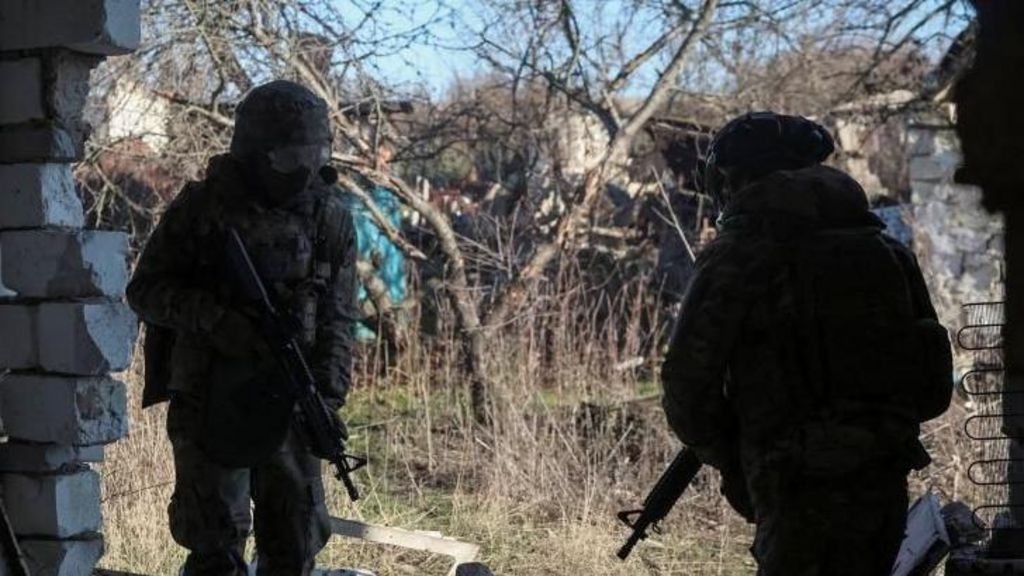
Where peace stands in Ukraine after frantic diplomacy
Recent developments in the ongoing Ukraine conflict suggest a potential breakthrough in peace negotiations, with key players expressing cautious optimism. U.S. President Donald Trump announced on Tuesday that a deal is ‘very close,’ while Ukrainian President Volodymyr Zelensky highlighted ‘significant results’ from recent discussions in Geneva. Despite these positive signals, Russian officials remain reserved, with Kremlin aide Yuri Ushakov noting that many elements of the latest draft require further expert discussions. The diplomatic push follows the leak of a 28-point U.S. plan, which proposed territorial concessions and military limitations for Ukraine, sparking outrage in Kyiv. European leaders swiftly countered with their own 28-point proposal, emphasizing ‘negotiations on territorial swaps’ and stronger security guarantees. The revised plan, now reduced to 19 points, has been met with relief by Ukrainian officials, though contentious issues like territory and NATO relations remain unresolved. With Trump’s envoy Steve Witkoff set to visit Moscow and Zelensky potentially returning to the White House, the pace of diplomacy shows no signs of slowing. However, critical questions linger, particularly regarding security guarantees for Ukraine and the future of its sovereignty. As the process unfolds, experts warn that significant challenges remain, and the path to a sustainable peace is far from certain.
-
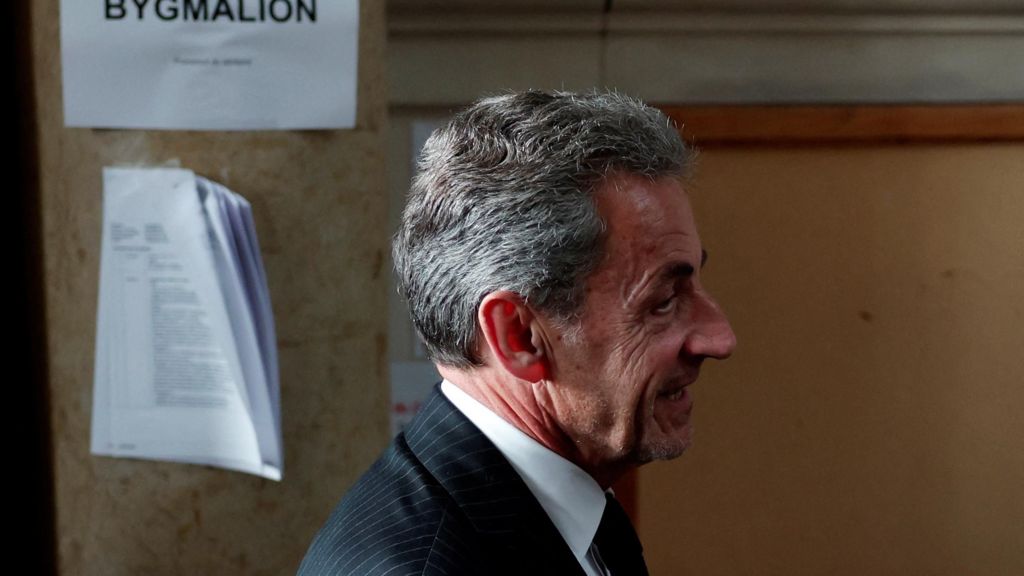
Nicolas Sarkozy illegal campaign financing conviction upheld
France’s highest court has confirmed the conviction of former President Nicolas Sarkozy for the illegal financing of his 2012 re-election campaign. Sarkozy, who served as France’s leader from 2007 to 2012, was found guilty of exceeding the €22.5 million campaign spending limit and subsequently hiring the PR firm Bygmalion to conceal the overspending. The court upheld a one-year sentence, with six months suspended, allowing Sarkozy to serve the term under electronic monitoring instead of incarceration. Sarkozy has consistently denied all allegations. Prosecutors revealed that his UMP party spent nearly double the legal cap, splurging on extravagant campaign events. To mask the expenses, Bygmalion was instructed to invoice the party directly rather than the campaign. This marks Sarkozy’s second definitive conviction. Last December, he was found guilty of corruption and served six months under electronic surveillance. In September, he received a five-year prison sentence for criminal conspiracy, though he was released after 20 days. An appeal trial is scheduled for next year, during which Sarkozy will remain under strict judicial supervision and prohibited from leaving France. Shortly after his release, Sarkozy’s team announced he is writing a book titled ‘A Prisoner’s Diary,’ detailing his three-week incarceration. An excerpt shared on social media reflects on his prison experience, describing the constant noise and the strengthening of inner life during confinement.
-

Shein faces European Union scrutiny over child safety and illegal products
European Union regulators are escalating their investigation into Shein’s safety protocols following alarming discoveries by French authorities. The fast-fashion giant’s website was found to be selling illegal weapons and child-like sex dolls, prompting immediate action. The European Commission announced on Tuesday that it is leveraging the EU’s Digital Services Act to demand detailed information from Shein regarding its measures to protect minors and prevent the sale of prohibited items on its platform. The French government has already taken steps to suspend access to Shein’s website in France and has urged the EU to launch a formal inquiry. The Digital Services Act mandates that online platforms enhance user protection or face substantial fines. Thomas Regnier, a Commission spokesperson, revealed that Shein has been issued a formal request for information due to “serious indications” of systemic risks to consumers across the EU. Shein, which originated in China in 2012 and is now headquartered in Singapore, stated that it has received the request and is collaborating with EU regulators to address the concerns promptly. The company emphasized its commitment to maintaining an open dialogue with regulatory bodies.