标签: Europe

欧洲

  • Pope visits Istanbul’s Blue Mosque at start of day of meetings with Turkey’s religious leaders

    Pope visits Istanbul’s Blue Mosque at start of day of meetings with Turkey’s religious leaders

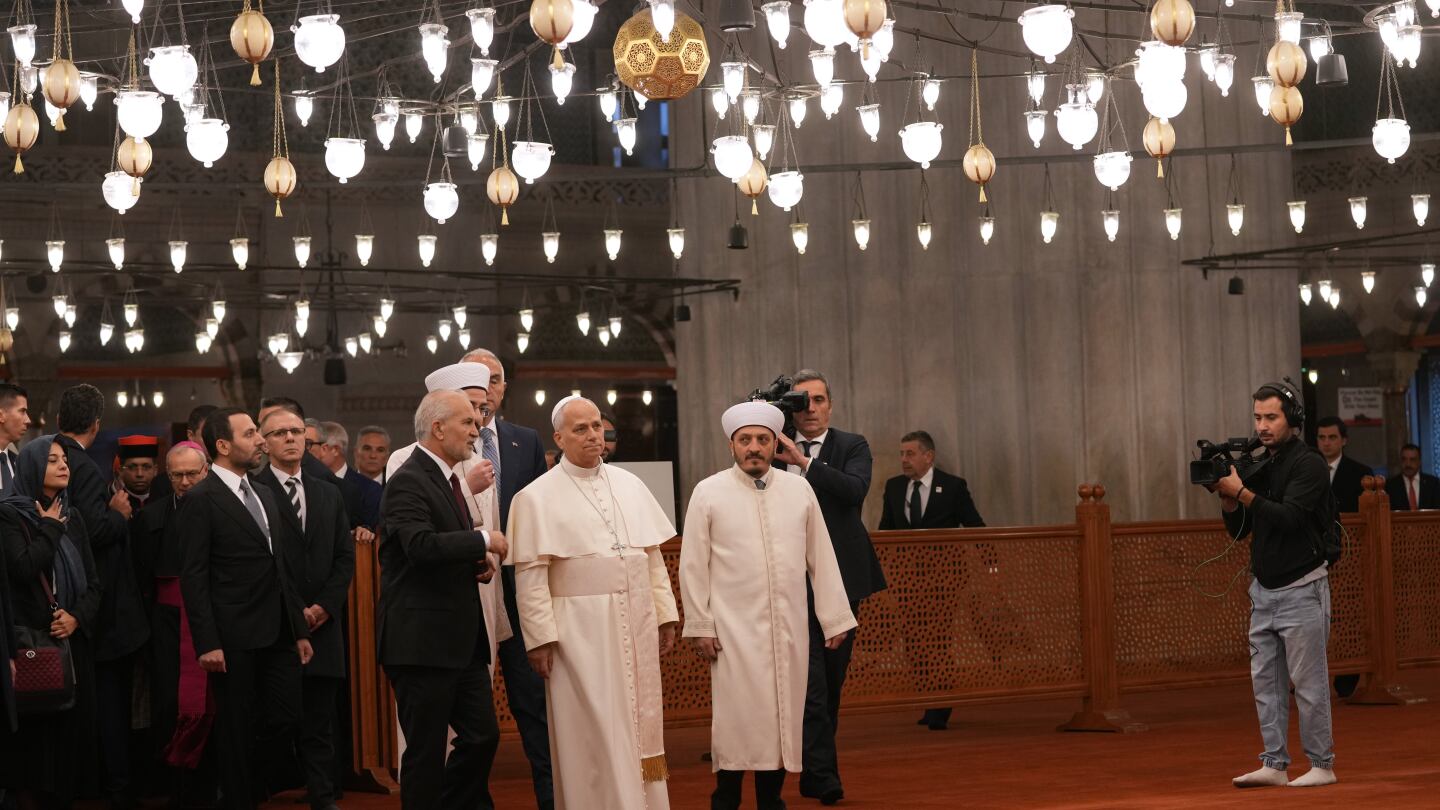
    ISTANBUL, Turkey — Pope Leo XIV commenced an intensive day of diplomatic and spiritual engagements in Istanbul on Saturday with a symbolically significant visit to the iconic Blue Mosque. The pontiff, following traditions established by his predecessors, toured the magnificent Ottoman-era mosque accompanied by Turkey’s head of religious affairs, who explained the architectural details including its soaring tiled dome and intricate Arabic inscriptions.

    The visit generated particular attention regarding interfaith prayer protocols. Imam Asgin Tunca of the Blue Mosque revealed he had extended an invitation for the Pope to worship within the sacred space, describing it as ‘Allah’s house.’ While the Pope respectfully declined to pray, he expressed appreciation for the atmosphere and spiritual significance of the mosque, walking through the carpeted interior in white socks after removing his shoes.

    Notably absent from the papal itinerary was the Hagia Sophia, the UNESCO World Heritage site whose controversial conversion from museum to mosque in 2020 drew international criticism, including from the Vatican. This omission highlighted the delicate diplomatic balance of the visit.

    The day’s agenda progressed with a private meeting with Turkey’s Christian leaders at the Syriac Orthodox Church of Mor Ephrem, followed by ecumenical prayers with Patriarch Bartholomew, spiritual leader of the world’s Orthodox Christians, at the patriarchal Church of Saint George.

    The visit built upon Friday’s historic gathering in Iznik, where Pope Leo joined Christian leaders at the site of the A.D. 325 Council of Nicaea to mark its 1,700th anniversary. Standing among the ancient ruins, the religious leaders recited the Nicaean Creed—the foundational statement of Christian faith produced by the original council that remains universally accepted across most Christian denominations.

    The Pope emphasized the urgent need to ‘overcome the scandal of divisions’ and nurture unity, particularly during times ‘marked by many tragic signs’ threatening human dignity. This gathering represented a significant moment in the centuries-long effort to reunite Christianity, bringing together Catholic, Orthodox, and other Christian representatives at the very location where their shared creed originated when Eastern and Western churches were still united.

    The visit concluded with a Catholic Mass at Istanbul’s Volkswagen Arena for Turkey’s small Catholic community, numbering approximately 33,000 in a predominantly Sunni Muslim nation of 85 million people.
  • Ukraine’s naval drones strike Russian oil tankers in the Black Sea off the Turkish coast

    Ukraine’s naval drones strike Russian oil tankers in the Black Sea off the Turkish coast

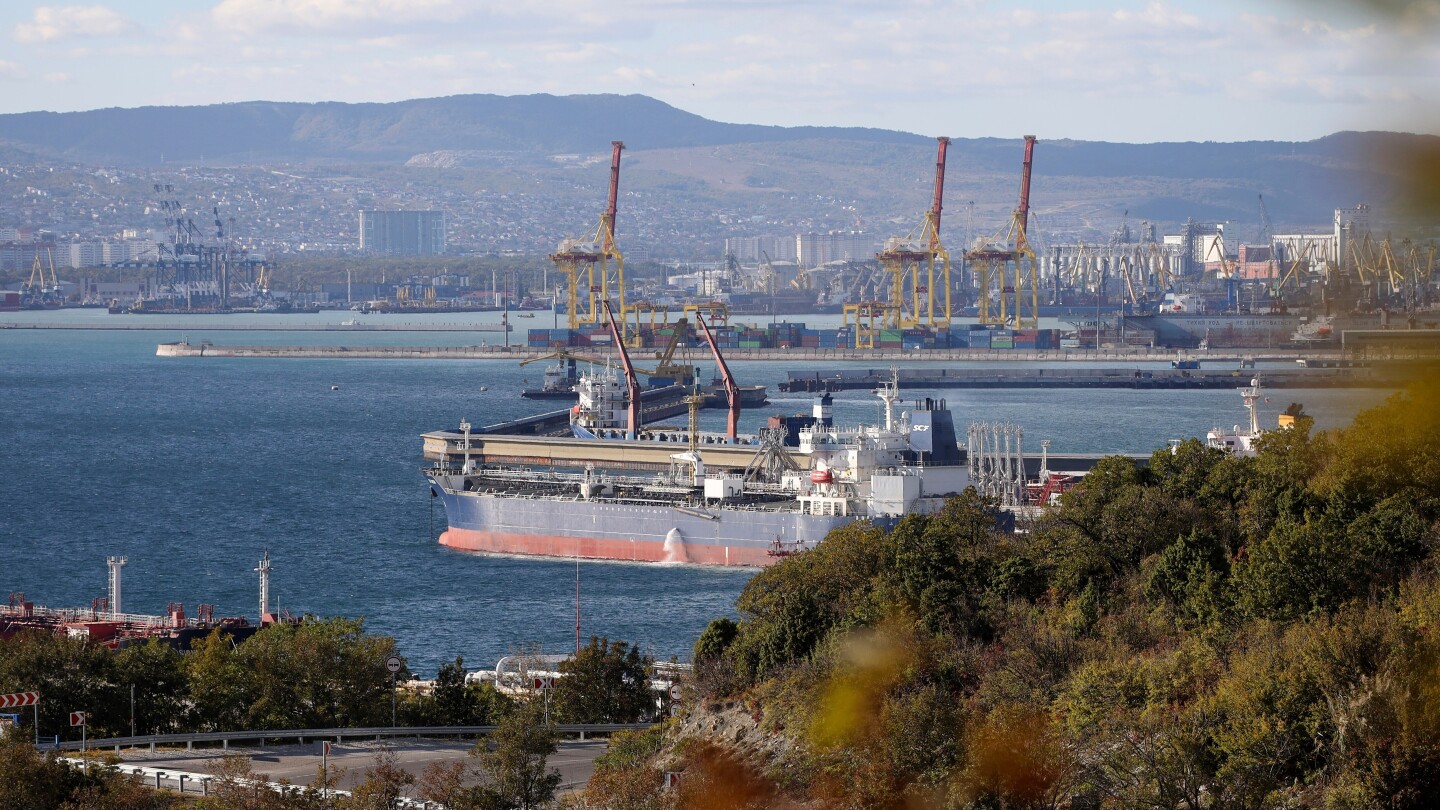
    Ukrainian security forces have executed a precision naval operation against Russian oil transport capabilities in the Black Sea. According to an anonymous SBU official speaking to The Associated Press, domestically manufactured Sea Baby naval drones targeted two sanctioned Russian oil tankers—Kairos and Virat—in rapid succession on Friday afternoon. The operation occurred within Turkey’s exclusive economic zone near the Kocaeli province coastline.

    The Gambian-flagged Kairos sustained significant fire damage in its enclosed areas, prompting the safe evacuation of all 25 crew members by Turkish rescue teams. The Virat, while reportedly struck in its engine room, did not require evacuation. Turkish Transport Minister Abdulkadir Uraloglu confirmed authorities received a distress call describing the incident as a ‘drone attack,’ though initial assessments considered multiple potential causes including mines or missiles.

    Both vessels form part of Russia’s elaborate ‘shadow fleet’—a network of ships specifically designed to circumvent international sanctions imposed after the 2022 invasion of Ukraine. OpenSanctions database records indicate the Virat received sanctions from the United States in January 2023, followed by the EU, Switzerland, UK, and Canada. The Kairos was similarly sanctioned by the EU in July 2023, with subsequent restrictions from the UK and Switzerland.

    Ukrainian intelligence officials emphasized this operation represents continued efforts to disrupt Russia’s financial capacity to wage war. The Sea Baby drones, which Ukraine recently unveiled as upgraded capabilities with extended Black Sea reach, reportedly disabled vessels capable of transporting approximately $70 million worth of oil. This strategic strike demonstrates Ukraine’s growing naval drone warfare sophistication while highlighting ongoing challenges in enforcing international sanctions against Russian energy exports.

  • Russian drone strikes hit Kyiv residential areas despite peace moves

    Russian drone strikes hit Kyiv residential areas despite peace moves

    A renewed aerial offensive struck Ukraine’s capital early Saturday, resulting in casualties and significant damage to residential areas as peace negotiations between Ukrainian and U.S. officials gained momentum.

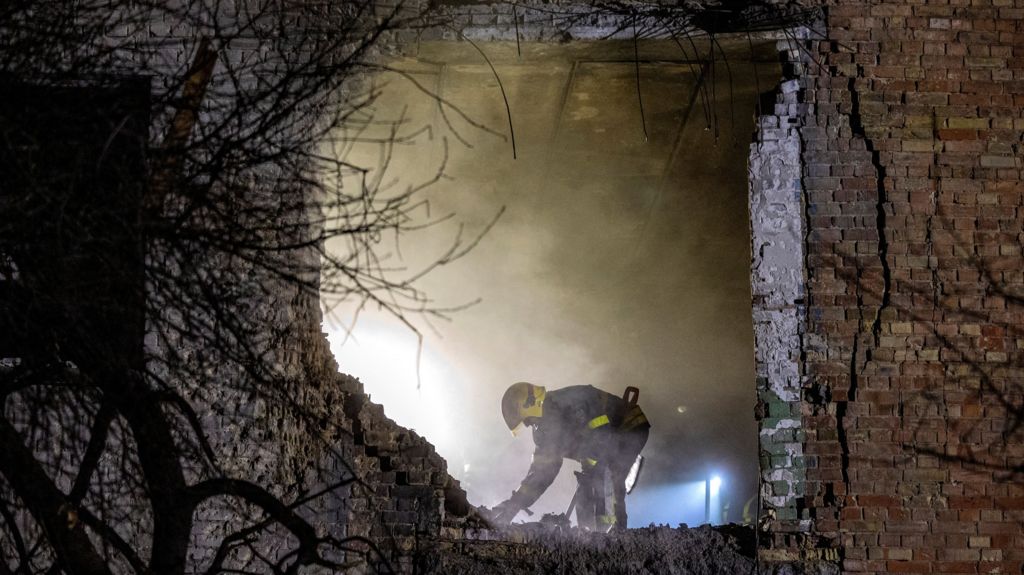
    According to Kyiv municipal authorities, Russian forces launched coordinated drone and missile attacks targeting multiple districts across the city. The assault claimed at least one life and left seven civilians wounded, including a 13-year-old adolescent. Emergency responders recovered the body of a male victim from the devastated Sviatoshynskyi sector in western Kyiv.

    Mayor Vitaly Klitschko confirmed extensive structural damage, with strikes igniting substantial blazes in high-rise residential complexes. Firefighting teams successfully contained a major conflagration in the central metropolitan zone while combating flames engulfing lower levels of an apartment tower west of the urban core.

    Tymur Tkachenko, head of Kyiv’s military administration, reported through Telegram that defensive systems engaged hostile drones over the capital while ground forces responded to impacts on peripheral targets. The eastern municipality of Brovary similarly sustained attacks targeting civilian infrastructure, leaving two women among the injured.

    This escalation follows Thursday’s diplomatic developments where President Vladimir Putin reiterated Moscow’s non-negotiable terms for ceasing hostilities, demanding complete Ukrainian withdrawal from disputed territories. Concurrently, a revised U.S. peace proposal—initially favoring Russian positions—underwent substantial modifications during bilateral talks in Geneva.

    President Volodymyr Zelensky characterized the upcoming negotiations as critical for transforming diplomatic progress into concrete security guarantees. A U.S. delegation including Special Envoy Steve Witkoff is anticipated in Moscow next week to advance discussions on the draft settlement framework.

  • We searched for a true Christmas market – and may have found one

    We searched for a true Christmas market – and may have found one

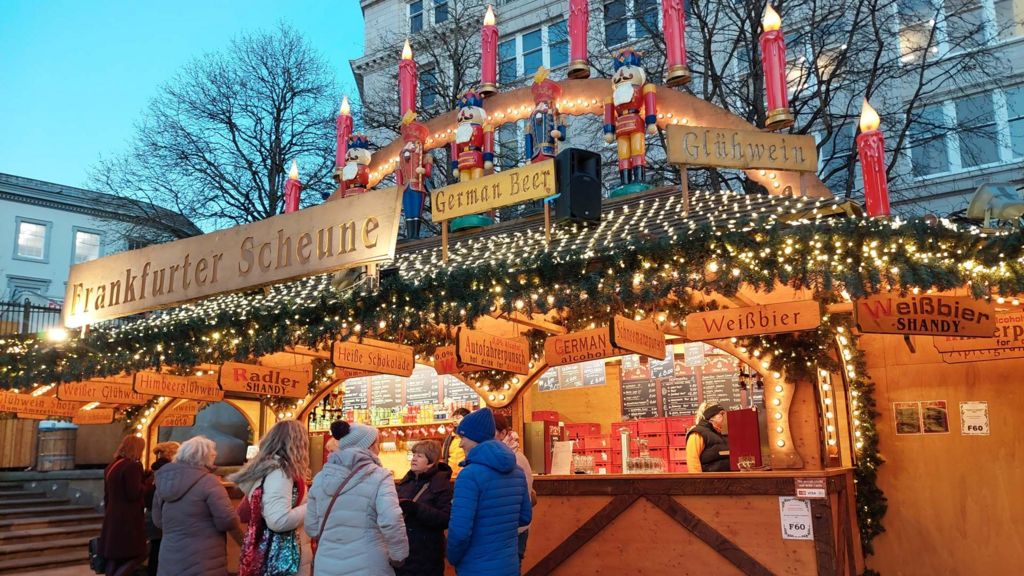
    Amidst the glittering golden fairy lights and wooden huts of Birmingham’s city center, the aroma of mulled wine and grilled sausages fills the cold winter air. This isn’t a scene from Germany but the UK’s second city hosting what organizers proudly call ‘the largest authentic German Christmas market’ outside Germany and Austria.

    The Birmingham Frankfurt Christmas Market, established in 1997 and running annually since 2001, represents a meticulous recreation of German tradition. Under the direction of Kurt Stroscher—who also oversees Frankfurt’s own Christmas market—the installation features exclusively German-built wooden stalls, atmospheric white lighting, and imported food and beverages.

    BBC News conducted an authenticity assessment with German PhD students Nina Adler and Till Rampe, both 27-year-old academics studying in Birmingham. While impressed by the wooden structures, handicrafts, and chocolate-coated marshmallows that reminded Till of his hometown near Frankfurt, they noted distinct differences. ‘In Germany, we typically drink mulled wine, not beer,’ Nina explained from Berlin. The musical selection of pop tunes like ‘The Power of Love’ also diverged from traditional German markets where Christmas carols dominate.

    Dr. Katharina Karcher, a University of Birmingham academic originally from near Frankfurt, offered a contrasting perspective, declaring the market ‘super authentic.’ She emphasized the cultural significance of these markets in Germany, where they serve as beacons of light during dark winters and hold ‘huge symbolic meaning’ with religious undertones.

    The comparison extended to Berlin’s Charlottenburg Palace market, where approximately 70 different Christmas markets operate simultaneously. The German capital’s offerings feature large tents housing restaurants, stalls selling handmade gifts, and traditional foods like Lebkuchen and Bratwurst. Visitors Magrita and Dietmar, aged 66 and 69 respectively, emphasized the unique atmosphere created by colorful lights and Christmas decorations that distinguish authentic markets from generic ‘Winter Wonderland’ installations.

    Back in the UK, other Christmas markets show varying degrees of authenticity. While Birmingham’s market remains notably faithful to German traditions, locations like Kingston upon Thames incorporate diverse elements including Greek gyros, Yorkshire pudding wraps, and open mic nights. Some visitors appreciated this localized interpretation, with Jamie Aycliffe noting, ‘We’re doing our British version of the Bratwurst,’ though he acknowledged European markets generally superior quality.

    The evolution of Christmas markets continues both in Germany and abroad. Dr. Karcher notes the increasing presence of Santa Claus imagery replacing traditional depictions of Saint Nikolaus, while international foods become more common. Security measures have also intensified following tragic attacks in Berlin (2016) and Magdeburg (2024), with concrete barriers and police patrols now common features.

    Despite these changes, the essential spirit remains. As Berlin visitors Anna and Karolina, both 19, expressed: Christmas markets are defined not by location but by ‘the festive atmosphere and the time of the year when they take place’—a sentiment that transcends national borders and continues to bring communities together in seasonal celebration.

  • Georgia marks a year of protests since EU talks stalled and crackdown intensified

    Georgia marks a year of protests since EU talks stalled and crackdown intensified

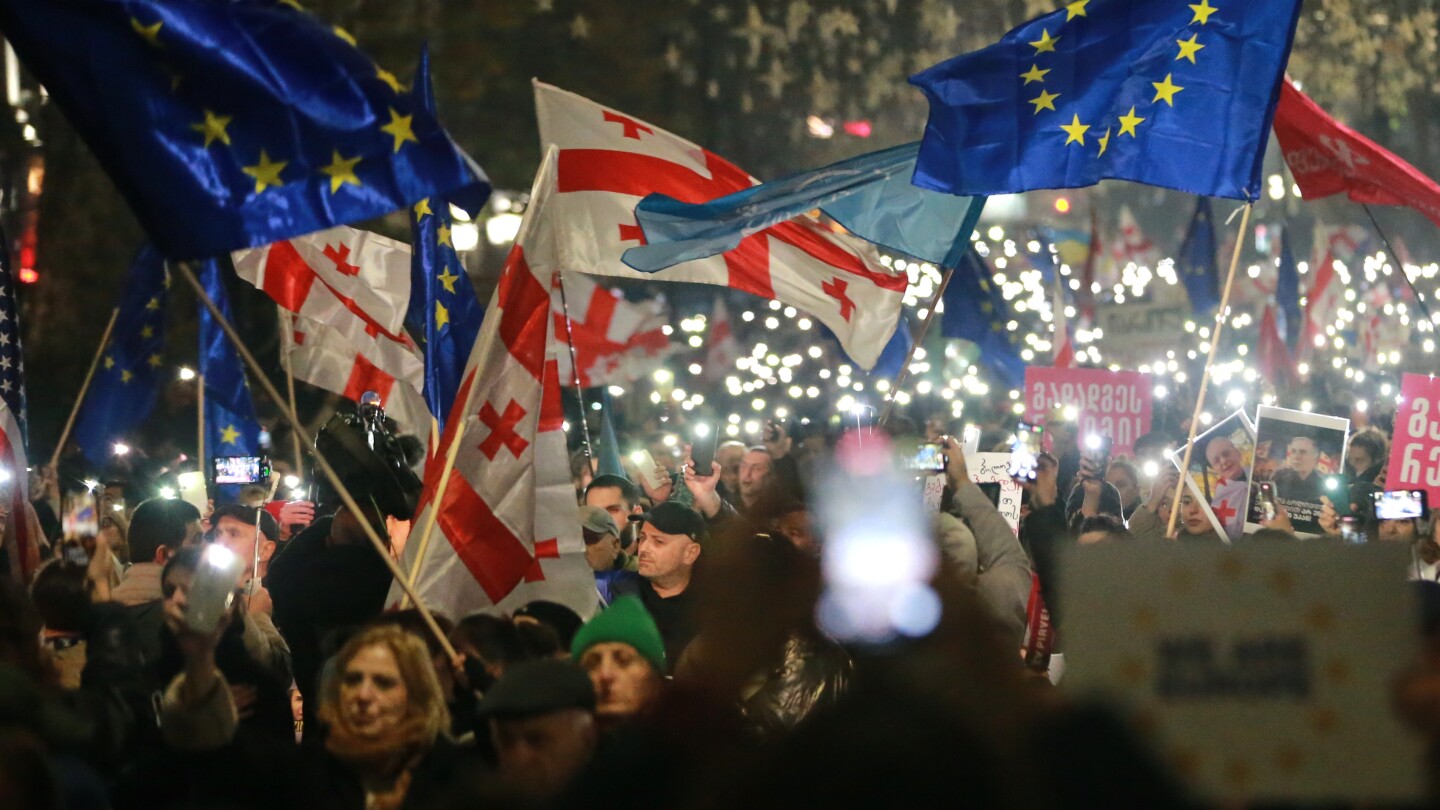
    TBILISI, Georgia — For 365 consecutive days, the streets of Georgia’s capital have echoed with dissent as thousands of citizens maintain unwavering demonstrations against their government’s controversial suspension of European Union accession negotiations. The sustained civic movement reached its one-year milestone on Friday with massive gatherings along Tbilisi’s central Rustaveli Avenue, where protesters brandished national flags, placards, and symbolic whistles while chanting pro-European slogans.

    The protest movement ignited immediately after Prime Minister Irakli Kobakhidze’s November 28, 2024 announcement halting EU membership talks. Despite diminished crowd sizes over time, daily demonstrations have persisted both outside parliament and across other urban centers, representing what participants describe as a fundamental struggle for Georgia’s democratic future.

    In response to the enduring protests, the ruling Georgian Dream party has implemented increasingly stringent measures against dissent. New legislation has dramatically escalated penalties for protest activities, with administrative detention periods extending to 15 days for participants and 20 days for organizers. Financial penalties have skyrocketed from 500 lari ($185) to 5,000 lari ($1,850) for initial violations, with criminal charges following subsequent offenses.

    Critics argue these measures mirror Russian-style suppression tactics, noting similarities to legislation used by Vladimir Putin’s administration to stifle opposition. The government has simultaneously intensified pressure on opposition parties, petitioning the Constitutional Court to ban the country’s three primary opposition groups—the United National Movement, Akhali/Coalition for Change, and Lelo.

    Among hundreds detained under the new framework is Rusiko Kobakhidze, a researcher and mother of nine, who received multiple jail sentences for blocking streets during demonstrations. “I don’t want a country where my children cannot speak openly,” she told Associated Press, capturing the movement’s central ethos.

    Despite the suspended accession process, ruling party officials maintain their commitment to European integration. Lawmaker Mariam Lashkhi asserted that “EU integration and NATO integration remain unchanged,” while simultaneously rejecting international influence on domestic policy. This position contrasts sharply with the EU’s November 4 enlargement report, which cited “democratic backsliding” and described government actions as “fundamentally incompatible with EU values.”

  • Zelensky’s chief of staff resigns after Ukrainian anti-corruption raid on his home

    Zelensky’s chief of staff resigns after Ukrainian anti-corruption raid on his home

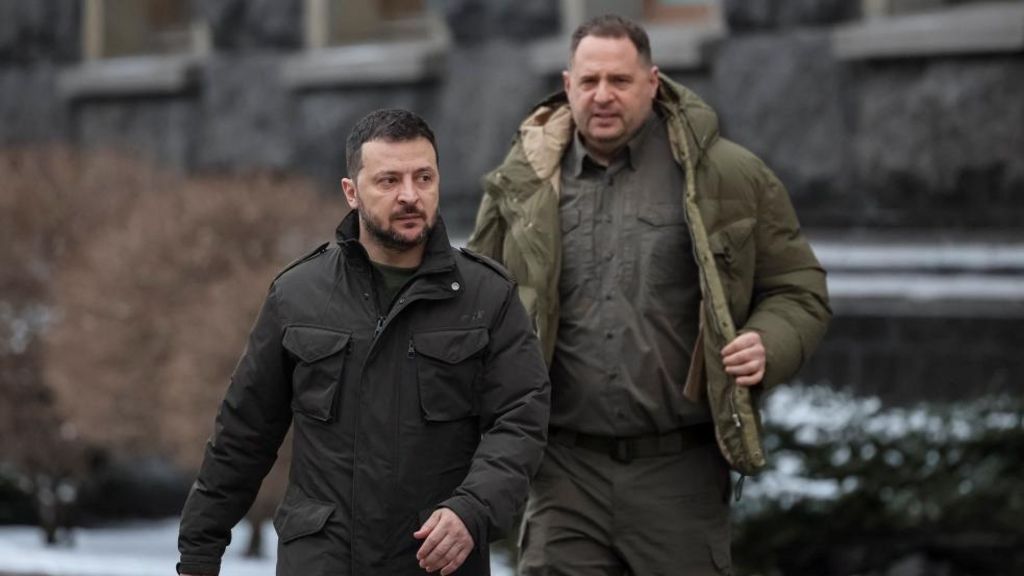
    Ukrainian President Volodymyr Zelensky announced the resignation of his chief of staff Andriy Yermak following an anti-corruption operation targeting Yermak’s Kyiv residence. The development comes at a critically sensitive moment for Ukraine’s leadership as the country navigates both intensified diplomatic efforts to end the war with Russia and mounting domestic pressure over corruption allegations.

    Yermak, 54, who has served as Zelensky’s closest advisor throughout Russia’s full-scale invasion, maintained his cooperation with investigators while not facing formal accusations. The president expressed gratitude for Yermak’s “patriotic position” in negotiations during a Friday video address from Kyiv, while simultaneously announcing consultations for his replacement.

    The resignation strikes at the core of Ukraine’s leadership structure precisely as U.S. Army Secretary Dan Driscoll prepares to visit Kyiv to advance President Donald Trump’s renewed peace initiative. American officials are scheduled to travel to Moscow the following week, highlighting the delicate timing of this political upheaval.

    In a solemn national address delivered outside his presidential office, Zelensky issued a stark warning about internal divisions: “We risk losing everything: ourselves, Ukraine, our future.” He emphasized that Russia anticipates Ukrainian missteps, vowing: “There won’t be any mistakes from our side. Our work continues, our fight continues.”

    Yermak had recently been appointed to lead crucial negotiations with Russia and maintained significant influence until his departure. Just hours before the raid, he explicitly stated Ukraine’s position against territorial concessions in an interview with The Atlantic: “As long as Zelensky is president, no-one should count on us giving up territory.”

    The corruption scandal that precipitated this political crisis involves alleged embezzlement of approximately $100 million from Ukraine’s energy sector. Investigators from Ukraine’s National Anti-Corruption Bureau (NABU) and Specialized Anti-Corruption Prosecutor’s Office (SAP) have uncovered an extensive scheme involving kickbacks and influence over state-owned companies, including nuclear energy firm Enerhoatom.

    The widening investigation has already resulted in the dismissal of two ministers and several detentions. Notably, Timur Mindich, a former business associate of Zelensky from his entertainment career and co-owner of the Kvartal 95 studio that launched the president’s acting career, has fled the country amid the scandal.

  • Talks over UK joining EU defence fund break down

    Talks over UK joining EU defence fund break down

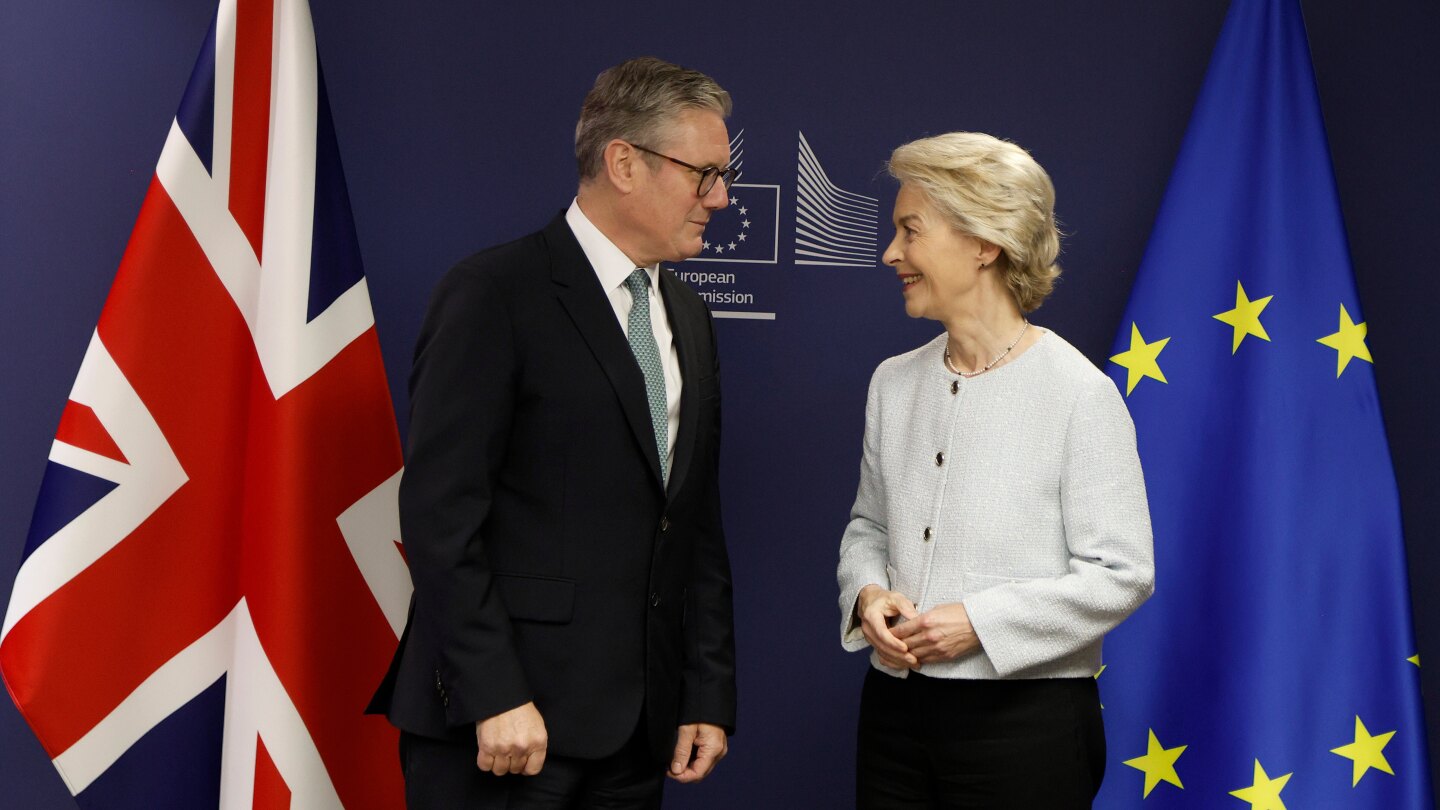
    Negotiations between the United Kingdom and European Union regarding British defense companies’ participation in the €150 billion (£130bn) SAFE loan program have reached an impasse due to unresolved financial disagreements. The breakdown occurred just before Sunday’s deadline for EU member states to submit initial funding applications for the massive rearmament initiative.

    The core disagreement centered on the substantial entry fee demanded by the European Commission for UK defense firms to access an enhanced share of the loans. While Britain acknowledged the necessity of contributing financially, officials maintained they would not accept an agreement at any cost. This stalemate effectively limits UK-based companies to providing no more than 35% of the total value of any finished defense products funded through the scheme.

    Nick Thomas-Symonds, Minister for EU Relations, expressed disappointment that discussions couldn’t be concluded before the first bidding round. ‘Our negotiators engaged in good faith throughout,’ he stated, ‘but our position remained clear: we will only sign agreements serving national interests and delivering value for money.’

    The European Commission indicated potential for future negotiations, with a spokesperson noting that while no agreement could be reached ‘at this time,’ constructive dialogue had occurred. Meanwhile, nineteen EU nations have already applied for funding from the program, with Poland securing the largest allocation at €43.7 billion.

    Industry representatives from ADS, Britain’s defense trade organization, characterized the development as a ‘frustrating setback’ for UK defense contractors. Chief Executive Kevin Craven maintained optimism that arrangements might be salvaged in the coming year.

    This negotiation failure occurs against the broader backdrop of ongoing UK-EU discussions aimed at resetting post-Brexit relations, including potential agreements on reducing border checks for food products and linking carbon trading systems. Separate talks with Canada regarding its participation in the SAFE program were also underway, with Brussels hoping to finalize an agreement before the weekend deadline.

  • Paris prosecutor says arrested man is thought to be 4th member of Louvre heist gang

    Paris prosecutor says arrested man is thought to be 4th member of Louvre heist gang

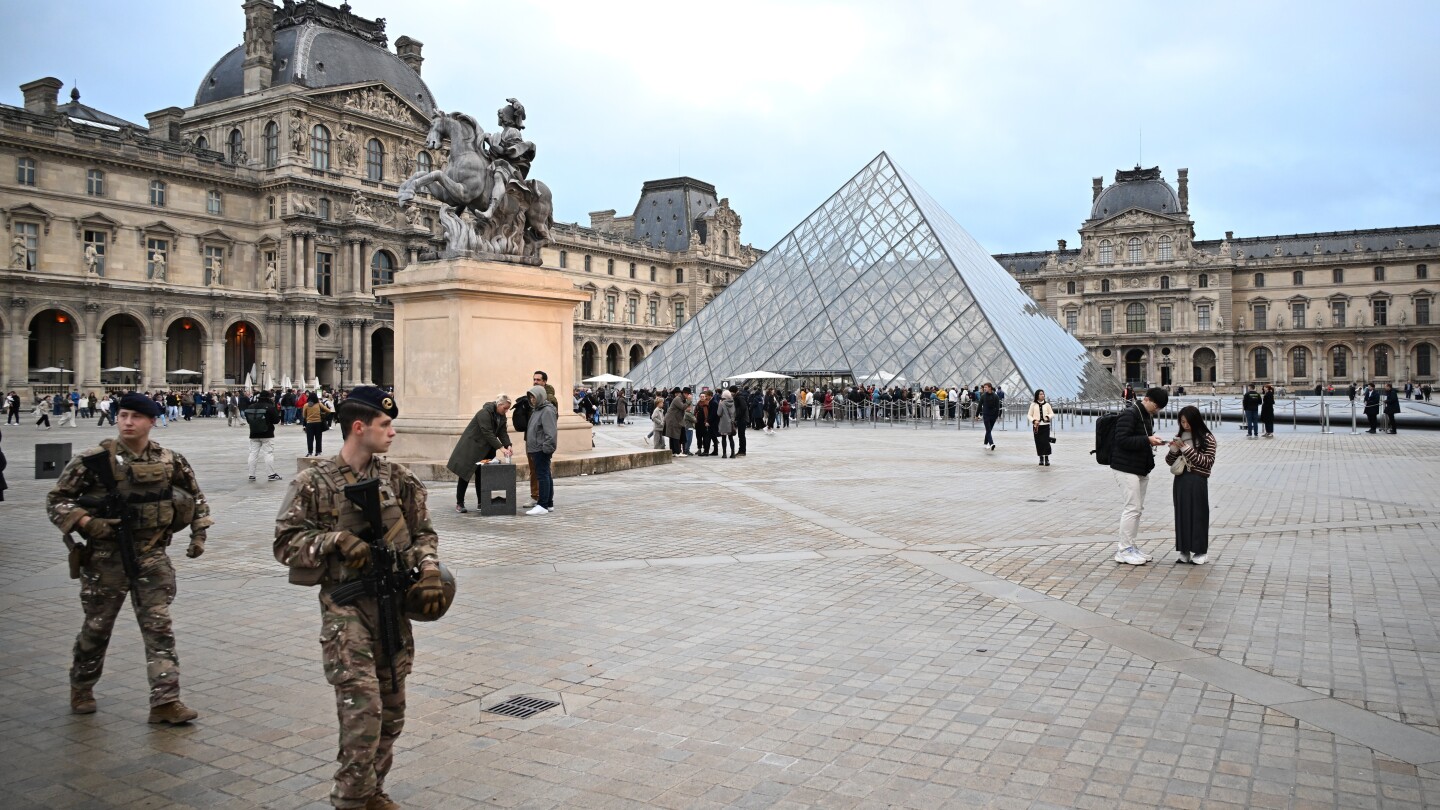
    French authorities have captured the alleged fourth and final member of an organized criminal group responsible for the breathtaking theft of France’s crown jewels from the Louvre Museum. The Paris prosecutor’s office confirmed Friday that the 39-year-old suspect, who has an extensive criminal history with six prior convictions, was taken into custody earlier this week.

    The suspect now faces preliminary charges of robbery by an organized gang—carrying a potential 15-year prison sentence—and criminal conspiracy, which could add another decade to his imprisonment if convicted. The brazen October 19 daylight heist, executed with angle grinders, a freight lift, and careful subterfuge, resulted in the loss of precious historical artifacts valued at approximately €88 million ($102 million), not accounting for their immense cultural significance to French heritage.

    According to investigative details, the operation involved a four-person team with two individuals penetrating the museum’s Apollo Gallery while two accomplices waited outside on motorbikes for a swift escape. The thieves completed their mission in under eight minutes, utilizing worker disguises with bright vests to avoid detection. Security footage revealed they used grinders to breach jewelry display cases.

    While the imperial crown of Empress Eugénie—containing over 1,300 diamonds—was recovered outside the museum, the majority of the stolen collection remains missing. This includes Napoleon’s diamond-and-emerald necklace gifted to Empress Marie-Louise, jewels associated with 19th-century Queens Marie-Amélie and Hortense, and Empress Eugénie’s pearl-and-diamond tiara.

    The sophisticated robbery has prompted serious scrutiny of security protocols at the Louvre, which welcomes more visitors annually than any other museum worldwide. The prosecutor’s statement did not specify the exact role the newly apprehended suspect played in the meticulously planned operation.

  • Hungary’s Orban defies EU partners and meets Putin again in Moscow

    Hungary’s Orban defies EU partners and meets Putin again in Moscow

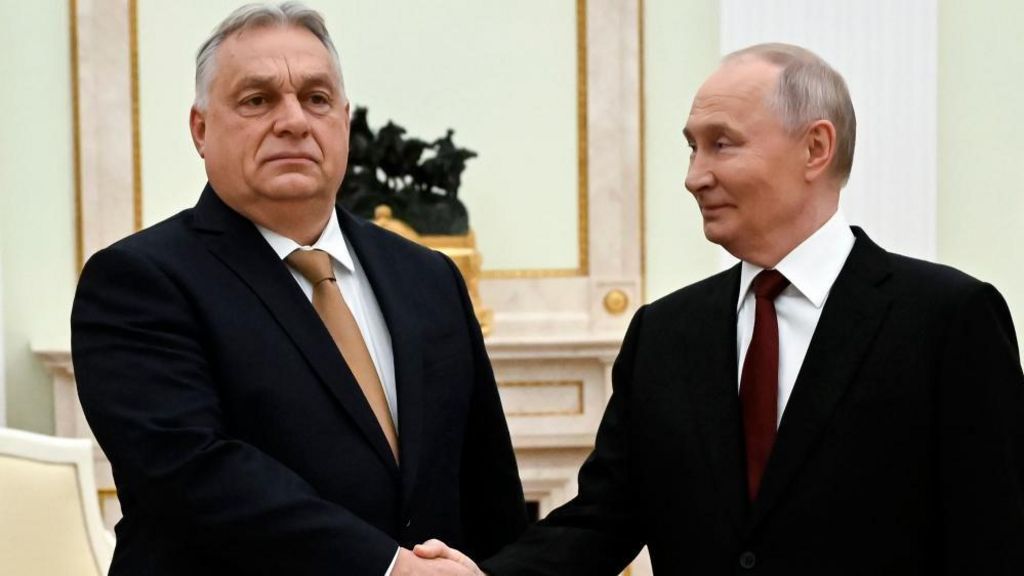
    Hungarian Prime Minister Viktor Orban has conducted a high-stakes diplomatic visit to Moscow, engaging in talks with Russian President Vladimir Putin just days before crucial negotiations regarding the Ukraine conflict. This meeting marks Orban’s continued alignment with Moscow despite Hungary’s membership in both NATO and the European Union.

    During their discussions, which were broadcast on Russian state television, Putin acknowledged Orban’s “balanced position on the situation in Ukraine” and expressed gratitude for Hungary’s proposal to host a potential Russia-US summit involving President Donald Trump. This Budapest “peace summit” initiative, however, was ultimately abandoned last month due to Russia’s unwillingness to compromise on its maximalist demands for ending the conflict.

    The timing of Orban’s Moscow visit carries significant political implications as his Fidesz party faces potential defeat in upcoming April parliamentary elections, which would mark the first change in Hungary’s leadership in 15 years according to current polling data.

    Energy security emerged as the central focus of the talks, with Orban framing the visit as part of a strategic effort to secure Russian energy supplies for Hungary, Slovakia, and Serbia during the winter months. This Moscow engagement follows Orban’s recent success in Washington, where he secured exemptions from US sanctions on Russian fuel—contingent on his continued leadership.

    Orban has consistently positioned himself as a peace advocate since Russia’s 2022 invasion of Ukraine, recently claiming on Hungarian state radio that “Europe has decided to go to war in Ukraine.” He has vigorously supported Trump’s 28-point peace plan while accusing EU leaders of “war-mongering” for attempting to adapt the proposal to address Ukraine’s concerns.

    In a recent communication with European Commission President Ursula von der Leyen, the Hungarian leader advocated for immediate, unconditional peace talks and direct EU negotiations with the Kremlin. He simultaneously expressed opposition to additional EU funding for Ukraine and rejected using frozen Russian assets to support Ukrainian defense efforts.

    Despite Hungary’s continued energy dependence on Russia—receiving over 80% of its oil and gas and 100% of its nuclear fuel from Moscow—Orban’s recent agreements with the United States to purchase liquefied natural gas and nuclear fuel may potentially strain his relationship with Russian leadership. The Prime Minister argues that without agreements with both superpowers, Hungarian heating prices would triple next month.

    Hungary faces mounting pressure from the EU to completely phase out Russian energy imports by 2027, making any Moscow agreements particularly contentious within the European bloc. The country’s trade relationship contributes approximately $5 billion annually to the Russian budget.

    Political analysts suggest that both Putin and Trump have expressed clear interest in Orban’s electoral success next April, making any diplomatic achievement valuable for all parties involved. Putin previously praised Orban at September’s Valdai Forum in Sochi, celebrating the rise of “nationally-oriented political forces” across Europe and suggesting that their growth could lead to Europe’s “rebirth.”

  • Talks on UK access to an EU defense fund have broken down

    Talks on UK access to an EU defense fund have broken down

    LONDON — Critical negotiations regarding Britain’s participation in the European Union’s landmark defense initiative have concluded without resolution, marking a significant setback in post-Brexit relationship rebuilding efforts. The British government confirmed the stalemate on Friday, revealing that financial considerations ultimately prevented agreement on UK accession to the Security Action for Europe (SAFE) program.

    The SAFE initiative, established with a substantial €150 billion (approximately $170 billion) war chest, represents the EU’s strategic response to enhance continental security and support Ukrainian defense capabilities. The proposed arrangement would have enabled British defense contractors to access favorable EU-backed financing for military procurement projects.

    Prime Minister Keir Starmer’s administration, which had prioritized mending strained relations with the European bloc following Britain’s contentious 2020 departure, now faces diplomatic challenges. Just months earlier in May, both parties had celebrated several bilateral agreements covering trade, mobility, and defense cooperation as evidence of a revitalized partnership.

    British EU Relations Minister Nick Thomas-Symonds characterized the negotiations as conducted ‘in good faith’ while emphasizing Britain’s unwavering commitment to securing arrangements that serve national interests and demonstrate fiscal responsibility. ‘While disappointing that we have not been able to conclude discussions on UK participation in the first round of SAFE,’ Thomas-Symonds stated, ‘the UK defense industry will still be able to participate in projects through SAFE on third country terms.’

    Under existing framework parameters, non-member states can contribute up to 35% of contract values within SAFE projects. British negotiators had sought to elevate this threshold through specialized arrangements.

    Despite this setback, both governments indicated continued progress in other dimensions of their May agreement. Collaborative efforts in energy security and food and beverage trade regulations proceed positively according to officials.

    EU spokesperson Thomas Regnier reaffirmed the bloc’s dedication to fostering robust UK-EU security cooperation, noting that ‘SAFE remains open by design’ and that Britain retains participation rights under standard third-country provisions.

    This development underscores the ongoing complexities in redefining UK-EU relations following Brexit, particularly in areas requiring financial contributions and regulatory alignment.