标签: Europe

欧洲

  • D-Day veteran Charles Shay, who saved lives on Omaha Beach, dies at 101 in France

    D-Day veteran Charles Shay, who saved lives on Omaha Beach, dies at 101 in France

    Charles Norman Shay, the decorated Native American medic who courageously saved lives during the historic D-Day landings at Omaha Beach, passed away peacefully on Wednesday at age 101. His longtime friend and caregiver Marie-Pascale Legrand confirmed his passing at his residence in Bretteville-L’Orgueilleuse, Normandy, where he had lived since 2018.

    Shay, a Penobscot tribe member from Indian Island, Maine, was merely 19 years old when he participated in the largest amphibious invasion in military history on June 6, 1944. His extraordinary bravery under fire earned him the Silver Star – one of America’s highest military honors – for repeatedly entering treacherous waters to rescue critically wounded soldiers from drowning amidst the chaos of battle.

    In 2007, France recognized his valor with the Legion of Honor, the nation’s highest distinction. Shay had become a permanent resident of the Normandy region, living in close proximity to the hallowed shores where nearly 160,000 Allied troops from the United States, Britain, Canada, and other nations commenced the operation that would ultimately accelerate Germany’s defeat within the following year.

    The Charles Shay Memorial organization, dedicated to honoring approximately 500 Native Americans who participated in the Normandy landings, announced on social media that their “hearts are deeply saddened” by the passing of “our beloved Charles Norman Shay.” The group’s statement celebrated him as “an incredibly loving father, grandfather, father-in-law, and uncle, a hero to many, and an overall amazing human being” who leaves behind “a legacy of love, service, courage, spirit, duty and family.”

    For years, Shay conducted traditional sage-burning ceremonies at a memorial site overlooking Omaha Beach – now named in his honor – paying homage to the fallen soldiers. In 2022, he formally passed this solemn duty to Julia Kelly, a Gulf War veteran from the Crow tribe, ensuring the continuity of this sacred tradition.

    The D-Day invasion claimed 4,414 Allied lives, including 2,501 Americans, with over 5,000 wounded. German casualties numbered several thousand. Reflecting on his experience in a March 2024 interview with The Associated Press, Shay demonstrated characteristic humility: “I guess I was prepared to give my life if I had to. Fortunately, I did not have to. I had been given a job, and the way I looked at it, it was up to me to complete my job.”
  • Greek farmers block border crossing routes in escalating dispute over delayed EU subsidies

    Greek farmers block border crossing routes in escalating dispute over delayed EU subsidies

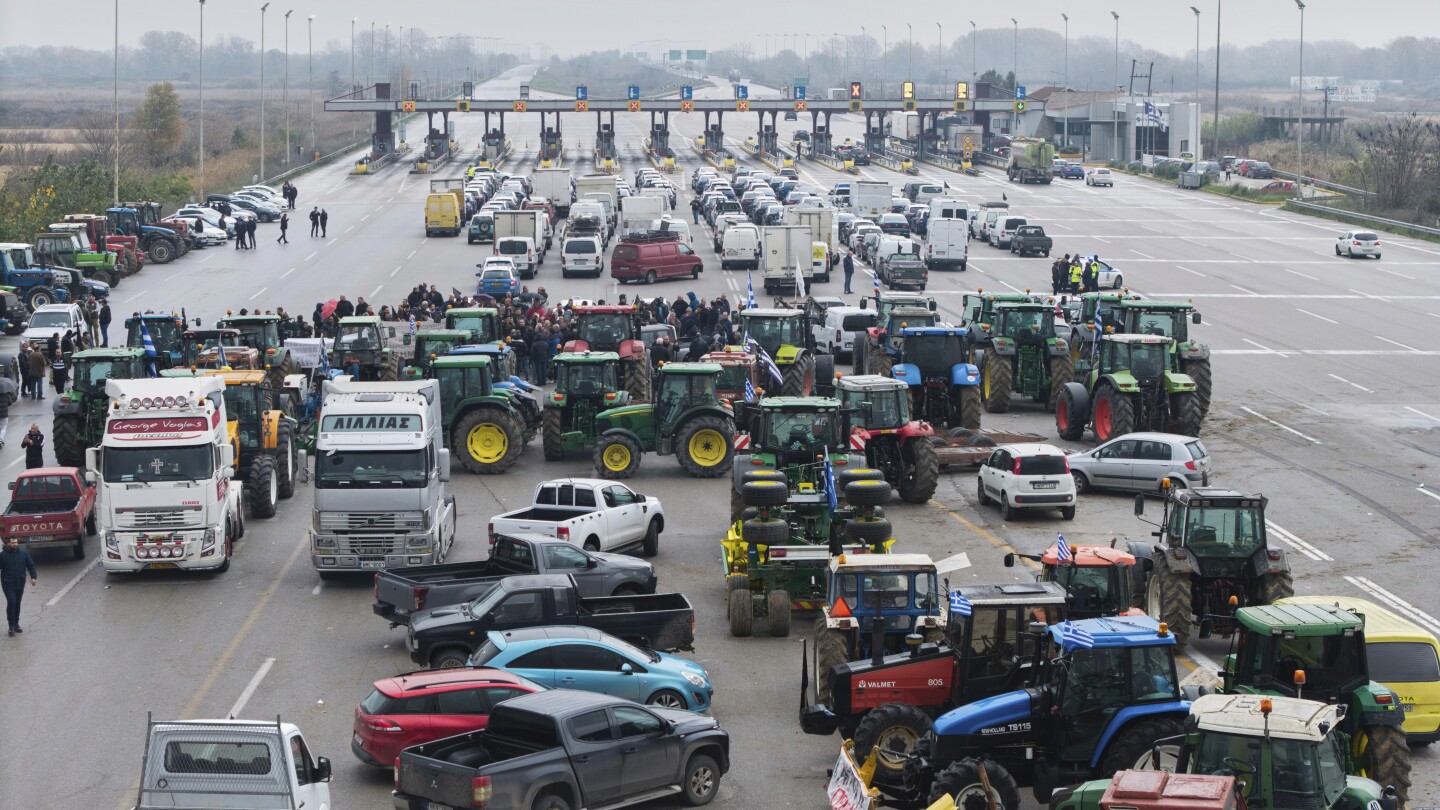
    THESSALONIKI, Greece — Agricultural producers across northern Greece intensified demonstrations Wednesday by deploying tractor convoys to blockade key border crossings, creating significant disruptions to international transit routes. The protests target prolonged delays in European Union subsidy distributions connected to an ongoing corruption investigation that has shaken the nation’s agricultural sector.

    Farmers effectively sealed access points to North Macedonia, Bulgaria, and Turkey, compelling commercial and passenger vehicles to seek extensive alternative routes. This action follows weekend demonstrations where hundreds of agricultural workers mobilized farming equipment to obstruct roadways throughout multiple regions.

    While farmer protests occur periodically in Greece, the current unrest stems specifically from suspended subsidy payments after revelations of extensive fraudulent claims within the EU funding system. The scandal previously triggered the June resignation of five high-ranking government officials and the systematic dismantling of a state agency responsible for managing agricultural subsidies.

    In recent weeks, dozens of individuals have been detained nationwide for allegedly submitting falsified claims. The investigation, directed by the European Public Prosecutor’s Office (EPPO), has uncovered what the independent EU financial crime body describes as “a systematic large-scale subsidy fraud scheme and money-laundering activities” according to their late October statement.

    Greek Minister for Public Order Michalis Chrisochoidis stated this week that while the government maintains willingness to negotiate with protest organizers, it will not permit the shutdown of critical infrastructure including ports and railway hubs.

  • Three French teens drown after car crashes upside down in swimming pool

    Three French teens drown after car crashes upside down in swimming pool

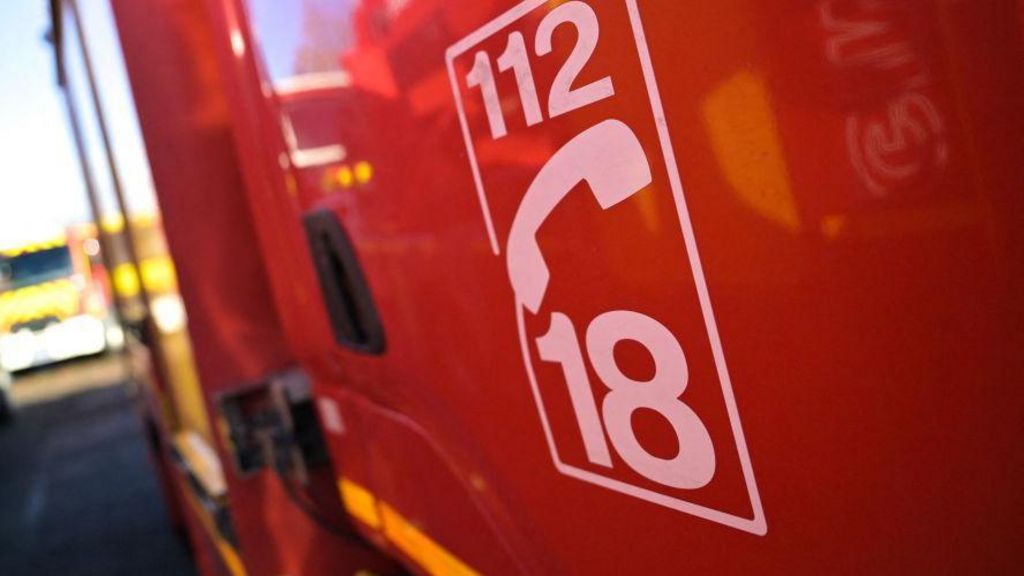
    A horrific automotive accident in southern France has resulted in the tragic drowning deaths of three teenagers whose vehicle plunged into a private swimming pool under extraordinary circumstances. The incident occurred in the town of Alès during the early hours of Wednesday amid heavy rainfall conditions.

    According to official reports from French authorities, the vehicle carrying victims aged 14, 15, and 19 skidded off the roadway, smashed through a low garden wall, and executed a complete inversion before landing upside down in the pool. Public Prosecutor Abdelkrim Grini characterized the event as “the height of horror,” clarifying that the impact itself was not fatal. Instead, the teenagers became trapped within the submerged vehicle, positioned upside down in approximately 1.5 meters of icy water, with doors rendered inoperable due to water pressure and the car’s inverted orientation.

    The vehicle’s dimensions nearly matched those of the pool, creating a perfect trap that prevented escape. Emergency services were not alerted until several hours after the incident, requiring firefighters to drain the pool before extracting both the vehicle and victims. Unconfirmed reports indicate the youngest victim may have been operating the vehicle at the time of the accident.

    Investigators discovered canisters of nitrous oxide—a substance sometimes used recreationally for its light-headed effects—within the vehicle. However, authorities have emphasized the role of an “unbelievable series of circumstances” rather than immediately attributing causation. The victims’ bodies have been transferred to the forensic institute in Nîmes for postmortem examination as part of an ongoing investigation into the precise causes of death.

  • Former EU foreign policy chief Federica Mogherini faces corruption accusations in fraud probe

    Former EU foreign policy chief Federica Mogherini faces corruption accusations in fraud probe

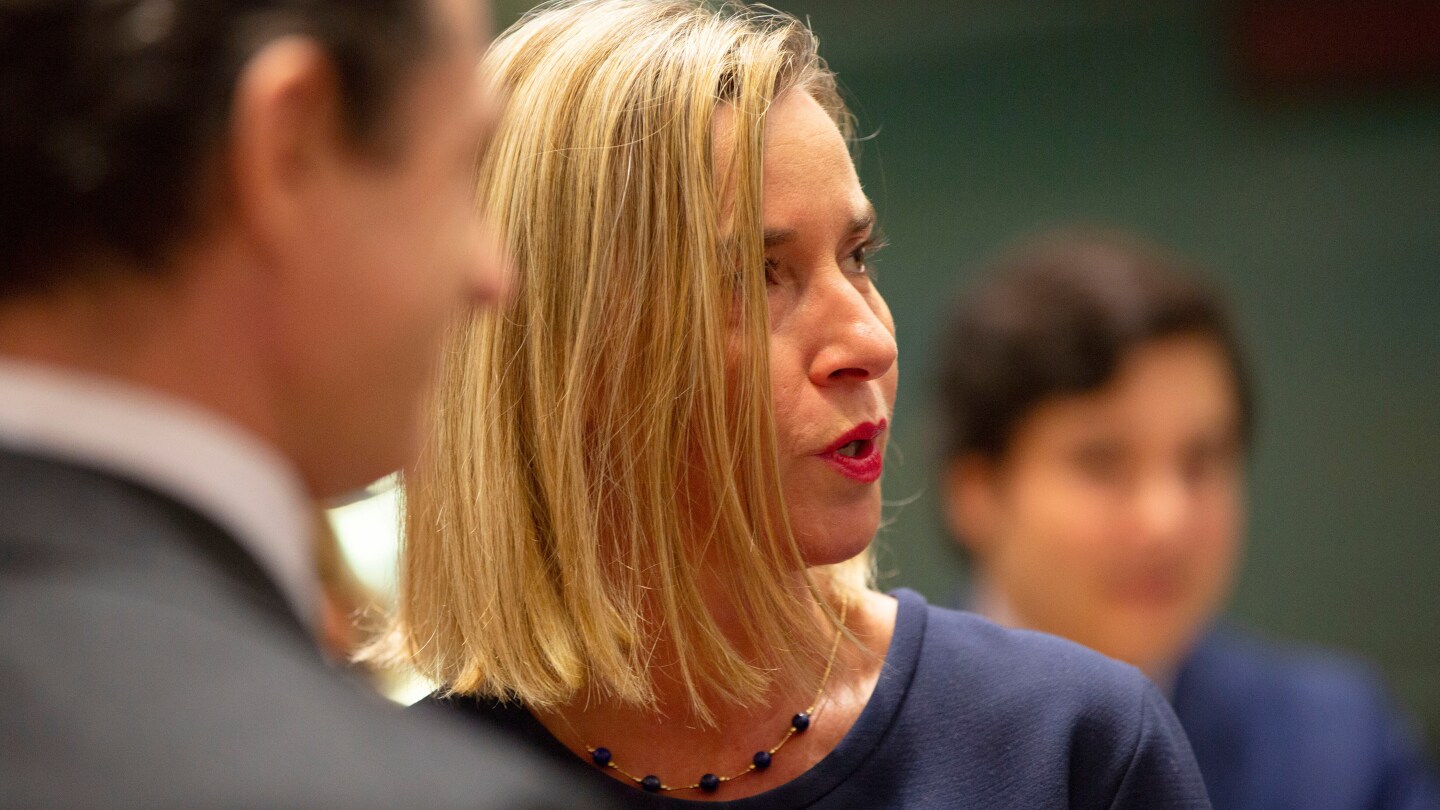
    LUXEMBOURG — The European Union’s former chief diplomat, Federica Mogherini, has been formally implicated in a significant corruption investigation alongside two senior officials, according to an announcement from the European Public Prosecutor’s Office (EPPO) on Wednesday.

    Authorities detained Mogherini, who served as the EU’s High Representative for Foreign Affairs from 2014 to 2019 and currently heads the College of Europe, along with a senior staff member from the prestigious institution and a high-ranking European Commission official. The arrests followed coordinated raids conducted by Belgian federal police on Tuesday targeting multiple locations, including the EU diplomatic service headquarters in Brussels and the College of Europe campus in Bruges.

    The EPPO’s investigation centers on allegations of procurement fraud, corruption, conflict of interest, and breaches of professional secrecy related to a training program contract. After extensive questioning by Belgian judicial authorities, all three individuals were formally notified of the accusations against them before being released, as investigators determined they did not present a flight risk.

    According to the EPPO statement, the probe focuses on “strong suspicions” regarding fraudulent practices in the awarding of a tender for operating a specialized training program at the EU Diplomatic Academy during the 2021-2022 academic year. The training initiative was designed for junior diplomats within the European External Action Service (EEAS), which was under the leadership of Josep Borrell, the current EU foreign policy chief, during the period in question.

    The investigation represents one of the most significant corruption cases involving former high-level EU officials in recent years, potentially undermining public confidence in the bloc’s institutional integrity.

  • Former EU top diplomat Mogherini accused in fraud investigation

    Former EU top diplomat Mogherini accused in fraud investigation

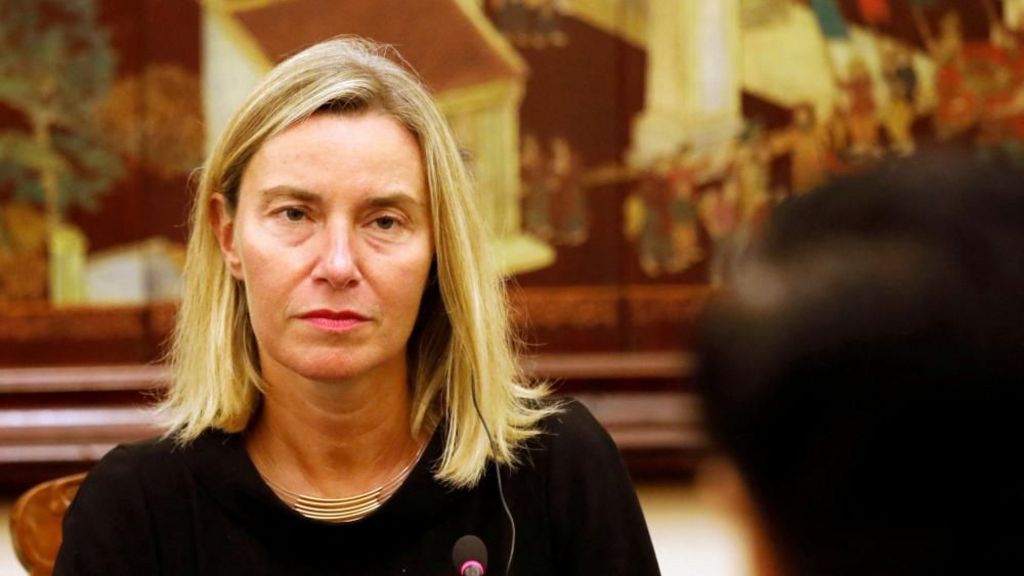
    The European Public Prosecutor’s Office (EPPO) has formally implicated Federica Mogherini, former High Representative of the European Union for Foreign Affairs, in a corruption investigation involving alleged misuse of EU funds. The development marks a significant escalation in the probe targeting the bloc’s diplomatic training programs.

    Law enforcement authorities executed coordinated searches on Tuesday at multiple locations including the College of Europe in Bruges, Belgium, where Mogherini currently serves as rector, and the European External Action Service (EEAS) headquarters in Brussels. The EEAS is the diplomatic service Mogherini led from 2014 to 2019 during her tenure as the EU’s top diplomat.

    The investigation centers on a 2021-2022 tender awarded by the EEAS to the College of Europe for a nine-month training program designed for junior diplomats. Prosecutors have expressed ‘strong suspicions’ of favoritism in the procurement process, with allegations extending to procurement fraud, corruption, conflict of interest, and breaches of professional secrecy.

    Alongside Mogherini, a senior administrator from the College of Europe and a high-ranking European Commission official were detained for questioning. All three suspects were subsequently released without formal charges under Belgian judicial procedures, which permit detention without immediate charging when flight risk is deemed low. Their private residences were also subject to search warrants.

    The EPPO, established to combat crimes against the EU’s financial interests, confirmed that parliamentary immunity had been waived for several individuals involved in the case. While the prosecutor’s office maintained standard protocol by not publicly identifying detained individuals, multiple sources have confirmed Mogherini’s involvement.

    The College of Europe, an independent institution with close ties to EU institutions, receives partial funding from the bloc and serves as a traditional training ground for aspiring European civil servants. The current investigation represents one of the most high-profile corruption cases involving former EU leadership in recent years.

  • Steve Rosenberg: Putin showing no signs of compromise

    Steve Rosenberg: Putin showing no signs of compromise

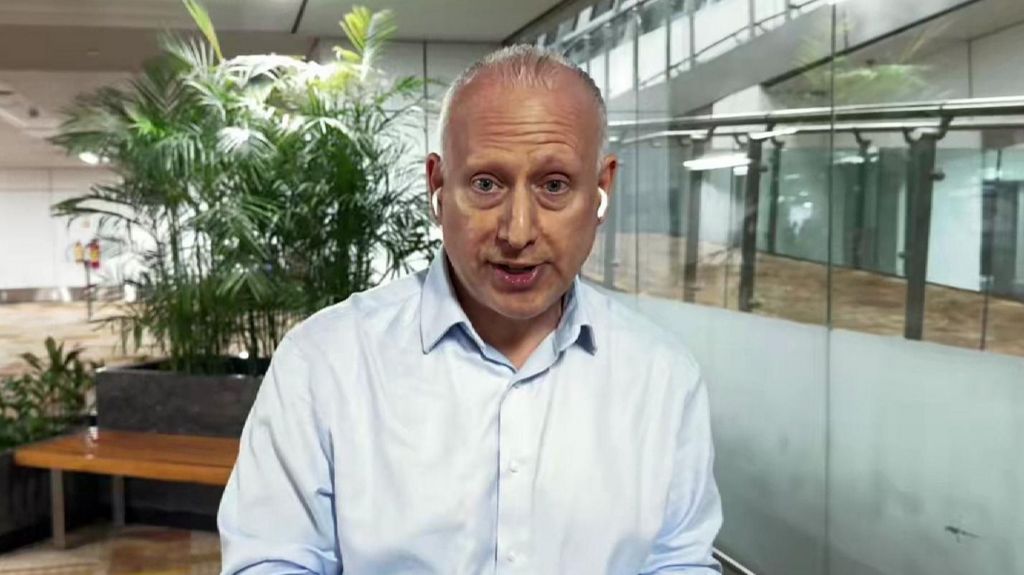
    Following an intensive five-hour diplomatic session between Russian and American officials, BBC’s Russia Editor Steve Rosenberg reports that President Vladimir Putin demonstrates no indications of willingness to make concessions. The high-level peace talks, which addressed critical security concerns and ongoing geopolitical tensions, revealed a persistent deadlock as the Russian leadership continues to assert its fundamental demands without showing flexibility.

    Rosenberg’s expert analysis indicates that Moscow’s negotiating position remains fundamentally unchanged despite international pressure and diplomatic efforts. The discussions, which represented one of the most significant direct engagements between the two nuclear powers in recent months, failed to produce any breakthrough regarding Eastern European security arrangements or other contentious issues.

    The Russian delegation reportedly reiterated its core security requirements, including guarantees against NATO expansion eastward, while American officials maintained their commitment to the alliance’s open-door policy. This fundamental disagreement creates a substantial obstacle to meaningful progress, with both sides acknowledging the significant gap between their respective positions.

    Observers note that the extended duration of the talks suggests both parties recognize the gravity of the situation and the potential consequences of failed diplomacy. However, the absence of tangible results following the marathon session underscores the deep divisions and complex challenges facing international efforts to de-escalate tensions between Moscow and Western nations.

  • EU updates asylum guidance for Syrians a year after Assad’s fall

    EU updates asylum guidance for Syrians a year after Assad’s fall

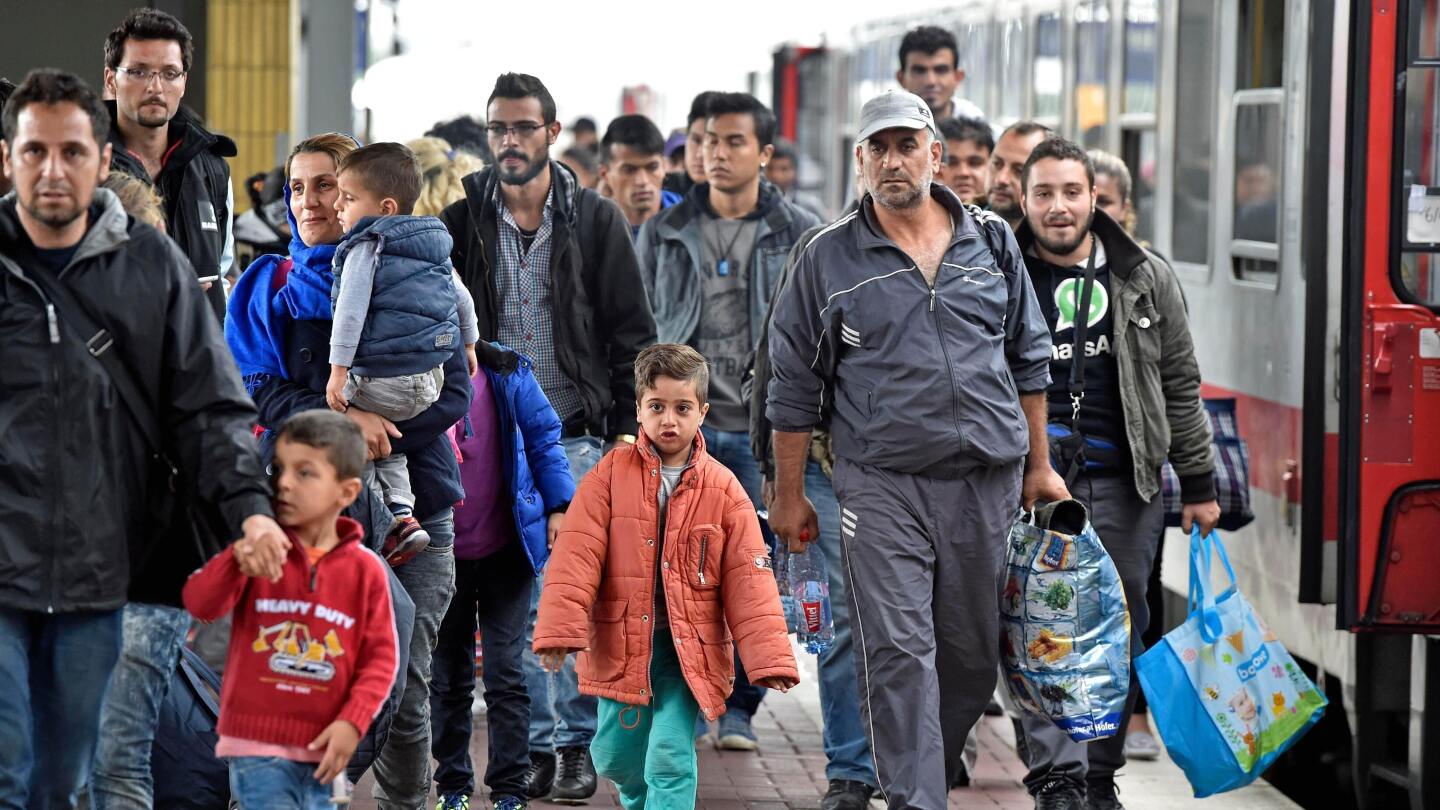
    BARCELONA, Spain — The European Union has implemented significant revisions to its asylum application guidelines for Syrian nationals, reflecting the transformed political landscape one year after the collapse of Bashar Assad’s regime. These updated directives, issued Wednesday by the European Union Agency for Asylum, could substantially impact the pending applications of approximately 110,000 Syrians awaiting asylum decisions across EU member states.

    The new guidance indicates that individuals who opposed Assad’s government or evaded military service no longer face automatic presumption of persecution risk. Conversely, the agency identifies several vulnerable groups that may still qualify for international protection, including former government affiliates and members of specific ethnic-religious minorities such as Alawites, Christians, and Druze communities.

    While asylum determinations remain within national jurisdiction, these EU-wide recommendations aim to foster greater consistency among the 27 member states plus Norway and Switzerland in granting international protection. Statistical data reveals a dramatic decline in Syrian asylum seekers, dropping from 16,000 monthly applications in October 2024 to just 3,500 by September 2025, though Syrians still constitute the largest group with pending cases.

    The agency characterizes Syria’s current situation as ‘improved but volatile’ since Assad’s ouster in December 2024, noting that ‘indiscriminate violence continues’ in certain regions. Despite the capital Damascus being deemed secure, recent sectarian violence in coastal areas and Sweida province has resulted in hundreds of casualties.

    Additional groups maintaining refugee eligibility include LGBTQ+ individuals and Palestinians in Syria who have lost UN assistance and protection. According to UNHCR data, over one million refugees and nearly two million internally displaced persons have returned to Syria since the regime change, marking a complex humanitarian transition following a conflict that claimed approximately 500,000 lives and displaced half the country’s pre-war population.

  • Belgium urges Europe to drop plan for frozen Russian assets to aid Ukraine

    Belgium urges Europe to drop plan for frozen Russian assets to aid Ukraine

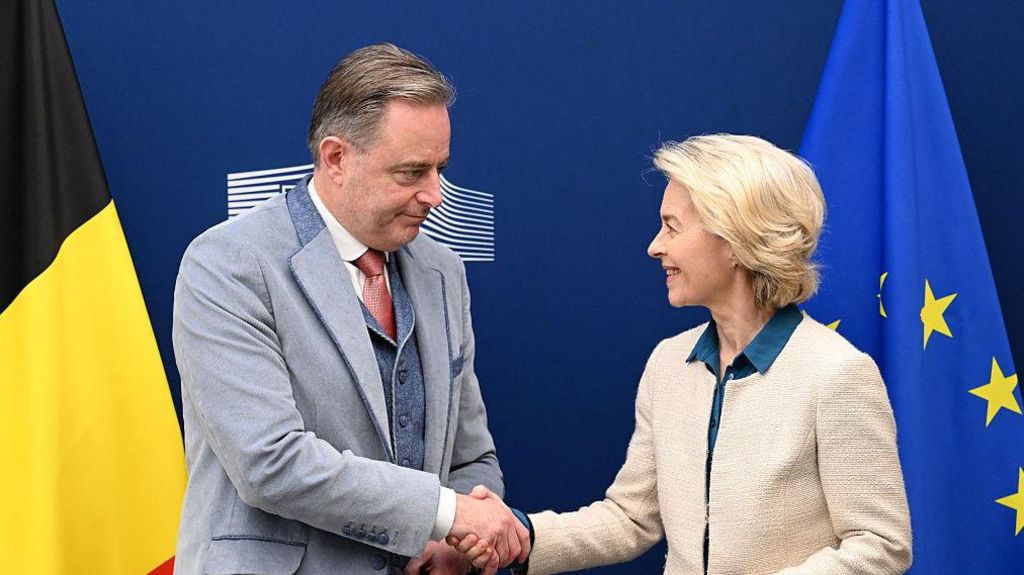
    Belgium has launched a forceful diplomatic offensive against the European Union’s controversial proposal to transform frozen Russian state assets into a reparations loan for Ukraine, warning the scheme could trigger national bankruptcy and decades of litigation. The escalating confrontation pits Belgian leadership against German Chancellor Friedrich Merz and EU institutional leaders who champion the €140 billion plan.

    Prime Minister Bart De Wever has formally written to European Commission President Ursula von der Leyen declaring the proposal “fundamentally wrong,” while Foreign Minister Maxime Prévot articulated specific legal and financial perils. Their central concern stems from Belgium hosting €185 billion of the €210 billion in frozen Russian assets at Euroclear, the Brussels-based securities depository, making the nation disproportionately vulnerable to Russian legal retaliation.

    “If Russia takes us to court, it will have every chance of winning,” Prévot stated bluntly. “We, Belgium, will not be able to repay those €200 billion because that represents the equivalent of an entire year of the federal budget. It would mean bankruptcy for Belgium.”

    The Belgian government proposes an alternative approach: the EU should borrow required funds on international markets using provisions within the existing shared budget of member states. This structure would distribute financial risk across the bloc rather than concentrating liability on Belgium.

    Legal experts substantiate Belgium’s concerns. Professor Veerle Colaert of KU Leuven University explained that Euroclear maintains contractual obligations to repay the Russian Central Bank upon demand, currently prevented only by sanctions. “If sanctions are lifted and Euroclear hasn’t got the money because it’s being lent to the EU,” Colaert noted, “Belgium would have to step in, but the amount involved is simply too large.”

    Russia has amplified pressure through Andrei Kostin, president-chairman of state-owned VTB Bank, who threatened “half a century of litigation” should the EU proceed. Moscow condemns the proposal as unacceptable seizure that would fund warfare rather than peace.

    The European Commission had intended to present a legal framework by late November, but public disagreements have delayed the process. With EU leaders scheduled to vote on the proposal at an upcoming Brussels summit, the deep divisions suggest a resolution remains uncertain as member states balance Ukraine’s urgent needs against financial stability and legal integrity.

  • Europeans accuse Putin of faking interest in peace after talks with US envoys

    Europeans accuse Putin of faking interest in peace after talks with US envoys

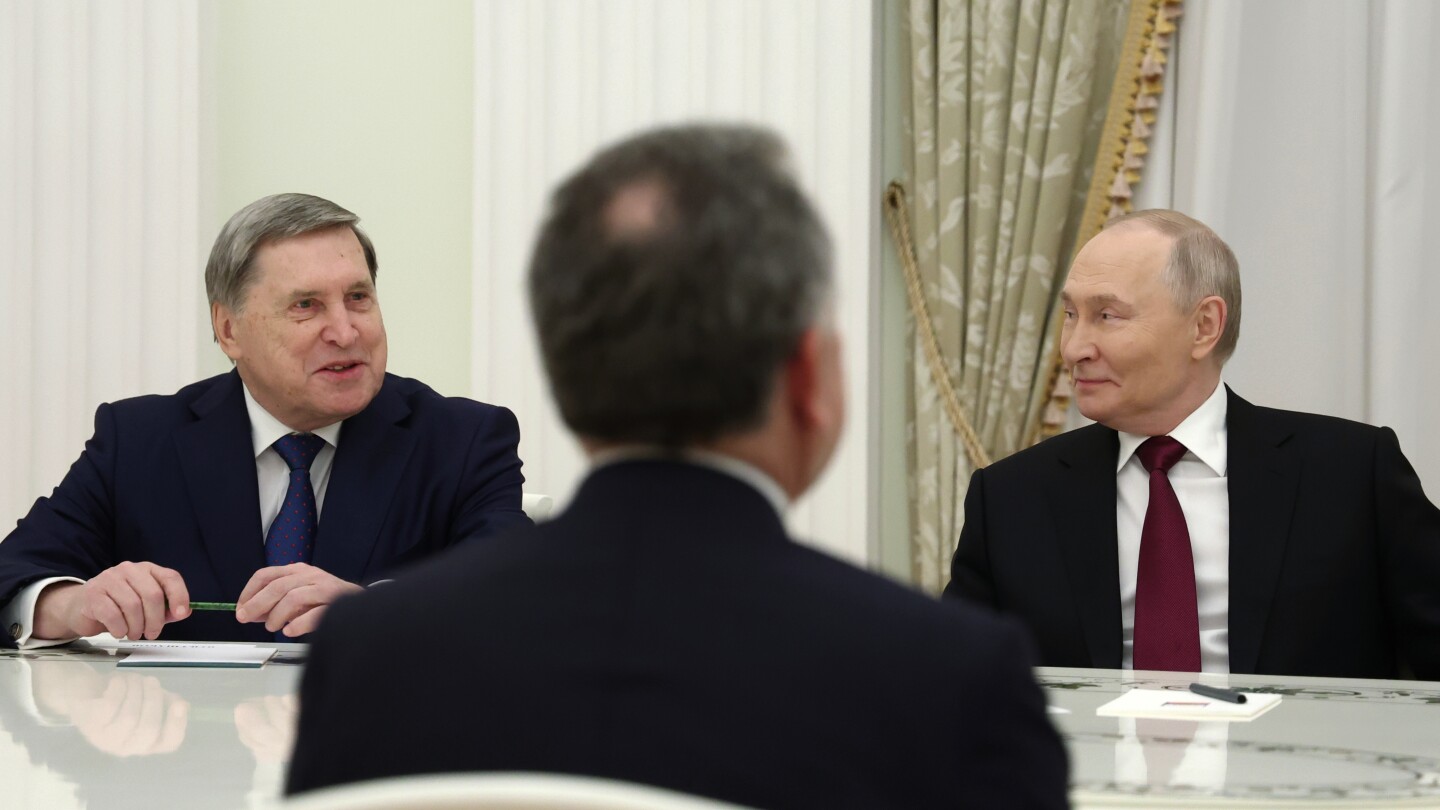
    Diplomatic efforts to resolve the Ukraine conflict reached an impasse Wednesday as European and Ukrainian officials accused Russian President Vladimir Putin of feigning interest in peace negotiations following inconclusive talks with U.S. envoys at the Kremlin.

    The five-hour meeting between Putin and U.S. President Donald Trump’s special envoy Steve Witkoff and senior adviser Jared Kushner produced no tangible breakthroughs, though both sides agreed to continue discussions. The negotiations represent the latest attempt by the renewed Trump administration to broker a settlement to the nearly four-year conflict that has defresolution since Russia’s February 2022 invasion.

    Ukrainian Foreign Minister Andrii Sybiha characterized the Russian leader’s engagement as disingenuous, stating Putin should ‘stop wasting the world’s time.’ This sentiment was echoed by U.K. Foreign Secretary Yvette Cooper, who urged the Russian president to ‘end the bluster and the bloodshed and be ready to come to the table and to support a just and lasting peace.’

    The core disagreement remains the status of occupied Ukrainian territories, with both Moscow and Kyiv refusing to compromise on territorial sovereignty. Yuri Ushakov, a senior Putin adviser, acknowledged that ‘so far, a compromise hasn’t been found’ on this fundamental issue, without which the Kremlin sees ‘no resolution to the crisis.’

    European officials expressed growing skepticism about Moscow’s intentions. Estonian Foreign Minister Margus Tsahkna noted that Putin ‘has not changed any course’ and is ‘pushing more aggressively on the battlefield,’ while Finnish counterpart Elina Valtonen called for immediate confidence-building measures including ‘a full ceasefire.’

    As diplomatic efforts faltered, military actions intensified. Russia launched 111 strike and decoy drones at Ukraine overnight, with attacks in the Dnipropetrovsk region killing two civilians and injuring three others. Ukraine’s air defenses reportedly destroyed 102 Russian drones in reciprocal operations.

    NATO allies simultaneously announced enhanced military support for Ukraine, with Canada, Germany, Poland, and the Netherlands committing hundreds of millions of dollars collectively to purchase U.S. weapons for Kyiv. NATO Secretary-General Mark Rutte emphasized the alliance’s dual approach: continuing peace talks while ensuring Ukraine maintains ‘the strongest possible position to keep the fight going.’

    The situation remains volatile both diplomatically and militarily, with no immediate path to resolution evident as casualties mount and destruction continues across the conflict zone.

  • Belgium rejects EU plan to use frozen Russian assets for Ukraine, saying the move is too risky

    Belgium rejects EU plan to use frozen Russian assets for Ukraine, saying the move is too risky

    BRUSSELS — In a significant development within European Union policymaking, Belgium has formally opposed a controversial proposal to utilize frozen Russian assets as collateral for financing Ukraine’s reconstruction and military needs. The plan, championed by the European Commission, sought to address Ukraine’s projected budget shortfall of approximately 130 billion euros ($150 billion) for 2026-2027 through an innovative “reparations loan” mechanism.

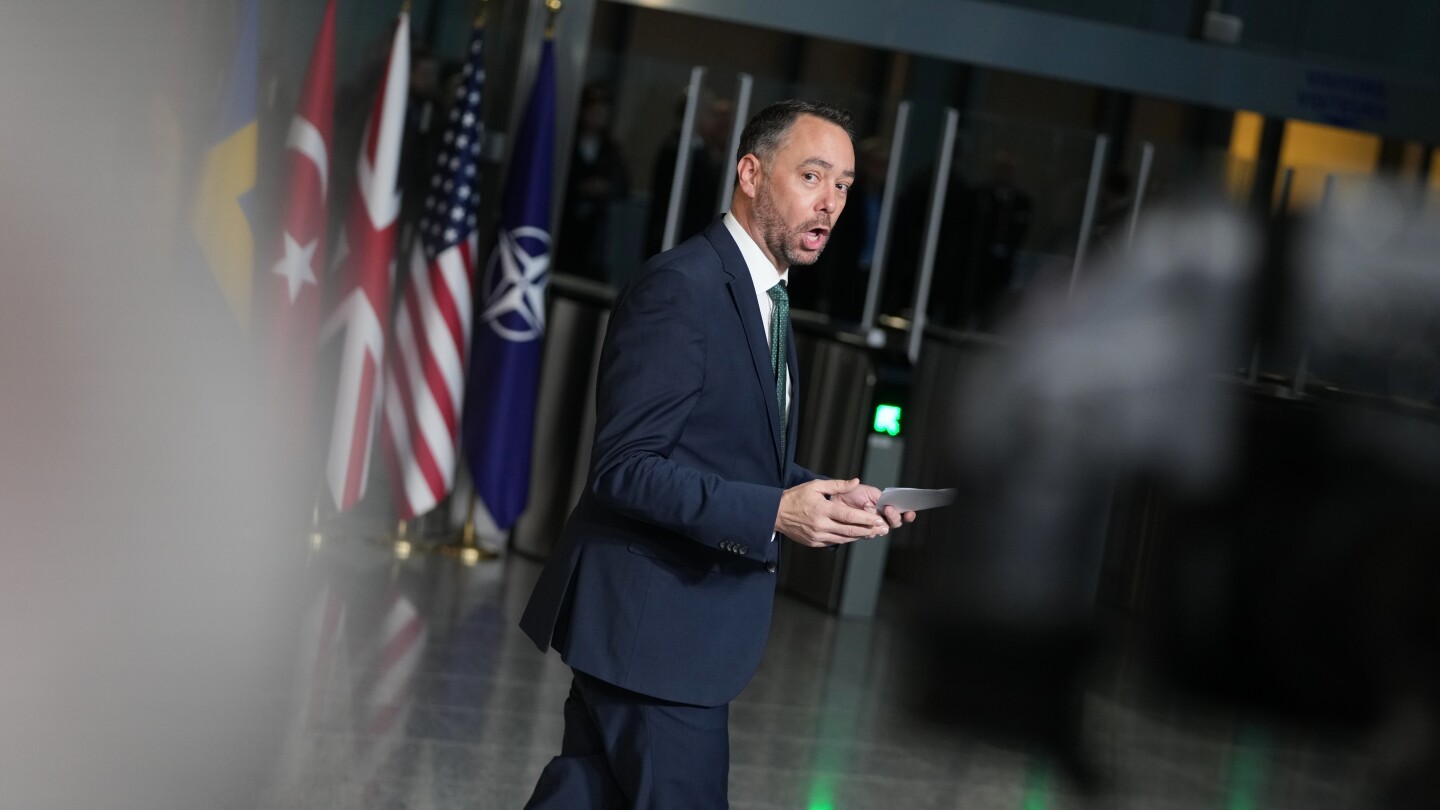
    Belgian Foreign Minister Maxime Prévot articulated his nation’s firm stance during remarks at NATO headquarters, characterizing the proposed scheme as “the worst of all options” due to its unprecedented nature and substantial risks. Prévot emphasized that Belgium considers the plan fraught with “consequential economic, financial and legal risks” that remain unaddressed in current proposals.

    The heart of Belgium’s concern lies with Euroclear, the Brussels-based financial clearing house currently holding approximately 194 billion euros in frozen Russian assets as of June. Belgian authorities fear potential legal repercussions should Moscow challenge the asset utilization, alongside possible damage to Euroclear’s international reputation and business operations. Prévot noted that Belgium has derived some tax revenue from these frozen assets, with accrued interest already contributing to a G7-organized loan program for Ukraine.

    Instead of the reparations loan framework, Belgium advocates for conventional international market borrowing to meet Ukraine’s financial requirements. Prévot described this alternative as “a well-known, robust and well-established option with predictable parameters” that would avoid potentially disastrous consequences for member states.

    The Belgian position highlights emerging tensions within EU solidarity mechanisms, with Prévot explicitly stating that Belgium seeks “to avoid potential disastrous consequences for a member state that is being asked to show solidarity without being offered the same solidarity in return.”

    This development occurs against the backdrop of broader concerns, including those raised by the European Central Bank regarding potential erosion of confidence in the euro should the reparations loan proceed. EU leaders are scheduled to deliberate further on Ukraine’s economic and military requirements during their upcoming summit in Brussels on December 18.