标签: Europe

欧洲

  • Russia restricts FaceTime, its latest step in controlling online communications

    Russia restricts FaceTime, its latest step in controlling online communications

    In a significant escalation of Russia’s digital sovereignty campaign, authorities have imposed sweeping restrictions on Apple’s FaceTime video calling service and completely blocked Snapchat’s messaging platform. The move, announced Thursday by state internet regulator Roskomnadzor, represents the latest phase in Moscow’s systematic effort to control online communications.

    Roskomnadzor justified these measures by alleging both platforms have been ‘utilized to orchestrate terrorist operations within national territory, recruit perpetrators, execute fraudulent schemes, and commit various crimes targeting Russian citizens.’ Apple maintained its silence regarding the restrictions, not responding to requests for commentary.

    This development continues a pattern of digital repression that has intensified dramatically since Russia’s full-scale invasion of Ukraine in 2022. The Kremlin has methodically eliminated major Western social media platforms including Twitter, Facebook, and Instagram while simultaneously developing domestic alternatives that prioritize state surveillance capabilities.

    The technological crackdown extends beyond social media to essential communication tools. Throughout 2024, Russian authorities have progressively restricted encrypted messaging platforms including Signal, Viber, WhatsApp, and Telegram—previously among the most widely used communication applications in the country.

    Parallel to these restrictions, the government has aggressively promoted MAX, a state-endorsed ‘national’ messenger application that critics characterize as a sophisticated surveillance mechanism. Unlike international platforms employing end-to-end encryption, MAX openly declares its compliance with government data requests and facilitates integration with state services and payment systems.

    Earlier this week, the censorship apparatus expanded to include Roblox, a popular gaming platform with approximately 8 million monthly Russian users. Officials justified this blockade as necessary to protect minors from predatory behavior and inappropriate content.

    Legal expert Stanislav Seleznev of digital rights organization Net Freedom explained that Russian legislation categorizes any platform enabling user messaging as ‘organizers of information dissemination.’ This classification mandates compliance with Roskomnadzor registration requirements and grants the FSB security service unrestricted access to user communications. Platforms refusing cooperation face inevitable blocking, Seleznev confirmed.

    The digital landscape in Russia has transformed into a tightly controlled ecosystem where VPN services struggle against sophisticated blocking mechanisms, regional internet shutdowns occur routinely, and government-approved ‘white lists’ determine accessible online content. While officials claim these measures counter security threats, digital rights advocates recognize them as components of an comprehensive internet control strategy.

  • Former EU foreign policy chief facing fraud probe resigns as head of the College of Europe

    Former EU foreign policy chief facing fraud probe resigns as head of the College of Europe

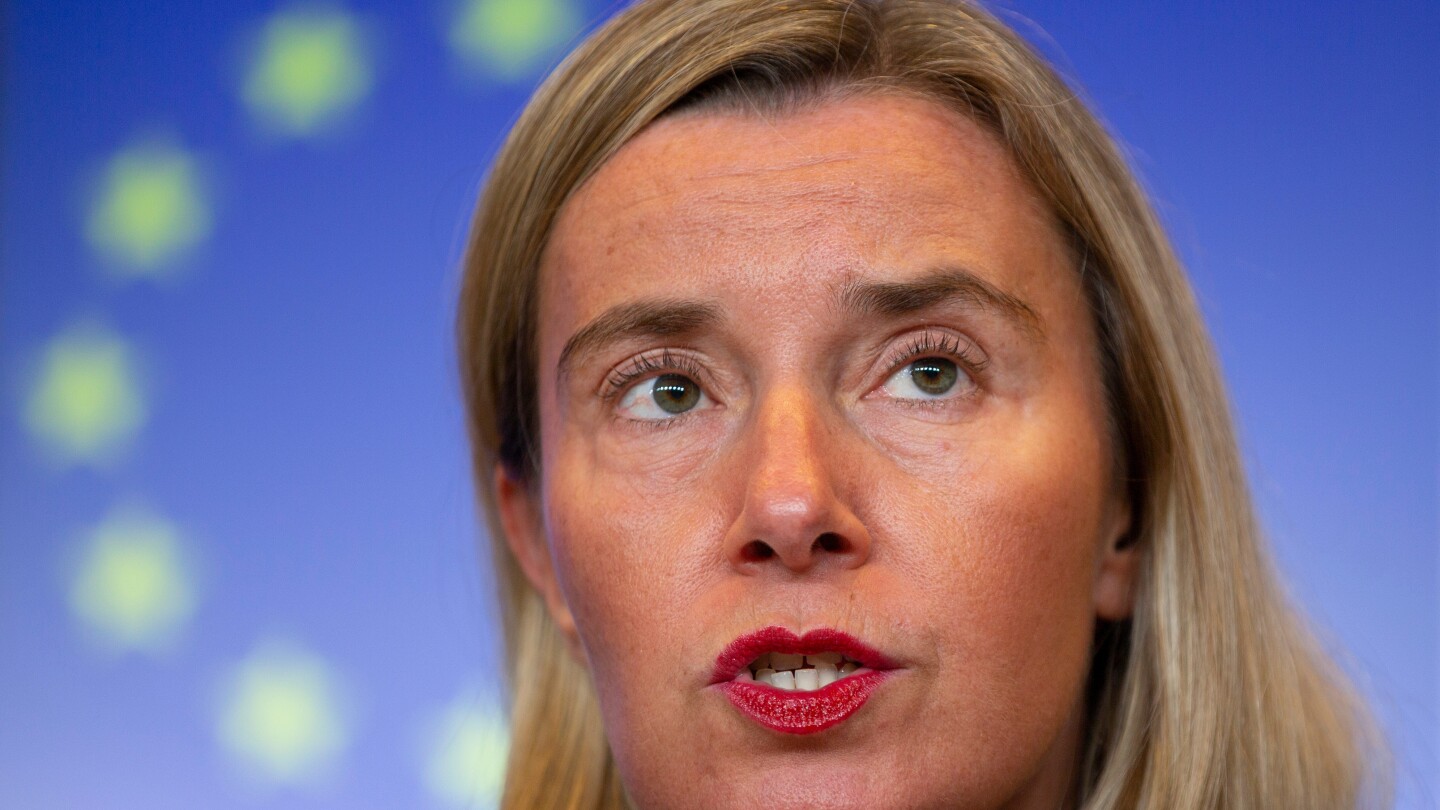
    BRUSSELS — Federica Mogherini, the European Union’s former foreign policy chief, has resigned from her leadership role at the prestigious College of Europe following her involvement in a burgeoning fraud investigation. The announcement came Thursday as Belgian authorities continue their probe into alleged procurement irregularities at the institution.

    Mogherini stepped down from her dual positions as Rector of the Bruges-based College of Europe and Director of the European Union Diplomatic Academy. In her resignation statement, she emphasized her commitment to “utmost rigor and fairness” in fulfilling her duties but provided no specific explanation for her departure.

    The investigation escalated Tuesday when Belgian federal police conducted simultaneous raids at both the EU diplomatic service headquarters in Brussels and the College of Europe campus in Bruges. Mogherini was detained for questioning along with a senior college administrator and a European Commission official. All three were subsequently released after investigators determined they presented no flight risk.

    According to the European Public Prosecutor’s Office, the investigation centers on multiple allegations including procurement fraud, corruption, conflict of interest, and breaches of professional secrecy. The probe examines potential misconduct in the awarding of contracts and management of funds at the esteemed institution known for training Europe’s future diplomats.

    Despite the serious allegations, Mogherini expressed pride in her accomplishments during her tenure and gratitude for the support received from students, faculty, and alumni. The College of Europe, established in 1949, has long served as a premier educational institution for European affairs and international relations.

  • WhatsApp faces European antitrust investigation over artificial intelligence

    WhatsApp faces European antitrust investigation over artificial intelligence

    The European Commission has initiated a formal antitrust investigation into WhatsApp’s artificial intelligence policies, raising concerns about potential anti-competitive practices in the rapidly evolving AI sector. The probe focuses on Meta Platforms’ messaging service and its recent policy changes regarding third-party AI integration.

    European regulators expressed specific apprehension about WhatsApp’s move to potentially limit access for external AI providers while maintaining privileged status for its own AI chatbot service. The investigation stems from a policy update implemented by the Facebook-owned messaging platform that could effectively block rival AI companies from offering their artificial intelligence assistants to WhatsApp’s extensive user base.

    The European Commission, serving as the executive arm of the 27-nation bloc, announced the investigation Thursday amid growing concerns about Big Tech companies potentially stifling innovation and competition in the artificial intelligence landscape. The probe will encompass all EU member states with the exception of Italy, where national authorities have already launched their own separate examination of WhatsApp’s AI practices.

    Teresa Ribera, Commission Vice President responsible for competition policy, emphasized the urgency of preventing dominant technology firms from excluding innovative competitors. “We are investigating whether Meta’s new policy might violate competition regulations, and whether immediate action is necessary to prevent potential irreparable damage to competition in the AI domain,” Ribera stated in an official press release.

    The investigation comes after WhatsApp finally launched its AI chatbot feature for European users in March, following previous delays. Meta Platforms has not immediately responded to requests for comment regarding the newly announced antitrust proceedings.

  • UK sanctions Russia’s GRU spy agency over 2018 nerve agent attack

    UK sanctions Russia’s GRU spy agency over 2018 nerve agent attack

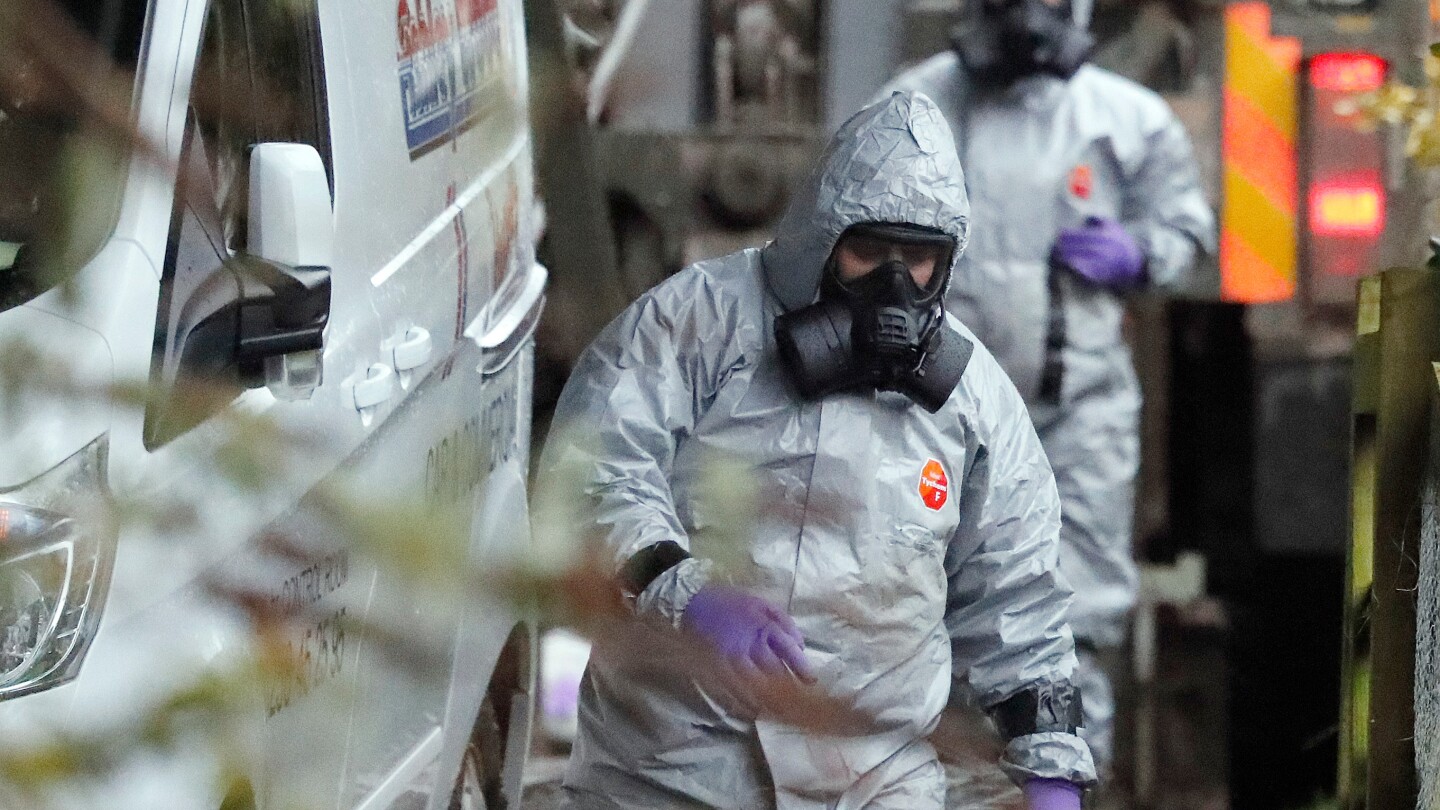
    The British government has imposed comprehensive sanctions against Russia’s GRU intelligence agency and summoned Moscow’s ambassador following an official inquiry that established President Vladimir Putin’s direct responsibility for the 2018 nerve agent attack on British territory.

    An investigation led by former UK Supreme Court Justice Anthony Hughes concluded that the assassination attempt targeting former Soviet agent Sergei Skripal in Salisbury was “authorized at the highest level” by the Russian president. The attack severely injured Skripal and his daughter Yulia through exposure to the military-grade nerve agent Novichok.

    The inquiry further determined that Dawn Sturgess, a British civilian who subsequently died after encountering a discarded perfume container containing the chemical weapon, represented “an innocent victim of an attempt by officers of a Russian state organization.” Her partner and police officer Nick Bailey also suffered serious medical complications but survived the exposure.

    In addition to sanctioning the GRU in its entirety, the UK Foreign Office identified eight alleged cyber military intelligence officers accused of targeting Yulia Skripal with malware half a decade prior to the Novichok incident.

    Prime Minister Keir Starmer characterized the findings as “a grave reminder of the Kremlin’s disregard for innocent lives,” stating that Sturgess’ “needless death was a tragedy and will forever be a reminder of Russia’s reckless aggression.” Moscow continues to deny any involvement in the chemical weapons incident.

  • UK and Norway form naval alliance to hunt Russian submarines

    UK and Norway form naval alliance to hunt Russian submarines

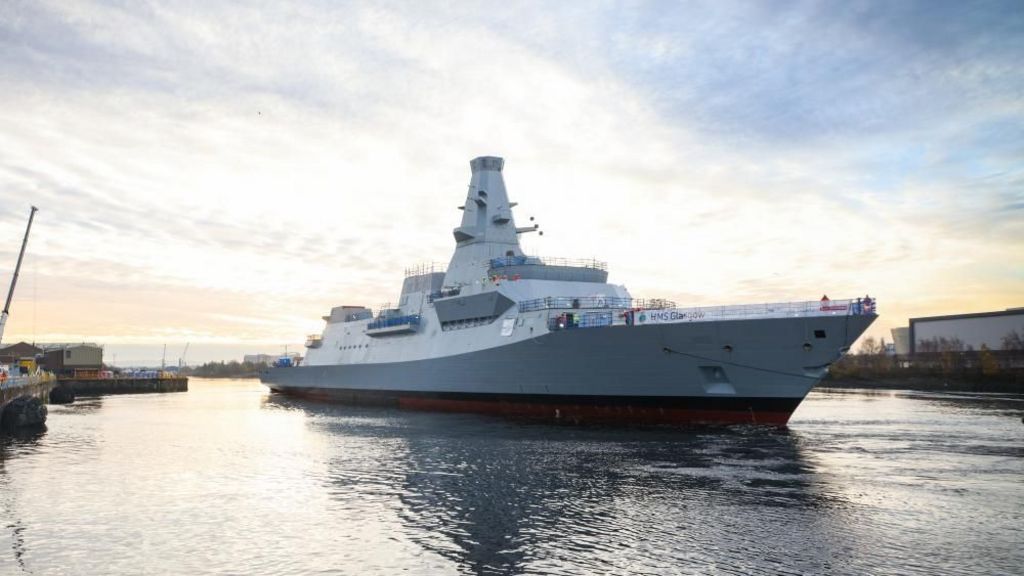
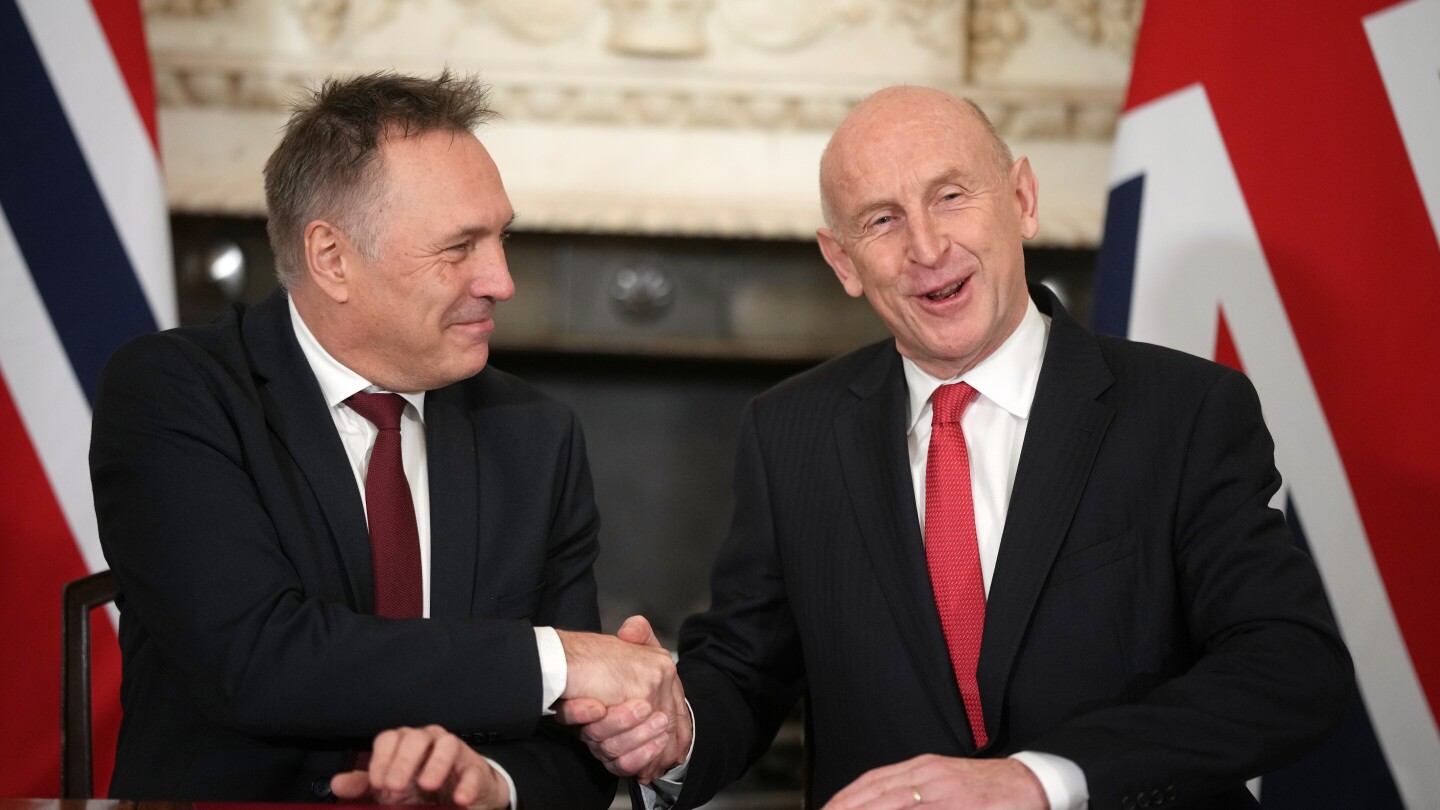
    In a significant strategic move, the United Kingdom and Norway have formalized a comprehensive defense pact aimed at safeguarding critical undersea infrastructure from growing Russian naval activities. The agreement, signed at RAF Lossiemouth in northern Scotland, establishes a joint fleet operation between the two NATO allies specifically designed to monitor and deter Russian submarine operations in the North Atlantic.

    The Lunna House Agreement—named after the World War Two Norwegian resistance base in the Shetland Isles—comes amid a documented 30% increase in Russian vessel sightings in UK waters over the past two years. British officials express particular concern about the vulnerability of undersea data cables and energy pipelines, which form the backbone of Britain’s communications and energy networks.

    The collaborative fleet will comprise at least 13 advanced anti-submarine warfare vessels, including at least five Norwegian ships and the Royal Navy’s new Type-26 frigates. These warships will patrol the critical waters between Greenland, Iceland, and the United Kingdom—a region known as the GIUK Gap that serves as a strategic chokepoint for Russian naval movements.

    Prime Minister Keir Starmer hailed the partnership as “historic,” emphasizing its role in strengthening collective security. The agreement extends beyond joint patrols to include comprehensive military cooperation: shared war gaming exercises, deployment of UK-built Sting Ray torpedoes, training of Royal Marines in Norwegian sub-zero conditions, and technological collaboration on uncrewed mine hunting systems.

    Notably, the Royal Navy will integrate advanced Norwegian Naval Strike Missiles capable of neutralizing enemy vessels at ranges exceeding 100 miles. This enhancement addresses recent parliamentary concerns about UK over-reliance on American defense resources.

    The pact responds to heightened anxieties following multiple incidents involving Russian vessels, including the spy ship Yantar, which has been accused of targeting RAF aircraft with lasers and suspected of mapping undersea infrastructure. While Russia maintains that Yantar serves as an oceanic research vessel, Western intelligence agencies regard it as a significant threat to transatlantic security.

    This bilateral agreement builds upon a £10 billion warship deal signed in September and represents a concrete NATO response to evolving undersea threats in the aftermath of Russia’s invasion of Ukraine.

  • Lithuanian court convicts the leader of a governing party of inciting hatred against Jews

    Lithuanian court convicts the leader of a governing party of inciting hatred against Jews

    A Vilnius district court has delivered a landmark verdict against Remigijus Žemaitaitis, leader of the coalition partner Nemuno Aušra party, convicting him Thursday for antisemitic hate speech and Holocaust minimization. The court imposed a €5,000 fine—significantly below prosecutors’ requested €51,000 penalty—for comments deemed to have “incited hatred against Jews” and “grossly downplayed Nazi Germany’s crimes.

    The case centered on inflammatory social media posts from May-June 2023, including one comparing the demolition of Palestinian schools to “pastime” activities for Lithuanian Jews, alongside antisemitic nursery rhymes and historically distorted World War II references. Judge Nida Vigelienė condemned Žemaitaitis’s language as “degrading, violating human dignity and demonstrating hatred.”

    Despite having resigned from parliament in 2024 following a constitutional court ruling that he violated his oath, Žemaitaitis returned to politics through elections last year. His populist party subsequently joined the center-left Social Democrats’ governing coalition, though he holds no cabinet position.

    The convicted leader, absent during proceedings, denounced the verdict as “politicized” and plans to appeal. Meanwhile, the Social Democrats issued a Facebook statement condemning antisemitism and Holocaust denial as incompatible with party values, while acknowledging the non-final status of the ruling.

  • Henry Zeffman: Less than meets the eye to Starmer’s words on Brexit

    Henry Zeffman: Less than meets the eye to Starmer’s words on Brexit

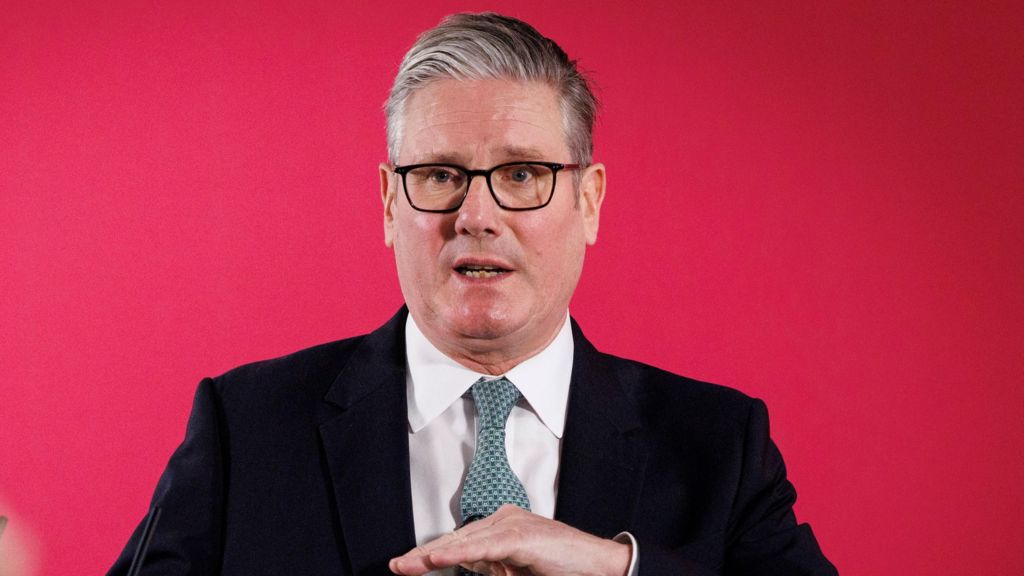
    In a notable rhetorical pivot, British Prime Minister Keir Starmer has initiated a deliberate campaign to advocate for enhanced economic collaboration with the European Union, while simultaneously affirming his commitment to the fundamental structure of the post-Brexit settlement. This nuanced positioning represents Starmer’s most explicit acknowledgment to date that the current Brexit agreement has adversely impacted Britain’s economic landscape.

    The Prime Minister articulated this stance across multiple high-profile platforms on Monday, including an op-ed in The Guardian and speeches to influential audiences. He characterized the implementation of Brexit as ‘botched’ and lamented the ‘wild promises’ made to the British public that remained unfulfilled. ‘One element of our economic renewal will be continuing to move towards a closer trading relationship with the EU,’ Starmer declared, marking a significant evolution from his previous cautious approach to EU relations.

    Despite this rhetorical shift, government sources emphasize that substantial policy changes remain unlikely. During Wednesday’s Prime Minister’s Questions, Starmer reaffirmed that remaining outside the single market and customs union constitute ‘clear red lines’ for his administration. The apparent contradiction between rhetoric and policy reflects a carefully calibrated strategy to prepare the ground for incremental improvements in specific sectors rather than wholesale renegotiation.

    Current negotiations focus on technical enhancements including streamlined food checks, carbon tariff agreements, and potential youth mobility schemes. The recent cabinet appointment of Nick Thomas-Symonds, who has overseen EU negotiations, has sparked speculation about more ambitious goals, though government insiders characterize this as organizational restructuring rather than policy shift.

    Within government circles, a quiet debate persists regarding the possibility of customs union reintegration. Some advisors, including Starmer’s chief economics adviser Baroness Shafik, reportedly advocate rejoining the customs union as the most straightforward method to stimulate economic growth. However, practical obstacles remain substantial, including potential EU demands for concessions and the sacrifice of Britain’s independent trade policy—a cornerstone of the government’s current international approach.

    Politically, Labour strategists detect shifting public attitudes toward Brexit. According to one ‘red wall’ MP representing a strongly pro-Leave constituency: ‘It’s much less visceral than it was. Even in constituencies like mine there’s space to go quite far. The single market is a non-starter because you reopen the immigration issue. But there’s space to rejoin the customs union. It’s about trade. No-one is going to object to better trade.’

    This assessment finds support in recent polling indicating majority public belief that leaving the EU was mistaken. A cabinet minister noted the changing political landscape: ‘Brexit is becoming like the Iraq War. Lots of people supported it at the time but now you can’t find anyone who admits to it.’

    The government’s calibrated approach reflects both economic pragmatism and political calculation, seeking to appeal to progressive voters desiring closer EU ties while avoiding alienation of traditional Brexit supporters. This balancing act will likely define Britain’s evolving relationship with Europe throughout Starmer’s premiership.

  • Norway donates a Christmas tree to London every year. Here’s how the tradition began

    Norway donates a Christmas tree to London every year. Here’s how the tradition began

    LONDON — The iconic Christmas tree in Trafalgar Square was ceremoniously illuminated on Thursday, marking the continuation of a profound seven-decade tradition between London and Oslo. This annual lighting ceremony represents far more than seasonal decoration—it stands as an enduring symbol of international friendship forged during World War II.

    The tradition originated in 1947 when Norway began gifting Christmas trees to Britain in gratitude for London’s support during the Nazi occupation. When Germany invaded Norway in 1940, King Haakon VII and his government established a government-in-exile in London. The BBC’s Norwegian-language broadcasts became a critical information lifeline for occupied Norwegians, who risked severe punishment to listen to prohibited transmissions.

    Each tree undergoes an extensive selection process, with potential candidates identified five to ten years in advance. This year’s specimen, affectionately nicknamed ‘Ever Oslo,’ stands approximately 20 meters tall and is estimated to be sixty years old. Selected over competitors ‘Nordic Star’ and ‘Fjord Fir,’ the Norwegian spruce was carefully harvested on November 21st.

    The tree’s journey to London involved meticulous transportation planning. After ceremonial felling, it traveled 180 kilometers to port in a specialized cradle, underwent cleansing to remove road salt, then embarked on a 26-hour sea voyage stored below deck for protection. The final leg involved truck transportation to central London.

    The lighting ceremony—promoted on social media as ‘Britain’s national tree-sure’—traditionally occurs on the first Thursday of December and features vertically hung lights according to Norwegian custom. The tree will remain illuminated until January 5th (Twelfth Night), after which it will be recycled into compost and mulch. Meanwhile, Norwegian authorities will plant a replacement tree in the Oslo forest, ensuring the continuity of this meaningful tradition.

  • UK and Norway will mount joint naval patrols to protect undersea cables and hunt Russian submarines

    UK and Norway will mount joint naval patrols to protect undersea cables and hunt Russian submarines

    In a significant escalation of NATO’s northern defense capabilities, the United Kingdom and Norway have formally established a joint naval task force dedicated to safeguarding subsea infrastructure from Russian threats. The landmark agreement, signed Thursday in London by defense ministers from both nations, creates a combined fleet of at least 13 warships that will conduct coordinated patrols across the North Atlantic.

    The strategic partnership, announced following high-level talks between British Prime Minister Keir Starmer and Norwegian Prime Minister Jonas Gahr Støre, represents a direct response to what both governments describe as increasingly aggressive Russian naval activity. Official statistics indicate a concerning 30% surge in Russian vessel operations around UK waters over the past two years, raising alarms about the vulnerability of critical communication and energy cables on the seabed.

    This enhanced military cooperation builds upon a previously established £10 billion ($13.4 billion) defense procurement agreement finalized in August, through which Norway committed to acquiring a minimum of five British-manufactured frigates. These Norwegian vessels will operate alongside eight Royal Navy ships, forming a specialized fleet tasked with detecting and deterring Russian submarine operations along NATO’s northern flank.

    In a reciprocal arrangement strengthening bilateral defense ties, the UK has agreed to integrate Norwegian missile systems into the Royal Navy’s surface fleet. The partnership extends beyond hardware integration to include joint operational planning and intelligence sharing between naval commands.

    The two leaders were scheduled to personally assess the strategic situation firsthand with a visit to RAF Lossiemouth in Scotland, where they met with British and Norwegian personnel responsible for monitoring Russian maritime movements. This base serves as a critical hub for NATO’s surveillance operations tracking Russian naval activity in the North Atlantic and Arctic regions.

  • Putin calls talks with US on ending the Ukraine war ‘useful’ but also ‘difficult work’

    Putin calls talks with US on ending the Ukraine war ‘useful’ but also ‘difficult work’

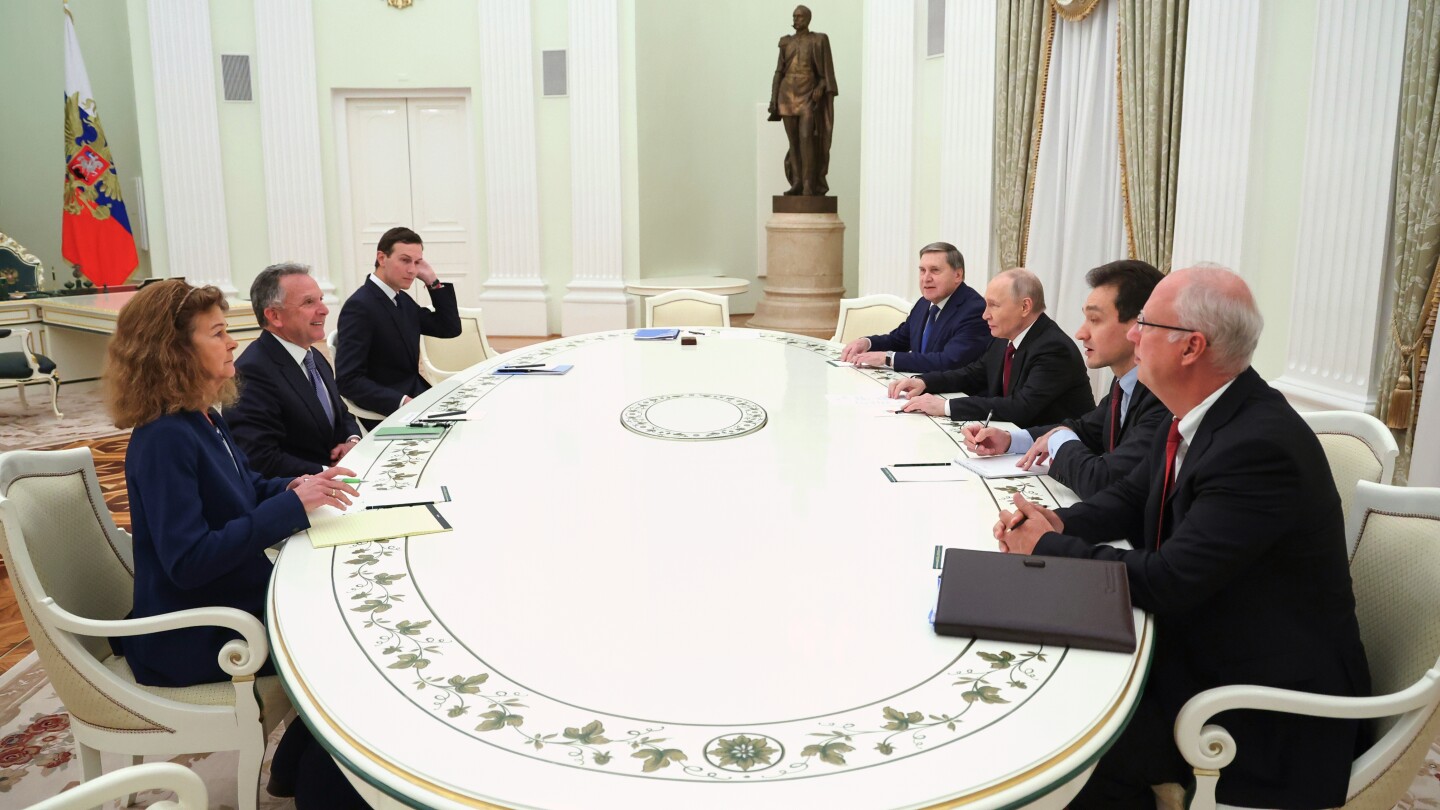
    Russian President Vladimir Putin has characterized his extensive five-hour diplomatic engagement with U.S. representatives as both “necessary” and “useful” while simultaneously acknowledging the challenging nature of negotiations aimed at resolving the ongoing Ukraine conflict. In pre-recorded comments for India Today TV channel, obtained by Russian state media outlets Tass and RIA Novosti, Putin revealed that certain American proposals presented during the Kremlin discussions remained unacceptable to Moscow’s strategic interests.

    The high-level talks occurred as U.S. President Donald Trump’s special envoy Steve Witkoff and senior advisor Jared Kushner prepared for subsequent negotiations with Ukrainian lead negotiator Rustem Umerov in Miami. According to an unnamed Trump administration official, these parallel diplomatic efforts represent a renewed American initiative to broker peace in the nearly four-year conflict, despite the significant challenges in reconciling the fundamental positions of both warring nations.

    President Trump expressed optimism following the Moscow meeting, stating that his emissaries departed the marathon session with strong confidence in Putin’s genuine desire to reach a negotiated settlement. “Their impression was very strongly that he’d like to make a deal,” Trump remarked on Wednesday.

    Putin provided additional context regarding the protracted nature of the discussions, explaining through Tass that both parties meticulously examined each component of the American peace proposal. The Russian leader described the exchange as a “very concrete” conversation that required thorough examination of all points. While indicating Moscow’s willingness to engage with certain aspects of the proposal, Putin unequivocally stated that other provisions remained beyond the Kremlin’s acceptable parameters, characterizing the overall process as “difficult work.”

    The diplomatic developments occur against the backdrop of continued violence in eastern Ukraine, where government forces and Russian-backed separatists have been engaged in conflict since 2014. The recent flurry of high-profile negotiations signals potentially the most serious effort to date to find a political solution to the crisis that has claimed over 13,000 lives and displaced millions.