标签: Asia

亚洲

  • Bollywood actor Kamaal R Khan sent to judicial custody in Mumbai

    Bollywood actor Kamaal R Khan sent to judicial custody in Mumbai

    Mumbai’s Andheri Metropolitan Magistrate’s Court has ordered judicial custody for Bollywood actor and self-styled film critic Kamaal R Khan following his alleged involvement in a public firearm discharge incident. The ruling came Tuesday as Khan’s police custody period concluded, with judicial authorities now overseeing his detention while investigations continue.

    The case centers around an alleged shooting event in Mumbai’s Oshiwara neighborhood, where authorities responded to reports of gunfire in a residential complex. Mumbai Police investigators utilized CCTV footage analysis and witness testimonies to establish their preliminary findings. During questioning, Khan reportedly acknowledged ownership of the licensed firearm allegedly involved in the incident, though he disputes the specific allegations.

    Legal representative Nagesh Mishra, advocating for Khan, has characterized the case as politically motivated. “The prosecution’s ballistic claims are physically implausible,” Mishra asserted. “They allege firing occurred at 400 meters distance with a weapon possessing maximum 20-meter capacity. This discrepancy, combined with industry rivalries influencing the investigation, suggests deliberate fabrication.”

    The judicial system will determine subsequent hearing dates as forensic examination of evidence proceeds. Khan remains detained pending further investigation into potential weapons misconduct violations and public endangerment charges.

  • Central division of Heilongjiang Border Sports Games opens

    Central division of Heilongjiang Border Sports Games opens

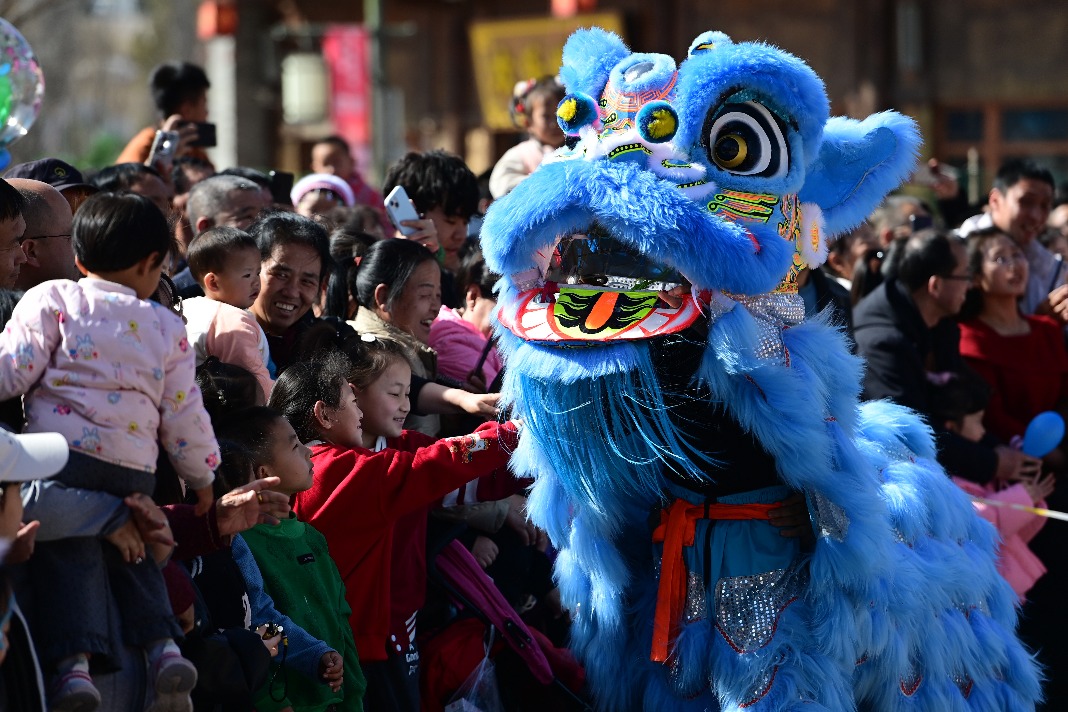
    The central division of the 2026 Heilongjiang Border Sports Games commenced on Friday atop the frozen expanse of Xiuen Lake in Jiejinkou Hezhe Ethnic Town, Tongjiang City. This event forms a crucial segment of the broader Heilongjiang Ice and Snow Sports Super League, which is structured into eastern, central, and northern divisional competitions.

    The opening ceremony in Tongjiang drew six competing teams representing border regions including Tongjiang, Fuyuan City, Raohe County, Suibin County, Luobei County, and Jiayin County. The games uniquely blend competitive athleticism with cultural celebration, featuring a diverse program of activities.

    Competitions include popular community-based winter sports like snow soccer alongside traditional ethnic games that preserve local heritage. Notable traditional events featured deer hairball, a game with deep cultural roots, snow rabbit hunting simulations, and precision archery contests. These activities showcase the rich cultural tapestry of the region’s Hezhe ethnic community while promoting winter sports participation.

    The sporting festival will continue through February and March with additional competitions scheduled in Mishan and Mohe, where teams from other border areas of Heilongjiang province will form delegations to participate in the remaining divisional events of the league.

  • Foreign trade fuels Xinjiang’s regional GDP growth during 14th Five-Year Plan

    Foreign trade fuels Xinjiang’s regional GDP growth during 14th Five-Year Plan

    Xinjiang Uygur Autonomous Region has demonstrated remarkable economic performance throughout China’s 14th Five-Year Plan period (2021-2025), with foreign trade emerging as a primary growth engine. Regional Chairman Erkin Tuniyaz revealed these findings during his government work report presented at the annual legislative session in Urumqi this week.

    The northwestern region achieved an impressive 5.9% average annual GDP growth, significantly propelled by a staggering 28.5% yearly expansion in foreign trade volume. By 2025, Xinjiang’s total economic output reached 2.15 trillion yuan ($309.03 billion), representing a 5.5% year-on-year increase.

    Notably, disposable income growth showed robust performance across urban and rural communities. Urban per capita disposable income rose by 5.3%, while rural residents experienced a more substantial 7% increase. For the first time in the region’s history, rural disposable income surpassed the 20,000 yuan threshold, reaching 20,793 yuan.

    Strategic industrial development played a crucial role in this economic transformation. Xinjiang has successfully cultivated characteristic and competitive industries, with major clusters emerging in multiple sectors including oil and gas production and processing, clean coal utilization, innovative power systems, environmentally conscious mining, and strategic emerging industries.

    The region maintained its national leadership in oil and gas equivalent output throughout the five-year period, achieving a cumulative production of 320 million metric tons. Simultaneously, Xinjiang’s energy transition advanced significantly with installed new-energy capacity growing to 167 million kilowatts—accounting for nearly two-thirds of the region’s total power capacity. Outbound electricity transmission increased at an average annual rate of 3.6%, with green electricity constituting over 30% of total exports.

  • ICE agents to help with security at Winter Olympics

    ICE agents to help with security at Winter Olympics

    The upcoming Winter Olympic Games in Italy have become embroiled in political controversy following revelations that agents from the U.S. Immigration and Customs Enforcement (ICE) will participate in security operations. According to an official statement obtained by AFP, ICE’s Homeland Security Investigations division will collaborate with the U.S. Department of State’s Diplomatic Security Service and Italian authorities to assess and mitigate potential threats from transnational criminal organizations during the February 6-22 event.

    The agency emphasized that all security operations remain under Italian jurisdiction and clarified that ‘ICE does not conduct immigration enforcement operations in foreign countries.’ This assurance comes amid growing concerns about the agency’s involvement, particularly following recent civilian fatalities during immigration enforcement operations in Minneapolis that sparked national outrage.

    Italian officials have offered conflicting accounts regarding the scope of ICE’s participation. Initial denials of their presence were followed by attempts to minimize their role, suggesting they would primarily provide security for the U.S. delegation attending the Games. Attilio Fontana, president of Lombardy region hosting some Olympic events, initially stated their involvement would be ‘only in a defensive role’ focused on protecting U.S. Vice President JD Vance and Secretary of State Marco Rubio during the February 6 opening ceremony in Milan. However, his office subsequently issued a clarification indicating these remarks addressed a hypothetical scenario rather than confirming specific operational details.

    The controversy unfolds against the backdrop of increased ICE deployments across American cities under President Donald Trump’s immigration crackdown, which has prompted widespread protests. The recent deaths of two U.S. citizens—37-year-olds Renee Good and Alex Pretti—during Minneapolis enforcement actions have further intensified scrutiny of the agency’s methods and international reputation.

  • 3 French tourists die after boat capsizes with 27 onboard in Oman

    3 French tourists die after boat capsizes with 27 onboard in Oman

    A maritime tragedy struck Oman’s coastal waters on Tuesday, January 27, 2026, resulting in the deaths of three French tourists after their vessel capsized. The Sultanate’s police authorities confirmed the incident involved a tourist boat carrying 27 individuals, including 25 French visitors, one tour guide, and the boat captain.

    Emergency response teams promptly arrived at the scene following the capsizing. Two tourists sustained minor injuries in the accident and received immediate medical treatment from ambulance crews. Their conditions were stabilized after on-site intervention.

    The Omani authorities have launched a comprehensive investigation to determine the exact circumstances that led to this fatal maritime accident. Preliminary reports have not disclosed specific details regarding weather conditions or potential mechanical failures at the time of the incident.

    This tragedy highlights the persistent maritime safety challenges in Oman’s popular tourist destinations. The country’s picturesque coastline and beaches, while attracting numerous international visitors, occasionally present dangerous sea conditions and unpredictable weather patterns that can turn deadly.

    Historical context reveals this is not an isolated incident in the region. In March 2025, a child was found deceased at sea following a four-day search operation involving citizens and specialized water rescue teams. February 2025 saw recovery operations for two drowning victims in Ain Wadah, while October 2024 witnessed another fatal drowning incident involving two children in the Al Haddah area, where only one survived.

    The Royal Oman Police has demonstrated responsive capabilities in maritime emergencies, as evidenced by their successful evacuation of a medical case from Wadi Bani Ghafir’s mountainous terrain, transporting the individual to Rustaq Reference Hospital for treatment.

    This latest incident raises questions about safety protocols for tourist water activities in Oman and underscores the need for continued vigilance regarding maritime safety measures in the region.

  • Trump’s shadow looms over India-EU trade deal

    Trump’s shadow looms over India-EU trade deal

    In a landmark development with profound geopolitical implications, India and the European Union have concluded negotiations on a comprehensive free trade agreement, signaling a strategic realignment in response to global economic uncertainties. The deal, hailed as “the mother of all deals” by both Indian Prime Minister Narendra Modi and European Commission President Ursula von der Leyen, represents a significant breakthrough after two decades of stalled negotiations.

    The agreement emerges against a backdrop of escalating trade tensions and unpredictable US policy under the Trump administration. With the US imposing 50% tariffs on Indian goods—including a 25% penalty for India’s continued purchase of Russian oil—and threatening similar measures against EU countries, both powers have sought to diversify their economic partnerships and reduce strategic dependencies.

    Von der Leyen emphasized the partnership’s significance, stating: “This is the tale of two giants – the world’s second and fourth largest economies – choosing partnership in a true win-win fashion. By combining our strengths, we reduce strategic dependencies at a time when trade is increasingly weaponized.”

    Prime Minister Modi highlighted the agreement’s broader implications, noting that the global order is in “great turmoil” and that the pact would strengthen global supply chains while serving as “a new blueprint for shared prosperity.”

    The deal forms part of a broader pattern of nations seeking alternative alliances amid Washington’s aggressive trade stance. Recent weeks have seen Canada resetting ties with China, the UK pursuing strengthened trade relations with Beijing, and the EU finally concluding a trade accord with Mercosur after 25 years of negotiation—all developments experts attribute partly to the “Trump factor.”

    Michael Kugelman, senior fellow for South Asia at the Atlantic Council, observed: “The Trump factor provided a very strong impetus to the deal because both India and the EU are facing shock US tariffs that they never expected. Trump is a big reason why the EU and India have been able to overcome most of their differences.”

    While the agreement promises enhanced market access for both parties and helps the EU reduce its reliance on China, implementation challenges remain. The deal must undergo months of legal scrutiny before ratification by EU member states and the European Parliament—a process experts warn will be complex given contentious issues around intellectual property, agriculture, and carbon emissions.

    Despite these hurdles, business groups on both sides have welcomed the agreement as a crucial step toward stabilizing trade relations in an increasingly volatile global landscape.

  • Gansu leads China in museums per capita

    Gansu leads China in museums per capita

    Northwest China’s Gansu Province has emerged as the nation’s leader in museum accessibility per capita, marking a significant milestone in regional cultural development. Governor Ren Zhenhe announced this achievement during his government work report presentation at the fourth session of the 14th Gansu Provincial People’s Congress on Tuesday.

    According to data from the Gansu Cultural Relics Bureau, the province now hosts 263 registered museums following the recent addition of six new institutions. This translates to one museum for every 93,200 residents, representing the highest density of museum access among all Chinese provinces.

    The cultural sector demonstrated remarkable vitality throughout the past year, with more than 700 exhibitions and approximately 20,000 educational programs conducted both online and offline. These initiatives collectively attracted over 33 million visits, reflecting growing public engagement with cultural offerings.

    Gansu’s innovative approach to cultural heritage has yielded substantial economic benefits. Drawing inspiration from iconic artifacts such as the Dunhuang flying apsaras and the Bronze Galloping Horse from the Gansu Provincial Museum, developers have created more than 4,000 cultural and creative products. These items achieved annual sales exceeding 130 million yuan (approximately $18 million), demonstrating successful commercialization of cultural assets.

    The cultural achievements coincide with broader economic progress. During the 14th Five-Year Plan period (2021-25), Gansu’s GDP reached 1.37 trillion yuan, representing a 33.6 percent increase from the previous planning period. Since 2022, the province’s economic growth has consistently outperformed the national average for 16 consecutive quarters. In 2025 alone, Gansu’s GDP grew by 5.8 percent, ranking second nationwide, while per capita disposable income increased by 6.1 percent, the third-fastest growth rate in the country.

  • K2, WeRide sign agreement to operate autonomous buses in Abu Dhabi

    K2, WeRide sign agreement to operate autonomous buses in Abu Dhabi

    In a significant advancement for autonomous transportation, UAE-based mobility solutions provider K2 and global autonomous driving technology firm WeRide have formalized a strategic partnership to deploy and operate self-driving buses across Abu Dhabi. The landmark agreement was signed during the Unmanned Systems Exhibition and Conference (UMEX) 2026 with official endorsement from both the Smart and Autonomous Systems Council (SASC) and the Integrated Transport Centre (ITC).

    This collaboration represents a concrete step toward realizing Abu Dhabi’s comprehensive smart mobility strategy, facilitating the practical implementation of autonomous public transportation systems. The initiative aims to solidify the emirate’s standing as an international center for intelligent, sustainable transit solutions.

    K2 brings substantial regional operational expertise to the partnership, with subsidiaries having previously conducted extensive testing of robotic taxis and last-mile delivery solutions across tens of thousands of kilometers. WeRide contributes its advanced Level 4 autonomous driving technology and global deployment experience to the venture.

    Waleed Alblooshi, Vice President of Strategy at K2, emphasized the synergistic nature of the partnership: “K2 leverages its local expertise, fleet management capabilities, and experience in deploying real-world mobility solutions, while WeRide contributes its global AV expertise and extensive deployment experience.”

    Ryan Zhan, Regional General Manager for Middle East and Africa at WeRide, characterized the agreement as marking “the next phase of our growth” in the region. “By combining our proven L4 autonomous driving technology with K2’s deep local expertise,” Zhan noted, “we are accelerating safer, smarter, and more sustainable autonomous public transport across the UAE and the wider Middle East.”

    The autonomous bus initiative aligns with broader regional transportation modernization efforts, including Ras Al Khaimah’s recent consolidation of autonomous vehicle operations under a single transport authority and previous successful trials of fully driverless ride-hailing services in the Abu Dhabi metropolitan area.

  • Cornell students and faculty explore agricultural development in China during cultural exchange program

    Cornell students and faculty explore agricultural development in China during cultural exchange program

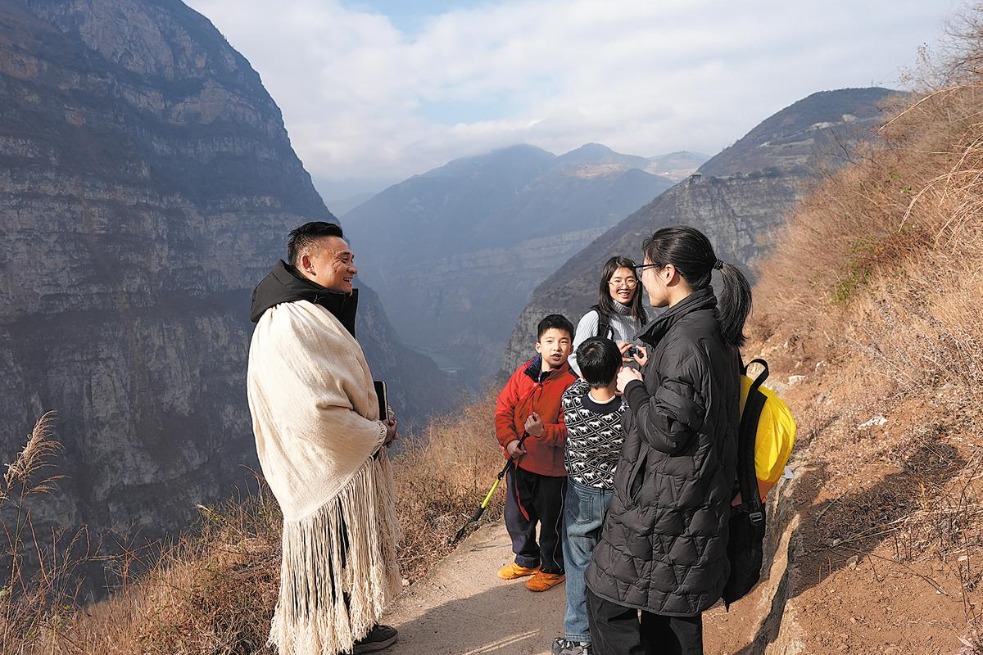
    A distinguished delegation of students and faculty from Cornell University recently concluded an extensive two-week cultural and educational exchange program across China, gaining firsthand insights into the nation’s agricultural modernization and rural revitalization initiatives. Organized by China Agricultural University, the program ran from January 4th to 16th, 2026, featuring immersive visits to multiple regions including Beijing, Hebei Province, and Sichuan Province.

    The comprehensive itinerary enabled participants to engage directly with local farming communities, rural residents, and leading agricultural experts. In Yixian County, Hebei Province, the Cornell delegation examined innovative farming techniques and sustainable practices that have contributed to China’s food security goals. The exchange facilitated meaningful dialogue about comparative agricultural systems and development strategies between American and Chinese academic perspectives.

    This program represents a significant step in academic diplomacy and cross-cultural knowledge sharing in the field of agricultural science. Participants gained practical understanding of China’s rural development policies while establishing professional connections that could foster future research collaborations. The initiative demonstrates how educational exchanges can build bridges between academic institutions despite different agricultural traditions and economic systems.

    The successful program highlights the growing importance of international cooperation in addressing global challenges such as food security, sustainable farming, and rural economic development. Such exchanges contribute to mutual understanding and create platforms for sharing best practices in agricultural innovation and policy implementation.

  • EU says India to slash tariffs on import of autos, wine and pasta

    EU says India to slash tariffs on import of autos, wine and pasta

    In a landmark move set to redefine bilateral trade, India and the European Union have officially unveiled a comprehensive free trade agreement. The pact, announced on Tuesday, January 27, 2026, will dramatically reduce or eliminate import duties on an unprecedented 97 percent of goods exported from the EU to India, creating an estimated annual duty savings of up to €4 billion ($4.75 billion).

    The agreement specifically targets several high-tariff sectors, signaling a new era of market access for European producers. The automotive industry will witness a profound transformation, with India’s notoriously high import duties on cars being systematically reduced from a peak of 110 percent down to a new low of 10 percent. Similarly, the wine sector is poised for a breakthrough as tariffs, previously as high as 150 percent, will be progressively lowered to a base rate of 20 percent.

    Furthermore, the EU confirmed that India will completely eliminate its current 50 percent tariff on a range of processed food products. This elimination will apply to key European exports including pasta, chocolate, and other gourmet food items, granting them unprecedented price competitiveness in the vast Indian consumer market.

    This agreement is widely regarded as one of the most significant trade deals negotiated by the EU, marking a decisive step in strengthening economic ties between the world’s largest trading bloc and one of its fastest-growing major economies. The tariff reductions are structured to be implemented progressively, allowing industries in both regions to adapt to the new competitive landscape.