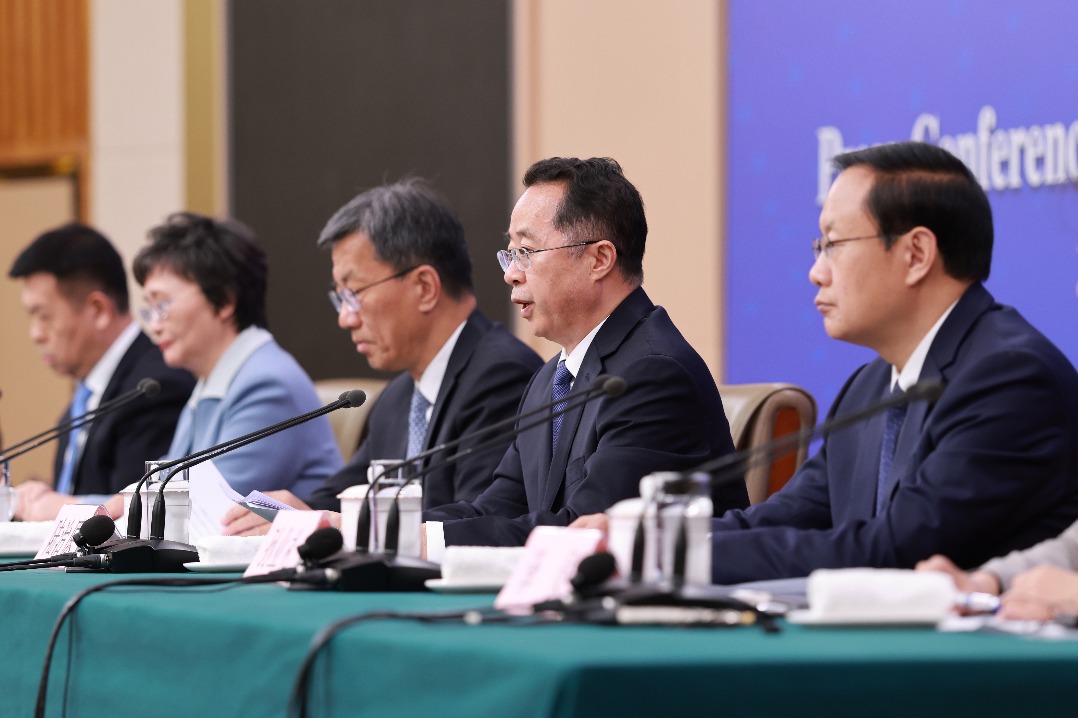
China is aggressively enhancing its global tourism appeal through a comprehensive strategy integrating cultural promotion with streamlined travel services, according to Minister of Culture and Tourism Sun Yeli. The announcement came during a pivotal press conference on民生 (people’s livelihood) held alongside the fourth session of the 14th National People’s Congress.
标签: Asia
亚洲
-

She strives, she thrives
On International Women’s Day, March 8, China Daily highlights three extraordinary women who are transforming their respective fields through innovation, cultural preservation, and community service. These pioneers demonstrate the expanding influence of women in contemporary society.
From the cultural landscapes of Xinjiang to technological laboratories in Tianjin and neighborhood initiatives, these women represent diverse sectors where female leadership is making substantial impact. One cultural ambassador utilizes digital platforms to showcase the rich heritage of China’s Xinjiang Uygur Autonomous Region, creating content that bridges cultural divides and promotes understanding.
In the realm of technological innovation, a Tianjin University researcher is breaking new ground in brain-computer interface development. Her work focuses on practical applications that could revolutionize healthcare and human-computer interaction, demonstrating women’s growing presence in STEM fields traditionally dominated by men.
Completing this triad of influence is a community volunteer whose grassroots efforts strengthen social fabric at the local level. Her dedication to public service exemplifies how women are driving change from the ground up, addressing community needs through personal commitment and organizational skills.
Their collective stories illustrate a broader narrative of female empowerment across Chinese society, where women are increasingly visible in positions of influence and innovation. These profiles challenge traditional gender roles while highlighting the unique perspectives women bring to their professions.
The accompanying video documentary provides firsthand accounts of their journeys, offering insights into the challenges they’ve overcome and the aspirations that drive their remarkable achievements.
-
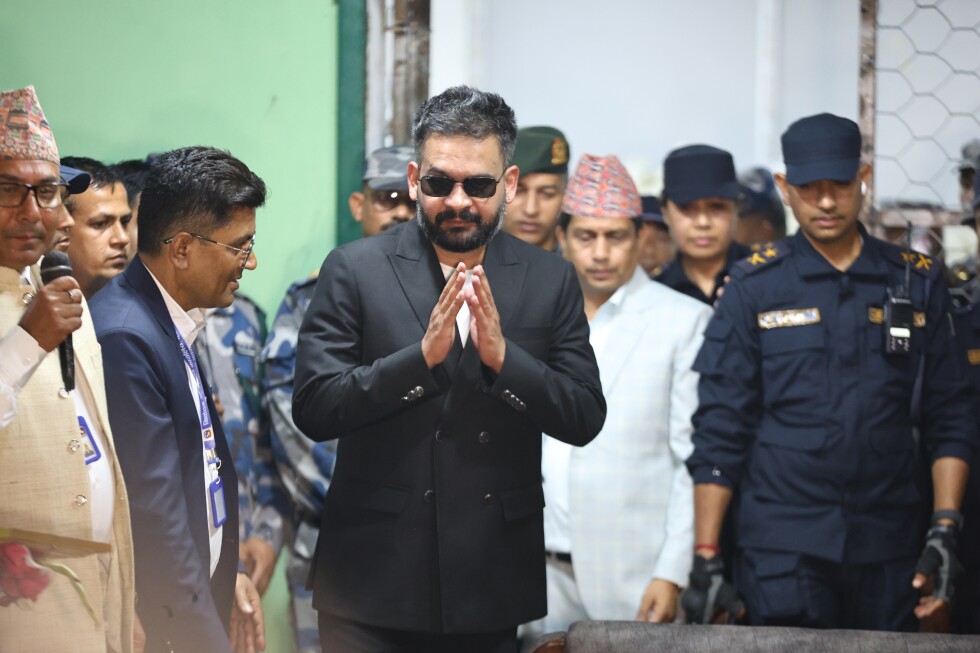
A new Nepali party, led by an ex-rapper, is set for a landslide win in parliamentary election
KATHMANDU, Nepal — Nepal’s political landscape has undergone a seismic transformation as the Rastriya Swatantra Party (RSP), led by former rapper Balendra Shah, achieved a decisive victory in the nation’s first parliamentary elections since youth-led protests toppled the established government. The Election Commission’s Sunday results revealed the nascent political movement had secured 103 of 165 directly elected parliamentary seats while leading in 21 additional constituencies.
The remarkable electoral performance represents a dramatic repudiation of Nepal’s traditional political dynasties that have dominated governance for decades. The Nepali Congress and Communist Party of Nepal (Unified Marxist–Leninist), which have alternated power through successive administrations, were comprehensively defeated by the four-year-old reformist party.
Balendra Shah, the charismatic rapper-turned-politician who previously won Kathmandu’s mayoral race in 2022, emerged as the central figure during the 2025 popular uprising that unseated former Prime Minister Khadga Prasad Oli. Shah is now positioned to become Nepal’s next prime minister as his party demonstrates overwhelming electoral support.
Beyond the directly elected seats, the RSP also commands approximately 51% of the proportional representation votes that will determine the allocation of 110 additional parliamentary seats. This dual dominance virtually ensures the party will comfortably exceed the 138-seat threshold required to form a government in the 275-member House of Representatives.
National newspapers heralded the political upheaval as historic, with The Himalayan Times declaring “RSP set for a landslide victory” and Annapurna Post describing the outcome as a “People’s ballot revolt; shift in political paradigm.”
Despite the euphoria among supporters, who have celebrated with traditional flower garlands and vermilion powder ceremonies, party officials have called for restrained celebrations in remembrance of those killed during last year’s protests. The youth-led movement began as opposition to social media restrictions before escalating into widespread demonstrations against systemic corruption and governance failures that resulted in dozens of fatalities when security forces clashed with protesters.
The electoral system permits voters two ballots: one for constituency representatives and another for party preference. The RSP’s commanding performance across both voting mechanisms signals a fundamental realignment in Nepali politics toward reform and accountability.
-
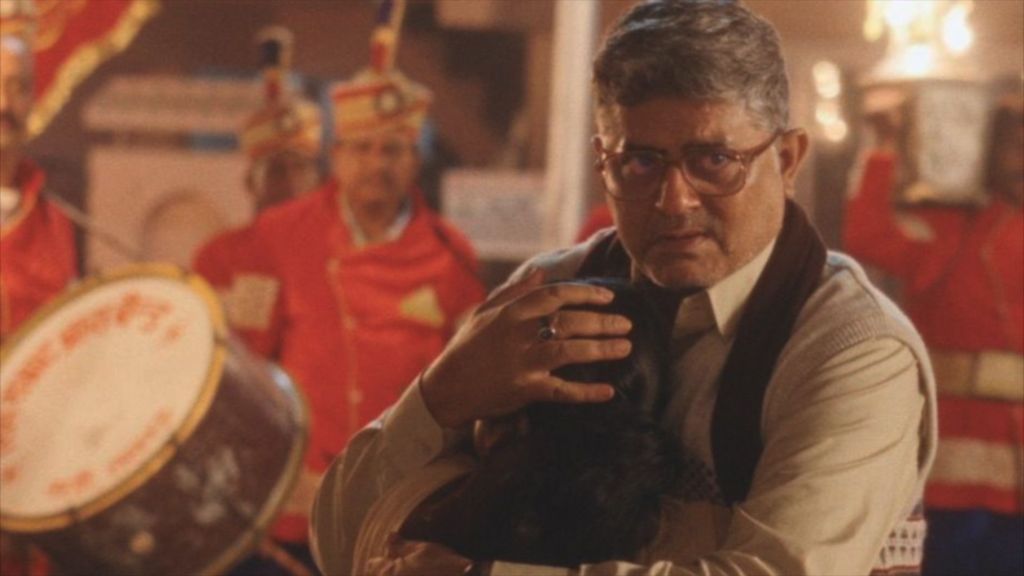
The heartwarming tale of a father, a daughter, and a wedding band wowing India
A groundbreaking short film from India is sparking national conversation about domestic violence and patriarchal traditions through the emotionally charged story of a father’s defiant act of love. ‘Band Baaja Bitiya’ (Wedding Band and Daughter), produced by Unicorn Films, has captivated millions with its powerful reimagining of parental responsibility in abusive marriages.
The three-and-a-half minute cinematic piece features veteran Bollywood actor Gajraj Rao as a father who receives a distressing call from his married daughter Surabhi, revealing ongoing domestic abuse. Contrary to the conventional advice from relatives suggesting she ‘adjust’ to her circumstances, the father makes a radical decision: he arrives at her marital home accompanied by a full wedding band, symbolically celebrating her liberation from an abusive marriage with the same fanfare that marked her departure.
Director Prosit Roy, self-described as ‘a girl dad,’ created the film to confront what he calls ‘old ideas and archaic values’ that perpetuate domestic violence. ‘Parents don’t intervene because they worry what will people say,’ Roy explains. ‘We tell our daughters to adjust and sometimes it’s too late. I’m showing a mirror to society.’
The film’s impact resonates against alarming statistical realities: official data indicates approximately one in three Indian women experience domestic violence, with over 6,150 dowry-related deaths and 133,676 cases of spousal cruelty reported in 2023 alone. Activists note that many women remain trapped in abusive relationships due to lack of parental support.
Social media response has been overwhelmingly positive, with viewers calling it ‘the best ad film of 2026’ and ‘a revolutionary idea whose time has finally come.’ Many shared personal stories of parental support, while fathers expressed renewed commitment to their daughters’ safety.
The narrative finds grounding in real-life precedents, notably businessman Prem Gupta who in October 2023 employed a wedding band to retrieve his daughter Sakshi from an unhappy marriage. ‘I did it to see my daughter smile,’ Gupta stated, noting that several fathers have since emulated his approach.
Rao acknowledges the film represents ‘a drop in the ocean’ of needed social change but hopes it provides ‘a guiding light for families’ to support their daughters. The production team aims to mainstream their message that daughters deserve permanent sanctuary and the right to escape violence, challenging the traditional notion that marital homes represent lifelong commitments regardless of circumstances.
-
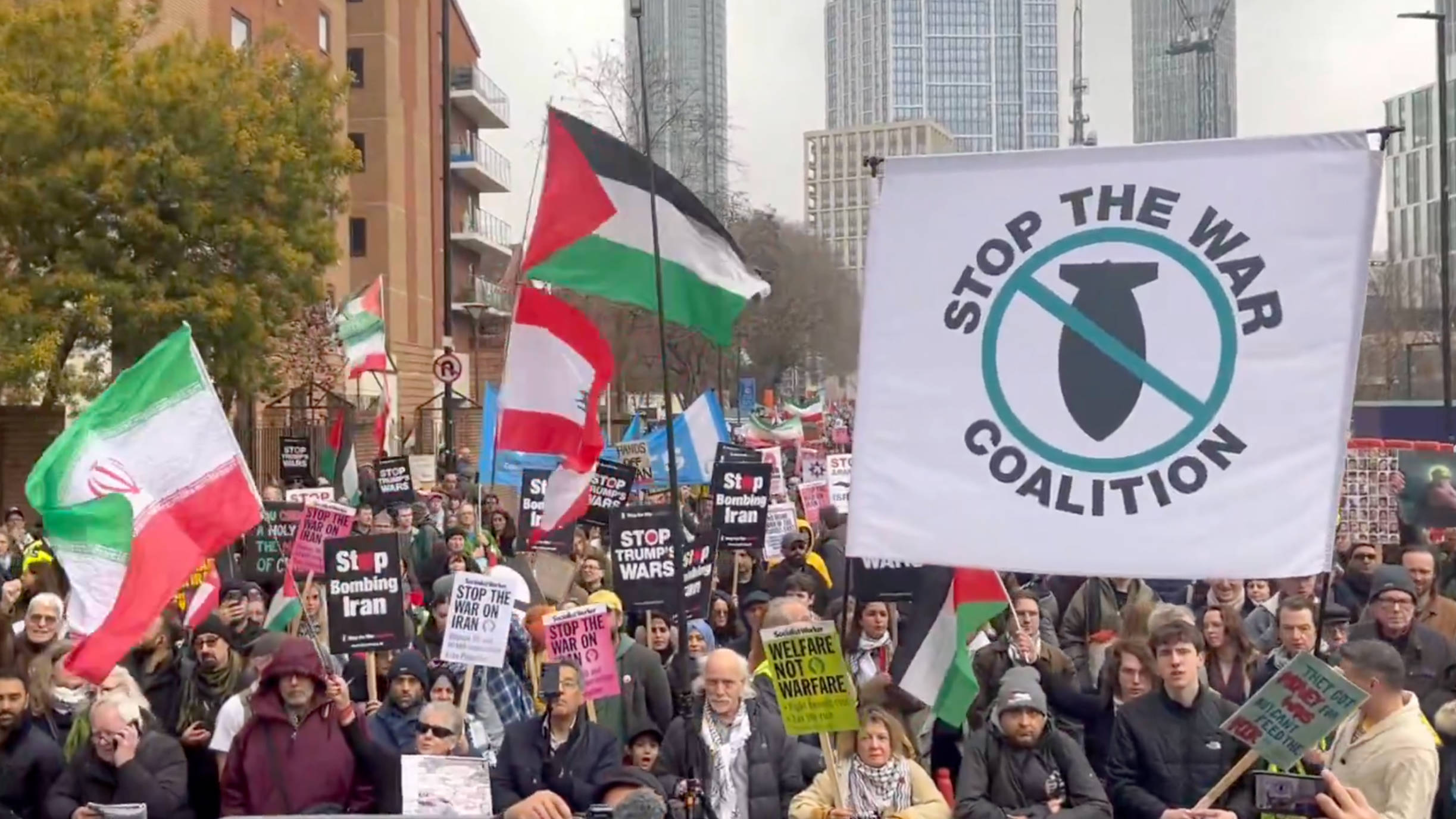
More than 50,000 march in London against US-Israeli attack on Iran
Tens of thousands of demonstrators converged on the US Embassy in London on Saturday, with organizers estimating over 50,000 participants marching in vehement opposition to ongoing US-Israeli military operations against Iran. The substantial protest, organized by a coalition of activist groups including Hands off Iran, Palestine Solidarity Campaign, Stop the War, Muslim Association of Britain, Palestinian Forum in Britain, and Campaign for Nuclear Disarmament, proceeded from Millbank to the embassy compound in Vauxhall.
The demonstration occurred during the eighth consecutive day of aerial assaults against Iranian targets, coinciding with President Donald Trump’s recent declaration that the United States would intensify strikes against Iran ‘very hard’ in coming days. Protesters vocalized their demands through chants of ‘stop the bombing now, now, now’ and directed political criticism toward British opposition leader Keir Starmer with the refrain ‘be afraid, we will see you in The Hague.’
Labour MP Zarah Sultana addressed the assembled crowd, drawing parallels to the 2003 Iraq invasion: ‘Back then, we were told that Iraq had weapons of mass destruction. We were told that war would bring peace and democracy. We were told that the war would protect Iraqis and protect the world, but the truth was very different.’ Sultana emphasized that unlike previous anti-war demonstrations that were ‘ignored,’ current protesters ‘will not be ignored again’ in their advocacy for peace and justice.
The geopolitical context intensified hours before the protest when US Air Force B-1 Lancer bombers landed at Royal Air Force Fairford in Gloucestershire. US War Secretary Pete Hegseth confirmed that American forces would utilize British military installations to ‘dramatically’ escalate strikes against Iranian missile sites, an arrangement formally permitted by the UK government.
Meanwhile, a counter-protest designated ‘Stage for Freedom’ prepared to march from Whitehall to Knightsbridge in support of US objectives toward regime change in Iran, highlighting the divisive nature of the conflict within British society.
-
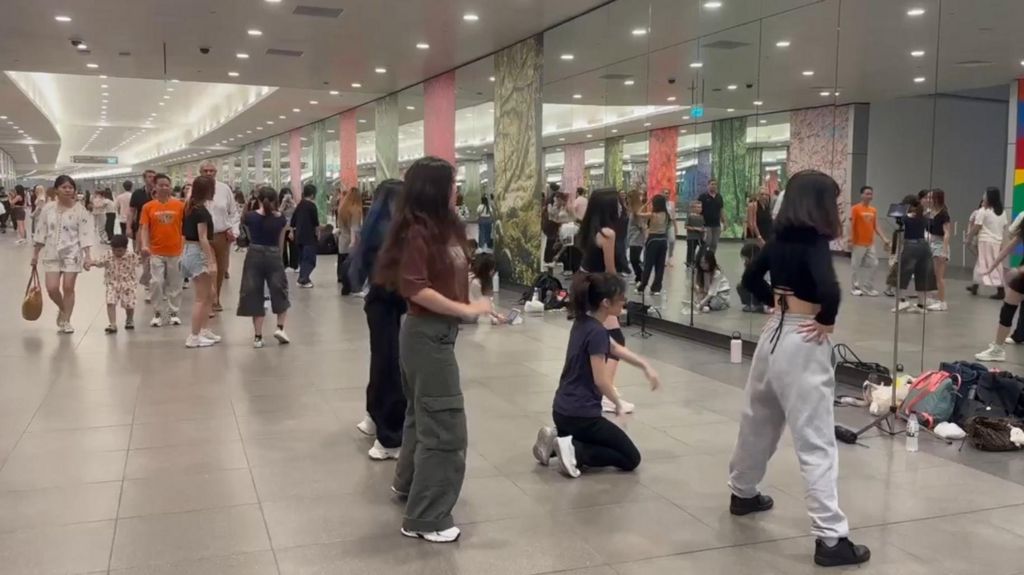
Dancers loved practising in this Singapore walkway. Then the complaints came
A seemingly minor urban intervention has ignited profound discussions about Singapore’s relationship with public space and spontaneous expression. The recent frosting of mirrors in an underground walkway connecting a train station to Gardens by the Bay has displaced a community of aspiring dancers who had utilized the space for years, revealing deeper tensions between order and creativity in the city-state.
The passage, owned and maintained by Marina Bay Sands, had served as an informal practice ground with its floor-to-ceiling mirrors and steady stream of commuters and tourists. The decision to frost the mirrors on January 1st came in response to complaints about dancers allegedly obstructing pedestrian flow in the high-traffic area.
This incident has transcended mere spatial management to become a symbolic flashpoint in Singapore’s ongoing negotiation between its renowned efficiency and the organic vibrancy characteristic of global metropolises. Urban planning expert Tan Shin Bin from the National University of Singapore suggests the core question isn’t about additional restrictions but rather ‘whose needs are being prioritized as legitimate, and whose desires are deemed secondary.’
The response has been polarized. Some Singaporeans supported the move, noting dancers sometimes blocked pathways with props, while others criticized it as excessively rigid. Dancers like Wilson Tay, who practiced there twice weekly, highlighted the motivational atmosphere and cultural exchange with tourists who would stop to mimic moves.
Singapore’s urban development has been guided by meticulous planning since its transformation from fishing villages to a gleaming metropolis. The Concept Plan charts land use needs half a century ahead, with medium-term plans reviewed every five years. Prime Minister Lawrence Wong has framed Singapore’s orderly nature as a competitive advantage, describing the nation as ‘stable, predictable, reliable and trusted.’
Yet this top-down approach has drawn both admiration and criticism internationally. Harvard economist Edward Glaeser praised Singapore’s uncongested streets despite its density, while Dutch architect Rem Koolhaas criticized its exclusion of ‘accident and randomness.’
The government has attempted to balance these tensions through initiatives like the Lively Places Fund, offering grants to create more interesting public spaces, and designated practice areas in some train stations. However, many residents desire more room for spontaneity, with writer Justin Zhuang arguing that ‘if we want Singapore to be a diverse city, we should also accept that there would be diverse activities.’
Authorities acknowledge that ‘shared public spaces will increasingly need to accommodate diverse users and activities’ as density grows, but emphasize this requires ‘both thoughtful design and shared stewardship.’ The challenge remains in brokering compromises that don’t prioritize one group at the expense of another.
This tension manifests throughout Singapore’s public spaces: from parks with elaborate rulebooks governing activities to void decks (ground-floor common areas in public housing) where safety concerns have led to restrictions on rollerblading and ball games. Even graffiti, considered artistic expression elsewhere, remains illegal with severe penalties.
The culture of regulation has fostered what some describe as a complaining culture, with residents simultaneously seeking autonomy while expecting government solutions to problems. This paradox was noted by former PM Lee Hsien Loong: ‘Whenever an issue comes up, they’ll ask what the government is doing about it.’
Amid these constraints, grassroots initiatives like Wong Kae Chee’s community library in a void deck demonstrate the persistent desire for organic community spaces. Despite initial resistance from authorities concerned about fire hazards, the volunteer-run library now features thousands of books across languages, musical instruments, and serves as a community hub.
As Singapore continues to evolve, the frosted mirrors serve as a metaphor for the broader challenge: how to maintain the order that has enabled its remarkable development while allowing space for the unexpected creativity that gives cities their soul.
-
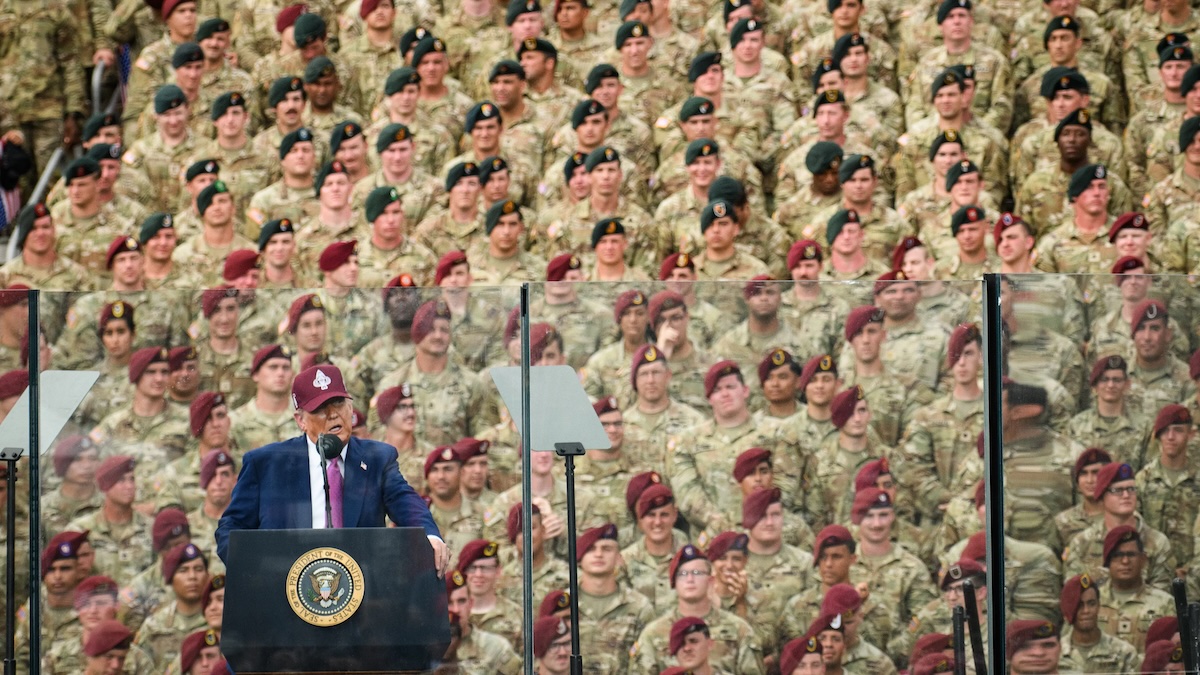
Boots-on-the-ground talk as Trump says Iran to ‘be hit very hard’
A startling NBC News report revealing President Donald Trump’s private enthusiasm for deploying American ground forces in Iran has triggered immediate bipartisan condemnation from U.S. lawmakers. The disclosure comes as military operations against Iran enter their second week of destructive engagements.
Congresswoman Pramila Jayapal (D-Wash.) characterized the potential escalation as “madness,” while Senate Minority Leader Chuck Schumer (D-N.Y.) accused Trump of being “hellbent on escalating his reckless war.” The White House attempted to counter the narrative, though Trump himself acknowledged to the New York Post that he maintains no reservations about deploying troops if deemed necessary, distinguishing himself from previous presidents who outright rejected such options.
The political firestorm intensified as Trump issued fresh threats via social media, falsely claiming Iran had “surrendered” to regional neighbors following missile attacks by Islamic Revolutionary Guard Corps units. Iranian President Masoud Pezeshkian responded with defiance, rejecting Trump’s demand for “unconditional surrender” as “a dream that they must take with themselves to the grave.”
Pezeshkian extended an olive branch for diplomatic resolution while simultaneously warning that all U.S. and Israeli military assets across the region would become “primary targets” if hostilities continue. Iranian Foreign Minister Abbas Araghchi reinforced this stance, stating Iranian forces await any American ground invasion with confidence.
Foreign policy experts warn Trump has created an untenable situation through maximalist demands that essentially require regime change in the nation of 90 million people. Ryan Costello of the National Iranian American Council noted the president faces either backing down from unattainable objectives or escalating further with potentially catastrophic consequences.
-
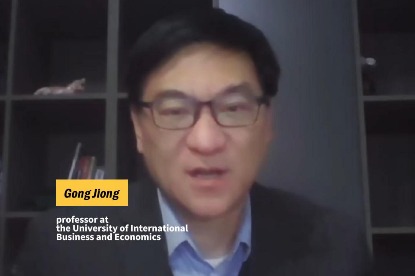
Who will blink first in the Israel-Iran conflict?
As tensions between Israel and Iran continue to escalate, military analysts are warning of an increasingly precarious strategic position for the Israeli government. Professor Gong Jiong of the University of International Business and Economics has identified a dual crisis emerging that could significantly challenge Israel’s military and political stability.
The prolonged conflict has created severe domestic pressure points within Israeli society. Civilians forced to seek refuge in designated ‘safe rooms’ during missile attacks are experiencing significant disruption to daily life and social infrastructure. This sustained period of insecurity is generating growing public discontent that could manifest in widespread street protests, creating substantial political challenges for Prime Minister Benjamin Netanyahu’s administration.
From a military perspective, Israel faces what experts describe as a fundamentally disadvantageous defensive posture. The current strategy of intercepting incoming missiles represents a tactical challenge often compared to ‘attempting to hit a bullet with another bullet’ – an approach that becomes increasingly unsustainable against Iran’s substantial and sophisticated missile arsenal. This technological and strategic imbalance raises serious questions about the long-term viability of Israel’s defense capabilities against sustained attacks.
The evolving situation suggests that both nations are engaged in a high-stakes geopolitical standoff, with Israel potentially facing more complex challenges than initially anticipated. The combination of domestic political pressure and military strategic vulnerabilities creates a compound crisis that could influence the conflict’s trajectory in the coming weeks.
-
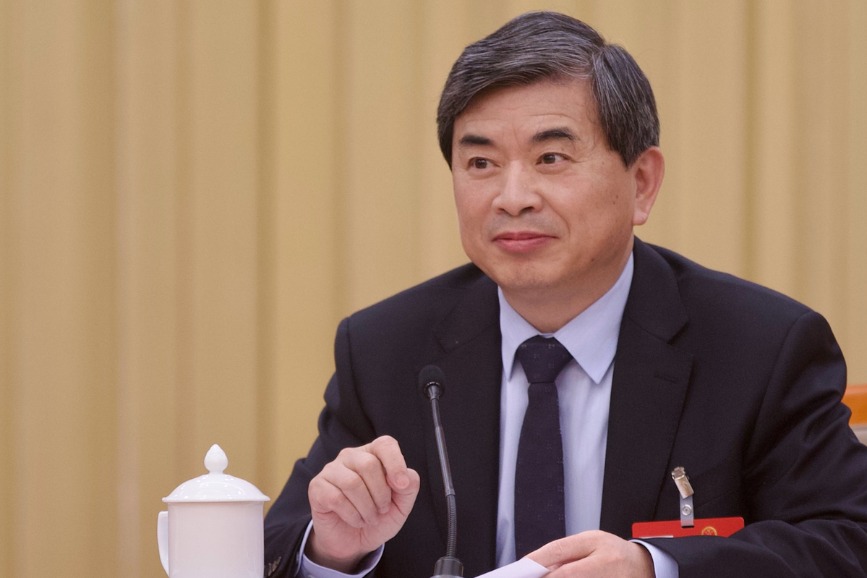
Fujian targets high-quality growth through industry
During the ongoing 14th National People’s Congress session in Beijing, Fujian Provincial Party Committee Secretary Zhou Zuyi outlined an ambitious economic development strategy centered on strengthening real economy sectors and empowering private enterprises. Speaking at an open-media deliberation session of the Fujian delegation on Friday, Zhou emphasized the province’s commitment to establishing itself as a national leader in high-quality economic development.
Zhou highlighted Fujian’s existing robust foundation in real economy sectors, noting that this provides significant advantages for constructing a modern industrial system. “Fujian must resolutely shoulder the responsibility of a major economic province,” Zhou stated, adding that the province aims to ensure its economic progress contributes substantially to national development objectives.
The provincial strategy for the 15th Five-Year Plan period (2026-2030) prioritizes intelligent transformation, green development, and integrated industrial advancement. Fujian plans to achieve comprehensive improvements across its industrial ecosystem by fostering deeper integration between scientific innovation and industrial applications.
A key component of this strategy involves implementing the “Jinjiang Experience”—a renowned model for private sector development—while advancing comprehensive reforms to enhance the business environment for private enterprises. The province will fully enact both the national Private Economy Promotion Law and corresponding provincial regulations, while actively promoting entrepreneurial spirit and developing succession plans for next-generation private business leaders.
Zhou further detailed that Fujian will pursue a balanced industrial approach that simultaneously upgrades traditional industries, cultivates emerging sectors, and strategically positions itself in future industries. This multi-faceted development framework aims to accelerate the construction of a strong private economy province while maintaining sustainable and innovation-driven growth.
-
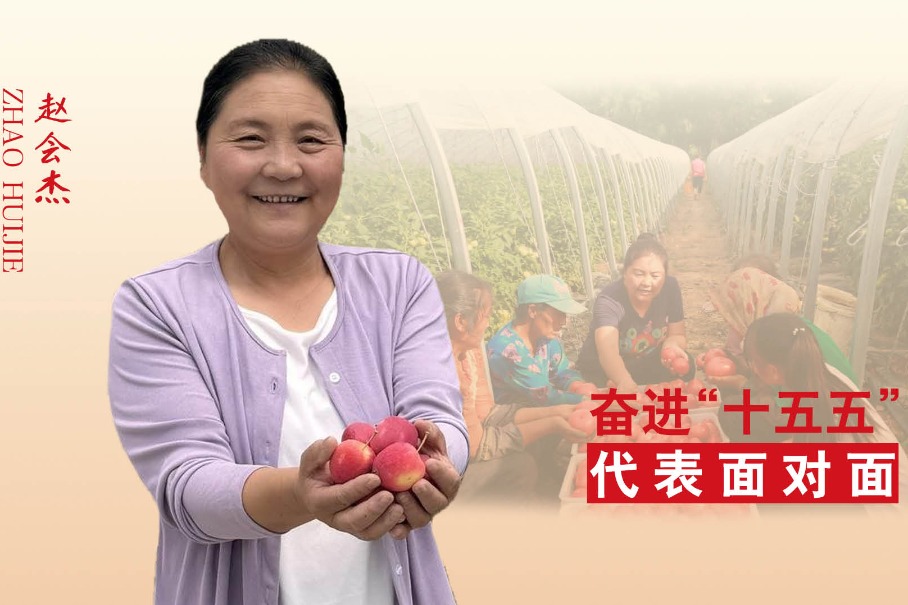
Zhao Huijie: Small village, big dreams
Amid China’s comprehensive rural revitalization efforts, National People’s Congress deputy Zhao Huijie has emerged as a transformative figure in her community. Affectionately known as ‘Auntie Meng’ by local villagers, this grassroots leader combines practical agricultural experience with legislative influence to drive meaningful change.
With decades of hands-on involvement in rural development, Zhao has pioneered specialized industry development as the cornerstone of her revitalization strategy. Her approach extends beyond economic measures to encompass comprehensive social support systems, including enhanced elderly care services and advanced facility agriculture infrastructure.
As an NPC representative, Zhao maintains direct connections with her constituents, actively gathering community concerns and translating them into actionable policy proposals. Her methodology exemplifies the integration of traditional agricultural wisdom with modern development principles, creating sustainable growth models that balance economic advancement with social welfare.
Zhao’s work represents a microcosm of China’s broader rural transformation initiatives, demonstrating how localized leadership can effectively bridge policy implementation gaps. Her dual role as both community member and national legislator provides unique insights into the practical challenges and opportunities facing contemporary rural communities.
The impact of her efforts extends beyond immediate economic indicators, fostering community cohesion and preserving cultural heritage while embracing technological innovation. This holistic development model offers valuable case studies for other regions pursuing similar revitalization objectives.