标签: Asia

亚洲

  • Drone video from inside a Fukushima reactor shows a hole in pressure vessel, likely fuel debris

    Drone video from inside a Fukushima reactor shows a hole in pressure vessel, likely fuel debris

    In a groundbreaking exploration, micro-drones have captured unprecedented footage from within the devastated Fukushima Daiichi nuclear power plant, revealing critical new details about the 2011 meltdown’s aftermath. The remotely operated drones, measuring just 12 by 13 centimeters and weighing only 95 grams, successfully navigated the highly radioactive environment of Unit 3’s reactor during a two-week reconnaissance mission.

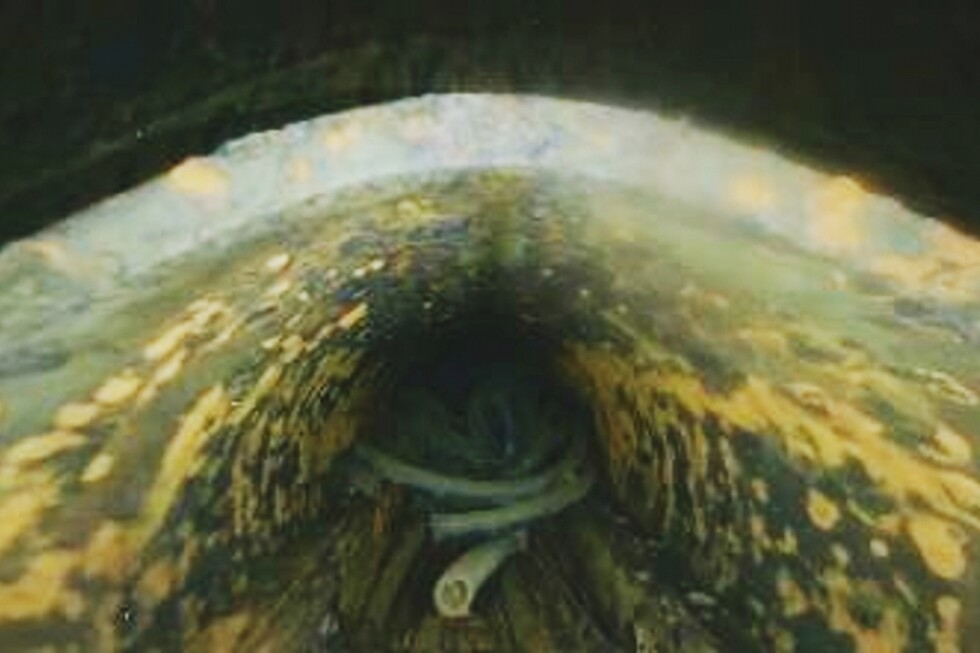
    The newly released video evidence shows a substantial breach in the steel pressure vessel’s base, with substantial deposits of what experts believe to be melted nuclear fuel debris suspended from the damaged structure. This marks the first direct observation of the reactor vessel’s bottom since the catastrophic meltdown triggered by the March 2011 earthquake and tsunami that crippled Japan’s northeastern coast.

    Tokyo Electric Power Company Holdings (TEPCO), the plant’s operator, deployed these specialized drones to gather visual documentation, radiation measurements, and three-dimensional mapping data from the previously inaccessible containment chamber. The footage reveals extensively damaged internal structures, including ruptured tubes and formations resembling large icicles of solidified nuclear material.

    According to TEPCO spokesperson Masaki Kuwajima, the mission provided ‘valuable data that can be used for our future internal investigations and to develop melted fuel debris removal strategy.’ The three damaged reactors collectively contain approximately 880 tons of highly radioactive melted fuel debris, presenting extraordinary technical challenges for eventual cleanup operations.

    The successful drone deployment represents significant progress from earlier robotic probes, including an underwater investigation nearly a decade ago that yielded limited visual information. TEPCO plans additional remote-controlled missions and sampling operations to analyze the melted fuel composition and develop specialized robotics for the complex removal process, which experts anticipate could require several decades to complete.

  • OpenClaw AI goes viral in China, raising cybersecurity fears

    OpenClaw AI goes viral in China, raising cybersecurity fears

    China is experiencing a technological transformation as OpenClaw, an open-source AI agent, sweeps across the nation with capabilities extending far beyond conventional chatbots. Originally known as Moltbot and Clawdbot, the system can autonomously manage emails, coordinate schedules, and execute financial transactions on behalf of users. This surge in adoption, significantly accelerated by promotional campaigns from tech giants Tencent and Alibaba, reflects a global shift toward action-oriented AI systems first observed in the United States earlier this year.

    The phenomenon, colloquially termed ‘raising lobsters’ in reference to the project’s crustacean mascot, has triggered intense debate within both industry and government circles regarding governance frameworks, security safeguards, and the inherent risks of delegating sensitive tasks to software operating with limited transparency. China’s Ministry of State Security issued unprecedented guidelines Tuesday, warning that while OpenClaw delivers efficiency gains, it simultaneously creates novel vulnerabilities through its broad permissions and cross-platform interactions.

    Security experts emphasize that these AI agents lack professional maintenance protocols and patching mechanisms, making them susceptible to malicious plugins that can bypass controls and exfiltrate sensitive data with stealth exceeding traditional trojans. The National Computer Network Emergency Response Technical Team had previously alerted on March 10 about OpenClaw’s vulnerability to ‘prompt injection’ attacks, where hidden instructions trick the AI into harmful actions.

    Unlike static large language models such as ChatGPT, OpenClaw represents a new class of agentic AI that connects messaging platforms, language models, email accounts, storage devices, and e-wallets to execute end-to-end tasks with minimal human intervention. Its open-source nature and local deployment capability provide greater flexibility than proprietary alternatives like Beijing-based Manus, but also introduce greater complexity and security responsibilities.

    The rapid adoption has exposed critical security gaps, with many users deploying the technology without basic safeguards. Security professionals recommend treating AI agents as digital employees with strict governance, implementing least privilege access, encryption, audit logs, and sandboxed virtual environments. As US tech giants advance similar capabilities through partnerships like Apple-Google’s integration of Gemini models, China faces urgent regulatory challenges in establishing AI governance comparable to the EU’s comprehensive AI Act.

  • New Zealand wins the toss and bowls in the 3rd T20 against South Africa

    New Zealand wins the toss and bowls in the 3rd T20 against South Africa

    AUCKLAND, New Zealand — The decisive third match of the Twenty20 cricket series between New Zealand and South Africa commenced at Eden Park on Friday, with the five-game contest perfectly poised at 1-1. New Zealand skipper Mitchell Santner seized the initiative at the toss, electing to field first in a strategic move aimed at utilizing the pitch conditions.

    The series momentum has swung dramatically. South Africa initially dominated, securing a convincing seven-wicket victory in the opening match. New Zealand responded emphatically, leveling the series with a commanding 68-run triumph in the second encounter, setting the stage for a high-stakes showdown in Auckland.

    Team selections revealed tactical adjustments from both camps. The Proteas introduced right-arm pace bowler Lutho Sipamla, replacing Ottneil Baartman in their bowling attack. The Black Caps, meanwhile, made a single change to their lineup, recalling all-rounder Bevon Jacobs to the side in place of Josh Clarkson.

    The confirmed lineups for the crucial fixture are:

    New Zealand: Devon Conway, Tom Latham, Tim Robinson, Nick Kelly, Bevon Jacobs, Mitchell Santner (captain), James Neesham, Cole McConchie, Kyle Jamieson, Ben Sears, Lockie Ferguson.

    South Africa: Wiaan Mulder, Tony de Zorzi, Connor Esterhuizen, Rubin Hermann, Jason Smith, Dian Forrester, George Linde, Gerald Coetzee, Keshav Maharaj (captain), Nqobani Mokoena, Lutho Sipamla.

    The outcome of this match grants the winner a significant psychological and tactical advantage heading into the final two games of the closely fought series.

  • Fire at South Korean auto parts factory injures at least 53

    Fire at South Korean auto parts factory injures at least 53

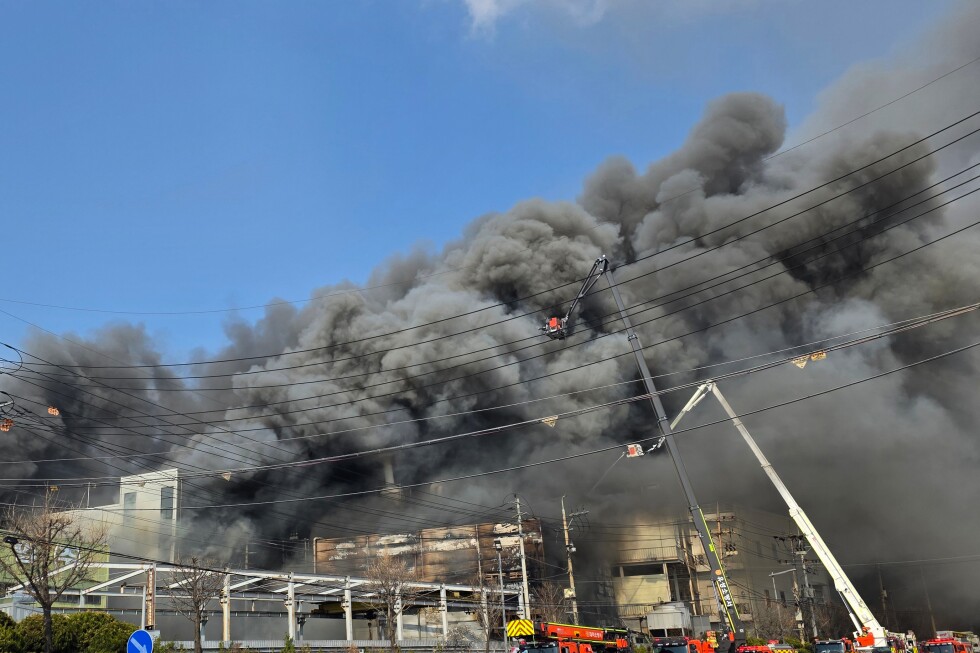
    A major industrial fire erupted at an automotive components manufacturing facility in Daejeon, South Korea, on Friday afternoon, resulting in significant casualties and prompting a large-scale emergency response. The incident, which occurred at approximately 1:17 p.m. local time, has left at least 53 individuals injured, with 24 sustaining serious wounds, according to Daedeok District Fire Chief Nam Deuk-woo.

    Emergency authorities continue search operations for 14 individuals potentially trapped within the facility, utilizing mobile signal tracking technology to locate missing personnel. While officials have not confirmed any life-threatening conditions among the injured, witness accounts describe a rapid escalation of the blaze accompanied by what sounded like an explosion, leading to dense gray smoke enveloping the industrial complex.

    The structural integrity of the affected building has been severely compromised, preventing firefighting teams from entering due to collapse risks. Response efforts have prioritized containing the fire’s spread to adjacent facilities and securing hazardous chemicals present on-site.

    Injury patterns reveal varied trauma mechanisms, with some victims suffering from smoke inhalation while others sustained injuries from emergency building evacuations. The incident has mobilized substantial resources, including over 250 emergency personnel and approximately 100 specialized vehicles deployed to the scene.

    South Korean President Lee Jae Myung has ordered full mobilization of all available personnel and equipment to support containment and rescue operations. The cause of the fire remains under investigation by authorities, who have not yet determined the exact sequence of events that led to the rapid propagation of the blaze.

  • Trio charged over alleged plot to smuggle Nvidia chips from US to China

    Trio charged over alleged plot to smuggle Nvidia chips from US to China

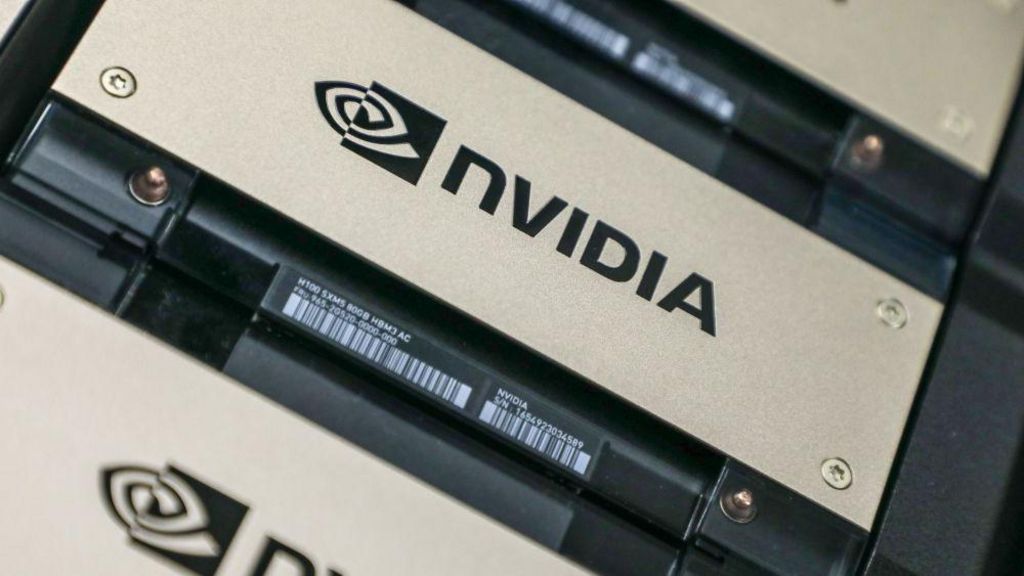
    Federal authorities have unsealed charges against three technology industry figures accused of orchestrating a sophisticated scheme to illegally export advanced American artificial intelligence chips to China, circumventing strict export controls through an elaborate system of dummy equipment and falsified documentation.

    The Department of Justice announced Thursday the arrest of Yih-Shyan ‘Wally’ Liaw, a U.S. citizen and Senior Vice President of Business Development at California-based Super Micro Computer, along with Taiwanese citizen Ting-Wei ‘Willy’ Sun. A third individual, Ruei-Tsang ‘Steven’ Chang, also from Taiwan, remains at large according to federal authorities.

    The defendants allegedly conspired with an unidentified Southeast Asian company, referred to as Company-1 in court documents, to divert Nvidia-made semiconductors—highly coveted AI chips subject to stringent export restrictions—to Chinese brokers. The sophisticated operation involved placing orders for servers containing restricted technology while fabricating records to indicate Company-1 as the intended end user.

    Instead, the conspirators allegedly repackaged servers with assistance from a logistics firm, concealing them in unmarked containers before shipment to China. The operation utilized thousands of replica ‘dummy’ servers designed to resemble legitimate equipment during audits, while the actual restricted technology had already been illegally exported.

    Surveillance footage reportedly captured Sun using hair dryers to remove and reapply labels and serial number tags between genuine server boxes and their replica counterparts. The Justice Department estimates Company-1 purchased approximately $2.5 billion worth of equipment, shipping ‘massive quantities of servers with controlled U.S. artificial intelligence technology’ to China without proper authorization.

    Super Micro Computer, a publicly-traded technology equipment supplier, confirmed the individuals’ association with the company while emphasizing its cooperation with investigators. The firm placed Liaw and Chang on administrative leave and terminated its contract with Sun, stating the alleged conduct violated company policies and export compliance controls.

    This case emerges alongside a separate investigation involving two Chinese nationals arrested in August 2025 for illegally shipping millions of dollars worth of Nvidia chips to China through Malaysian and Singaporean intermediaries. The ongoing enforcement actions highlight heightened concerns about technology transfer to China amid national security considerations.

    Nvidia, whose advanced semiconductors power most artificial intelligence applications, maintains rigorous compliance programs according to company representatives. The chipmaker emphasized it provides no support for unlawfully diverted systems and collaborates closely with government agencies on export control enforcement.

  • Political tug of war over Iranian women’s soccer team prompts criticism in Australia

    Political tug of war over Iranian women’s soccer team prompts criticism in Australia

    A high-stakes diplomatic confrontation between Iran, the United States, and Australia regarding seven members of Iran’s women’s soccer team has culminated with the majority returning to Tehran while two players remain in Australia under protection visas.

    The controversial episode began when five team members initially accepted asylum offers in Australia following their elimination from the Women’s Asian Cup tournament. Within days, however, all but two players reversed their decisions and rejoined their team in Kuala Lumpur before ultimately returning to Iran.

    Refugee advocates have criticized the handling of the situation, arguing that political posturing overshadowed the welfare concerns of the athletes. Graham Thom of the Refugee Council of Australia described the outcome as ‘far from ideal,’ noting concerns about whether the women received adequate independent legal counsel during the rushed process.

    The situation escalated into an international spectacle when U.S. President Donald Trump publicly intervened via social media, urging Australia to grant asylum and personally discussing the matter with Australian Prime Minister Anthony Albanese. This highly public approach marked a departure from Australia’s traditional practice of handling asylum claims discreetly.

    Iranian officials claimed victory in what they characterized as a propaganda battle, with Foreign Ministry spokesman Esmaeil Baghaei accusing Australian authorities of coercing the women into signing visa documents under false pretenses. Australia has denied applying pressure on the athletes regarding their stay or departure.

    Experts suggest the women’s initial silent protest during the national anthem—a gesture that attracted global attention—unintentionally transformed them into symbols of resistance, drawing them into a geopolitical conflict between opposing powers. The reasons behind the five players’ decision to return remain undisclosed, though concerns about potential threats to family members in Iran have been raised by advocates.

    The two remaining players, Fatemeh Pasandideh and Atefeh Ramezanisadeh, continue to receive Australian government support while the returned athletes were met with an official welcome ceremony in Iran, where midfielder Fatemeh Shaban publicly expressed happiness about returning to her homeland.

  • Netanyahu says Iran no longer able to enrich uranium, produce missiles

    Netanyahu says Iran no longer able to enrich uranium, produce missiles

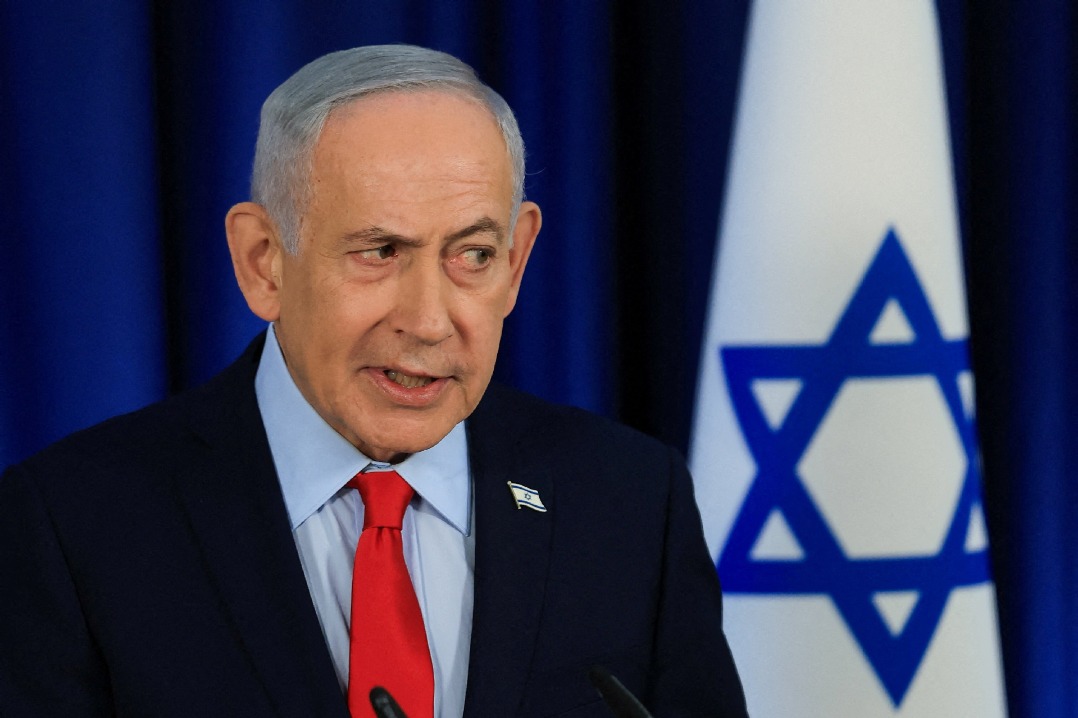
    Israeli Prime Minister Benjamin Netanyahu made a significant declaration during a Thursday press conference, stating that Iran has been effectively stripped of its uranium enrichment capabilities and missile production infrastructure. This announcement comes in the wake of coordinated military operations between Israel and the United States targeting Iranian strategic assets.

    Netanyahu outlined that the dismantling of Iran’s nuclear and missile programs constituted two primary objectives of the joint campaign. The third stated goal—regime change in Tehran—remains contingent upon the will of the Iranian population, according to the Israeli leader.

    The Prime Minister addressed Wednesday’s Israeli strike on an Iranian natural gas facility in the Persian Gulf, confirming earlier statements by former U.S. President Donald Trump that Israel had not provided advance notification to Washington regarding the operation. This revelation highlights the complex coordination dynamics between the two allied nations.

    In a notable concession to diplomatic relations, Netanyahu acknowledged complying with President Trump’s request to suspend further military actions against Iranian targets. “President Trump asked us to hold off on future attacks, and we’re holding it,” Netanyahu stated during the briefing.

    The Israeli leader further revealed the extent of the allied military success, claiming that combined U.S. and Israeli operations had resulted in the complete destruction of Iran’s naval presence in the Caspian Sea. This development represents a substantial blow to Iran’s regional military capabilities and strategic positioning.

    The statements come amid ongoing tensions in the Middle East and reflect the continuing strategic partnership between Israel and the United States in countering Iranian influence and military development in the region.

  • US deports Singaporean vlogger convicted of child sex offences

    US deports Singaporean vlogger convicted of child sex offences

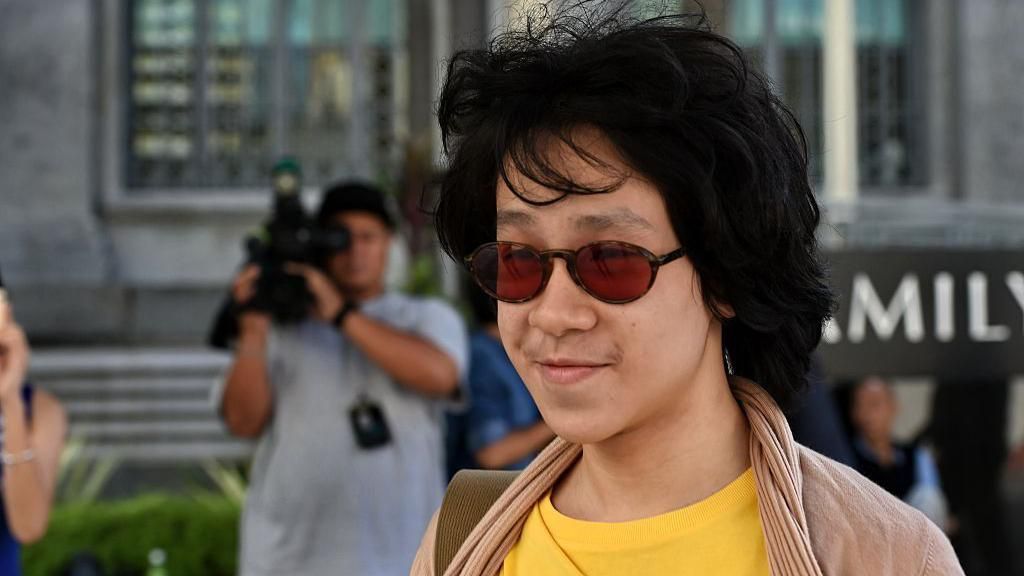
    Amos Yee, the Singaporean national who gained international attention through controversial political commentary and subsequent criminal convictions, has been forcibly returned to Singapore by U.S. immigration authorities. The deportation concludes a complex legal saga spanning nearly a decade and multiple jurisdictions.

    Yee first attracted notoriety in 2015 following the death of Singapore’s founding leader Lee Kuan Yew, when the then-16-year-old posted profanity-laden videos criticizing Lee’s legacy and making inflammatory religious comments. The content, which included crude depictions of the former prime minister, resulted in numerous police reports and ultimately led to Yee’s imprisonment in Singapore for offenses against religious harmony.

    In 2017, Yee was granted political asylum in the United States after an immigration appeals board determined he had legitimate fears of persecution in Singapore. This decision occurred despite opposition from the Department of Homeland Security and made Yee a controversial figure among free speech advocates and government critics.

    However, Yee’s legal troubles continued in the United States. In 2020, he was convicted in Illinois for possession of child pornography and grooming a 14-year-old girl he had contacted through online platforms. Court documents revealed he used WhatsApp to solicit inappropriate materials from the minor and distributed her photographs online.

    Following his release on parole in November, U.S. Immigration and Customs Enforcement (ICE) immediately took Yee into custody. He was subsequently listed among what the agency described as ‘the worst of the worst criminal aliens’ in a newly created database.

    Yee now faces charges in Singapore for violating the country’s Enlistment Act, which requires all male citizens to complete two years of mandatory military service typically beginning at age 18. His hearing is scheduled for Friday, though authorities have not confirmed whether additional charges might be filed related to his previous offenses.

    The case has reignited discussions about free speech limitations, religious harmony laws, and cross-border legal enforcement between the United States and Singapore.

  • Energy fallout from Iran war signals a global wake-up call for renewable energy

    Energy fallout from Iran war signals a global wake-up call for renewable energy

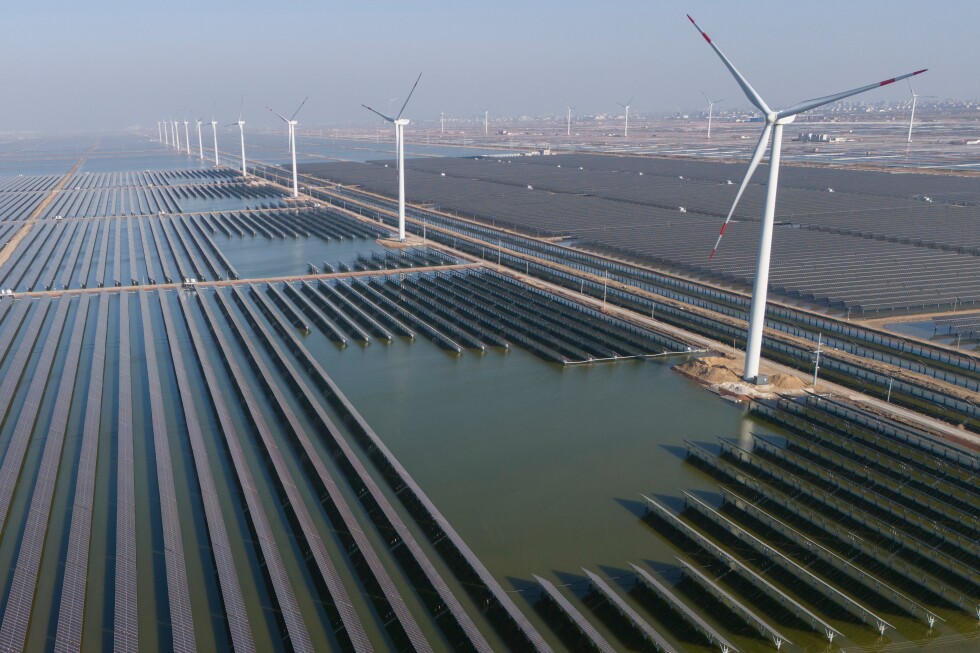
    The ongoing conflict in Iran has dramatically revealed the world’s precarious dependence on fragile fossil fuel supply chains, intensifying calls for an accelerated transition to renewable energy sources. With hostilities effectively halting oil exports through the critical Strait of Hormuz—a narrow maritime passage handling approximately 20% of global oil and liquefied natural gas (LNG)—energy markets have experienced significant disruptions. These developments have triggered price surges and placed substantial strain on import-dependent economies worldwide.

    Asia, as the primary destination for these oil shipments, has borne the brunt of the impact, though European and African nations likewise face considerable challenges. European policymakers are implementing energy demand reduction measures, while Africa prepares for escalating fuel costs and inflationary pressures.

    Unlike previous energy crises, renewable power now presents cost-competitive alternatives to fossil fuels in numerous markets. The International Renewable Energy Agency reports that over 90% of new renewable projects initiated in 2024 offered cheaper electricity generation than fossil fuel alternatives.

    The crisis extends beyond electricity generation, affecting fertilizer production, plastics manufacturing, and numerous other industries. Nations with more developed renewable infrastructure demonstrate greater resilience, as these systems utilize domestic solar and wind resources rather than imported fuels.

    Energy analyst James Bowen of ReMap Research observes: “These crises regularly occur. They are a feature, not a bug, of a fossil fuel-based energy system.”

    China and India, the world’s two most populous nations, present contrasting approaches to energy security. China has established global leadership in renewable adoption while remaining the largest crude oil importer and primary purchaser of Iranian oil. Approximately 10% of Chinese vehicles are now electric, significantly reducing import dependence according to International Energy Agency data.

    Lauri Myllyvirta of the Centre for Research on Energy and Clean Air notes that without this transition, China would be “far more vulnerable to supply and price shocks.”

    India has pursued renewable expansion at a slower pace with less governmental support for manufacturing and grid integration. Following Russia’s invasion of Ukraine, India prioritized energy security through discounted Russian oil purchases and increased coal production. While solar and wind capacity provided some cushioning effect, the country now faces cooking gas shortages affecting restaurants and industries.

    Wealthy nations have responded variably to the crisis. Some European governments initially attempted to reduce fossil fuel dependence but subsequently focused on securing alternative suppliers. Germany constructed LNG terminals to replace Russian gas with American exports, potentially slowing its energy transition. Research indicates Europe’s fossil fuel spending since the Ukraine conflict represents approximately 40% of the investment required for full transition to clean energy.

    Japan has predominantly diversified fossil fuel imports rather than investing substantially in domestic renewables, with solar and wind constituting merely 11% of its energy production.

    Developing nations face particularly severe challenges, competing with wealthier countries for limited gas supplies. Import-dependent economies across Africa and Asia—including Benin, Zambia, Bangladesh, and Thailand—confront potentially devastating impacts from sustained high prices.

    Kennedy Mbeva of the University of Cambridge’s Centre for the Study of Existential Risk emphasizes that African nations should strategically build long-term energy security through cleaner investments. While South Africa considers new gas infrastructure, Ethiopia has banned gasoline and diesel vehicles to promote electric transportation.

    Renewable energy has provided measurable protection for some nations. Pakistan’s solar expansion has prevented over $12 billion in fossil fuel imports since 2020, with potential savings of $6.3 billion in 2026 alone. Vietnam’s solar generation stands to save hundreds of millions in avoided coal and gas imports.

    Countries without renewable buffers are implementing emergency measures: Bangladesh has closed universities to conserve electricity and instituted fuel rationing, while Thailand has suspended petroleum exports and increased domestic production.

    As research fellow Areeporn Asawinpongphan of the Thailand Development Research Institute concludes: “The time for promoting domestic renewables should have happened a long time ago.”

  • BTS Arirang review: K-pop idols rekindle their fire

    BTS Arirang review: K-pop idols rekindle their fire

    After an extensive four-year hiatus during which all seven members completed South Korea’s mandatory military service, global superstars BTS have launched a spectacular return with their tenth studio album ‘Arirang.’ The comeback represents not just a musical event but a cultural phenomenon, with unprecedented fan engagement and commercial expectations reaching historic proportions.

    The scale of BTS’s return is evidenced by staggering numbers: their free Seoul concert kicking off an 82-date sold-out world tour attracted over 250,000 in-person attendees while being live-streamed to 190 countries via Netflix. Industry analysts project the tour could generate between $1-2 billion in revenue, potentially surpassing Taylor Swift’s record-breaking Eras Tour. The demand has reached such heights that Mexico’s President Claudia Sheinbaum formally requested additional shows from the South Korean government.

    Musically, ‘Arirang’ marks a significant artistic departure from the polished retro-disco of their previous hits like ‘Dynamite’ and ‘Butter.’ The album opens with a rebellious, rap-heavy energy reminiscent of their 2014 album ‘Dark & Wild,’ featuring tracks like ‘FYA’ with its Jersey club influences and ‘Hooligan’ with its audacious soundscape of sharpening knives and cinematic strings. Spanish producer El Guincho, known for his work with Rosalía and Charli XCX, helped craft this return to their roots.

    The album’s title and concept pay homage to Korean heritage, drawing inspiration from Korea’s most beloved folk song ‘Arirang’ and its historical significance. The promotional materials thoughtfully reference the first known recording of Arirang made by seven Korean men at Howard University in 1896, creating a symbolic connection across 130 years of cultural exportation.

    Lyrically, the album explores complex themes including the psychological toll of fame, with tracks like ‘Normal’ examining ‘the space between spotlight and silence’ and ‘Merry Go Round’ addressing the relentless pace of celebrity life. The album’s first single ‘Swim,’ primarily written by leader RM, presents a more contemplative perspective on surrendering to life’s currents.

    While the latter section of the album features more conventional love songs that some critics might consider less innovative, the closing track ‘Into The Sun’ returns to experimental form with digital vocal effects and stadium rock grandeur. The album ultimately demonstrates BTS’s renewed commitment to their career while acknowledging the complexities of their global superstardom.