标签: Asia

亚洲

  • A CIA-armed Kurd insurgency in Iran would be risky and reckless

    A CIA-armed Kurd insurgency in Iran would be risky and reckless

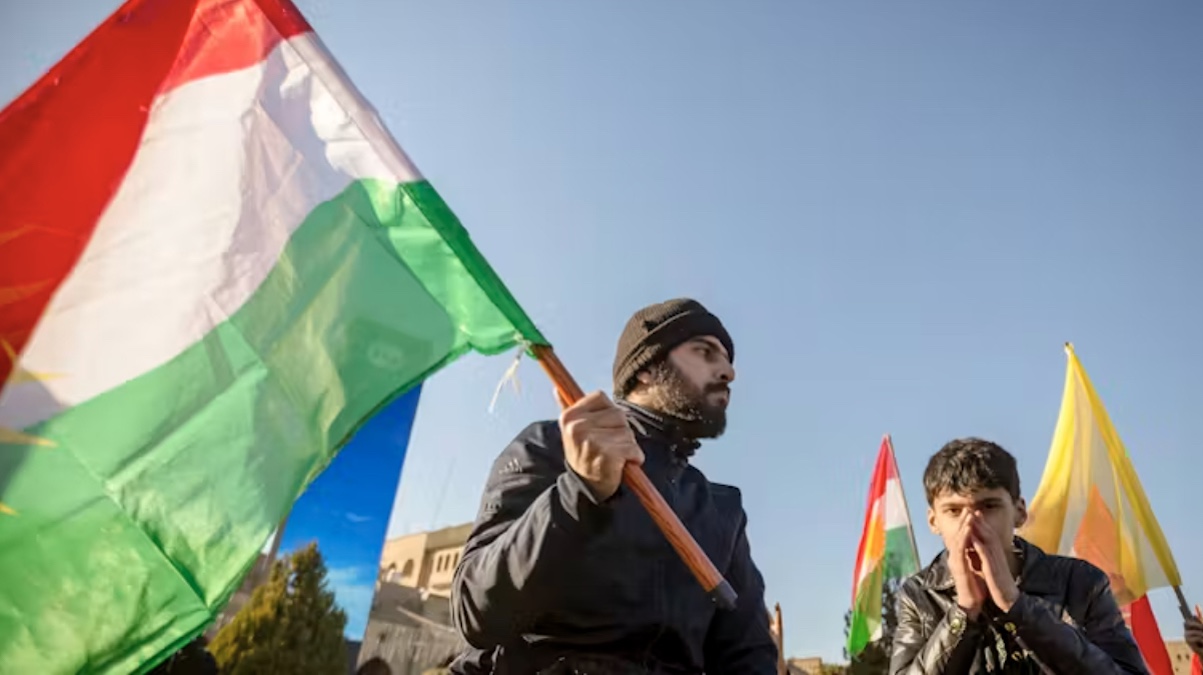
    As sustained military operations by American and Israeli forces continue to weaken Iran’s clerical regime, Washington is reportedly considering a strategic partnership with Kurdish factions to escalate pressure on Tehran. This potential alignment targets Iran’s northwestern Kurdish minority, a demographic comprising 8-17% of the population that has endured systematic persecution under the Islamic Republic since its establishment in 1979.

    Multiple intelligence reports indicate that following the outbreak of hostilities on February 28, 2026, the CIA has actively explored arming Kurdish opposition groups to foment internal uprising against Iranian leadership. This strategic consideration has been reinforced by high-level diplomatic engagements, including President Donald Trump’s direct communications with Iraqi Kurdish leaders Masoud Barzani and Bafel Talabani shortly after the initiation of bombing campaigns.

    The geopolitical calculus appears influenced by Israel’s sustained advocacy for U.S.-Kurdish cooperation, leveraging existing intelligence networks among Kurdish populations across Iran, Iraq, and Syria. Kurdish grievances against Tehran’s authorities, intensified by recent events including the 2022 protests following Mahsa Amini’s death and decades of cultural suppression, create apparent conditions for productive collaboration.

    However, Middle East analysts caution that this approach carries significant risks reminiscent of previous Western interventions. The Kurdish people, numbering 30-40 million across four nations, represent history’s largest stateless ethnic group despite early 20th century promises of sovereignty. Their political movements remain fragmented across ideological and national lines, complicating unified action.

    Ethical considerations loom large, as Kurdish communities possess painful historical memories of abandonment by Western powers. The 1975 Algiers Accord, which terminated U.S. support for Iraqi Kurdish rebels without warning, resulted in devastating reprisals and mass displacements. Current Kurdish leadership expresses skepticism about American commitment beyond immediate tactical objectives.

    Regional complications further complicate potential cooperation. Turkey, a NATO ally, considers Kurdish militant groups like the PKK and its Iranian affiliate PJAK as existential threats. Any substantial American arming of these elements would strain relations with Ankara, particularly following delicate ceasefire developments in 2025.

    Military analysts question the practical effectiveness of Kurdish insurgent capabilities, noting assessments that indicate limited capacity for sustaining successful uprising against Iranian forces. The humanitarian implications also raise concerns, as historical patterns suggest Tehran would respond with indiscriminate repression against civilian populations in Kurdish regions.

    The emerging strategy reflects concerning parallels with previous American interventions in Afghanistan and Syria, where short-term tactical advantages yielded long-term destabilizing consequences. Without clear political objectives and sustainable support structures, analysts warn that leveraging Kurdish aspirations against Iran may initiate another cycle of betrayal and regional instability.


  • Starmer calls Trump in bid to mend fraught ties over Iran war

    Starmer calls Trump in bid to mend fraught ties over Iran war

    In a pivotal diplomatic engagement, British Prime Minister Keir Starmer and former U.S. President Donald Trump convened a telephone discussion on Sunday, aiming to reconcile recent disagreements concerning the ongoing military engagement in the Middle East. The conversation, detailed in an official summary from Downing Street, served as a platform to address the United Kingdom’s contentious involvement in the US-Israeli operations against Iran.

    During the exchange, Prime Minister Starmer formally expressed his condolences for the American personnel who lost their lives in Iranian counter-strikes on U.S. installations throughout the Gulf region. The leaders also deliberated on the broader Middle Eastern situation and the specifics of UK-US military collaboration, particularly focusing on the strategic utilization of Royal Air Force (RAF) bases for collective defense initiatives with regional allies.

    This high-stakes dialogue followed a period of significant friction. Initially, Prime Minister Starmer had moved to deny U.S. forces access to the critical British airbase located on Diego Garcia, a strategic Indian Ocean outpost, shortly after the commencement of bombardments on February 28th. This decision prompted a fierce backlash from Trump and pro-war factions within the UK’s political landscape, including members of the Conservative and Reform parties.

    Under mounting pressure, the Starmer administration later revised its stance, permitting U.S. military operations from UK bases for what it classified strictly as ‘defensive’ purposes, such as neutralizing Iranian missile sites that had targeted American assets. This concession, however, did not prevent a public relations broadside from Trump, who took to his Truth Social platform on Saturday to dismiss reported British considerations of deploying aircraft carriers as belated and unnecessary, sarcastically remarking, ‘We don’t need people that join Wars after we’ve already won!’ He had previously drawn an unflattering comparison on March 3rd, stating he was ‘not happy with the UK’ and quipping, ‘This is not Winston Churchill that we’re dealing with.’

    The conflict itself has proven far more protracted and costly than initial U.S. assessments predicted. Originally anticipated to conclude within days, Pentagon officials now reportedly project operations could extend until at least September. The U.S. has acknowledged eight military fatalities and significant damage to its infrastructure across the Gulf due to Iranian retaliation. Iran’s tactical approach has emphasized inflicting substantial geopolitical, economic, and infrastructural costs on the U.S.

    In response, US and Israeli military efforts have concentrated on degrading Iran’s civilian and military infrastructure, aiming to cripple its missile capabilities and instigate internal dissent against the Tehran government. To date, these efforts have not sparked a widespread uprising, but the human cost is severe, with at least 1,300 Iranian casualties reported from the attacks. For Prime Minister Starmer, a former critic of the Iraq War, navigating this military entanglement without direct UK combat involvement remains a central and challenging objective of his foreign policy.

  • Italian skier helps shape Hebei’s Chongli into winter sports destination

    Italian skier helps shape Hebei’s Chongli into winter sports destination

    Two decades after arriving from Italy, Andrea Coatti has become an integral part of Chongli’s remarkable transformation from an unknown mountain town to an internationally recognized winter sports destination. The Italian ski professional, affectionately known as “Yibu” (meaning “one step”) among locals, initially journeyed to Zhangjiakou’s Chongli district in Hebei province without prior knowledge of the area.

    Coatti dedicated his expertise to developing and maintaining ski infrastructure during Chongli’s formative years as a winter sports location. His technical contributions proved instrumental in the region’s development, culminating in his participation in constructing competition venues for the prestigious 2022 Beijing Winter Olympics.

    The Olympic legacy has propelled Chongli into a new era of growth and international recognition. The district now boasts state-of-the-art winter sports facilities connected to Beijing via high-speed rail, making it accessible to enthusiasts worldwide. This connectivity has transformed the once-quiet town into a thriving hub that attracts young skiers and snowboarders from across the globe.

    Chongli’s evolution represents China’s strategic development of winter sports infrastructure and the successful integration of international expertise. The combination of foreign technical knowledge and local implementation has created a destination that meets international standards while maintaining its unique regional character.

  • New career unlocked! Senior care specialist

    New career unlocked! Senior care specialist

    A groundbreaking profession has emerged as a focal point during China’s ongoing Two Sessions political gatherings: the senior care specialist. This newly recognized career path represents a significant shift in how China addresses its aging population challenges while creating opportunities for younger generations.

    China Daily journalist Xia Ji embarked on an investigative journey to understand this developing field, consulting with CPPCC members about the profession’s future prospects. The research culminated in an immersive experience at a senior care community, where Ji shadowed Yi Yi, a Generation Z care specialist, throughout her daily routine.

    The firsthand account reveals a profession that combines technical expertise with emotional intelligence, requiring specialists to navigate complex healthcare systems while providing compassionate companionship. These specialists undergo specialized training in gerontology, mobility assistance, medication management, and emotional support techniques tailored to elderly needs.

    China’s rapidly aging demographic landscape has accelerated demand for qualified care professionals. The official recognition of senior care specialists during the Two Sessions indicates government commitment to standardizing and professionalizing elderly care services nationwide.

    Young professionals like Yi Yi are bringing innovative approaches to traditional care models, incorporating technology-assisted monitoring, personalized activity planning, and intergenerational connection strategies that benefit both caregivers and recipients. The career offers competitive compensation packages and clear advancement pathways, making it increasingly attractive to young Chinese job seekers.

    The transformation of elderly care from informal family responsibility to professionalized service sector reflects broader socioeconomic changes in Chinese society and represents one of the fastest-growing employment categories in the healthcare ecosystem.

  • US-Israel bombing aims to depopulate Iran’s capital

    US-Israel bombing aims to depopulate Iran’s capital

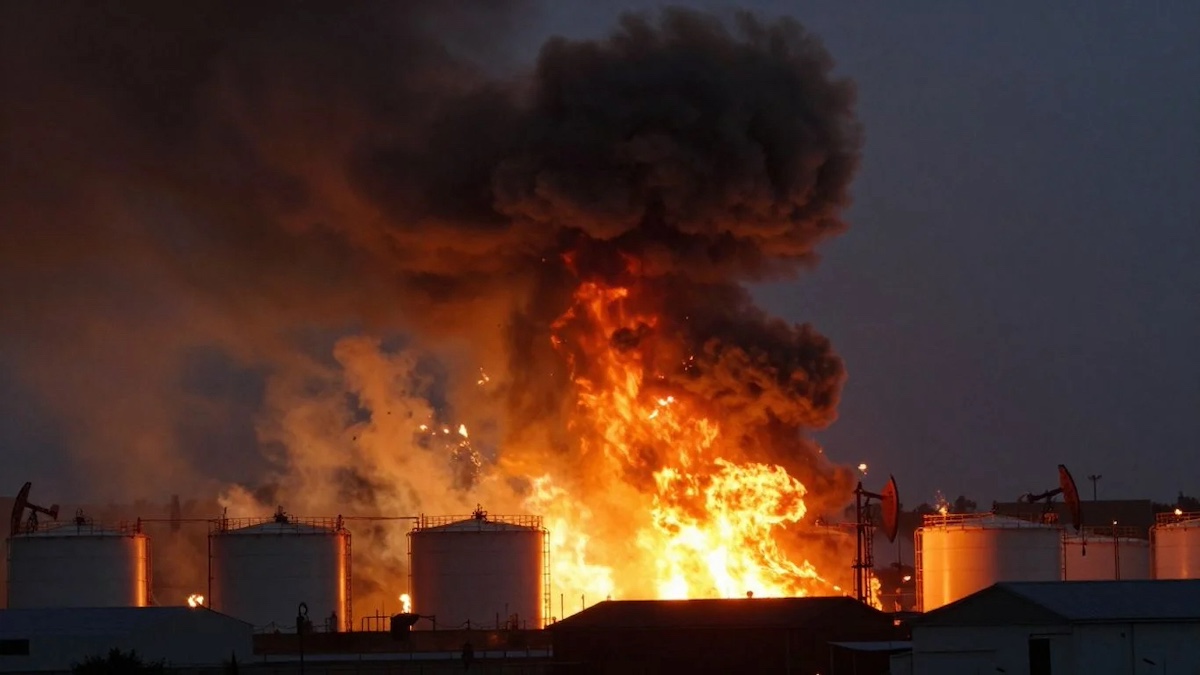
    Tehran’s approximately 10 million residents confronted an environmental disaster Sunday morning following coordinated airstrikes by United States and Israeli forces targeting the Iranian capital’s oil storage facilities. The attack created a massive inferno that generated towering pillars of fire and spewed toxic smoke across the metropolitan area, blotting out sunlight and producing blackened precipitation that fell across the city.

    The strategic bombardment exacerbates Tehran’s existing severe water shortage crisis, which had previously prompted President Masoud Pezeshkian to contemplate evacuation measures. Military analysts suggest the infrastructure targeting represents a calculated escalation designed to cripple civilian life and pressure Iran into unconditional surrender, as recently demanded by the Trump administration.

    Additional strikes reported against police stations further degrade urban security infrastructure, potentially accelerating population flight from the capital. The systematic destruction of energy facilities and critical civilian infrastructure mirrors tactics employed by Russia in Ukraine, though the proximity of these targets to dense residential areas raises profound moral questions.

    The humanitarian consequences are rapidly compounding Iran’s existing crises. Mass displacement could overwhelm national resources and security services, particularly if desperate citizens begin rioting in evacuation camps. Such scenarios might test the loyalty of Iran’s Revolutionary Guard Corps and allied militias if ordered to use lethal force against starving civilians rather than anti-government protesters.

    CENTCOM has justified the strikes by alleging Iran uses populated areas for military operations, thereby voiding protected status under international law. This legal framing suggests potential further escalation toward systematic targeting of civilian areas if Iran maintains its refusal to surrender. The conflict has now unequivocally expanded beyond purely military targets to encompass semi-military infrastructure with devastating collateral impacts on civilian populations.

  • Beijing to boost new productive forces with Tianjin, Hebei

    Beijing to boost new productive forces with Tianjin, Hebei

    The Beijing-Tianjin-Hebei regional integration initiative is gaining significant momentum as authorities prioritize the development of new productive forces across the economic corridor. Beijing Mayor Yin Yong announced enhanced collaboration measures during a press conference held alongside China’s ongoing legislative sessions, highlighting strategic coordination with Hebei province’s Xiong’an New Area and the municipality of Tianjin.

    The regional development strategy centers on strengthening international innovation hubs through technological advancement and knowledge transfer. Mayor Yin emphasized the region’s commitment to creating a multi-tiered, collaborative framework designed to serve not only northern China but also contribute to national and global economic networks. This initiative represents a crucial component of China’s broader regional development objectives.

    Recent economic indicators demonstrate substantial progress in the integration effort. The Beijing-Tianjin-Hebei region recorded a collective GDP growth of 5.4% in the previous year, exceeding the national average by 0.4 percentage points. The area’s contribution to national economic output has shown consistent expansion, reflecting the success of coordinated development policies.

    Technology transfer has emerged as a particularly successful aspect of regional cooperation. The value of technology contracts transferred from Beijing to Tianjin and Hebei reached approximately 100 billion yuan ($14 billion), representing a year-on-year increase exceeding 18%. This substantial flow of technological resources underscores the region’s growing innovation ecosystem.

    Infrastructure connectivity has also seen remarkable advances with the recent completion and operation of several major transportation projects. The Beijing-Tangshan Intercity Railway and the Chengde-Pinggu section of the Chengping Expressway have significantly enhanced regional mobility, reducing transportation barriers between the three jurisdictions.

    Beyond economic and infrastructure integration, the collaboration has yielded substantial benefits in public services. Educational cooperation has flourished with over 300 high-quality primary and secondary schools and kindergartens from Beijing and Tianjin establishing partnership programs with counterparts in Hebei. Healthcare integration has similarly progressed with the formation of 150 Beijing-Tianjin-Hebei medical alliances, while more than 300 government services can now be processed across all three regions through self-service terminals, greatly improving administrative convenience for residents.

  • NPC deputy sets out ambitious economic plan for Heilongjiang

    NPC deputy sets out ambitious economic plan for Heilongjiang

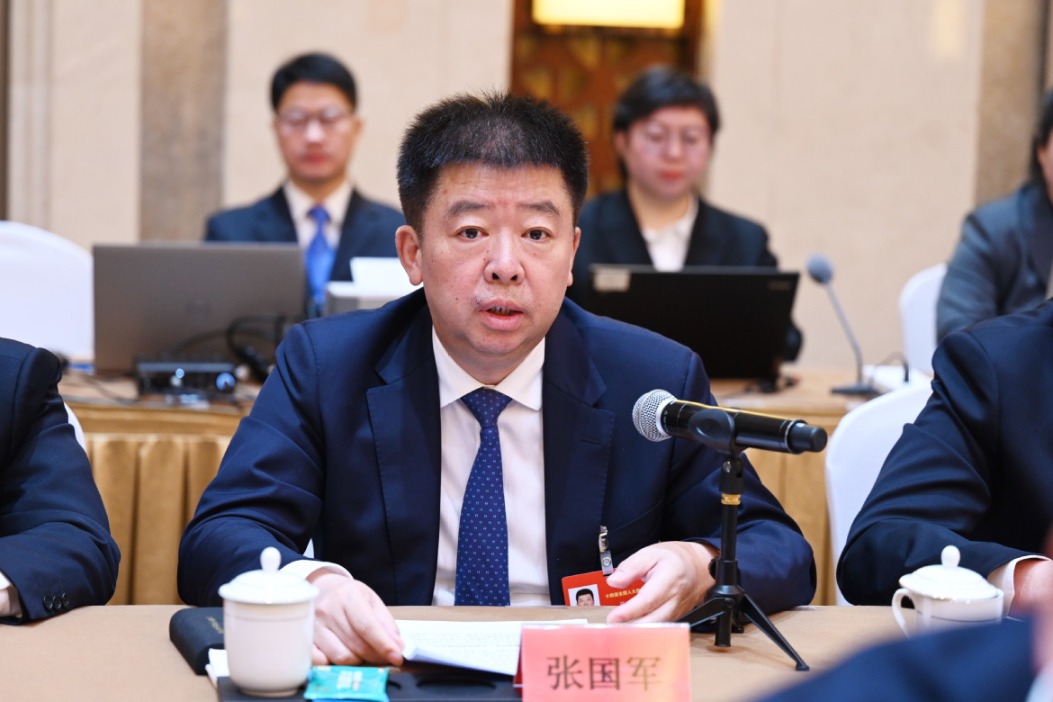
    Heilongjiang Province is positioning itself as China’s pivotal hub for northern economic expansion, according to strategic plans unveiled by NPC deputy Zhang Guojun during the National People’s Congress sessions in Beijing.

    As Party Secretary of Mudanjiang city and a representative to China’s national legislature, Zhang detailed how the northeastern province has transformed into a critical nexus for international trade under the Belt and Road Initiative framework. During the 14th Five-Year Plan period (2021-2025), Heilongjiang achieved remarkable foreign trade growth with a 15.2 percent average annual expansion rate despite global economic pressures.

    The province’s export structure has undergone significant qualitative improvements, with mechanical and electrical exports growing at 18.1 percent annually and high-tech product exports increasing by 7.9 percent each year. Service trade cumulative value surpassed $14.6 billion, reflecting diversified economic development.

    Zhang highlighted Mudanjiang’s exceptional performance, where exports of electric vehicles, lithium batteries, and solar cells increased 4.4-fold, demonstrating the region’s shift toward high-value manufacturing. The city’s strategic location has enabled it to capitalize on cross-border economic opportunities, particularly with Russia, where exports grew by 21.8 percent in 2025.

    Heilongjiang’s Free Trade Zone has emerged as an economic powerhouse, contributing approximately 20 percent of the province’s actual foreign investment utilization and 16 percent of total import-export volume. The zone has generated over 700 institutional innovations and supported the establishment of 35,000 new enterprises across sectors including advanced equipment manufacturing, new materials, and agricultural products.

    The recently approved Mudanjiang Industrial Collaboration Park represents another milestone in the province’s development strategy, creating momentum for interprovincial cooperation and industrial transfer from more developed regions.

    Infrastructure development remains a cornerstone of Heilongjiang’s expansion plans. The province has recorded substantial growth in port operations, with passenger and freight volumes increasing at annual rates of 61.2 percent and 12 percent respectively. The implementation of China-Russia visa-free policies has boosted tourism, resulting in a 134.7 percent surge in Russian visitors.

    Looking toward the 15th Five-Year Plan period (2026-2030), Zhang outlined ambitions to transform Heilongjiang’s economic model from a corridor-based system to a diversified framework encompassing import-export processing and multiple sectors. This comprehensive approach aims to establish a new pattern of openness toward Northeast Asia, driving regional revitalization through enhanced international connectivity.

  • China’s CR450 high-speed train moves a step closer to commercial operation

    China’s CR450 high-speed train moves a step closer to commercial operation

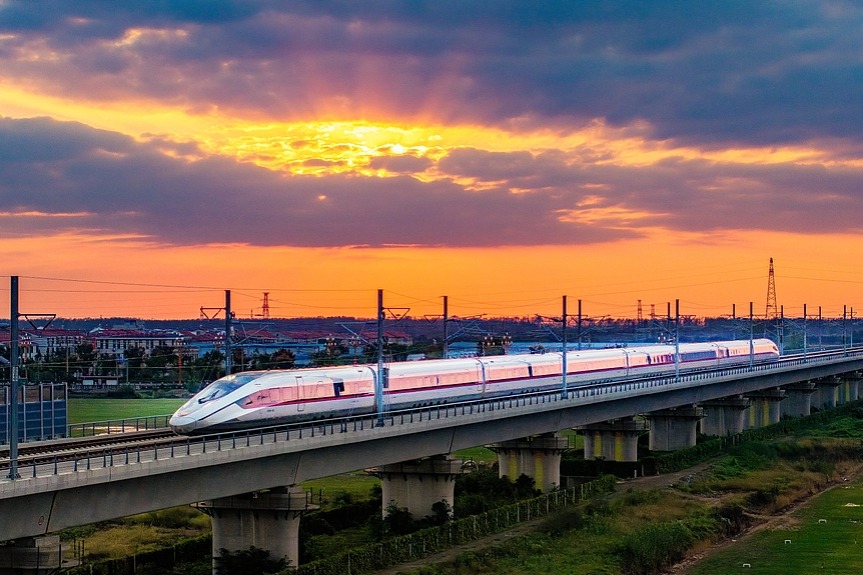
    China’s next-generation CR450 high-speed rail system has achieved critical development milestones, positioning it for potential commercial deployment following successful completion of extensive operational assessments. According to China State Railway Group, the revolutionary train is scheduled to undergo final operational evaluations and design certification procedures throughout 2026.

    The technological advancement represents a significant leap in rail transport innovation, with prototype trainsets having undergone rigorous testing across multiple Chinese rail networks throughout 2025. Following their production debut in late 2024, the prototypes completed comprehensive type testing on Beijing’s specialized Ring Railway test track and operational assessments on both the Chongqing-Xiamen and Shanghai-Chongqing-Chengdu high-speed corridors.

    Engineering breakthroughs have resulted in exceptional performance metrics: during testing protocols, a single CR450 train achieved unprecedented speeds of 453 km/h, while simultaneous bidirectional operations established a world record with trains passing at a combined velocity of 896 km/h. The train’s operational framework is engineered for sustained 400 km/h service with remarkable safety and efficiency characteristics, including emergency braking within 6,500 meters, energy consumption below 22 kWh per kilometer, and cabin noise levels maintained under 68 decibels.

    China State Railway Group emphasizes the project’s complete proprietary intellectual property rights, highlighting domestic innovations in critical components including specialized wheelsets, bogie steel plates, pantograph systems, and high-voltage cable terminals specifically designed for 400 km/h operations. Additional technological advances encompass drag reduction aerodynamics, lightweight carriage construction, permanent magnet traction systems, and high-performance braking mechanisms.

    The railway authority confirms continued development focusing on key technological refinement and industrial implementation, with systematic progress toward commercial operation following successful completion of the current assessment phase.

  • Iran: Mojtaba Khamenei chosen as new supreme leader

    Iran: Mojtaba Khamenei chosen as new supreme leader

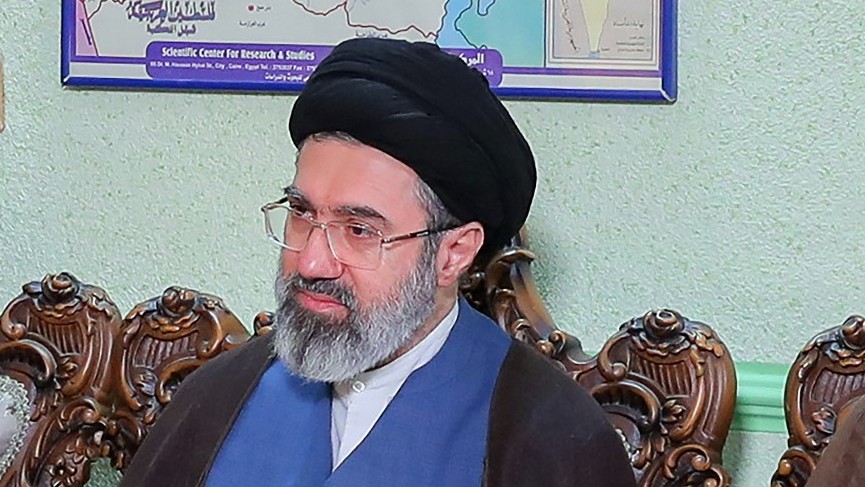
    In a pivotal transition of power, Iran’s Assembly of Experts has formally designated Mojtaba Khamenei as the nation’s third Supreme Leader following the revolutionary era. This decisive appointment comes merely days after coordinated Israeli-American strikes eliminated his father, Ayatollah Ali Khamenei, along with multiple family members including Mojtaba’s wife Zahra Adel and mother Mansoureh Khojasteh Bagherzadeh.

    The 88-member constitutional body, responsible for selecting Iran’s highest authority, conducted Sunday’s leadership determination under extraordinary circumstances. The assembly’s meeting occurred despite recent military actions targeting Qom—a principal center of Shia scholarship—where experts were anticipated to convene for this critical decision.

    Constitutional scholars emphasize that the succession process followed established legal protocols rather than representing hereditary power transfer. The 56-year-old Mojtaba, a respected Shia scholar with extensive theological training, previously survived assassination attempts—a factor that potentially reinforced his candidacy as Tehran demonstrates resilience against external pressure.

    The leadership transition unfolds amid escalating regional hostilities. Israeli Defense Minister Israel Katz publicly declared that any successor to the slain ayatollah would remain ‘a certain target for assassination,’ reflecting the intensified geopolitical tensions. Conversely, U.S. President Donald Trump previously dismissed Mojtaba’s potential appointment as ‘unacceptable’ while controversially asserting his own right to influence Iran’s leadership selection.

    Educated in Qom’s prestigious seminaries under prominent Islamic jurists, the new Supreme Leader specialized in advanced theological studies while maintaining influential connections within the Islamic Revolutionary Guard Corps (IRGC). His combat experience during the Iran-Iraq war within the IRGC’s Habib Battalion contrasts with his absence from elected office or formal government positions.

    State media reports indicate the Assembly of Experts reached their determination through ‘decisive vote,’ simultaneously urging Iranian intellectuals and religious scholars to pledge allegiance to the new leadership. This transition occurs as Iranian officials characterize current military pressures as existential threats to the nation’s territorial integrity and political sovereignty.

  • China to boost rural vitalization and modernization in 15th Five-Year Plan, says minister

    China to boost rural vitalization and modernization in 15th Five-Year Plan, says minister

    China has announced ambitious plans to accelerate comprehensive rural revitalization and agricultural modernization throughout its forthcoming 15th Five-Year Plan period (2026-2030). The announcement came from Minister of Agriculture and Rural Affairs Han Jun during ministerial interviews following the second plenary meeting of the fourth session of the 14th National People’s Congress in Beijing.

    Minister Han emphasized the government’s commitment to aligning development initiatives with rural residents’ aspirations for improved quality of life. “We need to align with farmers’ aspirations for a better life by leveraging resources and tailoring measures to local conditions to build livable and prosperous rural communities,” Han stated during the high-profile government session.

    The ministry has established a sophisticated nationwide monitoring and assistance system designed to prevent regression into poverty. This system, which operates across all previously impoverished villages and counties, utilizes advanced data sharing capabilities among government departments. Through on-site inspections and big-data analytics, the mechanism enables precise identification of poverty risks, ensuring early detection and targeted intervention.

    Employment generation remains a cornerstone of China’s rural development strategy. Currently, approximately 70% of income for formerly impoverished households derives from employment opportunities. In the previous year, 32.8 million people from these households secured employment, with over 14 million finding work within their home provinces and counties. The ministry plans to intensify skills training programs and employment services to maintain job stability and income security for vulnerable populations.

    Concurrently, all 832 counties that have emerged from poverty have developed distinctive local industries over the past five years. The government now aims to enhance the quality and efficiency of these industries, particularly by strengthening entire industrial chains to maximize income generation for rural communities. This industrial development approach forms part of China’s broader strategy to achieve sustainable rural development and prevent widespread return to poverty through development-based assistance and enhanced social security systems.