标签: Asia

亚洲

  • Beijing launches pilot for online pediatric consultations to ease hospital crowding

    Beijing launches pilot for online pediatric consultations to ease hospital crowding

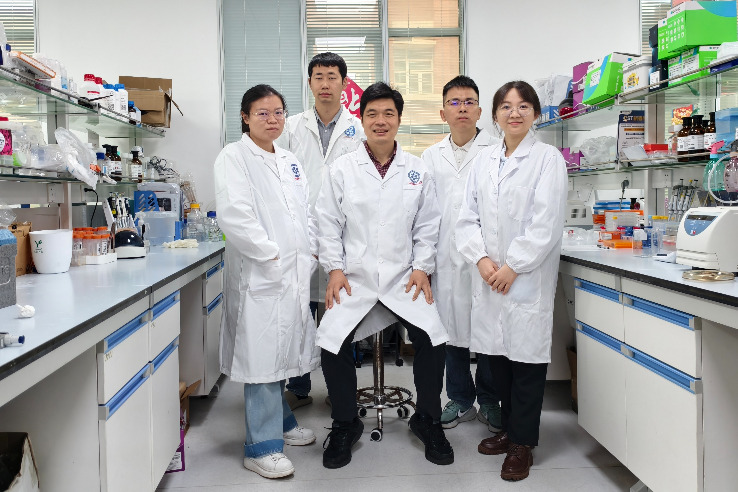
    In a groundbreaking healthcare initiative, China’s National Health Commission has authorized a pioneering one-year pilot program in Beijing that fundamentally transforms pediatric care delivery. This innovative scheme, effective from January through December, marks the nation’s first official endorsement of initial medical consultations for specific childhood conditions via digital platforms.

    The program represents a significant departure from existing regulations that previously confined internet-based medical services exclusively to follow-up appointments after an initial physical examination. This strategic shift aims to harness digital technology to address two critical healthcare challenges: reducing overwhelming congestion at metropolitan hospitals and expanding access to premium medical expertise for patients residing beyond Beijing’s metropolitan area.

    Two premier pediatric institutions—Beijing Children’s Hospital and the Capital Institute of Pediatrics, both under the auspices of Capital Medical University—have been designated to implement this revolutionary program. Their digital medical services will concentrate on three specialized areas: child growth and development metrics, pediatric nutritional guidance, and dermatological conditions affecting children.

    The health commission has established rigorous protocols to ensure the program’s integrity and safety. Participating physicians must demonstrate a minimum of three years of independent clinical practice, and all virtual consultations require the presence of a legal guardian alongside the child patient. Crucially, the guidelines mandate immediate termination of online sessions and referral to physical medical facilities if a child’s condition presents complexities unsuitable for remote diagnosis.

    Enhanced oversight mechanisms covering both medical safety protocols and cybersecurity measures form an integral component of the pilot framework, reflecting the government’s commitment to balancing innovation with patient protection in the digital healthcare landscape.

  • Elite Yemeni fighters swap allegiances from UAE to Saudi Arabia

    Elite Yemeni fighters swap allegiances from UAE to Saudi Arabia

    A significant realignment of military loyalties is underway in southern Yemen as the National Resistance Forces (NRF) and other armed groups transition their allegiance from the United Arab Emirates to Saudi Arabia. This strategic shift follows Saudi Arabia’s recent demand for Emirati forces to withdraw from Yemeni Presidential Leadership Council (PLC)-controlled territories.

    The transformation became evident when Saudi Arabia backed the PLC’s call for UAE withdrawal after the Southern Transitional Council (STC) unilaterally seized territory under its control. The UAE announced its departure following a Saudi air strike targeting weapons shipments destined for separatists. Saudi forces subsequently moved swiftly to establish presence in key areas including Aden, Lahj, Hadhramaut, and the west coast.

    Veteran fighters like Ammar, a 49-year-old soldier with two decades of service, describe the loyalty shift as a matter of military protocol rather than political ideology. “In the army, we don’t follow politics; we follow our commander,” Ammar explained to Middle East Eye. “We were grateful to the Emirati officers, and we are happy to work with Saudi officers now. Both are working to save Yemen.”

    The transition extends beyond military presence to economic support. Saudi Arabia has assumed responsibility for paying January salaries to NRF fighters who previously received compensation from the UAE. Riyadh has also funded public servant salaries across PLC-controlled areas and taken over financing of humanitarian projects, including hospitals, that the UAE abruptly abandoned upon withdrawal.

    Younger soldiers express more nuanced perspectives, emphasizing that political awareness helps avoid being drawn into “wrong battles.” Gawed Sobaihi, a 34-year-old stationed at a checkpoint in Lahj governorate, noted the Yemeni national flag now flies where the STC’s “independence flag” once hung. “Once friction emerged between Saudi Arabia and the UAE, we decided to stand with Riyadh,” Sobaihi stated, referencing Saudi Arabia’s 2015 intervention against Houthi rebels.

    Saudi Arabia is now working to unify various military groups under Yemen’s Ministry of Defense, addressing significant pay disparities where some fighters receive Saudi riyals while others are paid in devalued Yemeni rials. “Standardizing pay across all forces will be vital for the unity of the military,” Sobaihi emphasized.

    However, seasoned Yemeni journalist Mohammed Ali questions the nature of this shifted loyalty, suggesting that when military allegiance changes based on financial support, it resembles mercenary work rather than genuine patriotism. “The country that provides basic services and pays public servants’ salaries in Yemen will inevitably earn the backing of the population,” Ali observed. “That loyalty once lay with the UAE; now it lies with Saudi Arabia. If another country steps in to cover salaries, that support will shift again.”

    While expressing gratitude for Saudi support, Ali hopes for long-term solutions that enable Yemen to rely on its own resources rather than external assistance, particularly through resumed fuel production and exports.

  • Xi calls for cooperation with Uruguay in multiple areas

    Xi calls for cooperation with Uruguay in multiple areas

    In a significant diplomatic engagement at Beijing’s Great Hall of the People, Chinese President Xi Jinping and Uruguayan President Yamandú Orsi convened on February 3, 2026, to chart a comprehensive roadmap for bilateral cooperation. The meeting marked a pivotal moment in Sino-Uruguayan relations, occurring exactly 38 years after the establishment of diplomatic ties between the two nations.

    President Xi articulated a vision for strengthened alignment of development strategies across multiple sectors, emphasizing traditional areas like trade, finance, agriculture, and infrastructure while championing expansion into emerging fields including green technology, digital economy, artificial intelligence, and clean energy. This diversified approach aims to drive substantial economic transformation and growth for both countries.

    The Chinese leader highlighted the timing significance of President Orsi’s visit—the first by a Latin American leader in 2026—noting that Uruguay’s upcoming leadership roles in international organizations presents unique opportunities for collaboration. China expressed support for Uruguay’s 2026 chairmanship of the Group of 77 and China, as well as its rotating presidencies of CELAC and Mercosur.

    The summit produced concrete outcomes with the signing of over ten cooperation documents covering investment and trade, signaling a tangible deepening of the comprehensive strategic partnership. Both leaders committed to enhancing people-to-people exchanges through cultural, educational, sports, and subnational engagement programs to strengthen the natural affinity between their citizens.

    Against the backdrop of what President Xi described as ‘major changes unseen in a century’ within the international landscape, the two nations pledged to strengthen Global South solidarity and jointly promote a multipolar world order characterized by equality and inclusive economic globalization.

  • Indian rupee, stocks rally after trade deal with US

    Indian rupee, stocks rally after trade deal with US

    Financial markets in India surged on Tuesday following a significant diplomatic breakthrough between Washington and New Delhi, with President Donald Trump announcing a substantial reduction in reciprocal tariffs on Indian goods. The unexpected trade agreement, revealed through Trump’s Truth Social platform on Monday, immediately triggered robust investor confidence across Indian markets.

    The Indian rupee demonstrated remarkable strength, appreciating by over one percent to reach 90.40 against the US dollar during early trading sessions. Simultaneously, equity markets experienced substantial gains as investors responded positively to the prospect of improved trade relations between the world’s two largest democracies.

    This development marks a dramatic reversal from August, when bilateral relations deteriorated after Trump escalated import duties on Indian products from 25 percent to 50 percent. The previous tariff hike was implemented amid allegations that India’s purchase of discounted Russian oil was indirectly supporting Moscow’s military operations in Ukraine.

    The newly announced agreement reduces reciprocal tariffs to 18 percent, a move Trump attributed to his “friendship and respect” for Indian Prime Minister Narendra Modi. In his social media statement, the US president characterized Modi as “a great friend and respected leader,” noting that their discussions encompassed both trade matters and collaborative efforts to resolve the ongoing Russia-Ukraine conflict.

    Prime Modi expressed enthusiastic approval of the agreement, describing it as a “wonderful announcement” that would benefit India’s 1.4 billion citizens. He emphasized that enhanced cooperation between major economies creates substantial opportunities for mutually advantageous partnerships while delivering tangible benefits to both populations.

    The tariff reduction comes amid India’s strategic diversification of trade relationships, including last month’s comprehensive trade agreement with the European Union and recent efforts to normalize economic ties with China.

  • Wadan Developments marks a key milestone with the groundbreaking ceremony of Cybèle

    Wadan Developments marks a key milestone with the groundbreaking ceremony of Cybèle

    Wadan Developments has officially commenced construction on Cybèle, an innovative residential project at Dubai Land Residence Complex (DLRC), signaling a significant advancement in the company’s expansion strategy. The groundbreaking ceremony, attended by executive leadership and project partners, underscored Wadan’s transition from conceptual planning to physical realization of their design-forward development philosophy.

    Cybèle represents a modern approach to urban living, featuring park-front positioning and villa views with emphasis on spatial efficiency, natural illumination, and contemporary architectural aesthetics. The development will offer meticulously designed residences complemented by premium amenities including a comprehensive fitness center, swimming pool, dedicated children’s play zones with supervised childcare facilities, and landscaped communal areas that balance privacy with social engagement.

    Strategically situated within Dubai’s rapidly evolving landscape, Cybèle provides optimal connectivity to commercial districts and lifestyle destinations while maintaining an exclusive residential atmosphere. The project distinguishes itself through integrated artificial intelligence technology, featuring smart home systems accessible via the Wadan App that enable residents to manage lighting, climate control, and security functions, thereby enhancing energy conservation and daily convenience.

    Construction execution is managed internally by Auto Link Contracting (ALC), Wadan’s proprietary construction division, ensuring stringent quality control and adherence to project timelines. This integrated approach facilitates seamless coordination between architectural design and on-site implementation, maintaining the company’s commitment to excellence throughout all development phases.

    The Cybèle project embodies Wadan Developments’ core principles of technological innovation, functional elegance, and sustainable community building, positioning the company as a forward-thinking contributor to Dubai’s evolving urban fabric.

  • Libya’s stateless Tuareg: A forgotten human rights crisis at ‘risk of imminent explosion’

    Libya’s stateless Tuareg: A forgotten human rights crisis at ‘risk of imminent explosion’

    In the vast desert landscapes of southwestern Libya, an entire generation of Tuareg people exists in a paradoxical state of belonging without recognition. Indigenous to North Africa and traditionally nomadic across five nations, these communities face systematic exclusion from citizenship despite deep historical roots in Libyan territory.

    The administrative nightmare begins at birth for thousands like Abdulbaqi Hamdi, a Tuareg in his early twenties born and raised in Libya yet denied basic documentation. “We have always been on the margins of the state, but we have never been outside our homeland,” Hamdi reflects, capturing the essence of this institutional limbo.

    Historical context reveals this predicament stems from decades of political manipulation rather than accident. During Muammar Gaddafi’s regime, many Tuareg families from Mali and Niger settled in southern Libya, fleeing Sahelian droughts and conflicts. They were recruited into military service with promises of naturalization that never materialized—a deliberate strategy of administrative blackmail to maintain control.

    The 2011 uprising that toppled Gaddafi worsened their situation dramatically. Tuareg communities faced immediate suspicion due to some members’ involvement in Gaddafi’s army, resulting in double marginalization: first through exploitation by the state, then through stigmatization after its collapse.

    Libya’s current political fragmentation between rival governments in Tripoli and Benghazi has created governance vacuums in the Fezzan region, where most Tuareg inhabit areas under military commander Khalifa Haftar’s control. Entire neighborhoods in cities like Sabha and Ubari lack basic infrastructure—nonexistent roads, sanitation networks, and healthcare facilities—functioning as forgotten enclaves.

    The legal framework exacerbates this exclusion. Law No. 8 (2014) made the national identification number mandatory for accessing fundamental rights: obtaining passports, voting, owning property, or receiving social assistance. Without this number, Tuareg individuals cannot register marriages, open bank accounts, obtain SIM cards, or even receive death certificates.

    Education and healthcare access remain particularly problematic. While children can attend school, they are denied official diplomas. Medical treatment requires navigating complex administrative hurdles that often prove insurmountable.

    Human rights activist Majdi Bouhanna estimates between 16,000-17,000 families remain affected, their cases languishing in “provisional” civil registries despite completed legal processes. Contrary to popular belief, this issue impacts indigenous Tuareg alongside those with cross-border histories, reflecting broader systemic failures in civil registration.

    The security implications are profound. Marginalized youth, deprived of education and formal employment, increasingly turn to informal economies or armed groups. This creates vulnerability to recruitment by militias and criminal organizations operating in migration and smuggling routes that crisscross the Fezzan region.

    Community responses have emerged despite these challenges. Khadidja Andidi, a humanitarian activist in Ubari, established the volunteer center Noor al-Ilm following deadly inter-tribal conflicts in 2014-2015. Her organization provides healthcare, training, and emergency assistance while operating outside official channels due to her own statelessness.

    UN reports from 2018 highlight how denial of nationality fuels chronic marginalization, exacerbating conflicts and instability. As Bouhanna emphasizes, “The Tuareg are an integral part of Libya. They have protected its borders and defended the country at every stage of its history.”

    With anger mounting and calls for mobilization increasing on social media, experts warn of potential explosion in an already fragile nation. The bureaucratic nightmare surrounding Tuareg and Tebu communities represents not just a human rights crisis, but a critical security vulnerability that demands immediate political resolution.

  • India warns Meta, WhatsApp against sharing user data for ads

    India warns Meta, WhatsApp against sharing user data for ads

    In a landmark ruling with significant implications for digital privacy, India’s Supreme Court has delivered a forceful rebuke to Meta Platforms and its messaging subsidiary WhatsApp regarding their data sharing framework. The court explicitly prohibited the company from utilizing any user data for advertising purposes, demanding a legally binding commitment against such practices.

    The bench characterized Meta’s data sharing approach as fundamentally unacceptable, drawing a striking parallel to ‘a sophisticated method of pilfering private information.’ Judicial authorities emphasized that citizen privacy rights cannot be compromised for corporate commercial interests, particularly those of multinational corporations.

    The court further scrutinized Meta’s consent mechanism, noting that the complexity of opt-in/opt-out language creates barriers for ordinary users. Justices specifically referenced how such technical terminology would challenge the comprehension of vulnerable populations, including street vendors with limited digital literacy.

    Meta has been granted until February 9 to submit a comprehensive response to the court’s concerns. This legal confrontation stems from petitions challenging substantial penalties imposed by Indian regulatory bodies, including the Competition Commission of India’s ₹2.13 billion fine and subsequent rulings from the National Company Law Appellate Tribunal.

    The decision represents a critical juncture in the ongoing global debate regarding technology governance, user privacy protections, and the ethical responsibilities of digital platforms operating in diverse socioeconomic environments.

  • Israel rejects Gaza governing committee logo over similarity to PA emblem

    Israel rejects Gaza governing committee logo over similarity to PA emblem

    The Israeli government has formally rejected the official emblem adopted by the newly-formed Palestinian technocratic committee designated to administer Gaza’s affairs, citing its striking resemblance to the Palestinian Authority’s insignia. Prime Minister Benjamin Netanyahu’s office issued a statement on Monday declaring Israel’s refusal to accept the symbol, emphasizing that the Palestinian Authority would not participate in Gaza’s administration.

    The National Committee for the Administration of Gaza (NCAG), a 15-member body composed of Palestinian technocrats, recently altered its social media logo to display a golden eagle centered on the Palestinian flag—a design nearly identical to the PA’s official emblem. The sole distinction lies in the Arabic text at the base, where the NCAG’s acronym replaces the word ‘Palestine.’ Previously, the committee’s logo featured a bird constructed from the colors of the Palestinian flag.

    Established last month through the US-led ‘Board of Peace’ initiative, the NCAG aims to assume governance responsibilities in the conflict-devastated territory, effectively replacing Hamas’s administrative control. The committee is chaired by former PA deputy minister Ali Shaath and incorporates Gaza representatives with no political faction affiliations.

    Hamas, which has governed Gaza since 2006, announced on Monday its completion of all preparatory measures to transfer authority to the NCAG. Committee members, having conducted recent meetings in Egypt, are anticipated to enter Gaza through the Rafah crossing imminently to commence their administrative duties.

    Supervision of the NCAG falls to Bulgarian diplomat Nickolay Mladenov, former UN Middle East peace coordinator, who serves as high representative of the Board of Peace. Mladenov’s mandate includes overseeing implementation of the second phase of the Gaza ceasefire agreement.

    The committee’s composition features Omar Shamali (communications), Abdul Karim Ashour (agriculture), Aed Yaghi (health), and Aed Abu Ramadan (industry and economy). Additional appointments include Jabr al-Daour (education), Bashir al-Rayes (finance), Ali Barhoum (water and municipalities), Hanaa Tarzi (relief and solidarity), and Adnan Salem Abu Warda (judiciary).

    Further positions are allocated to Rami Tawfiq Helles (endowments and religious affairs), Osama Hassan al-Saadawi (housing and public works), and Samira Helles (energy and transportation). Notably, Sami Nasman—a retired senior PA security official and longstanding Hamas critic—assumes the security portfolio, despite receiving a 15-year prison sentence in absentia from a Gaza court in 2015 for alleged assassination plots against Hamas leaders.

  • UAE-based actress recalls dancing to the now viral ‘Ramba Ho’

    UAE-based actress recalls dancing to the now viral ‘Ramba Ho’

    Dubai-based veteran actress and dancer Kalpana Iyer is experiencing an extraordinary digital renaissance as her iconic 1980s track ‘Ramba Ho’ experiences massive viral resurgence across social media platforms. The unexpected revival began when the song featured prominently in the Netflix film ‘Dhurandhar,’ triggering a chain reaction of online recognition that culminated in Iyer’s own impromptu wedding dance performance going viral globally.

    In an exclusive interview, the 70-year-old screen legend revealed the completely spontaneous nature of the now-famous clip. Recorded during a friend’s son’s wedding celebration in Siliguri, the video captures Iyer instinctively moving to the familiar rhythms of her hit song while wearing traditional saree attire, without any prior choreography or rehearsal. ‘I simply surrendered to the musical moment and allowed my body to respond naturally,’ Iyer explained, noting she initially shared the video casually before it rapidly spread across digital platforms within hours.

    The actress described experiencing emotional responses as friends and former colleagues began sending her notifications about the song’s trending status following its cinematic placement. Despite the widespread attention, Iyer confesses she hasn’t yet viewed the Netflix production that sparked her renewed fame.

    This digital phenomenon has ignited conversations about potential professional comebacks for the actress, who stepped away from Bollywood in 1999 before relocating to Dubai. Iyer expressed nostalgic sentiments about film production environments, specifically mentioning missing ‘the distinctive atmosphere of studio sets and the creative community of the industry.’

    Throughout the 1980s and 1990s, Iyer established herself as a prominent screen presence with performances in numerous successful productions including ‘Satte Pe Satta,’ ‘Hum Paanch,’ ‘Laadla,’ ‘Anjaam,’ and the ensemble family drama ‘Hum Saath Saath Hain.’ Her current viral moment demonstrates the powerful intersection between digital culture, nostalgia, and the enduring appeal of cinematic history.

  • Philippine Congress suspends vote on Marcos impeachment complaints

    Philippine Congress suspends vote on Marcos impeachment complaints

    In a significant development within Philippine politics, the House of Representatives’ Committee on Justice has postponed a decisive vote regarding the substantive merits of impeachment complaints against President Ferdinand Marcos Jr. The committee, following extensive deliberations on Tuesday, opted to suspend proceedings without reaching a determination on whether sufficient grounds exist to advance the first impeachment petition.

    Committee Chairperson Jinky Luistro granted requests from multiple members to defer the crucial substance vote until Wednesday. This delay comes after the 47-member panel previously validated both complaints as formally sufficient on Monday, February 1st, establishing the procedural foundation for substantive evaluation.

    The initial complaint, filed by lawyer Andre de Jesus on January 19th, alleges multiple constitutional violations including treason, bribery, graft, corruption, and betrayal of public trust. Meanwhile, activist organizations submitted a separate impeachment petition two weeks ago containing similar accusations against the president.

    During Tuesday’s proceedings, the first complaint encountered substantial opposition from the predominantly pro-Marcos committee. Members introduced an unprecedented requirement demanding the inclusion of annexes beyond traditional impeachment documentation, potentially complicating its passage. Representative Jett Nisay, who endorsed the initial complaint, faced intense questioning from committee members aligned with the administration.

    The second complaint, endorsed by activist legislators, focuses specifically on allegations of institutionalized corruption through unprogrammed appropriations within the national budget. These budgetary mechanisms allegedly facilitate kickbacks through anomalous flood control projects, with whistleblowers claiming Marcos personally ordered such arrangements to receive billions in illicit payments.

    Lawmakers from the Makabayan bloc emphasized that Marcos Jr., as the son and namesake of former dictator Ferdinand Marcos Sr., remains particularly vulnerable to fraud allegations given the family’s historical legacy. The postponed vote represents a critical juncture in determining whether impeachment proceedings will advance against the Philippine leader.